Whether a Cockapoo Hides From Visitors
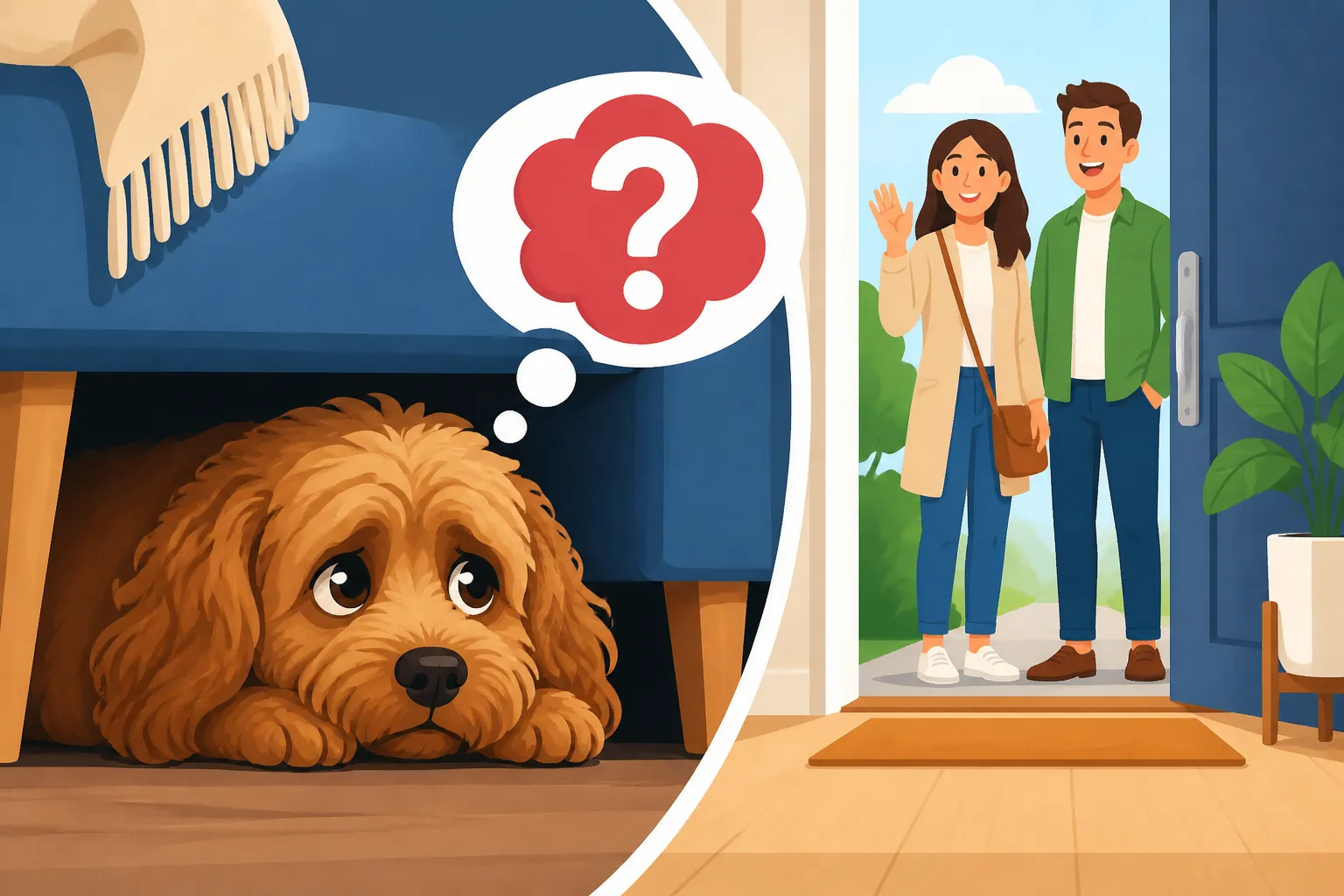
It can be heartbreaking and a little embarrassing when you have visitors over, eagerly anticipating a fun gathering, only to find your sweet Cockapoo suddenly transforms into a shadow-dwelling ninja, hiding under furniture or retreating to another room. You might wonder if they simply don't like people, or if you've somehow failed to socialize them properly. This guide aims to peel back the layers of why your Cockapoo might exhibit this behavior and provide practical, empathetic strategies to help them feel more comfortable and confident when guests arrive.
Understanding Why Your Cockapoo Retreats from Visitors
The truth is, there are a multitude of reasons why a Cockapoo might choose to hide rather than greet visitors, and it's rarely about them being "naughty" or disliking people inherently. More often than not, it stems from a place of fear, anxiety, or simply feeling overwhelmed. Understanding the root cause is the first step towards helping your furry friend.
The Role of Genetics and Early Socialization
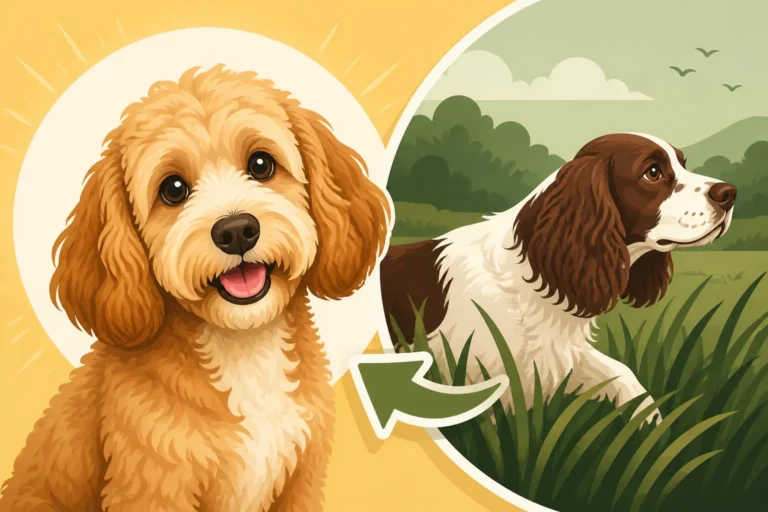
Every Cockapoo carries a unique blend of traits from their Cocker Spaniel and Poodle heritage. Some lines of Cocker Spaniels can be prone to shyness, especially if not well-socialized, while Poodles, though often outgoing, can also be highly sensitive and prone to anxiety if their environment is unpredictable or chaotic. This genetic predisposition can mean some Cockapoos are simply wired to be more reserved or easily startled.
Beyond genetics, early socialization plays a monumental role. The critical socialization window for puppies is typically between 3 and 16 weeks of age. During this time, positive exposure to a wide variety of people – different ages, genders, body types, voices, and even accessories like hats or glasses – is crucial. A Cockapoo puppy who spent their formative weeks in an isolated environment, perhaps a busy commercial breeding facility (often referred to as a puppy mill) where human interaction was minimal or inconsistent, might grow up to be naturally wary of strangers. They simply didn't get the chance to learn that new people are usually a source of good things, not threats. When that doorbell rings, their instinct might be to flee rather than engage because their early experiences didn't build a foundation of trust. This often feeds into a broader anxiety that can make it seem like A Cockapoo That Cannot Be Left alone, even if the core issue is discomfort with novel stimuli.
Negative Past Experiences or Lack of Exposure
Sometimes, it's not about what didn't happen, but what did. Even one negative interaction can deeply impact a sensitive Cockapoo. Imagine a well-meaning but overzealous guest bending too quickly, grabbing too firmly, or speaking too loudly to a young Cockapoo. To us, it might seem like a minor oversight, but to a dog, it could be a frightening event that teaches them to associate new people with discomfort or even pain. This single event can then generalize, leading them to hide from all new visitors, seeing them as potential threats.
Similarly, a lack of continued, varied exposure throughout their lives can also contribute. Perhaps your Cockapoo was well-socialized as a puppy, but then spent a year in a quiet household without many visitors. When guests finally do arrive, the experience is novel and therefore potentially frightening, because they haven't maintained their social "muscles." It’s like being fluent in a language and then not speaking it for years; you might become rusty and hesitant. For a rescue Cockapoo, especially one with an unknown past, this can be particularly pronounced. They may have experienced truly frightening situations, making them incredibly cautious, and it can take considerable time for How Long a Rescue Cockapoo Takes to Settle and build trust in a new home.
Overwhelm and Sensory Overload
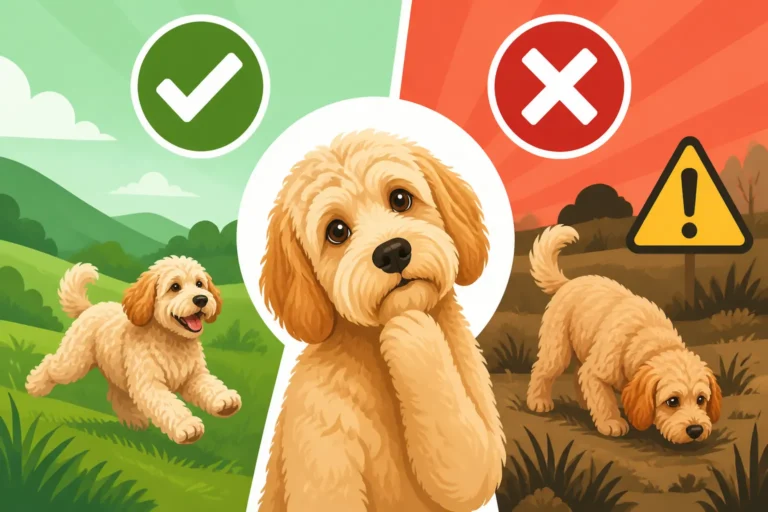
Cockapoos are generally intelligent and can be quite sensitive dogs. While this makes them wonderfully attuned companions, it can also mean they are easily overwhelmed by sudden changes, loud noises, and too much activity. The arrival of visitors often brings a flurry of sensory input: the doorbell ringing, excited voices, new smells, sudden movements, and children’s squeals. For a dog that thrives on routine and calm, this can be a barrage that triggers an immediate need to retreat to a safe, quiet space.
Think about it from their perspective: one minute they're peacefully napping, the next, the front door bursts open, and a group of strangers is excitedly talking and moving around their territory. They might not be afraid of any individual guest, but the sheer volume and chaos of the situation can be too much to process. This isn't just about fear; it's about a highly tuned nervous system saying, "Too much, too fast!" This sensitivity means they often don't cope well in environments like Whether a Cockapoo Copes in a Loud House unless they have been very carefully desensitized.
Recognizing the Signs Beyond Hiding
While hiding is a clear indicator that your Cockapoo is uncomfortable, it’s important to understand that it’s often one of many signals they might be giving off. Being able to read these more subtle cues can help you intervene earlier, preventing them from feeling the need to retreat in the first place, or even escalating to more severe fear-based behaviors.
Subtle Cues of Fear or Anxiety
Before a dog bolts for cover, they often display a range of "calming signals" or signs of stress. These are their attempts to communicate their discomfort and, sometimes, to try and de-escalate a perceived threat. Learning to spot these can be incredibly valuable:
- Lip Licking: Not after a meal, but a quick, flicking lick of the lips when no food is present.
- Yawning: Again, not because they're tired, but a wide yawn in a stressful situation.
- Averted Gaze/Head Turn: Refusing to make eye contact or turning their head away from the person.
- Soft Eyes: Their eyes might look softer, smaller, or they might show the whites of their eyes (often called "whale eye").
- Tail Position: A tucked tail, held low, or wagging very slowly and stiffly.
- Body Posture: Crouching, lowering their head, a stiff or frozen posture, or leaning away from the person.
- Panting: In a cool environment, without recent exercise.
- Trembling: Even if not cold.
- Ears Back: Flattened against their head.
If you see these signs, it's a clear indication that your Cockapoo is feeling stressed. Pushing them to interact when they're displaying these signals will likely increase their anxiety and reinforce their desire to hide. Recognizing these cues helps differentiate simple shyness from deeper Signs a Cockapoo Is Anxious Rather Than Bored.
The Difference Between Shyness and Fear Aggression
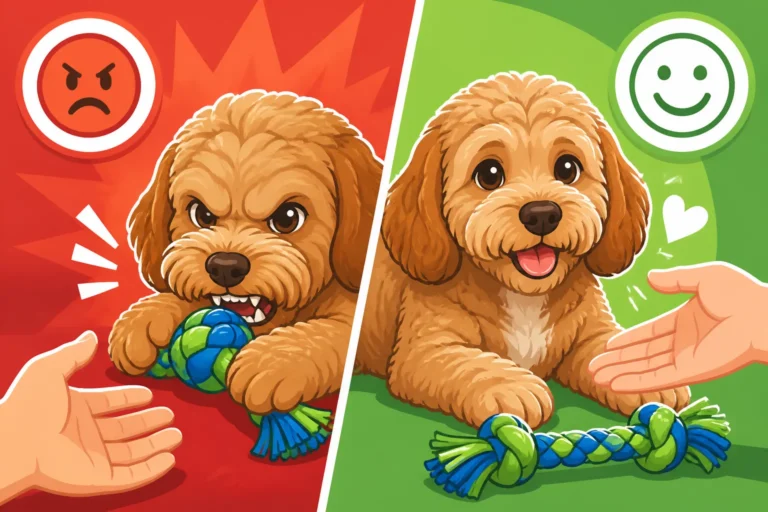
It’s crucial to distinguish between a shy or fearful Cockapoo who retreats and one who might resort to fear-based aggression if pushed too far. A dog that hides is generally trying to avoid conflict. They want to disappear. However, if that hiding space is invaded, or if they feel cornered and unable to escape, a fearful dog might feel compelled to defend themselves. This could manifest as growling, snapping, or even biting.
A truly shy Cockapoo will prioritize escape. If they start growling or snapping when approached while hiding, it's a critical warning sign that their fear is so intense they believe they have no other option. In such cases, professional intervention is highly recommended to ensure the safety of both your dog and your visitors. This is not a situation to try and "train out" on your own, especially if there's any history of reactive behavior. You should consider getting professional help if you find that Whether a Sharp Word Shuts a Cockapoo Down and they retreat further, or if they show any signs of fear-based escalation.
Strategies to Help Your Cockapoo Feel Safe and Confident
Helping a Cockapoo who hides from visitors requires patience, consistency, and a deep understanding of their emotional state. The goal isn't to force them to be a social butterfly, but to help them feel safe and in control, building positive associations with guests.
Creating a Safe Haven
The very first step is to provide a designated safe space where your Cockapoo can retreat without being disturbed. This should be a comfortable, quiet area, like a crate in a spare room, a dog bed tucked into a low-traffic corner, or even just a cozy spot under a sturdy table covered with a blanket. The key is that this space is always respected as their personal sanctuary. When they go there, no one, especially a guest, should follow, reach in, or try to coax them out.
Equip this space with comforting items: a soft blanket, a favorite chew toy, or a puzzle toy stuffed with treats. For instance, a durable Kong filled with peanut butter or a long-lasting chew from a brand like Amazon can provide a positive distraction and self-soothing activity. You can also explore enrichment options from places like BAXTER & Bella for more ideas to keep them engaged and comfortable in their safe zone. The idea is to associate this space with calm and safety, not punishment or exclusion.
Controlled and Positive Introductions
Never force interaction. The goal is to allow your Cockapoo to approach visitors on their own terms, associating their presence with positive experiences.
Here's a method for controlled introductions:
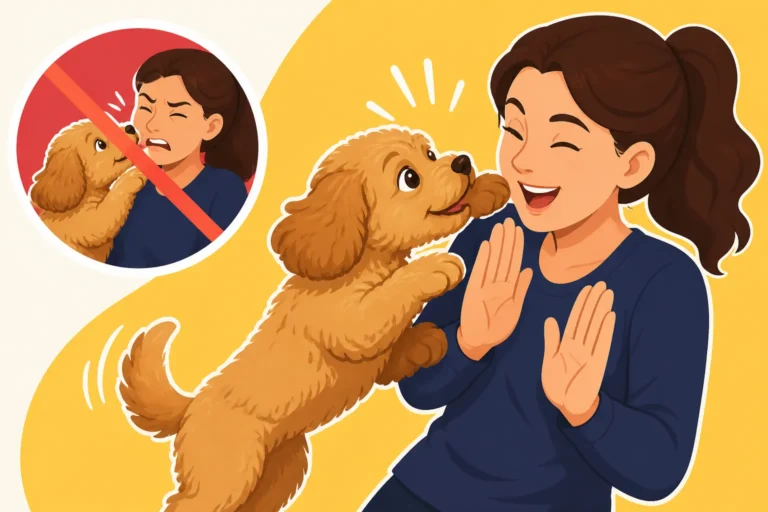
- Prep Your Guests: Before they even arrive, brief your visitors. Ask them to ignore your dog initially. No direct eye contact, no reaching out, no loud greetings. Explain that your dog is shy and needs space.
- Gate or Leash: When guests first enter, have your Cockapoo on a leash or behind a baby gate in their safe space. This allows them to observe from a distance, reducing immediate pressure.
- The "Ignore and Reward" Approach: Once guests are settled, have them sit down. Ask them to remain calm and avoid direct attention. You, the owner, can then reward your Cockapoo for simply being in the same room as the guests, even if they're still hiding. Toss a high-value treat in their direction.
- Voluntary Approach: If your Cockapoo eventually ventures closer, instruct guests to still largely ignore them, but perhaps gently toss a small, soft treat away from them, allowing the dog to approach and retrieve it on their terms. This creates a positive association without pressure. A guest sitting on the floor, reading a book, with a few treats casually placed nearby, is often less intimidating than someone trying to interact directly.
- Short and Sweet: Keep initial interactions brief. It’s better for your dog to have a short, positive experience and leave wanting more, than a long, overwhelming one.
Here’s a quick guide for visitors:
| What to Do (Helpful) | What Not to Do (Harmful) |
|---|---|
| Ignore the dog initially. | Make direct eye contact. |
| Sit on the floor or a low chair. | Lean over the dog or stand directly above them. |
| Speak in a soft, calm voice. | Use a loud, excited tone. |
| Gently toss treats away from the dog. | Reach out to pet or grab the dog. |
| Allow the dog to approach on their own terms. | Try to coax, call, or chase the dog. |
| Respect the dog's safe space (crate, bed). | Invade the dog's retreat or pull them out. |
This approach helps build your Cockapoo's confidence, making them realize that visitors mean good things, not scary interactions.
Desensitization and Counter-Conditioning
These are professional terms for gradually exposing your dog to the trigger (visitors) while creating a positive emotional response.
- Start Small: Begin by simulating visitor arrival without actual visitors. Practice the sound of the doorbell, then follow with a high-value treat. Repeat many times.
- "Fake" Visitors: Ask a friend or family member who understands the process to come over. Have them stand outside, then briefly enter, drop a treat near your Cockapoo, and leave. Gradually increase the duration of their stay and the level of interaction, always at your Cockapoo's comfort level and always paired with rewards.
- Distance is Your Friend: Start with visitors at a distance where your Cockapoo notices them but isn't stressed. This might be in another room or even outside. As they become more comfortable, you can slowly decrease the distance.
- Praise and Treat Calmness: Any moment your Cockapoo is calm and present in the same room as a visitor, even if they're not interacting, is a moment to praise and reward them.
This process takes time and consistency, but it’s incredibly effective in changing your dog's emotional response from fear to a more neutral or even positive one. Remember, your Cockapoo isn't trying to be difficult; they’re trying to tell you something. These techniques can also be useful if you're working on Building a Cockapoo's Tolerance for Being Alone, as a secure dog is often a more confident dog overall.
Consistency and Patience Are Key
This journey isn't a race; it's a marathon. You won't fix this behavior overnight, and there will likely be setbacks. Every new visitor is a new variable, so consistent application of these strategies is crucial. Everyone in your household, and ideally, all frequent visitors, need to be on the same page about how to interact with your Cockapoo. If one person ignores the rules, it can undo weeks of progress.
Celebrate small victories: your Cockapoo peeking out from under the table, sniffing a guest's shoe, or taking a treat from their hand. These are huge steps! Patience and understanding are your greatest tools, reinforcing that their home is a safe space, even when new people are around. It’s important to acknowledge that some Cockapoos are just naturally more reserved, and that’s perfectly okay. The goal is comfort, not a complete personality overhaul. Remember, what a Cockapoo asks of a first-time owner often includes a deep commitment to understanding their specific needs and personality, and this challenge is a prime example.
When to Seek Professional Help
While these strategies are effective for many shy Cockapoos, there are times when the problem is deeper than simple shyness, or when you feel you've exhausted your own capabilities. Knowing when to call in a professional is a sign of responsible pet ownership, not failure.
Recognizing When You've Reached Your Limit
If your Cockapoo's fear of visitors is causing significant distress, not just for them but for your household, it's time to seek expert help. Here are some indicators:
- Escalating Fear: The hiding behavior is getting worse, not better, despite your efforts.
- Aggression: Any growling, snapping, lunging, or biting towards visitors. This is a critical safety concern.
- Impact on Quality of Life: Your Cockapoo is constantly anxious, even when no visitors are present, anticipating their arrival, or is unwilling to leave their safe space for extended periods after guests have left.
- Your Own Frustration: If you're feeling overwhelmed, frustrated, or unsure of how to proceed, a professional can provide guidance and renewed perspective.
Remember, issues like Whether a Cockapoo Is Head Shy can make even simple handling difficult, let alone interactions with strangers. This is where professional help becomes invaluable.
Consulting a Qualified Professional
When seeking professional help, look for individuals with specific qualifications in canine behavior:
- Certified Professional Dog Trainer (CPDT-KA): These trainers have demonstrated knowledge and experience in positive reinforcement methods.
- Certified Applied Animal Behaviorist (CAAB) or Veterinary Behaviorist (DACVB): These are veterinarians who have specialized in animal behavior and can prescribe medication if anxiety levels are severe and impacting progress. They can also rule out underlying medical issues that might contribute to behavior changes.
A good behavior professional will conduct a thorough assessment, develop a customized plan, and teach you how to implement it safely and effectively. They can also help you understand if underlying issues, like those leading to A Cockapoo's Addison's and the Poodle Line or other chronic conditions, might be impacting your dog's overall stress levels. They will empower you with the tools and knowledge to help your Cockapoo not just tolerate visitors, but eventually, perhaps, even enjoy their presence.
Disclaimer
This article is for general informational purposes only and does not constitute professional advice. Laws, prices and regulations vary by location and change over time. Consult a qualified professional for guidance on your specific situation.