Whether a Cockapoo Retrieves From Water
One of the most common questions I get from Cockapoo owners, or those hoping to bring one into their family, is about their relationship with water. You might be dreaming of idyllic summer days, watching your furry friend enthusiastically splash and fetch in the lake, but the reality can be a bit more varied than you'd imagine. This guide is here to unravel the truth about Cockapoos and water retrieval, helping you understand their natural inclinations and how to safely encourage a love for swimming and fetching, should your dog be inclined.
The Instinctual Drive: Decoding the Cockapoo's Water Affinity
When we talk about a Cockapoo's potential for water retrieval, we really need to look at the two amazing breeds that contribute to their unique genetic makeup: the Poodle and the Cocker Spaniel. Both bring distinct attributes to the table, and how these traits combine in your individual Cockapoo can make all the difference. It's not always a straightforward mix, and that's part of the fun (and sometimes the challenge!) of having a mixed breed.
The Poodle's Natural Aquatic Prowess
Let's face it, Poodles were originally bred as water retrievers. Their very name, "Pudel" in German, means "to splash in water." These intelligent, agile dogs were designed to jump into icy waters to retrieve waterfowl for hunters. Think about that dense, curly coat – it's practically waterproof, providing insulation and protection. Their strong swimming ability, webbed feet, and natural affinity for fetching things are deeply ingrained. They're not just tolerating the water; they're often thriving in it, showing a true joy in splashing and diving.
Many Poodles absolutely adore water, whether it's a muddy puddle, a garden hose, or a vast lake. This strong drive to fetch from water is a hallmark of the breed, a testament to centuries of selective breeding for that specific purpose. Even if your Poodle has never seen a hunting duck in its life, that inherent programming is often still there, bubbling just beneath the surface, ready to be unleashed with a squeaky toy or a floating dummy. This makes the Poodle half a huge asset when it comes to predicting a Cockapoo's potential love for the aquatic life.
The Cocker Spaniel's Water Enthusiasm
Now, let's turn to the Cocker Spaniel side. While not bred specifically as water retrievers in the same vein as Poodles, Cocker Spaniels are flushing spaniels, meaning they were developed to flush game from dense cover for hunters. This often involved working through marshy areas, crossing streams, and generally getting wet and muddy. They are active, eager-to-please dogs with a natural curiosity and a strong retrieve drive. They love to carry things in their mouths and are often game for an adventure.
American Cocker Spaniels and English Cocker Spaniels might have slight differences in their working drive, but both generally enjoy exploring new environments, and water can definitely be one of them. While they might not have the Poodle's insulating coat, they often possess a boundless enthusiasm for outdoor activities, which can easily extend to a romp in the water. They might not dive headfirst like a seasoned Poodle, but splashing in the shallows or chasing a ball into the water can be a huge source of joy for many Cockers. This means the Cocker Spaniel half also contributes positively to a Cockapoo's likelihood of enjoying water, though perhaps with a different approach than the Poodle.
The Cockapoo's Genetic Blend: A Mixed Bag for Water Retrieval
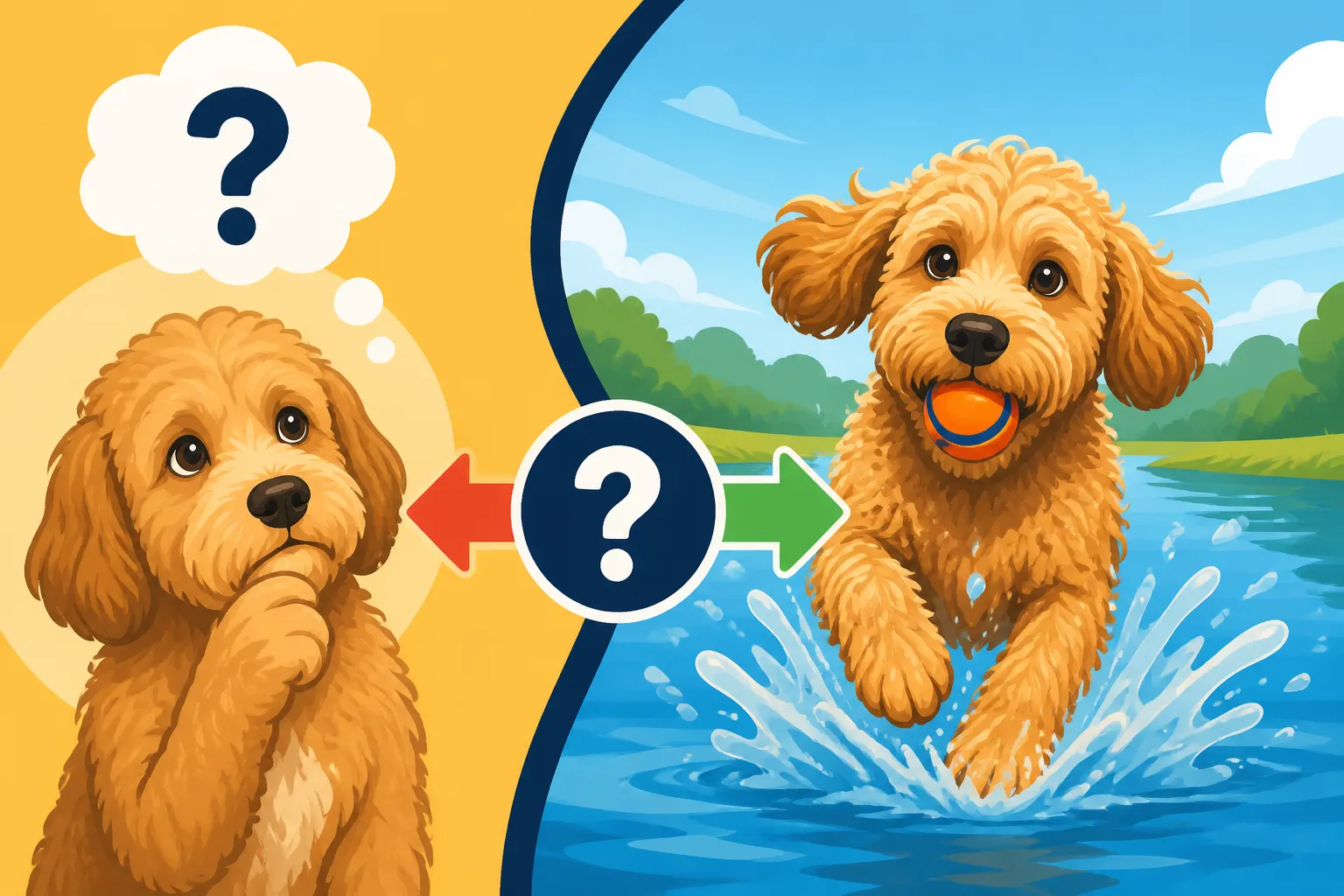
So, when you combine these two breeds, what do you get? A beautiful, often unpredictable, mix! Your Cockapoo could inherit the Poodle's deep-seated love for full immersion and powerful swimming strokes, or the Cocker's spirited splash-and-dash approach to a stream. Or, quite often, something in between. Some Cockapoos take to water like, well, a duck to water! They'll jump right in, paddle with gusto, and happily retrieve their floating toys. Others might be more hesitant, dipping a paw in before deciding the whole endeavor is a bit much.
It truly is a mixed bag. You might find a litter where some puppies are natural swimmers from the get-go, while their siblings prefer to stay firmly on dry land. There's no genetic guarantee that your Cockapoo will be a water dog just because both parent breeds have an affinity for it. It's crucial to approach this with an open mind, understanding that your Cockapoo's individual personality and experiences will play a significant role. Don't be disheartened if your pup isn't a natural water baby; it doesn't mean they're missing out or that something's wrong. It just means they have their own preferences, which is perfectly normal.
Factors Influencing a Cockapoo's Water Retrieval
Beyond genetics, several key factors profoundly influence whether your Cockapoo will become a water-loving retriever or a cautious observer. These aren't just minor details; they can genuinely shape your dog's entire outlook on water. As owners, we have a significant role to play in fostering a positive relationship with water, or inadvertently creating a hesitant one.
Early Exposure and Positive Reinforcement
Just like with anything new, early, positive exposure is paramount. A puppy that's gently introduced to shallow water in a fun, non-threatening way is far more likely to develop a love for it than one that's forced or has a scary experience. Think about it: if a puppy's first encounter with water involves being thrown into a deep pool or struggling in rough waves, it’s understandable they might develop a lifelong aversion. Instead, imagine a warm, sunny day, a calm, shallow kiddie pool, and you gently splashing with them, offering treats and praise.
Even if your Cockapoo is older, positive reinforcement is still the key. Never force your dog into the water. Instead, encourage them with toys, treats, and your own enthusiastic presence. Start with very shallow water, letting them investigate at their own pace. If they just dip a paw in, that's a huge success! Celebrate it! A positive attitude from you, coupled with rewarding even small steps, can build confidence over time. Remember, the goal isn't just for them to get wet, but to associate water with fun and safety. You can find excellent waterproof training treats on Amazon to make these sessions even more rewarding.
Individual Temperament and Confidence
Every Cockapoo has a unique personality. Some are bold and adventurous, ready to try anything new, while others are more reserved and cautious. A confident, outgoing Cockapoo is generally more likely to embrace new experiences, including swimming and water retrieval. These dogs might see a lake as a giant playground waiting to be explored. On the other hand, a shy or anxious Cockapoo might find the vastness of a lake or the feeling of water unfamiliar and intimidating.
It's vital to respect your Cockapoo's individual temperament. If they're naturally cautious, pushing them too hard will likely backfire, creating fear rather than enjoyment. Focus on building their overall confidence first. Socialization, consistent positive training, and ensuring they feel secure in various environments can help them become more adventurous. A confident dog is more likely to overcome initial hesitations and eventually explore new things, including the water. Observe their body language carefully – a happy, wiggly tail and relaxed posture mean they're enjoying it; a tucked tail, pinned ears, or frantic paddling mean they're distressed.
Coat Type and Comfort in Water
The Cockapoo's coat can vary wildly, from straighter, more Cocker-like hair to wavy, shaggy styles, all the way to tight Poodle curls. And surprisingly, this can affect their comfort level in water. A dense, curly Poodle-type coat provides excellent insulation and dries relatively quickly, making Poodles naturally suited for water. However, if your Cockapoo has a very thick, long, or dense wavy coat, it can become incredibly heavy when saturated. This weight can make swimming more difficult and tiresome, and a heavy, wet coat can also take a long time to dry, leading to chilling, especially in cooler weather.
Furthermore, a heavily furnished Cockapoo, with lots of hair around its face and ears, might find the sensation of wet hair clinging to its face annoying or disorienting. While Whether a Cockapoo's Ears Should Be Tied Back to Swim isn't a universally necessary practice, managing long ear hair to keep it out of the way can certainly improve comfort. Regardless of coat type, thorough drying after water activities is crucial to prevent skin issues and matting. Consider keeping your water-loving Cockapoo in a shorter, more practical clip during warmer months to minimize discomfort and drying time.
Safe Introduction to Water for Your Cockapoo
Introducing your Cockapoo to water should always be a controlled, positive, and safe experience. It's not about throwing them in and hoping for the best; it's about building confidence and ensuring their well-being at every step. Even if your pup seems like a natural, caution and preparation are your best friends.
Choosing the Right Location and Equipment
The first step is selecting an appropriate location. Forget deep, fast-flowing rivers or crowded public pools for initial introductions. Think calm, shallow water where your dog can easily stand with their feet on the bottom. A kiddie pool in your backyard, a very calm, shallow lake shoreline, or even a slow-moving stream are ideal starting points. The water should be clean and free of strong currents, sharp objects, or excessive algae. Always check the water temperature too; freezing cold water can be a shock and put your dog off.
Safety equipment is non-negotiable, especially for early sessions or if your Cockapoo is a hesitant swimmer. A properly fitted dog life vest is a must-have. It provides buoyancy, helps maintain a horizontal swimming position, and often has a handle on the back, allowing you to easily guide or lift your dog out of the water if needed. Look for vests that offer good support under the belly. Companies like Ruffwear make excellent, durable options. Also, have a long leash handy for controlled entry and exit, especially if you're working on Building a Recall a Cockapoo Answers near water. Floating toys, like rubber bumpers or balls, are great motivators for retrieval practice.
Gradual Acclimation and Positive Experiences
The key here is gradual. Don't rush it. Start by simply letting your Cockapoo explore the edge of the water. Let them sniff, dip a paw, and investigate at their own pace. You can wade in yourself, making it look fun and inviting, and see if they follow you. Bring their favorite floating toy and toss it just a foot or two into the shallowest part of the water, where they can easily walk to retrieve it. Praise them lavishly when they make any effort, no matter how small.
Use treats and happy talk to make the experience positive. If they seem hesitant, don't force them further into the water. Allow them to retreat to dry land if they want to and try again later. The goal is to build a positive association, not to achieve a full swim on the first day. Sometimes, it helps to have another confident, water-loving dog join the session. Your Cockapoo might be more inclined to try if they see another dog enjoying it. Remember, these initial experiences lay the groundwork for a lifetime of potential water fun. For more detailed steps on this, you can check out guides on Introducing a Cockapoo to Water Safely.
The Importance of a Strong Recall Near Water
Even if your Cockapoo becomes a water enthusiast, a reliable recall is absolutely critical, especially around natural bodies of water. Water environments often come with their own set of distractions and potential hazards. A strong scent might lead your Cockapoo to chase something into deeper water or a stronger current. Recall on a Cockapoo That Has Found a Scent can be challenging, but it's even more vital when near water.
Practice your recall consistently, starting in distraction-free environments and gradually increasing the difficulty. Use high-value treats and enthusiastic praise to reinforce a quick return. When you're near water, keep your Cockapoo on a long line initially, even if you feel confident in their recall. This allows them to explore and enjoy the water with a safety net, giving you control if they decide to venture too far or get caught up in a distraction. A BAXTER & Bella online training program, for instance, often emphasizes foundational skills like recall, which are essential for safety in any environment, especially around water. You want them to associate coming back to you with something wonderful, so it's always their first instinct.
Training Your Cockapoo for Water Retrieval
So, your Cockapoo is comfortable in the water, maybe even enjoys a paddle! Now, how do you turn that into a reliable water retrieval skill? It's a progressive process, building on foundational skills and slowly adding the water element. Patience and consistency are, as always, key.
Starting with Land-Based Retrieval Skills
Before you ask your Cockapoo to retrieve from water, ensure they have solid land-based retrieval skills. Do they happily bring a toy back to you on dry land? Are they eager to engage in a game of fetch? If not, start there. Use a favorite toy or a soft dummy. Toss it a short distance, encourage them with happy vocalizations, and reward them generously when they bring it back to your hand. Make it a fun, engaging game.
Some Cockapoos are natural retrievers, thanks to their parent breeds, while others might need more encouragement. If your Cockapoo retrieves the item but doesn't want to release it, practice the "drop it" command. This is crucial for safety and for making retrieval a polite game. Building a strong retrieve on land makes the transition to water much smoother, as they already understand the game and the desired behavior. Think of it as laying the groundwork for more exciting water adventures to come. Teaching a Cockapoo to Bring the Ball Back is an excellent starting point for this.
Transitioning to Shallow Water with Confidence
Once your Cockapoo is a champion land retriever, it’s time to bring in the water element, still starting shallow. Choose a calm, clear spot where the water is only ankle-deep for your dog. Wade in yourself with their favorite floating toy. Toss the toy just a short distance into the water, where your dog can easily walk to it. If they hesitate, gently encourage them. You can even walk with them, or use a long line to guide them if needed.
When they get to the toy and pick it up, offer enthusiastic praise. Reward them the moment they bring it back to you at the water's edge. Gradually increase the distance you throw the toy, and incrementally allow the water to get a little deeper. Always ensure they can comfortably stand or swim without struggling. Keep these sessions short, positive, and end them on a high note before your Cockapoo gets tired or bored. The goal is to build confidence and enjoyment with each successful retrieve.
| Training Stage | Location/Depth | Key Focus | Equipment | Success Indicators |
|---|---|---|---|---|
| Foundation | Dry Land (safe area) | Eager retrieve, reliable "drop it" command | Favorite toy/dummy, high-value treats | Returns toy promptly, releases on command |
| Acclimation | Shallow Water (kiddie pool/shore) | Positive association with water, comfortable walking | Dog life vest (optional), floating toy, treats | Voluntarily enters shallow water, explores |
| Shallow Retrieval | Ankle-to-Knee Deep Water | Retrieving toy from shallow water, building confidence | Dog life vest, floating toy, long line (optional) | Retrieves toy, returns to hand, happy body language |
| Deep Water Practice | Deeper Water (calm lake/pool) | Independent swimming, retrieving from deeper water | Dog life vest, durable floating toy, recall whistle | Swims confidently, retrieves from distance, good recall |
Advanced Water Retrieval and Safety Considerations
As your Cockapoo's confidence and skill grow, you can gradually move to deeper water. Continue to use their life vest, especially in larger bodies of water or if they're still developing their swimming endurance. Throw the floating toy further out, encouraging them to swim to retrieve it. Some Cockapoos may be strong swimmers from the start, while others might need more practice to build stamina. Watch for signs of fatigue – excessive panting, slow paddling, or struggling to keep their head above water.
Always be mindful of your surroundings. Are there strong currents? Hidden hazards beneath the surface? Other watercraft? Never let your Cockapoo swim unsupervised or in areas with unknown dangers. After any water activity, rinse your Cockapoo thoroughly with fresh water to remove chlorine, salt, or lake muck, and dry their ears meticulously to prevent infections, which Cockapoos can be prone to due to their ear structure. Remember, even if your Cockapoo loves the water, their safety is always the top priority. Think of it as an adventure, but one where you’re the chief safety officer.
Addressing Common Challenges and Misconceptions
It's natural to have expectations, but sometimes reality doesn't quite match up. When it comes to Cockapoos and water retrieval, there are a few common hurdles and misunderstandings that owners frequently encounter. Let's tackle those head-on so you're prepared for whatever your furry friend throws (or doesn't throw!) your way.
When Your Cockapoo Just Isn't a Water Dog
Despite your best efforts, positive reinforcement, and gradual introductions, some Cockapoos simply don't take to water. And that's perfectly okay! Just like people, dogs have individual preferences, and not every Cockapoo will inherit the strong water drives of its Poodle and Cocker ancestors. It's a common misconception that all Cockapoos are natural swimmers or water retrievers because of their lineage. The reality is that genetic lottery means some get more of the land-loving traits, or perhaps just a cautious personality.
If your Cockapoo shows persistent fear, avoidance, or distress around water, do not force them. Pushing a fearful dog into a situation they dread can damage your bond, erode their trust, and even lead to behavioral issues. Instead, celebrate their other talents and find activities they do enjoy. Maybe they love agility, scent work like Scent Work That Satisfies a Cockapoo, or simply long walks. There are countless ways to bond and exercise your Cockapoo without involving water. Every dog is unique, and loving your Cockapoo means accepting and celebrating their individual quirks, even if it means no poolside fetches.
Safety First: Understanding Water Hazards
Beyond whether your Cockapoo enjoys the water, it’s absolutely critical to be aware of the very real dangers that bodies of water can present. It’s not just about learning to swim; it’s about navigating an environment that can be unpredictable. For instance, fast-moving rivers or strong currents in lakes can quickly overwhelm even a strong swimmer. What looks like a gentle stream can have hidden undertows after heavy rain.
Hidden objects, sharp rocks, broken glass, or even discarded fishing lines with hooks can pose serious risks under the water's surface. Always check the area thoroughly before allowing your dog to enter. Blue-green algae, particularly in stagnant or warm freshwater, is highly toxic to dogs and can be fatal if ingested. Always research local conditions and advisories before letting your dog swim. And remember, even good swimmers can get tired, so a life vest is a smart precaution for any water activity, especially in open or unfamiliar waters. It’s better to be overly cautious than to face a preventable tragedy.
Beyond Retrieval: Other Water Activities
Even if your Cockapoo isn't destined to be a champion water retriever, there are many other ways they can enjoy water safely. Perhaps they'll simply love wading in the shallows on a hot day, cooling off their paws. A sprinkler or a garden hose can provide endless entertainment without the pressure of deep water. Some dogs enjoy playing with a water-filled toy or even having a splash in a dedicated dog pool or a small kiddie pool in the backyard.
Consider also trying out dock diving or hydrotherapy if your dog has joint issues. These structured activities can provide controlled, fun, and therapeutic ways to engage with water without the expectation of retrieval. The goal should always be to make water a positive and safe experience for your Cockapoo, whatever form that takes. Whether they become an avid retriever or simply enjoy a paddle, what matters most is their happiness and well-being. And if they just prefer to watch from the shore, that's perfectly fine too! After all, Whether a Cockapoo Enjoys Swimming is a personal preference, not a requirement.
Disclaimer
This article is for general informational purposes only and does not constitute professional advice. Laws, prices and regulations vary by location and change over time. Consult a qualified professional for guidance on your specific situation.