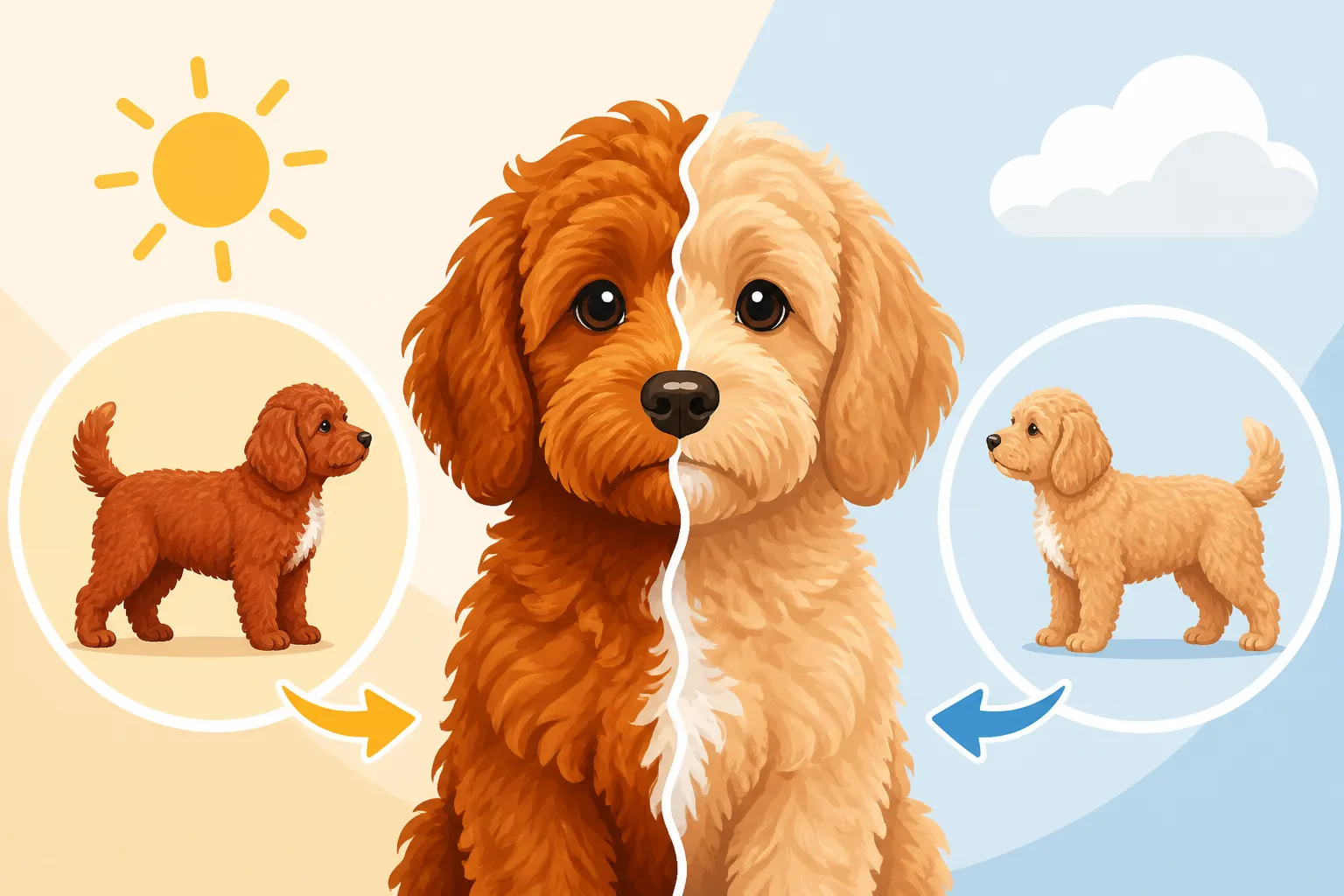
Whether a Red Cockapoo Bleaches Out
It’s a common moment for many Cockapoo owners: you fall in love with that vibrant, fiery red puppy, picturing a lifetime of glorious crimson curls. But then, as the months turn into years, you start noticing subtle changes. That deep scarlet begins to mellow, perhaps turning to a softer apricot in places, or even a dusty blonde on the back. It’s a real frustration, and you’re certainly not alone in wondering, "Did my beautiful red Cockapoo just bleach out?" This guide is here to shed some light on why red coats change, what factors are at play, and what you can do to help preserve that lovely hue for as long as possible.
The Science Behind a Cockapoo's Red Coat
Understanding why your Cockapoo's coat is red in the first place is the first step to understanding why it might change. It’s all about genetics, of course, but not always in the straightforward way you might imagine.
The Genetics of Red Pigment in Dogs
The color red in dogs, in all its glorious variations from deep mahogany to pale cream, is primarily determined by a pigment called pheomelanin. Think of pheomelanin as the 'red/yellow' switch in a dog's coat genetics. Eumelanin, the other main pigment, controls black and brown. With red coats, it’s all about the pheomelanin, and how intensely it's expressed.
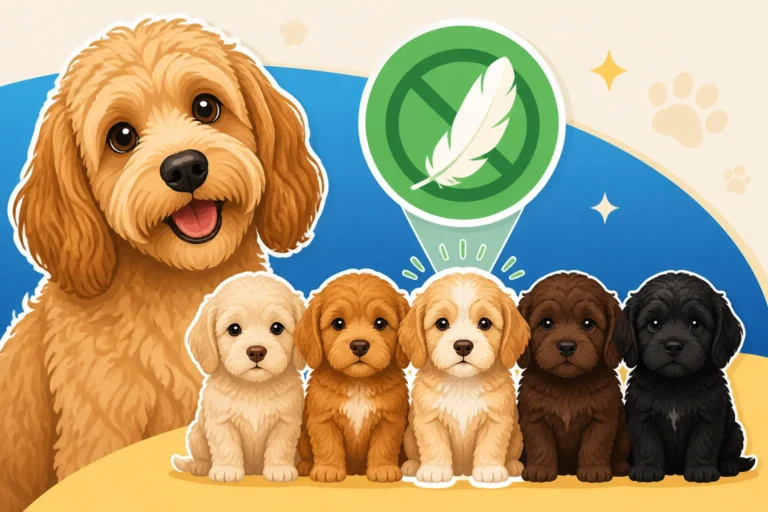
The intensity of this red pigment is controlled by several genes, often referred to as the 'intensity' locus. This means that a dog can inherit genes that make their pheomelanin very rich and dark, resulting in a true, deep red, or genes that dilute it, leading to lighter shades like apricot, gold, or even cream. This is why you see such a spectrum of "red" Cockapoos! Both Cocker Spaniels and Poodles carry these genes, contributing to the wide range of colors seen in their offspring. Even within a single litter, you might see puppies ranging from a deep Irish Setter-like red to a much softer, almost peach-colored hue, simply due to the combination of these intensity genes.
Why Red Can Be So Unpredictable
You might have picked out the reddest puppy in the litter, only to find its siblings, who seemed lighter at eight weeks, have caught up in richness of color by six months. This unpredictability is a hallmark of red coats. While breeders can use genetic testing for coat color to understand potential outcomes, other modifier genes can still influence the final shade.
Sometimes, a Cockapoo's coat might start out one shade of red and mature into another entirely. What looked like a deep red puppy might soften to an apricot, or conversely, a paler apricot might deepen slightly with age. It's a bit like human hair color changing from childhood to adulthood. The initial puppy coat is often softer and less dense than the adult coat, and the pigment distribution can shift as the adult hair grows in. This is part of the charm (and sometimes the surprise!) of owning a Cockapoo with these beautiful, warm tones.
Common Factors That Cause Red Coats to Fade
So, you've got your beautiful red Cockapoo, and you're starting to notice that initial vibrant shade isn't quite as intense anymore. There are several reasons this happens, and understanding them can help you manage your expectations and even mitigate some of the fading.
Sun Exposure: The Primary Culprit
Just like our hair can lighten in the summer sun, a dog's coat is highly susceptible to the bleaching effects of ultraviolet (UV) rays. This is arguably the most common reason a red Cockapoo’s coat appears to "bleach out." The pheomelanin pigment, responsible for those lovely red tones, breaks down when exposed to sunlight over time.
You'll often notice this most prominently on areas that get the most sun: your Cockapoo's back, the top of their head, and their ears. If your furry friend loves to sunbathe in the yard, or if you take frequent, long walks in bright sunlight, you might see these areas become noticeably lighter, sometimes even developing streaks or patches that look almost blonde or straw-colored. It's not necessarily a sign of poor health; it's simply the sun doing what the sun does, altering the pigment in the hair shaft. For dogs with thick or curly coats, like many Cockapoos, the top layer of fur might protect the undercoat to some extent, but the tips of the individual hairs are still vulnerable.
The "Fading Gene" and Other Genetic Influences
Beyond the sun's effects, genetics can also play a significant role in coat color changes, particularly in Poodle-derived breeds like the Cockapoo. There's what's often colloquially called the "fading gene" or more accurately, progressive greying or fading (associated with the G locus). This gene causes a dog's coat color to progressively lighten over time, independent of sun exposure. A puppy born black might turn blue-grey, a brown might become a silvery beige, and yes, a red can soften to a lighter apricot, cream, or even a pale gold.
This isn't really "bleaching" in the sense of pigment breakdown, but rather a gradual decrease in pigment production as the dog matures. Unlike sun bleaching which is usually patchier and affects the outer layers, genetic fading tends to be more uniform and can begin as early as a few months old, continuing through their first couple of years. It's a unique characteristic that many Poodles carry, and thus, many Cockapoos can inherit it too. It’s one of those things that a breeder might not be able to predict perfectly, even if they've tested for The Furnishings Gene That Decides a Cockapoo's Face or The Curl Gene and Where a Cockapoo's Coat Lands.
Another genetic factor can simply be the dilution gene (D locus), which affects both eumelanin and pheomelanin. While it’s more commonly associated with turning black to blue or brown to lilac, subtle variations in these genes can contribute to a less intense red coat overall. This is why asking about the color progression of a puppy's parents and grandparents can sometimes offer clues, though genetics can always throw a curveball!
Nutritional Deficiencies and Coat Health
While less common than sun exposure or genetic fading, a poor diet or nutritional deficiencies can certainly impact your Cockapoo's coat quality and, by extension, its vibrancy. A dull, dry, or brittle coat is more likely to show signs of fading, simply because the hair itself isn't as healthy.
Key nutrients for a vibrant coat include:
- Omega-3 and Omega-6 Fatty Acids: These are crucial for skin and coat health, contributing to a shiny, healthy luster. If your dog isn't getting enough, their coat might appear duller and more prone to breakage, which can make any underlying fading more noticeable.
- Protein: Hair is primarily made of protein. A diet lacking sufficient high-quality protein can lead to weak, sparse hair that lacks vitality.
- Vitamins and Minerals: Biotin, zinc, and vitamins A and E all play roles in maintaining healthy skin and a shiny coat.
If your Cockapoo's coat is looking less vibrant and also seems dry, flaky, or brittle, it might be worth consulting your vet about their diet. Switching to a high-quality dog food, perhaps one with enhanced omega fatty acids, could make a difference. Brands like Ollie, known for its fresh, human-grade ingredients, often focus on providing balanced nutrition that supports overall health, including coat quality. However, always remember that diet can only do so much; it won't magically reverse genetic fading or significant sun damage, but it can ensure the coat is as healthy as it can be. Whether Omega Oils Help a Cockapoo's Coat is a topic many owners explore for this very reason.
Strategies to Maintain Your Red Cockapoo's Vibrant Color
While some fading might be inevitable due to genetics or simply the passage of time, there are definitely steps you can take as an owner to help maintain your red Cockapoo's beautiful color and overall coat health.
Sun Protection for Your Furry Friend
Since sun exposure is a big player in bleaching, it makes sense to address it head-on. This doesn't mean your Cockapoo needs to become a house dog, but a little mindfulness goes a long way.
- Timing Walks: Try to walk your dog during the cooler parts of the day – early morning or late evening – especially in summer. This not only reduces sun exposure but also protects their paws from hot pavement and prevents overheating.
- Shady Spots: When you're out and about, seek out shady areas. If your dog is lounging in the yard, encourage them to relax under a tree or an awning rather than baking in direct sunlight for hours.
- Protective Gear: Believe it or not, some dogs tolerate lightweight, UV-protective clothing. A thin rash guard or a full-body suit designed for dogs can provide a physical barrier against the sun's rays. It might sound a bit over the top, but for dogs with very light or sensitive skin, or those prone to severe bleaching, it can be a real game-changer.
- Pet-Safe Sunscreen: Yes, it exists! While you shouldn't slather your entire dog in it, pet-specific sunscreens can be applied to areas particularly vulnerable to sun damage, like the bridge of the nose, ear tips, or areas with thin fur. Always ensure it's specifically formulated for pets, as human sunscreens can contain ingredients toxic to dogs if licked.
Think of it like protecting your own hair color from fading – you wouldn't spend all day in the sun without a hat or UV spray if you wanted to keep your vibrant color.
Grooming Routines to Support Color
A healthy coat is a vibrant coat, and consistent grooming is essential, especially for a Cockapoo's unique The Three Cockapoo Coat Types and Their Upkeep.
- Regular Bathing: Use a high-quality shampoo that is gentle and moisturizing. There are even some shampoos specifically designed to enhance red or brown tones, or those with natural ingredients like oatmeal or aloe vera that support overall coat health. Don't over-bathe, as this can strip natural oils, but regular baths (every 3-4 weeks, or as needed) can help remove dirt, pollutants, and residue that might dull the coat. After a swim, especially in chlorinated or salt water, always rinse your Cockapoo thoroughly to prevent further drying or color alteration. You can find a good selection of specialized shampoos on platforms like Chewy or Amazon.
- Conditioning is Key: Follow up with a good conditioner to moisturize the hair shaft. This helps to seal the cuticle, making the hair smoother, shinier, and more resilient to environmental damage, including sun exposure. A well-conditioned coat is less likely to appear brittle or faded.
- Brushing: Regular brushing, especially with a technique like Line Brushing a Cockapoo and Why the Top Coat Lies, helps distribute natural oils, remove loose hairs, and prevent mats. Mats can trap dirt and moisture, leading to skin issues and a duller appearance. A well-maintained coat reflects light better, making its color appear richer.
- Professional Grooming: Schedule regular appointments with a professional groomer. They can help maintain a healthy coat length, especially if you prefer a longer style, and ensure the coat is properly washed, conditioned, and dried. Discuss your concerns about color fading with them; they might have product recommendations or tips for your specific Cockapoo's coat type. Keep in mind that whether a Cockapoo's coat grows back the same after clipping depends on many factors, but good grooming supports healthy regrowth.
Diet and Supplements for a Richer Coat
As mentioned earlier, nutrition plays a supporting role in coat health. While it won't prevent genetic fading, it can ensure your Cockapoo's coat is as healthy and vibrant as possible.
- High-Quality Diet: This is the foundation. Choose a dog food with real meat as the first ingredient, and avoid excessive fillers, artificial colors, and by-products. A balanced diet provides the building blocks for healthy hair growth. Many owners explore options like those offered by Ollie, which prioritize fresh, whole ingredients, or carefully selected kibbles from reputable brands available on Chewy.
- Omega Fatty Acid Supplements: If your dog's diet doesn't seem to provide enough, or if you want an extra boost, consider adding an omega-3 supplement like fish oil (salmon oil, cod liver oil) or flaxseed oil. These are fantastic for skin and coat health, promoting shine and reducing dryness. Always consult your vet before adding any new supplements to your dog's diet, as dosage is important.
- Antioxidants: Foods rich in antioxidants (like certain fruits and vegetables) can help combat cellular damage, which might indirectly support overall coat health. While there's no magic bullet, a healthy dog generally has a healthier coat.
Remember, consistency is key. Just like a beautiful garden needs consistent care, your Cockapoo's gorgeous red coat thrives on regular attention through diet, protection, and grooming.
What to Expect as Your Red Cockapoo Ages
It's a bittersweet truth that all dogs, just like us, show signs of aging. For a red Cockapoo, this often includes changes to their once vibrant coat. It’s important to distinguish between natural aging and the "bleaching out" we've discussed.
Natural Greying vs. Bleaching
As your Cockapoo enters its senior years, you'll likely start to notice some grey hairs appearing. This is a perfectly normal part of the aging process, distinct from the sun-induced bleaching or genetic fading that might happen earlier in life.
- Where it appears: Natural greying usually starts around the muzzle, eyes (like a distinguished mask), and sometimes spreads to the chin, chest, and paws. It tends to be a true silver or white, rather than a faded red. This happens regardless of coat color; black Cockapoos will grey, just as red ones will.
- Overall coat texture: With age, a Cockapoo's coat might also change in texture. It can become coarser, thinner, or sometimes even softer in places. This change in texture can also subtly affect how light reflects off the coat, making the color appear different, even if the pigment itself hasn't bleached. What Changes in a Cockapoo After Ten often includes these coat and color shifts, alongside other physical and behavioral changes.
- Distinguishing the two: If your Cockapoo's back and sides, which get more sun, are a lighter, straw-like color, that's likely sun bleaching. If their muzzle is turning distinctively silver-white, that's natural greying. Both can happen simultaneously, of course, adding to the mosaic of their evolving appearance.
While you can't stop the natural greying process, a good diet and grooming routine will still contribute to the overall health and shine of their senior coat. Regularly checking for lumps and bumps, which might be hidden under a thick or curly coat, also becomes more important as they age. The Tumors a Cockapoo Develops can be caught early with vigilant grooming.
Embracing the Evolving Shades of Red
Ultimately, your Cockapoo's coat color is a journey, not a static destination. That fiery red puppy will evolve, and whether it softens to a rich apricot, a sun-kissed blonde, or takes on a distinguished silvering around the muzzle, it's all part of their unique charm and character.
Instead of lamenting the loss of that initial vibrant shade, embrace the evolving palette of your dog's coat. Each shade tells a story: of sunny adventures in the park, quiet naps by a window, and the passage of time shared with you. A Cockapoo's beauty isn't just in its color, but in its spirited personality, its loving nature, and that unmistakable Cockapoo sparkle in its eyes. Many owners find their "bleached out" or silvering seniors to be even more endearing, with their coats telling tales of a well-lived life.
The most important thing is that your Cockapoo is healthy, happy, and well-loved, regardless of whether their red coat stays perfectly vibrant or softens into a beautiful, mellow hue.
Here’s a quick overview of factors affecting your Cockapoo’s red coat color:
| Factor | Effect on Red Coat Color | When it Happens | Preventative/Supportive Action |
|---|---|---|---|
| Sun Exposure | Breaks down pheomelanin, causing lighter, straw-like bleaching. | Throughout life, especially with outdoor activity. | Limit direct sun exposure, walk at cooler times, pet-safe sunscreen/clothing. |
| "Fading Gene" (G-locus) | Progressive lightening/greying of coat color, independent of sun. | Can start from puppyhood, continues through maturity. | No prevention; a genetic trait. |
| Other Genetics | Inherited intensity of pheomelanin, dilution factors. | Determines initial color and potential for changes. | No prevention; inherited. |
| Poor Nutrition | Dull, dry, brittle coat that appears less vibrant. | Anytime diet is inadequate. | Feed high-quality food, consider omega supplements. |
| Aging | Natural greying (silver/white hairs) around muzzle/face. | Typically starts in middle to senior years. | No prevention; a natural process. |
| Grooming | Poor grooming can lead to dullness, mats, and unhealthy hair. | Ongoing throughout life. | Regular brushing, appropriate bathing/conditioning. |
Disclaimer
This article is for general informational purposes only and does not constitute professional advice. Laws, prices and regulations vary by location and change over time. Consult a qualified professional for guidance on your specific situation.