Whether a Cockapoo Can Still Work in the Field
It's a common question that swirls around the wonderful world of Cockapoos: can these delightful bundles of fluff actually get down to some serious "work in the field"? Many of us fall in love with their charming looks and playful personalities, but deep down, we wonder if those ancestral instincts are still lurking. This comprehensive guide will delve into the rich history of their parent breeds, explore the natural talents your Cockapoo might possess, and offer realistic insights into whether your furry friend can truly thrive in field-oriented activities, and how to safely explore those possibilities.
Understanding the Cockapoo's Hunting Heritage
When we talk about a Cockapoo, we're really talking about a fascinating blend of two distinct breeds, each with its own rich history of working alongside humans. Understanding where these traits come from is the first step to knowing what your Cockapoo might be capable of in a field setting. It’s not just about a cute curly coat; it’s about generations of selective breeding for specific tasks.
The Flushing Drive of the Cocker Spaniel
The Cocker Spaniel, whether American or English, was originally bred for a very specific job: flushing game birds from dense cover so hunters could shoot them. This isn't just a casual stroll in the woods; it's an intense, focused, and highly driven activity. Imagine a dog with its nose to the ground, working tirelessly in a zigzag pattern, known as "quartering," covering every inch of terrain to locate hidden birds. When a bird is found, the Cocker "flushes" it, meaning it springs it into the air.
This inherent drive means that many Cockapoos have an almost insatiable desire to use their noses and explore. They thrive on the thrill of the chase, even if it's just a squirrel in the backyard or a leaf blowing in the wind. This powerful instinct doesn't just disappear because they're part Poodle; it often lies dormant, waiting to be awakened. You might see your Cockapoo, even a tiny one, methodically sniffing every bush on a walk, head down, completely absorbed in the olfactory world. This is the flushing drive, alive and well, hinting at their potential for more formal The Flushing Drive Still Alive in a Cockapoo.
The Poodle's Often-Forgotten Working History
Many people are surprised to learn that the Poodle, particularly the Standard Poodle, was not always a fancy show dog. In fact, their origins are deeply rooted in water retrieving. The word "Poodle" itself comes from the German word "Pudel," meaning "to splash in water." They were bred to retrieve shot waterfowl for hunters, much like a Labrador Retriever. This job required intelligence, biddability, strength, and a thick, water-resistant coat.
This retrieving instinct and love for water are strong genetic components that can absolutely show up in your Cockapoo. If your dog loves to carry things around, brings you toys, or delights in splashing in puddles, you're seeing that Poodle heritage shine through. The Poodle's intelligence and eagerness to please also make them highly trainable, a crucial trait for any working dog. Don't underestimate the Poodle's contribution to your Cockapoo's potential in the field; it’s far more than just the iconic coat.
What the Blend Means for Field Potential
So, what happens when you combine these two powerhouses of canine working ability? You get a Cockapoo with a fascinating, and sometimes unpredictable, mix of traits. On one hand, you have the Cocker's intense scent drive, quartering instinct, and desire to flush. On the other, you have the Poodle's intelligence, retrieving prowess, and often, a strong affinity for water. The combination means a Cockapoo can possess a versatile set of skills that, with the right guidance, can be harnessed for various field activities.
However, the "blend" also means there's a wide spectrum of individual variation. Some Cockapoos might lean heavily towards their Cocker side, becoming relentless sniffers with boundless energy. Others might be more Poodle-like, valuing biddability and retrieving above all else. And many will be a true mix, showing flashes of both. It's this beautiful unpredictability that makes exploring a Cockapoo's field potential such an interesting journey. It means you might not get a carbon copy of a traditional working dog, but rather a unique, intelligent, and highly capable companion.
Key Traits for Field Work: What a Cockapoo Inherits
When considering whether a Cockapoo can truly "work in the field," it's helpful to look at the specific traits passed down from their parent breeds that are essential for such tasks. These aren't just personality quirks; they are ingrained instincts that have been refined over generations of working companionship.
Scenting Abilities and Drive
Both the Cocker Spaniel and the Poodle possess excellent scenting abilities, albeit used in different contexts in their original roles. The Cocker's powerful nose is paramount for locating game hidden in dense cover, meticulously Whether a Cockapoo Hunts With Its Nose Down. They are designed to follow a scent trail with intense focus, often ignoring other distractions in pursuit of an interesting odor. This genetic predisposition means your Cockapoo likely has a highly sensitive nose and a natural curiosity about smells.
This strong scent drive can manifest as your Cockapoo constantly investigating every new smell on a walk, or perhaps becoming utterly absorbed by a particularly interesting patch of grass in the park. For field work, this drive is invaluable. It means your dog is naturally inclined to search and follow scent, making them excellent candidates for scent-based activities like tracking, nose work, or even finding hidden retrieve dummies. Tapping into this inherent ability not only provides mental stimulation but also a deep sense of fulfillment for your dog, often satisfying a primal urge they carry.
Retrieving Instincts
The retrieving instinct is another cornerstone of field work, and it's a trait strongly present in both Poodles and Cocker Spaniels. Poodles, as mentioned, were specifically bred to retrieve waterfowl from water, requiring a "soft mouth" to bring game back undamaged. Cocker Spaniels also often have good retrieving instincts, bringing flushed game back to the hunter. This dual heritage means a Cockapoo often comes equipped with a natural inclination to pick things up and bring them back.
You’ve probably seen this if your Cockapoo loves to fetch toys, brings you shoes, or even carries their leash in their mouth on the way to a walk. This isn't just cute behavior; it's a manifestation of that strong retrieving drive. For field work, this means they're predisposed to picking up fallen game or training dummies and delivering them. Building upon this natural behavior with positive reinforcement can turn a playful retrieve into a disciplined, enjoyable field exercise. It's a fantastic way to bond with your dog and engage them in a task that feels incredibly natural to them.
Biddability and Focus
Beyond raw instinct, a working dog needs to be biddable – willing to please and easy to train – and capable of maintaining focus amidst distractions. Here, both parent breeds contribute significantly. Poodles are renowned for their high intelligence and strong desire to work with their human partners, making them highly trainable and quick learners. Cocker Spaniels, while sometimes perceived as a bit more independent when on a hot scent, are generally eager to please and responsive to their handlers.
This combination often results in a Cockapoo that is intelligent, keen to learn, and generally quite biddable. They usually respond well to positive reinforcement training and enjoy having a "job" to do. While the excitement of a new scent can sometimes temporarily override their focus, consistent training can build strong foundations. Imagine your Cockapoo, eyes locked on you, waiting for your next command, even with birds chirping nearby. That focused attention, combined with their natural drives, is what makes them such promising candidates for various types of field work, allowing them to progress beyond basic obedience. Many owners find great success with online resources like BAXTER & Bella, which can lay down crucial foundational obedience skills that are indispensable for any advanced training, including field activities.
The Reality of a Pet Cockapoo in the Field
While Cockapoos possess many wonderful qualities that hint at their field potential, it's vital to approach the idea of "working in the field" with a healthy dose of realism. Most Cockapoos are bred primarily as companion animals, and the rigors of traditional hunting or competitive field trials are far removed from their daily lives.
The "Off Switch" and Pet Home Realities
One of the biggest differences between a purpose-bred working dog and a pet Cockapoo is the presence (or absence) of an "off switch." Working lines of Cockers and Poodles are often selected for relentless drive and stamina, traits that enable them to work for hours in challenging conditions. A pet Cockapoo, while certainly energetic and playful, is generally not bred with the same intensity. They need to be able to relax and settle in a home environment, and a dog with an always-on field drive can be a handful in a suburban setting.
This isn't to say your Cockapoo doesn't have energy or drive – far from it! But their capacity for sustained, high-intensity work might be different. A pet Cockapoo might enjoy a vigorous hour of retrieving or a focused session of scent work, but then be happy to curl up for a nap. A true working dog might be pacing the floor for more action. Understanding your individual dog's energy levels and inherent drive is crucial. Pushing a pet Cockapoo beyond its natural inclination for sustained work can lead to frustration for both dog and owner. The goal is enjoyment and fulfillment, not turning your beloved pet into something they're not naturally wired for.
Potential Challenges: Distractions and Consistency
Even with innate drives, translating them into effective field work presents challenges, especially for a pet Cockapoo. The world is full of distractions: other dogs, people, sounds, and most powerfully, new and exciting scents. A Cockapoo with a strong sniffing drive might easily become deaf to your commands once a compelling scent trail grabs their attention. A Cockapoo That Goes Deaf on a Trail is a very real scenario for many owners.
Consistency in training is paramount, and it requires significant dedication from the owner. Unlike professional handlers who might spend hours daily training, most pet owners have limited time. It takes consistent, patient effort to build a reliable recall that holds when a rabbit bolts across the path, or to teach a retrieve that isn't interrupted by a friendly greeting from another dog. Without this consistency, those wonderful instincts can quickly devolve into unwanted behaviors like chasing or ignoring commands. This isn't a reflection on your dog's intelligence, but rather the challenge of overcoming natural instincts in a distracting environment without the benefit of continuous, specialized training.
Variability Across Generations and Lines
The term "Cockapoo" encompasses a wide range of crosses, from first-generation (F1) dogs directly from a Cocker and a Poodle, to multi-generational (F2, F3, etc.) pairings of Cockapoos to other Cockapoos, or even backcrosses (F1b). This generational diversity leads to a great deal of variability in traits, including those related to field potential. An F1 Cockapoo might have a fairly even split of traits, while an F1b (Cockapoo bred back to a Poodle, for example) might lean more heavily towards the Poodle's characteristics.
Furthermore, the specific lines of the parent breeds matter immensely. A Cockapoo from a show-line American Cocker Spaniel might have a different energy level and prey drive than one whose English Cocker parent comes from a working field trial line. Similarly, a Toy Poodle parent might pass on less robust retrieving drive than a Standard Poodle. Without knowing the specific lineage and the working history of the parent dogs, it's a bit of a genetic lottery. This variability means you can't assume every Cockapoo will have the same level of interest or aptitude for field work. It's about getting to know your unique dog and understanding their individual strengths. This is why when choosing a puppy, it's always wise to Asking a Cockapoo Breeder for the FN Certificate and other health clearances, but also inquire about the temperament and background of the parent dogs to get a sense of their inherent drives.
Training Your Cockapoo for Field Work
If you're still reading, it's likely you're excited about the idea of harnessing your Cockapoo's natural talents! Fantastic! The journey of training for field work is incredibly rewarding, but it absolutely starts with solid foundations and builds up gradually. You can't expect a dog to perform complex tasks without first mastering the basics.
Building Foundation Obedience and Impulse Control
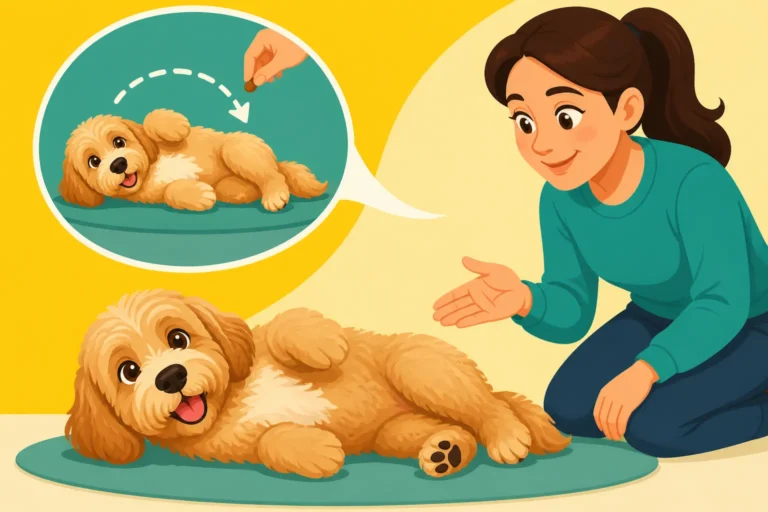
Before you even think about complex retrieves or scent trails, your Cockapoo needs rock-solid foundation obedience. This means a reliable "sit," "stay," "come" (recall), and "leave it." These aren't just polite manners; they are critical safety commands, especially in an outdoor environment with distractions. A strong recall, for instance, is non-negotiable if your Cockapoo is going to be allowed off-leash in any open area. Building a Recall a Cockapoo Answers takes time and consistent practice in increasingly distracting environments.
Equally important is impulse control. Field work requires a dog to wait patiently, ignore distractions, and only act on command. This means teaching your Cockapoo not to bolt after every squirrel or bird, not to grab a dummy until released, and to maintain focus on you despite exciting stimuli. Start in low-distraction environments and gradually increase the challenge. Use high-value treats and praise to reward calm, focused behavior. Online training platforms, like BAXTER & Bella, can be invaluable for establishing these core obedience skills and building strong communication between you and your dog, setting the stage for more advanced field work.
Introducing Scent and Retrieve Work
Once your Cockapoo has a good grasp of basic obedience, you can start tapping into their natural scenting and retrieving instincts. Keep it fun and positive!
For scent work, start simple. Hide a high-value treat under a cup and encourage your dog to find it. Gradually increase the difficulty by hiding treats around a room, then in the yard. You can introduce specific scents using essential oils designed for dog nose work (available on Amazon) and pair them with rewards. This teaches your dog to discriminate scents and follow a trail. For their Cocker heritage, this is incredibly stimulating. Scent Games a Cockapoo Never Tires Of are a fantastic way to engage their brains and noses.
For retrieving, if your dog already loves to fetch, you're halfway there! Begin by having them retrieve a favorite toy in a hallway, then slowly move to the yard. Practice a "hold" command, where they hold the object in their mouth until you say "release," and a reliable "give" command. Introduce different textures and shapes, like a soft training dummy. If your dog isn't naturally keen on retrieving, make it a game: toss the toy a short distance, run with them to get it, and celebrate wildly when they pick it up, rewarding them immediately. This builds their enthusiasm.
Progressing to More Complex Field Scenarios
As your Cockapoo masters the basics of scent and retrieve in controlled environments, you can slowly introduce more complex field scenarios. This is where you start to mimic actual field conditions, but always with safety and success in mind.
- Quartering Drills: You can teach your Cockapoo to quarter (search back and forth) by using an open field and periodically tossing treats or dummies to alternating sides, encouraging them to cover ground efficiently. Use a whistle for direction changes. Teaching a Cockapoo to Quarter on Command is a great skill that taps into their spaniel roots.
- Blind Retrieves: Instead of throwing a dummy right in front of them, hide it first while your dog watches, then send them to retrieve it. Gradually, send them without them seeing the dummy being placed, relying on your directions and their scenting abilities.
- Working with Distractions: Practice retrieves and scent work in environments with increasing distractions, such as a park with other people and dogs (at a distance, initially). This reinforces their focus on you and the task.
- Water Work: If your Cockapoo shows an affinity for water (many Poodle-descended dogs do), you can introduce retrieving from water in a safe, shallow, calm area. Always supervise closely and make sure they are comfortable. Introducing a Cockapoo to Water Safely is key.
Remember to keep training sessions short, fun, and end on a high note. Always use positive reinforcement and never punish for mistakes, as this can shut down their natural drives.
Ethical Considerations and Responsible Field Training
Embarking on field training with your Cockapoo is an exciting prospect, but it’s crucial to approach it with a strong ethical compass and a deep commitment to responsible practices. This isn't just about training techniques; it's about prioritizing your dog's well-being, understanding their limitations, and ensuring the safety of everyone involved.
Assessing Your Dog's Temperament and Health
Not every Cockapoo, or every dog for that matter, is suited for intensive field work. Before you begin, take an honest look at your dog’s temperament. Are they confident, resilient, and eager to learn? Or are they easily overwhelmed, sensitive to loud noises, or prone to anxiety? Field work can involve loud noises (like blank pistols if you move into advanced bird work), varying terrain, and intense focus, which might not be suitable for a shy or nervous dog. Pushing a dog into situations that cause fear or stress is detrimental to their welfare.
Equally important is a thorough health assessment. Discuss your plans with your veterinarian. Field work can be physically demanding, involving running, jumping, and navigating uneven ground. Your Cockapoo needs to be in excellent physical condition, free from joint issues or other underlying health concerns that could be exacerbated by rigorous activity. Knowing that your Cockapoo is healthy and mentally prepared is the foundation of ethical training. This is why reputable breeders prioritize health testing; make sure to get all The Five Certificates a Cockapoo Breeder Should Show when acquiring your puppy.
Prioritizing Safety and Welfare
Safety must always be your number one priority. This means not only protecting your dog but also ensuring the safety of others and wildlife.
- Leash Laws and Control: Always adhere to local leash laws. If you're working off-leash, ensure your Cockapoo has an absolutely bulletproof recall, especially if their instincts dictate they chase scents. Working a Cockapoo on a Long Line is an excellent way to practice recall in open spaces before trusting them off-leash entirely.
- Environmental Awareness: Be mindful of the environment. Are there hazards like poisonous plants, sharp objects, or bodies of water that could pose a risk? Avoid training during extreme weather conditions that could lead to heatstroke or hypothermia.
- Wildlife Protection: Field work often involves areas with wildlife. It is paramount that your Cockapoo does not harass or harm wild animals. This means teaching a strong "leave it" command and ensuring they only interact with approved training dummies or birds under controlled conditions. This also means being acutely aware of situations where Whether a Cockapoo Kills Small Animals could occur due to strong prey drive.
- Appropriate Equipment: Use appropriate, well-fitting equipment. A sturdy collar or harness, a long line, and specialized training dummies can enhance safety and effectiveness. You can find a wide variety of quality training gear, from long lines to scent kits, on Amazon.
Working with Experienced Trainers
While you can certainly start foundational training at home, serious field work benefits immensely from the guidance of experienced professionals. Seek out trainers who specialize in bird dog training, scent work, or competitive obedience that translates to field skills. They can:
- Assess Potential: Objectively evaluate your Cockapoo's natural abilities and temperament, helping you understand their true potential.
- Develop a Curriculum: Design a progressive training plan tailored to your dog's individual needs and your goals.
- Provide Expertise: Offer invaluable advice on techniques, troubleshooting challenges, and using specialized equipment.
- Ensure Safety: Guide you in safe practices and ensure ethical treatment of your dog and the environment.
Joining a local dog club that offers classes in scent work, retrieving, or even beginner bird dog foundations can also provide a supportive community and access to shared resources. This collaborative approach ensures you're building on sound principles and giving your Cockapoo the best chance to succeed.
Alternative "Field" Activities for Your Cockapoo
Perhaps full-blown traditional field work isn't quite the right fit for your Cockapoo or your lifestyle, but you still want to honor those amazing instincts. The good news is there are plenty of fantastic activities that tap into their natural abilities in a fun, safe, and accessible way, without needing vast open fields or game birds.
Scent Work and Nose Games
This is arguably one of the best ways to engage a Cockapoo's superb nose, inherited from both the Cocker and Poodle. Scent work, often referred to as "nose work" or "detection work," channels their natural desire to sniff into a structured, challenging, and incredibly rewarding activity. Dogs use their noses to explore the world, and giving them a job that utilizes this primary sense is immensely satisfying for them.
You can start simple with hide-and-seek games at home, hiding treats or toys and encouraging your dog to find them. As they progress, you can introduce specific target odors (like birch, anise, or clove, often found in essential oils for K9 sports) and teach them to locate and indicate these scents. There are classes and competitions available for all levels, and many Cockapoos excel at them. Scent Work That Satisfies a Cockapoo is not just a game; it's a mental workout that builds confidence, tires them out more effectively than physical exercise alone, and strengthens your bond as you work together as a team. You can find starter scent kits and books on platforms like Amazon to get you going.
Agility and Obedience Competitions
If your Cockapoo has energy, intelligence, and a love for working with you, agility or obedience competitions can be fantastic outlets. Agility involves navigating an obstacle course, including tunnels, jumps, weave poles, and a seesaw, all under your guidance. It requires focus, coordination, speed, and excellent communication between dog and handler. The Poodle's athleticism and biddability, combined with the Cocker's enthusiasm, often make Cockapoos surprisingly nimble and eager agility participants.
Obedience competitions, from basic Novice levels to advanced Utility classes, test a dog's precision and responsiveness to commands. This builds on the foundational training you've already established and offers a structured environment for you and your Cockapoo to grow as a team. While not "field work" in the traditional sense, these sports demand a similar level of discipline, focus, and partnership that would be present in a working dog. Whether a Cockapoo Passes an Obedience Title is a great benchmark for their trainability and your dedication.
Enrichment in Everyday Walks
You don't need formal classes or competitions to provide valuable "field-like" enrichment for your Cockapoo. Your daily walks can become mini-adventures that engage their natural instincts.
- "Find It" Games: Instead of just walking, toss a handful of treats into the grass and let your Cockapoo sniff them out. This engages their nose and provides mental stimulation.
- Explorer Mode: Allow your dog to sniff to their heart's content in safe, designated areas. Let them investigate interesting smells, giving them time to process the olfactory information. This fulfills their natural curiosity.
- "Working" for Meals: Instead of just putting food in a bowl, use puzzle feeders or scatter their kibble in the yard, making them "hunt" for their meal. This taps into their foraging instincts.
- Varying Terrain: Seek out different walking environments – a wooded trail, a grassy park, a beach. Different textures and smells provide novel enrichment and challenge.
Even simple modifications to your routine can have a profound impact on your Cockapoo's well-being, satisfying their innate drives without needing to literally "work in the field." This approach ensures that their lives are rich, stimulating, and fulfilling.
Setting Realistic Expectations for Your Cockapoo
It's easy to get swept up in the romantic notion of a dog working diligently in the field, but when it comes to a Cockapoo, setting clear and realistic expectations is paramount. Your journey with your Cockapoo in "field work" might look very different from a traditional hunting dog, and that's perfectly okay.
Defining "Working in the Field" for a Pet
For most pet Cockapoo owners, "working in the field" isn't about harvesting game for the dinner table. Instead, it's about providing an outlet for their natural instincts, engaging their intelligence, and strengthening the bond between you and your dog. It means:
- Scenting for Fun: Participating in nose work classes, playing advanced hide-and-seek games, or even searching for shed deer antlers in the woods.
- Controlled Retrieving: Enjoying disciplined fetch games with training dummies, practicing retrieves in varied terrain, or even fetching specific items on command.
- Outdoor Adventures: Hiking on trails, exploring nature parks (where permitted and safe), and allowing them to use their senses in stimulating outdoor environments.
- Sporting Challenges: Excelling in dog sports like rally obedience, agility, or even formal scent detection competitions that mimic real-world tasks.
It's about fulfilling their breed heritage in a way that is safe, ethical, and enjoyable for both of you, rather than trying to force them into a role they weren't specifically bred for in a pet context. This redefinition allows for a broader spectrum of success and a more joyful partnership.
Celebrating Small Victories
The path to any kind of specialized training, especially one that taps into deep-seated instincts, is paved with small victories. It's crucial to acknowledge and celebrate every step forward, no matter how minor it may seem. Did your Cockapoo stay focused on you for an extra five seconds despite a bird flying by? That's a victory! Did they return a dummy directly to hand without a detour? Celebrate it! Did they successfully follow a scent trail you laid out, even if it was short? Fantastic!
Focusing on these incremental successes prevents frustration and keeps both you and your Cockapoo motivated. It reinforces the positive association with training and encourages them to keep trying. Don't compare your Cockapoo to a purebred field champion; compare them to their own progress yesterday. Your unique Cockapoo is on their own journey, and every step they take with you is a testament to their intelligence and your partnership. This approach fosters a positive learning environment and deepens your mutual trust.
The Joy of a Fulfilling Partnership
Ultimately, whether your Cockapoo "works in the field" or excels at complex scent challenges, the greatest reward lies in the fulfilling partnership you build. Engaging in activities that tap into their natural drives provides immense mental and physical enrichment for your dog, leading to a happier, better-behaved companion. When a dog feels understood and has an appropriate outlet for their instincts, many common behavioral issues often diminish.
The Cockapoo, with its blend of intelligence, biddability, and innate drives, offers incredible potential for a wide array of activities beyond just being a cuddly lap dog. By respecting their heritage, understanding their individual capabilities, and committing to responsible, positive training, you can unlock a world of adventure and create a bond that goes far beyond the ordinary. The journey of discovering what your Cockapoo can do is a truly joyful one.
| Trait for Field Work | Cocker Spaniel Contribution | Poodle Contribution | Cockapoo Potential |
|---|---|---|---|
| Scenting Ability | Exceptional nose for flushing game, quartering | Good general scenting for locating fallen game | Strong, eager nose for tracking and detection |
| Retrieving Drive | Often natural retrieve, soft mouth for game | Strong water retrieve, soft mouth | Enthusiastic retriever, enjoys carrying objects |
| Biddability/Focus | Eager to please, responsive | Highly intelligent, eager to work, focused | Generally biddable, intelligent, trainable |
| Stamina/Drive | Good endurance for working cover | Athletic, sustained activity | Varies, generally good energy for bursts of activity |
| Water Affinity | Moderate, some enjoy | Very high, bred for water retrieving | Varies, many enjoy water activities |
Disclaimer
This article is for general informational purposes only and does not constitute professional advice. Laws, prices and regulations vary by location and change over time. Consult a qualified professional for guidance on your specific situation.