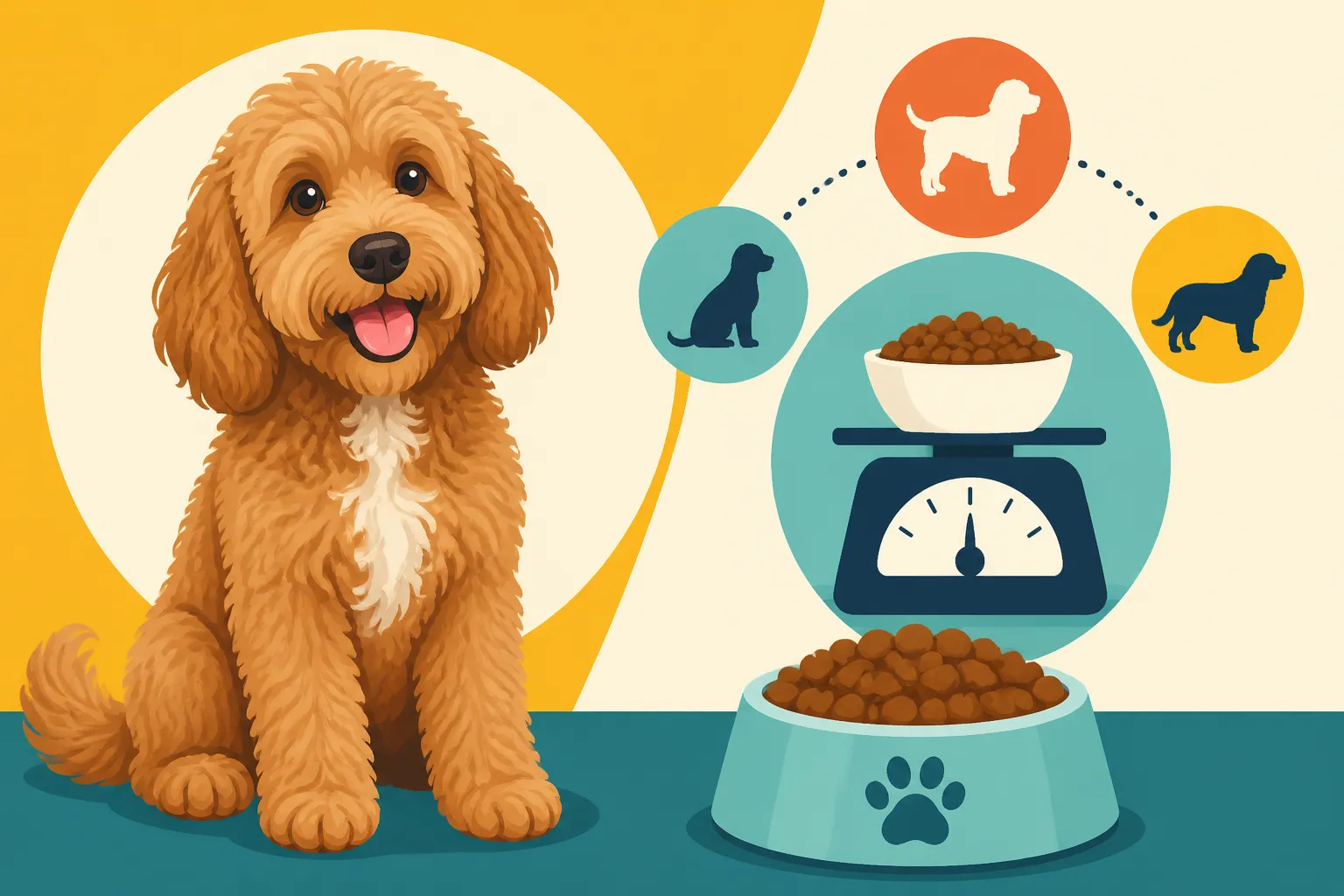
Feeding a Maxi Cockapoo by Weight
It’s a common frustration for Cockapoo owners to find that most feeding advice seems tailored to the smaller end of the spectrum – those adorable little Toy or Teacup Cockapoos. But what if you have a Maxi Cockapoo, a magnificent dog that can weigh a fair bit more? You know they have different needs, but figuring out how much to feed them, and what kind of food, can feel like navigating a maze. This guide is here to cut through that confusion, helping you understand precisely how to feed your larger-than-life Maxi Cockapoo based on their individual weight and activity level, ensuring they thrive for years to come.
Understanding Your Maxi Cockapoo's Nutritional Needs
When you think "Cockapoo," many people picture a small, fluffy companion. However, the Maxi Cockapoo, often a cross with a Standard Poodle or a larger Cocker Spaniel, is a whole different ballgame. They have the same delightful personality but come with a more robust build and a metabolism to match. It’s crucial to recognize that their nutritional needs aren't just a scaled-up version of a smaller dog's; they have specific requirements that, if overlooked, can lead to health issues down the line.
The 'Maxi' Difference: Why Weight Matters More Than Age Alone
A Maxi Cockapoo isn't just a slightly larger version of a Toy or Miniature; they truly are a different physiological size class. This means their bones, joints, muscles, and organs are all working on a grander scale. During growth, for instance, rapid weight gain in larger breeds can put undue stress on developing growth plates, potentially contributing to lifelong joint problems. Therefore, feeding a Maxi Cockapoo isn't just about giving them more food; it's about providing the right kind of nutrition at the right stages.
Many standard feeding charts on dog food bags are generalized. For your Maxi, you might find yourself looking at the "large breed" section more often than the "small breed" recommendations, even though they're still technically a Cockapoo. This is because larger dogs have different needs for things like calcium and phosphorus ratios during puppyhood to support healthy bone development, and specific calorie densities to prevent excessive growth. Ignoring these nuances can lead to developmental orthopedic diseases, which nobody wants for their beloved companion. It’s about ensuring steady, healthy growth, not just packing on pounds.
Activity Levels and Energy Output
Just like us, not all dogs have the same daily routine or energy expenditure. A Maxi Cockapoo might be a majestic couch potato, enjoying leisurely strolls around the block, or they could be an energetic explorer, joining you on long hikes, engaging in agility training, or chasing balls endlessly at the park. This huge variance in activity directly impacts how many calories they need. A dog burning a lot of energy requires more fuel, while a more sedentary dog needs less to maintain an ideal weight.
If your Maxi leans more into their Poodle heritage, they might have the athletic prowess and boundless energy of a Standard Poodle, requiring significant exercise to keep them mentally and physically stimulated. Or, if the Cocker Spaniel side is strong, they might have that enthusiastic, ground-covering trot, always ready for an adventure. You need to be honest about your dog's actual daily exercise. Do they get one short walk, or are they out for an hour-long power walk, plus a vigorous play session? An active Maxi might need 20-30% more calories than a less active one. This isn't just about preventing obesity; it’s about providing enough energy for them to live their best, most active life without feeling constantly hungry or sluggish. Consider how many miles your Cockapoo wants every day and adjust their diet accordingly.
Balancing Macronutrients for a Maxi Cockapoo
A balanced diet for your Maxi Cockapoo hinges on the correct proportions of macronutrients: protein, fat, and carbohydrates. These are the building blocks that fuel their body and keep them healthy.
- Protein: This is paramount for muscle development, tissue repair, and overall bodily functions. Given their larger frame, Maxi Cockapoos need a good source of high-quality animal protein (like chicken, beef, lamb, or fish) to maintain their muscle mass. Active dogs especially benefit from adequate protein intake. It helps them recover from exercise and keeps their coat and skin healthy.
- Fats: Don't let the word "fat" scare you! Healthy fats are a concentrated source of energy, vital for nutrient absorption, and contribute to a shiny coat and healthy skin. Omega-3 and Omega-6 fatty acids are particularly important. For a Maxi, healthy fats provide sustained energy without requiring a huge volume of food, which can be easier on their digestive system. They're also crucial for brain function and reducing inflammation.
- Carbohydrates: While not the main energy source for all dogs, complex carbohydrates provide readily available energy and dietary fiber, which aids digestion. Ingredients like sweet potatoes, brown rice, and oats offer this steady energy release, preventing energy spikes and crashes. They also contribute to a feeling of fullness, which can be helpful if you're trying to manage your Maxi's weight.
Beyond these macros, don't forget the importance of vitamins and minerals. For a larger breed, specific minerals like calcium and phosphorus (in the right balance) are critical for bone health, especially during growth. Glucosamine and chondroitin, often found in large-breed formulas, can also support joint health, which is a common concern for bigger dogs.
Calculating the Right Portions for Your Maxi Cockapoo
One of the biggest struggles new Maxi Cockapoo owners face is knowing exactly how much to put in the bowl. It feels like a constant guessing game, especially when your dog seems perpetually hungry! The truth is, there's no one-size-fits-all answer, but there are clear steps you can take to get it right.
Deciphering Dog Food Labels and Feeding Guides
Every bag of dog food comes with a feeding guide, usually a chart that tells you how much to feed based on your dog's weight. However, these are broad estimates. A 60-pound Maxi Cockapoo that spends most of its day napping will have vastly different caloric needs than a 60-pound Maxi Cockapoo that runs five miles a day with its owner. The ranges are often wide, and they don't account for individual metabolism.
To get started, look for the caloric content of the food, usually listed as "kcal/cup" or "kcal/kg." This number is your key. Then, calculate your dog's ideal caloric intake. A good starting point for moderately active adult dogs is roughly 25-30 calories per pound of ideal body weight per day. So, if your Maxi should weigh around 40 pounds, that's 40 x 25-30 = 1000-1200 calories per day. Divide that by the kcal/cup of your chosen food to get the number of cups. Remember, this is just a baseline! Always consult your veterinarian for a precise recommendation, especially if your dog has underlying health conditions or is still growing. They can help you factor in specific needs and even suggest a The Bloodwork That Catches a Cockapoo's Kidney Disease if there are concerns.
The Importance of Body Condition Scoring
Instead of relying solely on the number on the scale, mastering body condition scoring (BCS) is a game-changer. This visual and tactile assessment helps you determine if your Maxi Cockapoo is at an ideal weight, too thin, or overweight. You can learn to "read" your dog's body, which is much more effective than just weighing them, particularly for a breed with varying coat thickness.
Here’s how to do it:
- Feel the Ribs: Gently run your hands along your dog's sides. You should be able to feel their ribs easily, like running your fingers over the knuckles of your hand, but without them protruding sharply. If you can't feel them without pressing, your dog might be overweight. If they're clearly visible and feel sharp, your dog might be too thin.
- Check the Waistline: When viewed from above, your Maxi Cockapoo should have a noticeable tuck behind their ribs, forming a waist. If they look more like a sausage or a straight line from chest to hips, they might be carrying too much weight.
- Observe the Abdominal Tuck: From the side, their abdomen should tuck up slightly from their chest to their hind legs, not hang low or be parallel to the ground.
Maintaining an ideal body condition is vital for your Maxi Cockapoo's long-term health. Being overweight puts immense strain on their joints, especially their hips and knees, potentially exacerbating conditions like hip or elbow dysplasia that can be present in larger dogs. It also increases the risk of diabetes, heart disease, and a shorter lifespan. Conversely, being too thin can indicate insufficient nutrition or underlying health issues. Monitoring their body condition regularly helps you make informed adjustments to their food intake. It's about Keeping a Cockapoo's Weight in Range for a healthy, active life.
Adjusting for Life Stages: Puppy, Adult, Senior
Your Maxi Cockapoo's nutritional needs aren't static; they change significantly as they move through different life stages. What's perfect for a growing puppy can be detrimental to a senior dog, and vice-versa.
- Puppies (up to around 12-18 months for a Maxi): Maxi Cockapoo puppies, being larger, require special attention to their growth rate. You want steady, controlled growth, not rapid weight gain. Puppy foods for large breeds are often formulated with lower calcium and phosphorus levels than general puppy foods to prevent orthopedic problems. They'll also need more calories and protein to fuel their development, but these should be distributed across 3-4 meals a day. The Age a Cockapoo Moves to Two Meals is typically around six months, but a Maxi might still benefit from three meals a day for a bit longer. Don't forget that Whether a Teacup Cockapoo Puppy Needs Feeding Four Times illustrates the principle of frequent small meals for growing pups.
- Adults (typically 1-7 years): Once your Maxi reaches maturity, their caloric needs will stabilize. The focus shifts to maintenance – providing enough energy for their daily activity without promoting weight gain. This is where vigilant body condition scoring becomes even more important. Most adult Maxi Cockapoos do well on two meals a day.
- Seniors (7+ years, though it varies): As your Maxi ages, their metabolism often slows down, and their activity levels might decrease. They might also develop conditions like arthritis or other health challenges. Senior-specific dog foods often have fewer calories, higher fiber, and added joint support supplements like glucosamine and chondroitin. You might need to reduce portion sizes to prevent weight gain, even if their appetite seems unchanged. Discuss with your vet if your What Changes in a Cockapoo After Ten means they need specific dietary modifications.
Choosing the Best Food Type for Your Maxi Cockapoo
The sheer variety of dog food on the market can be overwhelming, making it hard to decide what's truly best for your Maxi Cockapoo. From traditional kibble to fresh, human-grade meals, each option has its own set of advantages and considerations.
Dry Kibble: Pros, Cons, and Quality Considerations
Dry kibble is the most common choice for dog owners, and for good reason. It's convenient, shelf-stable, and generally the most budget-friendly option. A good quality kibble can provide all the necessary nutrients for your Maxi Cockapoo.
- Pros: Kibble is easy to store and measure. The crunchy texture can also help scrape away some plaque from their teeth, though it's not a substitute for regular dental care. Many reputable brands offer formulas specifically designed for large breeds, which can be beneficial for your Maxi's joint health and growth rate. Shopping for it is easy, whether you pop into a local pet store or order in bulk from online retailers like Chewy or Amazon.
- Cons: The quality of kibble can vary dramatically. Some cheaper brands are packed with fillers like corn, soy, or by-products, which offer little nutritional value and can sometimes trigger allergies or digestive issues. The cooking process for kibble can also reduce the bioavailability of some nutrients.
- Quality Considerations: When choosing a kibble, look for a named meat source (e.g., "chicken meal," not "meat by-products") as the first ingredient. Avoid artificial colors, flavors, and preservatives. Opt for whole grains or novel carbohydrate sources like sweet potato. Reading ingredient labels carefully and researching brands known for quality and rigorous testing is key. Remember, What Kibble Costs for a Cockapoo can vary widely, but often, you get what you pay for in terms of ingredient quality.
Wet Food, Fresh Food, and Raw Diets
Beyond kibble, there are other feeding approaches gaining popularity, each with its own set of benefits.
- Wet Food: Often seen as a treat or an appetite enhancer, wet food has a higher moisture content, which can be beneficial for hydration. It's also typically more palatable for picky eaters and easier to digest for some dogs.
- Pros: Increased moisture intake, highly palatable, often less processed than kibble.
- Cons: More expensive, shorter shelf life once opened, can contribute to dental plaque if not combined with good dental hygiene.
- Fresh Food: This option involves commercially prepared, often human-grade meals that are gently cooked or minimally processed. Companies like Ollie deliver fresh, pre-portioned meals directly to your door, taking the guesswork out of meal prep.
- Pros: High palatability, excellent ingredient quality, often highly digestible, and can lead to improved coat health and energy levels. Many owners report reduced stool volume and better digestion.
- Cons: Significantly more expensive than kibble, requires refrigeration, and often needs subscription services.
- Raw Diets: Raw feeding, or BARF (Biologically Appropriate Raw Food) diets, involve feeding uncooked meat, bones, and organs, sometimes with added fruits and vegetables. Proponents claim it leads to shinier coats, cleaner teeth, and higher energy.
- Pros: High palatability, thought to be closer to a dog's ancestral diet.
- Cons: Significant health risks if not prepared and handled correctly (bacterial contamination like Salmonella for both dog and human, nutritional imbalances if not professionally formulated), time-consuming preparation. It’s crucial to research this thoroughly and discuss it with your vet. Whether a Cockapoo Can Eat Raw is a complex question that requires careful consideration.
Homemade Diets and Supplements
For some owners, the idea of preparing their Maxi Cockapoo's meals from scratch is appealing. This allows for complete control over ingredients and can be beneficial for dogs with specific allergies or sensitivities. However, it's a path that requires careful planning and professional guidance.
- Homemade Diets: While well-intentioned, simply feeding cooked chicken and rice, or whatever you’re having for dinner, is rarely nutritionally complete for a dog. Dogs have very specific dietary requirements that differ from humans. Imbalances in vitamins, minerals, or macronutrients can lead to serious health problems over time. If you’re considering a homemade diet, it is absolutely essential to consult with a board-certified veterinary nutritionist. They can formulate a balanced recipe tailored to your Maxi Cockapoo's age, weight, activity level, and any health concerns. Do not attempt a homemade diet without professional guidance.
- Supplements: Even with a high-quality diet, some Maxi Cockapoos might benefit from specific supplements, especially as they age or if they have certain predispositions.
- Joint Supplements: Given the potential for hip or elbow issues in larger dogs, supplements containing glucosamine, chondroitin, and MSM can support joint health and mobility. Many large breed foods already contain these, but additional supplementation might be recommended by your vet. Whether Glucosamine Helps a Cockapoo is a common question, and for large breeds, the answer is often yes, as a preventative or supportive measure.
- Omega Fatty Acids: These are excellent for skin and coat health, and also have anti-inflammatory properties, beneficial for joints and overall wellness.
- Always discuss any supplements with your vet before introducing them, as too much of a good thing can sometimes be harmful.
Practical Feeding Strategies and Common Pitfalls
Feeding your Maxi Cockapoo isn't just about what you put in the bowl; it's also about how and when you feed them. Establishing a consistent routine and being mindful of extras can make a huge difference in their health and behavior.
Meal Frequency and Routine
Just like people, dogs thrive on routine. A consistent feeding schedule helps regulate their digestive system and can even reduce anxiety around meal times.
- Puppies: For Maxi Cockapoo puppies, particularly during their rapid growth phase, you'll generally want to feed them 3-4 times a day. This helps keep their energy levels stable and prevents them from overeating in one sitting. As they get a bit older, you can gradually reduce this to three, then two meals a day.
- Adults and Seniors: Most adult and senior Maxi Cockapoos do best on two meals a day, ideally spaced about 8-12 hours apart. This helps prevent them from feeling overly hungry, regulates their metabolism, and keeps their blood sugar stable. Consistency is key – try to feed them at roughly the same times each day. This predictability is comforting for dogs and can help with house training, as you’ll get a better sense of when they need to go outside.
Some Maxi Cockapoos can be incredibly enthusiastic eaters, inhaling their food in seconds. This can lead to digestive upset, choking, and even a dangerous condition called bloat (gastric dilatation-volvulus), which large, deep-chested breeds can be predisposed to. If Whether a Cockapoo Bolts Its Dinner describes your dog, consider using a slow feeder bowl or a puzzle feeder. These gadgets make your dog work for their food, slowing down ingestion and making mealtime more mentally stimulating.
Treats, Chews, and Table Scraps
It’s hard to resist those pleading Cockapoo eyes, but treats and table scraps can quickly derail even the most carefully planned diet.
- Treats: Treats are fantastic for training and showing affection, but they need to be factored into your Maxi Cockapoo's daily caloric intake. If you're using a lot of treats, reduce their main meal portions accordingly. Opt for low-calorie, healthy treats, or even use a portion of their daily kibble as treats. A good rule of thumb is that treats should make up no more than 10% of their daily calories.
- Chews: Dental chews, bully sticks, and other safe chew toys can provide mental stimulation and help with dental hygiene. Always supervise your dog when they're enjoying a chew, and choose appropriate sizes for your Maxi to prevent choking hazards.
- Table Scraps: This is where many owners fall into a trap. While a tiny bit of plain, cooked meat or vegetable might seem harmless, consistently feeding table scraps can lead to digestive upset, pickiness, and significant weight gain. More dangerously, many human foods are toxic to dogs, including grapes, raisins, chocolate, onions, garlic, and anything sweetened with xylitol. Even fatty foods can cause pancreatitis in dogs. It’s best to avoid table scraps altogether and stick to dog-specific foods and treats. For a scavenging Cockapoo, understanding What a Scavenging Cockapoo Must Never Reach is critical for their safety.
Monitoring and Adapting Your Maxi Cockapoo's Diet
Feeding isn't a one-and-done decision; it's an ongoing process of observation and adjustment. Your Maxi Cockapoo's needs can change due to age, activity level fluctuations, or health status.
- Regular Weight Checks: While body condition scoring is key, regular weigh-ins (perhaps once a month at home or at the vet) can help you track trends. If you notice a steady increase or decrease that isn't intentional, it's a sign to reassess their diet.
- Observing Indicators: Pay attention to their overall well-being. Is their coat shiny and healthy, or dull and flaky? Are their stools firm and consistent, or loose? Do they have good energy levels, or do they seem lethargic? These are all clues about how well their diet is serving them. A sudden change in energy might indicate something like Hypothyroidism in a Middle Aged Cockapoo, which can affect metabolism.
- When to Consult Your Vet: Any sudden or unexplained weight loss or gain, persistent digestive issues (vomiting, diarrhea), changes in appetite, or a dull coat are all reasons to schedule a vet visit. They can rule out underlying health conditions and help you make informed dietary changes. If your Maxi Cockapoo is gaining too much weight, your vet can help you create a safe and effective weight loss plan. Conversely, if they're too thin, a vet can help identify the cause and suggest ways to increase their caloric intake safely. Remember, a healthy diet is one of the biggest factors contributing to The Fourteen to Eighteen Years a Cockapoo Lives.
| Food Type | Convenience | Cost (relative) | Moisture Content | Ingredient Control | Common Use Cases |
|---|---|---|---|---|---|
| Dry Kibble | High | Low to Medium | Low | Medium | Everyday feeding, budget-friendly, dental benefits (minor) |
| Wet Food | Medium | Medium to High | High | Medium to High | Picky eaters, hydration, medication administration |
| Fresh Food | Medium | High | High | High | Health concerns, picky eaters, human-grade preference |
| Raw Diet | Low | High | High | High | Specific health philosophies, requires expertise |
| Homemade | Low | Medium to High | High | Very High | Allergies, specific health needs, vet nutritionist required |
Disclaimer
This article is for general informational purposes only and does not constitute professional advice. Laws, prices and regulations vary by location and change over time. Consult a qualified professional for guidance on your specific situation.