Whether a Cockapoo Needs a Degreasing Shampoo
It’s a familiar scenario for many Cockapoo owners: you’ve just bathed your sweet, fluffy companion, only to find a few days later that their coat feels a bit greasy to the touch, or worse, they’ve developed that distinct, sometimes unpleasant, "doggy" smell again. You might be wondering if a regular shampoo just isn't cutting it, and if your Cockapoo actually needs something stronger, like a degreasing shampoo. This guide will help you understand why your Cockapoo's coat might be getting oily, how to tell if a degreasing shampoo is the right solution, and how to use it effectively and safely.
Why Your Cockapoo Might Be Developing an Oily Coat
Understanding why your Cockapoo's coat might be getting oily is the first step in tackling the problem. It's rarely just one thing, but often a combination of genetic predispositions, environmental factors, and even their diet.
The Genetic Blend: Cocker Spaniel Influence
One of the beautiful things about Cockapoos is their mixed heritage, blending the best of Cocker Spaniels and Poodles. However, this also means they can inherit traits from either side that might lead to specific care needs. Cocker Spaniels, especially the American Cocker Spaniel, are known for having a naturally oilier skin and coat type. Their skin can produce more sebum, which is a natural oil designed to protect the skin and keep the coat healthy. While beneficial in moderation, an overproduction of sebum can lead to a greasy feel and that tell-tale "doggy" odor.
If your Cockapoo has inherited more of the Cocker Spaniel's coat characteristics, particularly if they have a thicker, denser undercoat or a silkier topcoat without the tight Poodle curl, they might be more prone to developing an oily coat. This isn't a fault, it's just a genetic predisposition that comes with the territory of this delightful hybrid. It’s worth exploring Whether a Cockapoo Inherits the Cocker's Oily Skin to truly grasp this aspect.
Poodle's Dryness and the Unexpected Balance
On the flip side, Poodles generally have a drier skin type and a non-shedding, curly coat that doesn't produce as much oil. This is why many Cockapoo owners hope for a low-shedding, less dander-producing coat. However, when you blend these two distinct coat types, you can sometimes end up with an interesting, and occasionally challenging, balance.
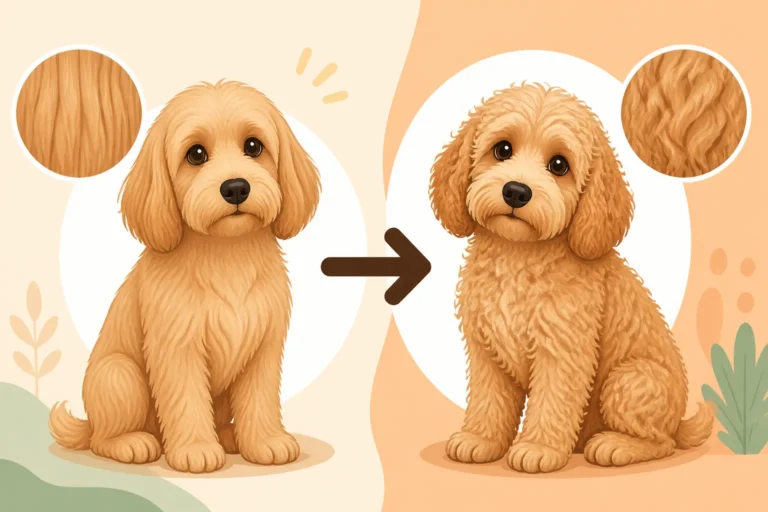
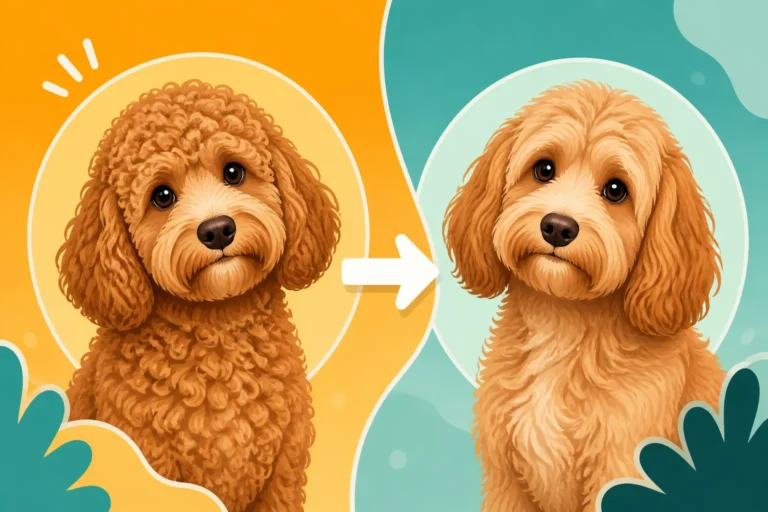
A Cockapoo might have a Poodle-like curl but still inherit the oil production of a Cocker. Or, paradoxically, if their skin becomes too dry (perhaps from harsh shampoos or improper bathing), it can sometimes overcompensate by producing more oil, leading to a greasy rebound effect. It’s a delicate balance, and understanding your individual dog's coat type – whether they have more of the Poodle's tight curl or the Cocker's silky wave – can give you clues. The Curl Gene and Where a Cockapoo's Coat Lands delves deeper into these coat genetics.
Environmental and Dietary Factors
Beyond genetics, your Cockapoo's environment and diet play a huge role in their coat health.
- Dietary Quality: A diet lacking in essential fatty acids, or one filled with low-quality ingredients, can absolutely manifest in a dull, greasy, or even flaky coat. Just like with humans, "you are what you eat" holds true for our canine friends. A balanced diet rich in omega-3 and omega-6 fatty acids is crucial for skin and coat health. If you're feeding a kibble, consider its quality. Some owners find that switching to a fresh food diet, like those offered by companies such as Ollie, can make a noticeable difference in coat luster and skin condition. It’s a common question, Whether Diet Changes a Cockapoo's Coat Condition, and the answer is a resounding yes.
- Allergies: Environmental or food allergies can cause skin irritation, inflammation, and excessive scratching or licking. This irritation can stimulate oil glands, leading to an greasier coat, often accompanied by redness or a persistent itch. Whether a Cockapoo Itches From the Cocker Side can be a factor here.
- Bathing Habits and Products: Are you bathing too frequently with a harsh shampoo? Or not frequently enough with a gentle one? Using products not suited for canine skin pH or that contain irritating chemicals can strip natural oils, leading to that rebound oil production we mentioned. Conversely, not bathing often enough allows oils and dirt to accumulate, leading to that greasy, smelly build-up. It's a real dilemma, and knowing Whether a Cockapoo's Skin Dries Out From Washing is key to making good choices.
- Humidity and Climate: In very humid environments, a dog's coat can feel greasier simply because of the moisture in the air. This isn't necessarily an overproduction of oil, but it can contribute to that unpleasant, sticky feeling.
- Other Health Issues: While less common, certain medical conditions, like thyroid imbalances or hormonal issues, can also present with coat and skin changes, including excessive oiliness. This is why it's always important to involve your vet if you've tried everything else and the problem persists.
Spotting the Signs Your Cockapoo Needs a Degreasing Shampoo
So, how do you know if your Cockapoo's greasiness is just normal dog stuff, or if it warrants a targeted approach like a degreasing shampoo? It comes down to observation – how their coat looks, feels, and smells, and whether there are any accompanying skin issues.
The Feel and Look of an Oily Coat
A healthy Cockapoo coat should feel soft, supple, and clean to the touch. It might have some natural oils, but it shouldn't feel heavy, sticky, or visibly greasy. Here's what to look for if your Cockapoo's coat is leaning towards oily:
- Greasy Texture: Run your fingers through their fur, especially on their back, around the neck, and behind the ears. Does it feel slick, slimy, or waxy? Does it leave a residue on your hands? This is a primary indicator.
- Dullness or Stringiness: Instead of a vibrant, fluffy appearance, an oily coat might look dull, flat, or even stringy. The individual hairs might clump together rather than flowing freely.
- Patches of Discoloration: Sometimes, excessive oil can trap dirt and debris, leading to a dingy or discolored appearance, particularly on lighter-colored coats.
- Mats and Tangles: Oily coats are much more prone to matting because the sticky residue makes hairs cling together. Even with regular brushing, you might find new mats forming quickly.
That Persistent "Doggy" Odor
This is often the most noticeable and frustrating sign for owners. All dogs have a natural scent, but an excessively oily coat can become a breeding ground for bacteria and yeast, leading to a much stronger, more unpleasant odor that seems to reappear almost immediately after a bath. It's not just a faint smell; it's that pervasive, heavy "doggy" smell that clings to furniture and fabrics.
You might notice this smell is particularly strong around their ears, armpits, groin, or tail base – areas where oil glands are often more concentrated. This is often linked to Why a Cockapoo Can Smell Days After a Bath, a common complaint for many pet parents.
Skin Irritations and Secondary Issues
When the skin is excessively oily, it can create an environment ripe for other problems. This is where the issue moves beyond just aesthetics or smell and into actual discomfort for your Cockapoo.
- Redness and Inflammation: You might see red patches on their skin, especially if they’ve been scratching or licking due to irritation.
- Itching and Scratching: Your Cockapoo might be noticeably itchier, leading to constant scratching, licking, or rubbing against furniture. This self-trauma can further irritate the skin and break the skin barrier.
- Hot Spots: These are localized, red, moist, and often painful skin lesions that can develop rapidly from excessive licking or scratching in response to irritation. Oily skin, trapped moisture, and bacteria can contribute to hot spot formation, especially in warmer weather or after swimming. Hot Spots on a Cockapoo That Has Been Swimming highlights this common issue.
- Yeast Infections: Oily, warm, and sometimes moist skin is an ideal environment for yeast (Malassezia) to overgrow. A yeast infection often presents with a greasy coat, a rancid or "corny" smell, and sometimes darkened, thickened skin. These often require veterinary attention.
Navigating Degreasing Shampoos: What to Choose and How to Use
If you've identified that your Cockapoo likely has an oily coat, a degreasing shampoo might be exactly what you need. But it's not a one-size-fits-all solution, and proper application is key.
Understanding Degreasing Versus Regular Shampoos
The main difference between a regular dog shampoo and a degreasing shampoo lies in their active ingredients and their purpose.
- Regular Shampoos: These are designed for general cleaning, conditioning, and maintaining a healthy coat. They typically contain mild surfactants to remove dirt and loose oils, often with moisturizing ingredients to keep the skin hydrated. They're great for routine bathing of a balanced coat.
- Degreasing Shampoos: These are formulated with stronger cleansing agents and specific ingredients to break down and lift excess sebum, dirt, and product buildup from the skin and coat. They are often pH-balanced for dogs but are intended for occasional use to reset the coat or address specific oiliness issues, rather than every bath. You can often find a variety of degreasing shampoos at pet supply stores like Chewy or online retailers such as Amazon.
Key Ingredients to Look For and Avoid
When choosing a degreasing shampoo, reading the label is crucial.
Ingredients to look for (often found in therapeutic formulas):
- Salicylic Acid: A beta-hydroxy acid that helps to exfoliate the skin, open up pores, and break down oils. It's often found in human acne treatments and is effective for oily skin in dogs.
- Benzoyl Peroxide: A powerful antibacterial agent that also has degreasing properties. It's often used for dogs with more severe oily skin conditions or pyoderma (skin infections). This is typically a vet-prescribed or recommended product due to its strength.
- Coal Tar/Selenium Sulfide: These are older, more potent ingredients with strong degreasing and anti-fungal properties. They are usually reserved for severe cases under veterinary guidance due to potential for irritation if not used correctly.
- Natural Absorbents: Ingredients like colloidal oatmeal (though often more for soothing, some formulations help balance), clay, or specific essential oils (like tea tree, in very diluted, dog-safe concentrations) can sometimes be found in gentler degreasing formulas. However, always exercise caution with essential oils and consult your vet.
Ingredients to approach with caution or avoid:
- Harsh Sulfates (e.g., Sodium Lauryl Sulfate, Sodium Laureth Sulfate in high concentrations): While effective degreasers, these can be too stripping for sensitive dog skin and may lead to dryness and rebound oil production. Look for milder, naturally derived surfactants.
- Artificial Fragrances and Dyes: These can be irritating to sensitive skin and don't actually solve the underlying oiliness or odor. Opt for fragrance-free or naturally scented options.
- Human Shampoos: Never use human shampoo on your Cockapoo. Our skin pH is different, and human products are too harsh and acidic for a dog's delicate skin, even if they claim to be "gentle."
A Step-by-Step Guide to Bathing an Oily Cockapoo
Bathing an oily Cockapoo with a degreasing shampoo requires a specific technique to ensure the product works effectively without over-stripping their skin. This goes beyond a quick rinse and lather.
- Pre-Brush Thoroughly: Before wetting your dog, give them a really good brush, especially if their coat is dense or curly. This helps remove loose hair, dirt, and any minor tangles, allowing the shampoo to penetrate better. Pay attention to areas where mats often form. A good line brushing technique, as described in Line Brushing a Cockapoo and Why the Top Coat Lies, is essential here.
- Wet the Coat Completely: Get your Cockapoo thoroughly wet with lukewarm water. Make sure the water penetrates all the way down to the skin, even in their thickest areas.
- Apply Degreasing Shampoo: This is the critical step.
- First Lather (Concentrated): Apply the degreasing shampoo directly to the greasiest areas first – often the back, tail base, and behind the ears. Massage it in gently but thoroughly, ensuring it makes good contact with the skin. Don't be afraid to use a decent amount. Let it sit for the recommended time on the label (usually 5-10 minutes) before rinsing. This first application often breaks down the bulk of the oil.
- Second Lather (Full Body): Rinse the first application completely. Then, apply the shampoo again, this time over their entire body. Work it into a good lather, massaging deeply into the coat and skin. Again, let it sit for the recommended duration.
- Emulsify: Some groomers recommend a technique called "emulsifying," where you apply the degreasing shampoo to a dry coat first, massage it in for a few minutes, then add a little water to create a lather, then rinse. This can be very effective for extremely greasy coats, but always follow the specific instructions on your chosen shampoo.
- Rinse, Rinse, Rinse!: This is arguably the most important step with any dog shampoo, but especially a degreasing one. You must rinse thoroughly until all suds and residue are gone. Any shampoo left behind can irritate the skin, lead to dryness, and actually attract more dirt and oil, defeating the purpose. Squeeze the coat, check behind the ears and in the armpits. If the water still looks soapy, keep rinsing. You might find a guide like Bathing a Cockapoo Whose Skin Is Greasy offers more specific tips on this process.
- Follow with a Hydrating Conditioner: Degreasing shampoos can be quite stripping. To prevent dryness and rebound oiliness, always follow with a good quality, hydrating dog conditioner. Apply it, let it sit for a few minutes, and then rinse thoroughly.
- Dry Thoroughly: Towel dry as much as possible, then use a low-heat pet dryer, brushing as you go. Ensuring your Cockapoo is completely dry helps prevent skin issues and matting.
Beyond the Shampoo: Long-Term Strategies for a Healthy Coat
While a degreasing shampoo can be a fantastic tool for immediate relief from an oily coat, it's not a standalone solution. Long-term coat health for your Cockapoo involves a more holistic approach that addresses diet, regular grooming, and knowing when to consult your veterinarian.
Dietary Adjustments and Supplements
As we touched on earlier, diet is foundational to coat health. If your Cockapoo consistently struggles with an oily coat, it's worth taking a close look at what they're eating.
- High-Quality Diet: Opt for a dog food with clearly identifiable protein sources (e.g., chicken meal, lamb) as the first ingredients, and healthy fats. Avoid fillers, by-products, and artificial preservatives. Some owners find grain-free options help, but consult your vet as grain-free isn't always best for all dogs. Brands like Ollie, mentioned previously, are examples of fresh food services that emphasize high-quality ingredients, which can positively impact skin and coat.
- Omega Fatty Acid Supplements: Adding omega-3 and omega-6 fatty acids to your Cockapoo's diet can work wonders for skin and coat health. These "good fats" help reduce inflammation, promote healthy skin barrier function, and contribute to a lustrous, non-greasy coat. Fish oil (sardine, anchovy, salmon oil) is a popular choice, as are flaxseed oil or specific canine omega supplements. Always start with a lower dose and gradually increase, and discuss with your vet to ensure proper dosage. It ties directly into Whether Omega Oils Help a Cockapoo's Coat.
Regular Grooming and Brushing Habits
Consistent grooming is absolutely critical for a Cockapoo, especially those prone to oiliness or matting. It's not just about looking good; it's about maintaining skin health.
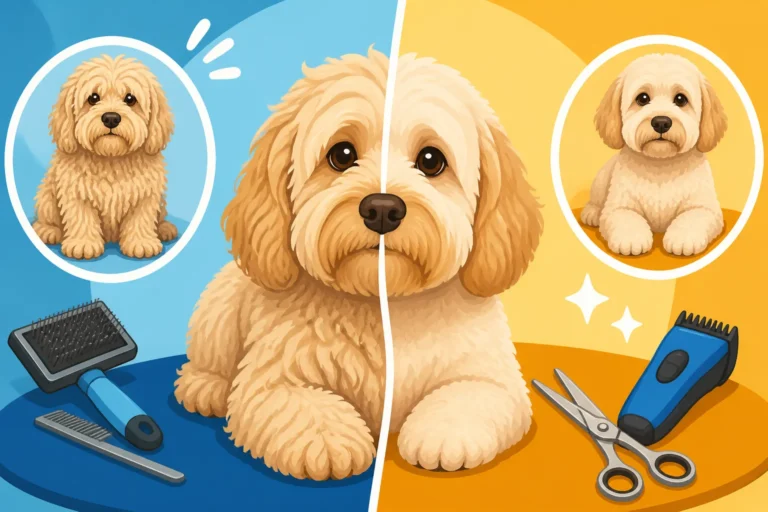
- Daily Brushing: A Cockapoo's coat, particularly if it's wavy or curly, needs daily brushing to prevent mats and distribute natural oils evenly. This helps prevent oil from building up in one spot and also stimulates the skin, promoting healthy circulation. Use a slicker brush to get through the coat, followed by a metal comb to check for hidden mats.
- Regular Professional Grooming: Schedule professional grooming appointments every 6-8 weeks. Professional groomers have the tools and expertise to properly clean and maintain your Cockapoo's coat, recognizing and addressing issues like oily buildup before they become severe. Discuss your concerns about oiliness with them so they can use appropriate products and techniques.
- Trimming and Hygiene Clips: Keep hair trimmed around the face, paws, and sanitary areas. This helps prevent oil, dirt, and debris from accumulating, especially in warmer months. Pay particular attention to ear hair, as oily buildup here can contribute to ear infections.
When to Consult Your Veterinarian
If you've tried dietary changes, consistent grooming, and a suitable degreasing shampoo, but your Cockapoo's oily coat persists or is accompanied by other worrying symptoms, it's time to visit your veterinarian.
- Persistent Odor, Itching, or Redness: These could be signs of underlying allergies, bacterial skin infections (pyoderma), or yeast infections that require specific medical treatment beyond shampoo. Your vet can perform skin scrapes, fungal cultures, or allergy tests. Whether a Cockapoo Needs Its Ears Cultured or Whether Allergy Testing a Cockapoo Is Worth It might be conversations you have with your vet.
- Hair Loss or Lesions: Any unusual hair loss, scabbing, pustules, or open sores need immediate veterinary attention.
- Changes in Behavior or Energy: If your Cockapoo is also showing signs of lethargy, increased thirst, changes in appetite, or other systemic symptoms along with their coat issues, it could indicate a more serious underlying health condition like hypothyroidism or Cushing's disease.
Your vet can help diagnose any underlying medical conditions and prescribe appropriate medications or stronger medicated shampoos if needed. They can also offer tailored advice on diet and supplements specific to your dog's health profile.
Disclaimer
This article is for general informational purposes only and does not constitute professional advice. Laws, prices and regulations vary by location and change over time. Consult a qualified professional for guidance on your specific situation.