Whether a Cockapoo’s Eye Hair Is Trimmed or Banded
One common frustration many Cockapoo owners face is managing that beautiful, flowing hair around their dog's eyes. It can be a real challenge to keep it out of their line of sight, prevent painful matting, and avoid constant irritation. This comprehensive guide will walk you through the two main approaches to dealing with a Cockapoo's eye hair – trimming and banding – helping you understand the pros and cons of each, and how to safely implement the best method for your furry companion.
Understanding Your Cockapoo's Unique Eye Area Needs
Cockapoos are a wonderful blend of Cocker Spaniel and Poodle, and their hair often reflects this heritage in fascinating and sometimes challenging ways. The hair around their eyes is no exception, often growing long and thick, creating potential issues if not properly managed.
The Genetic Blend: Cocker and Poodle Coats Around the Eyes
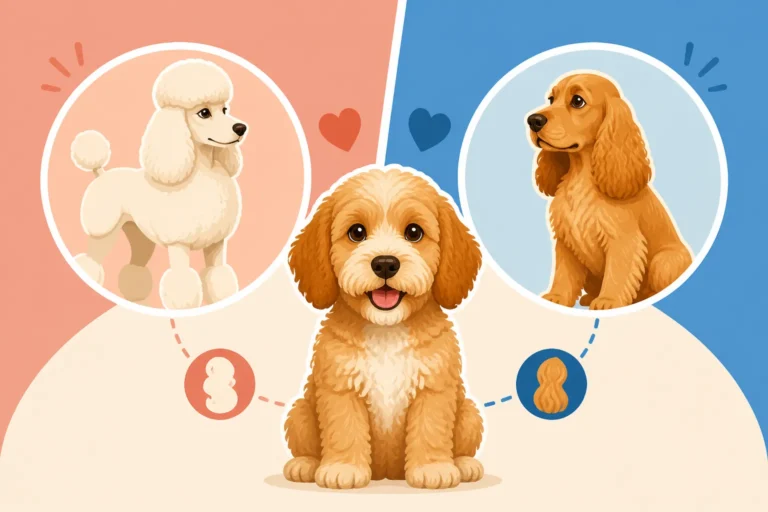
The reason your Cockapoo has such distinctive hair around its eyes boils down to genetics. Poodles are famous for their dense, curly, non-shedding coats that grow continuously, while Cocker Spaniels typically have softer, wavier hair, often with prominent "furnishings" – those longer hairs around the face, ears, and legs. When these two breeds combine, the resulting Cockapoo almost always inherits what we call the "furnishings gene." This gene ensures they have the signature beard, mustache, and eyebrows that give them their adorable, teddy-bear-like appearance. The Furnishings Gene That Decides a Cockapoo's Face is a deep dive into this genetic trait. Without these furnishings, a Cockapoo would have a smoother face, more like a Labrador, and shed significantly more.
The specific texture and curl of the hair around their eyes will depend on which parent's coat genes are more dominant, and it can vary wildly even within the same litter. Some Cockapoos will have soft, flowing waves that might resemble a Cocker's hair, while others will have tighter curls, much like a Poodle's. This continuous growth, combined with the often-dense nature of the hair, means that without intervention, it can quickly grow long enough to fall into their eyes, obstructing vision and collecting debris. This blend is what makes managing their eye hair a specific task compared to many other breeds.
Common Problems Caused by Unmanaged Eye Hair
Leaving your Cockapoo's eye hair to its own devices can lead to a host of problems, none of which are pleasant for your dog. The most immediate concern is obstructed vision. Imagine trying to navigate the world with a constant curtain of hair in front of your eyes – it’s disorienting and frustrating. Your dog might bump into things, be hesitant to jump, or misjudge distances, all because they can’t see clearly.
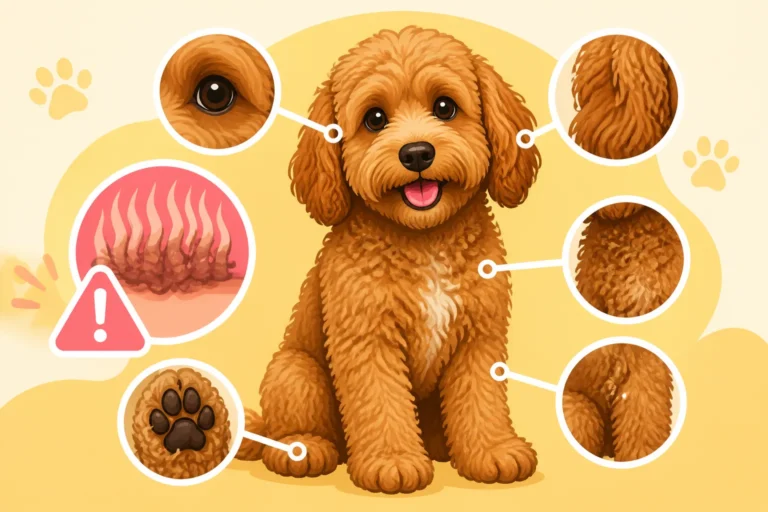
Beyond vision, long hair around the eyes can act like a sponge, soaking up tear stains, dirt, and even food particles. This creates a perpetually damp environment, which is a breeding ground for bacteria and yeast, leading to skin irritation, infections, and that tell-tale "doggy smell." The constant moisture also contributes to deep, dark tear stains that can be tough to clean once they've set in. Furthermore, this damp, dirty hair is prone to matting. Small mats can quickly grow into large, painful clumps that pull on the skin, causing discomfort and potentially leading to hot spots if the dog scratches excessively. In severe cases, the hair can actually grow into the eye itself, causing corneal abrasions and serious pain. Whether Hair in a Cockapoo's Eyes Scratches the Cornea details this very painful issue, and Whether a Cockapoo Gets Tear Stains explores why these develop. It's truly a matter of comfort and health, not just aesthetics.
The Case for Trimming Eye Hair
Trimming is often the go-to solution for many Cockapoo owners, offering a relatively straightforward way to keep the hair out of their dog's eyes. It’s a practical approach that can be done at home with the right tools and a steady hand.
Tools and Techniques for Safe Trimming
To trim your Cockapoo's eye hair safely, you’ll need a few specific tools. First and foremost, invest in a good pair of blunt-nosed grooming scissors. These scissors have rounded tips specifically designed to minimize the risk of injury if your dog makes a sudden move. Never use sharp, pointed household scissors near your dog's eyes. You'll also want a fine-toothed metal comb to brush the hair away from the eyes and isolate what needs to be trimmed. A strong headlamp or good overhead lighting is crucial for visibility. You can find excellent grooming scissors and combs on platforms like Amazon or Chewy, making sure to read reviews for safety and quality.
The technique itself requires patience and a calm environment. Always start with a relaxed dog. If your Cockapoo is squirmy, consider breaking the task into multiple short sessions or enlisting a helper to gently hold their head. Brush the hair forward, away from the eyes, then use your comb to pull just a small section of hair upwards, away from the eye itself. Using your blunt-nosed scissors, snip only the tips of the hair, aiming to create a clear line of sight. Always point the scissors away from the eye, never towards it. It’s better to take off too little and repeat the process than to cut too much or, worse, injure your dog. Many owners find success by trimming in a "V" shape above the nose bridge and then around the outer corners of the eyes, allowing hair to flow back and away from the delicate eye area. Take your time, offer praise, and give small treats (even a piece of an Ollie dog food treat can be a high-value reward) to make it a positive experience. Remember, consistency is key, and getting your dog used to this from a young age is a huge advantage. Trimming a Cockapoo's Face Without Cutting an Eye offers more detailed tips on how to avoid accidents.
When Trimming is the Preferred Method
Trimming is often the preferred method for Cockapoos with curlier, denser coats that might be difficult to band, or for dogs who simply don't tolerate having anything tied into their hair. If your Cockapoo has a tight, Poodle-like curl around the face, attempting to band it can be quite a struggle, and the bands might not stay in place effectively. Trimming provides a neat, uniform look that can be maintained relatively easily at home. It's also an excellent choice for puppies who are just beginning their grooming journey. Getting them accustomed to the sound of clippers and the feel of scissors around their face early on helps them build a positive association with grooming. What a Cockapoo Puppy's Coat Feels Like at Eight Weeks and When a Cockapoo's First Trim Should Happen highlight the importance of early introduction.
Moreover, if your Cockapoo is particularly active, constantly rolling in the grass, or enjoys swimming, trimmed hair is less likely to get snagged, collect debris, or become saturated and heavy like banded hair can. For some owners, the aesthetics of a neatly trimmed face, often called a "teddy bear clip," are also a major draw. It gives the Cockapoo that classic, fluffy, puppy-like appearance that so many adore. What a Teddy Bear Clip Looks Like on a Cockapoo illustrates this popular style. Ultimately, if you're looking for a low-maintenance daily routine for eye hair management and your dog tolerates the process, trimming might be your best bet.
Potential Drawbacks of Trimming
While trimming offers many advantages, it's not without its drawbacks. The most significant is the constant regrowth. A Cockapoo's hair grows continuously, meaning that within a few weeks, those neatly trimmed strands will start to lengthen and creep back into the eye area. This necessitates frequent trimming, often every 2-4 weeks, depending on the individual dog's growth rate and coat type. For busy owners, this can feel like a never-ending chore.
Another concern is the risk of accidental injury. Even with blunt-nosed scissors, a sudden head jerk from your dog can lead to a cut or poke, especially if you're nervous or inexperienced. This is why a calm environment and a relaxed dog are paramount. Improper trimming can also lead to a somewhat awkward appearance as the hair grows out unevenly, or if too much is removed, it can expose sensitive skin around the eyes to irritants. Some owners also find that trimmed hair, especially if it's curly, can become quite stiff and prickly as it grows, potentially causing more irritation if it pokes into the eye. It's a delicate balance to strike between keeping the hair short enough and ensuring it doesn't become uncomfortable during regrowth.
The Case for Banding Eye Hair
Banding, also known as top-knotting, is another popular method, particularly favored by owners who appreciate a longer, more flowing look for their Cockapoo's facial hair or who compete in certain grooming events. It's an art form in itself!
What Banding Involves and Why People Do It
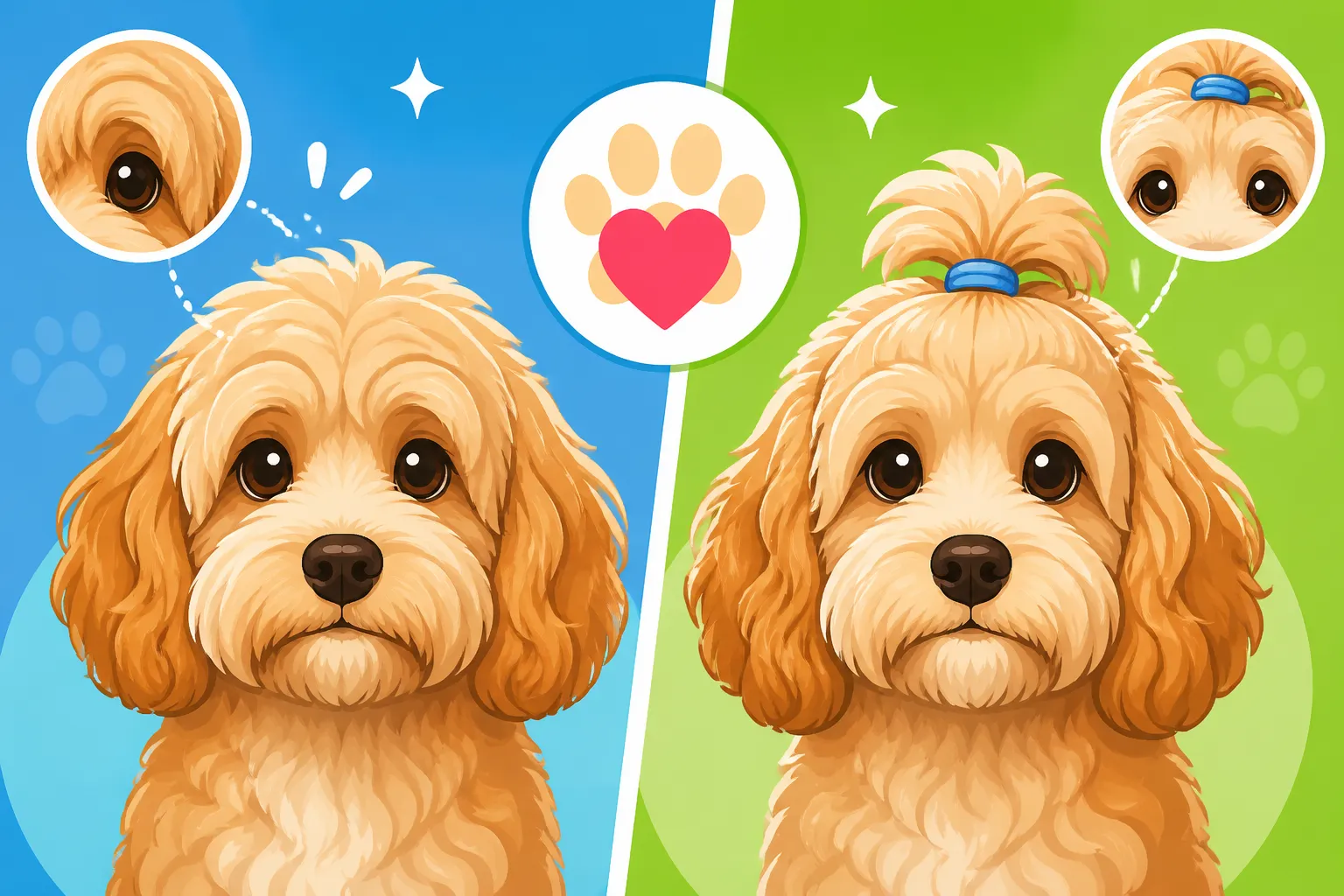
Banding involves gathering the longer hair on top of your Cockapoo's head and between their eyes, then securing it with small, soft elastic bands or special grooming clips, creating a "top knot" that pulls the hair away from the face. The goal is to lift the hair so it no longer obstructs their vision or falls into their eyes. Owners choose banding for several reasons. Aesthetically, it allows the Cockapoo to maintain a longer, more luxurious facial coat, which many find incredibly charming. It accentuates their expressive eyes and can give them a very distinct, polished look.
From a practical standpoint, banding can be a fantastic way to protect the hair itself. If you're trying to grow out a longer coat or prevent breakage and matting in the delicate eye area, banding keeps the hair clean and knot-free. It can also be very effective at managing tear stains, as the hair that typically gets wet and discolored is held up and away from the constant moisture of the eyes. This method is particularly popular with Cockapoos that have straighter or wavier furnishings, where the hair has enough length to be easily gathered without too much resistance from tight curls. It’s a commitment to daily styling, but for many, the results are worth it.
Supplies Needed and the Banding Process
To effectively band your Cockapoo's eye hair, you'll need specialized supplies. Small, soft latex or silicone grooming bands are essential – human hair ties are too large and can pull too much hair. Small hair clips or barrettes, especially those designed for dogs, can also be used, particularly for holding back side hair or adding a decorative touch. A fine-toothed metal comb is crucial for parting and sectioning the hair cleanly, and a detangling spray can help prevent breakage and make the hair more manageable. You can easily find these specific grooming bands and clips on online retailers like Chewy or Amazon.
The process typically begins by thoroughly brushing the hair around your Cockapoo's eyes and on top of their head. Use your comb to create a neat parting, usually just behind the eyes, gathering all the hair from the bridge of the nose upwards and across the forehead into a small ponytail. Ensure you're not pulling the hair too tightly against the skin, as this can be uncomfortable. Once gathered, twist the hair a few times, then secure it with a small elastic band, wrapping it just enough times to feel secure without being restrictive. For a more elaborate look, you might create two smaller sections on either side of the head, securing them with bands or clips, and then bringing them together with a central top knot. Always check throughout the day to ensure the bands aren't too tight or causing any discomfort. It takes practice, but with a bit of patience, you'll get the hang of it!
When Banding is the Better Option
Banding truly shines when your Cockapoo has longer facial furnishings, particularly if their hair is more wavy or straight rather than tightly curled. If you love the look of a longer coat and are dedicated to daily grooming, banding allows you to showcase that beautiful, flowing hair while still keeping it practical for your dog. It's also an excellent choice for Cockapoos who are prone to tear stains, as keeping the hair lifted away from the moist eye area can significantly reduce discoloration.
For show dogs, or those participating in certain dog sports where an aesthetic presentation is important, banding can be a preferred method, as it demonstrates meticulous care and highlights the dog's features. Owners who want to prevent hair from becoming brittle or matted can also find banding very beneficial, as it protects the hair from friction and environmental elements. If you have the time and patience for daily attention to their top knot, and your dog tolerates the process well, banding can be a fantastic way to manage their eye hair while celebrating their luscious locks.
Making the Right Choice for Your Cockapoo
Deciding between trimming and banding isn't just about what looks good; it's about what works best for your individual Cockapoo's comfort, your lifestyle, and their overall health. There's no one-size-fits-all answer, so let's explore how to make that decision.
Factors to Consider: Coat Type, Lifestyle, and Dog's Tolerance
When choosing between trimming and banding, start by looking at your Cockapoo's coat type. As we've discussed, if your dog has a very tight, Poodle-like curl around their face, trimming might be a much more practical and less frustrating option. The Curl Gene and Where a Cockapoo's Coat Lands greatly influences this. Attempting to band tightly curled hair can lead to breakage, discomfort, and bands that constantly slip out. On the other hand, if your Cockapoo has a straighter or wavier coat that lies flatter, banding might be a breeze.
Next, consider your lifestyle. Are you someone who enjoys daily grooming rituals, or do you prefer a "wash and wear" kind of dog? Banding requires daily attention – removing, brushing, and re-banding the hair to prevent mats and ensure comfort. Trimming, while still needing regularity, is less frequent, typically every few weeks. Think about how active your dog is and their environment. A dog that frequently runs through brush or plays rambunctiously might find bands easily snagged or pulled out, making trimming a safer choice.
Finally, and perhaps most importantly, consider your dog's tolerance. Some Cockapoos simply detest having their hair pulled or manipulated in any way, while others don't mind a bit of styling. If your dog gets stressed or agitated during the banding process, it's not worth the struggle. Their comfort and well-being should always take precedence. Observe their reactions and be honest about what they can comfortably endure.
The Role of a Professional Groomer
While at-home grooming is wonderful, don't underestimate the value of a professional groomer, especially when it comes to the delicate eye area. A skilled groomer can assess your Cockapoo's coat type, facial structure, and temperament to recommend the most suitable method for eye hair management. They can also demonstrate proper techniques for both trimming and banding, providing hands-on instruction that can be invaluable for owners.
For trimming, a professional can create a clean, safe, and aesthetically pleasing cut that you can then maintain at home. They have specialized tools and experience that minimize the risk of injury. What a Cockapoo's First Trim Costs at Sixteen Weeks is a good read if you're considering a professional for your puppy's initial cut. If you're considering banding, a groomer can teach you how to properly section and secure the hair to prevent discomfort or damage. They might even be able to offer specific products that work best for your dog's hair texture. Even if you choose to do most of the grooming yourself, regular visits to a professional (perhaps every 6-8 weeks) can help maintain the overall health of your Cockapoo's coat, including the hair around their eyes, catching any mats or issues before they become severe. The Three Cockapoo Coat Types and Their Upkeep is a good reminder of the grooming intensity of this breed.
Maintaining Eye Health Beyond Hair Management
Managing your Cockapoo's eye hair is just one piece of the puzzle when it comes to overall eye health. Regular daily checks are paramount. Take a moment each day to gently check your dog's eyes for any redness, discharge, cloudiness, or irritation. Look for signs of dirt, debris, or stray hairs that might have worked their way into the eye, even with careful trimming or banding.
Cleaning around the eyes with a soft, damp cloth (using plain water or a veterinarian-approved eye-cleaning solution) can help prevent tear stains and keep the area free from accumulated gunk. If you notice persistent redness, excessive tearing, or your dog is pawing at their eyes, it's crucial to consult your veterinarian promptly. These could be signs of underlying issues like allergies, infections, or even more serious conditions such as glaucoma or entropion (when the eyelid rolls inward). Even if your Cockapoo's hair is perfectly managed, regular veterinary check-ups, including eye examinations, are vital for catching potential problems early. The Kidney and Eye Checks a Cockapoo Needs Yearly underscores the importance of these routine health screenings.
Tips for Safe and Effective Eye Hair Management
Regardless of whether you choose to trim or band, there are some universal tips that will make the process safer, more effective, and more pleasant for both you and your Cockapoo.
Creating a Calm and Positive Grooming Experience
The foundation of any successful grooming session is a calm environment and a positive attitude. Your Cockapoo will pick up on your stress, so take a deep breath before you begin. Choose a quiet time of day when you won't be interrupted, and set up your grooming area with good lighting and all your tools within easy reach. Ensure your dog has relieved themselves and had a bit of exercise beforehand, so they're not restless.
Introduce grooming tools slowly and positively, letting your dog sniff them and rewarding them for calm behavior. Use a cheerful, encouraging voice throughout the process, and offer high-value treats frequently, even if it's just for standing still for a few seconds. If your dog becomes agitated, take a break. Push too hard, and you risk creating a negative association with grooming that will make future sessions much harder. Short, frequent sessions are often more effective for building tolerance than one long, stressful ordeal. Consistency and patience will pay off, transforming grooming from a dreaded chore into a manageable, even bonding, activity.
Best Practices for Each Method
For Trimming:
- Always use blunt-nosed scissors: This is non-negotiable for safety around the eyes.
- Work in good light: You need to see exactly what you're doing.
- Comb hair away from the eye first: This isolates the hair you intend to cut and prevents accidentally snipping eyelashes or skin.
- Cut small amounts at a time: You can always take more off, but you can't put it back on!
- Point scissors away from the eye: Never point the tips towards the eyeball.
- Support the head: Gently hold your dog's muzzle or forehead to minimize sudden movements.
- Reward generously: Make it a positive experience with praise and treats.
For Banding:
- Use appropriate bands: Small, soft latex or silicone grooming bands are best.
- Brush thoroughly: Ensure the hair is free of tangles before attempting to band it. The Comb That Finds Mats a Slicker Misses can help you find those hidden tangles.
- Don't pull too tightly: The band should hold the hair securely without causing discomfort or tension on the skin.
- Change bands daily: This prevents mats from forming where the band sits and allows you to brush through the hair.
- Check for skin irritation: Regularly inspect the skin under the band for any redness or sores.
- Consider a detangling spray: This can make the hair easier to manage and reduce breakage.
- Vary the band position slightly: Moving the band slightly higher or lower each day can reduce stress on the same section of hair.
| Feature | Trimming Eye Hair | Banding Eye Hair |
|---|---|---|
| Primary Goal | Keep hair short and out of eyes | Lift long hair away from eyes, maintain length |
| Required Tools | Blunt-nosed scissors, fine comb, good lighting | Small grooming bands/clips, fine comb, detangling spray |
| Frequency | Every 2-4 weeks (at home) or with professional grooms | Daily removal, brushing, and re-banding |
| Best For | Tightly curled coats, active dogs, low-maintenance owners | Wavy/straight coats, owners wanting longer facial hair |
| Appearance | Shorter, neat "teddy bear" look | Longer, flowing facial hair with a top knot |
| Risk of Injury | Low, if using blunt scissors and proper technique | Minimal, mainly from bands pulling too tight or mats |
| Maintenance Level | Moderate (regular trims) | High (daily attention) |
| Tear Stain Impact | Reduces area for staining | Lifts hair away, preventing staining on banded portion |
Ultimately, the best approach is the one that keeps your Cockapoo comfortable, healthy, and happy, while also fitting into your family's routine. Don't be afraid to try both methods or consult with a professional groomer to find that perfect balance for your beloved companion.
Disclaimer
This article is for general informational purposes only and does not constitute professional advice. Laws, prices and regulations vary by location and change over time. Consult a qualified professional for guidance on your specific situation.