Whether a Cockapoo’s Ears Should Be Tied Back to Swim
One common concern that often pops up for Cockapoo parents, especially those with water-loving pups, is how to protect those adorable, floppy ears when their furry friend takes a dip. It’s a genuine worry because those lovely long ears, combined with the Cockapoo’s dense coat, can be a recipe for moisture retention and potential ear trouble. This guide will walk you through the realistic considerations of protecting your Cockapoo’s ears during and after swimming, helping you keep them healthy and happy in and out of the water.
Understanding Your Cockapoo's Ear Vulnerability
Before we dive into the specifics of swimming, it's really important to understand why Cockapoo ears are such a hot topic. Your Cockapoo inherits characteristics from both the Cocker Spaniel and the Poodle, and when it comes to ears, the Cocker Spaniel influence often means those beautiful, long, floppy ears that hang close to the side of the head. Combine that with the Poodle's often dense, curly, non-shedding (or low-shedding) coat, and you have a perfect storm for potential ear issues.
These ears are designed to hang down, which is lovely for aesthetics but problematic for air circulation. Unlike dogs with prick ears that allow for plenty of airflow, floppy ears create a warm, moist environment within the ear canal. This isn't usually an issue on its own, but add water, debris, or excess wax, and you've created an ideal breeding ground for bacteria and yeast. Many Cockapoo owners find themselves dealing with recurring ear infections, and it's almost always linked back to this anatomical predisposition and lack of proper care. It's a frustration many of us have faced, tirelessly cleaning and treating only for the problem to resurface. It’s not just about comfort for your dog; chronic ear issues can lead to deeper infections and even impact their hearing over time.
Adding to the challenge, many Cockapoos also have significant hair growth inside their ear canals. This hair can trap moisture, dirt, and wax even more effectively, further exacerbating the problem. Some owners choose to pluck this hair, while others prefer to trim it or leave it be, but whatever approach you take, understanding its role in trapping moisture is key. Whether Ear Hair Should Come Out of a Cockapoo is a decision many owners grapple with. When your Cockapoo goes for a swim, whether it's in a lake, ocean, or even a backyard kiddie pool, water can easily enter the ear canal and get trapped, setting the stage for an uncomfortable and potentially painful infection.
The Idea of Tying Ears Back: Pros and Cons
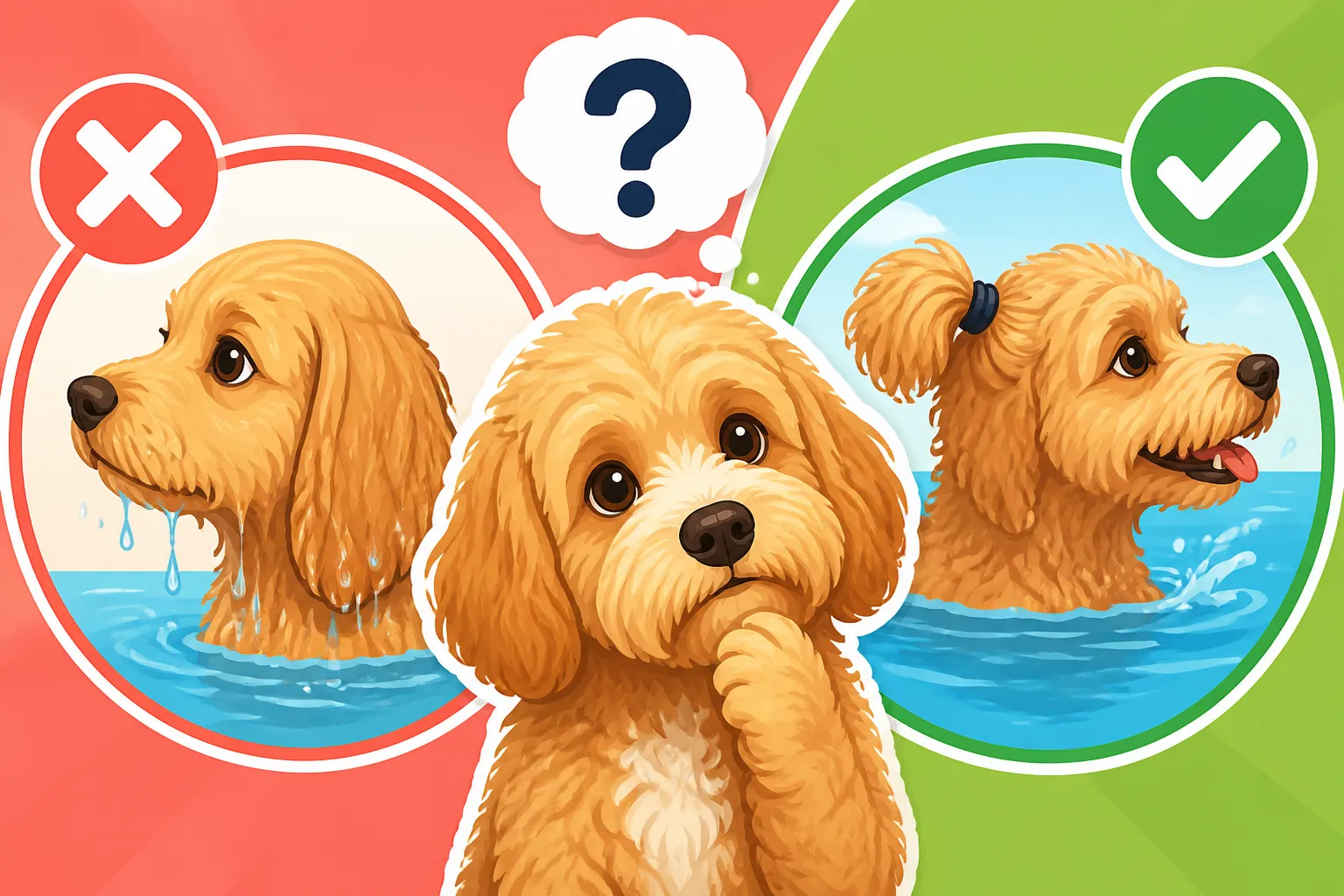
The thought of tying back a Cockapoo's ears before a swim often springs from a very logical place: if the problem is water getting into the ear, then surely preventing that is the solution. It's an intuitive approach, and in theory, it seems like a straightforward fix for keeping those ears dry. Many owners imagine a neat little bun or a secure wrap that holds the ears up and away from the water, protecting the ear canal from ingress.
However, the reality of execution often presents more challenges than solutions.
The Apparent Benefits: What You Hope to Achieve
The primary goal of tying back ears is to prevent water from entering the ear canal. If you can keep the ears elevated and out of the water, you might reduce the risk of moisture getting trapped deep inside. This could theoretically cut down on the incidence of ear infections, which are a common bane for Cockapoo owners. You might also hope to prevent matting of the long ear feathering, especially if your dog is a vigorous swimmer or enjoys rolling around in wet sand after a dip. Whether a Cockapoo's Ear Feathering Traps Damp can certainly be an issue, and keeping them out of the water could mean less time spent on detangling later. For some, it’s about peace of mind, believing they're actively safeguarding their beloved pet's health.
The Practical Realities: Why It's Often Not the Best Solution
The biggest hurdle with tying a Cockapoo's ears back is practicality and safety. Firstly, dogs don't usually appreciate having their ears manipulated in such a way. It can be uncomfortable, distracting, and if not done carefully, even painful. You'd need a very secure, yet gentle, way to tie them, which can be tricky with a wiggly, excited dog who just wants to plunge into the water. Using elastic bands or ties designed for human hair can pull too tightly, causing irritation, damage to the delicate ear skin, or even restricting blood flow.
Secondly, if the ties are too loose, they'll simply fall out as soon as your Cockapoo shakes its head or hits the water. If they're too tight, you run the risk of causing discomfort, skin abrasions, or even accidental strangulation if your dog gets caught on something while swimming or playing. Imagine your Cockapoo thrashing in the water, and a tie comes undone or gets tangled. The potential for injury far outweighs the potential benefit. What's more, tying the ears back doesn't create a waterproof seal over the ear canal itself. Water can still splash in, or seep in from behind, especially if your dog is submerging its head. So, while you might think you're preventing water entry, you might only be minimally reducing it, at the cost of your dog's comfort and safety.
Finally, even if you manage to secure the ears perfectly, the very act of tying them can create new problems. The folded, tied-back position can still trap warmth and humidity against the ear flap itself, creating skin irritation. Plus, the constant rubbing from any ties could lead to localized hair loss or skin sores. It really boils down to this: what seems like a simple, logical fix can quickly become a complicated and potentially harmful endeavor for your Cockapoo.
Effective Strategies for Cockapoo Ear Care and Swimming
Given the challenges of tying back ears, let's explore more effective and safer ways to protect your Cockapoo's ears when they're enjoying a swim. The key is a proactive approach before and after the water, rather than trying to create an artificial barrier during the activity itself.
Pre-Swim Preparations
Before your Cockapoo even dips a paw in the water, a little prep can go a long way. If your Cockapoo has particularly long ear hair that tends to get matted when wet, a gentle trim of the hair around the opening of the ear canal and perhaps even the tips of the longer feathering can be beneficial. This reduces the amount of hair that can wick water into the ear or become a matted mess. However, be cautious not to trim too much, as the hair does offer some natural protection.
You might also consider applying a veterinarian-approved ear powder or a small amount of cotton wool just inside the ear canal, creating a soft, absorbent barrier. This should only be done if you are confident you can remove it completely and safely afterward. It's not a foolproof solution, and some dogs might find it irritating, but for quick dips, it can help. For longer swims, this method is less reliable.
Post-Swim Ear Cleaning: Your Best Defense
This is, hands down, the most crucial step in preventing ear infections after swimming. As soon as your Cockapoo is out of the water, and ideally within an hour or two, you need to thoroughly clean and dry their ears. Don't wait until the next day; the longer moisture sits in the ear canal, the higher the risk of infection.
Here’s a simple routine:
- Gently blot the outer ear: Use a soft towel or cotton pads to gently absorb as much moisture as possible from the visible parts of the ear flap and just inside the ear opening.
- Use a vet-approved ear cleaner: Choose a cleaner specifically designed for dogs, ideally one that has a drying agent (like witch hazel or boric acid) and an acidifier (to help balance the pH and inhibit yeast/bacteria growth). You can find many reputable options on Amazon. Follow the product instructions carefully. Typically, you'll squirt the solution into the ear canal, gently massage the base of the ear for 20-30 seconds to distribute the cleaner, and then let your dog shake their head.
- Wipe away debris: After your dog shakes, use clean cotton balls or gauze wrapped around your finger to gently wipe away any visible cleaner, wax, or debris from the outer ear and reachable parts of the canal. Never use cotton swabs (Q-tips) deep inside the ear canal, as this can push debris further in or damage the eardrum.
- Ensure thorough drying: This is key! Once you’ve cleaned, ensure the ear is truly dry. You can use a very gentle stream of air from a hairdryer on a cool or low setting, held at a safe distance, to help evaporate any remaining moisture. Don't aim directly into the ear canal, just around the opening. For dogs prone to chronic issues, some vets recommend specific ear drying solutions that can be applied after cleaning.
Consistency is key here. Make this a ritual every single time your Cockapoo swims. If your dog is anxious about ear cleaning, start slow and make it a positive experience with treats and praise. Teaching a Cockapoo to Give a Foot for Nails might not be about ears, but the principle of positive reinforcement for handling applies directly to making ear care easier.
Ear Protection Accessories: Snoods and Wraps
While tying ears back isn't ideal, there are specific products designed for ear protection that can be more effective and safer.
- Snoods: These fabric tubes are worn over a dog's head, covering their ears and holding them close to the head. They are commonly used by show dog owners to keep ears clean during meals or walks, but they can also be useful for swimming. A well-fitting snood made from quick-drying material could help keep ears out of the water, especially for dogs who just splash rather than fully submerging their heads. They are generally soft, flexible, and don't involve tight ties. You can find various styles and sizes of snoods on Amazon.
- Ear Wraps: Similar to snoods but sometimes offering a more secure fit, these are designed to gently compress the ears against the head. Again, fit is crucial to avoid discomfort or restricted circulation.
When choosing a snood or wrap, ensure it's made from a breathable, quick-drying fabric, and that it fits snugly without being tight. Always supervise your Cockapoo closely when they're wearing such an accessory, especially in or near water, to prevent it from snagging or becoming a safety hazard. This is a much safer alternative to attempting to tie back the ears with homemade methods.
Limiting Exposure and Understanding Risk
Consider the type of water your Cockapoo is swimming in. Stagnant ponds or lakes with high bacterial counts pose a much greater risk for ear infections than a clean, chlorinated swimming pool (though pools have their own considerations for skin and coat dryness). If your Cockapoo is highly prone to ear infections, you might need to limit their swimming opportunities or stick to specific types of water.
If your Cockapoo regularly gets Hot Spots on a Cockapoo That Has Been Swimming or recurrent ear infections, it's wise to discuss a preventive ear care plan with your veterinarian. They might recommend specific medicated cleaners or drops to use after swimming. Remember, individual Cockapoos will have different sensitivities, so what works for one might not be ideal for another. Always monitor your dog for signs of discomfort, scratching, head shaking, or a foul odor coming from the ears, which are all indicators of a potential ear infection.
When to Seek Veterinary Advice
While preventive measures go a long way, sometimes ear issues can still crop up, especially in breeds like the Cockapoo. It’s important to know when to stop home remedies and reach out to your veterinarian. Early intervention can prevent a minor irritation from escalating into a serious, painful infection.
Recognizing Signs of Ear Trouble
Your Cockapoo's behavior can tell you a lot about their ear health. Be on the lookout for any of these common signs:
- Excessive head shaking: If your Cockapoo is shaking their head more than usual, it often indicates discomfort or irritation in their ears.
- Persistent scratching: Constant scratching at one or both ears is a clear signal something isn't right.
- Redness or swelling: A quick peek inside your dog's ears should show clean, pale pink skin. Redness, inflammation, or swelling are definite red flags.
- Foul odor: A healthy ear should not have a strong smell. A yeasty, cheesy, or otherwise unpleasant odor is a tell-tale sign of infection.
- Discharge: Any discharge, whether it's waxy, dark brown, yellow, or pus-like, is abnormal and needs veterinary attention.
- Pain or sensitivity: If your Cockapoo yelps, pulls away, or acts aggressively when you try to touch their ears, they are likely experiencing pain.
- Tilting or loss of balance: In severe cases, particularly with inner ear infections, your dog might tilt their head or seem disoriented.
If you notice any of these symptoms, don't delay. An untreated ear infection can spread deeper into the ear canal, potentially affecting the middle or inner ear, leading to more serious health problems and prolonged treatment. Whether a Cockapoo Needs Its Ears Cultured is something your vet might recommend if recurrent infections are a problem, to identify the specific bacteria or yeast causing the issue.
The Importance of Professional Diagnosis and Treatment
While it's tempting to try over-the-counter remedies or home solutions, a vet visit is crucial for a proper diagnosis. Your vet will use an otoscope to examine the ear canal and eardrum, and they might take a swab for microscopic examination (cytology) to identify the type of infection (bacterial, yeast, or both) and rule out other issues like ear mites or foreign bodies. Based on this, they can prescribe the most effective medication, which might include ear drops, oral antibiotics, or anti-inflammatories.
Without a proper diagnosis, you might be treating the wrong issue, or using an ineffective medication, which prolongs your dog's discomfort and allows the infection to worsen. Remember, persistent ear issues can sometimes be linked to underlying conditions like allergies, so your vet might also explore Whether Ear Infections Mean a Cockapoo Has Allergies. By working with your vet, you ensure your Cockapoo gets the right treatment and develops a management plan that keeps their ears healthy, allowing them to enjoy their swims without the lasting worry of uncomfortable ear problems.
Disclaimer
This article is for general informational purposes only and does not constitute professional advice. Laws, prices and regulations vary by location and change over time. Consult a qualified professional for guidance on your specific situation.