Whether a Coat Panel Is Worth Running on a Cockapoo
You’ve fallen head over heels for the Cockapoo, those adorable, curly-haired bundles of joy. But if you’ve spent any time looking into them, you’ve probably quickly realized that "curly-haired" can mean a lot of different things, and that promise of a low-shedding dog sometimes feels like a total gamble. The sheer unpredictability of a Cockapoo's coat can be a huge source of anxiety for prospective owners, especially those with allergies, or for breeders trying to produce consistent, healthy puppies. This guide is going to deep dive into the fascinating world of canine coat genetics and help you understand exactly what a coat panel test is, what it can tell you about your Cockapoo, and whether investing in one is truly worth it for your peace of mind and grooming sanity.
Unraveling the Cockapoo Coat Conundrum
The Cockapoo's coat is arguably its most defining, and often most debated, feature. It's the delightful result of blending the Cocker Spaniel's generally flowing, shedding coat with the Poodle's iconic non-shedding, curly locks. This mix, while producing many adorable puppies, also creates a wide spectrum of coat types, making it notoriously difficult to predict what a puppy will look like, or how much it will shed, even when both parents are Cockapoos themselves. Many people come to the Cockapoo hoping for that fluffy, teddy bear look and the hypoallergenic qualities often associated with Poodles, only to find themselves with a dog that sheds or has a challenging coat to maintain.
This variability isn't just a matter of aesthetics; it impacts everything from daily grooming routines to managing household allergies. Imagine bringing home a puppy with the expectation of minimal shedding, only to discover it has a "flat coat" that sheds just as much as a purebred Cocker Spaniel. It's a common, heartbreaking scenario that can be avoided with a little genetic insight. Understanding the genetic underpinnings of your Cockapoo’s coat is key to managing expectations and preparing for the care your furry friend will truly need.
The "Furnishings" Factor
When you picture a typical Cockapoo, you probably envision a dog with expressive eyebrows, a fluffy mustache, and a prominent beard. These charming facial features, along with a generally longer body coat that continues to grow, are what we call "furnishings." They are controlled by a specific gene, often referred to as the F (for furnishings) gene, or more scientifically, the RSPO2 gene. This gene is paramount for those seeking a low-shedding dog because it’s directly linked to the absence of shedding. Dogs without furnishings typically have a "flat coat" that sheds more like a traditional spaniel.
The challenge in Cockapoos is that while Poodles always carry two copies of the furnishing gene (F/F), Cocker Spaniels typically carry two copies of the non-furnishing gene (f/f). An F1 Cockapoo (a direct cross between a Poodle and a Cocker) will almost always inherit one copy of the F gene from its Poodle parent and one copy of the f gene from its Cocker parent, making it F/f. This F/f genotype usually results in a furnished, low-shedding coat. However, when you start breeding Cockapoo to Cockapoo (F2, F3, etc.) or backcrossing to a Cocker, the genetic lottery truly begins. It’s entirely possible for puppies in these later generations to inherit two copies of the non-furnishing gene (f/f) and thus have a flat coat, which might come as a complete shock if you're not expecting it. What RSPO2 Testing Tells a Cockapoo Breeder can offer a lot more detail on this critical gene.
The Curl Coefficient
Beyond furnishings, the degree of curl is another huge variable in the Cockapoo world. You can have Cockapoos with everything from a nearly straight, wavy coat to a tight, Poodle-like curl. This trait is primarily influenced by the KRT71 gene, often denoted as the Cu (for curl) gene. Poodles carry two copies of the curly gene (Cu/Cu), leading to their signature tight curls, while Cocker Spaniels typically have two copies of the straight/wavy gene (cu/cu).
Again, in an F1 Cockapoo, you'll generally get one copy from each parent (Cu/cu), resulting in that popular wavy "fleece" coat that many people adore. However, similar to furnishings, subsequent generations or specific breeding choices can lead to a wider range of curl types. A puppy could inherit two straight/wavy genes (cu/cu) and end up with a very straight, flat coat, or two curly genes (Cu/Cu) and have a very tight, Poodle-like curl. Each extreme comes with its own grooming challenges and aesthetic preferences. Some people absolutely love the tight curl, while others find it more prone to matting and harder to manage. Getting a handle on The Curl Gene and Where a Cockapoo's Coat Lands is crucial for understanding your puppy's potential grooming needs.
The Shedding Surprise
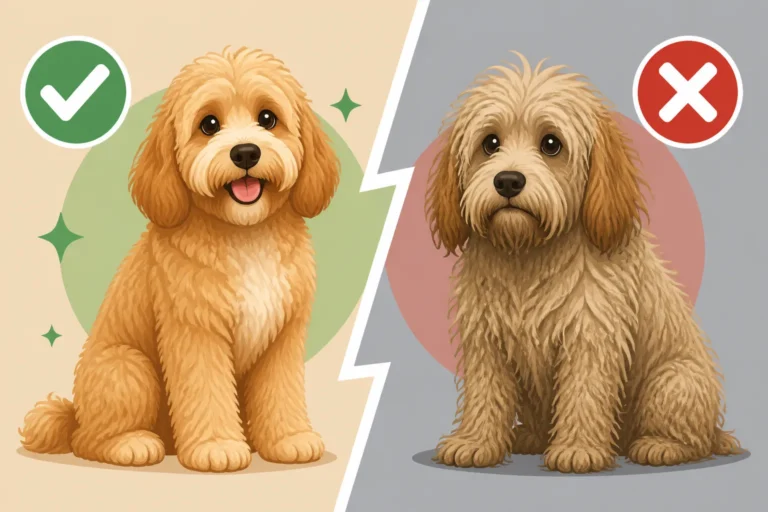
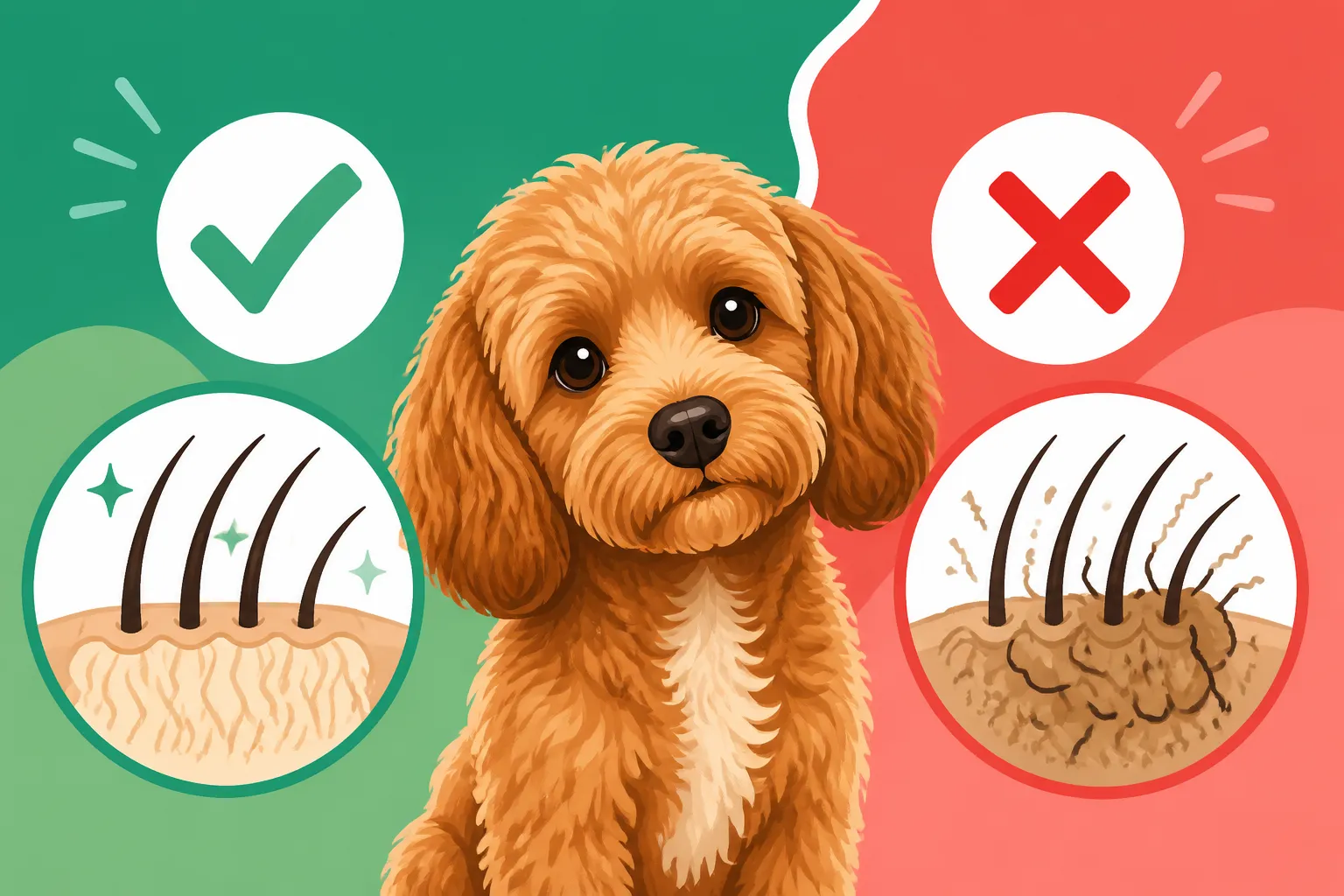
The ultimate frustration for many Cockapoo owners, especially those with allergies, is the "shedding surprise." This usually happens when a Cockapoo puppy, despite being from a line that supposedly doesn't shed, develops a flat, shedding coat. This almost always comes down to the furnishings gene. If a Cockapoo inherits two copies of the non-furnishing allele (f/f), meaning it is "improperly coated" (IC), it will have a flat face and a coat that sheds. This type of coat lacks the continuous hair growth that traps shed hair, which is what makes furnished coats appear non-shedding.
It’s a common misconception that all Cockapoos are low-shedding or hypoallergenic. While many are, particularly F1s and those carefully bred for furnishings, the genetic lottery means you can never be 100% certain without knowing the genetic makeup of the parents or the puppy itself. An improperly coated Cockapoo might look adorable, but it won't fulfill the low-shedding promise, leading to disappointment for allergic families. This is where a coat panel truly becomes a powerful tool, allowing you to peek into the puppy's genetic future and avoid potential surprises. You can even predict whether shedding can be seen in a Cockapoo puppy based on these genetic markers.
What a Cockapoo Coat Panel Actually Tests For
A coat panel is essentially a DNA test designed to identify specific genetic markers that determine a dog’s coat type, texture, and length. For Cockapoos, the focus is heavily on the genes inherited from their Cocker Spaniel and Poodle parents that dictate the presence of furnishings, the degree of curl, and overall shedding propensity. It’s a way of reading the dog’s genetic blueprint for its outer layer, offering invaluable insights that go beyond what you can see with your eyes on a young puppy.
These tests are performed by specialized canine genetic laboratories, and they usually involve a simple cheek swab collection. You send the sample off, and in a few weeks, you get a detailed report outlining your dog’s genetic makeup for these specific coat traits. It takes the guesswork out of coat prediction and empowers both breeders and prospective owners to make more informed decisions.
Decoding RSPO2: The Furnishings (F) Gene
The RSPO2 gene, or the "F" gene, is the single most important marker for predicting whether a Cockapoo will be low-shedding and have that classic "doodle" look. It’s responsible for the presence of furnishings—the longer hair around the muzzle, eyebrows, and sometimes the legs. Dogs with at least one dominant "F" allele will have furnishings, and these are the dogs that are considered low-shedding.
The results for RSPO2 will typically come back as one of three genotypes:
- F/F (or FF): The dog has two copies of the furnishings gene. It is guaranteed to have furnishings and be low-shedding. If bred, it will pass a furnishing gene to all its offspring. This is the ideal for breeders aiming for consistent low-shedding litters.
- F/f (or Ff): The dog has one copy of the furnishings gene and one copy of the non-furnishings gene. It will have furnishings and be low-shedding. However, if bred, there’s a 50% chance it will pass on the non-furnishing 'f' gene. This is common in F1 Cockapoos.
- f/f (or ff or IC): The dog has two copies of the non-furnishings gene. It will not have furnishings, meaning it will have a "flat coat" more akin to a Cocker Spaniel, and it will shed. This is what's known as an "improper coat."
For a family dealing with allergies, knowing that a puppy is f/f is critical. It means that puppy will shed and likely trigger allergies. Conversely, an F/F or F/f result gives a much higher confidence level for a low-shedding dog.
Unraveling KRT71: The Curl (Cu) Gene
The KRT71 gene dictates the degree of curl in a dog's coat. This is what differentiates a straight-coated dog from one with tight ringlets. While the RSPO2 gene tells you if a dog will have furnishings (and thus be low-shedding), the KRT71 gene tells you how that coat will look in terms of waviness or curliness.
The common genotypes for KRT71 are:
- Cu/Cu: The dog has two copies of the curl gene, resulting in a tightly curled, Poodle-like coat. This coat often requires the most intensive grooming to prevent matting.
- Cu/cu: The dog has one copy of the curl gene and one copy of the straight/wavy gene. This typically results in the popular wavy or "fleece" coat, which is still low-shedding and widely sought after.
- cu/cu: The dog has two copies of the straight/wavy gene. This results in a straighter coat, which may still have some slight wave, but lacks significant curl. While still furnished (if F/F or F/f for RSPO2), it will have a more relaxed appearance.
For owners, understanding the curl gene helps in anticipating grooming needs. A Cu/Cu dog will likely require more frequent brushing and professional grooming appointments than a Cu/cu or cu/cu dog. What KRT71 Says About a Cockapoo's Curl can help you predict how much curl your Cockapoo might develop.
Other Relevant Markers
While furnishings and curl are the big two for Cockapoos, some coat panels might test for other genetic markers that influence coat length, texture, and even color. These might include:
- FGF5 (L Locus – Long Hair): This gene determines hair length. Most Cockapoos inherit the long hair allele (L), but knowing if a dog carries the short hair allele (l) can be useful for predicting very rare coat types.
- MC5R (Shedding): While RSPO2 is the primary indicator of shedding in doodles, MC5R is another gene associated with general shedding levels in dogs. A panel might show if your Cockapoo carries variants that could lead to slightly more shedding even if it has furnishings.
- Other Coat Texture Genes: Beyond curl, there are genes that can influence whether a coat is soft, coarse, or wiry. While less common in Cockapoos, these can sometimes explain subtle differences in texture.
- Color Genes: Many coat panels also include a comprehensive color panel, predicting the dog's base color (black, brown, yellow), patterns (merle, parti, phantom), and intensity of pigment. This is often more for breeder interest or for understanding why a puppy might be a chocolate Cockapoo versus a red or black one.
These additional markers provide a more complete picture of the dog's coat, allowing for more precise predictions and helping breeders make more informed decisions about pairing dogs to achieve specific coat characteristics.
Benefits of Running a Coat Panel
So, with all this genetic talk, is a coat panel truly worth running on a Cockapoo? For many, the answer is a resounding yes, especially if you have specific expectations or concerns regarding the dog's coat. The benefits extend to both prospective puppy owners and responsible breeders, helping to eliminate guesswork and prevent future heartache.
Predicting Future Coat Type
This is arguably the number one reason an individual owner might want a coat panel for their Cockapoo, or more commonly, for the puppy they are considering. The most significant concern for many is shedding and allergies. Knowing the RSPO2 (furnishings) status of a puppy can confirm whether it will be low-shedding. If you have severe allergies in your household, seeing an F/F or F/f result for furnishings offers a much higher degree of confidence than simply hoping for the best.
Beyond allergies, the coat panel can help manage grooming expectations. If a puppy is predicted to have a Cu/Cu (tight curl) coat, you know upfront that daily brushing and professional grooming every 4-6 weeks will be absolutely essential to prevent matting. If it’s cu/cu (straight/wavy), your grooming routine might be a little less demanding. This foresight allows you to prepare financially and time-wise for the commitment required. Imagine planning for a low-maintenance wavy coat, only to end up with a high-maintenance tight curl; that’s where the panel saves you. The three Cockapoo coat types and their upkeep vary wildly, and the coat panel helps you prepare for the specific challenges of each.
Informing Breeding Decisions
For dedicated and responsible Cockapoo breeders, coat panels are not just beneficial, they are increasingly becoming a standard practice. By testing their breeding stock, they can make informed decisions that aim to produce healthier, more predictable litters that meet the desired characteristics of the breed.
A breeder with an F/f dam and an F/f sire knows that there's a 25% chance of producing f/f (improper coated) puppies in their litter. They can then test the puppies to identify these flat-coated individuals and place them in homes where shedding isn't an issue, rather than surprising a family with allergies. Conversely, by breeding an F/F dog, they can guarantee that all offspring will be furnished and low-shedding, regardless of the other parent's furnishings status. This genetic insight helps breeders avoid the disappointment of why an improper coated Cockapoo sheds and creates happier customers. It allows them to confidently offer puppies with a known coat type, enhancing their reputation and the welfare of their dogs. Reading a Cockapoo Coat Report Before You Choose is an important step in making a decision about a puppy from a breeder.
Managing Grooming Expectations
Let’s be honest, grooming a Cockapoo can be a job! Their coats are beautiful, but they require consistent care to prevent matting, especially during the challenging coat change that ambushes a Cockapoo owner at ten months. Knowing the genetic predispositions of your Cockapoo's coat can significantly help you manage these expectations.
If you know your dog is likely to have a very curly coat (Cu/Cu), you can invest in the right tools from the start, like a good quality slicker brush and a robust metal comb (available on Chewy or Amazon). You can also budget for more frequent trips to a professional groomer or commit to a more rigorous at-home grooming schedule. If the panel suggests a straighter, wavier coat, you might find your grooming routine slightly less intense, though still necessary. This isn't just about appearance; matted coats can be painful for dogs, causing skin irritation and discomfort. Armed with genetic knowledge, you can proactively prevent these issues and ensure your Cockapoo is always comfortable and well-cared for.
Limitations and Misconceptions of Coat Panels
While coat panels offer incredible insights, it's important to approach them with a clear understanding of what they can and cannot do. They are powerful tools, but they aren't magic eight-balls that reveal every single detail about a dog's future coat. There are certain nuances and external factors that genes alone can't fully capture.
Beyond Genes: Environmental Factors and Development
A genetic coat panel provides a blueprint, but a dog's coat is also influenced by environmental factors, diet, and general health. For example, even a genetically perfect F/F, Cu/Cu Cockapoo might have a dull, brittle coat if its diet is poor, it's suffering from skin allergies, or it has an underlying health condition like hypothyroidism. So, while the panel tells you the potential for a great coat, it doesn't guarantee its condition. Things like nutrition, for example, can play a role in coat health, even if a brand like Ollie focuses on overall canine wellness.
Furthermore, a puppy's coat undergoes significant changes as it matures. The soft, fluffy puppy coat gradually transitions into a denser, adult coat, often around the 6 to 18-month mark. This "coat change" can be a challenging period, where mats seem to appear overnight, regardless of the genetic markers. A coat panel can predict the type of coat, but not the developmental phases it will go through. It's still up to the owner to navigate these changes with consistent grooming. A Cockapoo's coat through the ten month change is a prime example of this developmental shift.
Not a Health Guarantee
It's crucial to remember that a coat panel is specifically about coat traits. It does not provide any information about a dog's overall health or its predisposition to genetic diseases. While many responsible breeders perform extensive health testing on their breeding stock (for conditions like familial nephropathy and the kidneys a Cockapoo can inherit or progressive retinal atrophy in a Cockapoo), a coat panel is a separate test for different genetic markers.
Some people might incorrectly assume that a dog with a "good" coat panel result is automatically a healthy dog. This is a dangerous misconception. A thorough health testing regimen for both parents is far more critical for ensuring a puppy’s long-term well-being. Always ask your breeder for copies of all health clearances, not just coat panel results. The five certificates a Cockapoo breeder should show often include these health clearances, which are separate from coat genetics.
The Cost vs. Certainty Debate
For an individual pet owner, the decision to run a coat panel on a prospective puppy often comes down to a cost-benefit analysis. These tests aren't free, and for many, the expense might feel significant, especially when added to the already considerable cost of a well-bred puppy.
If your primary concern is allergies, and you are choosing an F1 Cockapoo from tested Poodle and Cocker parents, the likelihood of a shedding coat is already very low, as F1s are almost always F/f. In such a case, the added expense of a puppy coat panel might not be strictly necessary for your peace of mind. However, if you're looking at an F2, F1b, or multigen Cockapoo, where the genetics become more complex and the chance of an improper coat (f/f) increases, a coat panel on the individual puppy offers a higher degree of certainty and could prevent significant disappointment or health issues for an allergic family. For breeders, the cost is an investment in the integrity and predictability of their breeding program, making it a worthwhile expense. Whether a coat DNA test is worth the money is a personal decision, but for many, the certainty it provides is invaluable.
How to Get a Coat Panel Done
Deciding to run a coat panel for your Cockapoo or a prospective puppy is a straightforward process, but it involves choosing the right laboratory, collecting the sample correctly, and understanding how to interpret the results. It's a small investment of time and money that can yield significant peace of mind.
Choosing a Reputable Lab
There are several reputable canine DNA testing laboratories that offer coat panels. When selecting a lab, consider the following:
- Accreditation and Reputation: Look for labs with good standing in the canine genetic community. Ask breeders for recommendations.
- Specific Panel for Doodles/Cockapoos: Ensure the lab offers a comprehensive coat panel that specifically tests for the RSPO2 (furnishings) and KRT71 (curl) genes, as these are most relevant for Cockapoos. Some labs might offer broader panels that include other coat traits, which can be a bonus.
- Turnaround Time: How long will it take to get your results back? This can be important if you're making a decision on a puppy.
- Cost: Compare prices, but don't just go for the cheapest option. Quality and accuracy are paramount.
Some well-known labs include Embark Veterinary and Paw Print Genetics. You might be able to find their kits online through retailers like Amazon or Chewy, making the ordering process quite convenient. Always make sure you're ordering the correct panel for coat traits.
Collecting the Sample
Collecting a DNA sample for a coat panel is surprisingly simple and non-invasive. Most labs use buccal swabs (cheek swabs). Here’s a general rundown of the process:
- Order the Kit: Purchase the coat panel kit from your chosen lab. It will contain sterile swabs and detailed instructions.
- Swab Collection: Gently rub the sterile swab firmly against the inside of your dog's cheek and gums for about 10-15 seconds. The goal is to collect epithelial cells, not just saliva. Make sure your dog hasn’t eaten or drunk anything for at least 30 minutes prior to collection to avoid contamination.
- Drying: Allow the swab to air dry completely before placing it back in its protective sleeve. This prevents mold growth during transit.
- Submission: Follow the lab's instructions for packaging and mailing the sample back. Most kits include pre-paid return envelopes.
It’s a quick and painless process for your dog, much easier than a blood draw, and can usually be done right at home without a vet visit.
Interpreting the Results
Once your sample has been processed, the lab will send you a detailed report. This report will typically list each gene tested and your dog's specific genotype for that gene (e.g., RSPO2: F/f, KRT71: Cu/Cu).
- Read Carefully: Take your time to go through each section of the report. The lab will usually provide explanations of what each genotype means in terms of coat characteristics.
- Focus on Key Genes: For Cockapoos, pay particular attention to the RSPO2 (furnishings) and KRT71 (curl) results. These are the primary indicators of shedding potential and coat texture.
- Consider Nuances: Remember that even within a specific genotype, there can be some variation. For instance, an F/f dog might have slightly less pronounced furnishings than an F/F dog, although both will be low-shedding.
- Don't Hesitate to Ask Questions: If anything in the report is unclear, contact the lab directly. They often have genetic counselors or customer service representatives who can help you interpret the results.
Understanding these results empowers you to make informed decisions about your Cockapoo's care, grooming, and potential breeding, ensuring you're fully prepared for the beautiful, unique coat your dog will flaunt.
| Genetic Marker (Gene) | Common Genotypes | Implication for Cockapoo Coat | Shedding Potential | Grooming Level |
|---|---|---|---|---|
| RSPO2 (Furnishings) | F/F (FF) | Heavily furnished (beard, brows) | Very Low/Non-shedding | Moderate to High |
| F/f (Ff) | Furnished (beard, brows) | Very Low/Non-shedding | Moderate to High | |
| f/f (ff/IC) | Improper Coat / Flat Face | Shedding (like a Cocker) | Low to Moderate | |
| KRT71 (Curl) | Cu/Cu | Tight, Poodle-like curls | Dependent on RSPO2 | High (prone to mats) |
| Cu/cu | Wavy / Fleece coat | Dependent on RSPO2 | Moderate to High | |
| cu/cu | Straighter / Flat coat | Dependent on RSPO2 | Low to Moderate |
Disclaimer
This article is for general informational purposes only and does not constitute professional advice. Laws, prices and regulations vary by location and change over time. Consult a qualified professional for guidance on your specific situation.