What KRT71 Says About a Cockapoo’s Curl
Oh, the Cockapoo coat! It's one of the first things that draws us in, isn't it? That fluffy, often curly, adorable look. But for many prospective and current owners, the sheer unpredictability of that curl, or lack thereof, can be a real head-scratcher. You might have been promised a non-shedding, perfectly wavy companion, only to find yourself with a dog that sheds more than you expected or has a coat type entirely different from what you envisioned. This guide is here to shed some light on the science behind your Cockapoo's luscious locks, specifically focusing on a crucial piece of the genetic puzzle: the KRT71 gene, and what its specific markers tell us about the curl you can expect.
Understanding the Genetics of Cockapoo Curl
The Cockapoo's coat is a marvelous mix, blending the dense, often curly Poodle coat with the typically softer, wavier, and sometimes straighter coat of the Cocker Spaniel. It's this beautiful genetic lottery that gives us such a range of looks, but also occasionally creates surprises. For years, people relied on visual cues or simply hoped for the best. Now, thanks to advancements in canine genetics, we can peek behind the curtain and understand some of the key players involved.
The KRT71 Gene and Its Role
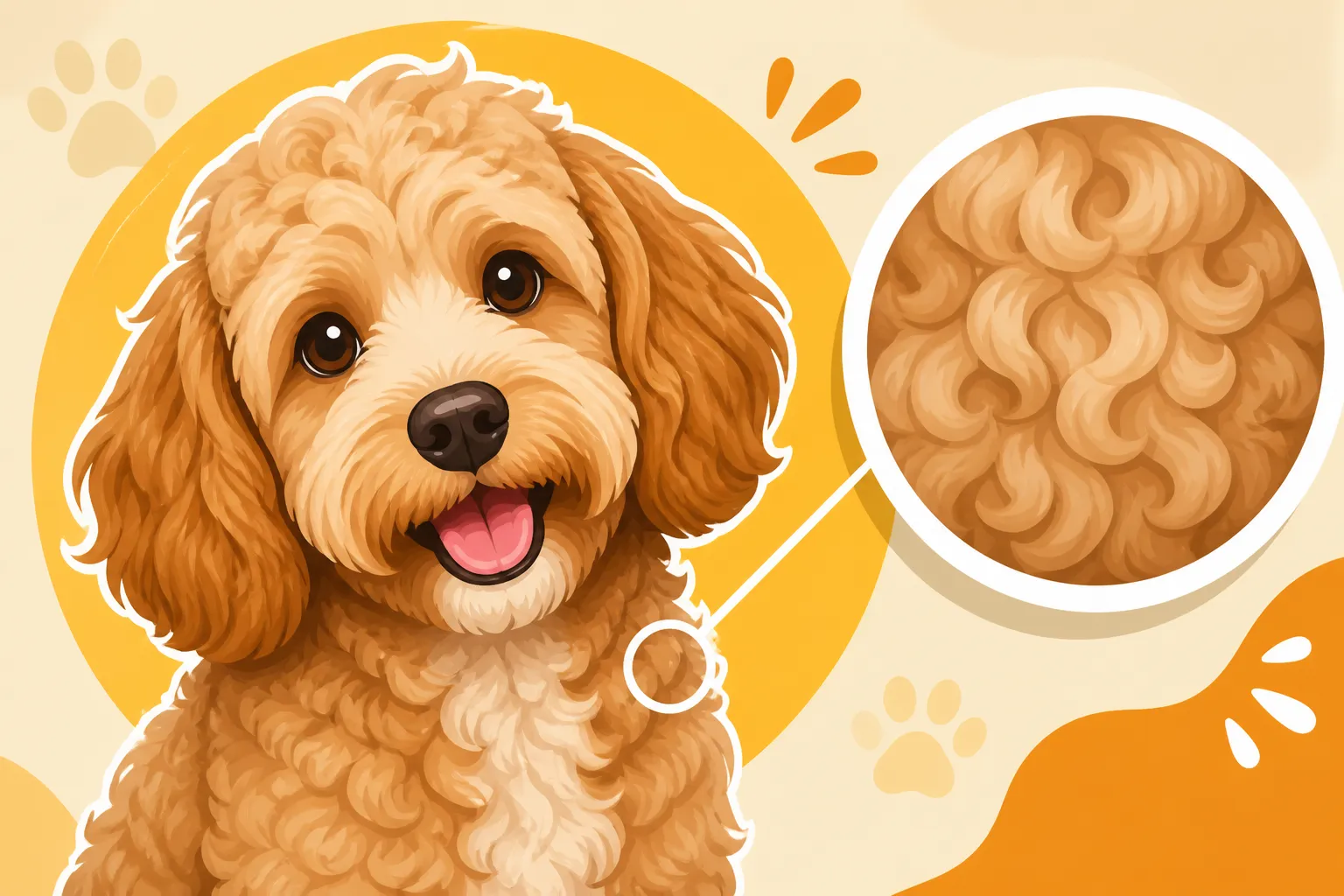
When we talk about canine coat curl, one gene stands out above the rest as the primary determinant: KRT71. This isn't just a fancy scientific name; KRT71 stands for Keratin 71, and keratin is a protein that is absolutely fundamental to the structure of hair. Think of it like the building blocks of your dog's individual hair strands. The specific variations, or alleles, of the KRT71 gene directly influence how these keratin proteins are arranged, which in turn dictates whether the hair grows straight, wavy, or tightly curled.
In a nutshell, KRT71 has a dominant allele, often represented as 'K', and a recessive allele, usually 'k'. The dominant 'K' allele is associated with curl. If a dog inherits even one copy of this dominant allele, it will likely express some degree of curl. If it inherits two copies of the recessive 'k' allele (k/k), then it will have a straight coat. It's a foundational piece of information that truly helps in understanding The Curl Gene and Where a Cockapoo's Coat Lands. Without diving too deep into the complexities, just know that KRT71 is essentially the conductor of the curl orchestra in your Cockapoo's DNA.
How KRT71 Influences Coat Types
The combination of KRT71 alleles a Cockapoo inherits from its parents will largely determine its curl pattern. It's a classic example of Mendelian genetics at play. Let's break down the typical outcomes based on the genotype:
- Two Dominant KRT71 Alleles (K/K or R/R on some reports): If your Cockapoo inherits two copies of the dominant curl allele, it's virtually guaranteed to have a very curly coat. Think of the tight, dense curls often seen in Poodles. These dogs have a strong genetic predisposition for maximal curl. Owners of these Cockapoos can expect a coat that demands rigorous grooming to prevent matting, but also offers the quintessential "doodle" look.
- One Dominant and One Recessive KRT71 Allele (K/k or R/r): This is where you typically find the lovely wavy coats that many Cockapoo owners adore. With one dominant curl allele and one recessive straight allele, the dog expresses a moderate level of curl. This often results in loose waves or a shaggy appearance. While still requiring regular grooming, this coat type might be slightly less prone to immediate matting than a very tight curl, though daily brushing is still essential.
- Two Recessive KRT71 Alleles (k/k or r/r): When a Cockapoo inherits two copies of the recessive straight allele, it will have a straight coat. Yes, a straight-coated Cockapoo! While less common or desired by those specifically seeking a curly "doodle," these dogs are still full Cockapoos. Their coats will be softer, often with a slight wave but predominantly straight. Owners of these dogs might find grooming a bit easier, though shedding can be more noticeable compared to their curlier counterparts, which is a common concern addressed in Whether Any Cockapoo Is Truly Non Shedding.
It's important to remember that while KRT71 is the major player, it's part of a larger genetic symphony. Other genes can subtly modify the degree or texture of the curl, but KRT71 sets the overall trajectory.
Decoding KRT71 Test Results for Your Cockapoo
Understanding your Cockapoo's KRT71 status can be incredibly empowering, whether you're a prospective owner trying to choose a puppy or a breeder aiming for specific coat characteristics. Genetic testing has become increasingly accessible, offering a window into your dog's inherited traits long before their adult coat fully develops.
Interpreting the Genotypes
When a breeder or owner gets a DNA test report back, the KRT71 section will show a genotype, usually expressed with letters like R/R, R/r, or r/r (or K/K, K/k, k/k depending on the lab's nomenclature, where the capital letter signifies the curl allele). Let's demystify what these mean for your Cockapoo's potential curl:
- R/R (or K/K): This result indicates that your Cockapoo has two copies of the dominant curl allele. This is the genetic blueprint for a dog with a very high probability of developing a tight, dense curl. If you're looking for that distinctly Poodle-like curl that's often associated with low shedding, this genotype is a strong indicator. These dogs will likely need professional grooming appointments every 6-8 weeks, alongside diligent daily home brushing to prevent mats from forming deep within their dense coat.
- R/r (or K/k): This genotype signifies that your Cockapoo carries one copy of the dominant curl allele and one copy of the recessive straight allele. Dogs with this genetic makeup are highly likely to have the beautiful wavy or shaggy coats that are often considered the "classic Cockapoo look." The waves can range from loose and flowing to a more defined, shaggy curl. While still requiring regular grooming, these coats might offer a bit more flexibility in styling compared to the very tight curls. They generally shed very minimally, if at all, especially if they also carry the furnishings gene.
- r/r (or k/k): A Cockapoo with this genotype has two copies of the recessive straight allele. This means your dog will have a predominantly straight or very slightly wavy coat. They won't have the typical "doodle" curl. While this might be a surprise to some who expect a curly coat, these Cockapoos are just as charming and can be quite stunning. However, it's important to note that straight-coated Cockapoos, while still often having furnishings (beards, moustaches), may shed more noticeably than their wavy or curly counterparts. For someone with severe allergies, this is a critical piece of information.
Understanding these genotypes allows for a much more informed decision-making process when acquiring a puppy or planning a breeding. You can ask a breeder for Reading a Cockapoo Coat Report Before You Choose to ensure the coat type aligns with your expectations.
Predicting Your Puppy's Future Curl
So, how reliable is KRT71 testing for predicting a puppy's coat? Extremely reliable for the type of curl, but perhaps less precise for the exact degree or texture. KRT71 is the main gene, so knowing its status gives you a very strong indication.
Let's look at it from a probability standpoint:
| KRT71 Genotype | Expected Coat Type | Grooming Implications | Shedding Potential (assuming Furnishings) |
|---|---|---|---|
| R/R (K/K) | Tight Curl | High maintenance, daily brushing, frequent professional grooms | Very Low to Non-shedding |
| R/r (K/k) | Wavy/Shaggy Coat | Moderate maintenance, regular brushing, professional grooms | Very Low to Non-shedding |
| r/r (k/k) | Straight/Minimal Wave | Lower maintenance, regular brushing, less frequent professional grooms | Low to Moderate (still less than pure Cocker) |
This table provides a great snapshot. If a breeder tells you an F1 Cockapoo has an Whether an F1 Cockapoo's Coat Is a Coin Flip for curl, knowing the KRT71 status of both parents can quickly narrow down the probabilities for the litter. While the general curl is dictated by KRT71, factors like hair thickness, density, and the exact tightness of the curl can be influenced by other, less understood modifier genes. Think of it like this: KRT71 tells you if the dog will have curly, wavy, or straight hair, but other genes might decide if those curls are like corkscrews or looser ringlets. Age also plays a role; a puppy's coat at 8 weeks is vastly different from its adult coat. For more on this, you might find A Cockapoo's Coat at Eight Weeks interesting, as well as how A Cockapoo's Coat Through the Ten Month Change truly transforms.
The Nuances Beyond KRT71: Other Genes and Factors
While KRT71 is a superstar in determining curl, it's crucial to understand that a Cockapoo's coat is a complex interplay of several genes. Ignoring these other factors can lead to misunderstandings about shedding, allergy-friendliness, and overall coat appearance.
The Furnishings Gene (RSPO2) and Its Interaction
Here's where another major player comes in: the furnishings gene, scientifically known as RSPO2. This gene is responsible for the classic "doodle look" – the beard, mustache, and eyebrows that give Cockapoos their endearing, human-like expressions. More importantly, it's strongly linked to the low-shedding characteristic that many people seek in a doodle.
You see, a dog can have the KRT71 gene for curl (even two copies of R/R) but if it lacks the furnishings gene, it won't have that classic low-shedding, Poodle-like coat. Instead, it will have what's often called an "improper coat" or "flat coat." These dogs might still have some body curl due to KRT71, but they will shed significantly more and won't have the characteristic facial hair. This is why The Furnishings Gene That Decides a Cockapoo's Face is equally, if not more, important than KRT71 for those seeking an allergy-friendly dog.
- Furnished + Curly (RSPO2 positive + KRT71 R/R or R/r): This combination gives you the traditional curly or wavy Cockapoo with a beard, mustache, and low to non-shedding qualities. This is often the most sought-after coat type.
- Furnished + Straight (RSPO2 positive + KRT71 r/r): These Cockapoos will have furnishings (the beard and eyebrows) but their body coat will be straight. They typically still shed very little because the furnishings gene helps prevent shedding, even without the curl. They might look like a Poodle that's been blow-dried straight or a soft-coated Cocker with extra facial hair.
- Unfurnished (RSPO2 negative), regardless of KRT71: These Cockapoos will have a "flat" or "improper" coat. They lack the beard and generally look more like a Cocker Spaniel, and they will shed. The curl gene (KRT71) might still give them some wave on their body, but without furnishings, the low-shedding quality is lost. This is crucial information for anyone with allergies. What RSPO2 Testing Tells a Cockapoo Breeder is invaluable for making responsible breeding decisions that align with common owner expectations.
Other Modifier Genes and Environmental Influences
While KRT71 and RSPO2 are the heavy hitters, they aren't the only genes involved in coat appearance. There are many other modifier genes that can fine-tune the texture, density, and growth rate of a Cockapoo's hair. These genes might influence:
- Coat Density: How thick or sparse the hair is.
- Hair Texture: Whether the hair feels coarse, silky, or cottony.
- Growth Rate: How quickly the coat grows, influencing grooming frequency.
- Color Fading: Genes affecting coat color can also sometimes subtly influence texture or appearance over time.
For example, two Cockapoos with the exact same KRT71 and RSPO2 status might still have slightly different coat textures or degrees of curl due to these other modifying genes. One might have softer, looser waves, while the other might have denser, springier curls, even with the same "wavy" genotype.
Beyond genetics, environmental factors can also play a minor role in how a coat looks and feels:
- Nutrition: A diet rich in essential fatty acids can contribute to a healthy, shiny coat. Poor nutrition can lead to dull, brittle, or sparse hair. Some owners opt for fresh food diets like Ollie to support overall health, which often reflects in coat condition.
- Grooming: Regular brushing and proper bathing are essential for maintaining any Cockapoo coat. Neglect can lead to matting, which can make even a naturally beautiful coat look unhealthy and feel coarse.
- Age: A puppy's coat is often much softer and thinner than its adult coat. As a Cockapoo matures, its coat will typically thicken and the curl can sometimes tighten or relax. This often leads owners to wonder Whether a Cockapoo's Curl Tightens After Two. Hormonal changes, such as those that occur after spaying or neutering, can also sometimes lead to slight changes in coat texture or density.
Understanding that it's a multi-faceted equation helps manage expectations and appreciate the unique beauty of each individual Cockapoo.
Why Understanding KRT71 Matters for Owners and Breeders
Knowing about the KRT71 gene isn't just for geneticists; it's practical knowledge that benefits everyone involved with Cockapoos. It cuts through the guesswork and allows for more informed decisions, leading to happier dogs and owners.
For Prospective Cockapoo Owners
If you're dreaming of bringing a Cockapoo into your home, especially if you have specific expectations about their coat, understanding KRT71 is a game-changer.
- Managing Expectations and Grooming Needs: Let's be honest, many people choose a Cockapoo because they love the fluffy, low-shedding coat. But not all Cockapoos are created equal in the coat department. If you expect a tight curl and end up with a straighter coat, you might be surprised by increased shedding. Conversely, if you're not prepared for the intensive grooming a tightly curled coat requires, you could be in for a shock. Knowing the KRT71 status, alongside the furnishings gene status, allows you to anticipate the level of grooming commitment needed. For example, a curly coat (R/R) will likely require daily brushing and professional grooming every 4-6 weeks, while a wavy coat (R/r) might stretch to 6-8 weeks between grooms. A straight coat (r/r) might be easier to brush but still benefit from regular trims to maintain tidiness. You can explore The Three Cockapoo Coat Types and Their Upkeep for detailed grooming advice.
- Addressing Allergy Concerns: For families with allergies, a low-shedding or non-shedding dog is often a priority. While no dog is truly 100% hypoallergenic, furnished Cockapoos are generally well-tolerated. However, an unfurnished Cockapoo, or even a straight-coated furnished one, might shed more dander and hair, potentially triggering allergies. Knowing the KRT71 status, combined with the furnishings (RSPO2) status, from a breeder's What a Cockapoo Coat Panel Actually Reports can help you make a more confident choice for an allergy-sensitive household.
- Asking the Right Questions: Armed with knowledge about KRT71, you can engage with breeders more effectively. Instead of just asking "Will my puppy be curly?", you can ask for genetic test results for both parents. A responsible breeder should be able to provide this information. This transparency is key to finding a puppy whose characteristics align with your lifestyle and expectations, potentially saving you from future disappointment or unexpected grooming costs. It also speaks to the breeder's commitment to genetic health testing, similar to how you would ask for The Five Certificates a Cockapoo Breeder Should Show for health clearances.
For Responsible Cockapoo Breeders
For breeders, KRT71 testing is an invaluable tool for ethical and predictable breeding practices.
- Informed Pairing Decisions: Breeders can use KRT71 results to select parent dogs that will produce litters with desired coat types. For example, if a breeder wants to ensure all puppies have a wavy or curly coat, they would avoid breeding two parents who are both carriers of the recessive 'r' allele (R/r x R/r), as this pairing has a 25% chance of producing straight-coated (r/r) puppies. Breeding two R/R parents guarantees curly puppies, while breeding R/R with R/r will produce a mix of curly and wavy. This knowledge prevents unexpected outcomes and helps breeders cater to the demand for specific coat types.
- Meeting Buyer Expectations: By understanding the genetic makeup of their breeding stock, breeders can more accurately describe the potential coat types of their puppies. This honesty builds trust and helps ensure that buyers are matched with a puppy that truly fits their vision, whether that's a tight curl or a beautiful wave. This proactive approach helps reduce instances of Cockapoos ending up in rescue because their coats weren't what the owners expected.
- Promoting Health and Welfare: While KRT71 doesn't directly relate to a health condition, predictable coat types do relate to grooming needs. Ensuring puppies have the expected coat type means owners are better prepared for the necessary grooming, which in turn contributes to the dog's overall welfare by preventing painful matting. This dedication to genetic testing, including for coats, is a hallmark of a reputable breeder.
Living with Different Cockapoo Curl Types
Regardless of your Cockapoo's specific curl, or lack thereof, they are wonderful, loving companions. The key to a happy life together, especially where their coat is concerned, is understanding their unique needs and preparing for them.
Grooming Needs Based on Curl
Each Cockapoo coat type comes with its own set of grooming demands. Being prepared makes all the difference!
- Tight Curly Coat (KRT71 R/R): This coat, often resembling a Poodle's, is beautiful but demanding. The curls are dense and can quickly become a tangled mess if not managed.
- Routine: Daily brushing with a slicker brush and a metal comb is non-negotiable. Pay special attention to areas behind the ears, armpits, and groin, where mats love to form.
- Tools: A good quality slicker brush, a sturdy metal comb with both wide and fine teeth, and a detangling spray are your best friends. You can find excellent options on Amazon or Chewy.
- Professional Grooming: Expect appointments every 4-6 weeks. These grooms will typically include a bath, blow-dry, full body clip, and nail trim. Keeping a shorter clip can make home maintenance easier, as discussed in Whether a Cockapoo Should Be Kept in a Short Clip.
- Wavy/Shaggy Coat (KRT71 R/r): This is perhaps the most common and often adored Cockapoo coat, offering a charming, relaxed look.
- Routine: Brush at least every other day, ideally daily, with a slicker brush and comb. While less prone to instant matting than tight curls, the waves can still tangle quickly, especially during The Month a Cockapoo Starts Matting Daily, which is often around 6-10 months during the "coat change."
- Tools: Similar to the curly coat – a slicker brush, metal comb, and detangling spray are essential.
- Professional Grooming: Typically every 6-8 weeks. Many owners opt for a "teddy bear cut" or a puppy cut to maintain the shaggy appearance while keeping it manageable.
- Straight/Minimal Wave Coat (KRT71 r/r): These coats are often softer and can sometimes feel more like a Cocker Spaniel's coat.
- Routine: Brush 2-3 times a week to remove loose hair and prevent tangles. While less prone to mats, they can still get knots, especially if longer.
- Tools: A pin brush, slicker brush, and a comb work well. Because they might shed more than their curly counterparts, a deshedding tool might also be helpful.
- Professional Grooming: Every 8-10 weeks, or as needed for tidying up. These dogs might benefit from trims to prevent the coat from becoming too long or dragging on the ground.
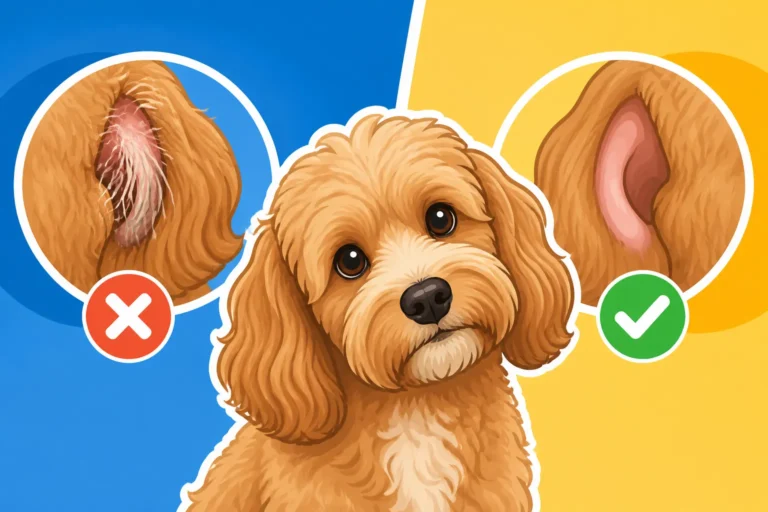
Regardless of coat type, don't forget the ears! Cockapoos inherit those lovely long spaniel ears, which need regular cleaning and hair plucking (if recommended by your vet) to prevent infections, as detailed in Whether the Poodle Ear Canal Helps a Cockapoo. Investing in good grooming products from reliable retailers like Chewy or Amazon can make a big difference in maintaining your Cockapoo's coat health.
Managing Expectations and Embracing Your Cockapoo's Unique Coat
It's easy to get caught up in the ideal image of what a Cockapoo "should" look like, especially with social media full of perfectly groomed, curly pups. But the truth is, every Cockapoo is an individual, and their coat is just one facet of their charm.
If your Cockapoo's coat turns out to be straighter or curlier than you anticipated, try to embrace it. A straighter coat might mean a bit more shedding, but it might also be easier to brush. A very curly coat might demand more grooming time, but it often means less hair on your furniture.
Remember that a Cockapoo's personality, their loving nature, their intelligence, and their playful spirit are what truly make them wonderful companions. Their coat is just the wrapper! The journey with your Cockapoo, from puppyhood through What Changes in a Cockapoo After Ten, will be filled with joy, and a bit of coat maintenance is a small price to pay for such a delightful friend. Regular grooming, whether at home or with a professional, is an act of care and love, ensuring your Cockapoo is comfortable, healthy, and looking their best, no matter their curl type.
Disclaimer
This article is for general informational purposes only and does not constitute professional advice. Laws, prices and regulations vary by location and change over time. Consult a qualified professional for guidance on your specific situation.