Whether the Cocker or the Poodle Shows Up in Training
One of the most common questions I hear from new Cockapoo parents, or even those considering bringing one of these delightful doodles home, is a persistent worry: "Which parent breed will show up more in my dog's personality and training? Will I get the eager-to-please, merry Cocker Spaniel, or the intelligent, sometimes more independent Poodle?" It's a valid concern because understanding these inherited traits can make a huge difference in how you approach training, manage expectations, and truly connect with your furry companion. This guide will help you understand the unique blend of characteristics you might encounter and how to navigate training your Cockapoo, no matter which parent's influence seems to shine through brightest.
Understanding the Genetic Lottery of Your Cockapoo's Temperament
Bringing a Cockapoo into your home is an exciting adventure, but it often comes with a bit of a genetic lottery when it comes to temperament. Unlike purebred dogs where traits are generally more predictable, a Cockapoo is a hybrid, a wonderful mix of two distinct personalities: the American or English Cocker Spaniel and the Poodle (toy, miniature, or standard). This means that any given Cockapoo puppy can inherit a varying combination of traits from both sides, making each dog truly unique. It’s less about one breed "winning out" and more about a beautiful, sometimes surprising, blend.
You might find one Cockapoo who is incredibly focused on scent trails, head down, sniffing every blade of grass like a true spaniel, while another prefers to observe and problem-solve from a distance, displaying classic Poodle intelligence. This variability is what makes them so fascinating, but it also means that a "one size fits all" training approach simply won't work. We need to be adaptable, observant, and ready to tailor our methods to the individual dog in front of us. This journey of discovery is part of the joy of owning a Cockapoo, but it certainly requires a bit more nuance than expecting a carbon copy of either parent breed.
The Cocker Spaniel's Endearing Influence
The Cocker Spaniel, whether American or English, brings a reputation for being a "merry" dog, known for its wagging tail, gentle nature, and desire to be close to its human family. These are traits that many Cockapoo owners adore.
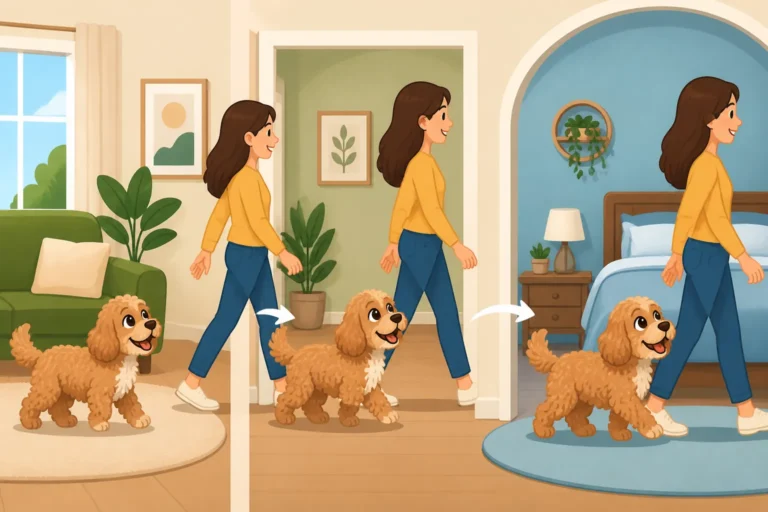
You'll often see this manifest in a Cockapoo who thrives on companionship and really struggles with being left alone for long periods. They might follow you from room to room, just wanting to be near you, even if they're not actively seeking attention. This strong bond makes them highly biddable and eager to please, which can be a huge asset in training. When your dog genuinely wants to make you happy, they'll often try harder to understand what you're asking. However, this same trait can also mean they are more sensitive to harsh corrections or scolding. A loud voice or a sharp tug on the leash might actually shut them down, making them less willing to engage in training. Understanding this sensitivity is crucial; Whether a Cockapoo Is Too Soft for Correction is a question many owners ponder, and the answer often lies in their spaniel heritage.
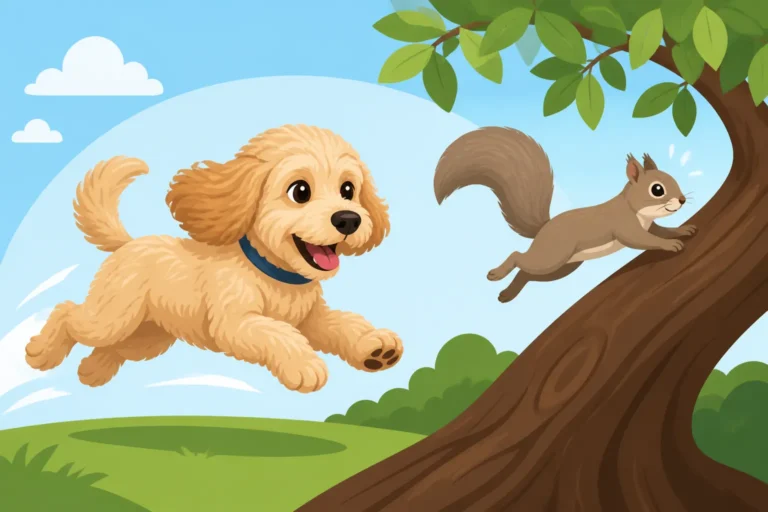
Then there's the famous spaniel nose and their flushing drive. Cockers were bred to flush birds from cover, and even generations removed from working lines, that instinct can be incredibly strong. You might notice your Cockapoo's nose glued to the ground on walks, following an invisible scent trail with intense focus. This strong scent drive can make recall a real challenge, especially outdoors in exciting environments. They might hear you calling, but their nose tells them there's something much more interesting just ahead. This is why building a solid Recall on a Cockapoo That Has Found a Scent is so vital, and it often requires extra effort and high-value rewards to compete with nature's temptations. This drive isn't just about chasing; it's about exploring the world through scent, and activities like Scent Work That Satisfies a Cockapoo can be incredibly fulfilling for them.
The Poodle's Sharp Intellect and Drive
On the other side of the genetic coin, we have the Poodle, a breed renowned for its intelligence, athleticism, and trainability. Poodles are often seen topping lists of intelligent dog breeds, and this mental prowess is definitely something you'll see shine through in many Cockapoos.
A Poodle's mind is a sponge, eager to soak up new information and solve problems. This means your Cockapoo might pick up new commands with remarkable speed, sometimes seeming to understand what you want almost before you finish the cue. They can be incredibly quick learners, which makes training sessions fun and rewarding. However, this intelligence also comes with a caveat: a bored Poodle is a mischievous Poodle. If your Cockapoo isn't getting enough mental stimulation, they might decide to create their own entertainment, which often manifests as unwanted behaviors like chewing, excessive barking, or finding creative ways to get into trouble. So, while they are quick to learn good habits, they can also quickly learn bad ones if left to their own devices. This is where engaging their clever minds with puzzle toys or interactive games becomes just as important as physical exercise.
Poodles are also surprisingly athletic and possess a good deal of stamina, especially the miniature and standard sizes. This translates into a Cockapoo who often has abundant energy and needs plenty of physical exercise to stay happy and well-behaved. They might love long walks, games of fetch, or even more structured activities like agility. The combination of intelligence and athleticism can make them fantastic candidates for dog sports or advanced obedience. Whether a Cockapoo Needs a Sport to Be Manageable is a question that depends heavily on their individual energy levels and Poodle influence. While some Cockapoos are content with moderate exercise, others truly thrive when they have a job to do, even if that job is just learning a new trick or excelling at a weekly class.
The Beautiful, Sometimes Baffling, Cockapoo Blend
The real magic, and sometimes the real challenge, of owning a Cockapoo lies in how these two powerful genetic influences intertwine. You rarely get a pure Cocker in a Poodle coat, or vice-versa. Instead, you get a unique individual who embodies a spectrum of traits from both sides. This blend can make them incredibly versatile and adaptable companions, but it also means that predicting their exact personality or training style can be a delightful mystery.
Imagine a dog with the Poodle's sharp mind, capable of figuring out puzzle toys in minutes, but also the Cocker's intense flushing drive, making them "deaf" to your commands once a squirrel crosses their path. Or a dog with the Cocker's sweet, affectionate nature, deeply devoted to their family, yet prone to barking and anxiety if left alone for too long, a common trait that owners grapple with. A Cockapoo That Cannot Be Left can be a real challenge for families, highlighting the need to understand these blended sensitivities.
The most important takeaway here is that there's no single "Cockapoo personality." Each one is an individual. You might have a Cockapoo who is super biddable and keen to please like a Cocker, but also brilliant at problem-solving and highly athletic like a Poodle. This combination can result in a dream dog who excels in various activities. Conversely, you might encounter a Cockapoo who inherits the Cocker's sensitivity, making them prone to separation anxiety, and the Poodle's independent streak, making them less interested in constantly checking in with you. It's truly a matter of observing your own dog, understanding their unique strengths and weaknesses, and adjusting your expectations and training methods accordingly.
Navigating the Combined Instincts
Successfully training a Cockapoo means appreciating and working with their dual heritage. You can't just ignore the powerful instincts from either side; instead, you learn to channel them positively. For instance, that strong scent drive from the Cocker can be a fantastic asset if you direct it towards fun activities like scent work or nose games. Rather than fighting against your dog's natural inclination to sniff, embrace it! You can find fantastic beginner scent work kits on Amazon that come with essential oils and scent tins, providing an incredible mental workout for your dog right in your living room.
Similarly, the Poodle's intelligence, while a blessing for quick learning, demands consistent mental engagement. If your Cockapoo isn't challenged, they'll often invent their own (likely undesirable) activities. Incorporating short, fun training sessions throughout the day, teaching new tricks, or even enrolling in an online dog training program like those offered by BAXTER & Bella can keep their minds sharp and engaged. These types of programs are designed to be flexible and provide a structured approach to leveraging your Cockapoo's intelligence, preventing boredom from becoming a problem.
Consistency is key, as is positive reinforcement. Both Cockers and Poodles respond beautifully to reward-based training. Harsh methods are likely to be counterproductive, potentially creating a fearful or shut-down dog. Keep training sessions short, fun, and engaging, always ending on a positive note. Remember that every Cockapoo is a testament to the incredible diversity within this designer breed, and learning to appreciate their unique blend of traits is the first step toward a harmonious life together.
Training Strategies Tailored for Your Cockapoo's Unique Mix
When it comes to training your Cockapoo, the best approach is always a flexible one, deeply rooted in positive reinforcement and a keen understanding of their unique personality. Since you might be dealing with a blend of the eager-to-please Cocker and the intelligent, sometimes independent Poodle, a nuanced strategy works best.
Firstly, early and consistent socialization is non-negotiable. Expose your Cockapoo puppy to a wide variety of sights, sounds, people, and friendly dogs from a young age. This helps build a confident, well-adjusted adult, reducing the likelihood of fear-based behaviors or reactivity that can stem from either breed's potential sensitivities. A well-socialized Cockapoo is more likely to handle new situations calmly, whether it's a bustling park or a quiet vet visit.
Secondly, harness their intelligence with mental stimulation. Both parent breeds thrive on having their brains engaged. Puzzle toys, interactive feeders, and learning new tricks are excellent ways to provide this. Instead of just putting food in a bowl, make your Cockapoo "work" for a portion of their meal using a snuffle mat or a dispensing toy that can be purchased easily on Amazon. This taps into their natural foraging instincts and provides a satisfying challenge. Regular training sessions, even just 10-15 minutes a day, teaching basic obedience or fun tricks, will keep their minds active and prevent boredom from leading to destructive habits. Consider signing up for an online puppy program, like the lifetime membership from BAXTER & Bella, which offers comprehensive guidance and support, addressing everything from puppy basics to advanced manners, perfect for a clever Cockapoo.
Thirdly, manage their natural instincts. If your Cockapoo shows a strong scent drive, remember that their nose is often more powerful than their ears. Focus heavily on building an iron-clad recall from day one. Start in low-distraction environments and gradually increase the challenge. Use a long line during outdoor excursions in unfenced areas to give them freedom to explore safely while you still maintain control. Understanding The Flushing Drive Still Alive in a Cockapoo will help you anticipate when their nose might take over. Similarly, if they are prone to being vocal or exhibiting separation anxiety due to their desire for companionship, gradually build their tolerance for being alone. Crate training can be a valuable tool, creating a safe den for them.
Finally, be patient and consistent. Cockapoos are smart, but like all dogs, they learn at their own pace. What works for one might need slight adjustments for another. Celebrate small victories and don't get discouraged by setbacks. Your Cockapoo wants to please you, and a consistent, positive approach will yield the best results, no matter which parent's traits are most prominent on any given day.
Comparative Look at Training Tendencies
To help visualize how the Cocker and Poodle traits might influence your Cockapoo's training journey, here's a comparative overview:
| Trait Category | Cocker Spaniel Influence (Likely) | Poodle Influence (Likely) | Cockapoo Blend (Potential Outcome) |
|---|---|---|---|
| Motivation | Eager to please, highly food/praise motivated, forms strong bond. | Food/toy motivated, enjoys learning, responds well to challenge. | High motivation, responds to positive reinforcement, sometimes stubborn. |
| Intelligence | Clever, good at problem-solving related to scent/retrieving. | Highly intelligent, quick learner, enjoys complex tasks. | Very intelligent, learns quickly but needs mental engagement. |
| Energy Level | Moderate to high, needs regular exercise, loves to explore. | Moderate to high, athletic, needs mental and physical exertion. | Energetic, requires consistent exercise and mental challenges. |
| Sensitivity | Can be sensitive to harsh corrections, thrives on positive reinforcement. | Generally resilient, but can become bored or frustrated if not challenged. | Varied sensitivity, best with gentle, consistent methods. |
| Prey Drive | Strong flushing/scenting drive, can be easily distracted by smells. | Lower prey drive than a working spaniel, but can chase. | Moderate to high scent/chase drive, requires strong recall work. |
| Attention Span | Can be focused when engaged, but easily distracted by environment. | Good attention span for learning, but can become bored if tasks are repetitive. | Good for short, fun sessions; can get distracted by novelty or scent. |
| Social Needs | Highly social, loves company, prone to separation anxiety. | Enjoys companionship, but can be more independent. | Moderate to high social needs, some prone to separation distress. |
| Grooming Tolerance | Tolerant if introduced early, but may dislike handling of ears/feet. | Generally tolerant if introduced early, accustomed to handling. | Varies; early positive exposure is crucial for cooperative grooming. |
Remember, this table shows general tendencies. Your individual Cockapoo might lean more heavily to one side in a particular category, or display a unique mix that defies easy categorization. This is why getting to know your dog as an individual is always the most effective strategy. What the Cocker Puts Into a Cockapoo and Which Cockapoo Traits Come From the Poodle both contribute to this wonderful complexity.
Building a Strong Foundation: Key Training Areas for Your Cockapoo
Regardless of whether your Cockapoo leans more towards the Cocker's merry spirit or the Poodle's sharp wit, certain training areas are universally important for a well-behaved, happy companion. Focusing on these foundational elements will set you both up for success.
First and foremost is reliable recall. This is perhaps the most critical command, especially given the potential for both breeds to have a strong interest in their environment – whether it's the Cocker's nose following a scent or the Poodle's curiosity leading them to explore. A strong recall literally means the difference between a safe off-leash adventure and a heart-stopping chase. Start practicing in a secure, low-distraction area, using high-value treats and enthusiastic praise. Make coming back to you the most rewarding thing in the world. Gradually introduce distractions and different environments, always setting your dog up for success. It’s a lifelong endeavor, but absolutely worth the effort. Building a Recall a Cockapoo Answers explores this further.
Next, leash manners are essential. A pulling dog, no matter how cute, can make walks a miserable experience for both of you. Teach your Cockapoo to walk politely on a loose leash from a young age. Again, positive reinforcement is your friend here. Reward moments of slack in the leash, even tiny ones, to encourage walking beside you rather than forging ahead. Tools like front-clip harnesses can be helpful for managing pulling without causing discomfort. Consistent practice in various environments will reinforce good habits.
Another vital area is crate training and teaching "settle." Because many Cockapoos thrive on companionship, some can develop separation anxiety. A comfortable, positive association with a crate can provide a safe haven for your dog when you need to leave them alone, helping to prevent destructive behaviors or excessive barking. Teaching a "settle" command encourages your dog to relax calmly on their bed or a mat, even when there's activity around them. This is especially useful for a breed that often combines high energy with a desire to be involved in everything. This also ties into how A Cockapoo That Cannot Be Left can lead to frustration, making these skills invaluable.
Finally, grooming cooperation is a must for a Cockapoo. Their beautiful coats require regular maintenance, whether they have a wavy, curly, or straighter coat. Desensitize your puppy early to being touched all over – paws, ears, tail, muzzle – and to the sights and sounds of brushes, combs, and even clippers. Make grooming a positive experience with treats and praise. This will make home grooming sessions less stressful and vet or professional groomer visits much easier. Given that the Cockapoo's coat at ten months can be a matting nightmare, early positive grooming experiences are vital.
By investing time and patience in these key areas, you'll not only help your Cockapoo become a well-behaved member of the family but also strengthen the bond you share, truly embracing the wonderful, unique dog they are.
Disclaimer
This article is for general informational purposes only and does not constitute professional advice. Laws, prices and regulations vary by location and change over time. Consult a qualified professional for guidance on your specific situation.