Whether a Cockapoo’s Skin Is Greasy Like a Cocker’s
Many Cockapoo owners find themselves asking if their beloved furry friend's skin and coat are supposed to feel a bit greasy, or if that distinctive "doggy" smell is just part of the package. It's a really common concern, and often, it points back to the rich genetic heritage from their Cocker Spaniel side. This guide will help you understand why some Cockapoos have oilier skin, what factors contribute to it, and how you can best manage it for your dog's comfort and health.
The Oily Legacy of the Cocker Spaniel
Many Cockapoo owners wonder about their dog's skin and coat, especially if they notice a certain "doggy" smell or a slightly greasy feel. This often leads back to one of the parent breeds: the Cocker Spaniel. It's a valid concern, as Cocker Spaniels are, unfortunately, quite prone to developing oily skin, a condition that can be inherited by their Cockapoo offspring.
Understanding the Cocker's Unique Skin Biology
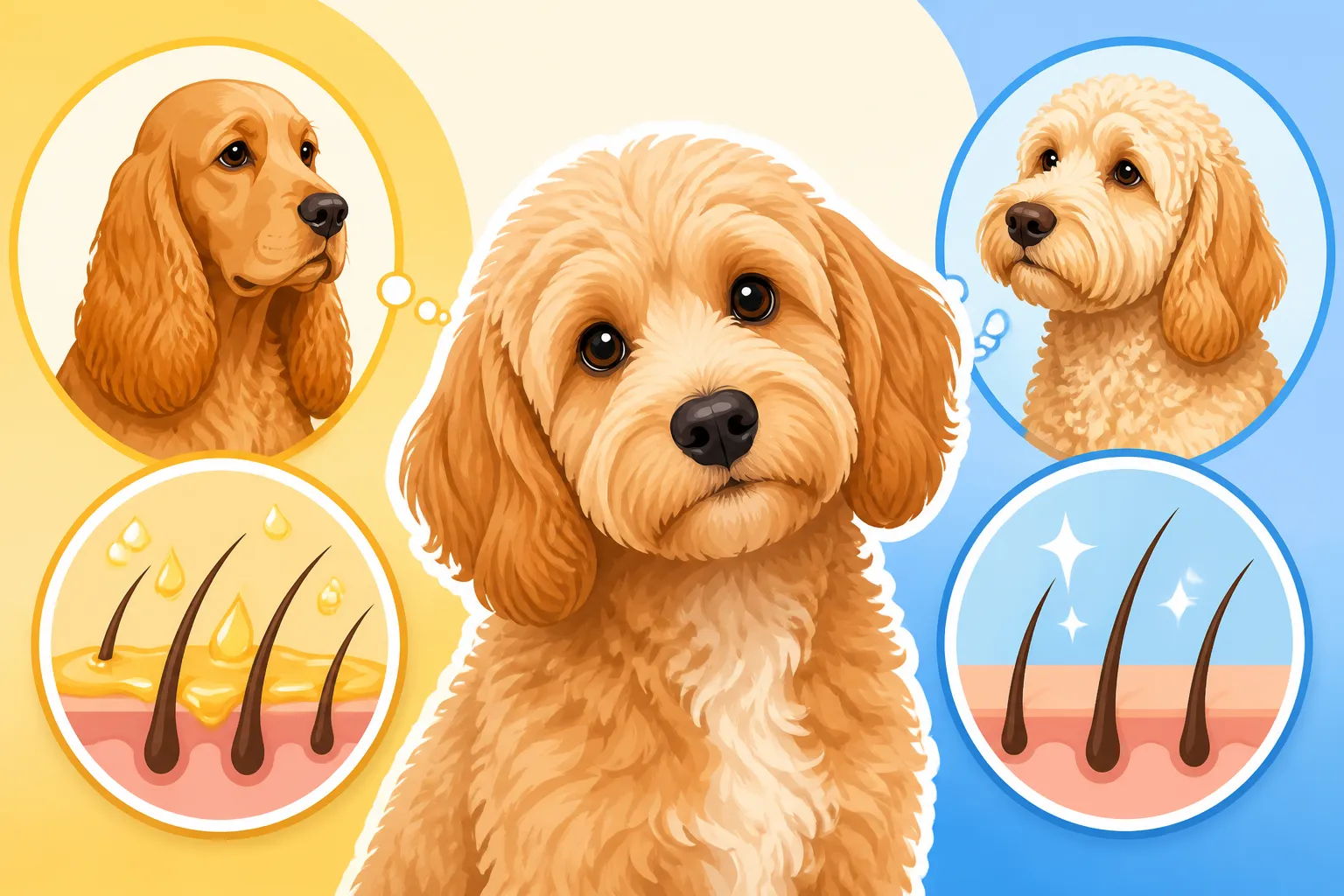
Cocker Spaniels possess a distinctive skin and coat structure that makes them susceptible to oiliness. Their skin is packed with sebaceous glands, which are responsible for producing sebum, a natural oil that helps keep the skin and hair moisturized and protected. In many Cockers, these glands can be overactive, leading to an excess production of sebum.
This overactivity isn't necessarily a fault, but rather a characteristic often linked to their original purpose. A dense, water-resistant coat with a natural oiliness would have provided excellent protection against the elements when working in damp undergrowth, shielding them from cold and moisture. However, in a pet environment, without the constant exposure to harsh conditions, this overproduction can become a challenge. The rich, dense undercoat and long feathering characteristic of many Cocker Spaniels also traps this oil, making the issue more noticeable and sometimes exacerbating it.
It's also worth noting that the skin's health is a complex interplay of genetics, diet, and environment. A Cocker Spaniel's predisposition to oily skin can be managed, but understanding this foundational biological tendency is the first step in addressing it in your Cockapoo.
Why Some Cockers Have a Distinctive Scent
The excess sebum produced by overactive sebaceous glands in Cocker Spaniels can contribute to a very particular odor, often described as a "doggy" smell. This isn't just about the oil itself; sebum is a rich food source for certain yeasts and bacteria that naturally live on a dog's skin. When these microbes flourish in an oily environment, they produce metabolic byproducts that create that distinct scent. This is often why owners notice Why a Cockapoo Can Smell Days After a Bath.
This smell can become more pronounced if the dog isn't groomed regularly, or if they have skin folds where moisture and oil can accumulate, creating a perfect breeding ground for these microorganisms. Many Cocker owners become quite familiar with this scent, and it's a common topic in breed-specific forums and discussions. It's not a sign of poor hygiene if your Cocker or Cockapoo has it, but rather a characteristic that requires diligent management.
Sometimes, this odor can also be indicative of an underlying issue, such as allergies or a yeast infection, which can further irritate the skin and increase sebum production. If the smell becomes particularly strong, yeasty, or is accompanied by redness, scratching, or discomfort, it's always best to consult your veterinarian to rule out any medical conditions.
Environmental and Dietary Factors Affecting Cocker Skin
While genetics play a huge role, external factors like diet and environment can significantly influence how oily a Cocker Spaniel's skin becomes. For instance, a diet lacking in essential fatty acids (like Omega-3s and Omega-6s) can sometimes lead to poor skin barrier function, which paradoxically can cause the skin to overproduce oil in an attempt to compensate.
Environmental humidity and allergens also play a part. In humid climates, the skin might feel oilier or more prone to fungal growth. Allergens, whether environmental (pollen, dust mites) or food-related, can trigger inflammatory responses in the skin, leading to itching, redness, and increased sebum production. Whether a Cockapoo Itches From the Cocker Side is a common question, and allergies are frequently the culprit.
Regular bathing with appropriate shampoos is crucial for Cockers to help manage oil buildup and prevent secondary infections. However, using harsh shampoos or over-bathing can strip the skin of its natural oils, leading to rebound oiliness as the skin tries to correct itself. It's a delicate balance that requires understanding your dog's individual needs.
The Poodle's Influence: A Drier Counterpoint
On the other side of the Cockapoo's genetic coin is the Poodle, a breed renowned for its distinctive curly coat and, importantly, a very different skin and coat profile compared to the Cocker Spaniel. Understanding the Poodle's contributions helps us grasp why a Cockapoo's skin might not always be as greasy as a purebred Cocker's.
Poodle Coat Characteristics and Skin Health
Poodles are famous for their dense, single-layer coat of tightly curled hair, which is often cited as being "hypoallergenic" due to its low-shedding nature. Crucially, Poodles typically have fewer sebaceous glands and their skin tends to be much drier than a Cocker Spaniel's. This is why you often hear Poodle owners talking about dry skin or even Whether a Cockapoo Gets Dry Eye, rather than oiliness.
Their curls trap loose hair, preventing it from falling out, but they also require significant grooming to prevent matting. The Poodle's skin itself usually doesn't overproduce sebum, leading to a much milder, if any, "doggy" smell. This drier skin can sometimes lead to issues like flakiness or itching if not properly moisturized and cared for, but excessive oiliness is generally not a primary concern for the breed itself.
This genetic predisposition towards drier skin is one of the key reasons why the Cockapoo, as a hybrid, can potentially escape the extreme oiliness seen in some Cocker Spaniels. It introduces a balancing factor into the genetic equation for skin and coat health.
How Poodle Genetics Can Mitigate Greasiness
When a Cocker Spaniel and a Poodle are bred, their genetic traits for skin and coat health are combined. In many cases, the Poodle's drier skin tendency can, to some extent, counteract the Cocker's predisposition to oiliness. This is not a guarantee, but it certainly improves the odds. A Cockapoo might inherit fewer overactive sebaceous glands, or a coat texture that doesn't trap oil as readily as a full Cocker coat.
The specific "furnishings" gene, often inherited from the Poodle, contributes to the classic Cockapoo look with its longer facial hair, eyebrows, and mustache. This gene is also linked to the low-shedding quality. While not directly about oil production, the overall coat texture and density can influence how oil is distributed and perceived. A wavy or curly Cockapoo coat, for example, might still accumulate some oil, but perhaps less than the heavy, silky feathering of a Cocker.
It's a wonderful aspect of hybrid vigor that sometimes the best traits from both parents can combine to create a healthier overall profile. Many Cockapoo owners find their dogs have a balanced skin type, neither excessively oily nor excessively dry, striking a happy medium between their parent breeds.
The Genetic Lottery of a Cockapoo's Coat and Skin
Ultimately, a Cockapoo's skin and coat, including its oiliness, is a roll of the genetic dice. It's impossible to predict with absolute certainty whether a particular Cockapoo puppy will inherit more of the Cocker's oily skin tendencies or the Poodle's drier characteristics. This variability is why we see such a range in Cockapoo coats – from straight and more Cocker-like to tightly curled and Poodle-like, and everything in between. The Three Cockapoo Coat Types and Their Upkeep highlights this diversity.
The generation of the Cockapoo (F1, F1b, F2, Multigen) can also play a role, though even within generations, there's always a spectrum. An F1 Cockapoo (first cross) has an even 50/50 genetic split, making the outcome quite unpredictable. Backcrossing to a Poodle (F1b) might increase the likelihood of a Poodle-like, drier coat, but again, it's not a sure thing. The Curl Gene and Where a Cockapoo's Coat Lands and the furnishings gene are key genetic markers that breeders might test for to give prospective owners a better idea of potential coat type and shedding, but skin oiliness is a more complex trait.
This genetic variability is part of the charm and challenge of owning a Cockapoo. It means each dog is truly unique, and requires owners to be attentive to their individual grooming and skin care needs. What works for one Cockapoo might not work for another, even from the same litter. This is why paying attention to Whether a Cockapoo's Coat Sits Greasy or Dry is so important.
Recognizing and Managing Greasy Skin in Your Cockapoo
Even with the Poodle's influence, some Cockapoos will lean towards the Cocker side and develop skin that is prone to greasiness. It's not a cause for panic, but it does require a proactive and consistent approach to care. Recognizing the signs early and implementing effective management strategies can make a world of difference for your pup's comfort and your home's freshness.
Signs Your Cockapoo Might Have Oily Skin
The first step is simply noticing. If your Cockapoo's skin is leaning towards the greasy side, you'll likely pick up on a few key indicators. One of the most common is a distinctive, slightly strong odor that seems to return quickly after a bath. This isn't just a regular "dog smell;" it's often more pronounced and sometimes has a yeasty quality. You might find yourself thinking, "Why does my Cockapoo smell so quickly after a bath?" and that's a big clue. What a Cockapoo's Skin Smell Means is often tied to this sebaceous overactivity.
Visually, you might notice the coat looking a bit dull or clumpy, especially around the ears, neck, and tail base. Running your fingers through their fur might leave a slight oily residue on your hands. If the oiliness is severe, the skin underneath the coat might appear reddish or irritated, and your dog might be scratching more than usual. They might also develop "hot spots" – localized areas of skin inflammation – if the constant moisture and oil allow bacteria to overgrow.
These signs are your cue to take action. It's not just about aesthetics; consistently greasy skin can be uncomfortable for your dog and, if left unmanaged, can lead to secondary skin infections or more serious issues like seborrhea.
Grooming Strategies for an Oily Cockapoo Coat
Effective grooming is the cornerstone of managing oily skin in a Cockapoo. The goal isn't to strip the skin completely, but to gently remove excess oil and promote a healthy skin barrier. Regular bathing is usually necessary, but the frequency and choice of shampoo are critical. For a Cockapoo with greasy skin, weekly or bi-weekly baths might be appropriate.
You'll want to use a high-quality shampoo specifically formulated for oily skin or those with natural degreasing properties. Look for ingredients like colloidal oatmeal, salicylic acid, or benzoyl peroxide, which can help regulate sebum production without being overly harsh. Many reputable brands offer such products; you can often find a good selection on platforms like Chewy or Amazon. Make sure the shampoo is dog-specific – human shampoos are too acidic and can further disrupt your dog's skin pH. Whether a Cockapoo Needs a Degreasing Shampoo is a very common question, and the answer is often yes.
After shampooing, always use a conditioner to help restore moisture and prevent the skin from overcompensating with more oil. Thorough rinsing is absolutely essential to remove all product residue, which can otherwise irritate the skin and contribute to build-up. Follow up with careful drying, ensuring the undercoat is fully dry to prevent moisture from getting trapped and promoting yeast growth. Regular brushing, even between baths, helps distribute natural oils more evenly and removes loose hair and dander, preventing accumulation that can exacerbate oiliness.
| Grooming Task | Frequency for Oily Skin | Key Considerations |
|---|---|---|
| Bathing | Weekly to Bi-Weekly | Use dog-specific degreasing shampoo, follow with conditioner, rinse thoroughly. |
| Brushing | Daily | Helps distribute oils, removes dead hair, prevents mats that trap oil. |
| Ear Cleaning | Weekly | Important as oily skin can lead to ear infections. Use vet-approved cleaner. |
| Professional Grooming | Every 4-6 Weeks | Keep coat clipped to a manageable length; less fur means less oil to trap. |
Dietary and Lifestyle Adjustments
What goes into your Cockapoo can significantly impact what comes out of their skin. A diet rich in high-quality protein, essential fatty acids (Omega-3s and Omega-6s), and vitamins can support healthy skin and coat. Some commercial dog foods, like those found on Chewy, are specifically formulated with skin health in mind, containing optimized ratios of these nutrients. Brands like Ollie, which offer fresh, human-grade meals, can also be beneficial, as they often contain naturally occurring omega fatty acids from ingredients like fish oil.
Consider supplementing with fish oil if your vet approves. These fatty acids are powerful anti-inflammatories and are crucial for maintaining skin barrier integrity, which can help reduce excessive oil production over time. Always discuss supplements with your veterinarian before adding them to your dog's regimen. Whether Omega Oils Help a Cockapoo's Coat is a common question with a positive answer for many.
Beyond diet, lifestyle factors also play a role. Regular exercise helps improve circulation and overall health. Avoiding known allergens, if your Cockapoo has environmental or food sensitivities, can reduce skin inflammation and subsequent oil production. Ensure their living environment is clean and free of excessive dust, which can irritate sensitive skin. Managing stress can also be surprisingly beneficial, as stress can sometimes trigger or worsen skin conditions.
When to Seek Veterinary Advice for Skin Concerns
While some degree of oiliness might be a normal variation for your Cockapoo, especially if they lean more towards their Cocker Spaniel heritage, there are definite red flags that indicate it's time to consult with your veterinarian. Ignoring persistent skin issues can lead to chronic discomfort for your dog and more complicated, expensive treatments down the road.
Differentiating Normal Oiliness from Medical Issues
It's important to understand the difference between a naturally oily coat that's managed with regular grooming and a skin condition that requires medical intervention. Normal oiliness might manifest as a consistent but mild "doggy" smell, a slightly greasy feel to the coat, and perhaps a need for more frequent bathing. Your dog generally won't be itchy, red, or losing hair in patches.
However, if you notice an increase in oiliness, a strong, pungent, or yeasty odor, excessive scratching, licking, or rubbing, redness, inflammation, scabs, pimples, or hair loss, these are signs that something more is going on. These symptoms suggest a potential underlying medical issue that goes beyond simple genetic predisposition. Skin and Coat Disease in a Cockapoo covers a broad range of these issues.
It's easy for owners to feel frustrated when they've tried everything and the problem persists or worsens. Remember, your vet is your best resource for decoding these signals and getting to the root cause of the issue.
Common Skin Conditions That Mimic Greasiness
Several dermatological conditions can present with symptoms that mimic or exacerbate oily skin in Cockapoos. One of the most common is seborrhea, which can be primary (inherited, often seen in Cocker Spaniels) or secondary to another condition. Seborrhea can lead to flaky, scaly, and/or greasy skin, often with a distinct odor.
Allergies are another huge culprit. Environmental allergies (atopy) or food allergies can cause intense itching, leading to skin irritation and secondary bacterial or yeast infections, which in turn can increase oil production and cause a strong smell. Whether a Cockapoo Licks Yeast Into Its Feet and Whether Ear Infections Mean a Cockapoo Has Allergies are related queries that highlight how allergies can manifest.
Other conditions like hormonal imbalances (e.g., hypothyroidism, Cushing's disease), parasites (mites, fleas), or even certain autoimmune diseases can affect skin health and present with changes in oiliness, coat quality, and odor. A thorough veterinary examination is crucial to differentiate between these possibilities.
Diagnostic Steps and Treatment Options
When you bring your Cockapoo to the vet for skin issues, they'll typically start with a comprehensive physical examination and a detailed history of the symptoms. Be prepared to discuss when the problem started, what you've tried, your dog's diet, and any other relevant observations.
Diagnostic tests might include skin scrapings (to check for mites), cytology (examining cells from the skin surface for bacteria or yeast), fungal cultures, or allergy testing. In some cases, blood tests might be recommended to check for underlying systemic diseases like hormonal imbalances.
Treatment will depend entirely on the diagnosis. For bacterial infections, antibiotics might be prescribed. Antifungal medications would be used for yeast. For allergies, your vet might suggest antihistamines, steroids, specialized diets, or even immunotherapy. Medicated shampoos and topical treatments, often available through your vet or through online pharmacies like those on Amazon or Chewy, will likely be a part of the regimen, especially for managing seborrhea. Sometimes, a change in diet, perhaps to a specialized therapeutic food or even a fresh food plan like Ollie provides, might be recommended to support overall skin health. The key is working closely with your vet to develop a tailored plan that addresses your Cockapoo's specific needs and brings them relief.
Disclaimer
This article is for general informational purposes only and does not constitute professional advice. Laws, prices and regulations vary by location and change over time. Consult a qualified professional for guidance on your specific situation.