What a Cockapoo’s Skin Smell Means
It’s a common scenario for Cockapoo parents: you’re snuggling with your beloved furry friend, enjoying their soft curls, when suddenly you catch a whiff of something… not quite right. That distinctive smell emanating from their skin can range from a mild, earthy "doggy" scent to something much more pungent, leaving you wondering if it’s normal or a sign of trouble. This comprehensive guide is here to unravel the mystery of your Cockapoo’s skin smell, helping you understand its origins and, crucially, when it’s time to seek a little professional help.
Understanding Your Cockapoo's Natural Scent
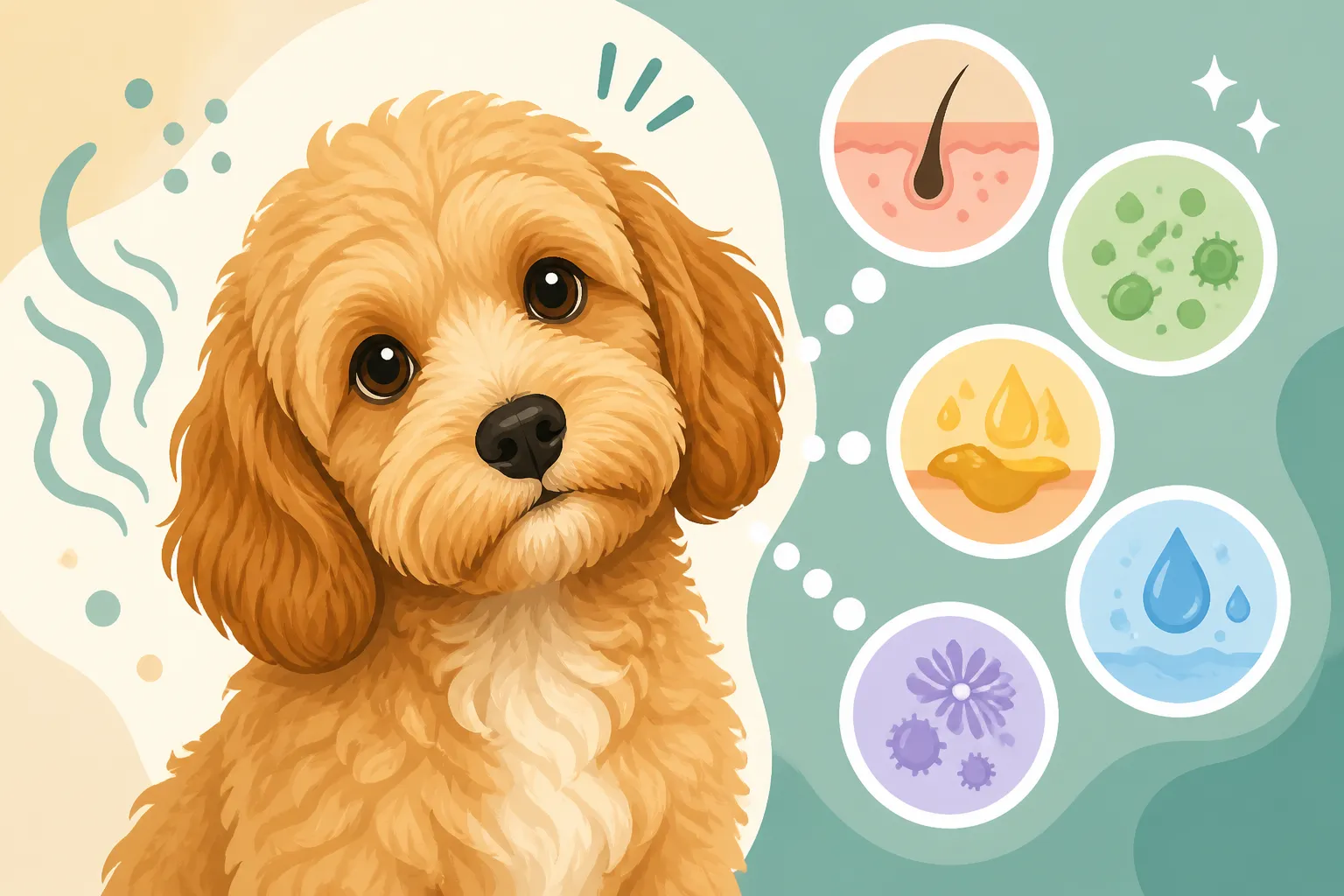
Every dog has a unique scent, much like humans do. It's an intricate combination of natural oils, skin flora, and environmental factors. For Cockapoo owners, understanding this baseline is the first step in identifying when a normal scent crosses over into an unhealthy odor.
The Baseline 'Dog Smell' and Its Origins
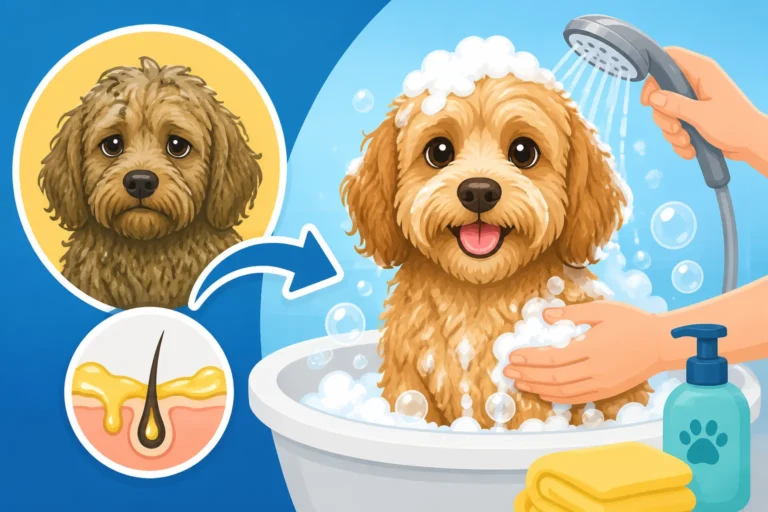
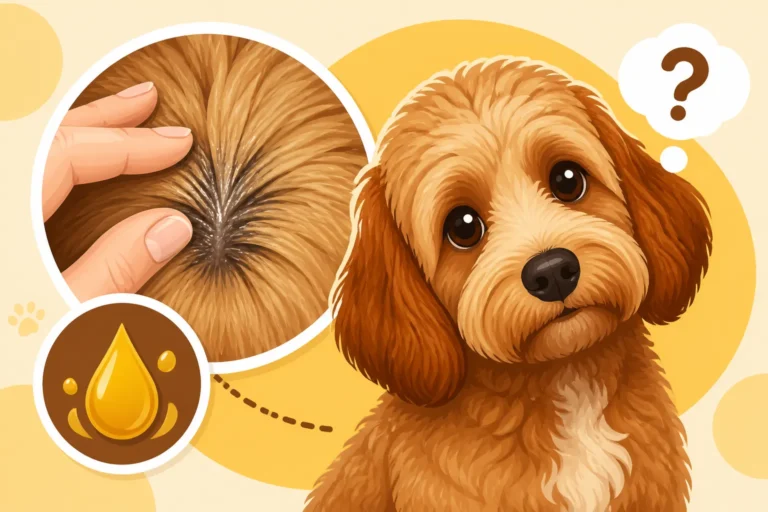
Let's be real, no dog smells like a fresh bouquet of roses all the time. There's a natural "dog smell" that's simply part of living with a canine companion. This scent primarily comes from the sebaceous glands in their skin, which produce natural oils. These oils are vital for keeping their skin healthy and their coat shiny, acting as a protective barrier. Along with these oils, your dog's skin is home to a natural ecosystem of yeast and bacteria. When everything is in balance, this combination creates a mild, often pleasant, earthy aroma that most dog lovers don't even consciously notice. It’s the smell of a healthy, happy dog. Think of it as their natural perfume – not meant to be overpowering, but definitely present. It's only when this delicate balance is disrupted that the scent can become an actual odor.
How Breed Traits Influence a Cockapoo's Scent
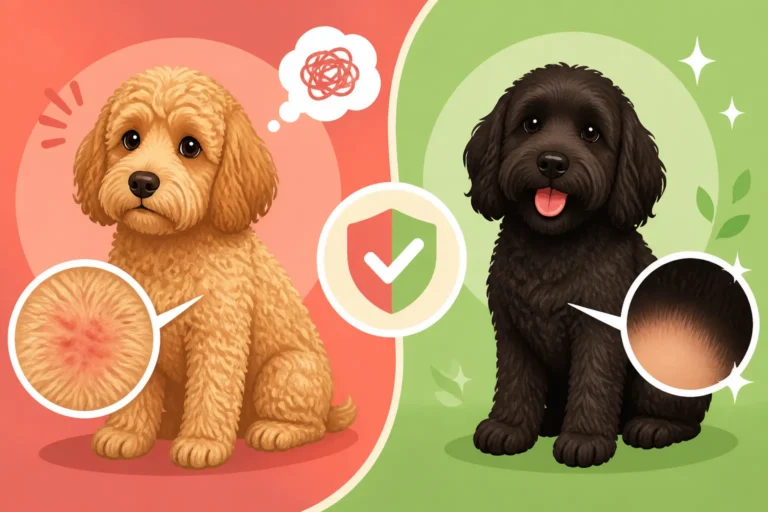
Now, our wonderful Cockapoos are a blend of two distinct breeds: the Cocker Spaniel and the Poodle. Both bring their own unique contributions to the table, and that includes skin and coat characteristics that can influence their scent. Cocker Spaniels, for instance, are known for their tendency towards oilier skin and ears. This isn't necessarily a bad thing, but it does mean they can naturally produce more sebaceous oils, which, in turn, can contribute to a stronger natural "doggy" smell. Their long, floppy ears also create a warm, moist environment that can be a haven for yeast if not kept clean and dry.
On the other hand, Poodles generally have drier skin and a less pronounced "doggy" smell. Their curly, non-shedding coats are fantastic for allergy sufferers, but they also require diligent grooming to prevent matting. So, with a Cockapoo, you're getting a mix. Some Cockapoos might lean more towards the Cocker's oilier skin, while others might have the Poodle's drier disposition. This genetic lottery means some Cockapoos might have a naturally stronger smell than others, even when perfectly healthy. It’s worth noting that Whether a Cockapoo's Skin Is Greasy Like a Cocker's can heavily impact how often they might develop an odor if not properly cared for. Understanding your individual Cockapoo’s leanings in this regard can help you tailor their care routine.
Common Causes of an Unpleasant Skin Odor
When that natural doggy scent turns into something distinctly unpleasant, it's usually a red flag signaling an underlying issue. These odors aren't just cosmetic; they often indicate discomfort or even pain for your Cockapoo.
Yeast Infections and Their Distinctive Scent
Ah, the infamous "Frito feet" or "corn chip" smell. If you’ve ever noticed your Cockapoo’s paws, ears, or even armpits smelling like a bag of savory snacks, you've likely encountered a yeast infection. This distinct odor is caused by an overgrowth of Malassezia yeast, which is naturally present on dog skin. The problem arises when this yeast multiplies out of control. It loves warm, moist environments, making ears, between paw pads, skin folds, and even areas under the tail prime real estate for a takeover.
Beyond the unmistakable smell, yeast infections often come with other tell-tale signs. You might notice your Cockapoo constantly licking their paws or scratching at their ears. The skin can appear red, inflamed, or greasy to the touch. In chronic cases, the skin might even thicken and take on a dark, almost leathery appearance, and the fur in affected areas might become discolored (often reddish-brown from saliva staining). It's a truly uncomfortable experience for your dog, leading to relentless itching. If you've ever wondered Whether a Cockapoo Licks Yeast Into Its Feet, the answer is often yes, and this behavior can worsen the problem by introducing more moisture and potentially bacteria. Similarly, a persistent ear odor, often accompanied by head shaking or scratching, might mean Whether Ear Infections Mean a Cockapoo Has Allergies, as allergies often pave the way for yeast overgrowth in the ears.
Bacterial Skin Infections (Pyoderma)
When the smell goes beyond "yeasty" to something truly foul, pungent, or even a bit cheesy or metallic, a bacterial skin infection, known as pyoderma, might be the culprit. These infections are often secondary to another underlying issue that has compromised the skin barrier, such as allergies, hormonal imbalances, parasites, or even minor wounds that allow bacteria to enter. Common culprits include Staphylococcus bacteria, which normally live on the skin but can cause problems when their numbers explode.
Symptoms of pyoderma vary but can include red bumps or pustules, crusty lesions, flaky skin, hair loss in patches, and intense itching. The skin might feel warm to the touch and be painful. These infections can occur anywhere on the body but are particularly common in skin folds, the groin, armpits, and under matted fur. Imagine your Cockapoo has a tiny cut they keep licking, and suddenly that area becomes red, swollen, and starts to smell quite unpleasant. That's a classic scenario for a bacterial skin infection. Unlike a general dog smell, this is an odor that will make you wrinkle your nose and immediately know something is wrong.
Allergies and Secondary Infections
It might seem indirect, but allergies are a huge driver of unpleasant skin odors in Cockapoos. Environmental allergies (atopy) to things like pollen, dust mites, or mold, or food allergies to certain proteins, can trigger a cycle of intense itching and inflammation. Your Cockapoo scratches and licks incessantly, damaging their skin barrier. This constant irritation and microscopic trauma to the skin create the perfect breeding ground for opportunistic yeast and bacteria.
So, while the allergy itself doesn't directly cause the smell, it sets the stage for the secondary infections that do. Think of it this way: the allergy makes the skin itchy and inflamed, your Cockapoo scratches, creating tiny breaks in the skin. Moisture, warmth, and a weakened immune response in the skin then allow yeast and bacteria to multiply, leading to those pungent, yeasty, or bacterial odors. If you’ve found yourself pondering Whether Allergy Testing a Cockapoo Is Worth It, especially if chronic odors and itching are present, the answer is often a resounding yes. Getting to the root cause of the allergy can break this cycle. Constant paw licking, often indicative of allergies, is also discussed in Whether Atopy Explains a Cockapoo's Paw Licking, highlighting how closely these symptoms are linked. Even seemingly minor skin irritations like Hot Spots on a Cockapoo That Has Been Swimming can quickly escalate into a full-blown, smelly bacterial infection if not addressed promptly.
Environmental Factors and Grooming Practices
Sometimes, the culprit behind your Cockapoo's odor isn't an internal health issue, but rather something in their environment or their daily care routine. Given their unique coats and love for adventure, Cockapoos are particularly susceptible to these external influences.
The Impact of Moisture and Outdoor Activities
Cockapoos, with their delightful mix of Spaniel enthusiasm and Poodle intelligence, often adore outdoor adventures, especially those involving water! A splash in a muddy puddle, a swim in the lake, or even just a walk in the rain can leave their thick, curly or wavy coats thoroughly soaked. While fun, this love for water can be a double-edged sword when it comes to skin odor. When fur remains wet for too long, especially against the skin, it creates a wonderfully warm, moist, and dark environment – essentially a spa day for bacteria and yeast. This is particularly true if your Cockapoo's coat is dense or prone to matting, trapping moisture close to the skin.
The result is often a distinct damp, musty smell, sometimes described as "wet dog" but intensified and lingering. It's not just unpleasant; prolonged dampness can actually lead to skin irritation and infections. This is why thorough drying after any water exposure is absolutely critical. Imagine your Cockapoo diving into a pond; while Whether a Cockapoo Enjoys Swimming is a joy to behold, the post-swim routine needs to be meticulous to prevent that musty odor from taking hold. Pay special attention to under their legs, their belly, and especially those floppy ears, which are already prone to moisture retention.
Grooming Routines and Product Choices
Grooming is not just about making your Cockapoo look pretty; it's fundamental to their skin and coat health, and by extension, their smell. The Cockapoo's varied coat types mean they all require significant upkeep. The Three Cockapoo Coat Types and Their Upkeep each present unique challenges. Without regular brushing and combing, particularly with tools like those you can find on Amazon or Chewy, mats can quickly form. These mats are not just tangled fur; they are dense, felt-like structures that trap dirt, debris, dead skin cells, and worst of all, moisture and microbes, creating a festering microclimate right against your dog's skin. This is a prime location for both yeast and bacterial growth, leading to a strong, unpleasant odor.
Furthermore, the products you use and how you use them play a huge role. Using shampoos that are too harsh can strip the skin of its natural oils, leading to dryness and irritation, which can, paradoxically, trigger the skin to produce more oil, or leave it vulnerable to infection. Conversely, not rinsing shampoo thoroughly can leave residue that irritates the skin and traps odors. It’s also important to understand Line Brushing a Cockapoo and Why the Top Coat Lies to ensure you're getting down to the skin and preventing mats from forming beneath the surface. For persistent odors due to infections, your vet might recommend special medicated shampoos; understanding Whether Medicated Baths Help a Cockapoo is crucial, as they are often a key part of managing skin conditions.
Anal Gland Issues
While not directly a skin odor from their general body, an extremely pungent, fishy smell often points to problems with your Cockapoo's anal glands. These two small glands, located on either side of the anus, contain a strong-smelling liquid that dogs normally express naturally when they defecate. This is believed to be a form of scent marking. However, in many smaller breeds, including Cockapoos, these glands can become impacted (blocked), overfilled, or even infected.
When this happens, the fluid builds up and can leak out involuntarily, emitting an incredibly potent, offensive odor that no amount of bathing seems to fully remove. Other signs that your Cockapoo might be experiencing anal gland issues include scooting their rear end across the floor, excessive licking or chewing at their hindquarters, difficulty defecating, or sometimes even pain when sitting. If you detect this distinctive fishy smell, it's a clear signal to consult your veterinarian or a professional groomer, as manual expression may be needed, or if infected, antibiotics.
Dietary Influences and Underlying Health Conditions
Sometimes the solution to a smelly Cockapoo lies not in a new shampoo or grooming tool, but in what’s going on inside their body. Diet and broader health conditions can significantly impact skin health and, consequently, how your dog smells.
How Diet Can Affect Skin Health and Odor
It’s often said, "you are what you eat," and the same holds true for our canine companions. A dog's diet plays a foundational role in their overall health, and the condition of their skin and coat is often a direct reflection of their nutrition. If your Cockapoo is on a poor-quality diet lacking essential nutrients, or if they have an unrecognized food sensitivity, it can manifest as skin problems. This might include a dull, flaky, or excessively greasy coat, inflammation, and itching, all of which can predispose them to the secondary infections that cause unpleasant odors.
For example, insufficient omega-3 fatty acids can lead to dry, itchy skin and a compromised skin barrier. On the other hand, certain food intolerances can cause systemic inflammation that presents as chronic skin irritation, itching, and subsequent yeast or bacterial overgrowth. Many owners find that once they address dietary sensitivities or switch to a higher-quality, more balanced diet (like options from Ollie or high-quality kibble from Chewy), their dog's skin health dramatically improves, and with it, any associated odor. If you're exploring Whether Diet Changes a Cockapoo's Coat Condition, remember that a wholesome, balanced diet is paramount. Furthermore, some Cockapoos might benefit from supplements, as discussed in Whether a Cockapoo Needs Supplements, particularly those rich in omega fatty acids, to bolster skin health from within.
Other Medical Conditions Contributing to Odor
Beyond localized skin infections and allergies, several systemic medical conditions can indirectly lead to changes in your Cockapoo's body odor or predispose them to skin problems. For example, hypothyroidism, a common hormonal imbalance, can significantly affect skin health. Dogs with low thyroid hormone levels often develop dry, flaky, or excessively oily skin, sometimes accompanied by hair loss. This altered skin environment can become a breeding ground for yeast and bacteria, resulting in a noticeable smell. If your Cockapoo is slowing down and developing a peculiar odor, considering Hypothyroidism in a Middle Aged Cockapoo as a potential cause is wise.
While less direct, other serious conditions like diabetes or kidney disease can also affect a dog's overall body chemistry, sometimes leading to a subtle, generalized odor. However, these are typically accompanied by many other more severe symptoms. It's important to distinguish these systemic odors from localized skin smells. For example, severe Dental Crowding in a Small Cockapoo can lead to terrible halitosis, but that's bad breath, not body odor from the skin. Always remember that a persistent, unexplained change in your Cockapoo's smell, especially alongside other symptoms like lethargy, changes in appetite, or excessive thirst, warrants a prompt veterinary consultation.
When to Seek Veterinary Advice
While we've covered many common causes of your Cockapoo's skin smell, it's vital to know when a DIY approach simply won't cut it. Your veterinarian is your best partner in ensuring your Cockapoo's health and comfort.
Recognizing Warning Signs
It's one thing to notice a faint "doggy" smell a day or two after a bath; it's quite another to experience a persistent, strong, or worsening odor from your Cockapoo. Here are some key warning signs that strongly indicate it's time to pick up the phone and schedule an appointment with your vet:
- Strong, Persistent Odor: If the unpleasant smell lingers despite regular bathing and grooming, or if it returns very quickly after a bath, it’s a sign that the underlying cause isn't superficial.
- Excessive Itching or Licking: Your Cockapoo constantly scratching, licking, or chewing at certain body parts (paws, ears, groin, armpits) suggests irritation and discomfort, often leading to secondary infections.
- Visible Skin Changes: Look for redness, inflammation, scabs, pustules (little pimple-like bumps), greasy patches, hair loss, dark discoloration of the skin, or thickening of the skin. These are all clear indicators of a problem.
- Ear Problems: Head shaking, scratching at the ears, redness or discharge inside the ear canal, or a foul odor from the ears are classic signs of an ear infection, which often go hand-in-hand with generalized skin issues.
- Behavioral Changes: If your Cockapoo seems lethargic, withdrawn, in pain when touched in certain areas, or generally unhappy, these can be associated with chronic discomfort from skin issues.
- Recurrent Issues: If your Cockapoo frequently develops skin odors or infections, it's crucial to identify the root cause rather than just treating the symptoms repeatedly.
What to Expect at the Vet
When you bring your smelly Cockapoo to the vet, be prepared to give a detailed history. Your vet will want to know when the smell started, what it smells like, where it seems to be coming from, and any other symptoms you've noticed. They'll perform a thorough physical examination, paying close attention to your Cockapoo's skin, ears, paws, and any skin folds.
To get to the bottom of the odor, your vet might recommend several diagnostic tests:
- Skin Scrapes: To look for parasites like mites.
- Cytology: This involves taking a swab or impression smear from the affected skin or ear canal and examining it under a microscope to identify the presence and type of yeast and bacteria. This helps determine the most effective medication.
- Bacterial Culture and Sensitivity: In cases of severe or recurrent bacterial infections, a sample might be sent to a lab to identify the specific bacteria and determine which antibiotics will be most effective.
- Allergy Testing: If allergies are suspected as the underlying cause, your vet might discuss further allergy testing (either blood tests or intradermal skin testing) or a food elimination trial.
- Blood Work: To rule out systemic issues like hypothyroidism or other metabolic diseases.
Once a diagnosis is made, your vet will prescribe a tailored treatment plan. This could include:
- Medicated Shampoos or Wipes: Specifically formulated with antifungal, antibacterial, or anti-itch ingredients.
- Oral Medications: Antibiotics for bacterial infections, antifungals for yeast infections, or anti-inflammatory drugs for allergies.
- Ear Cleaners and Medications: For ear infections.
- Dietary Changes or Supplements: If food allergies or nutritional deficiencies are implicated.
- Allergy Management: This might involve long-term strategies such as immunotherapy (allergy shots or drops) or medications to control allergic reactions.
It's incredibly important not to self-diagnose or try to treat severe or persistent odors with home remedies. What works for one issue might worsen another. Always follow your vet's advice closely to ensure your Cockapoo gets the right treatment and finds relief from their discomfort.
Summary of Cockapoo Skin Odors and Potential Causes
To help you quickly identify potential issues, here's a brief overview of common odors, their likely causes, and associated symptoms:
| Odor Type | Possible Cause | Common Symptoms |
|---|---|---|
| Mild, Earthy | Healthy natural dog scent | No other symptoms; usually subtle and not unpleasant. |
| Yeasty / Corn Chip | Yeast infection (Malassezia) | Found on paws, ears, skin folds. Itching, redness, greasy skin, dark discoloration, head shaking, paw licking. |
| Pungent / Cheesy | Bacterial skin infection (Pyoderma) | Strong, foul smell. Redness, pustules, scabs, hair loss, itching, pain when touched. |
| Musty / Damp | Trapped moisture | Especially after swimming or rain. Damp coat, sometimes mild itching or redness if prolonged. Can lead to yeast/bacterial growth. |
| Fishy | Anal gland issues | Sudden, strong fishy odor from hindquarters. Scooting, licking at rear, discomfort when sitting. |
| General, Foul | Severe systemic health issue | Less common, often accompanied by other major symptoms like lethargy, appetite changes, increased thirst (e.g., kidney disease, diabetes, severe hormonal imbalance). Often manifests as compromised skin leading to secondary infections. |
Disclaimer
This article is for general informational purposes only and does not constitute professional advice. Laws, prices and regulations vary by location and change over time. Consult a qualified professional for guidance on your specific situation.