Whether a Cockapoo Gets Dry Eye
It’s truly disheartening to see your sweet Cockapoo struggling with irritated, red eyes, often accompanied by a thick, sticky discharge. Many Cockapoo owners find themselves in this frustrating situation, wondering if it's just allergies or something more serious. This comprehensive guide will explore whether Cockapoos are prone to dry eye, how to spot the signs, and the best ways to manage this often chronic condition to keep your furry friend comfortable and happy.
Understanding Dry Eye in Dogs: What is KCS?
When we talk about "dry eye" in dogs, the medical term is Keratoconjunctivitis Sicca, or KCS. It sounds like a mouthful, but it simply means that the tear glands in your dog's eyes aren't producing enough watery tears to keep the surface of the eye properly lubricated and healthy. It's not just about comfort; tears are vital for washing away debris, nourishing the cornea, and providing essential antibodies to fight off infections.
The Role of Tears in Eye Health
Think of your dog’s tears as a delicate, multi-layered shield. The outermost layer is oily, produced by glands in the eyelids, and its job is to prevent the watery middle layer from evaporating too quickly. The thickest, middle layer is mostly water, and it's responsible for the bulk of lubrication, flushing away foreign particles, and supplying oxygen and nutrients to the cornea. Finally, there's a mucus layer closest to the eye, which helps the tears adhere to the eye’s surface. When any part of this system goes awry, especially the watery component, that’s when KCS rears its head. Without enough tears, the eye becomes dry, inflamed, and much more susceptible to damage and infection. This isn't just an inconvenience; it can be quite painful for your dog and, if left untreated, can lead to serious complications, including blindness.
Common Causes of Dry Eye in Canines
While dry eye can sometimes crop up spontaneously, it's often linked to a few key causes. Autoimmune disease is a big one, where your dog's immune system mistakenly attacks its own tear glands, reducing tear production. This is particularly relevant for certain breeds, and we’ll get into how that affects Cockapoos shortly. Other causes can include certain medications, like sulfa-based drugs, which can temporarily or permanently reduce tear production. Trauma to the eye or tear glands, radiation therapy for head and neck cancers, or even some viral infections can also play a role. Less commonly, hypothyroidism, a condition where the thyroid gland doesn’t produce enough hormones, can also be a contributing factor. It’s a complex issue, and figuring out the root cause is often the first step in effective management.
Why Cockapoos Are Prone to Dry Eye: The Breed Connection
Now, let's get to the heart of the matter for our beloved Cockapoos. The unfortunate truth is, yes, Cockapoos are indeed predisposed to developing dry eye, and it stems directly from their parent breeds: the Cocker Spaniel and the Poodle. This isn't to say every Cockapoo will get it, but the genetic dice are certainly loaded against them.
Inherited Predispositions from Cocker Spaniels
Cocker Spaniels are notoriously susceptible to KCS. It’s one of the most common eye conditions seen in the breed. This strong genetic link means that if a Cockapoo has a Cocker Spaniel parent or grandparent, especially from lines known for eye issues, the risk significantly increases. The autoimmune component often comes into play here, with the Cocker's immune system being a bit too eager to attack its own tear glands. It's not something a breeder can always completely eliminate, but responsible breeders will be aware of this predisposition and might test their breeding stock or certainly monitor for signs in their lines. This is why understanding Whether a Cockapoo's Eyes Run All Year or experiencing other irritations should always prompt a vet visit, as it might be an early sign of KCS.
The Poodle's Contribution to Eye Conditions
While perhaps not as famously prone to KCS as Cocker Spaniels, Poodles, particularly Miniature and Toy Poodles, also carry a genetic predisposition to various eye conditions, including dry eye. They can also suffer from autoimmune issues that affect tear production. This dual inheritance means that a Cockapoo essentially gets a double dose of potential risk factors for KCS. It’s like having two sides of the family with a history of a certain ailment. A Poodle's genetic background also contributes to other eye concerns, such as Progressive Retinal Atrophy in a Cockapoo, which further emphasizes the need for diligent eye care and monitoring in our curly-coated companions. The combination of these two breeds makes the Cockapoo a prime candidate for developing KCS at some point in their life.
Recognizing the Signs of Dry Eye in Your Cockapoo
Spotting dry eye early is absolutely crucial for successful management and preventing more severe complications. It’s easy to dismiss some early signs as just "allergies" or "dust," but consistent symptoms warrant a trip to the vet. As a Cockapoo owner, you're their first line of defense!
Common Symptoms to Watch For
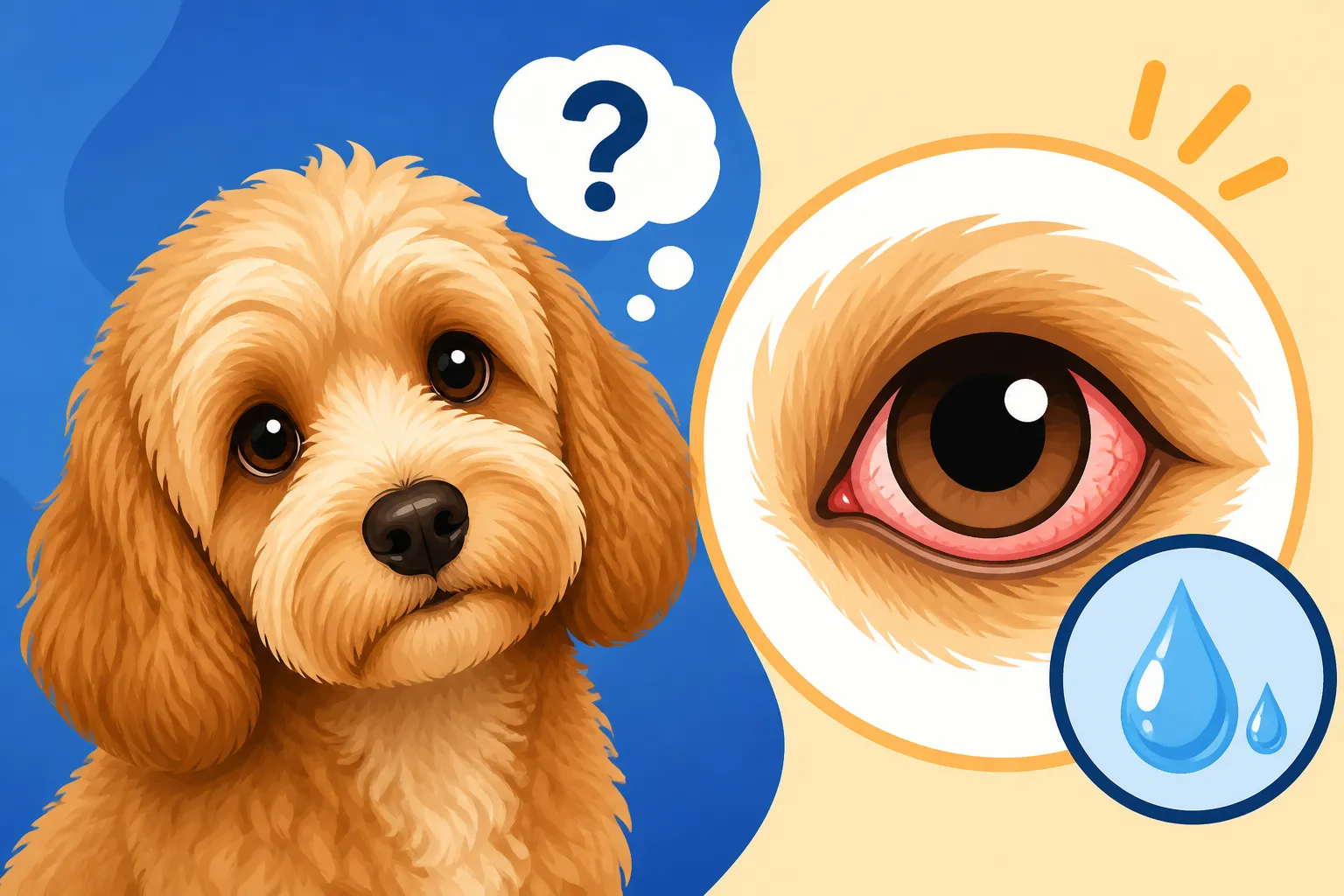
The most noticeable symptom of KCS is often a change in your dog's eye discharge. Instead of clear, watery tears, you might see a thick, sticky, yellowish-green mucus. This is because without enough watery tears, the remaining tear components (mucus and oil) become concentrated and accumulate. Your Cockapoo’s eyes might also appear red and inflamed, especially the whites of the eyes and the membranes around them. They might squint or blink excessively, a clear sign of discomfort or pain. Sometimes, you’ll even see the cornea itself looking dull, cloudy, or even developing pigment, which looks like a dark film spreading over the eye. This pigmentation is the body's attempt to protect the compromised cornea, but it can eventually impair vision. They might also paw at their face a lot, trying to relieve the itch or irritation. If you notice persistent redness or any of these discharge changes, don’t wait it out; it’s time to call your vet. This kind of persistent eye irritation can sometimes be mistaken for other issues, like The Glaucoma a Cockapoo Inherits From the Cocker, which is another reason why veterinary diagnosis is key.
Differentiating Dry Eye from Allergies or Infections
This is where it gets tricky for many owners. Is it just seasonal allergies? Did they get something in their eye? While allergies can cause redness and some clear discharge, and infections can certainly lead to colored discharge, KCS has some distinct hallmarks. With allergies, the discharge is usually clear and watery, accompanied by itching. With a bacterial infection, the discharge is often pus-like, and the eye might be swollen and painful.
Here’s a helpful table to quickly compare:
| Symptom | Dry Eye (KCS) | Allergies | Bacterial Infection (Conjunctivitis) |
|---|---|---|---|
| Discharge | Thick, sticky, white/yellow/green mucus | Clear, watery, sometimes foamy | Thick, pus-like, yellow/green, often copious |
| Eye Appearance | Red, dull, cloudy cornea, pigmentation | Redness, mild swelling of conjunctiva | Red, swollen, often painful, sometimes crusting |
| Comfort Level | Squinting, blinking, pawing at face, pain | Itchy, rubbing face | Painful, sensitivity to light, holding eye shut |
| Onset/Duration | Often gradual, chronic, worsening | Seasonal, sudden with exposure to allergen | Sudden, often progresses quickly |
| Other Symptoms | Can lead to corneal ulcers, vision loss | Sneezing, runny nose, skin itching | No other systemic signs unless severe |
If you're ever in doubt, particularly if the symptoms are ongoing or severe, it's always best to consult your veterinarian. Early intervention can make a huge difference in preserving your Cockapoo's vision and comfort. This diligent observation is part of why The Kidney and Eye Checks a Cockapoo Needs Yearly are so vital for their overall well-being.
Diagnosing and Treating Dry Eye: What Your Vet Will Do
When you suspect dry eye, your veterinarian will have a clear diagnostic process to confirm KCS and then tailor a treatment plan specifically for your Cockapoo. Don't worry, they've seen this plenty of times!
The Schirmer Tear Test
The gold standard for diagnosing KCS is a simple, quick, and non-invasive procedure called the Schirmer Tear Test. Your vet will gently place a small, sterile strip of filter paper just inside your Cockapoo's lower eyelid. This strip has markings on it, and it measures how many millimeters of tears are produced within a minute. A healthy dog will usually wet 15mm or more of the strip. A reading below 10mm, especially below 5mm, is a strong indicator of KCS. It’s a very objective test that gives your vet immediate information about the severity of tear deficiency. It only takes a minute, and while it might feel a little strange for your pup, it’s not painful. This test, along with other comprehensive exams like a Whether a Cockapoo Needs a Yearly CAER Exam, forms the backbone of proactive health management.
Treatment Options for KCS
Once KCS is diagnosed, the goal is twofold: stimulate tear production and manage the symptoms to prevent secondary issues. The most common and effective treatment involves topical medications that stimulate natural tear production. Cyclosporine (Optimmune, Restasis) and tacrolimus are often prescribed. These immunomodulators work by suppressing the immune system’s attack on the tear glands, allowing them to produce more tears. They are usually applied as an ointment or drops once or twice a day, lifelong. It can take a few weeks to see the full effect, so patience is key.
Alongside tear stimulants, your vet will likely prescribe artificial tears or lubricating gels. These don't stimulate tear production but provide immediate relief and moisture to the dry eye, helping to flush out debris and soothe irritation. If there’s a secondary bacterial infection, antibiotic eye drops might be prescribed to clear that up. For severe inflammation, a short course of topical corticosteroids might be used, but usually only once tear production has improved, as steroids can sometimes worsen corneal ulcers. In very rare and severe cases where medical management isn't enough, surgery might be considered, but this is usually a last resort. This involves rerouting a salivary duct to the eye, allowing saliva to provide lubrication, but it’s complex and has its own set of potential complications. For many Cockapoos, consistent medical treatment can keep KCS well under control. Organizations like Healthy Paws, which offer pet insurance, can be incredibly helpful for managing the ongoing costs of these lifelong medications and regular vet check-ups.
Living with a Cockapoo with Dry Eye: Management and Long-Term Care
Managing KCS is a commitment, but with consistent care, your Cockapoo can live a comfortable and happy life. It's all about routine and being proactive.
Establishing a Daily Eye Care Routine
Once your vet has prescribed the necessary medications, establishing a strict daily routine is paramount. Your Cockapoo's eye drops or ointments will need to be administered regularly, typically once or twice a day, every day, for the rest of their life. Skipping doses can lead to a flare-up of symptoms and potential damage to the cornea. It’s helpful to link eye drop administration to a daily event, like breakfast or dinner, so you don't forget. Before applying medication, gently clean any discharge from around the eyes with a warm, damp cloth. This ensures the medication can penetrate effectively. Always use separate cloths or cotton balls for each eye to prevent cross-contamination if one eye is more infected than the other. Regular grooming around the eyes, keeping the hair trimmed short, will also help prevent irritation and build-up. This vigilance is also important for spotting other potential issues, such as Whether a Cockapoo's Eyelids Roll Inward, which can exacerbate irritation.
Regular Vet Check-ups and Monitoring
Even with a perfect home care routine, regular follow-up visits to your veterinarian are essential. Initially, your vet might want to recheck tear production with another Schirmer Tear Test a few weeks after starting treatment to ensure the medication is working. After that, yearly or bi-yearly check-ups will likely be recommended. During these visits, your vet will not only perform the tear test but also examine the cornea for any signs of damage, ulcers, or pigmentation. They’ll assess overall eye health and adjust medications if needed. These ongoing veterinary relationships are vital for chronic conditions like KCS. Pet insurance providers such as Healthy Paws can significantly ease the financial burden of these consistent vet visits, prescription refills, and any potential emergency treatments if complications arise. Many owners appreciate this peace of mind, especially with conditions that require lifelong management.
Potential Complications and What to Watch For
While KCS is manageable, it's not without potential complications, especially if treatment isn't consistent. Chronic dry eye can lead to corneal ulcers, which are open sores on the surface of the eye. These are very painful and can lead to serious infections or even rupture of the eyeball if not treated promptly. Signs of an ulcer include intense pain (your dog might keep the eye shut), excessive tearing (ironically, the eye tries to compensate), and a cloudy spot on the cornea. Another common complication is corneal pigmentation, where dark pigment spreads across the cornea, gradually blocking vision. In severe cases, this can lead to blindness. Without enough tears to flush away bacteria, secondary eye infections are also a frequent problem, leading to increased discharge and inflammation.
If you ever notice a sudden worsening of symptoms, your dog holding their eye shut, or any change in vision, consider it an emergency. The Red Eye That Means a Cockapoo Needs a Vet Tonight is not just a catchy title; it's a critical piece of advice for any dog owner, especially those managing chronic eye conditions. Prompt veterinary attention is crucial for preserving your Cockapoo's comfort and vision.
Supporting Your Cockapoo’s Overall Well-being
Living with KCS can be frustrating for both you and your dog, but remember that consistent care makes a huge difference. Beyond medical treatment, consider supplements that support eye health, like Omega-3 fatty acids, though always discuss these with your vet first. Keeping your home environment clean and free of excessive dust or allergens can also help reduce eye irritation. Most importantly, continue to provide a loving, stimulating environment for your Cockapoo. Their zest for life can sometimes overshadow chronic discomfort, so it's up to us to be diligent and attentive to their needs. A happy, healthy Cockapoo starts with proactive care.
Disclaimer
The information provided in this guide is intended for educational purposes only and should not be considered a substitute for professional veterinary advice. Always consult with a qualified veterinarian for any health concerns or before making any decisions related to your pet's medical care.