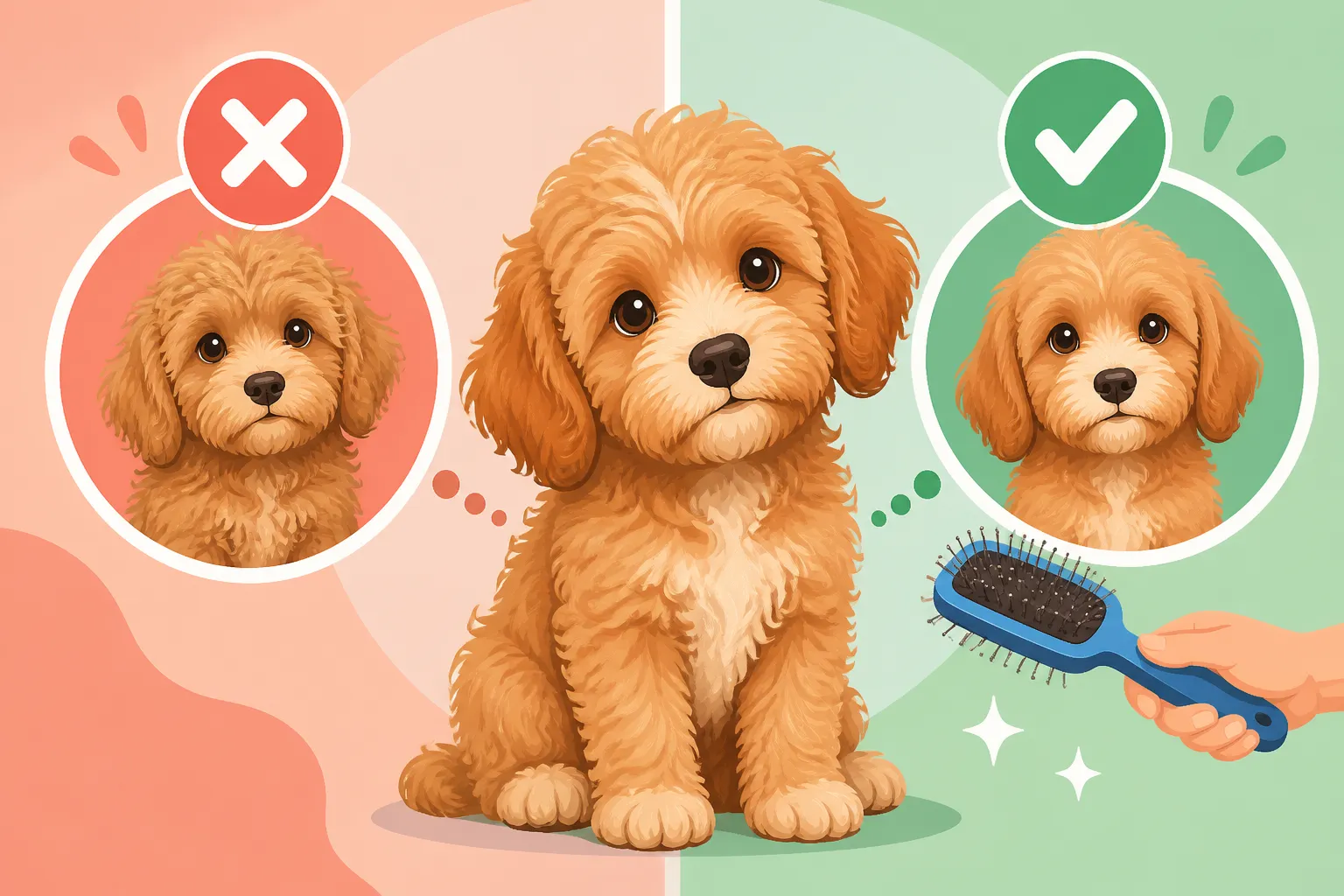
Whether a Cockapoo Puppy Needs Brushing Before Four Months
Oh, the sweet, soft, fluffy glory of a Cockapoo puppy! It’s completely understandable why so many new puppy parents look at that adorable, downy coat and think, "Surely this little cloud doesn't need much brushing yet, right?" It feels so light, so airy, so innocent. The truth is, that seemingly carefree puppy coat is actually laying the groundwork for what's to come, and establishing a brushing routine before your Cockapoo puppy even hits four months is one of the kindest things you can do for both of you. This guide will walk you through why early brushing is crucial, what to expect from that deceptive puppy fluff, and how to make grooming a positive experience right from the start.
The Myth of the "No Brush" Puppy Coat
It's a common misconception, isn't it? You bring home this tiny bundle of joy, and their coat is like spun silk, a far cry from the dense, sometimes corded, adult Cockapoo coats you might have seen. You might think, "I'll worry about brushing when they're older and their coat gets thicker." But that's where many Cockapoo owners find themselves in a tangle – quite literally!
Why the Puppy Coat Can Be Deceiving
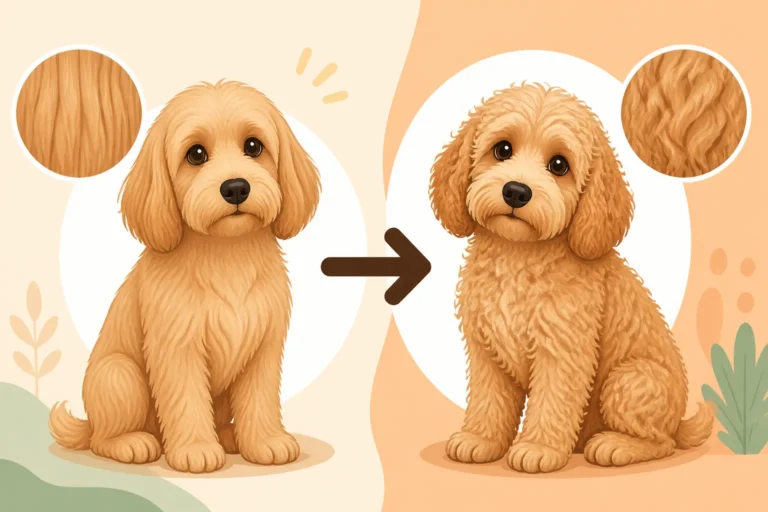
That incredibly soft, fine puppy fur is absolutely delightful to cuddle, and it certainly doesn't feel like it could possibly mat. It's often wispy, might lie fairly flat, or have just a gentle wave, leading you to believe it's low maintenance. It’s hard to imagine tiny knots forming in something so delicate. This feeling of security is precisely what makes it so deceptive. What you don't realize is that underneath that seemingly simple top layer, a thicker, more complex adult coat is already beginning to develop and push through.
Think of it like a baby's hair – fine and sparse at first, but over time, it thickens and changes texture. Your Cockapoo's puppy coat, while lovely, is prone to tangling because it's so fine and easily snags. When new, coarser adult hairs start growing alongside it, the fine puppy fur can cling to these new strands, creating a perfect storm for mats to form close to the skin, often unnoticed until it's too late. It’s a subtle shift, not a sudden transformation, making it easy to miss the early signs of matting until a problem has firmly taken root. Many people hear about the "puppy cut" and assume it means a lack of grooming, when in reality, it often refers to a shorter style for easier maintenance on an adult dog.
The Importance of Early Handling and Desensitization
Beyond just preventing mats, introducing brushing early is fundamentally about behavioral training. Your Cockapoo puppy isn't born loving the brush, the dryer, or having their paws handled. These are skills they need to learn, and the younger they are, the more open and adaptable they tend to be. If you wait until they're older and their coat is already matting, grooming becomes a negative, painful experience. They'll squirm, nip, and dread the sight of the brush, making every session a battle.
Starting early, even with just a few gentle strokes a day, helps your puppy associate brushing with positive attention, treats, and praise. It teaches them to tolerate being held, having their ears, tail, and paws touched – all critical for successful grooming throughout their life. Imagine trying to trim nails on a dog who's never had their paws held! It's about building trust and demonstrating that these strange sensations are nothing to fear. Regular, brief sessions allow them to get used to the feel of different tools and even the gentle hum of a dryer (if you plan on home bathing and drying) in a non-threatening way. This foundation of desensitization will save you countless headaches, tears, and potentially expensive emergency groomer visits down the line. It's truly a gift you give your dog. When it comes to managing anxieties around grooming, early exposure is a golden ticket. Think of it as investing in their long-term emotional well-being, not just their coat health.
Understanding the Cockapoo Puppy Coat Before the Change
The Cockapoo's coat is a wonderful, sometimes perplexing, blend of its Cocker Spaniel and Poodle heritage. This genetic mix is what gives them their charming, varied looks, but it also means their coat can be a bit of a mystery in those early months.
The Genetics Behind the Cockapoo's Developing Coat
A Cockapoo's coat is a fascinating tapestry woven from the genes of a Cocker Spaniel and a Poodle. The Poodle side contributes that dense, curly, continuously growing, and famously low-shedding coat. The Cocker Spaniel, on the other hand, typically has a softer, often wavy or straight coat with a more pronounced shedding cycle. When these two meet, you get a beautiful spectrum of possibilities. What might start as fluffy puppy fur can evolve dramatically. You might find that your puppy has inherited the "furnishings" gene, which is responsible for the longer hair on the muzzle, eyebrows, and legs, giving them that classic "doodle" look. The Furnishings Gene That Decides a Cockapoo's Face
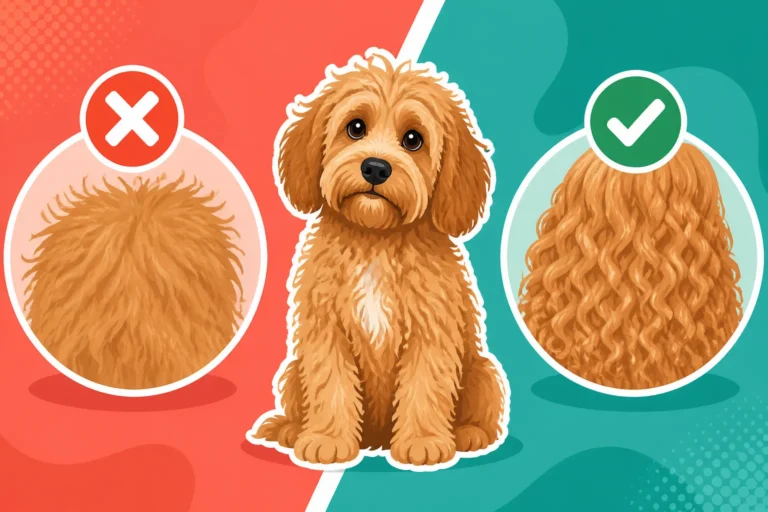
The presence and expression of other genes, like the curl gene (KRT71), will determine just how wavy or curly your Cockapoo's coat ultimately becomes. The Curl Gene and Where a Cockapoo's Coat Lands Even if your puppy seems to have a relatively straight or wavy coat at eight weeks, it's very likely to develop more curl and density as they mature. This isn't just about appearance; it's about the texture and structure of the hair itself, which directly impacts its matting potential. A seemingly innocent puppy coat can quietly be building layers of texture that will later grab onto each other with impressive tenacity. Breeders often have a good idea based on the parentage, but nature always has a few surprises up its sleeve.
Identifying Potential Matting Even in Young Pups
Even with that baby-soft coat, certain areas on a young Cockapoo puppy are magnets for tangles and mats. The delicate hair behind their ears is a notorious trouble spot, especially if they love a good ear scratch. Their armpits and groin areas, where friction from movement (or even snuggles!) is constant, can also develop small, tight knots. Collars and harnesses, while necessary, can also rub and compress the fur, leading to mats if not regularly checked.
A small tangle might seem harmless, but if left alone, it can quickly snowball into a larger, painful mat. These mats pull on the skin, causing discomfort and irritation. Imagine wearing a tight hair tie that constantly tugs at your scalp – that’s what a mat feels like for your dog. The danger is that these mats often form close to the skin, hidden beneath the fluffier top layer, making them hard to spot until they're well-established. Another silent culprit is water. If your puppy loves to splash in the water bowl, run through damp grass, or gets an early bath, wet fur that isn't thoroughly brushed and dried can tighten existing tangles or create new ones almost instantly. Moisture combined with friction is a recipe for disaster for a Cockapoo's coat, even at a young age. Pay close attention to these areas; it’s like being a detective for tiny hidden knots! Where a Curly Cockapoo Mats First
Starting Your Cockapoo Puppy's Grooming Routine
So, we've established that early brushing is non-negotiable. Now, let's talk about how to do it effectively and positively.
The Right Tools for Tiny Tangles
Having the right tools makes all the difference, both for your puppy's comfort and your sanity. Forget the flimsy plastic brushes – you need quality gear that can penetrate the coat without scratching the skin.
- Soft Slicker Brush: This is your primary weapon against tangles. Look for one with fine, bent wire bristles. For a puppy, choose a softer version to be gentle on their delicate skin. The slicker brush helps to remove loose hair and tease out small knots. Many groomers recommend brands like Chris Christensen or Activet for their quality, but even a good quality brush from your local pet store or online retailers like Chewy or Amazon can do the trick.
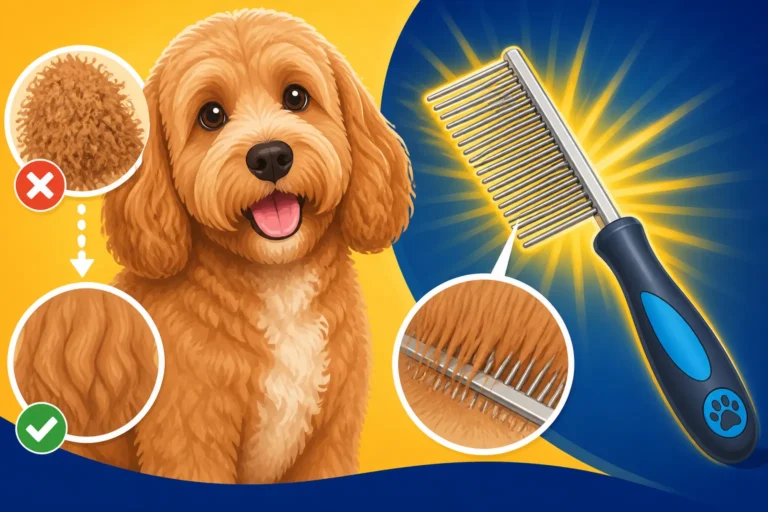
- Metal Comb (Greyhound Comb): This is your mat detector. After using the slicker, always follow up with a metal comb. It has teeth of varying widths; the wider teeth are great for initial detangling, and the finer teeth will catch any smaller knots the slicker missed. The comb must be able to glide smoothly through the entire coat, right down to the skin. If it snags, there's a tangle you need to address. This tool is crucial for line brushing. The Comb That Finds Mats a Slicker Misses
- Detangling Spray: A good quality, puppy-safe detangling spray can be a lifesaver. A light mist can help lubricate the hair, making it easier to brush through snags without pulling. Always spray lightly – you don't want to soak the coat.
- High-Value Treats: These are arguably the most important tools! Every positive interaction with grooming should be rewarded. Small, soft, super-tasty treats will create a positive association.
- Grooming Table (Optional but Recommended): Even a small, non-slip mat on a sturdy table can help. It elevates your puppy to a comfortable working height and can make them associate grooming with a specific, calm place.
Remember, the goal is gentle and effective. Avoid cheap tools that might scratch or break the hair. Investing in good tools now will save you frustration and your puppy pain later. You can find excellent options for all these tools on platforms like Chewy or Amazon, making it easy to get started with a solid grooming kit.
Step-by-Step Puppy Brushing Before Four Months
Keep sessions short, sweet, and frequent. Aim for 5-10 minutes once a day, or every other day, depending on your puppy's coat type and tolerance.
- Find a Calm Time and Place: Choose a moment when your puppy is relaxed, perhaps after a nap or a potty break. A quiet corner away from distractions is ideal.
- Gather Your Tools: Have your slicker brush, comb, detangling spray, and treats ready.
- Start Gently: Begin by gently running your hands over your puppy's body, rewarding them for staying calm.
- Introduce the Brush: Start with the slicker brush on an easy area, like their back or shoulder. Use light, sweeping strokes. Don't press hard. Just a few strokes is enough for the first few times.
- Section by Section: Once they're more comfortable, introduce the concept of line brushing. Line Brushing a Cockapoo and Why the Top Coat Lies Gently part the hair, brush a small section from the skin outwards, then part another section slightly above it. This ensures you're getting through all layers of the coat, not just the top.
- Focus on Trouble Spots: Pay extra attention to behind the ears, armpits, and under the tail. These areas are prone to matting.
- Reward, Reward, Reward: After every few strokes, offer a tiny treat and soft praise. If they get squirmy, pause, soothe, then try again. If they're really unhappy, end the session on a positive note after just a few successful strokes, and try again later. The aim is to make it a pleasant experience.
- The Comb Test: Once you've brushed an area with the slicker, run your metal comb through it. If the comb glides effortlessly, you've done a great job! If it snags, go back with the slicker brush until it's tangle-free. This is your personal guarantee of a mat-free zone.
- Practice Handling: While brushing, gently handle their paws, ears, and muzzle. This desensitizes them to being touched in these sensitive areas, which is vital for nail trims, ear cleaning, and future professional grooms.
Remember, consistency is key. Even if your puppy only tolerates a minute or two at first, those positive minutes build up over time. This early investment in positive experiences around grooming will pay dividends when they reach that challenging "coat change" phase. The Coat Change That Ambushes a Cockapoo Owner at Ten Months
Preparing for the "Coat Change" (Later but Related)
While your puppy is still young, you're primarily dealing with their relatively uniform puppy coat. However, a significant transformation looms on the horizon – the infamous "coat change." This usually occurs between 6 and 10 months of age, and it's when the soft puppy fur gives way to the denser, coarser, and often curlier adult coat. During this period, the puppy and adult hairs literally weave together, creating a matting nightmare if not meticulously managed.
Your early brushing efforts, even before four months, are directly preparing your Cockapoo for this. If your puppy is already accustomed to the brush, comfortable with handling, and associates grooming with positive rewards, navigating the coat change will be infinitely easier. Think of these early months as bootcamp for their fur. You're teaching them patience, tolerance, and cooperation, which will be absolutely essential when daily, thorough brushing becomes a necessity to prevent painful pelting. It’s also during this time you’ll start to see which of The Three Cockapoo Coat Types and Their Upkeep your dog will develop, making the right grooming tools and techniques even more important. Understanding these phases and preparing your puppy ensures a smoother transition and a healthier, happier dog.
Integrating Grooming into Daily Puppy Life
Grooming shouldn't be a separate, dreaded event; it should be a natural, even enjoyable, part of your daily routine.
Making Grooming a Positive, Predictable Ritual
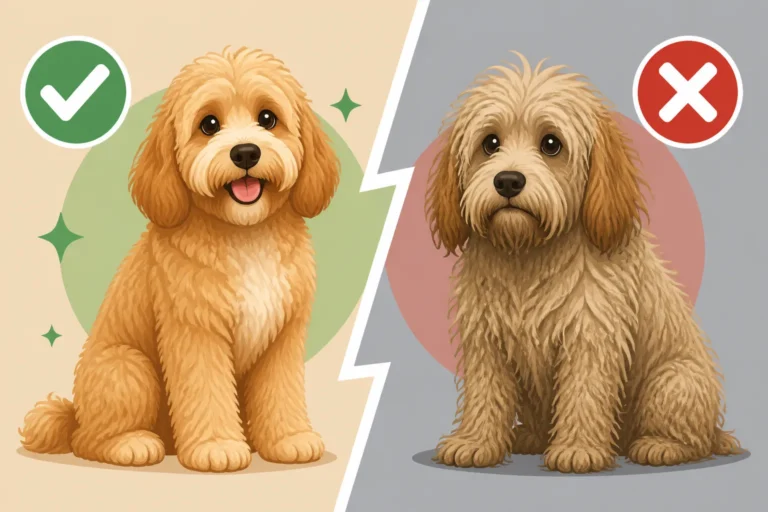
Consistency is truly the magic word when it comes to successful puppy grooming. Trying to tackle a matted mess once a week is far more stressful and painful than dedicating a few minutes each day or every other day to gentle brushing. Think of it like brushing your own hair – it's just part of your routine. By establishing a predictable pattern, your Cockapoo puppy learns what to expect, which reduces anxiety.
Consider making grooming part of your evening cuddle time, or perhaps after a short play session when they're a little tired and more amenable to being held. Use a calm, reassuring voice, and keep the energy low. You might even play some soothing music. The more relaxed you are, the more relaxed your puppy will be. Always end on a positive note, even if it’s just for a few successful strokes, with plenty of praise and a high-value treat. This positive reinforcement builds a strong association between grooming and good things, making them more cooperative in the long run. If you're struggling to teach them to accept handling, looking into resources like Teaching a Cockapoo to Accept the Groomer can give you great tips for desensitization that apply at home too. Also, ensure their mental and physical needs are met, as a tired and stimulated pup is often a calmer pup for grooming; toys from places like Chewy or Amazon can help keep them engaged when not being brushed.
When to Call in Professional Help (Even for Pups)
Even with the best intentions and consistent effort, some puppies simply protest grooming more than others, or their coat might be more challenging than anticipated. Don't view calling a professional groomer as a failure; see it as another valuable tool in your puppy-raising arsenal.
A positive first professional grooming experience can be incredibly beneficial for your Cockapoo. Many groomers offer "puppy introduction" or "puppy trim" services specifically designed for young dogs (usually after their full round of vaccinations, around 16 weeks). These sessions are often shorter and focus less on a perfect haircut and more on familiarizing your puppy with the sounds, smells, and sensations of a grooming salon – the bathing tub, the dryer, the clippers, and different hands touching them. This early exposure can prevent future fear and anxiety. When a Cockapoo's First Groom Should Happen
A professional can also spot potential coat issues you might be missing, advise on the best tools for your specific Cockapoo's coat type, and show you proper brushing techniques. If you find yourself consistently battling mats, or if your puppy becomes truly stressed or aggressive during home grooming, a professional can often achieve a clean, mat-free coat much more efficiently and safely. They have the experience, the tools, and the calming techniques to make it a less traumatic experience for everyone involved. It’s an investment in your puppy's lifelong comfort and your peace of mind.
| Puppy Coat Expectation | Puppy Coat Reality | Impact on Grooming |
|---|---|---|
| "It's so soft, it won't mat." | Fine texture easily tangles with new adult hair. | Requires daily, gentle brushing to prevent knots. |
| "I'll start brushing when they're older." | Misses critical window for positive desensitization. | Leads to future struggles, fear, and painful sessions. |
| "It looks like a simple fluffball." | Undercoat is developing, increasing density and matting risk. | Need to brush to the skin, not just the top layer. |
| "Grooming is just for haircuts." | Early grooming is about handling, touch, and positive association. | Builds trust and makes future vet visits/grooming easier. |
| "A quick brush is enough." | Tangles hide in specific spots (ears, armpits, collar area). | Requires targeted attention to high-friction zones. |
Disclaimer
This article is for general informational purposes only and does not constitute professional advice. Laws, prices and regulations vary by location and change over time. Consult a qualified professional for guidance on your specific situation.