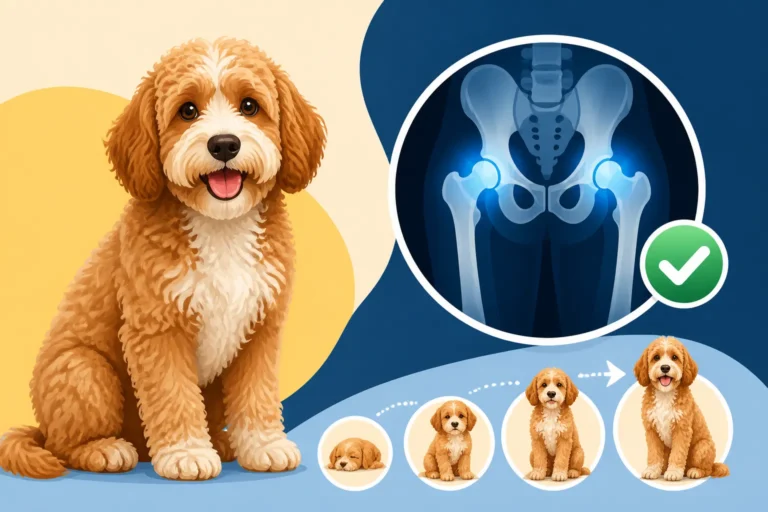
Whether Cockapoos Really Reach Sixteen
It's completely natural to dream of a long, happy life with your beloved Cockapoo, and the idea of them reaching a ripe old age like sixteen years is often a hope many prospective and current owners cling to. The truth is, while many Cockapoos can and do live long, healthy lives, reaching the sweet sixteen mark involves a blend of good genetics, diligent care, and a little bit of luck. This guide will delve into what contributes to a Cockapoo's lifespan, the factors you can influence, and what to realistically expect as your furry companion ages.
The Allure of Longevity: Can a Cockapoo Truly Live 16 Years?
The desire for our dogs to live as long as possible is universal, and when you hear that a Cockapoo might live to sixteen, it fills you with such warmth and optimism. It sets a high bar, doesn't it? But understanding the nuances behind such a number is key to managing expectations and providing the best possible care throughout their journey.
Decoding the Average Lifespan Expectations
When you first start researching Cockapoos, you'll often see a lifespan range cited as anywhere from 12 to 18 years, with many sources highlighting 14-15 years as a common average. So, yes, the idea of a Cockapoo reaching sixteen isn't just a fairytale; it's absolutely within the realm of possibility. However, "average" is a tricky word, isn't it? It means that just as some might pass before their twelfth birthday, others will happily trot along past their seventeenth or eighteenth. The broad range reflects the incredible variability within this popular crossbreed, influenced by everything from their specific genetic makeup to the environment they live in and the care they receive. It’s not a guarantee, but a testament to their potential resilience and generally robust health compared to some purebreds that often struggle with more inherent health issues.
The Genetic Blueprint from Cocker Spaniels and Poodles
To understand a Cockapoo's potential longevity, we have to look at their foundations: the Cocker Spaniel and the Poodle. Both parent breeds contribute significantly to the Cockapoo's genetic health and, by extension, their lifespan.
American Cocker Spaniels typically live between 10 to 14 years, while English Cocker Spaniels often live a bit longer, sometimes 12 to 15 years. Poodles, on the other hand, are known for their impressive longevity, with Miniature and Toy Poodles often living 14 to 18 years, and even Standard Poodles typically enjoying 12 to 15 years. When you combine these two breeds, especially if you're working with responsible breeders who screen for common ailments, you often get what's known as "hybrid vigor" or heterosis. This theory suggests that the genetic diversity from mixing two different purebred lines can lead to a stronger, healthier dog with fewer inherited diseases that might plague a more inbred purebred population. This mixing can dilute the prevalence of specific breed-related conditions, giving your Cockapoo a better shot at a longer life. So, when you hear about a Cockapoo reaching sixteen, it’s often because they've inherited some of the best longevity genes from both sides of their family tree.
Beyond Genetics: Nurturing a Long and Healthy Cockapoo Life
While genetics lay a strong foundation, they're just one piece of the puzzle. The day-to-day care, decisions, and environment you provide for your Cockapoo play an equally, if not more, significant role in whether they live a full, vibrant life, potentially stretching to that coveted sixteen-year mark.
The Critical Role of Responsible Breeding Practices
One of the most profound impacts on a Cockapoo's potential lifespan comes from the choices made by their breeder. Reputable breeders are diligent about health testing their parent dogs for genetic conditions common to both Cocker Spaniels and Poodles. This isn't just a suggestion; it's absolutely vital. Without these checks, you're essentially playing a genetic lottery, and the stakes are your dog's future health.
For instance, conditions like progressive retinal atrophy (PRA), which can lead to blindness, or Familial Nephropathy and the Kidneys a Cockapoo Can Inherit, a severe kidney disease, can be passed down. A good breeder will ensure that Whether Both Cockapoo Parents Must Be prcd-PRA Clear is a standard practice, and they'll screen for other issues like Phosphofructokinase Deficiency in a Cockapoo, which can cause muscle weakness and anemia. They'll also often screen for orthopedic issues that can lead to problems with their Joints in a Cockapoo Bred From Four Sizes, ensuring that hip and elbow dysplasia are less likely to manifest. This meticulous approach to health testing dramatically reduces the chances of your Cockapoo inheriting debilitating diseases that could shorten their life or severely impact their quality of life. Always ask to see proof of these health clearances for both parent dogs; it's your right as a potential owner and a sign of a truly ethical breeder.
Daily Care: The Cornerstone of Lifespan and Vitality
Once your Cockapoo is home with you, the baton of longevity passes to your daily care. This isn't just about love and cuddles (though those are super important!); it's about the practical choices you make every single day.
First, nutrition is paramount. Feeding your Cockapoo a high-quality, balanced diet appropriate for their age, size, and activity level is foundational. Avoid overfeeding, as obesity is a rampant issue in companion animals and dramatically increases the risk of conditions like diabetes, heart disease, joint problems, and certain cancers, all of which can shave years off their life. Talk to your vet about the best food choices, whether that's premium kibble, wet food, or a carefully balanced fresh food diet.
Second, regular exercise is crucial. Cockapoos are active, intelligent dogs that thrive on daily physical activity. This isn't just about keeping their weight in check; it's about maintaining strong muscles, healthy joints, and a robust cardiovascular system. Aim for at least 30-60 minutes of moderate exercise daily, which could be walks, playtime in the yard, or fetch at the park. Remember, a tired Cockapoo is often a happy and healthy Cockapoo.
Finally, mental stimulation often gets overlooked but is just as important. These dogs are smart! They need puzzles, training sessions, and interactive toys to keep their minds engaged. A mentally stimulated dog is less prone to destructive behaviors born of boredom and generally enjoys a better overall quality of life, which contributes to their happiness and, indirectly, their longevity. Enrichment activities like scent work or even learning new tricks can be incredibly beneficial.
Proactive Veterinary Care and Preventative Measures
You wouldn't skip your own annual check-ups, and the same principle applies to your Cockapoo. Regular veterinary visits are absolutely non-negotiable for maximizing their lifespan. These appointments are about more than just vaccinations; they’re opportunities for early detection of potential health issues before they become serious.
Your vet will perform a thorough physical exam, listen to their heart and lungs, check their teeth, and discuss any changes in behavior or appetite. They might recommend routine bloodwork, especially as your Cockapoo gets older. Early detection of conditions like thyroid imbalances, kidney disease, or even early signs of cancer can lead to more effective treatment and better outcomes. For example, knowing The Bloodwork That Catches a Cockapoo's Kidney Disease can literally be a lifesaver, allowing for dietary changes or medication before the disease progresses too far.
Don't forget the importance of dental hygiene! Dental disease is incredibly common in dogs, especially smaller breeds like Cockapoos who can be prone to dental crowding. Untreated dental issues can lead to pain, infection, and even systemic problems as bacteria from the mouth enter the bloodstream and affect major organs. Regular brushing at home, dental chews, and professional dental cleanings under anesthesia are essential preventative measures that directly impact their overall health and longevity.
Navigating the Golden Years: Common Challenges and Support for Senior Cockapoos
Even with the best care, time marches on. As your Cockapoo transitions into their senior years, typically around ages 8-10, you might start noticing subtle shifts. This is when the question of whether What Changes in a Cockapoo After Ten becomes very real. Understanding these changes and common age-related challenges is crucial for supporting them through their golden years and maintaining their quality of life.
Understanding Age-Related Health Conditions
Just like humans, aging dogs are more susceptible to certain health issues. It's not a sign of failure on your part, but simply a natural progression.
- Arthritis and Joint Pain: Many senior Cockapoos will develop some degree of arthritis, especially in their hips, elbows, or knees. You might notice them slowing down, struggling with stairs, or being less enthusiastic about long walks. Arthritis in a Cockapoo at Eleven is a common reality. Fortunately, there are many treatments available, from anti-inflammatory medications and joint supplements to physical therapy and even acupuncture, all aimed at keeping them comfortable and mobile.
- Cardiovascular Issues: Heart conditions, such as murmurs, can develop with age. Heart Murmurs in an Aging Cockapoo might be detected during a routine vet visit. While some murmurs are benign, others can indicate more serious issues like valvular disease. Regular monitoring and, if necessary, medication can help manage these conditions and maintain heart health.
- Kidney Disease: Kidney function can decline in older dogs. Symptoms might be subtle at first, like increased thirst and urination, and can progress to weight loss and lethargy. Kidney Failure in an Old Cockapoo is a serious but manageable condition if caught early. Regular The Kidney and Eye Checks a Cockapoo Needs Yearly become even more important as they age, with blood and urine tests helping to monitor kidney health.
- Cognitive Dysfunction (Dementia): Some senior Cockapoos may experience cognitive decline, showing signs like disorientation, altered sleep-wake cycles, house-soiling, and changes in interaction. This can be frustrating and heartbreaking, but there are ways to manage it through environmental enrichment, diet changes, and certain medications.
- Cancer: Unfortunately, cancer is a leading cause of death in older dogs. Lumps and bumps are more common as they age, and while many are benign fatty tumors, any new growth should be checked by your vet. The Tumors a Cockapoo Develops can be varied, and early detection and treatment (surgery, chemotherapy, radiation) can sometimes extend their life significantly.
Supporting Your Aging Cockapoo
As your Cockapoo enters their senior years, their needs will change. Adapting to these changes is a profound act of love and can greatly enhance their comfort and happiness.
- Comfort and Accessibility: Make sure their environment is comfortable. Provide orthopedic beds for aching joints, non-slip rugs on slick floors, and perhaps ramps or steps to help them access furniture or vehicles they once easily jumped into.
- Dietary Adjustments: Your vet might recommend a senior-specific diet that's lower in calories (to prevent weight gain if activity decreases), but higher in certain nutrients to support aging organs and cognitive function.
- Routine and Enrichment: While their physical activity might decrease, mental stimulation remains crucial. Short, frequent walks, puzzle toys, and gentle training sessions can keep them engaged and prevent boredom and cognitive decline. Maintaining a consistent routine can also help dogs with cognitive dysfunction feel more secure.
- Quality of Life Decisions: This is perhaps the hardest part of owning an aging dog. There will come a point when, despite all efforts, their quality of life diminishes. Understanding what constitutes a good quality of life for your dog – their ability to eat, drink, eliminate comfortably, show interest in their surroundings, and be free from chronic pain – is paramount. Your vet can help you assess this and guide you through the difficult decisions that may arise, ensuring your beloved companion's comfort and dignity above all else.
Investing in Longevity: Financial and Emotional Preparations
Dreaming of a sixteen-year-old Cockapoo means accepting the financial and emotional commitment that comes with truly senior pet care. It's a journey filled with incredible joy, but also with inevitable challenges.
The Costs of Senior Dog Care
Let's be real: caring for an older dog can get expensive. As they age, the frequency of vet visits often increases, and they might require medications for chronic conditions like arthritis, heart disease, or kidney support. Specialized diets can be pricier, and diagnostic tests like X-rays, ultrasounds, or advanced blood panels add up. Surgeries, if needed, can run into the thousands. It's not uncommon for the yearly vet bill for a senior dog with one or more chronic conditions to be several times what you'd pay for a healthy young adult dog. Being financially prepared for these possibilities isn't just smart; it's a testament to your commitment to their well-being throughout their entire life. Many people find it helpful to start a dedicated "pet emergency fund" or savings account specifically for these eventualities, so they're not caught off guard.
The Value of Pet Insurance
This is where pet insurance can truly be a lifesaver, both for your Cockapoo's health and your peace of mind. While many people consider pet insurance when their dog is a puppy, it becomes even more valuable as they approach their senior years, as this is when costly health issues are most likely to arise.
A comprehensive pet insurance plan can cover a significant portion of unexpected veterinary expenses, including diagnostics, treatments, medications, and even specialized therapies. For instance, if your Cockapoo develops a condition that requires expensive long-term medication, a good policy can make that care much more affordable, allowing you to focus on your dog's health rather than the mounting bills. Providers like Healthy Paws offer accident and illness plans that can provide substantial coverage. It’s important to research different providers and plans, paying close attention to deductibles, reimbursement rates, and annual limits. Look for policies that have strong coverage for chronic conditions that may develop over time. While pre-existing conditions are typically excluded, having coverage in place before age-related ailments manifest can save you a tremendous amount of stress and money. A pet insurance policy from a company like Healthy Paws, chosen wisely, can make it much easier to say "yes" to necessary treatments without worrying about breaking the bank, ultimately helping your Cockapoo live its fullest, longest life.
Reaching sixteen years with your Cockapoo is a beautiful aspiration, and one that is absolutely achievable for many. It's a journey that requires responsible choices from the very beginning – from selecting a reputable breeder who prioritizes health testing, to providing consistent daily care, proactive veterinary attention, and adapting to their changing needs as they age. By being prepared for both the joys and challenges of senior pet ownership, you truly can give your beloved Cockapoo the best chance at a long, healthy, and happy life right by your side.
Disclaimer
Please remember that the information provided in this article is for general guidance and informational purposes only, and does not constitute professional veterinary advice. Always consult with a qualified veterinarian for any health concerns or before making any decisions related to your pet's health and treatment.