Whether a Small Cockapoo Still Gets Hip Dysplasia
It's a common, and completely understandable, assumption that smaller dogs are somehow immune to the big, scary joint issues that plague larger breeds. We often hear about hip dysplasia in German Shepherds, Labradors, or Goldens, and it's easy to think our tiny Cockapoo is safe from such a debilitating condition. But the truth is, while the presentation might be different, a small Cockapoo can absolutely still get hip dysplasia, and understanding this reality is key to their long-term health. This guide will dive deep into why this condition isn't exclusive to big dogs and how you can protect your little companion.
The Misconception About Small Dogs and Hip Dysplasia
When you picture hip dysplasia, your mind likely conjures images of large, stately dogs struggling to stand or walk. This powerful imagery, combined with public awareness campaigns that often feature these larger breeds, has unfortunately created a widespread misconception: that smaller dogs are somehow immune to this painful skeletal disorder. It's a natural conclusion to draw, especially when many owners of smaller breeds don't see the overt, dramatic symptoms often associated with hip dysplasia in their larger counterparts.
Why People Think Small Dogs Are Safe
One of the biggest reasons this myth persists is simply because the visible symptoms of hip dysplasia in a small Cockapoo can be much less obvious or severe compared to, say, a Great Dane. A large dog with hip pain might have a dramatic limp, a pronounced sway in their gait, or struggle immensely to get up from a lying position. These signs are hard to miss.
For a smaller dog, the same underlying joint malformation might manifest as something much more subtle. They might just seem a little "off" – perhaps not wanting to play as much, showing a slight stiffness after a nap, or just seeming a bit less enthusiastic about their usual walkies. Owners might attribute these minor changes to age, a slight sprain, or even just a mood. Furthermore, because small Cockapoos are often picked up and carried more frequently, especially as puppies or when navigating stairs, the pressure on their hips is inadvertently reduced. This can mask the problem, as they aren't forced to bear their full weight on compromised joints as often as a larger, ground-bound dog would be. The focus of breed-specific health programs, too, often zeroes in on large breeds that have a very high incidence, leaving smaller breeds out of the public conversation around this particular ailment.
The Reality of Canine Anatomy Across All Sizes
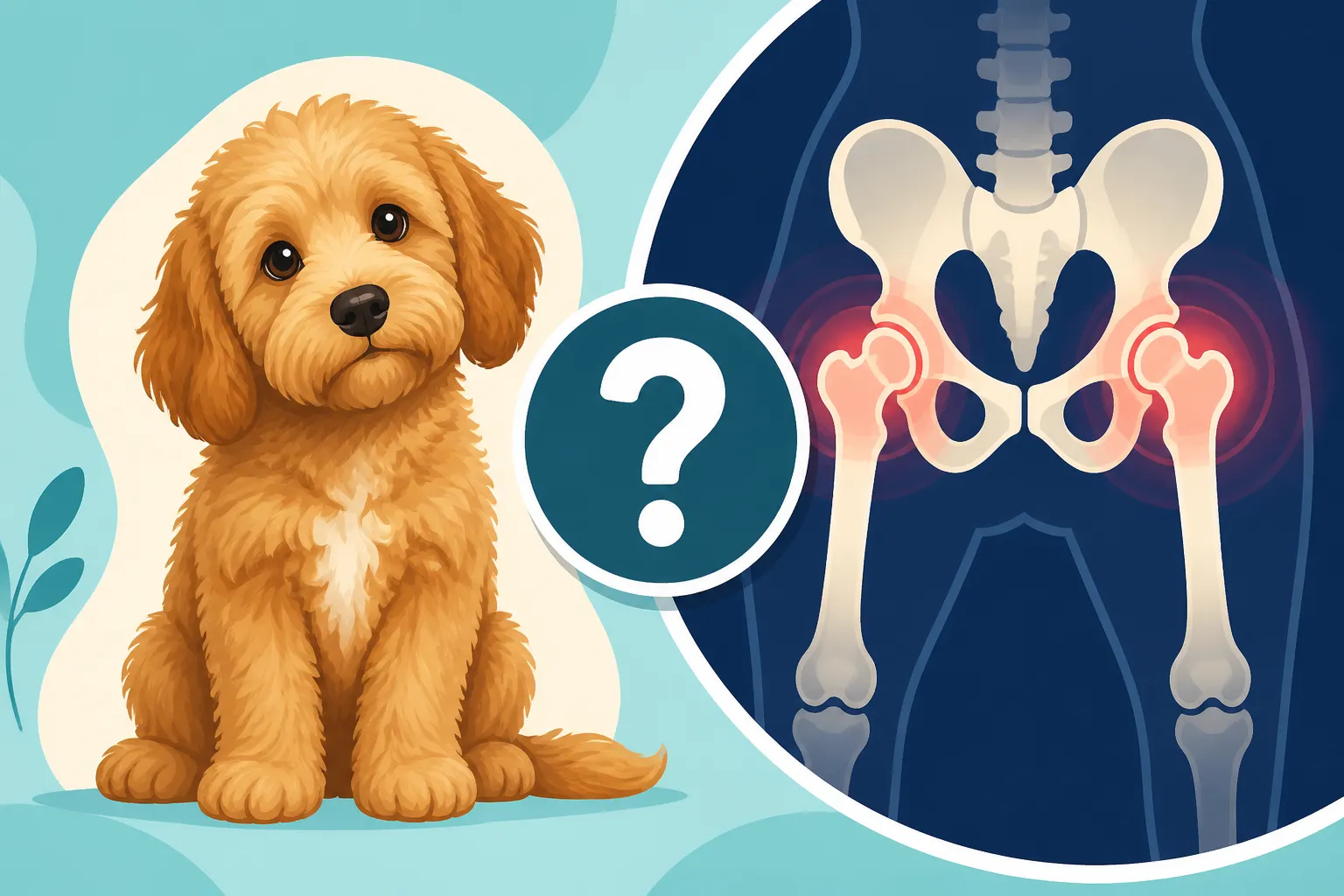
Despite their adorable miniature size, the basic skeletal structure of a small Cockapoo is fundamentally the same as any other dog. They have a pelvis, two femurs, and a hip joint that functions as a ball-and-socket mechanism. Hip dysplasia, at its core, is a developmental condition where the hip joint doesn't form correctly. The "ball" (the head of the femur) doesn't fit snugly into the "socket" (the acetabulum of the pelvis), leading to looseness (laxity), abnormal wear and tear, and eventually, painful arthritis.
This underlying mechanical flaw isn't size-dependent. The genetic blueprint that dictates how bones grow and articulate is present in all dogs, and unfortunately, genetic predispositions for certain conditions, including hip dysplasia, can exist across a wide spectrum of breeds, regardless of their final adult weight. It's not about how big the dog is, but about the integrity of that crucial joint connection. Even a tiny Whether a Small Cockapoo Still Gets Hip Dysplasia can be impacted, enduring the same discomfort and progressive degeneration as their larger cousins, albeit sometimes with less visible struggle due to their lighter frame. The disease process itself remains consistent; it's the manifestation that can differ.
Understanding Hip Dysplasia in Cockapoos
When we talk about Cockapoos, we're talking about a wonderful hybrid of a Cocker Spaniel and a Poodle. Both parent breeds, while generally healthy, can carry genetic predispositions for various conditions, and joint health is definitely one to consider. It’s crucial not to assume that simply because they are a "designer dog" or a mixed breed, they are inherently immune to the ailments of their purebred ancestors.
The Genetic Link to Parent Breeds
Let's break down the genetic contributions from each side of your Cockapoo's family tree.
Cocker Spaniels: American Cocker Spaniels and English Cocker Spaniels, while known for their vivacious personalities and beautiful coats, can indeed carry genes for hip dysplasia. It's true that the incidence is statistically lower than in some giant breeds, but it is by no means zero. Responsible Cocker Spaniel breeders conduct health screenings, including hip evaluations, precisely because this condition is a concern within the breed. So, if a Cockapoo has a Cocker parent with a genetic predisposition to hip dysplasia, that gene can absolutely be passed down to the puppies.
Poodles: Poodles, especially Standard Poodles, are quite well-known for being susceptible to hip and elbow dysplasia. While the incidence might decrease in Miniature and Toy Poodles due to their smaller size and lighter weight putting less strain on the joints, they are not completely off the hook. A Toy or Miniature Poodle parent can still carry and transmit the genetic factors for malformed hips. Therefore, your Cockapoo inherits a genetic lottery from both sides. This is why a reputable breeder will always provide you with documentation of hip scoring for both parent dogs, regardless of their size or breed. Don't be fooled by the myth of "hybrid vigor" magically eliminating all genetic predispositions; it can certainly reduce the overall incidence of some genetic diseases, but it doesn't offer a complete shield against specific conditions like hip dysplasia if the parent lines carry the genes. It's also why understanding Joints in a Cockapoo Bred From Four Sizes is so important, as each size variant may present unique challenges or predispositions.
How Size Influences Presentation and Severity
While the genetic predisposition to hip dysplasia doesn't discriminate by size, how the condition presents itself in a small Cockapoo can be quite different from a larger dog. This difference in presentation often contributes to the misconception that small dogs don't suffer from it.
A small Cockapoo might not exhibit the dramatic, overt lameness that you'd see in a larger dog. Their lighter body weight means less stress on already compromised joints. Instead of a severe limp, you might notice more subtle signs: a slight reluctance to jump onto the sofa, a hesitation before tackling stairs, or a general decrease in their usual playful energy. They might run with a distinctive "bunny hop," bringing both back legs forward at the same time, especially when moving quickly. This is often an unconscious effort to minimize impact and pain on their hips. Stiffness after periods of rest, such as first thing in the morning or after a long nap, can also be a tell-tale sign. Owners might notice their dog taking longer to "unfurl" themselves or appearing a bit stiff-legged for a few minutes before loosening up.
The severity of pain is still very real, even if the physical manifestations are less pronounced. Small dogs feel pain just as intensely as large dogs. Pain management strategies might vary slightly, but the goal is always to reduce discomfort and improve quality of life. For instance, a Maxi Cockapoo might show more severe symptoms earlier due to their sheer body mass, whereas a Toy Cockapoo might cope for longer before obvious signs emerge. It's a spectrum, and every dog is an individual, but size definitely plays a role in how the problem manifests outwardly.
Recognizing the Signs and Taking Action
Because the signs of hip dysplasia in a small Cockapoo can be subtle, it really puts the onus on us as owners to be incredibly observant. It’s not always going to be an obvious limp, so tuning into those quieter cues is absolutely vital for early detection and intervention.
Subtle Clues to Look For in Your Small Cockapoo
It’s easy to dismiss a slight change in behavior or movement in a small dog, but these seemingly minor shifts can be critical indicators. Here are some subtle clues that might suggest your Cockapoo is struggling with hip dysplasia:
- Difficulty Rising or Lying Down: You might notice your Cockapoo takes a little longer to get up from a lying position, or they might circle a few times before settling down. They might shift their weight uncomfortably or even let out a small groan.
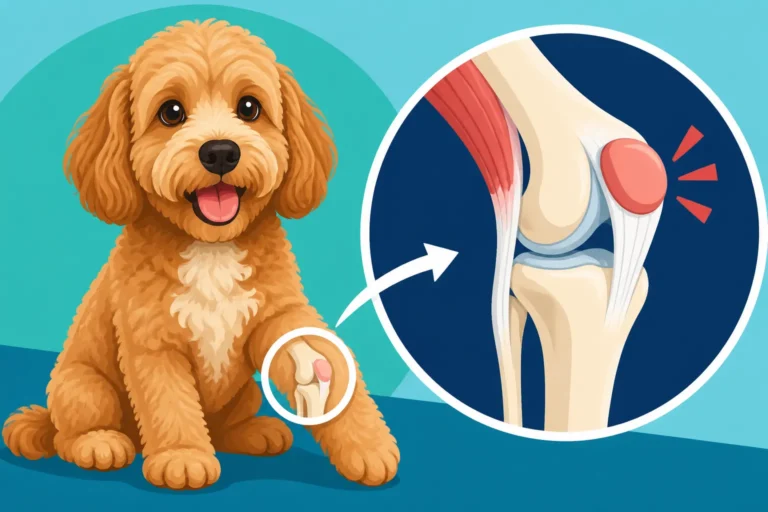
- Hesitation with Stairs or Jumping: If your Cockapoo used to bound up the stairs or leap onto your lap without a second thought, and now they pause, hesitate, or look for an alternative route (like trying to go around the stairs or asking to be lifted), this could be a sign of hip discomfort. Even a Whether Furniture Jumping Wrecks a Toy Cockapoo's Knees can cause strain, so observe if they are less willing to do these activities.
- "Bunny Hopping" Gait: This is a classic, though not always present, sign. Instead of alternating their back legs when running, they might bring both hind legs forward simultaneously, resembling a rabbit's hop. This motion helps them avoid extending and flexing painful hip joints independently. The Gait That Gives Away a Cockapoo's Bad Hips is often noticeable to a keen eye.
- Reduced Activity or Reluctance to Play: A Cockapoo is generally a playful, energetic breed. If your dog seems less interested in their usual games, tires more quickly during walks, or just seems generally subdued, it's worth investigating. They might still wag their tail, but their endurance might be noticeably lower.
- Stiffness, Especially After Rest: This is a very common symptom across all sizes of dogs with joint issues. Your Cockapoo might be stiff and reluctant to move after waking up from a nap or first thing in the morning. They might "warm up" and seem better after a few minutes of gentle movement, but the initial stiffness is a red flag.
- Pain Responses: If you gently touch or try to manipulate their hip area and they flinch, yelp, snap, or show discomfort, this is a strong indicator of pain. They might also become withdrawn or irritable if they're in chronic pain. Remember, pain can also manifest as behavioral changes, like unexpected aggression when touched.
If you notice any of these signs, don't delay. Early intervention can make a significant difference in managing the condition and improving your dog's quality of life.
Diagnostic Steps and Treatment Options
Once you suspect hip dysplasia, the next step is a trip to your veterinarian. They are your best resource for accurate diagnosis and a tailored treatment plan.
Diagnostic Steps:
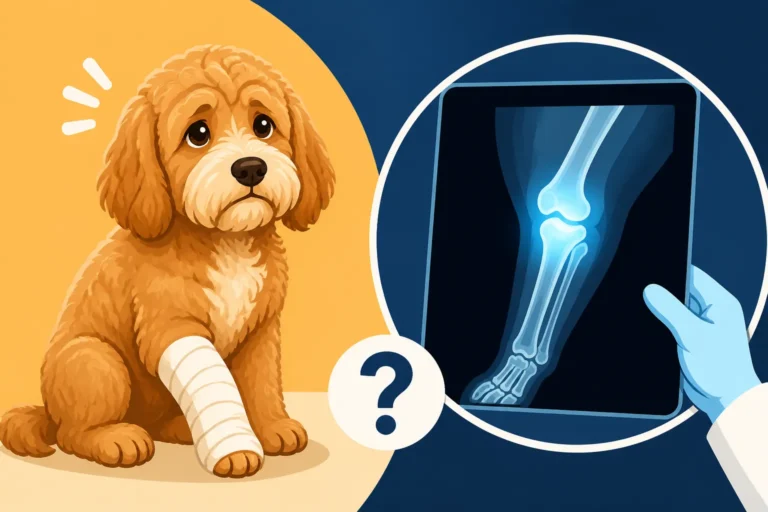
Your vet will perform a thorough physical examination, manipulating your Cockapoo's hips to check for pain, laxity (looseness), and reduced range of motion. If hip dysplasia is suspected, the definitive diagnostic tool is X-rays. These images allow the vet to visualize the hip joints, assess their structure, and determine the severity of any malformation. Don't let your vet skip this step just because your dog is small; the imaging is crucial. You might be wondering What Hip X Rays Cost for a Cockapoo, but it's an investment in understanding your pet's health. In some cases, your vet might recommend specific positioning or even sedation to get the most accurate X-ray images, as it can be uncomfortable for a dog already in pain.
Treatment Options:
Treatment for hip dysplasia can range from conservative management to surgical intervention, depending on the severity of the condition, your dog's age, and their overall health.
-
Conservative Management: This is often the first line of defense, especially for mild to moderate cases or in older dogs.
- Weight Control: Maintaining a healthy weight is paramount. Every extra pound puts additional strain on already compromised joints. Your vet can help you determine the ideal weight for your Cockapoo and recommend a suitable diet.
- Physical Therapy: Gentle exercises, hydrotherapy (swimming), and massage can help strengthen the muscles around the hip, providing better support for the joint, and improving flexibility.
- Pain Medication: Non-steroidal anti-inflammatory drugs (NSAIDs) are commonly prescribed to reduce pain and inflammation. Other pain relievers might also be used depending on your dog's specific needs.
- Joint Supplements: Supplements containing glucosamine and chondroitin are often recommended to support cartilage health. Whether Glucosamine Helps a Cockapoo is a common question, and while it's not a cure, it can often help with joint lubrication and slow down the progression of arthritis. Brands like Healthy Paws often cover prescribed medications and therapies if you have a good insurance policy in place, which can be a huge relief given the ongoing nature of joint care.
-
Surgical Options: When conservative methods are no longer sufficient, surgery might be considered.
- Femoral Head Ostectomy (FHO): This procedure involves removing the head of the femur (the "ball" of the joint). The body then forms a "false joint" of fibrous tissue. While it doesn't create a perfect hip, it eliminates the painful bone-on-bone rubbing. FHO is particularly effective for smaller dogs because their lighter weight means they can still function quite well with the false joint.
- Total Hip Replacement (THR): Less common in very small dogs due to the specialized implants required, but still an option. This surgery replaces the damaged ball and socket with artificial implants, offering an excellent long-term solution for pain relief and restored function.
- Triple Pelvic Osteotomy (TPO) / Juvenile Pubic Symphysiodesis (JPS): These are preventative surgeries performed on younger dogs with mild hip laxity to help correct the joint development before severe arthritis sets in.
Regardless of the chosen path, managing hip dysplasia is a lifelong commitment. Pet insurance, such as policies from Healthy Paws, can be an invaluable asset, helping to cover the often-substantial costs of diagnostics, medications, physical therapy, and even surgery. Planning for these potential health challenges early on can save a lot of stress and financial burden down the line. Keep in mind that as your Cockapoo ages, joint issues can progress to Arthritis in a Cockapoo at Eleven, making ongoing management even more crucial.
Proactive Measures and Responsible Breeding
Preventing or minimizing the impact of hip dysplasia on your Cockapoo starts long before they even come home. It truly begins with careful choices and continues with diligent care throughout their lives.
Choosing a Reputable Breeder
This cannot be stressed enough: the single most impactful decision you can make to protect your Cockapoo from inherited health conditions like hip dysplasia is choosing a truly reputable breeder. A good breeder is not just selling puppies; they are meticulously preserving and improving the health of their lines.
- Health Testing is Non-Negotiable: A responsible breeder will conduct comprehensive health screenings on both parent dogs for conditions prevalent in Cocker Spaniels and Poodles. For hip dysplasia, this means official hip scoring. Organizations like the Orthopedic Foundation for Animals (OFA) or PennHIP perform these evaluations, providing a grading for hip conformation. Don't accept excuses like "small dogs don't need it" or "it's too expensive." If a breeder isn't testing, they're not breeding responsibly. You should be able to ask for and see the official certificates for both the dam (mother) and sire (father) of your puppy. Knowing The Age a Cockapoo Can Be Hip Scored is important so you understand when testing should have occurred.
- Understanding Generations (F1, F1b, Multigen): While different generations of Cockapoos might offer variations in coat type or temperament, none of these generations inherently bypass genetic health risks. Even an F1 (first generation cross) or an F1b (backcross to a Poodle) can still inherit hip dysplasia if the parent stock carries the genes. A good breeder will understand these genetics and still prioritize testing across all generations.
- Transparency and Support: A reputable breeder will be open about their health testing protocols, be willing to answer all your questions, and often provide a health guarantee for their puppies. They'll also be a lifelong resource for you, offering advice and support as your Cockapoo grows. They want their puppies to thrive.
Table: Comparison of Hip Dysplasia Signs in Large vs. Small Dogs
| Feature | Large Dog (e.g., German Shepherd) | Small Dog (e.g., Cockapoo) |
|---|---|---|
| Visible Lameness | Often pronounced, severe limping or obvious "bunny hop" | Subtle limp, slight stiffness, less obvious "bunny hop" |
| Pain Expression | May yelp, growl, or show overt discomfort when touched | May be more withdrawn, irritable, or subtly flinch |
| Activity Level | Significant decrease in exercise tolerance, reluctance to run | Gradual decrease in play, tires quicker, less eager to jump |
| Mobility | Marked difficulty rising, struggles with stairs or jumping | Hesitation with stairs, needs assistance, slower to stand |
| Muscle Atrophy | Often noticeable muscle loss in hindquarters | Less obvious muscle loss due to smaller frame |
| Early Detection | Often detected earlier due to overt symptoms | Can be delayed due to subtle symptoms and owner assumptions |
Lifestyle Management for Hip Health
Once your Cockapoo is home, ongoing lifestyle choices play a huge role in supporting their joint health, regardless of their genetic predisposition.
- Maintain a Healthy Weight: This cannot be emphasized enough. Excess weight puts incredible strain on all joints, accelerating the progression of arthritis in dysplastic hips. Work with your vet to ensure your Cockapoo maintains an ideal body condition. Even if your dog is prone to Dental Crowding in a Small Cockapoo which can impact eating, ensuring a good diet is crucial.
- Controlled Exercise, Especially for Puppies: While exercise is vital, it needs to be appropriate. During puppyhood, when bones and joints are still developing, avoid high-impact activities like excessive jumping, long runs on hard surfaces, or repetitive stair climbing. Gentle, consistent exercise like walks and supervised play is ideal. Don't overdo it, especially with a young, energetic Cockapoo. Whether a Toy Cockapoo's Knees Go First is a concern for small breeds, and excessive impact can exacerbate patellar luxation as well as hip issues.
- Supportive Bedding: Provide comfortable, orthopedic bedding that cushions their joints and helps them maintain a good sleeping posture. This is especially important as they age or if they've already been diagnosed with hip issues.
- Regular Veterinary Check-ups: Your vet is your partner in your dog's health. Regular check-ups allow them to monitor your Cockapoo's gait, palpate their joints, and catch any subtle changes early. They can also recommend appropriate supplements, diet adjustments, or pain management strategies as needed. Companies like Healthy Paws can often help with the costs of these routine and unexpected vet visits if your policy covers wellness or chronic conditions.
By being proactive in your breeder choice and diligent in your daily care, you can significantly improve your small Cockapoo's chances of living a comfortable, happy life, even if they carry a genetic predisposition to hip dysplasia.
Disclaimer
The information provided in this article is for general informational purposes only and is not a substitute for professional veterinary advice, diagnosis, or treatment. Always seek the advice of your veterinarian or other qualified health provider with any questions you may have regarding a medical condition. Never disregard professional veterinary advice or delay in seeking it because of something you have read in this article.