Whether a Shaved Cockapoo Needs a Coat
It’s a scenario many Cockapoo owners know all too well: you pick up your fluffy, adorable companion from the groomer, and instead of the bouncy, curly cloud you dropped off, a sleek, almost "naked" dog greets you. While that fresh, short cut can feel like a relief in summer or a necessity to combat mats, it often leaves us wondering, "Is my freshly shaven Cockapoo actually cold or vulnerable? Do they need a little extra help staying comfortable and protected now?" This guide is here to walk you through understanding when a shaved Cockapoo might truly benefit from a protective layer and how to make the best choices for their well-being.
The Naked Truth About a Shaved Cockapoo's Coat
Let’s be honest, seeing your Cockapoo go from a fluffy, teddy-bear look to a much shorter, almost bald style can be a bit of a shock, both for you and for them. There's often a pang of guilt, wondering if you've stripped them of their natural defenses. It's a valid concern, and one that many doodle owners grapple with, especially after that first intense "dematting" groom.
Why We Shave Our Cockapoos and the Guilt That Follows
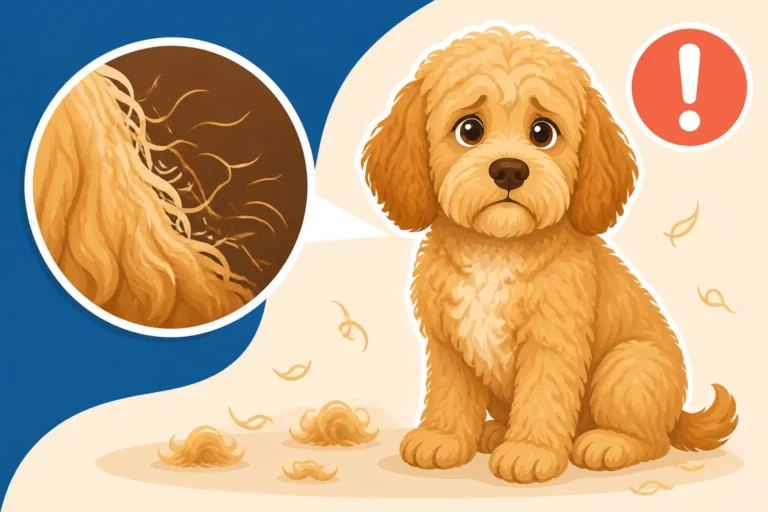
The decision to shave a Cockapoo often stems from practical necessity rather than pure aesthetics. That gorgeous, flowing, low-shedding coat, which is one of the main attractions of the breed, is also incredibly prone to matting. A few missed grooming sessions, a romp through wet grass, or even just daily friction can turn soft waves into tight, painful knots close to the skin. When mats get severe, shaving down to a short length is often the only humane option to relieve discomfort and allow the skin to breathe. Summer heat is another common reason, with owners hoping a shorter clip will keep their furry friend cooler.
It's natural to feel a bit guilty afterward, seeing their skin exposed, perhaps a little pinker than expected. You might worry they look funny, or worse, that they're uncomfortable or embarrassed. Rest assured, your Cockapoo doesn't have the same fashion concerns we do, but their physical comfort and health are absolutely paramount. The change is significant for them, as their coat does far more than just look pretty.
What the Coat Provides Naturally
A Cockapoo's coat, whether wavy or curly, serves several vital functions beyond just keeping them warm. Think of it as their natural all-weather gear. In cooler temperatures, the dense undercoat (if present) and the insulating properties of the outer guard hairs trap warm air close to the body, acting as a buffer against the cold. In warmer weather, this same coat actually helps to insulate them from the sun's direct rays, preventing sunburn and heat absorption, much like wearing loose, light-colored clothing can keep us cooler.
Beyond temperature regulation, the coat acts as a physical barrier. It protects their delicate skin from scrapes, scratches, insect bites, and environmental irritants like allergens or harsh chemicals during outdoor adventures. It's their first line of defense against the world. When this natural protection is significantly reduced by a close shave, their skin becomes much more vulnerable.
The Immediate Aftermath of a Shave Down
Right after a shave-down, your Cockapoo's skin is effectively "naked" and highly sensitive. This isn't just a feeling of being chilly; it's a lack of physical protection they’re used to. You might notice them shivering more easily indoors, even when the temperature seems mild to you. Their skin might appear redder or be more reactive to touch. This is because the skin underneath was shielded by fur and is now suddenly exposed to air, friction, and potential irritants.
Consider also the risk of sunburn. Many Cockapoos have light-colored skin, especially those with lighter coats. Without the protection of their fur, they can get a sunburn surprisingly quickly, leading to discomfort, peeling, and increased risk of skin issues down the line. It's like you suddenly going outside without sunscreen after months indoors – the sun feels much stronger. This immediate vulnerability is precisely why considering a coat isn't just a frivolous fashion choice, but a genuine act of care.
Assessing the Need for a Coat: Factors to Consider
Deciding whether your shaved Cockapoo needs a coat isn't a one-size-fits-all answer. It truly depends on a variety of factors, from the climate you live in to your individual dog's health and activity levels. Don't just assume they're fine because they seem happy; pay close attention to their behavior and the environmental conditions.
Temperature and Climate Considerations
This is perhaps the most obvious factor. If you live somewhere with distinct seasons, your shaved Cockapoo’s needs will change dramatically throughout the year.
- Cold Weather: A closely shaved Cockapoo simply doesn't have the natural insulation they need when temperatures drop. If it's chilly enough for you to grab a light jacket, your shorn dog likely needs one too. Think about wind chill, too. A breezy autumn day can feel much colder to a dog without fur than it does to you. Frostbite is a real concern for exposed skin, especially on areas like ears and paws, but also on their body if it's very cold. If the mercury dips below 45°F (around 7°C) for a typical Cockapoo, or even higher for a very young, old, or thin dog, a warming coat is definitely a good idea. For prolonged outdoor exposure in freezing temperatures, a coat becomes absolutely essential.
- Extreme Heat: While shaving is often done for hot weather, a very close shave can paradoxically make things worse if not managed properly. If the sun is blazing and your Cockapoo’s skin is now exposed, they are at a higher risk of sunburn and absorbing heat directly onto their skin. In these cases, a very lightweight, breathable, and even UV-protective coat might be beneficial, especially for Skin and Coat Disease in a Cockapoo where protection is extra important. It sounds counterintuitive, but a thin, light-colored fabric can reflect the sun’s rays better than exposed skin, much like desert dwellers wear protective clothing.
Individual Cockapoo Needs
Beyond the weather, your Cockapoo's specific characteristics play a huge role in determining their need for a coat. Every dog is an individual, and what works for one might not work for another.
- Age: What Changes in a Cockapoo After Ten? As dogs age, their ability to regulate body temperature can diminish. Older Cockapoos, even with their full coat, might feel the cold more acutely. If they're shaved, this sensitivity is amplified. Puppies also have less developed thermoregulation and can get cold easily. They might need a coat even in milder temperatures.
- Health Conditions: Dogs with certain health issues, particularly those affecting circulation or metabolism (like hypothyroidism), might feel colder. If your Cockapoo is recovering from surgery, has open wounds, or sensitive skin issues, a coat can provide a barrier to protect against infection or irritation, and prevent them from licking at sutures or hot spots.
- Activity Level: A highly active Cockapoo, constantly running and playing, generates more body heat. They might tolerate cooler temperatures without a coat for short periods of high exertion. However, a more sedentary dog, or one on a leisurely stroll, won't generate as much internal warmth and will feel the chill faster. If your Cockapoo is typically quite calm, like some older dogs can be, they might need that extra layer more often.
- Body Type and Fat Stores: Thinner Cockapoos with less body fat have less natural insulation. They will typically get colder much faster than a slightly heavier, well-muscled dog. A small Teacup or Toy Cockapoo, regardless of age, will generally lose heat faster than a larger Miniature or Maxi Cockapoo, simply due to their greater surface area to volume ratio.
Protection from Sun and Elements
It’s easy to focus solely on warmth, but a shaved coat exposes your Cockapoo to other environmental hazards.
- UV Rays and Sunburn: As mentioned, a short-shaven Cockapoo is highly susceptible to sunburn, especially on areas with sparse hair or light pigmentation. Just like us, prolonged sun exposure can lead to painful burns, blistering, and increase the risk of skin cancer over time. A lightweight, UV-protective coat can be invaluable on sunny days, even if the air temperature isn't cold.
- Rain and Snow: While not directly for warmth, a waterproof or water-resistant outer layer keeps your shaved Cockapoo dry. Wet fur (or skin) loses its insulating properties rapidly, making a dog feel much colder. Preventing them from getting soaked in rain or snow is crucial for their comfort and health. It also saves you the hassle of drying a soggy dog after every outing.
- Abrasions and Irritants: Imagine walking through thorny bushes or rough terrain with bare skin. That's essentially what your shaved Cockapoo is doing without their protective fur. A coat can shield them from minor scrapes, thorns, rough surfaces, and even contact with irritants like certain plants or allergens.
Types of Coats and Their Purposes
Once you've determined your shaved Cockapoo could benefit from a coat, the next step is choosing the right kind. There's a wide world of dog apparel out there, and each type serves a distinct purpose. Think about why you need the coat before you buy.
Winter Warmth: Sweaters and Jackets
When the air gets crisp and frost starts to appear, a warm layer is key. These garments are designed to provide insulation and trap body heat.
- Sweaters: Often made from wool, fleece, or other soft, knitted fabrics, sweaters are excellent for moderate cold, especially indoors or for quick outdoor trips. They offer good coverage and are generally comfortable for the dog to wear. Look for ones that are easy to put on and take off, and ensure they don't restrict movement or hinder potty breaks. They are great for maintaining warmth after a groom when your dog is feeling that initial chill.
- Insulated Jackets: For colder temperatures, wind, or longer outdoor excursions, an insulated jacket is a better choice. These often feature an outer shell that's water-resistant or waterproof, and an inner lining of fleece or synthetic insulation. They provide a higher level of thermal protection and can protect against light precipitation. Some even come with reflective strips for visibility during evening walks, which is a great safety feature. Brands like Ruffwear or Hurtta offer robust options, but you can find many practical and affordable jackets on online retailers like Amazon or Chewy.
Rain and Wind Protection: Waterproof Shells
These are less about warmth and more about staying dry and blocking wind.
- Raincoats: A lightweight, waterproof raincoat is invaluable in wet weather. Getting soaked to the skin can make your shaved Cockapoo feel much colder, even if the air temperature isn't freezing. A good raincoat will prevent their skin from getting wet, helping to maintain their core body temperature. They're typically unlined or very lightly lined, making them suitable for rainy days that aren't necessarily frigid. They also make post-walk cleanup much easier!
- Windbreakers: Similar to raincoats, windbreakers are designed to block the wind, which can significantly reduce a dog's perceived temperature (the wind chill factor). Some raincoats double as excellent windbreakers, offering dual protection. Look for breathable materials to prevent overheating on blustery but mild days.
Sun Protection: UV-Blocking Apparel
This category is often overlooked but is crucial for shaved dogs, especially those with light skin or who spend time outdoors in sunny climates.
- UV Shirts/Vests: These are made from lightweight, breathable fabrics (often with an SPF rating) that block harmful ultraviolet rays. They are not for warmth, but purely for sun protection. They're fantastic for beach trips, long walks on sunny days, or for dogs that love to sunbathe in the yard. This can be particularly helpful if your Cockapoo has had to be shaved very closely due to severe matting, leaving their skin highly vulnerable. Preventing sunburn is key to long-term skin health and avoiding discomfort. Consider brands that specialize in outdoor gear for dogs, often available on Chewy or Amazon.
Medical and Post-Grooming Protection
Sometimes, a coat isn't about the weather at all, but about providing a protective barrier for health reasons.
- Recovery Suits/Cones of Shame Alternatives: After a medical procedure, a close shave for surgery, or if your Cockapoo has sensitive skin post-grooming, a recovery suit can prevent them from licking or scratching at stitches, hot spots, or irritated areas. These are often made from soft, breathable fabrics and cover more of the body than traditional collars, which can be stressful for many dogs. They offer a physical barrier without the bulk or obstruction of an Elizabethan collar.
- Anti-Lick/Anti-Scratch Vests: For dogs prone to skin allergies or excessive licking, a lightweight vest can protect certain areas of the body, allowing medicated creams or healing skin to do their work undisturbed. If your Cockapoo has issues like Whether a Cockapoo Itches From the Cocker Side or other dermatological concerns, even a temporary protective garment can be beneficial.
| Coat Type | Primary Purpose | Key Material/Features | Best Use Case |
|---|---|---|---|
| Sweater | Warmth | Fleece, wool, knit; soft, flexible, pullover style | Indoors, mild cold, quick potty breaks, older/thin dogs |
| Insulated Jacket | Warmth, wind, light rain | Quilted, fleece lining, water-resistant shell, velcro/zip | Cold weather, longer walks, snow, windy days |
| Raincoat | Rain/wind protection, dryness | Lightweight, waterproof/resistant outer shell, unlined | Rainy days (mild or cool), splashing in puddles |
| UV-Blocking Shirt | Sun protection | Thin, breathable, SPF fabric, light colors | Sunny days, beach, light-skinned dogs, after close shave |
| Recovery Suit/Vest | Medical protection | Soft, breathable fabric; covers wounds, prevents licking | Post-surgery, skin irritation, preventing self-trauma |
Choosing and Introducing a Coat to Your Cockapoo
Getting a coat for your shaved Cockapoo is one thing, but making sure it fits well and that your dog is comfortable wearing it is another entirely. A poorly fitting coat can be more detrimental than no coat at all, causing chafing or restricting movement.
Sizing and Fit for Comfort and Safety
This is paramount. A coat that’s too tight will chafe, restrict movement, and cause discomfort. One that’s too loose can snag on things, slip around, and even trip your dog.
- Measurements are Key: Don't just guess your dog's size. Most brands provide a sizing chart based on specific measurements. You'll typically need to measure:
- Length: From the base of the neck (where the collar sits) to the base of the tail.
- Girth/Chest: Around the widest part of their chest, just behind the front legs.
- Neck: Around the circumference of their neck.
- Consider Your Cockapoo's Build: Cockapoos can vary quite a bit in build depending on their Poodle and Cocker Spaniel lineage. Some are more compact and stocky, others more lean and leggy. Look for adjustable straps or elasticated sections to ensure a snug, but not tight, fit.
- Movement Check: Once the coat is on, watch your dog move. Can they walk, run, sit, and lie down comfortably? Does it rub under their armpits or behind their ears? Does it interfere with their ability to go to the bathroom? Test it out indoors before embarking on a long walk.
- Coverage: Ensure the coat covers the major muscle groups of their back and chest, providing warmth where it's most needed. It shouldn't drag on the ground or be so short it offers no real protection.
Materials and Features to Look For
Beyond fit, the material and design features contribute greatly to a coat's effectiveness and your dog's comfort.
- Breathability: Even for warming coats, some level of breathability is important to prevent overheating, especially if your dog is active. For rain or sun protection, highly breathable fabrics are essential.
- Ease of Cleaning: Dogs get dirty, so choose a coat that’s easy to wipe clean or is machine washable. Mud, slobber, and general outdoor grime will inevitably find their way onto it.
- Durability: If your Cockapoo loves to romp, a flimsy coat won't last long. Look for strong stitching, durable zippers, and robust fasteners. Reinforced areas, particularly around stress points, are a good sign.
- Safety Features: Reflective elements are excellent for visibility during early morning or late evening walks, especially crucial if your Cockapoo has a dark coat. Leash access points, like a sturdy D-ring for direct leash attachment or an opening for a harness worn underneath, are also important considerations.
- Comfort: Soft linings, minimal seams, and lightweight designs all contribute to your dog’s comfort. If it feels scratchy or heavy to you, it will likely feel the same to them.
Positive Introduction and Acclimation
Some dogs take to wearing clothes like a duck to water, while others might be a bit confused or even resistant at first. A positive introduction is key to making it a good experience.
- Start Slow: Don’t just put the coat on and expect them to love it. Let your Cockapoo sniff the coat, offer praise, and give treats. Associate the coat with good things.
- Short Sessions: Begin with very short periods of wear, perhaps just a minute or two indoors, while you distract them with a favorite toy or a training session. Gradually increase the duration.
- Positive Reinforcement: Every time they wear the coat calmly, praise them lavishly and give them high-value treats. Make it a game!
- Distraction: The first few times, your dog might act a bit strange, freezing or walking awkwardly. Distract them immediately by throwing a ball, going for a short walk (if appropriate), or engaging them in play. Often, once they start moving, they forget they're wearing it.
- Consistency: Consistent positive experiences will help them acclimate. Soon, they might even associate the coat with going for a walk, making it an exciting cue!
- Supervision: Always supervise your Cockapoo when they are first wearing a new coat to ensure it’s comfortable and safe, and to address any issues immediately.
By carefully considering these factors, you can ensure your shaved Cockapoo stays comfortable, safe, and happy, no matter the weather or the reason for their trim. Their health and well-being are always the top priority, and sometimes, a little extra layer of clothing is precisely what they need.
Disclaimer
This article is for general informational purposes only and does not constitute professional advice. Laws, prices and regulations vary by location and change over time. Consult a qualified professional for guidance on your specific situation.