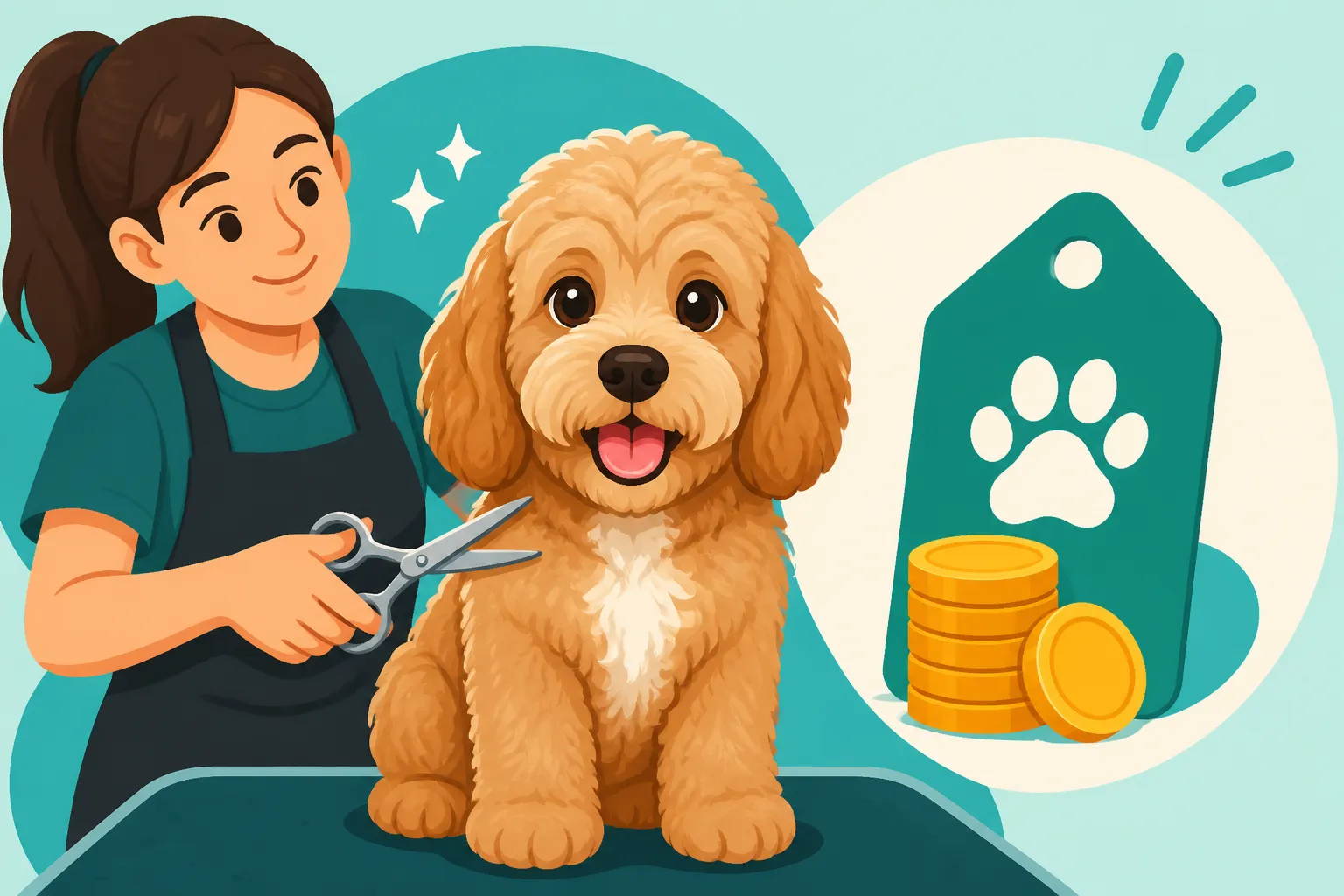
What a Cockapoo’s First Trim Costs at Sixteen Weeks
Bringing home a Cockapoo puppy is an absolute joy, a whirlwind of tiny paws, soft curls, and endless cuddles. But amidst the excitement, many new owners quickly discover the unique challenges of their Cockapoo's coat, especially as that adorable puppy fluff starts changing. One of the first significant milestones is the dreaded — or eagerly anticipated! — first professional trim, and figuring out what a Cockapoo's first trim costs at sixteen weeks can feel like a mystery. This guide aims to demystify those initial grooming expenses, explaining what's involved and why it's such a vital step for your furry friend.
What Exactly Is a "First Trim" for a 16-Week-Old Cockapoo?
When we talk about a "first trim" for a young Cockapoo, especially around the sixteen-week mark, it's really important to understand that this isn't usually a full, elaborate haircut. Think of it more as a "puppy introduction" or a "desensitization session" with some practical tidying. At this tender age, your Cockapoo's coat is still very much in its puppy stage, often softer and less prone to matting than it will become during the infamous "coat change" around ten months. The primary goal of this initial visit is less about achieving a perfect style and more about creating a positive, low-stress experience that sets the stage for a lifetime of comfortable grooming.
The Puppy Introduction Experience
A skilled groomer understands that a 16-week-old puppy needs a gentle, patient approach. The sounds, smells, and sensations of a grooming salon can be overwhelming, so the first few visits are crucial for building trust and familiarity. Instead of diving straight into clippers and scissors for a full-body cut, a puppy introduction typically involves a much lighter touch. It's about slowly introducing them to the various tools and processes in a non-threatening way. This might include letting them explore the salon, spending time on the grooming table with positive reinforcement, and getting them used to the feel of brushes, clippers (even if not actively used on their coat yet), and the dryer. Many groomers will spread these introductory elements out to prevent overstimulation.
The focus here is heavily on desensitization. Imagine a new person coming into your home and immediately trying to give you a full makeover; it would be unsettling! For a puppy, the grooming salon is a world of strange noises – the whir of clippers, the blast of the dryer, other barking dogs. A good groomer will take their time, offering plenty of praise and treats, turning potentially scary experiences into positive associations. This foundational work is invaluable for ensuring your Cockapoo grows up to be a calm, cooperative grooming client rather than a stressed, resistant one. You want this to be a happy routine, not a battle. For more on preparing your pup, consider reading Handling a Cockapoo Puppy Before Its First Groom.
Essential Tidying and Hygiene
While the focus is on experience, a first trim also addresses immediate hygiene needs. Even at sixteen weeks, a Cockapoo's fast-growing hair can start to cause issues if not managed. This usually includes careful trimming around the eyes to ensure clear vision and prevent irritation from hair poking into their delicate eyes. The hair on their paws might also be tidied to prevent matting between the pads and to make walking more comfortable. Lastly, the sanitary areas are typically clipped short to maintain cleanliness and prevent urine or feces from clinging to their fur, which is vital for hygiene and preventing infections.
Beyond the hair, a first trim almost always includes a bath, gentle blow-drying, and nail clipping. A professional groomer will use appropriate puppy-friendly shampoos and conditioners to ensure their delicate skin isn't irritated. Nail clipping is essential as long nails can cause discomfort and even lead to skeletal issues over time. These small, practical steps are vital for your puppy's comfort and health from an early age, even if they don't involve a dramatic change in appearance. This early handling of their paws and nails is especially critical for future ease of care.
The Factors That Drive the Cost of That Initial Puppy Groom
The cost of your Cockapoo's first trim at sixteen weeks isn't a fixed price tag; it's a dynamic figure influenced by several key factors. Just like buying anything else, where you live, who you choose, and what exactly your puppy needs will all play a part in the final bill. Understanding these variables can help you anticipate costs and choose the best option for your new family member.
Geographical Location and Groomer Type
One of the most significant cost drivers is simply where you live. Grooming services in major metropolitan areas or affluent suburbs tend to be more expensive than those in rural areas or smaller towns, reflecting the higher cost of living and business operations. A bustling city center salon with high overheads will naturally charge more than a home-based groomer in a quieter locale.
Beyond location, the type of groomer also matters. A high-end boutique grooming salon with extensive amenities and a reputation for specialized breed cuts will typically charge a premium. These places often boast highly experienced, certified groomers who might have additional training in puppy desensitization or behavioral management, which can be invaluable for a first-timer. On the other hand, a smaller, independent groomer working out of their home or a less flashy establishment might offer more competitive rates. Mobile groomers, while convenient as they come to your door, often have higher prices due to the personalized service and travel time involved.
Puppy's Temperament and Coat Condition
Your Cockapoo puppy's individual personality and the condition of their coat will also impact the cost. A puppy that is calm, cooperative, and takes well to handling will require less time and effort from the groomer, potentially resulting in a lower charge. However, if your 16-week-old puppy is particularly anxious, fidgety, or resistant to being handled, the groomer might need more time, patience, and specialized techniques to ensure a positive experience. This extended time, or the need for an extra assistant, can increase the service cost.
While a 16-week-old puppy typically has a relatively easy-to-manage coat, if there are any small mats forming (perhaps behind the ears or in the armpits from snuggles and play), the groomer will need to carefully detangle these. Early matting is rare but can happen if brushing hasn't been consistent. Addressing even minor matting adds to the groomer's time and effort, thus increasing the price. It's a good reminder that consistent at-home brushing, even for a young puppy, is paramount to keeping grooming costs down in the long run. We have an article, A Cockapoo's Coat at Six Months, that discusses how the coat changes as they grow.
Specific Services Included
As discussed, a "first trim" is usually a puppy introduction. However, the exact services can vary slightly between groomers and packages. Some groomers might offer a basic "puppy package" that includes a bath, blow-dry, nail trim, ear cleaning, and light face/paw/sanitary trim for a set introductory fee. Others might price each service à la carte or charge by the hour, especially for first-time puppies where the exact duration of the desensitization process is unpredictable.
Always ask for a detailed breakdown of what is included in their puppy groom. Don't assume anything. Some places might include a bow or bandana, or even a spritz of puppy cologne, which might be a fun little extra but isn't necessarily a core service. Make sure you're comparing apples to apples when getting quotes from different groomers. A comprehensive puppy trim that dedicates ample time to positive exposure is more valuable than a rushed, cheaper service that traumatizes your puppy.
Here's a general idea of how various factors might influence the cost:
| Factor | Lower Cost Tendency | Higher Cost Tendency |
|---|---|---|
| Location | Rural area, small town | Major city, affluent suburb |
| Groomer Type | Independent home-based, new groomer | High-end salon, certified specialist, mobile groomer |
| Puppy Temperament | Calm, cooperative, enjoys handling | Anxious, fidgety, resistant to touch |
| Coat Condition | Perfectly brushed, no tangles | Minor matting, very dirty |
| Services | Basic bath, nail trim, light tidy | Full puppy package with extensive desensitization, extra services |
Navigating Grooming Choices: Professional vs. Home Care
When it comes to your Cockapoo's grooming, especially for that crucial first trim, you'll inevitably weigh the benefits and costs of professional services against attempting some or all of it at home. While home grooming can save money in the short term, it's essential to understand the commitment, skills, and potential pitfalls involved.
The Benefits and Drawbacks of Professional Grooming
For a 16-week-old Cockapoo, a professional groomer offers invaluable expertise in puppy handling and desensitization. They have the right tools, knowledge, and experience to make the first grooming experiences positive, which is paramount for your puppy's future comfort. A good groomer can expertly handle nail clipping, ear cleaning, and sanitary trims, often with less stress for both you and your puppy than if you tried it yourself. They can also spot potential skin issues or ear infections early, offering advice or recommending a vet visit. This initial investment in a positive professional experience can pay dividends in reducing anxiety and making subsequent grooms easier and potentially cheaper in the long run.
The primary drawback, of course, is the cost. Professional grooming is an ongoing expense throughout your Cockapoo's life, and that first puppy trim is just the beginning. However, remember that you're paying for expertise, equipment, and a skilled hand, especially during this formative period. Think of it as an investment in their overall well-being and temperament around grooming.
Understanding Home Grooming and Its Challenges
Some owners opt to handle the first trim or parts of it at home to save money. If you decide to go this route, it's crucial to be prepared. You'll need to invest in quality grooming tools: a slicker brush, a metal comb that finds mats a slicker misses, nail clippers, blunt-nosed scissors for trimming around the eyes and paws, and possibly quiet clippers for sanitary areas. Brands like Chewy offer a wide range of reliable grooming supplies that can get you started. Make sure you research proper techniques to avoid accidental nicks or cuts, and to ensure you're not causing pain or fear.
The biggest challenge with home grooming, especially for the very first sessions, is ensuring it's a positive experience. If you're stressed or your puppy is uncomfortable, you risk creating negative associations with grooming that can be very difficult to overcome. Without professional guidance, it’s easy to miss subtle cues of discomfort or to inadvertently make a mistake that causes your puppy pain. This could lead to a dog who dreads grooming, making future sessions, whether professional or at home, a significant struggle. You can find more advice on this in Whether Grooming a Cockapoo at Home Saves Money.
When to Blend Professional and Home Care
Many Cockapoo owners find a happy medium by combining professional and home care. For the very first trim at sixteen weeks, a professional groomer is highly recommended for that crucial positive introduction and the initial tidying. Afterward, you can maintain your Cockapoo's coat between professional visits with regular brushing, light trims around the eyes and paws, and occasional baths at home. This approach helps keep their coat in good condition, reduces the likelihood of matting (which can increase professional grooming costs), and reinforces positive handling experiences.
For example, you might schedule professional grooms every 6-8 weeks but commit to daily brushing and weekly nail trims at home. This routine not only helps manage costs but also strengthens your bond with your Cockapoo and ensures they remain comfortable with handling. When using treats for positive reinforcement during at-home grooming, consider high-quality options like those from Ollie to make the experience extra special. This proactive approach helps reduce the need for corrective grooming sessions, which can be both costly and stressful for your pup.
The Long-Term Payoff: Why Investing in Early Grooming Matters
While the initial cost of a Cockapoo's first trim might feel like another expense in a long list of new puppy necessities, it's truly an investment in their lifelong well-being and your peace of mind. Skimping on this foundational experience can lead to far greater costs – both financial and emotional – down the road.
Preventing Future Matting and Skin Issues
A Cockapoo's coat, especially one with the coveted wavy or curly "furnishings," is prone to matting. If not properly introduced to brushing and regular grooming from a young age, these mats can quickly become severe. Matted fur isn't just unsightly; it can be incredibly painful for your dog, pulling on their skin and restricting movement. Severe matting can also trap moisture, dirt, and parasites, leading to painful skin infections, hot spots, and other dermatological problems that will undoubtedly require costly veterinary intervention. An early, positive grooming experience with a professional teaches your puppy to tolerate and even enjoy brushing, making at-home maintenance much easier and preventing these costly health issues. You'd be surprised how quickly small tangles can escalate, turning into a "pelted" coat that often requires a full shave-down, which is stressful for the dog and expensive for you. To learn more about coat upkeep, you might find The Three Cockapoo Coat Types and Their Upkeep helpful.
Cultivating a Calm and Cooperative Dog
The primary goal of that 16-week puppy trim is to build positive associations with grooming. A puppy that has good experiences with the grooming table, the bath, the dryer, and the gentle handling of their paws and ears is far more likely to be a cooperative dog for all future grooming sessions, vet visits, and even daily care. Imagine trying to brush a fully grown Cockapoo who despises being touched or clipped because of a traumatic early experience – it would be a constant battle, potentially leading to fear-based aggression or extreme anxiety.
Investing in a patient, skilled groomer for those first few sessions helps instill confidence and a sense of routine in your puppy. This positive foundation means less stress for your dog, less frustration for you, and potentially lower grooming bills in the long run as a cooperative dog requires less time and specialized handling. It's a key part of raising a well-adjusted companion who is comfortable in various situations and with different types of handling. For general puppy advice, Raising a Cockapoo Puppy is a great resource.
Easing Future Vet Visits and Handling
Beyond professional grooms, the desensitization achieved through early grooming extends to other crucial areas of your Cockapoo's life. A dog accustomed to having their ears touched, their paws examined, and their body handled will be far more tolerant during veterinary examinations, medication administration, or even simple tasks like wiping their paws after a muddy walk. This can make vet visits less stressful for everyone involved, and potentially prevent situations where sedation might be needed for routine procedures, which adds another layer of cost and risk.
Consider the health implications: a dog that allows its ears to be cleaned easily is less likely to suffer from chronic ear infections, which are common in dogs with drop ears like Cockapoos. A dog that tolerates dental checks can have early signs of dental disease spotted, preventing costly extractions later in life. While routine grooming isn't typically covered by pet insurance like Healthy Paws, preventing these types of secondary health issues through good grooming practices can certainly reduce overall medical expenses and ensure your Cockapoo lives a happier, healthier life. Understanding The Kidney and Eye Checks a Cockapoo Needs Yearly also highlights the importance of regular handling and vet visits.
Long-Term Financial Considerations
While the initial "puppy trim" is an investment, consider the potential long-term financial implications. If your Cockapoo becomes matted and has to be shaved down due to lack of grooming or poor early experiences, that costs significantly more than a regular trim. Emergency vet visits for skin infections or painful matting can run into substantial sums, dwarfing the cost of a few early puppy grooms. Furthermore, a difficult dog might require specialized groomers who charge more, or even sedatives from the vet before each grooming session.
By ensuring a positive first trim and consistent follow-up, you're not just buying a haircut; you're buying into a smoother, healthier, and ultimately more affordable grooming journey for your Cockapoo. It’s about building a foundation of trust and positive association that makes their entire life easier and prevents a host of preventable issues, both behavioral and physical. When you consider The Yearly Grooming Total on a Cockapoo, you’ll quickly see that proactive care is always more cost-effective than reactive solutions.
Disclaimer
This article is for general informational purposes only and does not constitute professional advice. Laws, prices and regulations vary by location and change over time. Consult a qualified professional for guidance on your specific situation.