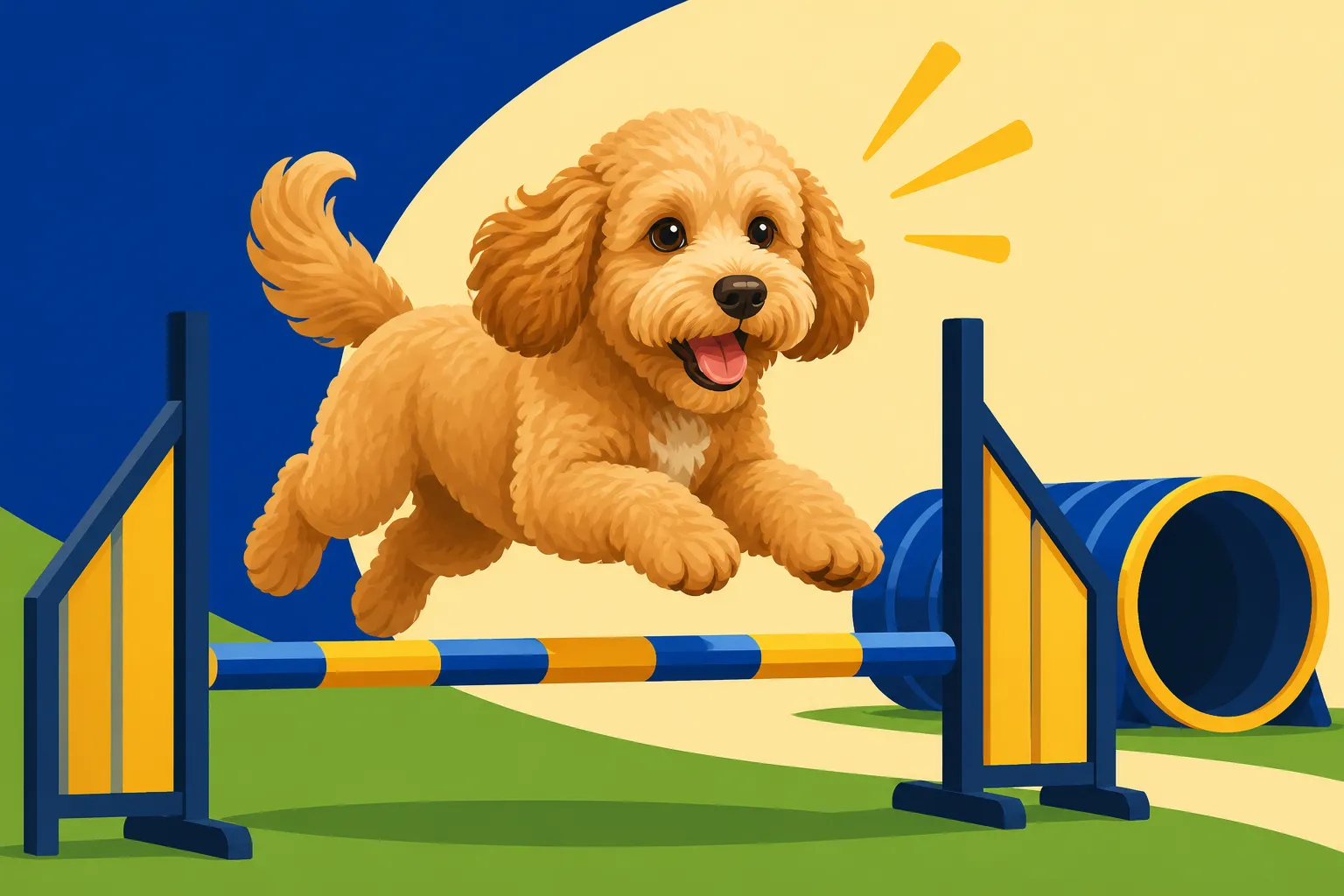
Whether a Cockapoo Has the Frame for Agility
It’s a common scenario: you’re watching an agility competition, captivated by the incredible athleticism and focus of the dogs, and you glance over at your own beloved Cockapoo, wondering if they could ever leap over hurdles or weave through poles with such grace. Many Cockapoo owners grapple with the question of whether their charming, often fluffy companion is truly built for the demands of such a fast-paced sport. This guide will delve deep into the physical characteristics and inherent traits of Cockapoos, helping you understand if your furry friend has the right stuff for agility and how to approach this exciting activity safely and successfully.
The Cockapoo's Agility Blueprint: Blending Poodle Grace and Cocker Stamina
When we talk about whether a Cockapoo has the "frame" for agility, we’re really asking about their inherent physical structure and capabilities, which come directly from their Poodle and Cocker Spaniel lineage. These two parent breeds contribute distinct attributes that, when combined, can create a surprisingly capable agility dog. It’s not just about pure speed or jumping height; it’s about a combination of flexibility, muscle, and intelligent movement.
Poodle Influence: The Lean, Athletic Frame
One half of your Cockapoo's genetic makeup comes from the Poodle, a breed renowned not only for its elegant looks but also for its exceptional athleticism. Poodles, especially Miniature and Toy Poodles often used in Cockapoo breeding, possess a lean, well-muscled build, deep chests for lung capacity, and long, agile legs. These traits are invaluable in agility.
Think about a Poodle bounding across a field; they are light on their feet, able to change direction quickly, and have a natural spring in their step that makes them excellent jumpers. Their conformation is built for performance, with a relatively square body that allows for efficient movement and tight turns. Many Poodles excel in dog sports, including agility, due to this natural athleticism and their keen intelligence. If your Cockapoo leans more towards the Poodle side in terms of build – perhaps a longer muzzle, a more athletic body shape, and a springy gait – they likely inherit a good portion of this agility potential. This inherent drive and physical capability can be a huge asset when it comes to tackling obstacles and navigating courses.
Cocker Spaniel Contribution: Compact Power and Enthusiasm
On the other side of the family tree, the Cocker Spaniel brings its own set of fantastic qualities to the agility equation. Cockers, whether American or English, are compact, sturdy dogs with powerful hindquarters and an incredible amount of stamina. They were originally bred to be flushing dogs, working tirelessly through dense underbrush all day, a task that requires immense physical resilience and an unflagging enthusiasm.
While they might not have the long, gazelle-like legs of a Poodle, their low center of gravity and powerful build make them incredibly stable and nimble. They excel at weaving, tunnelling, and navigating tight spaces, thanks to their compact size and quick reflexes. What a Cocker Spaniel truly brings, though, is an undeniable zest for life and work. They love to have a job, and their eagerness to please, combined with their boundless energy, makes them fantastic students for agility. Many Cockapoos inherit this "merry" disposition and work ethic, making them highly motivated partners in the agility ring. Their robust structure, while different from a Poodle's, is also perfectly suited for impact and quick, repetitive movements, provided their joints are sound. This compact power means they can accelerate quickly and hold their own on the course.
Size Variations and Their Impact
Cockapoos come in a delightful range of sizes, from the tiny Teacup to the robust Maxi, and each size variant can have a different impact on their suitability for agility. This is a crucial consideration, as a Teacup Cockapoo will face different challenges and require different training approaches than a Maxi.
- Teacup and Toy Cockapoos: These smaller Cockapoos are incredibly nimble and can often be very fast, but their small size means they need obstacles adjusted to their height. Their delicate bone structure can be a concern, making proper warm-up, cool-down, and careful conditioning absolutely essential to prevent injuries. Owners of smaller Cockapoos, especially those with Slipping Kneecaps in a Toy Cockapoo, need to be particularly vigilant and consult with their vet before starting high-impact activities. While they can be quick, their stride length will naturally be shorter, affecting how they navigate longer courses.
- Miniature Cockapoos: This size often hits a sweet spot for agility. They usually retain much of the Poodle's athletic build and the Cocker's drive, in a manageable package. They are often less prone to the structural fragility sometimes seen in very small dogs, while still being compact enough to handle tight turns and maintain good speed. Many Miniature Cockapoos excel in agility, demonstrating a fantastic balance of speed, strength, and agility.
- Maxi Cockapoos: While still agile, Maxi Cockapoos, often bred from Standard Poodles, bring more bulk to the course. Their larger size means they have greater jumping ability but might be slower on turns or weave poles. Joint health becomes an even more significant concern with larger dogs, so thorough health screenings for conditions like hip and elbow dysplasia are paramount. You'll want to review topics like The Age a Cockapoo Can Be Hip Scored carefully. They will need courses designed for their larger stride and turning radius, and more care must be taken to prevent Torn Cruciates in a Cockapoo due to their weight and momentum.
Ultimately, regardless of size, the key is proper conditioning, a vet-approved health status, and starting with foundational skills before tackling advanced obstacles.
Beyond the Frame: Mental and Physical Benefits of Agility for Your Cockapoo
Agility isn't just about showing off your dog's athletic prowess; it's a wonderfully comprehensive activity that offers immense benefits for both your Cockapoo's physical health and mental well-being. Many Cockapoo owners find that this sport, even at a recreational level, transforms their dogs into more confident, focused, and well-behaved companions. It’s an ideal outlet for their energy and intelligence.
Channeling Energy and Focus
One of the greatest gifts agility offers a Cockapoo is a constructive way to channel their often-abundant energy. Both Poodles and Cocker Spaniels are intelligent, high-energy breeds. Poodles are smart and eager to learn, while Cockers possess a strong The Flushing Drive Still Alive in a Cockapoo, meaning they love to be active and follow their nose. Without a proper outlet, this energy can manifest in less desirable behaviors, like excessive barking, destructive chewing, or digging.
Agility provides a fantastic mental and physical workout. It requires your dog to think, problem-solve, and follow a sequence of commands, all while moving at speed. This combination of mental engagement and physical exertion leaves a Cockapoo feeling satisfied and tired in the best possible way. It teaches them focus, a valuable skill that translates into better behavior at home and on walks. Instead of aimlessly burning off energy, they learn to direct it towards a specific goal, which can be incredibly fulfilling for a working-minded dog.
Strengthening the Bond and Building Confidence
Working together as a team in agility is a powerful way to deepen the bond between you and your Cockapoo. Agility relies heavily on clear communication, trust, and mutual understanding. As you guide your dog through a course, you learn to read their body language, anticipate their movements, and communicate effectively with verbal cues and hand signals.
This shared activity fosters immense trust. Your dog learns to rely on your guidance to navigate obstacles, and you learn to trust their instincts and abilities. For shy or anxious Cockapoos, agility can be a tremendous confidence booster. Mastering new skills, successfully navigating obstacles, and receiving praise from their owner can help them overcome insecurities and feel more secure in themselves. It’s incredibly rewarding to watch your dog's confidence blossom as they conquer challenges and revel in their achievements. Many Cockapoo owners find that Whether a Cockapoo Needs a Sport to Be Manageable becomes clear once they start an activity like agility, as it provides that essential mental and physical engagement.
Injury Prevention and Safe Training Practices
While agility is beneficial, it's crucial to approach it with injury prevention in mind. The "frame" of a Cockapoo might be agile, but like any athlete, they are susceptible to injury if not properly conditioned and trained. It's not just about what they can do, but what they should do safely.
Proper warm-ups and cool-downs are non-negotiable before and after any agility session. Just like human athletes, dogs need to prepare their muscles and joints. Starting with gentle stretches and a brisk walk before moving to high-impact activities, and then reversing the process afterward, helps prevent strains and soreness. Additionally, investing in good quality, properly fitted equipment is important, even for home practice. Products found on sites like Amazon, from adjustable hurdles to collapsible tunnels, can be great for home use, but ensure they are sturdy and safe. Working with a qualified instructor is also paramount. They can teach you safe handling techniques, how to introduce obstacles progressively, and how to spot signs of fatigue or discomfort in your dog. Understanding the importance of joint health, especially concerning topics like Joints in a Cockapoo Bred From Four Sizes, is key to a long and healthy agility career.
Getting Started Safely: Preparing Your Cockapoo for Agility Fun
Deciding that agility might be a great fit for your Cockapoo is the first step, but how do you actually get started safely and effectively? It’s not about rushing into advanced courses but building a solid foundation, both physically and mentally. A mindful approach ensures both fun and longevity in the sport.
Consulting Your Vet and Understanding Health Screenings
Before your Cockapoo so much as jumps over a broomstick, a visit to your veterinarian is absolutely essential. Your vet can perform a thorough physical examination to assess your dog's overall health, joint integrity, and cardiac function. They can advise you on any potential predispositions your Cockapoo might have based on their parent breeds. For example, if your Cockapoo is a Toy size, a vet check for conditions like luxating patellas (slipping kneecaps) is crucial. You might also want to discuss specific health screenings.
For many active dogs, especially those engaged in sports like agility, hip and elbow evaluations are recommended. While these are more common for larger breeds, they can still provide valuable insights for Cockapoos, particularly the Miniature and Maxi sizes. Inquire about genetic testing for conditions that might impact stamina or joint health. For example, some Poodles can be prone to conditions like Progressive Retinal Atrophy, which affects vision and could impact a dog's ability to navigate a course safely. Your vet can give you the green light and offer guidance on appropriate conditioning for your dog's age and physical condition. It's an investment in your dog's long-term health and safety.
Choosing the Right Introduction to Agility
Once your vet has given the all-clear, it's time to find the right entry point into the world of agility. For most Cockapoos, especially if you’re new to the sport yourself, enrolling in a beginner's agility class with a certified instructor is the best route. These classes teach you and your dog the basics in a controlled, safe environment.
An instructor can guide you on how to properly introduce obstacles like tunnels, low jumps, and weave poles without overwhelming your dog or risking injury. They can also help you understand your Cockapoo's learning style and natural instincts. Some Cockapoos might be more drawn to scent work, as discussed in Whether a Cockapoo Can Earn a Scent Work Title, but most will find agility engaging. Beyond formal classes, you can also start building foundational skills at home. Basic obedience commands like "stay," "come" (Building a Recall a Cockapoo Answers), and "wait" are critical for agility. You can set up simple DIY obstacles, like a broomstick across two chairs for a low jump, or use a hula hoop for a tire jump. Resources like BAXTER & Bella's online training programs can also provide excellent foundational obedience and trick training that naturally segues into agility skills, offering modules on impulse control and body awareness.
Essential Gear and Progressive Training
Getting started with agility doesn't require a huge initial investment, especially if you begin with classes where equipment is provided. However, if you plan to practice at home, some essential gear can make a big difference. You'll want safe, stable equipment that won't injure your dog if they bump into it.
Begin with items like a collapsible tunnel, adjustable jump bar, and maybe a few weave poles that you can space out. Many affordable options are available on platforms like Amazon. Always prioritize safety: ensure equipment is stable, padded where appropriate, and designed for dogs. As for training, the key word is "progressive." Start small and build up gradually. Don't expect your Cockapoo to perform a full course on day one. Introduce one obstacle at a time, making it a positive, rewarding experience with lots of praise and high-value treats. Focus on perfect execution at a slow pace before increasing speed or complexity. Remember that What a Cockapoo Picks Up in Seven Days can be a surprising amount, but mastering agility takes time and patience. Consistent, short training sessions are far more effective than long, infrequent ones. And always keep an eye on your Cockapoo for signs of fatigue or disinterest; agility should always be fun!
The table below outlines some common agility obstacles and considerations for your Cockapoo:
| Obstacle Type | Description | Cockapoo Considerations |
|---|---|---|
| Jumps (Hurdles) | Dogs leap over a bar set at various heights. | Most Cockapoos excel here, but adjust height for size. Focus on controlled take-offs and landings to protect joints, especially for Whether a Toy Cockapoo's Knees Go First or larger, heavier Maxis. |
| Tunnels | Dogs run through a flexible, dark tunnel. | Generally a favorite! Cockapoos' compact size makes them nimble. Ensure tunnels are securely anchored and free of sharp edges. Builds confidence and comfort with enclosed spaces. |
| Weave Poles | Dogs weave in and out of a line of poles. | Requires coordination, body awareness, and a good understanding of handler cues. Can be challenging to learn but highly rewarding. Start with fewer poles and guide them smoothly. |
| A-Frame / Dog Walk | Dogs climb up one side and descend the other on ramps. | Requires strength, balance, and confidence with heights. Focus on safe contact zone training to prevent injuries from jumping off too early. Good for building rear-end awareness. |
| Teeter-Totter | A seesaw-like obstacle that pivots as the dog crosses. | Can be intimidating due to movement and noise. Introduce slowly with positive reinforcement. Builds confidence and teaches comfort with unstable surfaces. |
| Tire Jump | Dogs jump through a suspended tire-like hoop. | Similar to hurdles but with a circular opening. Ensure the tire is secure and breaks away easily if impacted to prevent injury. Good for practicing precision jumping. |
Ultimately, your Cockapoo's "frame" is certainly capable of agility. It's a blend of the Poodle's athletic grace and the Cocker Spaniel's robust enthusiasm, tempered by their size. With careful veterinary oversight, gradual training, and a focus on building a strong partnership, your Cockapoo can absolutely thrive in the exciting world of agility. It's about tapping into their natural drive and providing a positive outlet for their intelligence and energy.
Disclaimer
This article is for general informational purposes only and does not constitute professional advice. Laws, prices and regulations vary by location and change over time. Consult a qualified professional for guidance on your specific situation.