Whether a Cockapoo Picks Fights Above Its Weight
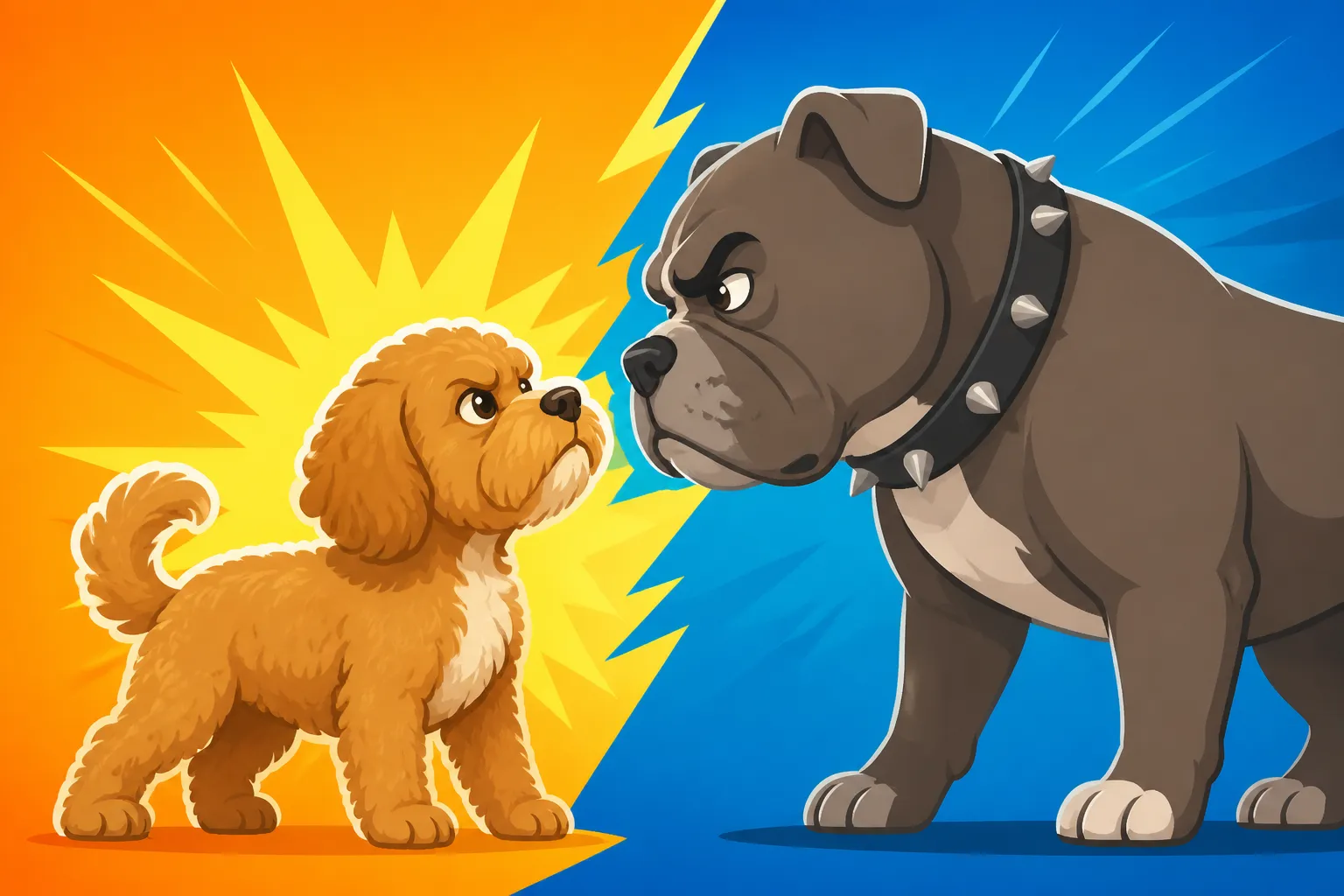
It’s a scenario many Cockapoo owners have found themselves in: you're out on a walk, enjoying the fresh air, when suddenly your sweet, fluffy companion decides to puff up their chest and challenge a dog twice, or even three times, their size. This kind of "small dog, big attitude" behavior can be baffling, frustrating, and frankly, a bit frightening. This guide is here to help you understand why your Cockapoo might act this way and provide practical strategies to manage and prevent them from picking fights above their weight class.
Understanding the Cockapoo Temperament and Its Roots
Cockapoos are a wonderful mix of two beloved breeds, the Cocker Spaniel and the Poodle. Both bring fantastic qualities to the table, but also some ingrained instincts that can contribute to certain behaviors, including confidence or even perceived aggression towards other dogs. It’s never about your dog being "bad"; it's about understanding their genetic predispositions and how they interact with their environment and experiences.
The Cocker Spaniel Influence: Boldness and a Big Personality
From their Cocker Spaniel side, Cockapoos often inherit a strong personality and a surprising amount of grit. Cocker Spaniels were originally bred as hunting dogs, specifically to "flush" game out of dense cover for hunters. This job required them to be brave, tenacious, and not easily intimidated. They needed to push through bushes and briars, facing down whatever critters they might encounter, all with an unwavering focus on their task.
This historical role means that many Cockapoos carry a bit of that bold, "can-do" attitude. They might not be flushing pheasants, but that inherent confidence can translate into standing their ground or even initiating interactions that seem overly assertive for their stature. They're often social and outgoing, sometimes to a fault, believing every dog they meet is a potential playmate or, if their instincts kick in negatively, a challenge. This might also manifest as a tendency to stick their nose into everything, following interesting scents, which can sometimes lead them into unexpected encounters. The Flushing Drive Still Alive in a Cockapoo is a good read if you want to understand more about this.
The Poodle Influence: Intelligence and Confidence
The Poodle half of your Cockapoo brings incredible intelligence, athleticism, and a history of being highly trainable, but also a certain proud confidence. Poodles, too, were originally water retrievers, tasks requiring both brains and brawn. They are smart, quick learners, and often possess a strong sense of self. This intelligence, while usually a huge asset in training, can sometimes work against you if not properly channeled.
A Poodle-influenced Cockapoo might be very quick to assess situations and react. Their confidence can be a double-edged sword: it makes them resilient and adaptable, but if they perceive another dog as a threat or simply aren't keen on sharing resources or space, they won't shy away from expressing it. They might also be quite sensitive to your emotions, picking up on any nervousness you feel, which can then amplify their own reactive tendencies. Moreover, their intelligence means they learn quickly – both good habits and bad ones. If challenging another dog has worked for them in the past (e.g., the other dog backs down), they'll certainly remember that strategy.
The "Small Dog Syndrome" Phenomenon: Why it Happens
"Small dog syndrome" isn't a clinical diagnosis, but it’s a widely observed phenomenon where smaller breeds display exaggerated bold, aggressive, or demanding behaviors, often towards larger dogs or people. It's often misunderstood as an inherent trait of small dogs, but it's more often a result of how humans inadvertently treat them.
Think about it: when a tiny Cockapoo barks aggressively at a much larger Labrador, what’s our first reaction? Often, it’s to scoop them up, comfort them, or quickly pull them away. While this feels protective, it can inadvertently reinforce the behavior. The Cockapoo learns that their barking and lunging successfully makes the "threat" (the big dog) go away, and also earns them attention from you. They haven't learned to resolve the situation calmly; they've learned that making a big fuss works. Whether a Cockapoo Is Pushy With the Dog You Have can offer more insights into this dynamic.
Another factor is simply lack of proper socialization with larger dogs. If a small Cockapoo primarily interacts with other small dogs, they might not learn appropriate social cues for interacting with larger canines. The difference in size, play styles, and vocalizations can be intimidating if they haven't been taught how to navigate these interactions safely and respectfully from a young age.
Recognizing and Interpreting Aggressive or Overly Confident Behavior
It's crucial to distinguish between a Cockapoo being playful and being genuinely aggressive or inappropriately assertive. Their signals might be subtle, or they might be quite overt. Understanding their body language is your first line of defense.
Barking, Lunging, and Body Language Cues
A Cockapoo "picking a fight" isn't always a full-blown brawl; it often starts with a series of warning signs. You might see a stiff body posture, tail held high and stiffly wagging, or even tucked tightly between their legs if they're fearful but trying to appear tough. A Cockapoo that’s about to challenge another dog might stop in their tracks, fixate on the other dog, and then launch into a series of sharp, persistent barks, often accompanied by lunging or pulling hard on the leash.
- Stiff body: This indicates tension, not relaxed play.
- Hard stare: Direct, unbroken eye contact, often seen as a challenge in the dog world.
- Raised hackles: The hair on their back and neck standing up, indicating arousal (fear, excitement, or aggression).
- Tail position: High and stiff wagging often means arousal or warning, while a low, tucked tail can indicate fear, but sometimes fear-aggression.
- Growling or snarling: Clear warnings that they are uncomfortable or threatening.
- Lip licking or yawning (out of context): These can be displacement behaviors, indicating stress or anxiety.
It’s important to remember that these behaviors aren't always about aggression; sometimes, it's misguided enthusiasm or even fear. A Cockapoo that feels overwhelmed or scared might try to put on a brave front to make the perceived threat go away. They're trying to communicate, and it's up to us to listen and respond appropriately before the situation escalates.
Resource Guarding and Possessiveness with Other Dogs
Resource guarding is a common behavior where a dog becomes possessive over certain items (toys, food, chews, even their owner) and may show aggression towards other dogs (or people) who approach them. While it's natural for dogs to value resources, when it leads to aggression, it needs to be addressed. A Cockapoo might guard their favorite squeaky toy from a larger dog, or even guard you from another dog approaching for attention.
This can be particularly problematic when your Cockapoo encounters other dogs at the park or in your home. Imagine you're at the dog park, and your Cockapoo finds a discarded tennis ball. If a larger dog approaches, your Cockapoo might stiffen, growl, and snap, even if the other dog's intentions are benign. This isn't about being "mean"; it's a deeply ingrained instinct to protect valuable items.
Managing resource guarding requires careful observation and proactive intervention. Never punish your dog for growling, as growling is a warning sign. Punishing it teaches them to skip the warning and go straight to a bite. Instead, work on teaching them that other dogs approaching their resources (or you) can lead to even better things, like high-value treats from you, making them associate the other dog's presence with positive outcomes. The Thing Cockapoo Buyers Find Out Too Late often includes unexpected behavioral challenges like this.
When Play Turns Problematic
Sometimes, what starts as seemingly innocent play can quickly escalate into something more concerning, especially when a Cockapoo is interacting with a significantly larger or more boisterous dog. Your Cockapoo might initiate play with enthusiasm, but if the other dog plays too roughly or doesn't pick up on your Cockapoo's subtle "stop" signals, your smaller dog might quickly become overwhelmed or frightened.
A Cockapoo might then resort to snapping, barking aggressively, or even attempting to bite to get the larger dog to back off. This isn't necessarily picking a fight out of malice, but rather a desperate attempt to create space and safety. Signs that play is turning problematic include:
- One-sided play: Only one dog is actively engaging, and the other looks stressed or tries to disengage.
- Excessive pinning or body slamming: Especially problematic if the larger dog is constantly pinning or rolling the smaller Cockapoo without the smaller dog initiating or reciprocating.
- Hard mouthing: Bites that are too strong or sustained, even if not breaking the skin.
- Reluctance to return to play: After a break, if your Cockapoo seems hesitant to re-engage, they might not be enjoying the interaction.
It's crucial for you to intervene before these situations turn into actual conflicts. Learning to read both your Cockapoo's body language and that of the other dog is vital for safe and happy interactions.
Strategies for Managing and Preventing Inter-Dog Conflicts
Preventing your Cockapoo from picking fights requires a multi-faceted approach that combines early socialization, consistent training, and careful management of their environment.
Early Socialization: The Foundation of Good Manners
The single most important thing you can do to prevent inter-dog aggression is early, positive socialization. Exposing your Cockapoo puppy to a wide variety of friendly dogs of different sizes, breeds, and temperaments, in controlled and positive environments, is key. This helps them learn appropriate canine social cues, understand boundaries, and build confidence without resorting to aggression.
Puppy classes are an excellent way to provide structured socialization. A good puppy class will supervise play, teach you how to interpret body language, and help your Cockapoo gain confidence around other dogs. Beyond formal classes, arrange playdates with trusted friends' dogs who are known to be calm and well-socialized. Always ensure these interactions are positive and supervised. Avoid dog parks until your Cockapoo is well-socialized, fully vaccinated, and you understand their play style, as dog parks can sometimes be overwhelming and lead to negative experiences if not managed carefully. Raising a Cockapoo Puppy goes into more detail about this crucial period.
Consistent Training and Clear Boundaries
Training is not just about teaching "sit" and "stay"; it's about building a strong communication system and a trusting relationship with your Cockapoo. A well-trained Cockapoo is more likely to listen to your cues, even when distractions are high, and less likely to feel the need to take matters into their own paws.
Focus on core obedience commands like "leave it," "come," and "stay." "Leave it" is invaluable when your Cockapoo fixates on another dog or a resource. A solid "come" (recall) can literally be a lifesaver if they run towards an unknown dog or into a potentially risky situation. Consistent training, using positive reinforcement, helps your Cockapoo understand their place in your family and the rules of engagement with the wider world. Resources like BAXTER & Bella offer online training programs that can guide you through these fundamental skills, helping you establish clear communication from the comfort of your home. They provide step-by-step instructions and support that can be really helpful for first-time dog owners or those looking to refine their training techniques.
You'll also want to work on impulse control exercises. Teaching your Cockapoo to wait patiently for food, toys, or to go outside can translate into better self-control around other dogs. Remember, consistency is key; everyone in the household needs to be on the same page with commands and expectations. Building a Recall a Cockapoo Answers is a critical skill for any Cockapoo owner.
Leash Etiquette and Controlled Introductions
Many inter-dog conflicts happen on leash. A leash can create frustration for dogs who want to greet or avoid another dog but are physically restrained. This "leash reactivity" can manifest as barking, lunging, and appearing aggressive. It's often not true aggression, but rather a display of frustration or fear exacerbated by the inability to move freely.
Practice polite leash walking. Teach your Cockapoo to walk calmly by your side, without pulling or reacting to every distraction. When you see another dog approaching, create distance. If your Cockapoo starts to react, calmly redirect their attention to you with a treat or a favorite toy. The goal is to keep them under their reactivity threshold – the point at which they can no longer respond calmly.
When introducing your Cockapoo to a new dog, always do so in a controlled, neutral environment. Start with parallel walking at a distance, gradually decreasing the space as both dogs relax. Keep initial greetings brief and positive. If either dog shows signs of stress or aggression, separate them calmly and try again later, or re-evaluate if they are a good match for interaction. Never force an interaction.
Consider investing in a good quality, comfortable front-clip harness or head halter if your Cockapoo is a strong puller or reactive on leash. These tools can give you more control without causing pain, which can be easily found on Amazon. Just remember to introduce any new gear slowly and positively.
Seeking Professional Help for Persistent Issues
If you've tried these strategies and your Cockapoo continues to pick fights, shows consistent aggression, or if you ever feel overwhelmed or unsafe, it's absolutely time to consult a professional. A certified professional dog trainer or a veterinary behaviorist can help identify the root cause of the behavior and develop a tailored training plan.
Don't be afraid or embarrassed to seek help. Many behaviors, especially those rooted in fear or anxiety, require expert intervention. A professional can observe your Cockapoo's behavior in real-time, interpret subtle cues you might be missing, and guide you through techniques that are specific to your dog's needs. They can also rule out any underlying medical conditions that might be contributing to behavioral changes. Early intervention is always best when dealing with behavioral challenges, as habits can become more deeply ingrained over time.
Creating a Safe and Harmonious Environment for Your Cockapoo
Ultimately, your goal is to create an environment where your Cockapoo feels secure, understands expectations, and can interact safely and positively with other dogs. This involves thoughtful management, continuous supervision, and sometimes, adjusting your home setup.
Supervision and Safe Play Zones
Always supervise interactions between your Cockapoo and other dogs, especially if there's a significant size difference or if one dog has a history of reactivity. Never leave dogs unattended if there's any chance of conflict. When hosting playdates or having other dogs over, ensure there are safe spaces where your Cockapoo can retreat if they feel overwhelmed – a crate, a separate room, or a comfortable bed where they won't be bothered.
Consider setting up a designated play area in your yard or a safe, fenced space where your Cockapoo can interact with known, friendly dogs without the distractions and potential stresses of a public dog park. This allows for controlled, positive interactions where you can easily intervene if needed. For indoor play, make sure there's enough space for dogs to move around freely without feeling trapped or cornered.
Managing Multiple-Dog Households
If you have more than one dog, especially if your Cockapoo is displaying "picking fights" behavior with a resident dog, careful management is essential. Ensure all dogs have their own food bowls, water dishes, toys, and sleeping spots to minimize resource guarding. Feed dogs separately to prevent any tension during meal times.
If arguments do break out, try to identify the triggers. Is it around food? Toys? Attention from you? Once you understand the triggers, you can manage the environment to prevent these situations. For example, put away all toys when you leave the house, or ensure each dog gets individual attention away from the others. For ongoing issues, remember that a professional trainer or behaviorist can be a huge asset in navigating multi-dog dynamics. Introducing a Cockapoo to the Dog You Have can offer more specific advice on this front.
Tools and Aids for Training and Management
While training and socialization are paramount, certain tools can be incredibly helpful in managing your Cockapoo's behavior and ensuring their safety.
- High-Value Treats: These are essential for positive reinforcement, especially when working on reactivity or recall around distractions. Think boiled chicken, cheese, or specialized training treats, easily available on Amazon.
- Long Line/Leash: A 15-30 foot long line is invaluable for practicing recall in a safe, open area, allowing your Cockapoo to explore while still being under your control. This is much safer than letting them off leash if their recall isn't perfected, especially if they are prone to chasing scents or other animals.
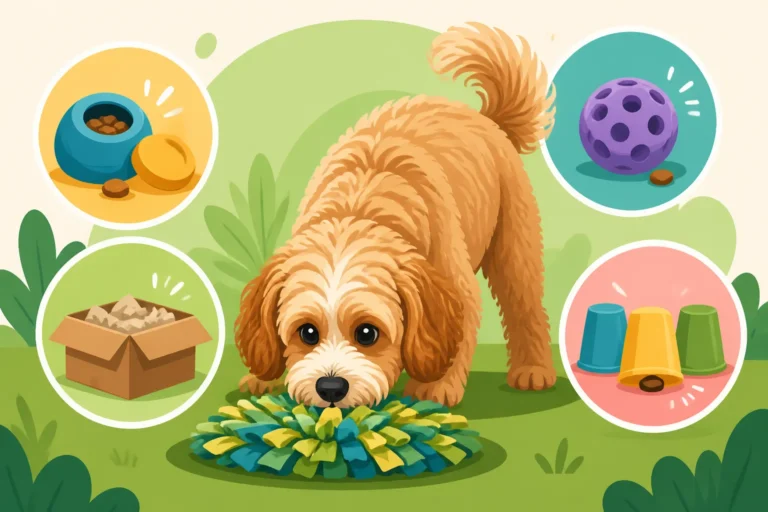
- Interactive Toys: Puzzle toys or chew toys can help redirect your Cockapoo's energy and focus, providing mental stimulation that can reduce boredom-related mischief or reactivity. Brands like KONG offer a variety of interactive toys.
- Calming Aids: For some anxious or reactive Cockapoos, calming pheromone diffusers or collars can help reduce stress levels in certain environments. Always consult your vet before trying any calming supplements.
Remember, tools are aids, not replacements for training. The goal is to use them to facilitate learning and safe management, helping your Cockapoo become a well-adjusted, confident companion who knows how to navigate the world of other dogs without feeling the need to pick fights.
Disclaimer
This article is for general informational purposes only and does not constitute professional advice. Laws, prices and regulations vary by location and change over time. Consult a qualified professional for guidance on your specific situation.