Torn Cruciates in a Cockapoo
Few things are as alarming as the sudden yelp or the unexpected, persistent limp that signals something is seriously wrong with your beloved Cockapoo's leg. It’s a gut-wrenching moment that often leads to frantic thoughts about what could be going on, and for many dog owners, the dreaded diagnosis of a torn cruciate ligament can be overwhelming. This guide is here to walk you through everything you need to know about torn cruciates in Cockapoos, from understanding the anatomy to navigating treatment and recovery, helping you feel more prepared and less alone.
Understanding the Canine Cruciate Ligament
The knee joint in dogs is a complex marvel, designed for incredible agility and strength, but it's also surprisingly vulnerable. When we talk about a "torn cruciate," we're usually referring to the cranial cruciate ligament (CCL), a vital band of tissue within your dog's knee. Think of it as one of the primary stabilizers, much like the anterior cruciate ligament (ACL) in humans, but with some crucial differences in how it functions and how it’s commonly injured in our four-legged friends.
What Exactly is the Cranial Cruciate Ligament?
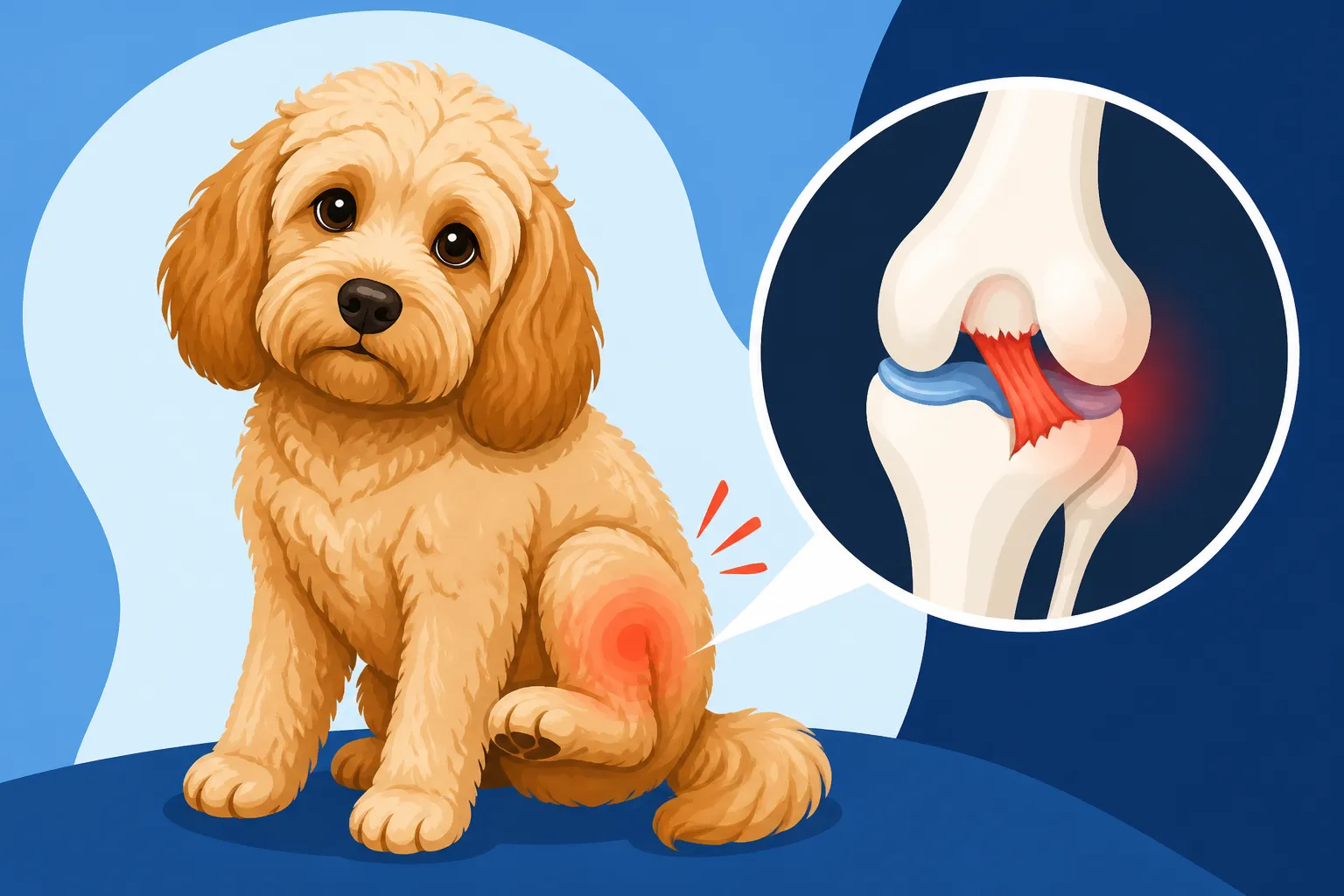
At its simplest, the cranial cruciate ligament is a strong, fibrous band of tissue inside your dog's knee, specifically connecting the femur (thigh bone) to the tibia (shin bone). Its main job is to prevent the tibia from sliding forward relative to the femur and to limit internal rotation of the joint. Together with the caudal cruciate ligament, it forms an 'X' shape within the knee, providing stability. In humans, a torn ACL often results from a sudden, traumatic injury, like a sports accident involving twisting or hyperextension. While acute trauma can certainly cause a CCL tear in dogs, it's far more common for the ligament to degenerate over time, weakening gradually until even a minor misstep causes it to rupture completely.
This degenerative process is often the silent enemy. Your Cockapoo might not show dramatic signs of pain until the ligament is significantly compromised. Imagine a rope slowly fraying – it holds together for a long time, but eventually, even a light pull can cause it to snap. This insidious weakening means that by the time you notice symptoms, the issue has likely been brewing for a while. Understanding this distinction is crucial because it helps explain why some tears seem to come "out of nowhere" and why preventing them involves long-term joint health strategies. The joint capsule itself and the surrounding muscles try to compensate for the instability, but this compensation eventually breaks down, leading to inflammation, pain, and arthritis.
Why Cockapoos Are Prone to Cruciate Issues
It's heartbreaking to think our lively Cockapoos, known for their playful energy and zest for life, might be predisposed to such a debilitating injury. Unfortunately, mixed breeds like Cockapoos can inherit conformational traits and genetic predispositions from both their Cocker Spaniel and Poodle lineages, some of which might contribute to cruciate ligament disease. While no breed is entirely immune, certain factors increase the risk, and Cockapoos often embody a few of them.
One significant factor is their generally active nature. Cockapoos are typically energetic dogs, often enjoying vigorous play, running, and jumping. While this is wonderful for their overall well-being, sudden stops, quick turns, and high-impact activities can put immense strain on their knee joints, especially if the ligaments are already undergoing degenerative changes. Furthermore, body conformation can play a role. Some Poodles, particularly Miniature and Toy Poodles, can carry genes for certain orthopaedic issues, and while not exclusive to Poodles, conditions like patellar luxation (slipping kneecaps in a Toy Cockapoo) can increase stress on the CCL. Even if the patella isn't luxating, the angle of the tibia in some dogs, known as tibial plateau angle, can place more strain on the CCL. The Cocker Spaniel side of the family, while not specifically known for CCL tears, can contribute to overall joint structure and body type.
Another major contributing factor, often overlooked until it's too late, is weight. Even a few extra pounds can significantly increase the load on a dog's joints, accelerating the degeneration of the CCL. We all love to spoil our Cockapoos, but those extra treats really do add up and can unknowingly set them up for joint problems later in life. Additionally, other concurrent joint issues, such as those mentioned in our guide on Joints in a Cockapoo Bred From Four Sizes, can exacerbate the problem, making the knee even more unstable and prone to ligament tears. It's a complex interplay of genetics, activity levels, and lifestyle that ultimately determines a Cockapoo's individual risk.
Recognizing the Signs of a Torn Cruciate
Spotting a torn cruciate ligament can be tricky, as the symptoms can range from dramatic to subtle. Many owners initially assume their dog has simply "pulled a muscle" or "tweaked something." However, recognizing the key indicators early can make a significant difference in how quickly your Cockapoo receives treatment and how well they recover. It's not always a clear-cut scenario, and understanding the nuances can save you a lot of worry and your pup a lot of discomfort.
Sudden Onset vs. Gradual Degeneration
When a dog suddenly goes from running full tilt to yelping and holding up a leg, that's often an acute, complete tear of the CCL. This is the classic scenario that most owners dread: one moment, your Cockapoo is chasing a ball in the park, the next, they're on three legs, obviously in pain. The lameness is immediate and severe, and they’ll likely avoid putting any weight on the injured leg. This type of injury might occur due to a misstep, a bad jump, or a sudden twist during play.
However, as we touched on earlier, many CCL tears are a result of gradual degeneration. This means the ligament slowly weakens over weeks, months, or even years, leading to a partial tear or chronic instability before a full rupture occurs. In these cases, the symptoms might be intermittent or less severe initially. You might notice your Cockapoo having a slight limp after exercise that improves with rest, or perhaps they're a bit stiff when getting up in the morning. This can progress to more consistent lameness, but it might not be the dramatic, sudden event that an acute tear presents. Owners often report their dog seemed "off" for a while, perhaps slowing down on walks or not jumping as high, before the final tear. This gradual progression can be particularly frustrating because it's easy to dismiss as aging or mild arthritis, delaying diagnosis and intervention. It's a reminder that even subtle changes in your Cockapoo's gait or activity level warrant attention.
Common Symptoms and What to Look For
Beyond the obvious limping, there are several other tell-tale signs that might point to a cruciate ligament issue. Observing your Cockapoo closely, especially after activity, can provide valuable clues.
- Limping and Toe-Touching: This is often the first and most obvious sign. Your dog might hold the affected leg up completely or just "toe-touch," meaning they barely put their paw down, using it only for balance rather than weight-bearing. This often worsens with activity and improves slightly with rest.
- Difficulty Getting Up or Lying Down: A dog with a painful knee will struggle with transitions. They might hesitate before standing or take longer to settle into a comfortable position.
- Reluctance to Jump or Play: If your usually enthusiastic Cockapoo suddenly avoids jumping onto the couch, struggles to get into the car, or shows less interest in their favorite games, it could be due to knee pain. They might also appear stiff or less flexible overall.
- Swelling Around the Knee: In some cases, you might notice subtle swelling around the knee joint. This is due to inflammation and fluid buildup within the joint capsule. Comparing the affected knee to the healthy one can sometimes highlight this.
- Muscle Atrophy: Over time, if your dog is not using the leg properly, the muscles in the thigh of the affected leg will start to waste away. You might notice the leg looks thinner compared to the other.
- "Sitting Like a Dog" (or rather, "sitting like a human"): This is a classic sign. Instead of sitting squarely with both legs tucked neatly under them, a dog with a torn CCL will often sit with the affected leg extended out to the side, avoiding bending the knee. It looks almost like a human sitting awkwardly.
- Clicking or Popping Sound: Less common, but some owners report hearing a distinct clicking or popping sound from the knee during movement. This could indicate meniscal damage, which often accompanies CCL tears.
It's important to remember that these symptoms can sometimes overlap with other joint issues, such as those discussed in Arthritis in a Cockapoo at Eleven. If you notice any of these signs, especially if they persist or worsen, it’s crucial to schedule a vet visit promptly. Early diagnosis and intervention are key to managing pain and improving long-term outcomes for your furry friend.
Diagnosing a Cruciate Ligament Tear
When you bring your Cockapoo to the vet with a suspected knee injury, the diagnostic process usually involves a thorough physical examination, specific manual tests, and often, imaging. It’s a bit like detective work, piecing together the clues to get a clear picture of what’s happening inside that knee. Your veterinarian will be looking for instability, pain, and any secondary changes that might indicate a CCL tear.
Your Vet's Examination and Palpation
The first step is always a comprehensive physical exam. Your vet will watch your Cockapoo walk, trot, and stand, observing their gait and posture. They’ll also carefully palpate (feel) the affected leg, checking for swelling, muscle atrophy, and any signs of pain or discomfort. The real diagnostic magic, however, often happens with two specific manual tests designed to detect instability in the knee:
- Cranial Drawer Test: This is the gold standard for diagnosing a torn CCL. Your vet will stabilize the femur with one hand and attempt to move the tibia forward (cranially) with the other. If the CCL is torn, the tibia will slide forward like a drawer opening, indicating instability. It requires a gentle but firm technique, and sometimes, a dog's muscles can tense up, making the test difficult.
- Tibial Compression Test: For this test, your vet will flex the ankle joint (hock). If the CCL is torn, the tibia will shift forward relative to the femur as the gastrocnemius muscle contracts, indicating instability.
These tests are often performed while your Cockapoo is awake, but if they are particularly tense, in a lot of pain, or have very strong leg muscles, the vet might recommend mild sedation to get an accurate reading. Sedation helps relax the muscles, allowing for a more definitive assessment of joint laxity. A positive result on either of these tests is a strong indicator of a CCL tear. It's truly incredible how much information a skilled veterinarian can glean from their hands alone.
The Role of Imaging: X-rays and Beyond
While the manual tests are highly diagnostic, X-rays play a crucial supporting role. You might wonder, "If the vet can feel the tear, why do we need X-rays?" The truth is, X-rays don't directly show the cruciate ligament itself, as it's soft tissue and doesn't appear on standard radiographs. However, X-rays are incredibly important for several reasons:
- Ruling Out Other Issues: X-rays can help rule out other potential causes of lameness, such as fractures, bone tumors, or other significant bone abnormalities. This is essential for ensuring an accurate diagnosis.
- Assessing Secondary Changes: When a CCL tears, the knee joint becomes unstable, which can lead to significant secondary changes over time. X-rays can show signs of osteoarthritis (degenerative joint disease), such as bone spurs (osteophytes) and joint effusion (fluid buildup), which are common consequences of chronic instability. These changes are crucial for understanding the overall health of the joint and planning treatment.
- Pre-Surgical Planning: If surgery is recommended, X-rays are indispensable for surgical planning. For procedures like TPLO (Tibial Plateau Leveling Osteotomy) or TTA (Tibial Tuberosity Advancement), specific measurements and angles of the tibia need to be calculated precisely. These measurements ensure the surgery is tailored to your Cockapoo's unique anatomy. For example, your vet might be looking at the tibial plateau angle, which helps determine the exact modification needed to stabilize the joint.
- Checking for Meniscal Damage: While X-rays don't show soft tissue, they can sometimes indirectly suggest meniscal injury if there are particular bone changes in the area. The meniscus is a cartilage pad in the knee that is frequently damaged when the CCL tears.
In some complex cases, or if the diagnosis remains ambiguous, your vet might recommend more advanced imaging techniques like MRI (Magnetic Resonance Imaging) or CT (Computed Tomography). These modalities provide much more detailed images of soft tissues and can definitively show ligament integrity and meniscal damage. However, they are more expensive and usually reserved for specific situations, especially if surgical exploration is already planned. Often, for a Cockapoo with clear signs, standard X-rays combined with a thorough clinical exam are sufficient to confirm a CCL tear and guide the next steps.
Treatment Options for a Torn Cruciate in Cockapoos
Once a torn cruciate ligament is diagnosed, the conversation naturally turns to treatment. This can be a daunting discussion, as there are various approaches, each with its own benefits, risks, and recovery paths. For an active breed like the Cockapoo, surgery is often the most recommended route for long-term stability and pain relief, but non-surgical management can also be an option in specific circumstances.
Surgical Solutions: TPLO, TTA, and Lateral Suture
The goal of surgical intervention for a torn CCL is to stabilize the knee joint, reduce pain, and prevent or slow the progression of osteoarthritis. There isn't a single "best" surgery; the choice often depends on your Cockapoo's size, activity level, conformation, and the surgeon's preference and expertise. Here’s a breakdown of the most common surgical techniques:
1. Tibial Plateau Leveling Osteotomy (TPLO)
The TPLO is one of the most popular and effective surgical procedures for CCL tears, especially for medium to large, active dogs, including many Miniature and Maxi Cockapoos. Instead of replacing the torn ligament, TPLO changes the biomechanics of the knee joint. The surgeon makes a curved cut in the top of the tibia (the tibial plateau), rotates it to a new angle, and then secures it with a bone plate and screws. This rotation essentially neutralizes the cranial tibial thrust, which is the force that causes the tibia to slide forward when the CCL is torn.
- Pros: Highly stable outcome, excellent long-term results, and dogs often return to high activity levels. It addresses the fundamental biomechanical issue.
- Cons: More invasive and expensive than some other options, requires a specialized surgeon, and has a longer initial recovery period for bone healing.
- Suitability for Cockapoos: Often recommended for active Cockapoos, especially larger ones, that require robust long-term stability. It can significantly improve their quality of life, allowing them to enjoy their usual playful activities without chronic pain or instability.
2. Tibial Tuberosity Advancement (TTA)
Similar to TPLO, TTA also aims to alter the biomechanics of the knee. In this procedure, the surgeon makes a cut in the front part of the tibia (the tibial tuberosity), moves it forward, and secures it with a cage and screws. This advancement changes the angle of the patellar ligament, effectively neutralizing the cranial tibial thrust.
- Pros: Often considered less invasive than TPLO, potentially a slightly faster initial recovery for some dogs due to less bone cutting, and also provides good long-term stability.
- Cons: Still a complex and expensive procedure, requires a specialized surgeon, and may not be suitable for all knee conformations.
- Suitability for Cockapoos: A viable alternative to TPLO for many Cockapoos, particularly those of moderate size. The choice between TPLO and TTA often comes down to the surgeon's specific expertise and the individual dog's anatomy.
3. Lateral Suture Stabilization (Extracapsular Repair)
Also known as an "extracapsular repair" or "fascial graft," this is a simpler, less invasive, and generally less expensive surgical option. Instead of altering bone structure, this technique involves placing a strong suture material (often nylon or a similar synthetic fiber) outside the joint capsule. This suture mimics the function of the torn CCL, preventing the tibia from sliding forward. Over time, scar tissue forms around the suture, creating natural stability.
- Pros: Less invasive, lower cost, and can be performed by many general practitioners.
- Cons: May not be as robust or durable as TPLO or TTA for larger, very active dogs, and may have a higher rate of future meniscal tears if not addressed concurrently. The suture can stretch or break.
- Suitability for Cockapoos: Often a good option for smaller or less active Cockapoos, older dogs, or those with concurrent health issues that make more invasive surgeries riskier. For a Toy Cockapoo, for instance, a lateral suture might provide adequate stability without the need for major bone modification. However, for a high-energy Maxi Cockapoo, a TPLO or TTA might offer a more long-lasting solution.
Here's a quick comparison of the surgical options:
| Surgical Option | Primary Mechanism | Invasiveness | Cost Range (Approx.) | Recovery Time (Full) | Best Suited For |
|---|---|---|---|---|---|
| TPLO | Realigns tibial plateau to neutralize thrust | High | $4,000 – $7,000+ | 4-6 months | Medium to large, active dogs; long-term stability |
| TTA | Advances tibial tuberosity to neutralize thrust | Moderate-High | $3,500 – $6,500+ | 4-6 months | Medium to large, active dogs; similar to TPLO |
| Lateral Suture | Places synthetic suture outside joint to stabilize | Low-Moderate | $1,500 – $3,500+ | 3-5 months | Smaller, less active, or older dogs; budget-conscious |
Note: Costs are approximate and can vary widely based on location, surgeon, and complexity.
Non-Surgical Management: When it's an Option
While surgery is often the most effective path, there are situations where non-surgical, or conservative, management might be considered. This approach focuses on pain control, inflammation reduction, and physical therapy to build supporting muscle.
- Conservative Treatment Protocol: This typically involves strict rest for several weeks (often 6-8), restricted activity, and gradually increasing controlled exercise. Pain medication (NSAIDs), joint supplements (glucosamine, chondroitin, omega-3 fatty acids), and sometimes bracing or wraps are used. This method aims for scar tissue to form and stabilize the joint, but it’s usually only successful in very small dogs (under 15-20 lbs) or those with very partial tears and low activity levels. For an average Cockapoo, especially if they are energetic, conservative management rarely provides long-term stability and often leads to progressive arthritis and chronic pain.
- Physical Therapy: Regardless of whether surgery is chosen, physical therapy is incredibly beneficial. For non-surgical cases, it focuses on strengthening the muscles around the knee to compensate for the torn ligament. This includes exercises like controlled walks, balance exercises, hydrotherapy (swimming or underwater treadmill), and range-of-motion exercises.
- Weight Management: This is critical for all dogs with joint issues, but especially for those undergoing conservative management. Reducing excess weight significantly decreases the load on the knee, slowing down arthritis progression and improving comfort. A healthy diet plan tailored to your Cockapoo’s needs is essential. This aligns perfectly with discussions around feeding a Maxi Cockapoo or keeping a Cockapoo's weight in range.
- When it's Considered: Non-surgical management is usually reserved for dogs that are very small, elderly, have other serious health conditions that make surgery risky, or whose owners cannot afford surgery. It's important to have a realistic conversation with your vet about the expected outcomes and potential quality of life for your Cockapoo if choosing this route. While it avoids the immediate stress of surgery, it often leads to a higher chance of chronic discomfort and developing arthritis, potentially shortening your The Fourteen to Eighteen Years a Cockapoo Lives.
Deciding on the best course of action can be emotionally taxing. It's always best to discuss all options thoroughly with your veterinarian and potentially consult with a board-certified veterinary surgeon. They can help you weigh the pros and cons based on your Cockapoo's specific situation, ensuring you make the most informed decision for their well-being. Additionally, considering pet insurance like Healthy Paws, which often covers unexpected accidents and illnesses like cruciate tears, can significantly alleviate the financial burden of these expensive treatments.
The Road to Recovery: Post-Surgery Care and Rehabilitation
Undergoing surgery for a torn cruciate ligament is a major event for your Cockapoo, and the surgery itself is just the beginning of the journey. The recovery period is arguably even more critical, requiring dedication, patience, and strict adherence to your veterinarian's instructions. A successful outcome hinges on diligent post-operative care and a well-structured rehabilitation program.
Immediate Post-Operative Care and Home Environment
The first few weeks after surgery are all about protecting the healing joint, managing pain, and preventing complications. Your Cockapoo will likely come home with specific instructions, and creating a safe, controlled environment is paramount.
- Pain Management: Your vet will prescribe pain medications, which are vital for your Cockapoo's comfort and willingness to cooperate with rest. This often includes NSAIDs (non-steroidal anti-inflammatory drugs) to reduce swelling and pain, and sometimes stronger analgesics. Administer these exactly as prescribed, even if your dog seems to be feeling better. Unmanaged pain can lead to increased activity, which could jeopardize the surgical repair.
- Activity Restriction: This is probably the hardest part for an energetic Cockapoo! For several weeks, your dog will need strict crate rest or confinement to a small, secure area. This means no running, jumping, stairs, or unsupervised outdoor access. Leash walks will be short and controlled, purely for potty breaks. This restriction is crucial to allow the bone and soft tissues to heal properly and for the surgical site to remain stable. It's often recommended to use a sling or towel to support their hind end during walks to prevent putting full weight on the healing leg.
- Wound Care: You'll need to monitor the incision site daily for any signs of redness, swelling, discharge, or opening. Keep it clean and dry. Your Cockapoo will likely wear an Elizabethan collar (the "cone of shame") to prevent them from licking or chewing at the incision, which can lead to infection or delay healing. Trust me, it’s far better for them to be annoyed by a cone than to end up with an infected surgical site that requires further intervention.
- Medication Protocols: Beyond pain meds, your vet might prescribe antibiotics to prevent infection or other medications depending on your dog's specific needs. Again, follow these instructions precisely.
- Creating a Safe Space: Make sure your dog's recovery area is free of hazards. Remove rugs that could slip, block access to stairs, and ensure their bed is comfortable and easily accessible. A non-slip mat around their food and water bowls can also be helpful. For some dogs, this quiet time in confinement can lead to anxiety, which you might recognize from topics like A Cockapoo That Cannot Be Left. Gentle reassurance and providing mental stimulation through puzzle toys can help.
This phase is challenging, but remember it's temporary and absolutely essential for your Cockapoo's long-term health and mobility.
Long-Term Rehabilitation and Preventing Future Issues
Once the initial healing has occurred, typically around 6-8 weeks post-op, the focus shifts to rehabilitation and gradually strengthening the leg. This phase is critical for restoring full function and preventing re-injury or compensatory issues.
- Physical Therapy Exercises: A certified canine rehabilitation therapist is an invaluable resource. They can design a tailored program of exercises to rebuild muscle strength, improve range of motion, and enhance balance and coordination. This might include passive range-of-motion exercises, therapeutic exercises on various surfaces, balance board work, and targeted strengthening drills. Hydrotherapy, such as swimming or an underwater treadmill, is particularly effective as it allows for exercise without putting excessive weight on the joint.
- Gradual Return to Activity: This phase is all about slow and steady progress. Your vet and rehabilitation therapist will guide you on increasing walk durations, introducing gentle inclines, and eventually, allowing short periods of controlled off-leash play. It's vital not to rush this process. Pushing your Cockapoo too hard, too soon, can lead to setbacks, re-injury, or damage to the other cruciate ligament, which is sadly common.
- Maintaining a Healthy Weight: This cannot be stressed enough. Lifelong weight management is crucial for all dogs, but especially for those who have undergone cruciate surgery. Excess weight places unnecessary strain on all joints, including the recovering one and, critically, the other knee, which now bears more load. Discussions about Keeping a Cockapoo's Weight in Range should become a regular part of your care routine.
- Joint Supplements: Many vets recommend continuing joint supplements like glucosamine, chondroitin, and omega-3 fatty acids long-term. While they don't fix the tear, they can support cartilage health, reduce inflammation, and potentially slow the progression of osteoarthritis, which will inevitably develop to some degree in a knee that has undergone such a significant injury. These can be particularly beneficial as your Cockapoo ages, as detailed in our guide on Arthritis in a Cockapoo at Eleven.
- Regular Vet Check-ups: Continued follow-up appointments with your veterinarian are essential to monitor progress, assess joint health, and address any concerns. They can advise on ongoing management strategies and help detect any early signs of issues in the other knee.
The full recovery from cruciate surgery can take anywhere from 4 to 6 months, and sometimes even longer, depending on the dog and the type of surgery. It's a significant commitment, but with diligent care, most Cockapoos can return to a happy, active life. Financial planning for these extensive rehabilitation costs is important, and once again, a pet insurance plan like Healthy Paws can be a lifesaeline, covering a substantial portion of these expenses, giving you peace of mind to focus on your Cockapoo's recovery rather than the bills.
Preventing Cruciate Ligament Injuries in Your Cockapoo
While some factors, like genetic predisposition, are beyond our control, there's a lot we can do as responsible Cockapoo owners to minimize the risk of cruciate ligament injuries. Proactive care and a focus on overall health can significantly reduce the chances of your furry friend ending up on the operating table. It's all about providing the right foundation for a long, healthy, and active life.
Maintaining Optimal Weight and Conditioning
This is, without a doubt, one of the most impactful preventative measures you can take. Every extra pound your Cockapoo carries puts increased stress on their joints, accelerating the degenerative process of the cruciate ligament and making it more prone to tearing.
- Dietary Management: Feed a high-quality, balanced diet appropriate for your Cockapoo's age, size, and activity level. Avoid overfeeding and limit high-calorie treats. If you're unsure about the right portion sizes, your vet can help you calculate your dog's ideal caloric intake. For different sizes, you might be looking at different recommendations, such as those for Feeding a Maxi Cockapoo by Weight versus a smaller variety. Regular weight checks at home or during vet visits are crucial. You should be able to easily feel your Cockapoo's ribs without seeing them prominently, and they should have a discernible waist when viewed from above.
- Controlled, Consistent Exercise: While vigorous activity can put strain on joints, a lack of appropriate exercise can lead to weak muscles and obesity, both major risk factors. Aim for regular, moderate exercise that builds muscle strength and endurance without being overly strenuous or involving sudden, uncontrolled movements. Daily walks, gentle jogging, or swimming are excellent low-impact options. Avoid activities that involve excessive jumping, twisting, or sudden stops and starts, especially if your Cockapoo hasn't properly warmed up. Think about gradually building their fitness, rather than sporadic bursts of intense activity. This might be especially true for a breed like the Cockapoo, which can have a strong flushing drive, as explored in The Flushing Drive Still Alive in a Cockapoo, making them prone to sudden movements.
- Warm-up and Cool-down: Just like human athletes, dogs benefit from a warm-up before intense exercise and a cool-down afterward. A brisk 5-10 minute walk before a run or a game of fetch can prepare their muscles and joints, while a slower walk afterward helps them recover.
By keeping your Cockapoo at a healthy weight and ensuring they have consistent, appropriate exercise, you’re not only safeguarding their knees but also contributing to their overall vitality and longevity.
Regular Vet Check-ups and Early Intervention
Routine veterinary care is your first line of defense against many health issues, including cruciate ligament disease. Don't underestimate the power of your vet's keen eye and experience.
- Yearly Wellness Exams: During annual check-ups, your veterinarian will perform a thorough physical examination, which includes assessing your Cockapoo's gait, palpating their joints, and checking for any signs of instability or discomfort. These routine checks, including specific attention to joint health, are part of what's recommended in our guide on The Kidney and Eye Checks a Cockapoo Needs Yearly. Even subtle changes that you might not notice at home can be picked up by a professional. Early detection of joint laxity or mild lameness can allow for early intervention, potentially slowing down the progression of ligament degeneration.
- Discussing Any Gait Changes or Stiffness: Don't hesitate to bring up any concerns you have, no matter how minor they seem. If your Cockapoo seems a bit stiff after a long walk, hesitates before jumping, or seems to favor a leg intermittently, mention it. These seemingly small observations can be crucial clues for your vet.
- Proactive Joint Care: For Cockapoos, especially as they get older, discussing proactive joint care with your vet can be beneficial. This might include starting joint supplements before problems arise, ensuring appropriate exercise levels, or even exploring options like physiotherapy or specific diets tailored for joint health. Some breeds, including elements of the Poodle line, can be prone to certain joint issues, so being proactive is a smart strategy.
- Considering Pet Insurance: As mentioned throughout, unexpected medical emergencies, like a torn cruciate, can be incredibly expensive. Having pet insurance can provide immense peace of mind, allowing you to make medical decisions based on what’s best for your Cockapoo, not solely on your budget. Companies like Healthy Paws offer comprehensive coverage that can help offset the costs of diagnosis, surgery, and rehabilitation for conditions like CCL tears, ensuring your dog gets the best possible care without breaking the bank. It's a forward-thinking investment in your Cockapoo's health and your financial stability during a stressful time.
Ultimately, preventing a torn cruciate ligament in your Cockapoo involves a holistic approach. It’s about being observant, proactive, and working closely with your veterinarian to ensure your cheerful companion stays as happy and mobile as possible for all their wonderful years with you.
Disclaimer
This article is for general informational purposes only and does not constitute professional advice. Laws, prices and regulations vary by location and change over time. Consult a qualified professional for guidance on your specific situation.