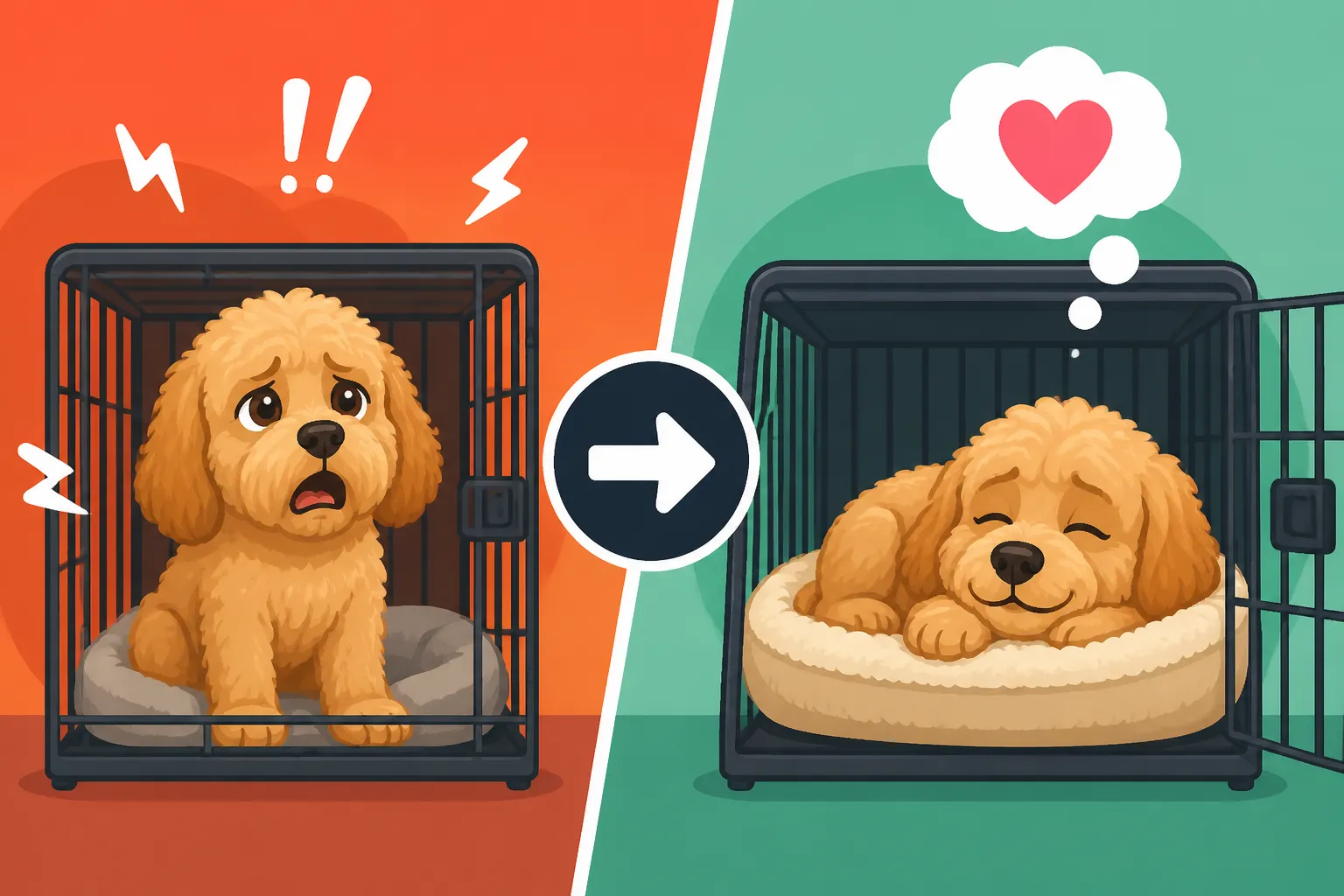
Whether Crate Time Settles a Cockapoo
Many Cockapoo owners find themselves with a furry bundle of energy that, while adorable, can struggle to settle down indoors, leaving them feeling a bit frazzled and wondering if their pup will ever truly relax. It’s a common frustration when your beloved companion seems to bounce off the walls, paces constantly, or resorts to mischief because they just can't switch off. This guide is here to help you understand how crate training, when approached thoughtfully and positively, can be an incredibly effective tool in teaching your Cockapoo to self-soothe, find their calm space, and ultimately become a more settled and happy member of your household.
Understanding Your Cockapoo's Energy Levels
It's easy to look at a Cockapoo and see a fluffy, cuddly companion, but beneath that charming exterior often lies a surprising amount of energy and drive. This isn't a fault of the dog; it's simply the beautiful, sometimes challenging, blend of their parent breeds. Understanding where that energy comes from is the first step in helping them learn to settle.
The Energetic Blend of Cocker and Poodle
Think about the Cocker Spaniel side of your Cockapoo. Cocker Spaniels were originally bred as gun dogs, specifically "flushing" dogs, meaning their job was to burst into dense cover to startle birds into flight for hunters. This requires immense stamina, a keen nose, and an eagerness to work. Even modern companion Cockers retain a good deal of that zest for life and desire for activity. They love to explore, follow scents, and are generally always "on the go."
Then consider the Poodle influence. Poodles, despite their fancy show clips, are also working dogs with a history as retrievers, specifically water retrievers. They are highly intelligent, agile, and possess a remarkable amount of energy, often needing significant mental and physical stimulation to prevent boredom. A Poodle's mind is always ticking, and if it's not given appropriate outlets, that mental energy can translate into restlessness or destructive behaviors. So, when you combine these two breeds, you often get a Cockapoo that is smart, eager, and naturally inclined to be active. They might love a good game of fetch, a long walk to sniff everything, or a puzzle toy that challenges their brain. But this also means they can struggle to just "be" when there isn't an activity at hand. You might want to read What the Cocker Puts Into a Cockapoo to understand this further.
When "Unsettled" Becomes a Problem
An unsettled Cockapoo isn't just a mild inconvenience; it can truly disrupt the harmony of a home. Maybe you’ve experienced your pup pacing relentlessly around the living room, even after a decent walk. Perhaps they can’t seem to lie still for more than a few minutes before getting up to investigate something new, or worse, starting to chew on furniture or personal items they shouldn't. Persistent demand barking for attention or incessant nudging with their nose are also classic signs.
This constant state of readiness or inability to relax can be frustrating for you, the owner. You might feel like you're constantly trying to redirect them, pick up after them, or simply wish for a moment of peace. It's exhausting to always be "on" to manage your dog's energy. More importantly, it’s not ideal for your Cockapoo either. A dog that can't settle often isn't truly resting, and just like humans, dogs need quality downtime to recharge, process information, and maintain their emotional well-being. Without it, they can become overtired, overstimulated, and even more prone to problematic behaviors. It's a vicious cycle that positive crate training can often help break. You might find Signs a Cockapoo Is Anxious Rather Than Bored insightful if you suspect anxiety is at play.
The Crate as a Safe Haven, Not a Prison
The idea of a dog crate sometimes conjures images of a cage, and many owners feel guilt or hesitation about using one. However, when introduced correctly, a crate should be viewed by your Cockapoo not as a punishment cell, but as their own personal den – a safe, comfortable, and predictable space where they can retreat and relax.
Introducing the Crate Positively
The key to successful crate training is making the crate a truly desirable place. This isn't about forcing your Cockapoo into it and locking the door. It's about building positive associations from the very beginning. Start by placing the crate in a central, yet quiet, part of your home where your dog feels part of the family but can also retreat. Toss high-value treats and favorite toys inside, leaving the door open. Let your Cockapoo explore it at their own pace. Feed meals near the crate, then eventually inside it with the door open.
Once they're comfortable going in, start closing the door for very brief periods – just a few seconds at first, while they're eating or enjoying a chew. Gradually increase the duration, always staying nearby and making it a positive experience with praise and rewards. Never use the crate as a place for punishment, as this will immediately undo all your hard work and create negative associations. The goal is for your Cockapoo to view their crate as a cozy bedroom, a secure retreat, and a place where good things happen. If you're struggling, a structured program like those offered by BAXTER & Bella often provides excellent step-by-step guidance on positive crate introduction.
Crate Training for Relaxation and Calm
Once your Cockapoo accepts their crate, it becomes an invaluable tool for teaching them to relax. Dogs are den animals by nature, and a well-established crate can tap into this instinct, providing a secure space where they feel safe and unthreatened. This predictability is crucial for a dog that struggles to settle. It becomes a dedicated "off switch" area.
You can use the crate for scheduled quiet times throughout the day, much like a child's naptime. After an exciting walk or a lively play session, gently guide your Cockapoo to their crate with a special chew toy or a calming treat. This teaches them that after periods of activity, there's a time for quiet rest. Over time, they'll learn to associate the crate with relaxation and will often go in on their own when they feel tired or overstimulated. This practice builds self-soothing skills and fosters independence, crucial for a truly settled dog.
Setting Up the Perfect Crate Environment
Making the crate inviting is paramount. First, ensure it’s the right size. Your Cockapoo should be able to stand up, turn around, and lie down comfortably, but it shouldn't be so large that they can use one end as a potty area. You can find a wide range of suitable crates, from wire to soft-sided, on platforms like Amazon. Next, add a soft, comfortable bed or blanket. Some dogs love a cozy cave-like feel, so a crate cover can be a great addition to reduce visual stimulation and create a darker, den-like atmosphere.
Inside the crate, always provide appropriate chew toys to keep them occupied and help relieve stress. Kongs filled with peanut butter or yogurt, frozen for extra longevity, are fantastic for encouraging calm chewing. Some owners also find that playing soft, calming music or white noise can further enhance the relaxing atmosphere, helping to drown out household noises that might otherwise keep a restless Cockapoo alert. Remember, the more appealing and comfortable the crate is, the more readily your Cockapoo will embrace it as their personal sanctuary.
How Crate Time Contributes to a Settled Cockapoo
Crate time isn't just about containment; it's a strategic part of a broader training plan that helps your Cockapoo develop important life skills, leading to a more balanced and settled disposition.
Preventing Over-stimulation and Over-tiredness
Just like human toddlers, puppies and even adult dogs can get overtired and then become hyperactive and difficult to manage. Think about those "zoomies" a young Cockapoo might get in the evening – sometimes, it’s not boundless energy, but a sign they’re utterly exhausted and can't regulate themselves. A crate provides a necessary escape from constant sensory input. In a busy household with kids, other pets, or frequent visitors, it’s easy for a sensitive Cockapoo to become overstimulated.
Scheduled crate breaks offer a quiet, low-stimulus environment where your dog can genuinely rest without feeling the need to respond to every sound or movement. By proactively putting your Cockapoo in their crate for a quiet nap after a walk or a play session, you’re teaching them the rhythm of activity and rest. This consistent routine helps their internal clock regulate, reducing the likelihood of them becoming overtired and consequently, unsettled. This is especially true for young pups; you'll often see them crash hard in their crate after a short burst of activity. Consistent quiet time in the crate prevents the accumulation of stress and excessive energy that can make a Cockapoo seem perpetually unsettled.
Building Independence and Reducing Separation Anxiety
A common reason a Cockapoo might seem unsettled is an underlying dependency or even burgeoning separation anxiety. If your dog constantly shadows you, whines when you leave the room, or becomes destructive when left alone, they haven't learned to be comfortable in their own company. Positive crate training is foundational in addressing this. By teaching your Cockapoo that short, positive periods alone in their crate are normal and even rewarding (with a special treat or toy), you gradually build their confidence and independence.
Start with very short absences, just stepping out of sight for a minute or two, then returning before they get distressed. Slowly extend these periods. The crate creates a predictable, safe space that they associate with your eventual return, rather than abandonment. This process helps dismantle the fear or anxiety associated with being alone, which is a major contributor to unsettled behavior when you're not actively engaging with them. Many comprehensive online dog training programs, such as those from BAXTER & Bella, integrate crate training specifically to foster this independence and mitigate separation-related stress. Consistent, calm departures and greetings reinforce that crate time is temporary and safe. You may also find Building a Cockapoo's Tolerance for Being Alone helpful.
Managing Undesirable Behaviors
While a crate should never be used as a punishment tool, it can be incredibly effective for managing certain undesirable behaviors. If your Cockapoo starts excessively barking, jumping, or destructively chewing when they’re overexcited or bored, a brief, calm "crate time" can serve as a reset. It's not a punishment; it's a redirection to a quiet space where they can calm down. For example, if your puppy is nipping too hard during play, a brief, silent time-out in the crate allows them to calm down and learn that play stops when they bite too hard.
The crate is also an indispensable tool for house training. Dogs are naturally clean creatures and are reluctant to soil their sleeping area. When a Cockapoo puppy is left unsupervised, they might have accidents anywhere. Confining them to a properly sized crate when you can't actively supervise them drastically reduces the opportunities for accidents and helps them learn bladder and bowel control. This structure contributes to a more settled dog by reducing stress for both the dog and the owner that comes with constant cleanup and frustration. Read How Long a Cockapoo Takes to Stop Having Accidents for more details.
Important Considerations and Common Pitfalls
While crate training is immensely beneficial for settling a Cockapoo, it's not a magic bullet. It needs to be part of a holistic approach to your dog's well-being and used responsibly to avoid creating new problems.
Not a Substitute for Exercise and Mental Stimulation
One of the biggest mistakes owners make is thinking the crate can replace adequate exercise and mental engagement. A Cockapoo, with its intelligent Poodle brain and active Cocker Spaniel spirit, needs both. Tucking a bored, under-exercised Cockapoo into a crate for hours on end will not make them settled; it will likely make them restless, frustrated, and potentially even destructive when they are let out.
Imagine being cooped up all day without anything to do, only to be expected to be calm immediately when you're finally released. It’s unfair and unrealistic. Your Cockapoo needs daily physical activity – walks, runs, fetch in the yard, or visits to a dog park (if appropriate). They also need mental stimulation, such as puzzle toys, training sessions, or scent games. Only after they've had their physical and mental needs met will the crate effectively serve its purpose as a place for calm rest. A truly settled Cockapoo is one whose needs are met on all fronts, with crate time providing structured rest within that fulfilling routine. Consider The Miles a Cockapoo Wants Every Day for appropriate exercise levels.
Avoiding Over-Crating
There’s a fine line between using a crate effectively and over-crating. Leaving a dog in a crate for excessive periods can lead to physical discomfort, psychological distress, and can even undo all the positive associations you’ve built. A crate is not meant for a dog to spend the majority of their day or night in, especially not without adequate breaks.
General Guidelines for Crate Duration:
| Age of Cockapoo | Maximum Recommended Crate Time (Approximate) | Important Considerations |
|---|---|---|
| 8-10 weeks | 30-60 minutes | Very young puppies have tiny bladders. Frequent potty breaks are essential. Never leave for extended periods. |
| 11-14 weeks | 1-3 hours | Bladder control is improving, but still requires frequent breaks. Focus on positive experiences. |
| 15-16 weeks | 3-4 hours | Can hold it longer, but should still have plenty of playtime and potty breaks outside the crate. |
| 17+ weeks (adult) | 4-6 hours (daytime), up to 8 hours (night) | Healthy adult Cockapoos can often hold it overnight for longer periods. During the day, aim for shorter stretches with walks, play, and potty breaks in between. Long durations without activity will lead to frustration, not settling. |
Always remember these are general guidelines. Every dog is an individual. If your Cockapoo shows signs of distress, reduce crate time and work on positive associations.
For owners who work long hours, "over-crating" is a very real risk. In such cases, consider alternatives like dog walkers, doggy daycare (if your Cockapoo enjoys it), or a secure, dog-proofed room with a potty area, so they aren't confined for too long. The goal is always a happy, well-adjusted dog, not just a quiet one.
Addressing Crate Aversion or Distress
While most Cockapoos can be successfully crate trained with patience and positive reinforcement, some dogs may develop a genuine aversion or show significant distress. This is different from a puppy’s initial whining or protest. Signs of true distress include excessive drooling, destructive attempts to escape (chewing bars, digging at the bottom), panic, self-harm, or persistent, high-pitched vocalization beyond normal puppy protests.
If your Cockapoo is exhibiting these signs, stop using the crate immediately and reassess your approach. It might be that the introduction was too fast, the crate is too small, or there's an underlying anxiety issue that needs professional intervention. Forcing a dog into a crate when they are genuinely distressed can worsen anxiety and create lasting phobias. In such cases, consulting with a certified professional dog trainer or a veterinary behaviorist is crucial. They can help identify the root cause of the aversion and guide you through alternative strategies or a specialized desensitization protocol to help your Cockapoo overcome their fear. It's about finding what truly helps your individual dog thrive, even if it means modifying your initial plan.
Disclaimer
This article is for general informational purposes only and does not constitute professional advice. Laws, prices and regulations vary by location and change over time. Consult a qualified professional for guidance on your specific situation.