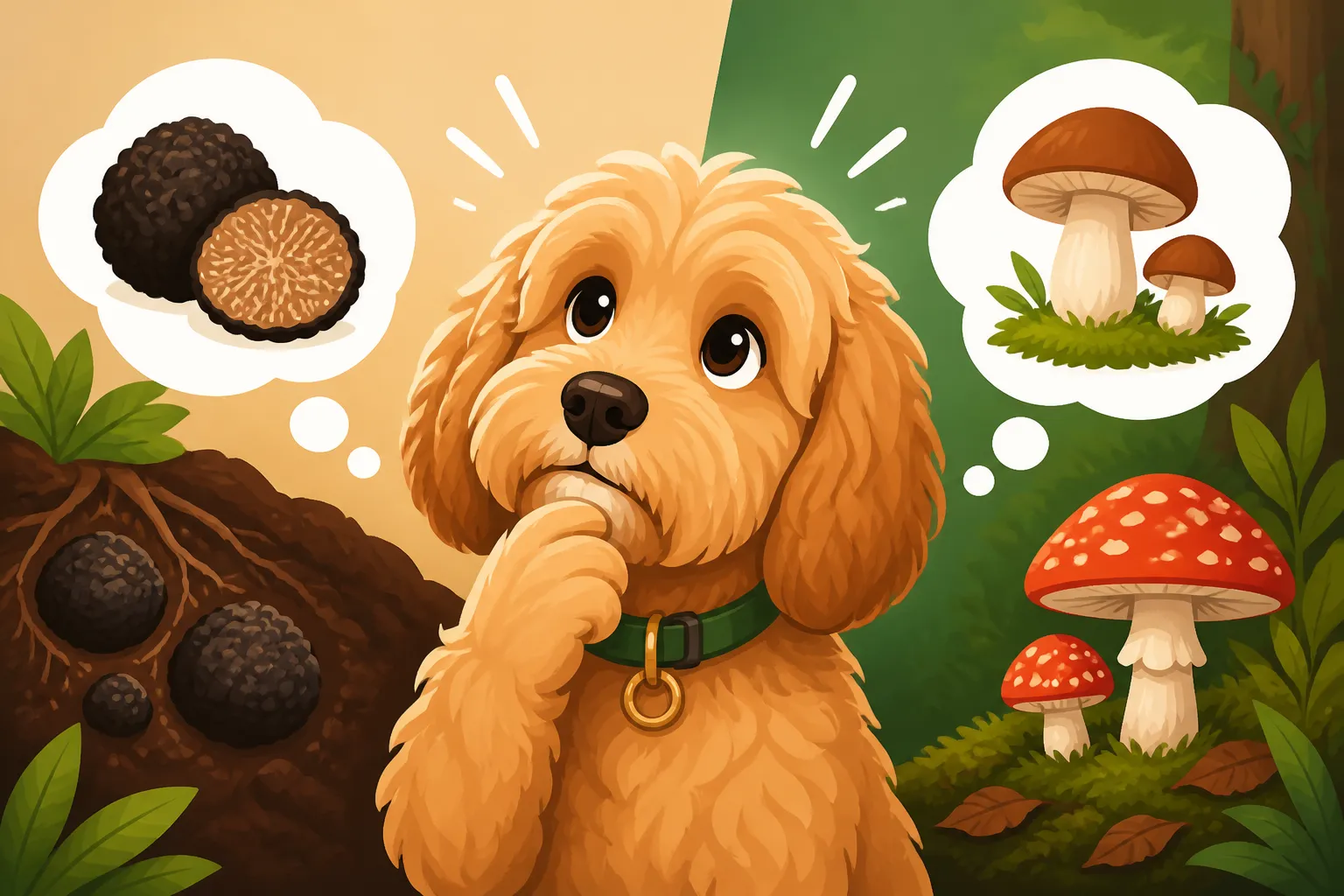
Whether a Cockapoo Can Find Truffles or Mushrooms
Many Cockapoo owners find themselves marveling at their dog's incredible nose, watching them track invisible scents through the grass or spending ages sniffing out interesting smells on a walk. This often leads to a natural question: can a Cockapoo, with all that inherited Poodle intelligence and Cocker Spaniel drive, actually be trained for something as specialized as finding truffles or wild mushrooms? The answer is a resounding yes, and this guide will walk you through harnessing those fantastic natural abilities for a rewarding and unique shared experience.
The Cockapoo's Incredible Nose for Scent Work
It’s easy to get caught up in the Cockapoo’s charming looks and bouncy personality, but beneath that fluffy exterior lies a highly capable scent detection machine. Their lineage, a thoughtful blend of two intelligent and driven breeds, provides them with a formidable olfactory toolkit. They truly do possess an incredible nose, and understanding where this comes from is the first step to appreciating their potential in specialized scent work.
Inherited Scenting Prowess: Cocker Spaniel and Poodle Traits
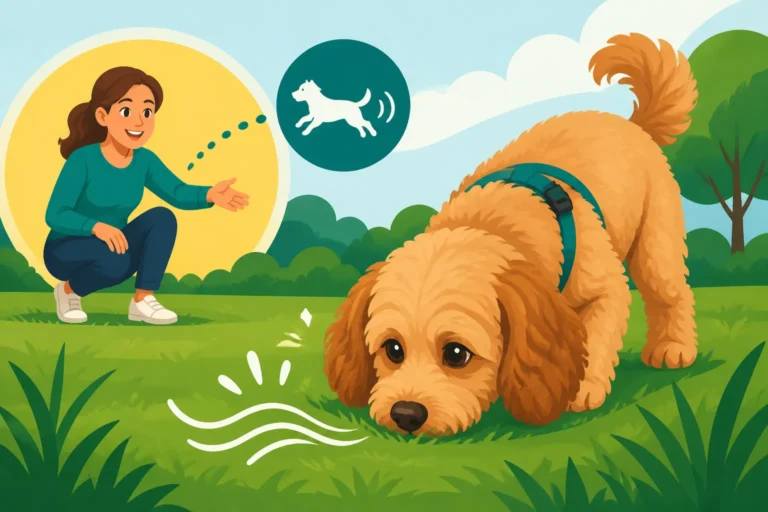
When you look at the Cockapoo's parent breeds, their aptitude for scent work becomes immediately clear. The Cocker Spaniel, whether American or English, was originally bred as a flushing dog. This means their job was to locate game birds hiding in dense cover, flush them out for hunters, and often retrieve them. To do this effectively, they needed an exceptional sense of smell, an unwavering focus on scent trails, and a strong drive to work. They are truly masters of sniffing out hidden things, often with their nose glued to the ground, a behavior you might already notice in your own Cockapoo.
Then there's the Poodle, often underestimated for their working abilities due to their sometimes fancy show clips. Historically, Poodles were water retrievers, a role that also demanded keen intelligence, trainability, and an excellent nose for finding downed game in challenging environments. Standard Poodles, in particular, are renowned for their working drive and sharp minds. Even the smaller Miniature and Toy Poodles retain these traits, making them incredibly adaptable and eager to learn.
When these two breeds come together in the Cockapoo, you get a dog that inherits a powerful combination: the tenacious scenting ability and drive of the Spaniel, coupled with the intelligence, focus, and biddability of the Poodle. This makes the Cockapoo a surprisingly strong candidate for various forms of scent work, including specialized tasks like seeking out elusive fungi. Many owners observe their Cockapoo with its Whether a Cockapoo Hunts With Its Nose Down for extended periods, lost in a world of smells, proving just how much those inherited traits are still present. You might wonder Whether the Cocker or the Poodle Shows Up in Training more, but for scent work, both contribute something valuable.
Beyond the Ball: Tapping into Natural Instincts
For many Cockapoos, simply playing fetch or going for a walk, while enjoyable, doesn't fully satisfy their innate mental and physical needs. Their intelligent minds and keen noses crave a more challenging outlet, something that truly engages their natural instincts. This is where scent work shines. It transforms an ordinary activity into a stimulating puzzle, allowing them to use their most powerful sense in a purposeful way.
Think about it: how often does your Cockapoo seemingly ignore you when a particularly interesting smell grabs their attention? This isn't disobedience; it's their natural drive kicking in. Scent work, particularly for something like truffle or mushroom foraging, provides a structured and rewarding way to channel that drive. It gives them a "job" to do, which is incredibly fulfilling for a dog with their genetic background. It's not just about finding the prize; it's about the process of searching, problem-solving, and working collaboratively with you. This kind of activity can reduce boredom, decrease destructive behaviors born from understimulation, and strengthen the bond between you and your canine companion. Scent Work That Satisfies a Cockapoo often taps into these deep-seated instincts in a way that regular exercise simply can't.
Training Your Cockapoo for Truffle and Mushroom Foraging
The idea of training your Cockapoo to find something as niche as truffles or edible mushrooms might seem daunting, but it's a process built on fun, positive reinforcement, and gradual steps. Remember, your Cockapoo already has the nose; your role is to teach them what to find and how to tell you about it.
Starting with Basic Scent Discrimination
The foundation of any scent detection work is teaching your dog to identify and focus on a specific target odor. For truffles, this often starts with truffle oil, which is readily available and easy to work with. For mushrooms, you can use dried, edible varieties that you want your dog to learn to find.
Here's how to begin:
- Introduce the Scent: Get a small, airtight container and place a drop of high-quality truffle oil on a cotton swab inside. Or, if using dried mushrooms, place a small piece in the container. Make sure this is the only scent associated with the container at first.
- The "Find It" Game: Start in a quiet, distraction-free room. Let your Cockapoo sniff the container briefly, then hide it in plain sight, perhaps under a towel or behind a chair. Give them a simple command like "Find it!" As soon as they show interest in the container, reward them immediately with a high-value treat and enthusiastic praise.
- Keep it Positive and Fun: The key is to make this a highly rewarding game. Never scold your dog if they don't find it right away. Help them if they're struggling, and always end on a success. Use treats they absolutely adore – tiny pieces of cooked chicken, cheese, or specialized training treats are often effective. Repetition in short, frequent sessions (5-10 minutes) is far more effective than long, drawn-out ones. You can find excellent training kits with various scents and equipment on platforms like Amazon to help you get started with the basics of scent discrimination. Setting Up Scent Boxes for a Cockapoo at Home is a fantastic way to practice this initial stage indoors.
Graduating to Outdoor Environments and Real-World Scenarios
Once your Cockapoo reliably finds the hidden scent indoors, it's time to take the training outside. This is where the real challenge, and the real fun, begins.
- Increase Difficulty Gradually: Start in your backyard, a familiar and relatively low-distraction area. Place the scent container in increasingly challenging spots – under leaves, behind bushes, or partially buried in the soil. Slowly increase the distance your dog needs to travel to find the scent.
- Simulate Foraging Locations: If you're serious about truffles, research the types of trees they associate with (oaks, hazels, pines). Practice placing your scent source near these types of trees. For mushrooms, consider the typical habitats. The goal is to acclimate your dog to searching in environments where these fungi naturally grow.
- Consistency is Key: Regular practice, even for short periods, will build your Cockapoo's confidence and skill. They'll learn to tune out other interesting smells and focus on the target scent. Remember to always bring high-value rewards and celebrate every successful find. The more consistent you are, the more your Cockapoo will understand what's expected.
For those who appreciate structured guidance, online platforms can be incredibly helpful. Many offer courses specifically designed for dog scent work, which can easily be adapted for truffle or mushroom hunting. Programs like those offered by BAXTER & Bella provide comprehensive, step-by-step instruction and support, which can be invaluable as you progress from basic scent games to more complex outdoor searches. Engaging your Cockapoo in such activities goes a long way in providing them mental stimulation, sometimes even more than just physical exercise. Whether a Cockapoo Needs a Sport to Be Manageable often comes down to finding an activity that truly engages their unique blend of intelligence and drive.
Understanding "Indication" and Rewarding Success
Finding the scent is only half the battle; the other half is teaching your Cockapoo how to tell you they've found it without destroying the valuable fungus. This is called "indication." You don't want them digging up a delicate truffle or a prize mushroom themselves.
- Choose an Indication Behavior: The most common indications are a "sit" or "down" next to the find, a gentle paw placement, or even a soft bark. Choose something that is natural for your dog and easy for you to recognize.
- Train the Indication Separately First: Before combining it with scent work, teach your dog to sit or lie down on command reliably. Practice this away from scent objects.
- Combine Scent and Indication: When your dog finds the hidden scent object, and before they can interact with it further, give your indication command (e.g., "Sit!"). As soon as they perform the sit, immediately reward them. Over time, your dog will associate finding the scent with the need to perform the indication behavior to earn their reward.
- Proofing the Indication: Gradually increase the time between the find and the reward, always ensuring they hold their indication. You can also start practicing with actual, small pieces of truffle or mushroom (ones you know are safe) buried shallowly. When they indicate over it, you can carefully uncover it, show it to them, and then give the treat. This helps them understand the connection between their indication and the "prize" you ultimately retrieve. The precision of your reward timing is critical here; reward the behavior you want to see.
The Practicalities and Safety of Truffle and Mushroom Foraging with a Cockapoo
While the idea of hunting for culinary treasures with your Cockapoo is exciting, it's essential to approach it with a strong emphasis on safety, ethical practices, and realistic expectations.
Identifying Target Species and Avoiding Toxins
This is, without a doubt, the most critical aspect of mushroom foraging with your dog: never, ever let your Cockapoo ingest any wild mushroom unless you are 100% certain it is a safe, edible variety. Many wild mushrooms are highly toxic to dogs, and some can be fatal. The common advice for humans foraging is "if in doubt, throw it out," and this applies even more stringently when your dog is involved.
- Focus on Specifics: If your goal is truffle hunting, you'll be teaching your dog to find truffles, which have a very distinct scent profile. For mushrooms, start with easily identifiable, safe, and distinct varieties, and ideally only in areas where you are certain of what grows.
- Expert Guidance is Crucial: Before venturing out on your own, consider taking a local foraging class or consulting with experienced mycologists (mushroom experts) in your area. Learn about the poisonous look-alikes.
- Training with Known Scents: Stick to training with commercially available truffle oil or dried, human-grade edible mushrooms. This reduces the risk during the learning phase.
- Emergency Preparedness: Know the signs of mushroom poisoning in dogs (vomiting, diarrhea, lethargy, drooling, tremors, seizures) and have your vet's number on speed dial. If you suspect your dog has eaten a wild mushroom, seek immediate veterinary attention and, if possible, bring a sample of the mushroom with you. A scavenging Cockapoo can get into anything, so What a Scavenging Cockapoo Must Never Reach includes unknown fungi.
Gear, Environment, and Ethical Foraging
Beyond safety for your dog, successful and responsible foraging also requires the right equipment and a mindful approach to the environment.
- Essential Gear:
- Long Line: Even with the best recall, a long line (15-30 feet) is invaluable for keeping your Cockapoo safe and within your control, especially in new or distracting environments. It allows them to range and explore scent without disappearing. How Long a Long Line a Cockapoo Needs will depend on the terrain and your dog's training level.
- Treat Pouch: Easy access to high-value treats is essential for timely rewards.
- Small Digging Tool: For carefully extracting truffles or mushrooms without damaging them or the surrounding soil.
- Breathable Vest/Bandana: Helps you spot your dog easily in brush and can make them more visible to others.
- First Aid Kit: For both you and your dog, including paw protection, antiseptic wipes, and bandages.
- Choosing Locations:
- Permission is Paramount: Always obtain permission before foraging on private land. Respect property rights.
- Public Lands: Check local regulations for foraging on public lands (state parks, national forests). Some allow it, some don't, and some require permits.
- Habitat Awareness: Research the specific habitats where your target truffles or mushrooms grow. This will guide your search efforts.
- Ethical Foraging:
- Leave No Trace: Pack out everything you pack in.
- Sustainability: Only take what you need and leave enough for regeneration. Avoid disturbing the ecosystem. Fill in any holes your dog might dig.
- Respect Wildlife: Be mindful of other creatures living in the environment.
Potential Challenges and Realistic Expectations
Truffle and mushroom foraging with a dog is an incredibly rewarding hobby, but it's important to have realistic expectations.
- Individual Drive Varies: While most Cockapoos have a great nose, not every dog will have the same level of drive or focus for this specific task. Some might prefer agility or scent work, while others will take to foraging like a fish to water. Be patient and observe your dog's enjoyment. If they're not into it, don't force it.
- Environmental Distractions: The great outdoors is full of tempting smells, from squirrels to deer to other interesting plants. Training your Cockapoo to ignore these distractions and focus on the target scent is a significant part of the journey. This requires consistent practice and a strong handler-dog bond. Your dog's Recall on a Cockapoo That Has Found a Scent is paramount for their safety and your peace of mind when out in nature.
- Weather and Seasonality: Truffles and many edible mushrooms are seasonal. You'll need to plan your foraging trips according to the time of year and appropriate weather conditions. Cold, wet weather might make it harder for your dog to work, and very hot weather can be dangerous.
- It's a Journey, Not a Race: Don't expect to find pounds of truffles on your first outing. The joy often comes from the process, the shared adventure, and watching your dog engage their natural talents. Any find, big or small, is a bonus. Celebrate the small successes and enjoy the time spent together in nature.
Truffle and mushroom foraging can truly be a unique and enriching experience for both you and your Cockapoo. It’s an activity that leverages their incredible natural abilities, providing mental stimulation, physical exercise, and a deeper connection.
Here's a quick look at how the Cockapoo's parent breeds contribute to their scent work potential:
| Trait Contribution | Cocker Spaniel | Poodle | Cockapoo Advantage |
|---|---|---|---|
| Scenting Ability | Exceptional nose for ground-level scenting, tenacious. | Very good nose for air and ground scent, intelligent usage. | Combines a strong drive to follow scent with smart discrimination. |
| Drive & Enthusiasm | High hunting drive, eager to flush and retrieve. | Eager to please, intelligent, high work drive. | Passionate about searching, motivated to work with their handler. |
| Focus & Concentration | Can be distracted by prey drive, but determined. | Highly intelligent, good focus with proper training. | Capable of sustained focus on a target scent, adaptable to training cues. |
| Trainability | Generally biddable, but can be independent when scenting. | Highly intelligent, quick learners, responsive to handler. | Eager to learn, responds well to positive reinforcement, keen to understand the "job." |
| Endurance | Good stamina for working long hours in the field. | Excellent stamina, especially larger Poodles. | Energetic and durable, capable of extended search sessions. |
Disclaimer
This article is for general informational purposes only and does not constitute professional advice. Laws, prices and regulations vary by location and change over time. Consult a qualified professional for guidance on your specific situation.