The Hours a Cockapoo Tolerates Alone
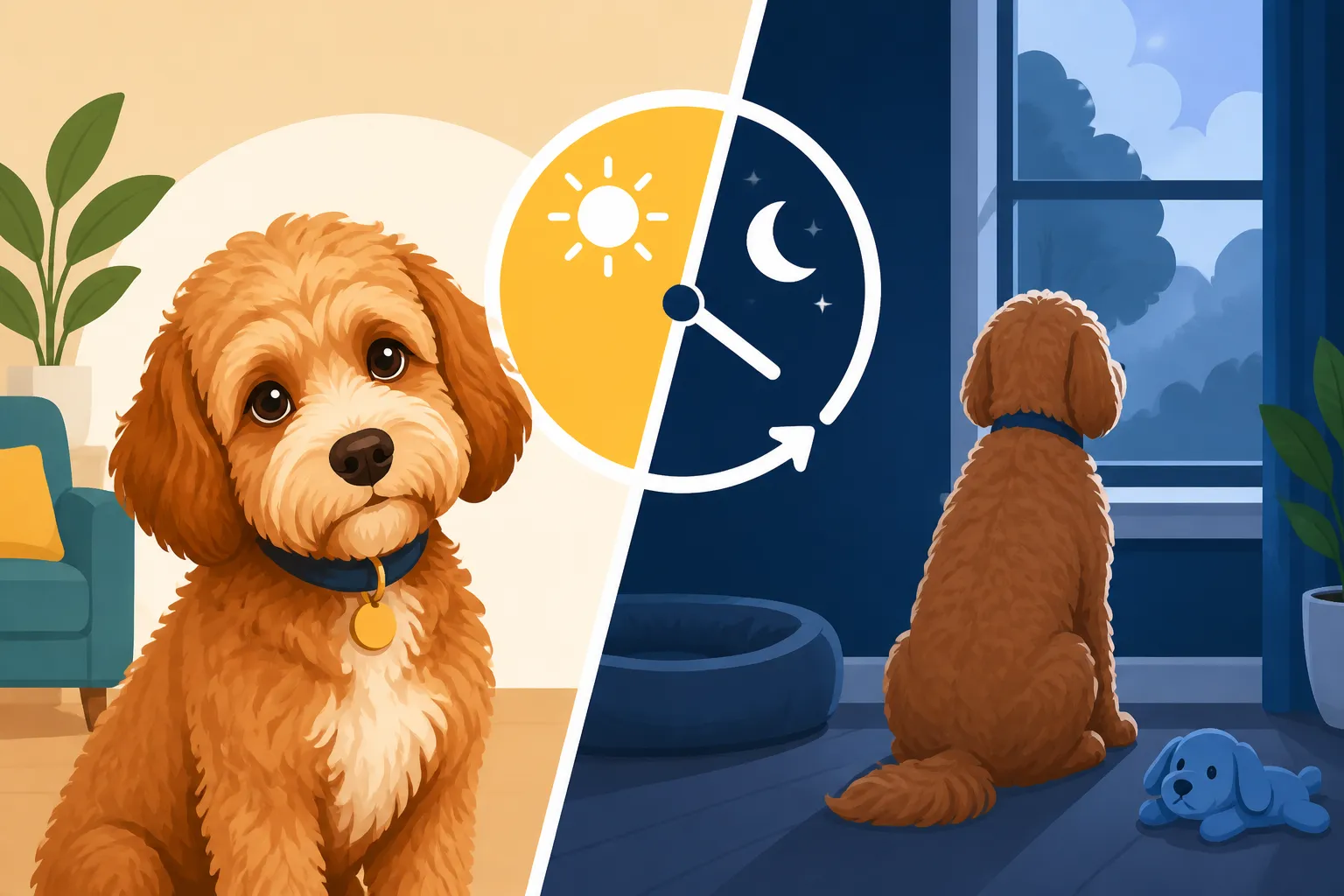
One of the most common worries I hear from new Cockapoo parents, and even seasoned ones, is that gnawing guilt about leaving their furry family member home alone. We all lead busy lives, and sometimes a quiet house is unavoidable, but it leaves us wondering: how long is too long? This guide is here to shed some light on the reality of a Cockapoo's tolerance for solitude, what factors play into it, and how we can best prepare our beloved companions to handle our absence with grace, not anxiety.
Understanding the Cockapoo's Social Nature
Cockapoos are truly wonderful dogs, blending the best (and sometimes the most challenging!) traits of their Cocker Spaniel and Poodle parents. When it comes to being alone, understanding these foundational influences is key. They aren't independent hounds or aloof guard dogs; they're bred for companionship, and that's a big part of their charm – and sometimes, their challenge.
The Cocker Spaniel's Companion Instinct
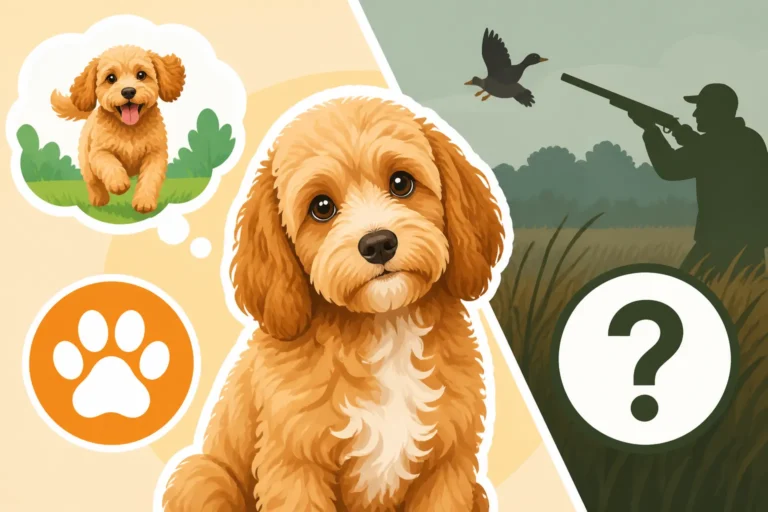
Think about the Cocker Spaniel, the original flushing dog. They were bred to work closely with their human partners, flushing game from cover and retrieving it. This translates into a strong desire for interaction and an inherent need to be part of the family "pack." They thrive on connection, cuddles, and being involved in daily activities. This deep-seated companion instinct means many Cockapoos inherit a natural inclination to be near their people. When left alone, this can manifest as a deep sense of missing out, or worse, outright distress, because their primary drive is to be with you, observing and participating. They weren't designed to be solitary creatures for extended periods.
The Poodle's Intelligence and Sensitivity
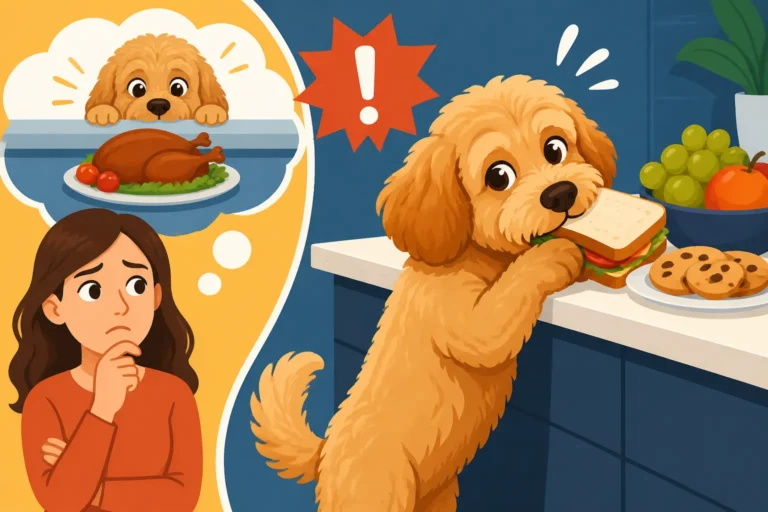
Then there's the Poodle, a breed renowned for its intelligence, sensitivity, and often, its strong bond with its family. Poodles are incredibly smart, which means they need mental stimulation. A bored Poodle can quickly become a mischievous one, finding ways to entertain themselves that you might not appreciate, like exploring the trash or chewing on furniture. This intelligence, coupled with their often sensitive nature, means they pick up on subtle cues from their environment and their humans. If they sense your stress about leaving, or if their routine is disrupted, it can contribute to their unease when left alone. Their sensitivity can also mean they are prone to genuine anxiety if not properly prepared for solitude.
The Hybrid Vigor of the Cockapoo
The beauty of the Cockapoo, often referred to as "hybrid vigor," means they can inherit a mix of these traits. You might get a Cockapoo with the laid-back nature of one parent and the eager-to-please attitude of the other. However, this mix almost universally means a dog that is deeply devoted to its family. They are, by their very nature, people-oriented dogs. They want to be where you are, doing what you're doing. This isn't a breed that's content to simply observe from afar; they want to be actively involved. This strong desire for human connection is what makes them such fantastic family pets, but it also means that leaving them alone for long stretches can be a significant emotional hurdle for them. It's not about being "naughty"; it's about their core need for companionship.
Factors Influencing Alone Time Tolerance
No two Cockapoos are exactly alike, even from the same litter. What one dog tolerates beautifully, another might struggle with immensely. Several factors come into play when trying to figure out how many hours your specific Cockapoo can realistically be left alone. It's a blend of their inherent traits and the experiences you provide.
Age and Developmental Stage
A Cockapoo puppy has very different needs than a senior dog. Puppies, especially those under six months, have tiny bladders and an even tinier attention span. They cannot physically hold their bladder for more than a few hours, and their mental development means they need frequent interaction, training, and naps. Leaving a young puppy alone for too long isn't just cruel; it actively hinders their house training and socialization. Think about it: a young puppy is like a human toddler. Would you leave a toddler alone for eight hours? Probably not!
As they mature into adolescence and adulthood, their physical capacity to hold their bladder improves, and their mental fortitude strengthens. However, even adult Cockapoos still have limits. An older, senior Cockapoo might also have reduced bladder control or other age-related health issues that necessitate more frequent potty breaks and a shorter alone time tolerance. What Changes in a Cockapoo After Ten can impact their ability to cope with solitude.
Individual Temperament and Personality
This is perhaps the biggest variable. Some Cockapoos are naturally more independent and confident, inheriting a calmer disposition that allows them to snooze the day away without a care. Others are far more sensitive, prone to worry, and form incredibly strong attachments that make separation genuinely distressing. You might have a Cockapoo who, from day one, seems perfectly content to entertain themselves with a chew toy, while another paces the house, cries, or even attempts to escape the moment you close the door.
Early experiences and genetics play a huge role here. A puppy from a responsible breeder who focused on early socialization and confidence-building will likely have a better foundation for coping than a puppy from a less reputable source, who may have missed crucial developmental windows. Observing your Cockapoo's unique personality is paramount to determining their threshold.
Training and Early Socialization Experiences
The effort you put into preparing your Cockapoo for alone time from an early age makes a monumental difference. Puppies who are gradually introduced to being alone, starting with minutes and slowly building up, learn that your departures are always followed by your returns. This process, often called Building a Cockapoo's Tolerance for Being Alone, is vital. If a dog is suddenly left for eight hours without any prior conditioning, it's a recipe for disaster and potential separation anxiety.
Early positive experiences with being crated, having access to engaging toys when alone, and a consistent routine all contribute to a Cockapoo's ability to cope. A Cockapoo who has been socialized to various sounds, sights, and experiences is often more adaptable and less likely to be startled or distressed by the everyday noises of an empty house. Conversely, a lack of intentional training in this area can lead to significant issues down the line, regardless of their innate temperament.
Recognizing Signs of Separation Distress
It’s heartbreaking to think our beloved Cockapoos might be suffering when we’re not home. Often, the signs of separation distress are mistaken for naughtiness or spite, but they are almost always manifestations of anxiety or boredom. Learning to differentiate these behaviors can help you understand what your Cockapoo is trying to tell you. If you suspect your Cockapoo is anxious rather than merely bored, reading Signs a Cockapoo Is Anxious Rather Than Bored could be particularly insightful.
Destructive Chewing and Inappropriate Elimination
One of the most common, and frustrating, signs owners encounter is destructive chewing. This isn't your Cockapoo being angry; it's often a coping mechanism for stress or extreme boredom. Chewing releases endorphins and can be a self-soothing activity. If your dog is destroying doorframes, furniture, or your favorite shoes only when you're gone, it's a strong indicator they're struggling. This is different from a puppy chewing on a toy they're allowed to have. Similarly, inappropriate elimination (peeing or pooping inside the house) in an otherwise house-trained Cockapoo, especially shortly after you leave, is a classic symptom. They might be too stressed to hold it, or it could be a complete loss of control due to panic. It's not defiance; it's distress.
Excessive Barking or Howling
If your neighbors are calling you about constant noise, your Cockapoo is likely expressing their unhappiness through vocalizations. Whether a Cockapoo Barks When Left is a common concern for owners. A dog that barks or howls incessantly when left alone isn't doing it to annoy you; they're often trying to "call" you back, or they're expressing fear, anxiety, or profound loneliness. Some dogs will bark at every passing car or sound, indicating hyper-vigilance, while others might engage in a mournful howl that signals a deep sense of abandonment. This can be particularly tough on owners who fear complaints from neighbors, adding another layer of stress to the situation.
Pacing, Panting, and Other Anxious Behaviors
These signs can be harder to spot unless you have a camera set up to observe your Cockapoo. Many anxious dogs will pace endlessly, sometimes circling the same spots, wearing paths into the carpet. They might pant excessively, even if the house is cool, indicating an elevated stress response. Drooling, trembling, or even trying to escape (scratching at doors, windows, or crates) are all clear indicators of severe separation distress. Some dogs will refuse to eat treats or play with toys you've left for them, which can be a tell-tale sign that they are too anxious to engage in normal behaviors. A truly relaxed dog will likely settle down, maybe chew a bit, then nap. An anxious dog will display continuous signs of agitation.
Strategies for Building Alone Time Tolerance
Helping your Cockapoo feel safe and secure when you're not around is a process, not a quick fix. It requires patience, consistency, and an understanding of their needs. The goal isn't just to get them to "tolerate" it, but to truly feel comfortable and relaxed in your absence.
Gradual Desensitization Training
This is the cornerstone of managing alone time. You can't just leave a Cockapoo for eight hours and expect them to be fine; you have to build up to it. Start by leaving them alone for very short periods – literally seconds – and gradually increasing the duration. The key is to return before they get anxious. So, you might step out for 30 seconds, come back in calmly, then try a minute, then two, and so on. Make your departures and arrivals low-key, avoiding a big fuss. This teaches them that your leaving isn't a dramatic event, and you always come back. Incorporating a 'safe word' or phrase you say when leaving, like "Be right back!" can also become a positive cue for them. You might find a program like BAXTER & Bella, which offers online puppy training, provides guidance on this specific challenge, helping you structure these short alone-time sessions effectively.
Pair your departures with something positive: a special high-value chew toy they only get when you leave, or a puzzle feeder filled with their favorite treats. The goal is to create a positive association with your absence. This counter-conditioning helps them see alone time not as a punishment, but as an opportunity for a special reward. Consistency is everything here; erratic schedules can be confusing and counterproductive.
Creating a Safe and Enriched Environment
Where does your Cockapoo stay when you're gone? A secure, comfortable space can make a world of difference. For many, this means crate training. If introduced properly and positively, a crate can become a safe den where your dog feels secure. Whether Crate Time Settles a Cockapoo is a question many owners ponder, and for many, it's a resounding yes. Ensure the crate is large enough for them to stand, turn around, and lie down comfortably, and always include soft bedding and a safe toy. Never use the crate for punishment.
Beyond the crate, consider the environment. Is it quiet? Or is there a radio or TV playing softly to mask outside noises? Some dogs find comfort in the background chatter of a talk radio show or a classical music station. Provide enrichment: puzzle toys, Kongs filled with frozen peanut butter or treats, or a snuffle mat to keep their minds engaged. When they’re left with nothing to do, that’s often when What a Bored Cockapoo Chews Through becomes your personal belongings. A simple, affordable option from Amazon, like a KONG Wobbler, can keep them busy for a good while.
Establishing a Consistent Routine
Dogs thrive on routine. A predictable schedule helps them understand what to expect throughout their day, reducing anxiety about the unknown. This includes consistent feeding times, potty breaks, exercise, and yes, alone time. If your Cockapoo knows that after their morning walk and breakfast, you'll leave for a specific period, but then return for another walk and playtime, they can mentally prepare for it.
Make sure your Cockapoo is well-exercised before you leave. A tired dog is a good dog, as the saying goes. A brisk walk, a game of fetch, or a mental stimulation session (like a short training drill) can help burn off excess energy and make them more likely to settle down and sleep while you're gone. This physical and mental fatigue helps them relax into their alone time, rather than pacing with pent-up energy. Even things like when The Weeks a Cockapoo Takes to Ask to Go Out can be part of establishing a solid routine.
Tools and Resources to Aid Alone Time
Fortunately, there are many products and services designed to make alone time easier for both you and your Cockapoo. These aren't substitutes for training but excellent aids to support your efforts.
Interactive Toys and Treat Dispensers
These are your best friends when it comes to keeping a Cockapoo engaged and mentally stimulated. Puzzle toys, like those from KONG, can be stuffed with treats or peanut butter and frozen, providing a long-lasting distraction. Automatic treat dispensers can be programmed to release snacks at intervals, keeping your dog guessing and providing positive reinforcement throughout the day. Chew toys, especially durable ones, give them an appropriate outlet for their natural chewing instincts. Remember, a busy mouth is less likely to be a destructive one! Look for highly rated options on Amazon that are specifically designed for strong chewers if your Cockapoo is particularly enthusiastic.
Crate Training for Security
As mentioned earlier, a well-introduced crate can be a sanctuary. It provides a small, den-like space where your Cockapoo feels secure and less overwhelmed by the entire house. For puppies, it helps with house training by limiting their space and preventing accidents. For adults, it can be a cozy retreat. Ensure the crate is a positive place, never used for punishment. Leave soft bedding, a favorite blanket, and a safe chew toy inside. The crate should always be associated with comfort and safety.
Daycare and Pet Sitter Options
For Cockapoos who genuinely struggle with long periods of solitude, or for owners who simply need to be out of the house for extended workdays, professional help is invaluable. Doggy daycare can provide socialization, exercise, and supervision, ensuring your Cockapoo is mentally and physically tired and happy when you pick them up. It's a fantastic solution for many active breeds. Whether Daycare Suits a Cockapoo depends on their personality and the quality of the daycare. Always do your research, visit the facility, and ensure staff are trained and attentive.
Alternatively, a trusted pet sitter or dog walker can break up the day, providing a much-needed potty break, some playtime, and human interaction. This is often a better solution for more anxious dogs who might find the overstimulation of daycare too much. Having someone come in mid-day can make an eight-hour stretch feel like two four-hour stretches, which is much more manageable for most Cockapoos. Consider asking your vet or local dog trainers for recommendations for reliable sitters.
Recommended Alone Time by Age
It's natural to wonder about a general guideline. While every Cockapoo is an individual, we can offer some realistic expectations based on age.
| Age of Cockapoo | Maximum Recommended Alone Time (General Guideline) | Notes |
|---|---|---|
| 8-10 Weeks | 30 minutes to 1 hour | Very young puppies have tiny bladders and need almost constant supervision for house training and socialization. This is a critical bonding period. |
| 10 Weeks – 4 Months | 1-2 hours | Bladder control is improving but still limited. They need frequent potty breaks, short play sessions, and naps. Focus on very gradual increases in alone time. |
| 4-6 Months | 2-4 hours | Developing more bladder control and independence. Continue positive reinforcement for alone time. Max 4 hours for most. |
| 6-12 Months (Adolescent) | 4-5 hours | Approaching adult bladder control. Can sometimes manage 5 hours if well-exercised beforehand, but still prone to destructive boredom if not stimulated. |
| 1-7 Years (Adult) | 5-8 hours (absolute maximum) | Most healthy adult Cockapoos can manage 5-6 hours comfortably. Eight hours is generally considered the absolute maximum, and only for dogs truly accustomed to it and with adequate pre- and post-alone time exercise/attention. |
| 7+ Years (Senior) | 4-6 hours, possibly less | Bladder control may diminish, and medical conditions might require more frequent potty breaks. Comfort and routine are crucial. |
It's important to stress that these are maximums and assume your Cockapoo is well-trained, exercised, and has access to water and comfort. For a Cockapoo to truly thrive, most experts agree that no dog should regularly be left alone for 8+ hours a day, five days a week. If you're pondering Whether a Cockapoo Suits a Home That Works Full Time, this table offers a good starting point for reflection. Even if they can tolerate it, it doesn't mean it's ideal for their well-being.
When to Seek Professional Help
Sometimes, despite your best efforts, your Cockapoo's struggles with being alone are beyond what basic training can address. This isn't a failure on your part; some dogs simply have deeper anxieties that require specialized support.
Consulting a Certified Professional Dog Trainer
If you've tried the gradual desensitization, enrichment, and routine, and your Cockapoo is still exhibiting significant distress – severe barking, destructive behavior, or inappropriate elimination – it's time to bring in a professional. A certified professional dog trainer, especially one experienced in separation anxiety, can assess your specific situation. They can observe your dog's behavior, identify triggers, and develop a tailored training plan. They often work with owners on structured departure and arrival protocols, counter-conditioning techniques, and environmental management strategies. A good trainer will use positive, force-free methods, focusing on building your dog's confidence rather than intimidating them.
Working with a Veterinary Behaviorist
For more severe cases of separation anxiety, particularly those that involve panic attacks, self-harm, or extreme destructive behaviors, a veterinary behaviorist might be necessary. These are veterinarians who have specialized in animal behavior, meaning they can diagnose underlying medical conditions that might contribute to anxiety and prescribe medication if appropriate. They view behavior issues from both a physiological and psychological perspective. They work in conjunction with trainers and often with your regular vet to create a comprehensive treatment plan that might include behavioral modification, environmental changes, and pharmacological interventions.
Medication as a Last Resort
The idea of medicating your dog for anxiety can be unsettling for many owners, but in severe cases, it can be a lifeline. A veterinary behaviorist might recommend anti-anxiety medication to help your Cockapoo cope with the stress of being alone. This isn't about sedating your dog; it's about reducing their anxiety to a level where they can actually learn to be alone. When a dog is in a state of panic, they are simply too overwhelmed to absorb any training. Medication, used in conjunction with a behavioral modification plan, can lower their stress threshold, making them more receptive to learning and gradually building their tolerance. It's often a temporary tool to facilitate successful training, not a lifelong solution on its own.
Taking a Cockapoo into your life is a joy, but it also comes with the responsibility of understanding their emotional needs. While we all have to leave our dogs alone sometimes, knowing their limits and equipping them with the skills and confidence to cope is key to their happiness and your peace of mind.
Disclaimer
This article is for general informational purposes only and does not constitute professional advice. Laws, prices and regulations vary by location and change over time. Consult a qualified professional for guidance on your specific situation.