The Doodle That Predates the Word
It's easy to assume that all "designer dogs" are a recent trend, popping up on social media feeds and puppy websites in the last decade or two. But if you think that, you're missing out on the delightful truth about one of the original and most enduring crossbreeds: the Cockapoo. This charming companion actually predates the very term "doodle," with its origins tracing back much further than most people realize. This comprehensive guide will take you on a journey through the Cockapoo's fascinating history, explore what makes this breed so special, and delve into everything you need to know about welcoming one into your life.
A Look Back: The Accidental Origins of the Cockapoo
The story of the Cockapoo isn't one of meticulous breeding programs designed for specific traits from the outset, like some later "doodles." Instead, it’s a more organic tale, born out of a desire for a delightful companion dog that blended the best qualities of two beloved breeds. It’s a testament to how some of the best things in life happen a little bit by accident.
The American Cocker Spaniel and the Poodle: An Unexpected Pairing
To truly understand the Cockapoo, we must first look to its parent breeds: the American Cocker Spaniel and the Poodle. In the mid-20th century, both breeds were incredibly popular, each bringing their own distinct charm to American households. American Cocker Spaniels were known for their sweet dispositions, beautiful flowing coats, and endearing "melting" eyes. They were gentle, eager to please, and wonderful family dogs, though they did come with a significant grooming commitment and some breed-specific health concerns. Poodles, on the other hand, were renowned for their intelligence, hypoallergenic coats (a huge plus for allergy sufferers), and spirited, often clownish personalities. They were active, highly trainable, and came in a range of sizes, from the tiny Toy to the majestic Standard.
It was in this context, sometime in the 1950s, that people started to experiment. They weren't necessarily looking to create a "new breed" in the formal sense, but rather to combine the lovely temperament of the Cocker Spaniel with the low-shedding, intelligent traits of the Poodle. Imagine a dog lover with an allergy in the family, admiring a neighbor's sweet Cocker but dreading the shedding, or loving the Poodle's smarts but wishing for a slightly softer, rounder face. The idea of crossing these two wonderful breeds began to take hold. It was a practical solution to a common problem, long before marketing terms like "designer dog" or "doodle" even existed. The earliest documented litters, often cited as originating in the 1950s in the United States, were the quiet beginnings of what would become a beloved and enduring companion. If you're curious about the specifics, you can read more in The 1950s American Litters Behind the Cockapoo.
How a Crossbreed Became a Companion: The Early Days
These early Cockapoo litters weren't advertised with fancy names or promises of perfect hypoallergenic coats. They were simply charming, intelligent, and generally healthy puppies that quickly found their way into people's homes and hearts. Owners discovered that these mixed-breed dogs often inherited the friendly, outgoing nature of the Cocker Spaniel, making them incredibly adaptable and eager to be part of family life. At the same time, many exhibited the intelligence and trainability of the Poodle, making them a joy to teach and live with. And, crucially for many, their coats often displayed a reduced shedding tendency compared to a purebred Cocker, without the quite as demanding grooming of a show Poodle.
Word-of-mouth spread, as happy owners shared stories of their delightful new companions. Unlike some breeds that gained fleeting popularity, the Cockapoo’s appeal proved incredibly resilient. People weren't just buying into a fad; they were adopting dogs that genuinely fit into their lifestyles and offered a wonderful blend of traits. This organic growth, driven by positive owner experiences rather than aggressive marketing, cemented the Cockapoo's place as a cherished family pet. It's truly fascinating to realize that Why the Cockapoo Came Before the Labradoodle is directly related to this history of quiet, grassroots popularity. These dogs were simply good companions, and that was enough.
Defining the Cockapoo: More Than Just a Cute Face
While the Cockapoo has been around for decades and enjoys immense popularity, it occupies a unique space in the canine world. It's widely loved, instantly recognizable, but technically still considered a crossbreed by major kennel clubs. This distinction often leads to questions about what truly defines a Cockapoo and why it hasn't achieved formal recognition as a breed.
The Challenge of a Standard: Why No AKC Recognition?
One of the biggest questions aspiring Cockapoo owners often have is why this popular crossbreed isn't recognized by organizations like the American Kennel Club (AKC). The simple answer lies in the definition of a "breed." For a dog to be recognized as a purebred, it must consistently "breed true." This means that when two dogs of the same recognized breed are mated, their offspring will reliably exhibit predictable characteristics in terms of appearance, temperament, and health. They have a strict breed standard that outlines these traits in detail, and breeders work to maintain that consistency over many generations.
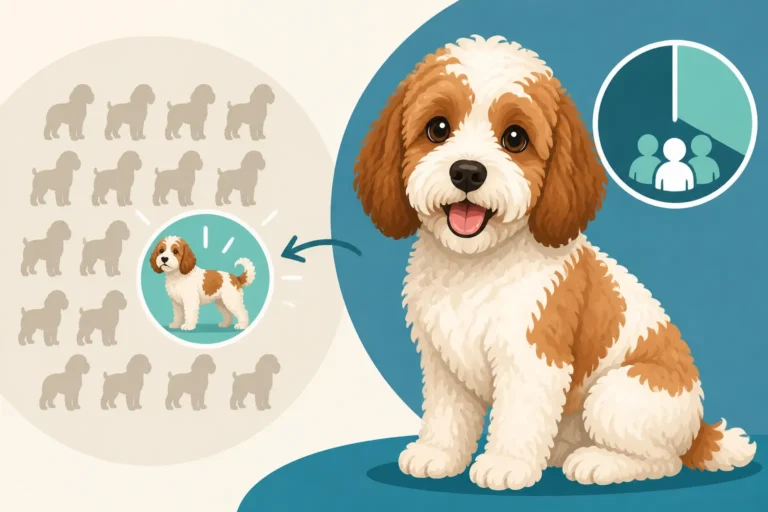
The Cockapoo, being a first-generation (F1) or early-generation cross between two distinct breeds, inherents a wider range of genetic possibilities. While many Cockapoos share common traits, there's still a significant amount of variation in coat type, size, and even temperament within a litter, especially in earlier generations. One puppy might lean more heavily towards its Cocker parentage, while another might resemble the Poodle more strongly. This inherent variability, while charming, makes it difficult to establish a single, universally accepted breed standard that all Cockapoos would consistently meet. Until a consistent "type" can be reliably reproduced across generations, major kennel clubs will likely continue to classify the Cockapoo as a hybrid or crossbreed. This doesn't diminish their wonderful qualities, of course, but it does explain the lack of official recognition.
The Efforts of Early Clubs: Shaping the Breed
Despite the lack of major kennel club recognition, dedicated Cockapoo enthusiasts and breeders have long recognized the need for some level of consistency and responsible breeding practices. This led to the formation of early Cockapoo clubs, such as the Cockapoo Club of America (CCA) and the American Cockapoo Club (ACC). These clubs were founded with the noble goal of promoting the health and welfare of the Cockapoo, establishing guidelines for ethical breeding, and even drafting informal "standards" for the ideal Cockapoo.
These clubs encourage health testing for parent dogs, advocate for responsible breeding practices, and provide a community for owners and breeders who are passionate about the Cockapoo. While their "standards" don't carry the same official weight as those from the AKC, they serve as valuable blueprints for what breeders strive for: a healthy, well-tempered, and aesthetically pleasing companion dog. By outlining desirable traits and responsible breeding protocols, these clubs play a crucial role in shaping the future of the Cockapoo, working towards greater predictability and ensuring the longevity of this beloved crossbreed. For example, What the Cockapoo Club of America Set in 1999 dives deeper into the specific guidelines established by one of these pioneering organizations. These clubs understand that even without official recognition, a commitment to quality breeding is paramount.
Understanding Generations: F1, F1b, and Beyond
When you start looking for a Cockapoo puppy, you'll inevitably encounter terms like F1, F1b, F2, and Multigen. These generational descriptors are key to understanding a Cockapoo's potential traits, especially concerning shedding and coat type. It can feel like decoding a secret language at first, but it's really quite straightforward once you get the hang of it.
What Do Those "F" Numbers Really Mean?
The "F" in F1, F1b, and so on, stands for "Filial Hybrid," which essentially means "first-generation hybrid" or "offspring." The number indicates the generation.
- F1 Cockapoo: This is the first and original cross. It's a direct pairing of a purebred Cocker Spaniel and a purebred Poodle. This generation is often lauded for its "hybrid vigor" – the idea that crossing two unrelated purebreds can lead to healthier offspring with fewer genetic issues than either parent breed alone. However, F1s can have the most variability in their coats; some might be wavy and low-shedding, while others might have a straighter, more Cocker-like coat that sheds more. Predicting the exact coat type can be a bit of a gamble.
- F1b Cockapoo: This stands for "first-generation backcross." It means an F1 Cockapoo is bred back to one of its parent breeds, usually a Poodle, to enhance certain traits. For example, breeding an F1 Cockapoo with a purebred Poodle (F1 x Poodle) creates an F1b. The "b" signifies this backcross. This generation typically results in a curlier coat and is often sought after by allergy sufferers because the higher percentage of Poodle genetics usually means even less shedding.
- F2 Cockapoo: This is a second-generation cross, meaning two F1 Cockapoos are bred together. While this might sound like it would create more consistency, it can actually lead to even greater variation in a litter. You could see puppies with very Poodle-like coats, very Cocker-like coats, or anything in between. It's often considered the least predictable generation in terms of coat and sometimes even temperament.
- F2b, F3, and Multigen Cockapoos: The "b" can also be added to F2 (F2b, meaning an F2 bred back to a Poodle). F3 would be two F2s bred together, and so on. "Multigen" (multi-generational) Cockapoos refer to puppies that are several generations removed from the original purebred parents (e.g., F3 or higher). Breeders working with multigen Cockapoos are often trying to stabilize desired traits, like coat type and temperament, to create more predictable litters. This involves careful selection over several generations. It's a complex topic, and understanding these terms helps you ask the right questions when talking to a breeder.
Predictability vs. Variety: The Genetic Lottery
The generational distinctions are important because they directly impact the predictability of your future Cockapoo, particularly when it comes to their coat. For many prospective owners, the allure of the Cockapoo is its often low-shedding, "hypoallergenic" coat. This trait is predominantly inherited from the Poodle side.
An F1 Cockapoo, with a 50/50 genetic split, can be a delightful surprise. You might get a perfectly wavy, low-shedding coat, or you might end up with a coat that leans more towards the Cocker Spaniel's straighter, shedding type. There's a true genetic lottery here. This is where The Furnishings Gene That Decides a Cockapoo's Face comes into play. The "furnishings" gene, responsible for the longer hair on the face, beard, and eyebrows, is what gives many Cockapoos their signature teddy bear look and contributes to their low-shedding quality. Without this gene, a Cockapoo is likely to have a flatter face and shed more, regardless of the curl.
On the other hand, an F1b Cockapoo, with its higher percentage of Poodle genetics, offers a much greater likelihood of a curlier, lower-shedding coat. This makes F1bs a popular choice for families with allergies. Multigen Cockapoos, when bred responsibly, also aim for this greater predictability, with breeders carefully selecting parents to consistently produce desired coat types and temperaments. However, it’s crucial to remember that even with multiple generations, no dog is 100% hypoallergenic, and some individual variation will always exist. Responsible breeders will often share the genetic testing results for their parent dogs' coats, giving you a clearer picture of what to expect.
Cockapoo Sizes: A Spectrum of Companionship
One of the wonderful things about the Cockapoo is the variety in size, thanks to the different sizes of Poodles used in breeding. This means there's a Cockapoo out there to fit almost any living situation, from a small apartment to a sprawling home with a big yard.
From Teacup to Maxi: Finding Your Perfect Fit
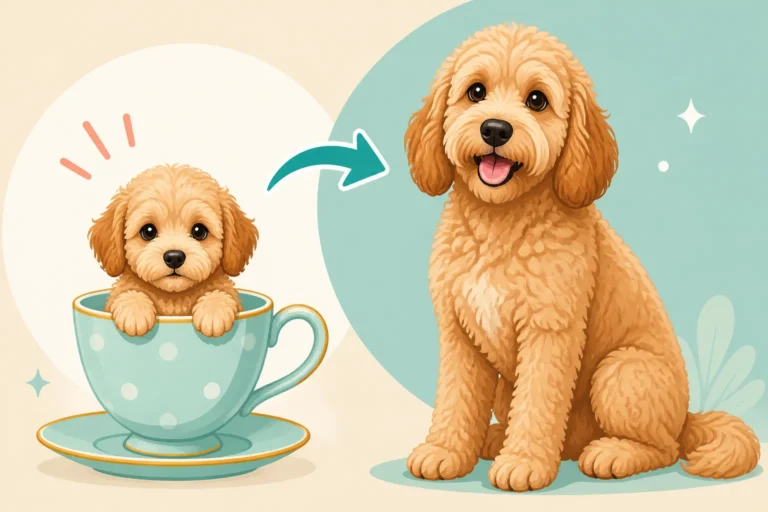
The size of a Cockapoo largely depends on which size of Poodle was used in the cross, along with the size of the Cocker Spaniel parent. Breeders typically aim for four main size categories, though there can be some overlap and individual variation within each:
- Teacup Cockapoo: These are the smallest, usually resulting from breeding a very small Toy Poodle with a small Cocker Spaniel. They typically weigh under 6 pounds. While incredibly adorable, breeding for extremely small sizes can sometimes come with health risks, so it's vital to research breeders carefully if you're considering a Teacup. Their tiny stature makes them delicate, and they require extra care and vigilance, especially around young children or larger pets.
- Toy Cockapoo: Slightly larger than the Teacup, Toy Cockapoos typically weigh between 6 and 12 pounds. They are still quite small, making them excellent companions for apartment living or for those who prefer a lap dog. They have enough energy for walks and playtime but are perfectly happy cuddling on the sofa. Their compact size makes them easier to travel with, fitting comfortably in carrier bags designed for in-cabin flights.
- Miniature Cockapoo: This is perhaps the most common and popular size, weighing between 13 and 18 pounds. Miniature Cockapoos are bred from Miniature Poodles and Cocker Spaniels. They are robust enough for active families, enjoying longer walks, hikes, and games of fetch, but are still perfectly comfortable in a variety of living spaces. This size often strikes a great balance between portability and playful energy. They tend to be a very versatile size for many households.
- Maxi Cockapoo: Also sometimes called a Standard Cockapoo, these are the largest, typically weighing over 19 pounds, sometimes up to 30 pounds or more. They are bred using a larger Miniature Poodle or sometimes even a Small Standard Poodle. Maxi Cockapoos are sturdy, active dogs that need plenty of exercise and mental stimulation. They are well-suited for families who enjoy outdoor activities and have the space for a larger, more energetic companion. While still retaining the charming Cockapoo traits, their larger size means they're often mistaken for other doodle breeds.
Choosing the right size involves considering your living situation, your activity level, and how much space you have. A tiny Teacup might get overwhelmed in a bustling house with big dogs, while a Maxi Cockapoo might feel cramped in a small studio apartment without ample outdoor access.
Growth Expectations and Lifespan Considerations
Understanding how your Cockapoo will grow is important, especially when choosing a puppy. Generally, smaller Cockapoos (Teacup and Toy) reach their adult size relatively quickly, often by 8-10 months of age. Miniature Cockapoos typically fill out by around 10-12 months, while Maxi Cockapoos can continue to grow and mature until 12-18 months of age, with some slight filling out past that point. Responsible breeders should be able to give you a good estimate of your puppy's adult size based on the parents and previous litters. While puppies are adorable, remember they don't stay small forever!
In terms of lifespan, Cockapoos are generally healthy dogs, benefiting from that "hybrid vigor" mentioned earlier. The average lifespan for a Cockapoo is quite impressive, often ranging from The Fourteen to Eighteen Years a Cockapoo Lives. This longevity is a huge bonus for owners, as it means many years of loving companionship. However, it's not a guarantee, and proper care, nutrition, regular veterinary check-ups, and responsible breeding practices all contribute to a long, healthy life. Factors like genetics from their parent breeds, potential health issues, and even their lifestyle can influence their individual lifespan. For example, some Cockapoos can inherit conditions like Familial Nephropathy and the Kidneys a Cockapoo Can Inherit or Progressive Retinal Atrophy in a Cockapoo, making health testing in parent dogs absolutely vital.
Here's a quick overview of the typical size ranges for Cockapoos:
| Size Category | Typical Weight Range (pounds) | Typical Height Range (inches at shoulder) | Ideal For | Considerations |
|---|---|---|---|---|
| Teacup Cockapoo | Under 6 lbs | 8-10 inches | Smallest homes, quiet lifestyles, experienced owners for delicate dogs | Very delicate, potential health issues from extreme breeding, easily injured |
| Toy Cockapoo | 6-12 lbs | 9-11 inches | Apartments, seniors, less active families, travel companions | Still delicate, can be underfoot, careful handling needed around kids |
| Miniature Cockapoo | 13-18 lbs | 11-14 inches | Active families, first-time owners, homes with varied space | Versatile, good balance of energy and manageability, popular choice |
| Maxi Cockapoo | 19-30+ lbs | 14-18+ inches | Active families, homes with yards, outdoor enthusiasts | Requires more exercise and space, can be mistaken for other doodles |
Temperament: The Best of Both Worlds (Usually!)
The temperament of a Cockapoo is arguably its most celebrated trait. Owners consistently rave about their sunny dispositions, intelligence, and unwavering loyalty. While every dog is an individual, the breed mix generally results in a dog that is an absolute joy to live with.
The Cocker's Charm and the Poodle's Wit
The magic of the Cockapoo temperament comes from the delightful blend of its parent breeds. From the Cocker Spaniel, Cockapoos often inherit their famously sweet, eager-to-please nature. Cocker Spaniels are known for being affectionate, gentle, and incredibly loyal, thriving on human companionship. They are typically very happy-go-lucky dogs, always ready for a cuddle or a game. This translates into a Cockapoo that is usually very friendly, outgoing, and loves being the center of attention. They tend to be good with children and other pets, provided they are well-socialized from a young age. This inherent charm makes them wonderful family dogs, truly becoming part of the pack.
Then there's the Poodle influence, bringing a generous dose of intelligence, quick wit, and a playful spirit. Poodles are highly trainable, agile, and possess a keen mind. They love to learn, excel in dog sports, and often have a mischievous sense of humor. This contributes to the Cockapoo's bright, trainable nature, making them relatively easy to teach basic obedience commands and even more complex tricks. They often retain the Poodle's desire for mental stimulation, which means they enjoy puzzle toys and interactive games. The combination creates a dog that is not only loving and affectionate but also smart, fun, and engaging. It’s no wonder so many families find What a Cockapoo Inherits From Each Parent to be a truly winning combination.
Common Behavioral Traits and Training Needs
Because of this wonderful blend, Cockapoos generally exhibit several common and desirable behavioral traits. They are typically very social animals, thriving on interaction with their human family. They often form strong bonds with their owners and can be prone to separation anxiety if left alone for extended periods without proper training and preparation. They are usually quite adaptable, adjusting well to various living situations as long as their needs for exercise and companionship are met. Their friendly nature often extends to strangers and other dogs, making them good candidates for dog parks and social outings.
However, it's important to remember the hunting instincts inherited from the Cocker Spaniel side. Many Cockapoos have a strong "flushing drive," meaning they love to explore with their noses and chase after small critters or birds. This is where The Flushing Drive Still Alive in a Cockapoo comes into play. While incredibly endearing, this can mean that recall training needs to be a priority, as a captivating scent might momentarily make your Cockapoo "go deaf" to your calls. Consistent positive reinforcement training from a young age is crucial. They respond very well to praise, treats, and play. Early socialization is also key to ensuring they grow into well-adjusted adults, comfortable with various sights, sounds, and experiences. Due to their intelligence, they can sometimes be clever at figuring out how to get their own way, so consistent boundaries are important.
Coat Types: The Signature Look and the Grooming Commitment
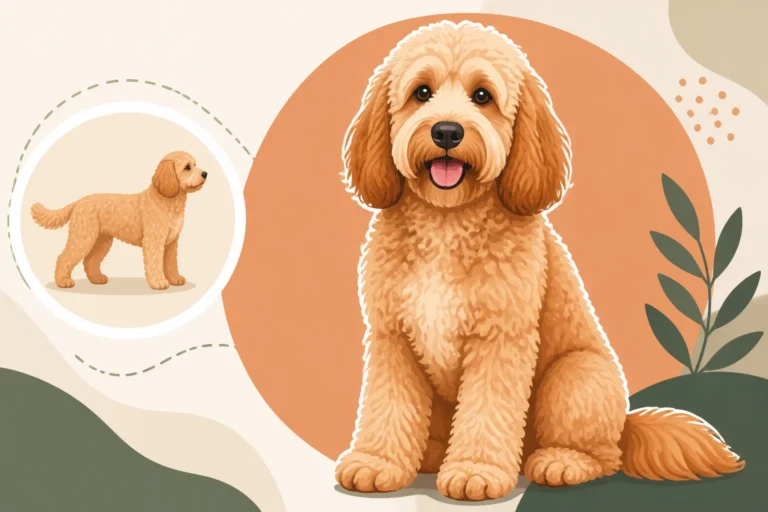
The Cockapoo's coat is one of its most defining features, varying from straight and wavy to delightfully curly. This variation is a direct result of the genetic blend of the Cocker Spaniel's flowing fur and the Poodle's tight curls. Understanding these coat types is crucial for any prospective owner, as it directly impacts the grooming commitment you'll need to make.
The Furnishings Gene: Why Some Shed and Some Don't
The discussion of a Cockapoo's coat can't happen without talking about "furnishings." Furnishings refer to the longer hair on a dog's face, including eyebrows, mustache, and beard. It’s what gives many Cockapoos their adorable "teddy bear" look. More importantly, the gene responsible for furnishings (often denoted as F/IC or R/SPO2) is closely linked to low shedding.
A Cockapoo puppy that inherits two copies of the furnishings gene (one from each parent, typically if both parents are furnished) will have that classic fluffy face and a significantly reduced chance of shedding. These are the dogs often marketed as "hypoallergenic." However, if a Cockapoo inherits only one copy of the furnishings gene, or if one of its parents carries a non-furnished gene, there's a possibility it will be "improper coated" (IC). An improper coated Cockapoo, sometimes referred to as a "flat-coated" Cockapoo, will have a smoother, shorter coat on its muzzle and face, looking more like a traditional Cocker Spaniel. These dogs tend to shed more, similar to a purebred Cocker, and may not be suitable for allergy sufferers.
This is why DNA testing for the furnishings gene is so important for responsible breeders. They can test their parent dogs to predict the likelihood of furnished or improper-coated puppies in a litter. While no dog is 100% non-shedding, furnished Cockapoos come very close and are a much better choice for those with mild allergies. Understanding The Furnishings Gene That Decides a Cockapoo's Face is truly essential to managing expectations about shedding.
From Wavy to Curly: Understanding Your Cockapoo's Grooming Needs
Beyond furnishings, the texture of a Cockapoo's coat can range significantly, primarily falling into three categories:
- Straight Coat: This coat type is less common and usually occurs when the Cockapoo inherits more of the Cocker Spaniel's genetics. It's softer, flatter, and will shed more than other types. While still lovely, owners should expect regular brushing to manage shedding and prevent tangles. This coat type may require less professional grooming than curlier types, but shedding will be more noticeable around the house.
- Wavy Coat: This is a very common and popular coat type, often described as a loose, flowing wave. It's a lovely balance between the Cocker's straightness and the Poodle's curl. Wavy-coated Cockapoos are generally low-shedding, especially if they also have furnishings. However, they are highly prone to matting, particularly behind the ears, under the legs, and around the tail. They require daily brushing to prevent tangles from becoming painful mats. Professional grooming every 6-8 weeks is typically needed to keep the coat in good condition.
- Curly Coat: This coat type leans heavily towards the Poodle side, with tight, spiraling curls. It is the most hypoallergenic and lowest-shedding coat type. However, it also requires the most intensive grooming. These curls can trap debris and quickly form tight mats if not brushed thoroughly and regularly – often daily, down to the skin. Professional grooming every 4-6 weeks is essential to keep the coat short and manageable, preventing discomfort and skin issues.
Regardless of the specific coat type, all Cockapoos require regular grooming. The dense, fast-growing coats of furnished Cockapoos are mat magnets, particularly during seasonal coat changes or if the dog gets wet frequently. Neglecting grooming can lead to painful mats that pull at the skin, potentially causing skin infections and requiring a complete shave-down by a groomer. This is not only uncomfortable for your dog but also costly. Investing in a good quality slicker brush, a metal comb, and a detangling spray is a must. Many owners find themselves frequently restocking their grooming supplies, perhaps from a trusted retailer like Chewy, to ensure their pup's coat stays healthy and tangle-free. It's a significant time commitment that prospective owners often underestimate.
Health Considerations: Navigating Inherited Traits
One of the great hopes when breeding a hybrid dog like the Cockapoo is to create a healthier animal by reducing the incidence of breed-specific genetic conditions. This concept, known as "hybrid vigor," certainly has merit. However, it's not a magic bullet. Cockapoos can still inherit health issues from both their Cocker Spaniel and Poodle parent lines. Responsible breeding and proactive health management are paramount.
Common Ailments from Both Parent Breeds
Because Cockapoos are a blend of two distinct breeds, they are potentially susceptible to conditions common in both American Cocker Spaniels and Poodles. Understanding these predispositions allows owners to be vigilant and work with their veterinarians for early detection and management.
From the Cocker Spaniel side, Cockapoos can inherit a propensity for:
- Eye Conditions: This includes Glaucoma From the Cocker Side of a Cockapoo, which can be very painful and lead to blindness if not treated promptly. Progressive Retinal Atrophy (PRA) is another concern, though it's also found in Poodles. Cherry eye, where the third eyelid prolapses, is also seen.
- Ear Infections: Cocker Spaniels have long, pendulous ears that can trap moisture and debris, making them prone to chronic ear infections. Cockapoos, particularly those with a more Cocker-like ear set, can inherit this susceptibility. Regular ear cleaning and vigilance are essential.
- Hip Dysplasia: While more commonly associated with larger breeds, Cocker Spaniels can suffer from hip dysplasia, a condition where the hip joint doesn't form correctly.
- Familial Nephropathy (FN): This is a severe, inherited kidney disease that affects Cocker Spaniels and can be passed to Cockapoos. It typically presents in young dogs and is often fatal. Understanding Familial Nephropathy and the Kidneys a Cockapoo Can Inherit is crucial for any potential owner.
From the Poodle side, Cockapoos may be predisposed to:
- Eye Conditions: Beyond PRA, Poodles can be prone to cataracts and other eye anomalies.
- Patellar Luxation: This is a condition where the kneecap slips out of place, causing lameness. It's more common in smaller Poodles and, by extension, smaller Cockapoos (Toy and Miniature sizes).
- Addison's Disease: Also known as hypoadrenocorticism, this endocrine disorder results from insufficient production of adrenal hormones. It can cause vague symptoms but can be life-threatening if not diagnosed and managed. A Cockapoo's Addison's and the Poodle Line is a good resource for more information.
- Sebaceous Adenitis: An inflammatory skin disease that destroys the sebaceous glands, leading to hair loss and skin issues. While less common, it's a Poodle-derived concern.
- Von Willebrand's Disease (vWD): A genetic bleeding disorder, similar to hemophilia in humans.
This list isn't exhaustive, but it highlights the importance of being aware of the genetic baggage that can come from both sides of the family tree.
The Importance of Responsible Breeding and Health Testing
Given the potential for inherited conditions, choosing a responsible breeder is perhaps the most critical decision you'll make when getting a Cockapoo. A responsible breeder will prioritize the health of their breeding stock and puppies by conducting extensive health testing on both parent dogs before breeding.
Key health tests for Cockapoo parents should include:
- OFA (Orthopedic Foundation for Animals) or PennHIP Certifications: For hips and elbows, especially important for larger Cockapoos.
- Patella Evaluation: To screen for luxating patellas.
- Eye Certifications (CAER/CERF): Performed by a veterinary ophthalmologist to screen for various inherited eye diseases like PRA, glaucoma, and cataracts.
- DNA Testing: For conditions like Progressive Retinal Atrophy (prcd-PRA), Familial Nephropathy (FN), and Von Willebrand's Disease (vWD). These are simple cheek swab tests that can determine if a dog is clear, a carrier, or affected by these genetic diseases. Understanding Whether Both Cockapoo Parents Must Be prcd-PRA Clear and other genetic tests is vital.
A reputable breeder will be transparent about these test results and happy to show you the certificates. They will also discuss the health history of their lines and offer a health guarantee. They won't make exaggerated claims about their puppies being "100% hypoallergenic" or "guaranteed healthy" without providing evidence of health testing. Beware of breeders who cut corners on health testing, as the initial savings on a cheaper puppy can quickly be overshadowed by astronomical vet bills for preventable genetic conditions. Being proactive about understanding a Cockapoo's health risks and choosing a breeder who shares your commitment to preventing them is the best way to ensure your companion lives a long, happy, and healthy life. You'll likely be purchasing quality dog food and supplements from places like Chewy, so ensuring you're starting with a healthy pup is paramount.
The Cockapoo in Modern Times: Enduring Appeal
Decades after its first appearance, the Cockapoo continues to be one of the most popular and beloved hybrid dogs. Its enduring appeal is a testament to the winning combination of traits it offers, making it a fantastic companion for a wide variety of individuals and families.
Why the Cockapoo Continues to Win Hearts
The Cockapoo's sustained popularity isn't a fluke; it's built on a solid foundation of desirable characteristics that perfectly match what many modern dog owners are looking for. First and foremost is their wonderful temperament. They are affectionate, intelligent, and generally happy dogs that thrive on being part of the family. Their joyful disposition is infectious, and they bring a sense of lightness and fun to any household. Their moderate size range also makes them incredibly versatile, fitting into apartments and larger homes alike, as long as their exercise needs are met.
Then there's the coat. While demanding in terms of grooming, the low-shedding quality of most furnished Cockapoos is a huge draw for allergy sufferers or those who simply prefer less dog hair around the house. This practical benefit, combined with their adorable "teddy bear" appearance, makes them irresistibly charming. Furthermore, their intelligence from the Poodle side makes them highly trainable, a huge plus for first-time dog owners or those who enjoy engaging in training activities. They are eager to please and respond well to positive reinforcement, making the training process a rewarding experience for both dog and owner. They are often active enough to join in family adventures but also content to curl up on the couch, offering a balanced energy level that suits many lifestyles. This blend of traits is truly what makes the Cockapoo such a consistently sought-after companion.
Is a Cockapoo Right for Your Family?
While Cockapoos are wonderful dogs, they aren't the perfect fit for absolutely everyone. Understanding their needs and characteristics is key to deciding if The Household a Cockapoo Actually Suits is yours.
Consider a Cockapoo if you are:
- Looking for an affectionate companion: Cockapoos thrive on human interaction and love to be part of family activities. They are incredibly loyal and enjoy cuddling.
- Willing to commit to regular grooming: Whether weekly brushing at home or frequent professional grooming, a Cockapoo's coat requires consistent attention to prevent matting. Be prepared for this time and financial commitment. You can find all the necessary grooming tools, from brushes to shampoos, at places like Chewy.
- Ready for an intelligent and trainable dog: They pick up commands quickly and enjoy mental stimulation. This means they benefit from training classes and interactive toys.
- Able to provide moderate exercise: Cockapoos aren't couch potatoes, but they also don't require marathon runs. Daily walks, playtime in a securely fenced yard, and mental games will keep them happy and healthy. Remember, their spaniel heritage means they love to explore scents, so recall training is important for off-leash adventures.
- Seeking a generally friendly and adaptable dog: With proper socialization, Cockapoos usually get along well with children, other pets, and strangers.
- Aware of health testing requirements: You understand the importance of choosing a responsible breeder who performs thorough health screenings on their breeding dogs to minimize the risk of inherited conditions.
You might want to reconsider if you are:
- Seeking a truly "zero-maintenance" dog: No dog is truly maintenance-free, but a Cockapoo's grooming needs are significant.
- Unable to commit to daily attention and companionship: Cockapoos can suffer from separation anxiety if left alone for very long periods day after day. They thrive on being with their people.
- Unprepared for a dog with potential energy and curiosity: While adaptable, they do need exercise and mental engagement to prevent boredom-induced behaviors like chewing or barking.
- Expecting a completely non-shedding or hypoallergenic dog without doing your research: While many are low-shedding, it's not a guarantee, and allergies can vary. Genetic testing for furnishings is key.
Ultimately, the Cockapoo is a fantastic choice for many families, offering a delightful blend of personality, intelligence, and charm. They truly are "the doodle that predates the word," earning their place in our homes and hearts through decades of genuine companionship. Providing them with a loving environment, proper care, good nutrition (which you can easily source from Chewy), and consistent training will ensure you have a devoted friend for many wonderful years.
Disclaimer
This article is for general informational purposes only and does not constitute professional advice. Laws, prices and regulations vary by location and change over time. Consult a qualified professional for guidance on your specific situation.