A Cockapoo’s Addison’s and the Poodle Line
It's absolutely heartbreaking when your beloved Cockapoo isn't feeling well, especially when the symptoms are so vague and come and go, leaving you constantly guessing and worrying. This uncertainty can be incredibly frustrating, making you feel helpless as you try to pinpoint what's wrong. This guide aims to shed light on Addison's disease in Cockapoos, a tricky condition often linked to their Poodle heritage, helping you understand its signs, diagnosis, and how to manage it, so you can advocate for your furry friend with confidence.
Understanding Addison's Disease in Cockapoos
When you first hear "Addison's disease," it might sound like something complex and rare, and in a way, it is. But for Cockapoo owners, especially those aware of their Poodle's genetic background, it's a condition worth understanding. It's a tricky one because its symptoms can mimic so many other common ailments, earning it the nickname "The Great Impostor."
What is Addison's Disease Anyway?
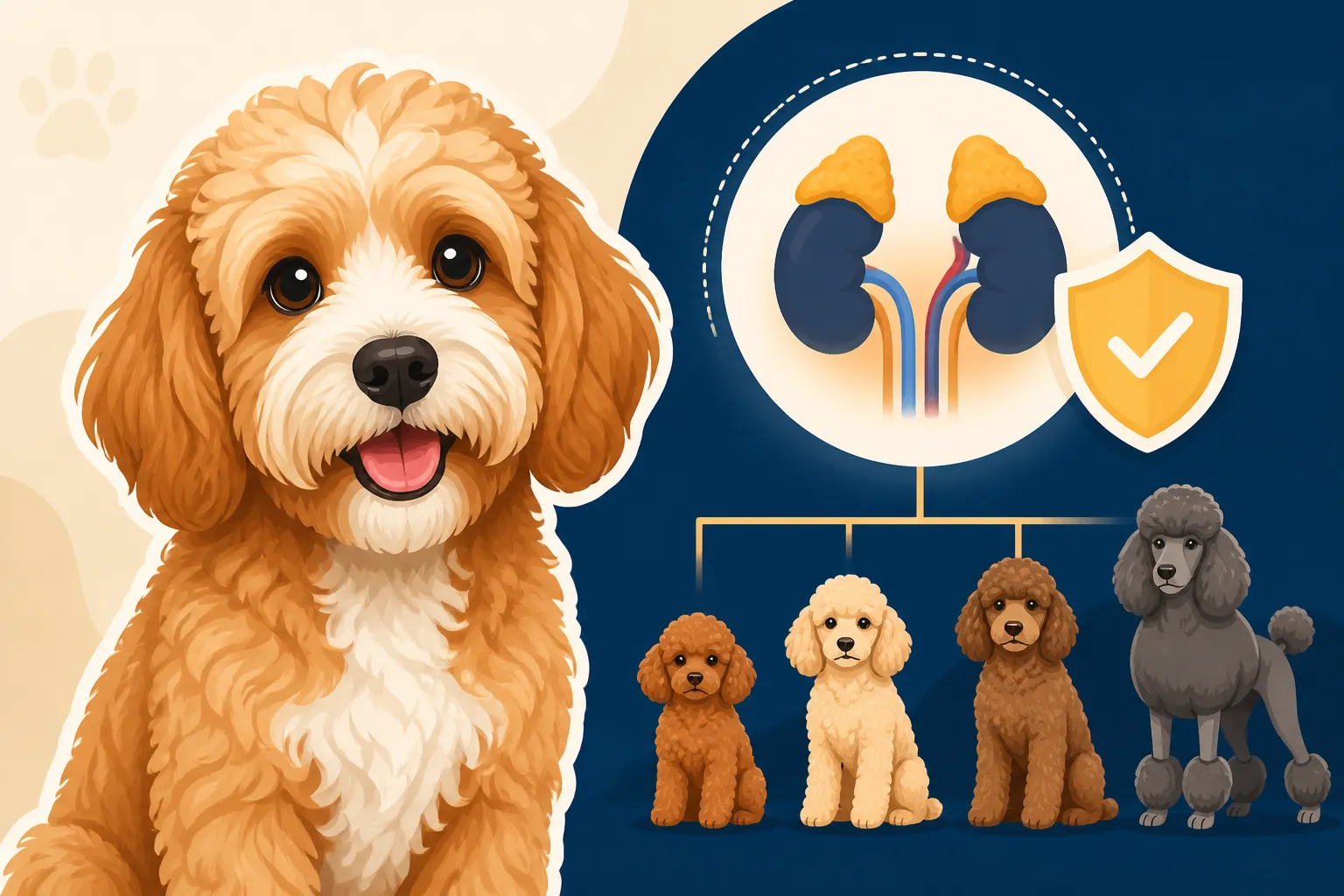
At its core, Addison's disease, or hypoadrenocorticism, is a hormonal disorder that affects your dog's adrenal glands. You have two small adrenal glands perched right above your kidneys, and your dog does too. These tiny but mighty glands are responsible for producing several crucial hormones, primarily cortisol and aldosterone. Cortisol is your dog's natural "stress hormone," helping regulate metabolism, reduce inflammation, and maintain blood sugar. Aldosterone, on the other hand, is vital for balancing electrolytes like sodium and potassium, which in turn helps regulate blood pressure and kidney function.
In dogs with Addison's disease, these adrenal glands simply don't produce enough of these essential hormones. Most commonly, it's a primary Addison's disease, meaning the adrenal glands themselves are damaged and can't produce the hormones. This damage is often immune-mediated, where the body's own immune system mistakenly attacks and destroys the adrenal tissue. Less commonly, secondary Addison's occurs when the pituitary gland, which signals the adrenals, isn't working correctly. For Cockapoos, the focus is almost always on the primary, often inherited form, due to its prevalence in one of their parent breeds.
The Genetic Link to the Poodle Line
This is where the Cockapoo connection truly comes into play. While Addison's disease can affect any breed, certain breeds have a significantly higher predisposition, and the Poodle is high on that list. Standard Poodles, in particular, are genetically susceptible to Addison's, and this predisposition can absolutely be passed down to their Cockapoo offspring. When you have a breed like the Cockapoo, which is a mix of a Cocker Spaniel and a Poodle, you're essentially getting a genetic lottery ticket that includes potential health concerns from both sides. For the Poodle side, Addison's is one of those concerns.
It's not as simple as a single gene, like some other inherited conditions. Instead, it's believed to be a polygenic disease, meaning multiple genes likely contribute to the risk. This complexity makes it challenging for breeders to eradicate, but a responsible breeder will always be aware of the health history of their lines. Other breeds known for a higher incidence include Portuguese Water Dogs, West Highland White Terriers, and Great Danes, but for Cockapoo owners, the Poodle ancestry is the most direct link to consider. Understanding that this genetic link exists means that if your Cockapoo starts showing suspicious symptoms, Addison's should be on your vet's radar earlier rather than later, potentially saving a lot of heartache and diagnostic detours.
Recognizing the Subtle Signs of Addison's in Your Cockapoo
One of the hardest things about Addison's disease is how sneaky it is. It doesn't usually announce itself with a clear, unmistakable symptom. Instead, it often starts with vague, general signs that come and go, making you wonder if your Cockapoo just ate something they shouldn't have or is having an off day. This is why many owners endure a long, frustrating journey of multiple vet visits and tests before an Addison's diagnosis is finally made.
The "Great Impostor" Symptoms
The most common signs of Addison's are incredibly non-specific, which is precisely why it's so challenging to diagnose. You might notice your Cockapoo seems a bit more tired than usual, maybe sleeping more or not as enthusiastic about walks. This lethargy can ebb and flow; some days they might seem perfectly fine, making you doubt what you saw. Then there's the digestive upset: bouts of vomiting and diarrhea. Again, these aren't constant and might be attributed to dietary indiscretion or a common tummy bug. Many owners lament how their dog just isn't eating with their usual gusto, or perhaps is picking at their food, eventually leading to a noticeable loss of appetite and, consequently, weight loss.
Other symptoms include muscle weakness, where your dog might seem a bit wobbly or reluctant to jump. You might also observe increased thirst and urination, which can often be mistaken for other conditions like kidney disease or diabetes. The real frustration for pet parents lies in the waxing and waning nature of these signs. One week your Cockapoo seems off, the next they're back to their playful self, only for symptoms to return weeks later. This makes it incredibly difficult to tell your vet exactly what's going on, and it's easy for initial diagnoses to lean towards more common, less serious ailments. I remember one owner telling me their Cockapoo, Pip, was diagnosed with "sensitive stomach" twice before Addison's was even considered, all because his symptoms would magically disappear for a few weeks, giving false hope. It's truly a test of your patience and intuition as an owner.
The More Urgent "Addisonian Crisis"
While the subtle, fluctuating symptoms are the norm, Addison's can escalate into a life-threatening emergency known as an Addisonian crisis. This is a sudden, severe onset of symptoms that requires immediate veterinary intervention. Imagine your normally active Cockapoo suddenly collapsing, barely able to lift their head. They might be severely vomiting and experiencing explosive diarrhea, leading to rapid dehydration. Their gums might appear pale, and their heart rate could be irregular. In this state, their blood pressure plummets, and they enter a state of shock.
An Addisonian crisis occurs when the adrenal glands completely fail to produce enough cortisol and aldosterone, leading to a critical electrolyte imbalance. Potassium levels can become dangerously high, affecting heart function, while sodium levels drop dangerously low. Left untreated, this can quickly lead to kidney failure and cardiovascular collapse. If you ever see your Cockapoo experiencing sudden collapse, severe and persistent vomiting or diarrhea, or extreme weakness, do not wait. This is a true veterinary emergency, and getting to an emergency vet immediately could mean the difference between life and death. Early detection, even of the more subtle signs, is always the goal to prevent your dog from ever reaching this critical stage.
The Diagnostic Journey: Unmasking Addison's
The path to an Addison's diagnosis can be incredibly frustrating for pet owners and veterinarians alike, precisely because of the disease's "Great Impostor" nature. It often involves a process of elimination and a growing suspicion until the definitive test is finally performed.
Initial Vet Visits and Misdiagnoses
Many Cockapoo owners find themselves making repeated trips to the vet, describing a collection of vague symptoms like lethargy, upset stomach, or a general "off" feeling that just doesn't seem right. It's very common for these initial symptoms to be attributed to things like gastroenteritis, stress, or even simply aging. The intermittent nature of the symptoms often means that by the time you get your pup to the clinic, they might be feeling a bit better, making the diagnostic picture even murkier.
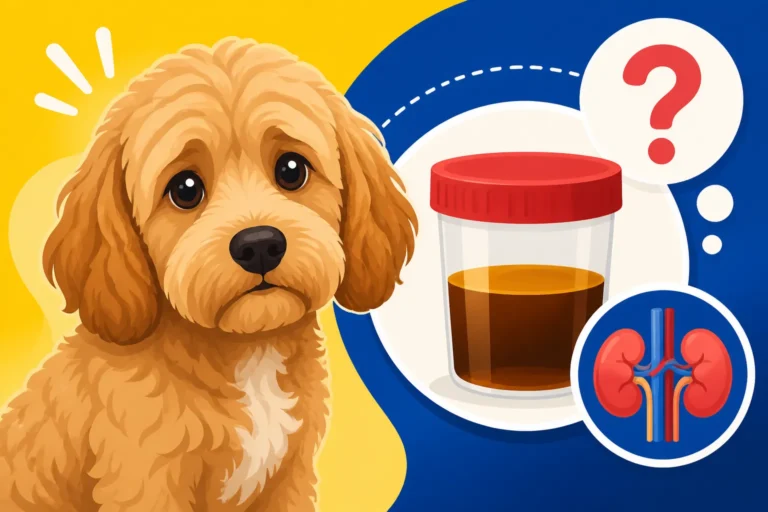
Routine bloodwork, which is often the first step, might show some clues, but rarely a definitive answer. You might see elevated kidney values, which could suggest kidney issues, or abnormal electrolyte levels – specifically, a high potassium and low sodium ratio is a classic red flag for Addison's, though not always present in every case, especially early on. Other findings might include anemia or an elevated calcium level. If your vet is experienced with Poodles and Poodle mixes, or if these non-specific symptoms persist despite symptomatic treatment, Addison's might start to climb higher on their differential diagnosis list. The frustration of feeling like you're not being heard, or that your dog's fluctuating symptoms are being dismissed, is a very real and valid experience for many owners on this diagnostic journey.
The Definitive ACTH Stimulation Test
When Addison's is suspected, the gold standard for diagnosis is the ACTH (Adrenocorticotropic Hormone) stimulation test. This test is highly reliable and specifically designed to assess adrenal gland function. Here's how it generally works:
- Baseline Blood Sample: Your vet will first collect a blood sample from your Cockapoo to measure their baseline cortisol level. This tells them how much cortisol is naturally circulating in your dog's body at that moment.
- ACTH Injection: After the baseline sample, your dog will receive an injection of synthetic ACTH. ACTH is a hormone naturally produced by the pituitary gland that tells the adrenal glands to produce cortisol.
- Second Blood Sample: One to two hours after the injection (the exact timing can vary slightly based on the specific protocol), a second blood sample is collected. This sample measures how much cortisol the adrenal glands produced in response to the ACTH stimulation.
The interpretation is quite straightforward: a healthy dog's adrenal glands will respond to the ACTH injection by significantly increasing their cortisol production. However, a dog with Addison's disease will show little to no increase in cortisol levels, as their damaged adrenal glands are unable to produce the hormone. This lack of response is the definitive confirmation of Addison's.
In addition to the ACTH test, your vet might perform other supporting diagnostics. An abdominal ultrasound could reveal unusually small adrenal glands, which is consistent with chronic Addison's. An electrocardiogram (ECG) might be performed if electrolyte imbalances are severe enough to affect heart rhythm. While these supplementary tests can provide additional context, the ACTH stimulation test remains the cornerstone of diagnosis. This specific test is crucial in definitively diagnosing your dog's Addison's.
Managing Addison's Disease: A Lifelong Commitment
Receiving an Addison's diagnosis for your Cockapoo can feel overwhelming, but it's important to remember that this is a manageable condition. With consistent care and medication, dogs with Addison's can live long, happy, and virtually normal lives. It truly is a lifelong commitment, but the rewards of seeing your dog thrive are immeasurable.
Emergency Treatment for an Addisonian Crisis
If your Cockapoo presents in an Addisonian crisis, immediate and aggressive emergency treatment is paramount. This is a critical situation that your vet will address with urgency. The primary goals are to stabilize your dog, correct severe electrolyte imbalances, and replace the missing hormones.
Typically, this involves:
- Intravenous (IV) Fluid Therapy: Large volumes of IV fluids are administered to correct dehydration, improve circulation, and help flush out excess potassium. This is often the first and most critical step.
- Corticosteroid Administration: Your dog will receive an injectable corticosteroid, such as dexamethasone, to rapidly replace the deficient cortisol. This helps address the immediate shock and inflammation.
- Electrolyte Correction: Depending on the severity of the imbalance, your vet might administer specific medications to help lower dangerously high potassium levels and raise low sodium levels.
Once stabilized, which often requires an overnight stay or longer at the veterinary hospital, your Cockapoo can begin the transition to long-term management. The promptness of this emergency care is what often saves a dog's life, highlighting why recognizing the crisis signs is so vital.
Long-Term Management and Medication
The cornerstone of long-term Addison's management is consistent, lifelong medication to replace the hormones your Cockapoo's adrenal glands are no longer producing. There are two main types of hormones that need replacement:
- Glucocorticoids (Cortisol Replacement): Most dogs will need a daily oral corticosteroid, commonly prednisone. This replaces the deficient cortisol, helping regulate metabolism, manage stress, and reduce inflammation. The dose will be carefully determined by your vet and might need adjustment during times of increased stress, such as travel, boarding, or surgery, to mimic the body's natural stress response.
- Mineralocorticoids (Aldosterone Replacement): These hormones are crucial for balancing sodium and potassium levels. The most common medication is desoxycorticosterone pivalate (DOCP), often sold under the brand name Percorten-V or Zycortal. This is typically given as an injection every 25-30 days by your vet or, in some cases, you might be taught to administer it at home. Alternatively, some dogs can be managed with daily oral fludrocortisone (Florinef), which has both glucocorticoid and mineralocorticoid activity.
Strict adherence to the medication schedule is absolutely crucial. Missing doses, especially of the mineralocorticoid, can quickly lead to electrolyte imbalances and a relapse of symptoms. Regular veterinary check-ups and blood tests are also essential, initially more frequent (every 2-4 weeks after starting treatment) to fine-tune dosages, and then typically every 3-6 months once stable. These tests monitor electrolyte levels and ensure the medication is working effectively. Many owners find peace of mind with pet insurance like Healthy Paws, knowing that the ongoing costs of these lifelong medications and regular bloodwork can be significantly covered, allowing them to focus on their dog's health without constant financial worry. It's a huge relief when you're facing a chronic condition. Having a clear understanding of What Daily Life Looks Like for an Addisonian Cockapoo can help you feel more prepared for this journey.
Living a Full Life with an Addisonian Cockapoo
The good news is that with proper management, an Addisonian Cockapoo can absolutely live a normal, active, and fulfilling life. Once they are stabilized on medication, their symptoms typically disappear, and they can run, play, and cuddle just like any other healthy dog.
Here are some tips for ensuring your Addisonian Cockapoo thrives:
- Medication Compliance is Key: This cannot be stressed enough. Never miss a dose of medication, and always have a refill ready before you run out. Use a pill organizer or set daily reminders on your phone.
- Monitor for Stress: While medication helps, extremely stressful events can still challenge your dog's system. Discuss with your vet if dosage adjustments for prednisone are needed during anticipated stressful periods.
- Regular Vet Visits: Don't skip those follow-up appointments and blood tests. They are vital for ensuring the medication levels are correct and preventing relapse. It's part of the broader commitment to The Kidney and Eye Checks a Cockapoo Needs Yearly, ensuring overall health.
- Emergency Preparedness: Always have emergency contact information for your vet and an emergency clinic readily available. Know the signs of an impending crisis and what to do if you suspect one. Many owners find it helpful to carry a card or wear a bracelet indicating their dog has Addison's, especially if traveling.
- Open Communication with Your Vet: Don't hesitate to ask questions or express concerns. Your vet is your most important partner in managing this condition.
While it's a diagnosis that changes things, it doesn't have to define your Cockapoo's life. With dedication and good veterinary care, your Addisonian Cockapoo can continue to be the joyous, loving companion you cherish.
Breeding and Prevention Considerations
When we talk about conditions like Addison's disease, especially with its known genetic component from the Poodle line, it naturally leads to discussions about responsible breeding practices. While there isn't a simple "yes" or "no" DNA test for Addison's like there might be for some other genetic diseases, understanding the risk factors is crucial for ethical breeders and informed prospective owners.
The Role of Responsible Breeding
For breeders of Cockapoos, particularly those utilizing Poodle lines, being aware of Addison's disease is paramount. While it's a complex, likely polygenic condition, meaning multiple genes contribute to the risk rather than a single dominant or recessive one, a strong family history of Addison's in a breeding line should raise significant concern. Responsible breeders will meticulously research the pedigrees of their breeding stock, looking for any incidence of Addison's in the parents, grandparents, or siblings.
They should be transparent about any known cases in their lines and make informed decisions about whether to breed dogs from affected families. While it's impossible to completely guarantee an Addison-free puppy without a direct genetic test, breeders committed to health will strive to minimize the risk through careful selection. This might involve avoiding breeding two dogs that both come from lines with a high incidence of the disease. They might also engage in general health screening programs that monitor for early, subtle signs in their adult breeding dogs. It's a challenging disease to breed away from, but diligence and transparency are key components of ethical breeding. This commitment to health is similar to the care taken to avoid Familial Nephropathy and the Kidneys a Cockapoo Can Inherit or address The Autoimmune Diseases a Cockapoo Can Inherit, which can also be passed down.
What Prospective Owners Should Ask
As a prospective Cockapoo owner, being informed means asking the right questions. While you won't be able to ask for an "Addison's certificate" like you might for a clear Whether Both Cockapoo Parents Must Be prcd-PRA Clear result, you can still gather valuable information from a breeder.
Here are some questions to consider asking:
- "Do you know of any cases of Addison's disease in your Poodle or Cocker Spaniel lines, or among the siblings of the parent dogs?" A transparent breeder will be open about health issues in their lines. No breed or line is completely free of health concerns, and honesty is a good indicator of a responsible breeder.
- "What kind of general health screening do you perform on your breeding dogs?" While not specific to Addison's, a breeder who does comprehensive health testing for other conditions often has a good overall understanding of canine health and is more likely to monitor for subtle signs.
- "Do you offer any health guarantee that covers conditions like Addison's?" While a guarantee won't prevent the disease, it can provide some financial peace of mind if a diagnosis is made, similar to how some might ask about coverage for Glaucoma From the Cocker Side of a Cockapoo. Some breeders may offer guarantees against certain severe, debilitating inherited conditions.
- "Are the parents of this litter registered with any breed clubs or health organizations that track health data?" While Cockapoo clubs are relatively new compared to purebred registries, some maintain health databases or guidelines that could indicate a breeder's commitment to tracking health issues.
It's about having an open dialogue and understanding the inherent risks, rather than expecting absolute guarantees. Knowledge is power, and being aware of the Poodle line's connection to Addison's disease empowers you to make a more informed decision when choosing your Cockapoo puppy.
Common Symptoms of Addison's vs. Other Illnesses
| Symptom | Common Addison's Presentation | Possible Other Causes (Examples) | Why it's the "Great Impostor" |
|---|---|---|---|
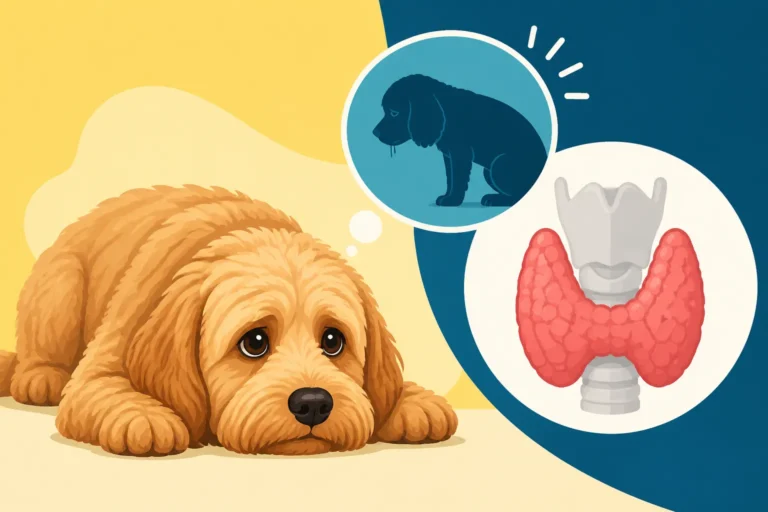
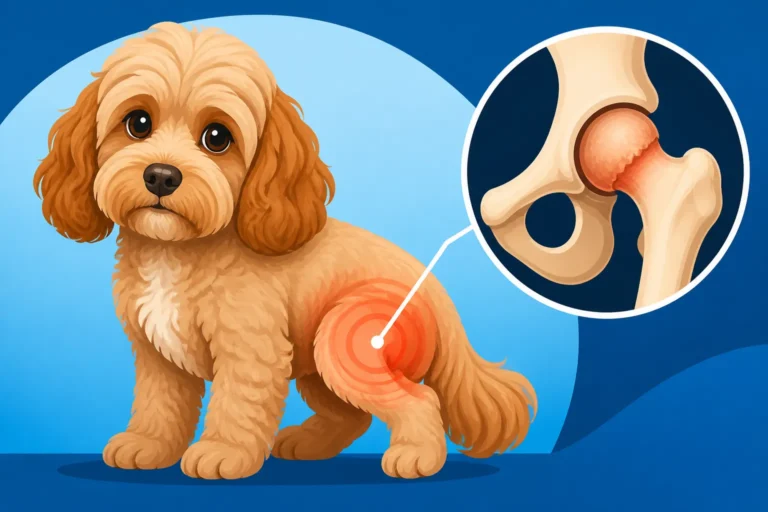
| Lethargy/Weakness | Waxing and waning tiredness, reluctance to play, general malaise. | Infections, pain, arthritis (see Arthritis in a Cockapoo at Eleven), heart disease, other hormonal imbalances like Hypothyroidism in a Middle Aged Cockapoo. | Easy to dismiss as "just tired" or "getting old," especially since it's not constant. Owners often report good days interspersed with bad. |
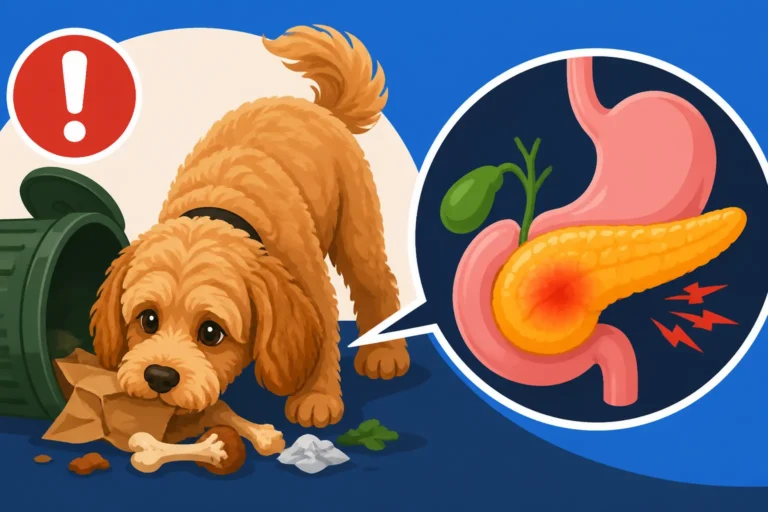
| Vomiting/Diarrhea | Intermittent gastrointestinal upset, sometimes severe in a crisis. | Dietary indiscretion, parasites, viral/bacterial infections, food allergies, pancreatitis, stress. | Often treated as a "tummy bug" with symptomatic care (anti-nausea meds), leading to temporary improvement but no resolution of the underlying problem. |
| Loss of Appetite | Gradual decrease in interest in food, picky eating, weight loss. | Dental disease (see Dental Disease in a Small Cockapoo's Mouth), stress, nausea from other illnesses, kidney disease (see The First Signs of Kidney Failure in a Cockapoo). | Easily attributed to fussiness or temporary illness, especially when symptoms fluctuate. Can lead to significant weight loss over time. |
| Increased Thirst/Urination | Can be subtle, but may become more pronounced as disease progresses. | Kidney disease, diabetes (see Whether Diabetes Shows Up in Cockapoo Lines), Cushing's disease, urinary tract infections. | These are common signs for many serious illnesses, making Addison's difficult to pinpoint without further specific testing. |
| Shaking/Trembling | Can occur due to weakness or electrolyte imbalance. | Fear, cold, pain, low blood sugar, neurological issues. | Another non-specific symptom that can point to various issues, masking the adrenal problem. |
| Addisonian Crisis (Sudden Collapse) | Acute, severe onset of all symptoms, shock, life-threatening. | Poisoning, severe trauma, acute organ failure, massive internal bleeding. | While clearly an emergency, the cause can still be initially unclear. Rapid diagnostic work is vital to differentiate it from other critical conditions. |
Disclaimer
The information provided in this article is for educational purposes only and is not a substitute for professional veterinary advice. Always consult with a qualified veterinarian for any health concerns or before making any decisions about your Cockapoo's care.