Legg Calve Perthes in a Small Cockapoo
Finding out your beloved small Cockapoo is experiencing lameness can be incredibly distressing, and when the vet mentions "Legg-Calvé-Perthes disease," it's natural to feel a surge of fear and confusion. This isn't just a minor limp; it's a serious condition affecting their hip joint. This guide is here to walk you through what Legg-Calvé-Perthes disease is, how it affects your small Cockapoo, what symptoms to look for, and the various ways it can be managed.
Understanding Legg-Calvé-Perthes Disease LCPD
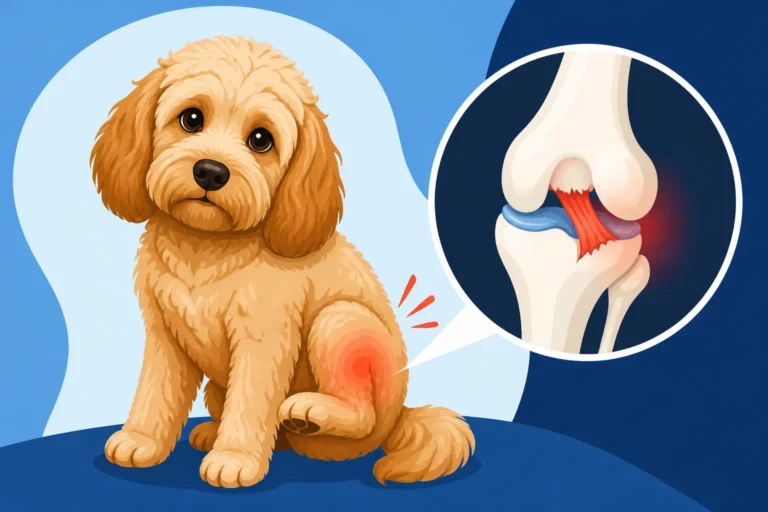
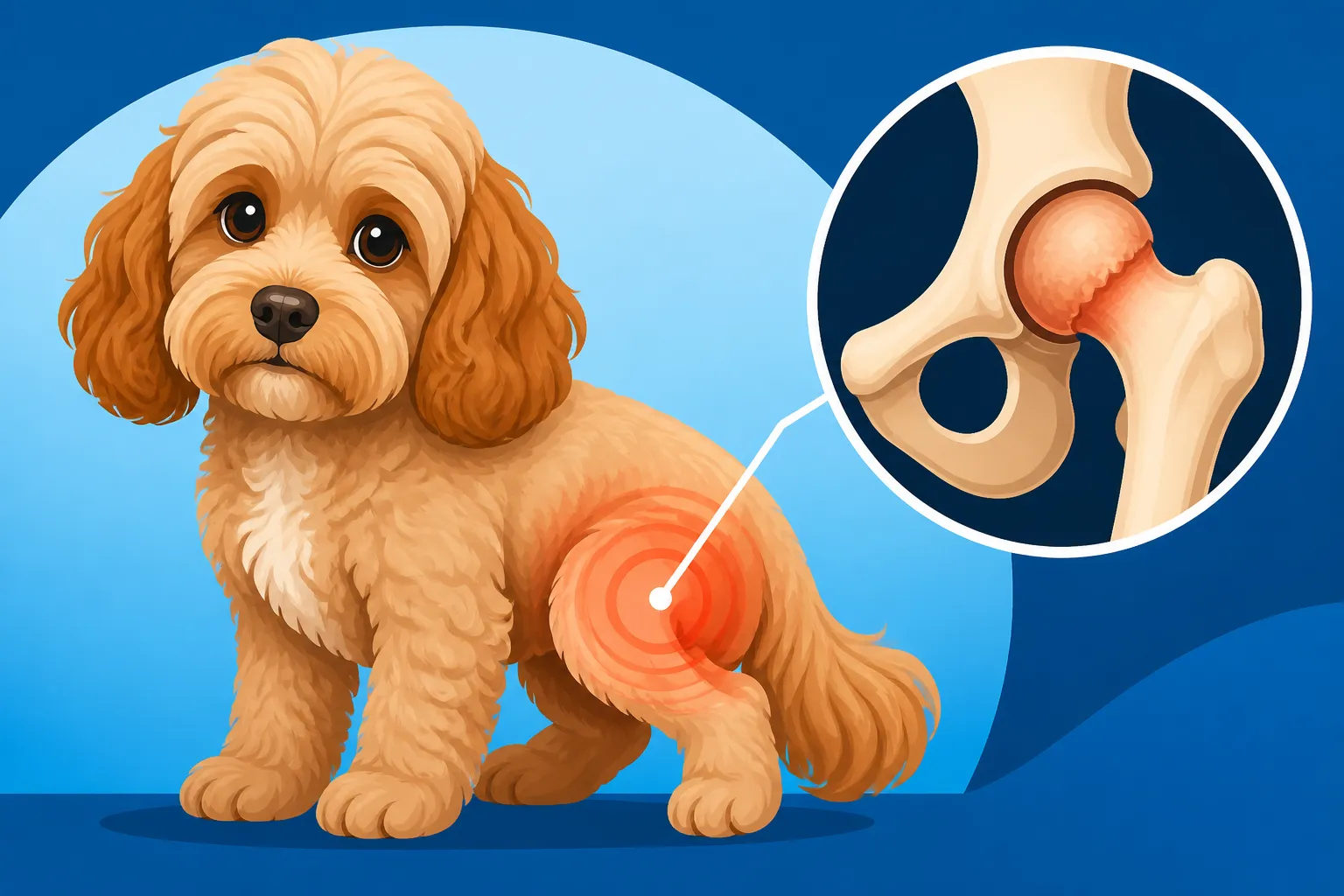
Legg-Calvé-Perthes disease, often shortened to LCPD or just LCP, is a rather mouthful of a name for a condition that can be quite painful and debilitating for small breed dogs, including our adorable Cockapoos. It's not something they "catch" or develop due to an injury in most cases, but rather an issue with the femoral head – the ball part of the ball-and-socket hip joint – that just seems to stop getting enough blood supply. When this happens, the bone tissue actually starts to die off and disintegrate, leading to all sorts of discomfort and instability.
Why Small Breeds are Predisposed to LCPD
It might seem counterintuitive that a problem affecting a bone would be more common in smaller dogs, but with LCPD, that's exactly the case. While the exact cause is still a bit of a mystery, veterinarians and researchers have observed a clear genetic component and a strong correlation with toy and miniature breeds. Think about breeds like Miniature Poodles, West Highland White Terriers, Chihuahuas, and yes, our small Cockapoos. It’s thought that there might be an inherited defect in the blood supply to the femoral head, or perhaps an issue with the cartilage.
Because Cockapoos are a cross between Cocker Spaniels and Poodles, and both parent breeds can come in smaller sizes – especially the Poodle side with its toy and miniature variations – our Cockapoos can inherit this predisposition. This means that if you have a Toy Cockapoo or a Miniature Cockapoo, they might be more at risk than their larger Maxi Cockapoo cousins. It's a frustrating reality for many small dog owners, who often feel that their tiny companions should be less prone to such significant orthopedic issues.
The Mechanism Behind Bone Degeneration
To truly grasp what's happening with LCPD, imagine your Cockapoo's hip joint. It's a marvel of natural engineering, with the round head of the femur fitting snugly into a cup-shaped socket in the pelvis. In LCPD, for reasons that aren't fully understood, the blood vessels that supply this femoral head become compromised. Without a steady supply of nutrient-rich blood, the bone tissue literally begins to die off – a process called avascular necrosis.
As the bone cells die, the femoral head starts to flatten and fragment. This is incredibly painful because the smooth, perfectly aligned joint surfaces are no longer smooth or aligned. Instead, you have rough, crumbling bone grinding against the socket, causing inflammation, pain, and eventually, severe arthritis. This degeneration usually starts when the puppy is still growing, typically between 5 and 8 months of age, which is why early detection is so crucial. It’s not just a passing ache; it's a structural breakdown that impacts their long-term mobility and comfort.
Recognizing the Early Signs of LCPD in Your Cockapoo
One of the hardest things for any pet parent is seeing their dog in pain, especially when they can't tell you what's wrong. LCPD often presents with subtle signs at first, making it easy to dismiss as a minor sprain or just a puppy being clumsy. However, knowing what to look for can make all the difference in getting an early diagnosis and starting treatment. The hallmark symptom is lameness in one of the hind legs, but it's rarely sudden and severe right out of the gate.
Subtle Changes in Gait and Activity
Initially, you might notice your small Cockapoo showing a slight limp or favoring one back leg after activity. Maybe they're a little hesitant to jump up on the couch or seem less enthusiastic about their usual walk. This can be particularly tricky to spot in a high-energy breed like a Cockapoo, who often have a zest for life that can mask discomfort for a while. You might observe a "bunny hop" gait, where they bring both back legs forward at once, or a noticeable shift in weight distribution when standing.
As the condition progresses, the lameness will become more pronounced and consistent. They might start holding the affected leg up more often, reluctant to put weight on it at all. It can be heartbreaking to watch your normally playful companion become withdrawn or hesitant. Keep a close eye on their activity levels. Are they playing less? Are they struggling to climb stairs or get into the car? These subtle shifts in behavior and movement are vital clues that something deeper is going on. It’s important not to assume it's just "growing pains" or a minor bump when dealing with a condition like LCPD.
Pain Response and Muscle Atrophy
Beyond just limping, dogs with LCPD will experience significant pain, especially when the affected hip is manipulated. If you gently try to extend or flex their hind leg, you might notice them yelping, flinching, or even trying to snap if the pain is severe enough. They might also become irritable or withdrawn, which is a common pain response in dogs. You might also find your Cockapoo struggling to get comfortable when lying down, shifting positions frequently, or preferring to lie on the unaffected side.
Over time, because they are using the affected leg less, the muscles in that leg will begin to waste away, a process known as muscle atrophy. This can make the affected leg look noticeably thinner than the other hind leg. You might feel the bone of the hip more prominently on that side due to the lack of muscle mass covering it. The leg might also feel colder to the touch compared to the healthy limb due to reduced blood flow and activity. This muscle loss further compounds the problem, making it even harder for them to bear weight and move comfortably. Early intervention can slow or even prevent some of this muscle wasting.
Diagnosing LCPD What to Expect at the Vet
When you suspect LCPD, your first and most important step is a visit to your veterinarian. Don't delay, as early diagnosis can significantly impact the success of treatment and your Cockapoo's long-term comfort. Your vet will perform a thorough physical examination, but the definitive diagnosis will almost always involve imaging.
The Physical Examination and Palpation
During the physical examination, your vet will observe your Cockapoo's gait and posture. They'll likely ask you to walk your dog back and forth to assess the lameness. Then, they will carefully palpate (feel) your dog's hips and hind legs. They'll gently manipulate the hip joint, rotating and extending the leg, to check for pain, range of motion, and any grinding or crepitus (a crackling sound or sensation) within the joint. This part of the exam can be quite uncomfortable for a dog with LCPD, so your vet will proceed with care and compassion.
They will also assess for muscle atrophy by comparing the muscle mass of both hind legs. A noticeable difference in thigh circumference or a prominent hip bone on one side will be a strong indicator. This hands-on assessment, combined with your observations of your Cockapoo's behavior at home, provides crucial initial clues that point towards LCPD rather than other common lameness issues like a Slipping Kneecaps in a Toy Cockapoo or a soft tissue injury. Your vet might suggest that your Cockapoo needs further examination, possibly including X-rays, to confirm the diagnosis.
Radiographic Imaging for Confirmation
The gold standard for diagnosing LCPD is X-rays of the hip joint. Your vet will typically take several views to get a comprehensive look at the femoral head and socket. Because any movement can blur the images and make interpretation difficult, your Cockapoo will likely need light sedation or anesthesia for the X-ray procedure. This ensures they are comfortable and perfectly still.
What the X-rays will reveal in a dog with LCPD is characteristic:
- Irregularity or Flattening of the Femoral Head: Instead of a smooth, round ball, the femoral head might appear flattened, misshapen, or even have areas that look like they're crumbling.
- Increased Joint Space: In some cases, there might be an increased gap between the femoral head and the hip socket due to the deterioration of the bone.
- Bone Fragments: Small pieces of bone might be visible within the joint capsule, indicating advanced degeneration.
- Signs of Osteoarthritis: Over time, secondary changes like bone spurs (osteophytes) and hardening of the bone (sclerosis) around the joint will appear, signaling the onset of arthritis.
Comparing these X-rays to those of a healthy hip or even the unaffected hip (if only one is involved) helps confirm the diagnosis of LCPD. Once confirmed, your vet will discuss the various treatment options available, keeping in mind the severity of the disease and your Cockapoo's overall health and age. It's a definitive way to understand why your dog's Gait That Gives Away a Cockapoo's Bad Hips is a cause for concern.
Treatment Options for Your Small Cockapoo with LCPD
Discovering your Cockapoo has LCPD can feel overwhelming, but the good news is that there are effective treatment options available to alleviate pain and restore mobility. The choice of treatment often depends on the severity of the disease, the age of your dog, and your vet's recommendations. Generally, treatments fall into two main categories: conservative management and surgical intervention.
Conservative Management Approaches
Conservative management is typically considered for very mild cases of LCPD, usually when the bone changes are minimal, or for dogs that might not be surgical candidates due to other health issues. The primary goals are pain control, inflammation reduction, and muscle strengthening. This is a journey that requires commitment and consistency from you as a pet parent.
Your vet might prescribe anti-inflammatory medications, such as NSAIDs (non-steroidal anti-inflammatory drugs), to reduce pain and swelling in the joint. Pain relievers might also be used in conjunction. Strict rest is often advised to prevent further damage to the crumbling femoral head. This means limiting walks, no jumping, and potentially crate rest for a period. Weight management is also crucial; keeping your Cockapoo at a lean, healthy weight reduces stress on the hip joint. Nutritional supplements, like glucosamine and chondroitin, which support joint health, can also be beneficial. Remember, it's wise to discuss covering these costs with your insurance provider, such as Healthy Paws, which often helps with chronic conditions. Physical therapy, including gentle range-of-motion exercises and swimming, can help maintain muscle mass without putting excessive strain on the joint. However, it's important to understand that conservative management doesn't reverse the bone degeneration; it primarily aims to manage symptoms.
Surgical Intervention: Femoral Head Ostectomy FHO
For most Cockapoos diagnosed with LCPD, especially when the disease is moderate to severe, surgical intervention is the most effective and often recommended course of action. The most common surgical procedure for LCPD is a Femoral Head Ostectomy, or FHO. This procedure involves surgically removing the damaged femoral head and neck of the femur.
The idea behind an FHO might sound drastic, but it's remarkably effective, especially for smaller dogs. Once the painful, degenerated bone is removed, the body forms a "false joint" (a fibrous pseudarthrosis) where the muscles around the hip eventually create a cushion. This eliminates the painful bone-on-bone grinding. Post-surgery, intense physical therapy is absolutely critical for a successful outcome. This includes controlled leash walks, passive range-of-motion exercises, and hydrotherapy (swimming) to rebuild muscle mass and strength. While the dog may have a slightly altered gait, most small dogs regain excellent pain-free mobility and can enjoy a full, active life. Your vet will outline the Patella Surgery Costs on a Cockapoo to ensure you are fully prepared for the financial aspect of this important intervention. It's truly life-changing for many affected dogs.
Living with and Managing LCPD
Whether your small Cockapoo has undergone surgery or is being managed conservatively, living with LCPD requires ongoing care and attention. Your role as a pet parent is paramount in ensuring their comfort, mobility, and overall quality of life. This journey extends beyond the initial treatment phase and involves long-term management strategies.
Post-Surgical Care and Rehabilitation
If your Cockapoo undergoes an FHO, the post-surgical period is crucial for recovery. You'll need to meticulously follow your vet's instructions, which will include administering pain medication and antibiotics, keeping the surgical site clean, and restricting activity. Initially, strict rest is necessary, but this quickly transitions into carefully managed exercise to prevent stiffness and promote muscle development.
Rehabilitation therapy is not just recommended; it's essential for FHO success. This might involve regular sessions with a certified canine rehabilitation therapist. They'll guide you through exercises like passive range of motion, gentle stretches, controlled walks, and hydrotherapy. Hydrotherapy, especially swimming, is fantastic because it allows your Cockapoo to use their muscles without putting weight on the recovering joint. The goal is to rebuild muscle mass, improve strength, and ensure your dog develops a functional, pain-free hip. This intensive rehab phase can last several weeks to months, but the dedication pays off significantly in their long-term comfort and mobility. Many pet owners find that having pet insurance, like a policy from Healthy Paws, really helps with the costs associated with these specialized therapies.
Long-Term Management and Prognosis
Even after successful treatment, whether surgical or conservative, long-term management of LCPD involves vigilance. Your Cockapoo will likely develop some degree of arthritis in the affected hip over time, simply because the joint structure has been altered. Regular vet check-ups are important to monitor for signs of arthritis and to adjust pain management as needed. Discussions about Arthritis in a Cockapoo at Eleven often touch upon conditions like LCPD and the importance of early intervention.
Maintaining a healthy weight is paramount to reduce stress on all joints. A balanced diet and appropriate exercise are key. Daily supplements like glucosamine and chondroitin, or even Omega-3 fatty acids, can help support joint health and reduce inflammation. For Cockapoos that have undergone FHO, the prognosis for a good quality of life is generally excellent. Most small dogs return to being happy, active companions, even if their gait isn't perfectly normal. For those managed conservatively, the prognosis depends on the initial severity and how well the pain can be controlled. Regular exercise should be appropriate for their condition; avoid high-impact activities, but encourage consistent, moderate movement.
| Aspect | Conservative Management | Surgical Management (FHO) |
|---|---|---|
| Applicability | Very mild cases, non-surgical candidates | Most moderate to severe cases, especially in small breeds |
| Primary Goal | Pain control, inflammation reduction | Elimination of painful bone-on-bone grinding |
| Treatment Duration | Ongoing, lifelong | Intensive post-op rehab (weeks-months), then ongoing |
| Pain Relief | Managed with medication, strict rest | Immediate post-op pain, then significantly reduced |
| Mobility Recovery | Limited improvement, potential for chronic limp | Excellent for small dogs, typically pain-free |
| Cost | Lower initial, but ongoing medication/supplements | Higher initial (surgery, rehab), then maintenance |
| Reversibility | Does not reverse bone degeneration | Removes damaged bone, prevents further breakdown |
Preventative Measures and Responsible Breeding
When it comes to Legg-Calvé-Perthes disease, the idea of prevention can be a bit tricky because the exact cause isn't fully understood. However, we do know that genetics play a significant role, especially in small breeds like our Cockapoos. This knowledge places a huge responsibility on breeders to make informed choices, and on prospective puppy parents to ask the right questions.
The Role of Genetics and Breeder Screening
Since LCPD is considered to have a strong hereditary component, responsible breeding practices are the first line of defense. While there isn't a specific DNA test for LCPD like there is for some other genetic conditions, reputable breeders of small breeds should be carefully screening their breeding stock. This involves ensuring that any Poodle or Cocker Spaniel used in a Cockapoo breeding program, especially those of toy or miniature size, has no history of LCPD in their lines. Breeders should be transparent about the health history of their parent dogs and their ancestors.
A responsible breeder will not breed any dog that has been diagnosed with LCPD, even if they have had successful surgery. The goal is to avoid passing on any genetic predisposition to future generations. While it's impossible to guarantee a puppy will never develop a health issue, good breeders strive to minimize risks through careful selection and health testing for common ailments. When looking for a puppy, don't be shy about asking about the health history of the parents and their siblings. It’s part of ensuring you get a healthy puppy that will bring you joy for The Fourteen to Eighteen Years a Cockapoo Lives.
Choosing a Reputable Cockapoo Breeder
Finding a reputable breeder who prioritizes health is perhaps the most significant preventative step you can take as a future Cockapoo owner. A responsible breeder will be knowledgeable about breed-specific health concerns, including LCPD. They should be open and honest about any health issues in their lines and be willing to provide health clearances for the parent dogs for other conditions prevalent in Cockapoos, such as hip dysplasia or eye conditions.
They will also allow you to visit their premises, meet the mother dog (and sometimes the father), and see the puppies in a clean, nurturing environment. They won't rush you into a decision and will ask you just as many questions as you ask them, ensuring their puppies go to good homes. They will also educate you on the common health challenges that can affect the breed, such as Legg-Calvé-Perthes. Remember, a cheap puppy often comes with hidden costs in vet bills down the line, so invest in a puppy from a breeder who has invested in the health of their dogs. When considering a puppy, ensure you get all the necessary health documentation. You might also find this article helpful: Whether an Untested Cockapoo Litter Is a Gamble.
Disclaimer
The information provided in this guide is for general informational purposes only and is not a substitute for professional veterinary advice. Always consult with a qualified veterinarian for any health concerns or before making any decisions related to your pet's health and treatment.