Whether a Slowing Cockapoo Has a Thyroid Problem
It's incredibly worrying when your lively, playful Cockapoo starts to slow down. One day they're bouncing around like a puppy, and the next they seem less interested in walks, their movements are stiffer, and they just don't have that same spark. While it’s easy to write it off as simply "getting old," sometimes, this change in energy can be a tell-tale sign of an underlying health issue, and hypothyroidism, a common thyroid problem, is often high on the list of suspects for many dog owners.
Understanding Hypothyroidism in Cockapoos
When your once-energetic Cockapoo begins to show signs of slowing down, it's natural to jump to conclusions or even feel a pang of sadness at the thought of them aging. But before you resign yourself to a less active future, it’s worth considering conditions like hypothyroidism, which can dramatically affect their energy levels and overall well-being. This isn't just about feeling a bit tired; it's a systemic issue that impacts nearly every part of their body.
What Hypothyroidism Actually Is
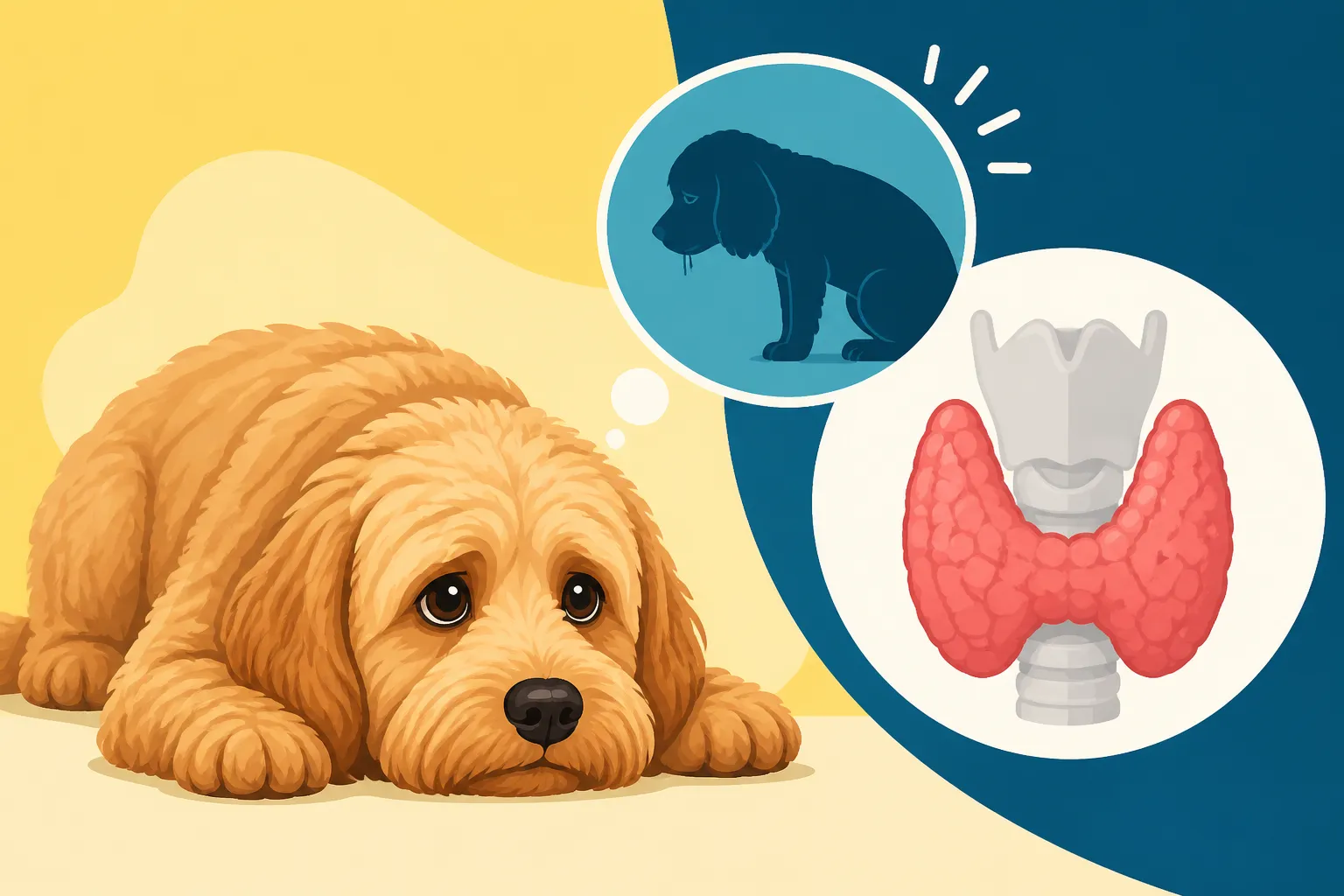
At its core, hypothyroidism is a condition where your dog's thyroid gland, a small but mighty gland located in their neck, doesn't produce enough thyroid hormones. Think of these hormones as the master regulators of metabolism. They control how quickly your dog's body uses energy, influencing everything from their heart rate and body temperature to their skin and coat health. When these hormone levels drop, the body's processes slow down across the board.
For a Cockapoo, who typically thrives on activity and engagement, this can manifest in a variety of ways. It's not just that they're a little less enthusiastic about chasing squirrels; they might seem genuinely lethargic, sleeping more than usual, and showing a marked decrease in their zest for life. This can be particularly frustrating for owners who expect their Cockapoo to be full of beans, as their breed mix often brings a vibrant, intelligent personality.
How the Poodle Line Influences Thyroid Health
While both parent breeds contribute to a Cockapoo's genetic makeup, the Poodle side of their family tree is more commonly associated with a predisposition to autoimmune thyroiditis, which is the most frequent cause of hypothyroidism in dogs. Autoimmune thyroiditis means the body's immune system mistakenly attacks its own thyroid gland, gradually destroying the cells that produce those essential hormones.
This genetic link doesn't mean every Poodle or Cockapoo will develop hypothyroidism, but it does raise their risk profile. Reputable breeders often conduct thyroid screening on their breeding dogs, especially Poodles and Cocker Spaniels, to try and mitigate the passing on of these predispositions. If you adopted your Cockapoo, or if you're not sure about their lineage, it's just another reason to be vigilant about changes in their health. Understanding their genetic background can sometimes give us clues about potential health challenges, helping us be more proactive in their care.
Common Signs Beyond Just "Slowing Down"
A general slowing down is often the first thing owners notice, but hypothyroidism can present a surprisingly wide array of symptoms. It’s like a dimmer switch for your dog's entire system. Beyond reduced energy, you might observe a noticeable weight gain despite no change in diet or exercise. This isn't just a few extra pounds; it can be stubborn weight that resists all attempts to shed it.
Another common symptom involves changes to their skin and coat. You might notice a dull, dry, or brittle coat that seems to shed excessively, or even thinning hair, especially on their flanks and tail. Some Cockapoos might develop a "rat tail" appearance, where the tail hair becomes sparse. Their skin can also become dry, flaky, or prone to infections, leading to persistent itching or an oily feel despite regular grooming. Sometimes, owners even notice their dog feeling colder to the touch, or seeking out warm spots more frequently, as their body struggles to regulate its temperature. It's worth considering Whether Thyroid Sits Behind a Cockapoo's Thinning Coat if you're seeing these kinds of changes.
Less commonly, but still important to recognize, are neurological symptoms like facial paralysis or even seizures, though these are rarer and often associated with severe, untreated cases. Behavioral changes can also occur; a previously cheerful and friendly Cockapoo might become more subdued, irritable, or even show signs of aggression due to feeling unwell. These varied symptoms highlight why a veterinarian's expertise is so crucial when your Cockapoo starts acting differently.
The Diagnostic Journey: Getting a Clear Picture
When you notice your beloved Cockapoo isn't quite themselves, especially if they're slowing down or exhibiting other concerning symptoms, it's natural to feel a mix of worry and urgency. Getting an accurate diagnosis is the first, most crucial step towards helping them feel better. It’s a bit like detective work, with your vet piecing together clues from your observations, a physical exam, and specialized tests.
Initial Vet Visit and Physical Examination
Your journey to understanding your Cockapoo's health will always start with a visit to your veterinarian. This initial consultation is vital because your vet needs to gather all the pieces of the puzzle. Be prepared to discuss in detail everything you've observed: when the "slowing down" started, any changes in appetite, thirst, bathroom habits, weight, coat condition, or behavior. Even seemingly minor details can provide important clues. For instance, have you noticed if your Cockapoo is now constantly drinking water, which could point to other issues like diabetes or The First Signs of Kidney Failure in a Cockapoo?
During the physical exam, your vet will do a thorough check, palpating your Cockapoo's neck area where the thyroid glands are, listening to their heart, checking their weight, assessing their coat and skin, and looking for any other abnormalities. They'll be evaluating for general health, ruling out other common ailments that can cause lethargy or weight changes. This comprehensive approach ensures that they don't jump to conclusions, but rather consider all possibilities before focusing on a specific diagnosis. Sometimes, what looks like one problem might actually be another, or a combination of issues.
Deciphering Thyroid Blood Tests
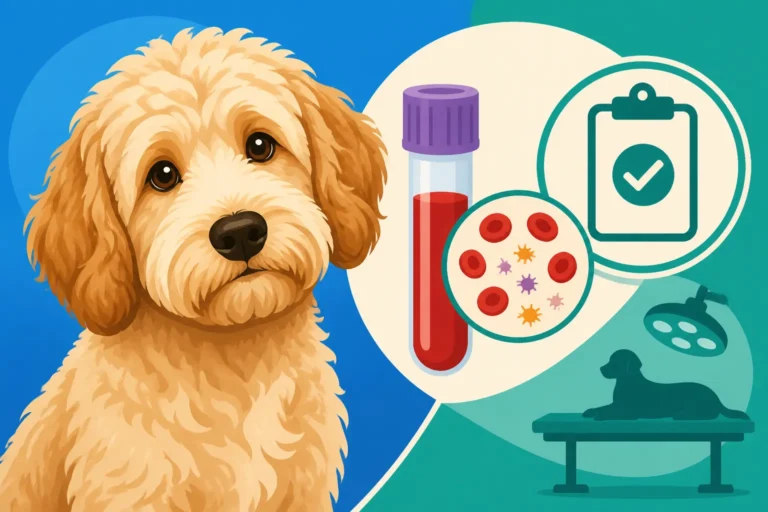
If your vet suspects hypothyroidism based on the physical exam and your observations, the next step is typically blood work. This isn't just a basic blood panel; it involves specific tests to measure the levels of thyroid hormones in your Cockapoo's system. The primary tests include:
- Total T4 (TT4): This measures the total amount of thyroxine (T4) hormone in the blood, both free and bound to proteins. A low TT4 can be an indicator of hypothyroidism, but it can also be affected by other illnesses or medications, so it's rarely used as the sole diagnostic tool.
- Free T4 (fT4): This measures the amount of unbound, biologically active T4 hormone. It's often considered a more accurate indicator than TT4 because it's less influenced by non-thyroidal illnesses.
- TSH (Thyroid-Stimulating Hormone): This hormone is produced by the pituitary gland to stimulate the thyroid. In hypothyroid dogs, the pituitary tries to get the failing thyroid to work harder, so TSH levels are often elevated while T4 levels are low.
- Thyroglobulin Autoantibodies (TgAA): This test looks for antibodies that attack the thyroid gland itself. A positive result indicates autoimmune thyroiditis, the most common cause of hypothyroidism in dogs.
A definitive diagnosis usually requires a combination of low T4 (especially fT4) and high TSH levels. Sometimes, a "full thyroid panel" is run, which includes all these tests and can offer the clearest picture. It's important to understand that interpreting these results takes expertise, as many factors can influence hormone levels. Your vet might even recommend a retest in a few weeks to confirm persistent low levels, especially if the initial results are borderline.
When to Seek a Specialist's Opinion
While your general practice veterinarian is perfectly capable of diagnosing and managing most cases of hypothyroidism, there are certain situations where consulting a veterinary internal medicine specialist might be beneficial. If your Cockapoo's blood test results are ambiguous, or if they have other complex health issues occurring simultaneously, a specialist can offer a deeper level of expertise.
For instance, if your Cockapoo has other autoimmune diseases, which some Poodle lines can be predisposed to, differentiating symptoms or managing multiple conditions can be challenging. A specialist can help fine-tune the diagnosis, interpret unusual test results, and develop a tailored treatment plan that considers all aspects of your dog's health. They might also be beneficial if your Cockapoo isn't responding as expected to standard treatment, offering alternative strategies or further investigations to uncover any complicating factors. While specialized care can be an added expense, many pet insurance plans, like those offered by Healthy Paws, can help cover these costs, making advanced diagnostics and treatments more accessible.
Managing Hypothyroidism: A Lifelong Commitment
Receiving a diagnosis of hypothyroidism for your Cockapoo might feel overwhelming, but the good news is that it's a very manageable condition. It does, however, require a lifelong commitment to medication and regular monitoring. Think of it as a journey you'll embark on with your vet, ensuring your beloved companion maintains a good quality of life.
Daily Medication and Dosage Adjustments
The cornerstone of hypothyroidism treatment is daily oral medication, typically a synthetic thyroid hormone called levothyroxine (L-thyroxine). This medication works by supplementing the hormones your Cockapoo's body isn't producing enough of. It's usually given once or twice a day, and consistency is key. Missing doses can lead to fluctuations in hormone levels, preventing your dog from feeling their best. It might seem like a big task at first, but incorporating it into their daily routine, perhaps with a meal or a treat, quickly makes it second nature.
Finding the correct dosage isn't always a one-and-done process. Your vet will typically start with a standard dose based on your Cockapoo's weight and then schedule follow-up blood tests, usually 4-8 weeks after starting medication, to check their T4 levels. These tests, often referred to as "rechecks," are crucial for fine-tuning the dosage. The goal is to get the thyroid hormone levels into the normal range without over-supplementing, which can lead to its own set of problems, like hyperthyroidism. You'll discuss with your vet Daily Thyroid Medication for a Cockapoo and what to expect during this initial adjustment phase. It’s important to be patient; it can take some time to find that sweet spot, and throughout this period, observing your dog for changes in energy, appetite, and attitude is incredibly helpful for your vet.
Monitoring Your Cockapoo's Progress
Once your Cockapoo is on a stable dose and their symptoms have improved, regular monitoring will still be essential. Typically, your vet will recommend blood tests once or twice a year to ensure the medication dosage is still appropriate. Just like humans, a dog's metabolism can change over time, and factors like age, weight fluctuations, or the development of other health conditions can impact their thyroid hormone needs.
Beyond blood tests, you'll be your Cockapoo's most important monitor. Keep a close eye on their energy levels, appetite, weight, and coat condition. Are they still bright-eyed and active? Is their coat looking healthier? Are they maintaining a healthy weight? Any significant changes should prompt a call to your vet, even if it's not time for their annual recheck. This ongoing vigilance ensures that if their needs change, you can adjust their treatment promptly, preventing a return of symptoms. Early detection of any new or worsening symptoms can prevent discomfort and maintain their quality of life.
Holistic Approaches and Lifestyle Support
While medication is the primary treatment for hypothyroidism, complementary holistic approaches and supportive lifestyle changes can certainly play a role in your Cockapoo's overall well-being. It's not about replacing medication, but rather enhancing their health journey. For instance, ensuring they have a balanced, high-quality diet can support their general metabolic health. Some owners opt for diets rich in whole foods, avoiding highly processed ingredients, to promote overall wellness.
Supplements, such as omega-3 fatty acids, can help improve skin and coat health, which is often affected by hypothyroidism. Always discuss any supplements with your vet first to ensure they are safe and won't interfere with your Cockapoo's medication. Regular, appropriate exercise is also crucial. Even if your Cockapoo was slowing down, once their thyroid levels are regulated, their energy should return, and regular walks or playtime will help them maintain a healthy weight and muscle tone. Remember, a happy Cockapoo is often an active one, and getting them back to their playful self is a huge part of their recovery.
Proactive Health for Your Aging Cockapoo
Watching your Cockapoo gracefully age can be a bittersweet experience. While their playful spirit may never truly diminish, their bodies will naturally undergo changes. Being proactive about their health as they mature is paramount, helping you catch potential issues like thyroid problems early and ensure they enjoy their golden years to the fullest. This isn't just about reacting to problems; it's about anticipating needs and creating a supportive environment for them.
Regular Check-ups and Early Detection
The importance of regular veterinary check-ups for an aging Cockapoo cannot be overstated. Even if your dog seems perfectly fine, these annual (or even semi-annual for seniors) visits are crucial. Your vet can spot subtle changes that you might miss, conducting thorough physical exams and recommending routine blood work that can catch issues before they become serious. For instance, part of a senior panel often includes thyroid function tests, allowing for The Bloodwork That Catches a Cockapoo's Kidney Disease or other metabolic conditions like hypothyroidism early on.
Early detection of thyroid problems means starting treatment sooner, which can prevent the more advanced and sometimes irreversible symptoms from developing. It also means your Cockapoo will likely experience less discomfort and a quicker return to their normal energetic self. Think of these check-ups as an investment in their long-term health and happiness – a small effort now that can prevent much larger problems down the line. It's not just for thyroid; it's also when you might discuss concerns about Heart Murmurs in an Aging Cockapoo or other age-related issues.
Nutrition and Exercise for Senior Cockapoos
As your Cockapoo ages, their nutritional and exercise needs will shift. Older dogs generally have a slower metabolism, so they may require fewer calories to maintain a healthy weight. Continuing to feed them the same amount of food as when they were younger can lead to unhealthy weight gain, which puts extra strain on their joints and organs, exacerbating any underlying conditions. Look for senior-specific dog foods that are formulated with lower calorie counts but still provide essential nutrients. Omega-3 fatty acids, glucosamine, and chondroitin, often found in senior formulas, can also support joint health, which is vital for maintaining mobility.
Exercise remains critical for senior Cockapoos, but it should be modified to suit their capabilities. Instead of long, strenuous hikes, consider shorter, more frequent walks or gentle play sessions. Swimming can be an excellent low-impact option if your Cockapoo enjoys it. The goal is to keep them active without overexerting them, which can help maintain muscle mass, flexibility, and cognitive function. This balance of appropriate nutrition and exercise is fundamental to managing What Changes in a Cockapoo After Ten and promoting longevity.
When it's Not Just a Thyroid Issue
While hypothyroidism is a common culprit behind a slowing Cockapoo, it's really important to remember that it's not the only reason your dog might be losing their spark. Other health conditions can mimic the symptoms of a thyroid problem, or even occur simultaneously. For example, joint pain from arthritis, which is common in older dogs, can make them reluctant to move around. Conditions like Cushing's Disease in an Aging Cockapoo can also cause lethargy and changes in coat quality.
Furthermore, heart disease, kidney disease, or even certain cancers can manifest with similar signs of fatigue and general malaise. Even cognitive dysfunction, akin to canine dementia, can make a dog seem disoriented or less engaged. This is why a thorough veterinary examination and diagnostic testing are so vital. It ensures that your vet can accurately pinpoint the real cause of your Cockapoo's changes and recommend the most effective treatment. Pet insurance, like that offered by Healthy Paws, can be incredibly beneficial during these times, helping to cover the costs of comprehensive diagnostics and ongoing treatments, regardless of the diagnosis. It’s all about ruling things out until you have a clear picture, so you can help your furry friend get back to feeling their best.
Disclaimer
The information provided in this article is for general informational purposes only and is not intended as a substitute for professional veterinary advice, diagnosis, or treatment. Always seek the advice of your veterinarian or other qualified health provider with any questions you may have regarding a medical condition or the health and welfare of your pet.