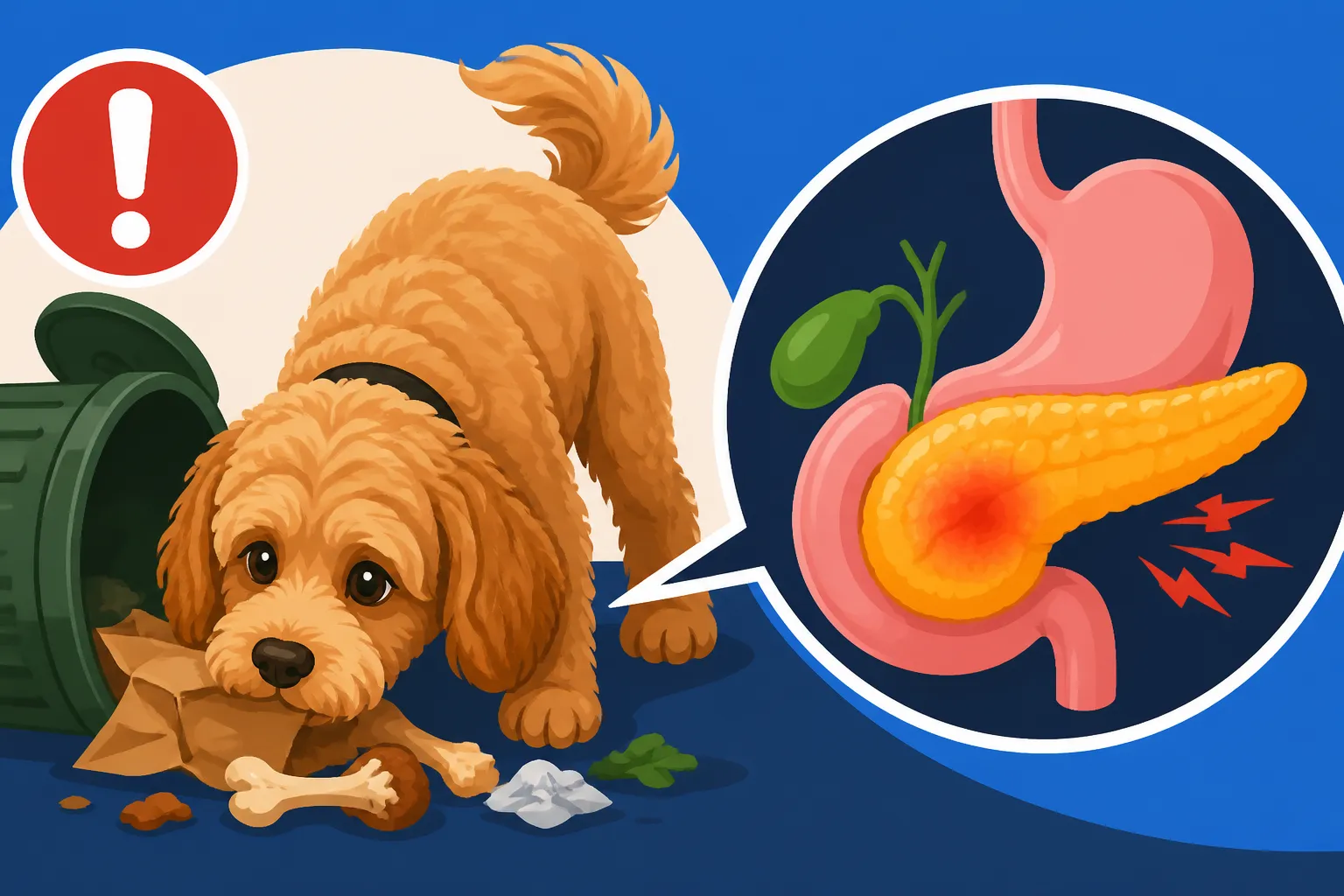
Whether a Cockapoo’s Scavenging Causes Pancreatitis
It’s an all too common scenario for Cockapoo parents: you turn your back for a second, and suddenly your beloved pup has snarfed down something questionable from the floor, the yard, or even the trash. That sudden gulp, the guilty look, and then the panic sets in. We’ve all been there, worrying about what they’ve ingested and the potential consequences, especially the dreaded pancreatitis. This guide will delve into why Cockapoos are prone to scavenging, how it relates to pancreatitis, and what you can do to keep your furry friend safe and healthy.
Understanding the Cockapoo's Natural Urge to Scavenge
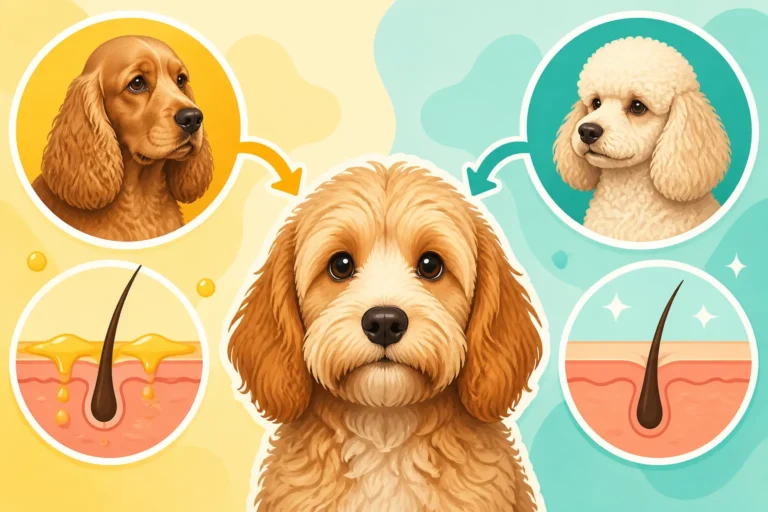
Cockapoos are a delightful mix of two intelligent and often highly motivated breeds: the Cocker Spaniel and the Poodle. Both parent breeds contribute traits that can lead to a Cockapoo being an enthusiastic scavenger, and understanding these roots can help us manage the behavior. It’s not just about being "naughty"; often, it's deep-seated instinct.
The Cocker Spaniel's Hunting Heritage
The Cocker Spaniel, whether American or English, was originally bred as a gundog, specifically for flushing out and retrieving game. This means they have an incredible nose, a keen interest in anything that smells interesting, and a natural drive to put things in their mouth. They’re built to quarter fields, sniffing out birds and small animals.
When you bring a Cockapoo into your home, you're bringing in generations of this genetic programming. That irresistible urge to investigate every interesting smell on a walk, or to vacuum up dropped crumbs in the kitchen, isn't just a quirky habit; it’s their heritage shining through. They might not be flushing pheasants, but they’re certainly flushing out dropped toast crusts or forgotten socks. This strong scent drive can lead to them consuming things that might be harmful, especially if they resemble food.
The Poodle's Intelligence and Curiosity
Poodles, while often associated with elegance and show rings, are also highly intelligent and historically retrieve water fowl. Their intelligence means they learn quickly – both good habits and bad ones. If a Cockapoo learns that scavenging leads to a "reward" (even if that reward is just an interesting texture or taste), they're likely to repeat the behavior.
Their curiosity combined with their intelligence means they can be quite adept at problem-solving, like figuring out how to get into a trash can or opening a pantry door. This isn't necessarily a malicious act, but rather a manifestation of their active minds seeking engagement and novelty. If left unattended or given opportunities, a clever Cockapoo will explore every possibility, often with their nose and mouth leading the way.
Common Scavenging Targets and Their Dangers
From forgotten snacks under the sofa to dropped medication, the world is full of potential hazards for a scavenging Cockapoo. Some items are merely unpleasant, while others pose serious health risks. It's truly startling what they can find and ingest in a blink.
For instance, many Cockapoos have a particular fondness for raiding the trash. Leftover food scraps, especially fatty meat trimmings, bones, or cooked poultry bones, are incredibly appealing but dangerously problematic. Cooked bones can splinter and cause internal damage, while fatty foods are notorious culprits for triggering digestive upset, including pancreatitis. Beyond food, discarded items like plastic wrappers, small toys, or even bits of fabric can lead to choking hazards or intestinal blockages, which are severe emergencies. If you've ever had your Cockapoo steal food off counters, you know the quick reflexes required to prevent a disaster.
Outdoors, the dangers multiply. Rotting food, dead animals, wild mushrooms, toxic plants, or even contaminated puddles can be irresistible. Many of us have experienced that heart-stopping moment when our Cockapoo dives into something truly foul. It's a constant battle of wits and supervision. Learning What a Scavenging Cockapoo Must Never Reach is critical for every Cockapoo owner.
Pancreatitis: What Every Cockapoo Owner Needs to Know
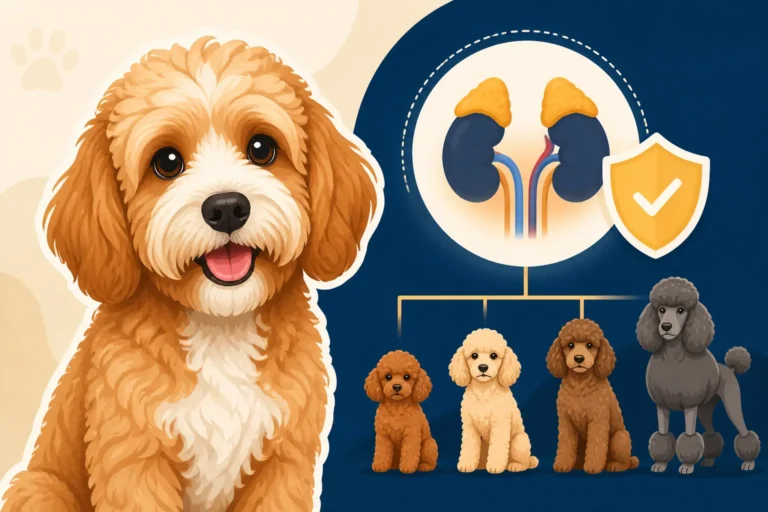
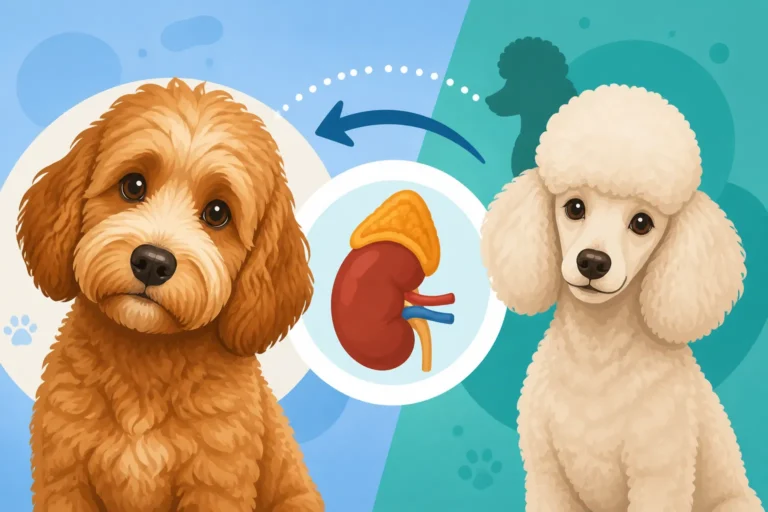
Pancreatitis is an inflammation of the pancreas, a vital organ located near the stomach. The pancreas plays a crucial role in digestion, producing enzymes that break down food and hormones like insulin that regulate blood sugar. When it becomes inflamed, these digestive enzymes can start to digest the pancreas itself, leading to pain, nausea, and severe illness. It's a condition that can range from mild to life-threatening, and it’s something no dog owner ever wants their pup to experience.
The Role of Diet and Fatty Foods
One of the most common triggers for pancreatitis in dogs, and particularly in breeds like the Cockapoo which can be predisposed, is a sudden intake of high-fat foods. Imagine your pup getting into the Thanksgiving turkey drippings, a discarded burger patty, or even just a particularly greasy snack that fell on the floor. These rich, fatty meals overload the pancreas, causing it to go into overdrive and potentially leading to inflammation.
The exact mechanism isn't fully understood, but it's believed that this sudden surge in fat causes an excessive release of digestive enzymes, overwhelming the pancreas's protective mechanisms. The enzymes become activated prematurely, attacking the pancreatic tissue. This is why even a small amount of a very fatty human food can be enough to send a susceptible Cockapoo to the emergency vet. This risk is a major reason why vigilance around food is so important, especially if your Cockapoo has a tendency to raid the trash or steal food off counters.
Recognizing the Symptoms of Pancreatitis
Spotting the signs of pancreatitis early is crucial for prompt treatment and a better prognosis. The symptoms can sometimes be vague or mimic other conditions, which makes careful observation essential. One of the most common signs is vomiting, which might be persistent. Your dog might also experience severe abdominal pain, often manifesting as a "prayer position" – front legs down, rear end up – as they try to alleviate discomfort.
Other symptoms include lethargy, loss of appetite, diarrhea, fever, and a general reluctance to move. Some dogs might appear hunched over due to abdominal pain. If your Cockapoo, especially one prone to scavenging, suddenly shows these signs, don't delay in contacting your veterinarian. Early intervention can make a significant difference in recovery. This isn't a situation where you want to wait and see if things improve on their own.
Diagnosis and Treatment Approaches
When you bring your Cockapoo to the vet suspecting pancreatitis, they'll typically perform a thorough physical examination, check for abdominal tenderness, and likely recommend blood tests. The primary diagnostic test for pancreatitis is often a specific canine pancreatic lipase immunoreactivity (cPLI) test, which measures a specific enzyme produced by the pancreas. Other blood work, like a complete blood count and chemistry panel, can assess overall organ function and look for signs of dehydration or infection. Ultrasound imaging can also be very helpful in visualizing the pancreas and checking for inflammation.
Treatment for pancreatitis primarily involves supportive care, as there isn't a specific "cure" in the traditional sense. This usually includes intravenous fluids to combat dehydration and maintain electrolyte balance, pain medication to manage discomfort (which can be intense), and anti-nausea medications to control vomiting. In severe cases, dogs might need hospitalization for several days. Once the vomiting is under control, a very bland, low-fat diet is introduced gradually. The goal is to allow the inflamed pancreas to rest and recover. For some dogs, particularly those who've had recurring episodes, a lifelong prescription low-fat diet might be necessary to prevent future flare-ups. This is also where pet insurance, like a plan from Healthy Paws, can be an absolute lifesaver, as treatment can be extensive and costly.
Preventing Pancreatitis in Your Scavenging Cockapoo
Given the Cockapoo's natural inclinations and the serious nature of pancreatitis, prevention truly is paramount. It’s about creating a safe environment and teaching your dog appropriate behaviors. This isn't always easy, but the effort is well worth the peace of mind.
Environmental Control and Management
The first line of defense against scavenging leading to pancreatitis is rigorous environmental control. This means making your home a "no-scavenging zone." Secure all trash cans with dog-proof lids or keep them in cabinets. Be meticulous about cleaning up food spills immediately. Even a dropped crumb or a forgotten piece of kibble can be a tempting target. Consider using baby gates to restrict access to certain rooms, like the kitchen during meal prep or after a party.
When you're outdoors, keep a close eye on your Cockapoo. Many will zigzag across a lawn or trail, nose to the ground, sniffing out anything interesting. On walks, consider a shorter leash if your dog is an inveterate scavenger, or teach a strong "leave it" command. It's a constant vigilance, but it's vital for their health. Remember that even small items can pose big risks, so be especially careful around picnic areas, parks, or anywhere people might have dropped food.
Training for "Leave It" and "Drop It"
Beyond managing the environment, training is your most powerful tool. A rock-solid "leave it" command can be a literal lifesaver. Start practicing this in a low-distraction environment with low-value items, gradually increasing the difficulty to include more tempting treats and real-world scenarios. The goal is for your Cockapoo to understand that ignoring something on the ground, even something delicious, leads to a better reward from you.
The "drop it" command is equally important for those times when they've already grabbed something. Practice with toys first, trading them for high-value treats. Build up to them dropping less desirable items. Consistency is key with both commands; everyone in the household needs to use the same cues and expectations. This training can be challenging, especially for a highly motivated Cockapoo, but the payoff in safety is immense. For some dogs, this might also involve addressing deeper behavioral issues like Whether a Cockapoo Guards What It Has Stolen, which can make getting dangerous items back even harder.
Dietary Considerations and Safe Treats
What you feed your Cockapoo on a daily basis also plays a role in preventing pancreatitis. While it's typically sudden fatty meals that trigger a flare-up, a generally high-fat diet could potentially make a dog more susceptible. Discuss your Cockapoo's diet with your vet to ensure it's appropriate for their age, activity level, and any individual sensitivities. If your dog is prone to stomach upset or has had a pancreatitis scare, a lower-fat commercial diet might be recommended. Be cautious about the treats you offer; many commercial dog treats are surprisingly high in fat. Opt for lean, low-fat options like carrots, green beans, or specially formulated low-fat dog treats.
It’s also wise to be incredibly mindful of human foods. Many common table scraps are far too fatty for a dog's digestive system. Avoid giving them any cooked bones, fatty meats, gravies, or dairy products. Even seemingly innocent foods like avocado can be problematic for some dogs due to their fat content. Learning Whether Grain Free Diets Threaten a Cockapoo's Heart might also be something to discuss with your vet, as dietary choices have wide-ranging health implications. Remember, a Cockapoo’s lifespan, which can be The Fourteen to Eighteen Years a Cockapoo Lives, is heavily influenced by the care and nutrition you provide throughout their life.
When to Seek Veterinary Care
Sometimes, despite our best efforts, our Cockapoos still manage to get into something they shouldn't. Knowing when to call the vet and what information to provide can be crucial in these situations. Don't second-guess yourself if you're worried; it's always better to be safe than sorry.
Recognizing Emergency Signs
Beyond the specific symptoms of pancreatitis, there are other signs that warrant immediate veterinary attention after a scavenging incident. If your Cockapoo is choking, struggling to breathe, experiencing violent vomiting or diarrhea, appears disoriented or extremely weak, or has a distended and painful abdomen, do not wait. These are all signs of a potential emergency that could range from a blockage to severe toxicity or a life-threatening bout of pancreatitis.
Even if the symptoms seem mild at first, a rapid decline can occur, especially with conditions like pancreatitis. Keep a close eye on them for a few hours after any suspicious ingestion. If you suspect they’ve eaten something truly toxic, like certain medications, household chemicals, or poisonous plants, call your vet or an emergency animal hospital immediately, even if they aren't showing symptoms yet. Time is often critical in these cases.
Communicating With Your Veterinarian
When you call your vet, try to be as detailed as possible. Tell them exactly what your Cockapoo ate (if you know), how much, and when. If you're unsure, describe the item to the best of your ability. Mention if they have any pre-existing conditions or if they've had a history of scavenging or digestive issues. Be prepared to describe the symptoms you're seeing, including their frequency and severity.
This information helps your vet assess the risk and advise you on the best course of action, which might range from monitoring at home to an immediate visit. If you know your Cockapoo has a history of Whether a Cockapoo Raids the Trash or Whether a Cockapoo Steals Food Off Counters, make sure your vet knows this tendency. This background knowledge can help them quickly rule in or rule out certain conditions and start appropriate treatment without delay. Remember, your vet is your partner in keeping your Cockapoo healthy, so open and honest communication is key. Many health issues, including things like What Changes in a Cockapoo After Ten, require a good relationship with your vet.
| Scavenged Item Category | Examples | Potential Risk Factors | Associated Health Concerns |
|---|---|---|---|
| High-Fat Foods | Bacon grease, cooked meat trimmings, butter, fried foods | Overloads pancreas, causes rapid enzyme release | Pancreatitis, severe vomiting, diarrhea, abdominal pain |
| Cooked Bones | Chicken bones, steak bones, rib bones | Splintering, intestinal perforation, obstruction, choking | Internal injury, blockage, constipation |
| Toxic Foods | Chocolate, grapes/raisins, onions, xylitol, alcohol | Specific toxic compounds, organ damage | Vomiting, diarrhea, kidney failure, liver failure, seizures, death |
| Non-Food Items | Plastic wrappers, small toys, fabric, socks, corn cobs | Choking hazard, gastrointestinal obstruction | Choking, vomiting, inability to pass stool, surgery |
| Rotting/Moldy Food | Compost, spoiled leftovers | Bacterial toxins, mycotoxins | Vomiting, diarrhea, tremors, seizures, neurological issues |
| Chemicals/Medication | Cleaning supplies, human pills, rodenticides | Direct poisoning, organ damage | Wide range of severe symptoms, depending on substance |
Living With a Scavenging Cockapoo: Practical Tips
Living with a Cockapoo who loves to scavenge can be a continuous challenge, but it's one you can manage with consistent effort and realistic expectations. The goal is not necessarily to eliminate their natural instincts entirely, but to channel them safely and minimize risks.
Consistent Training and Reinforcement
Even with the best environmental management, a determined Cockapoo will always find opportunities. This is where consistent training becomes your most valuable asset. Keep practicing "leave it" and "drop it" commands in various settings, making them foolproof. Enroll in advanced obedience classes or work with a professional positive reinforcement trainer if you're struggling. These skills are not just for tricks; they are for life-saving situations.
Remember that training is an ongoing process, not a one-time event. Keep up with short, fun training sessions throughout your dog's life to keep these commands sharp. Reward heavily when your Cockapoo chooses to ignore something undesirable. Their Poodle intelligence means they are highly capable of learning, and their Cocker drive means they love to please (especially for a treat!). Don't give up; consistency really does pay off.
Providing Appropriate Enrichment
Sometimes, scavenging can be a sign of boredom or insufficient mental stimulation. A Cockapoo is a smart dog with energy to burn, and if they're not given appropriate outlets, they might find their own, which often involves exploring with their nose and mouth. Consider engaging them in activities that satisfy their natural drive in a safe way.
Scent work games, puzzle toys that dispense kibble, or even designated "sniffing walks" where they can safely explore interesting smells (under supervision, of course) can be excellent alternatives. A game of fetch in a secure yard can burn off physical energy, while teaching new tricks can satisfy their mental needs. These activities can redirect their scavenging tendencies into positive, healthy behaviors. Regular exercise also contributes to overall health, which can help ward off general issues like The Tumors a Cockapoo Develops or Whether a Cockapoo Gets Heart Disease.
Regular Vet Check-ups and Open Communication
Routine veterinary check-ups are always important, but they become even more critical for a Cockapoo with a scavenging habit. Your vet can monitor their overall health, including their digestive system, and catch any potential issues early. Discuss your dog's scavenging tendencies with your vet. They might have specific advice, diet recommendations, or even suggest particular supplements to support digestive health.
It's also a good idea to discuss pet insurance options with your vet or directly with providers like Healthy Paws. Pancreatitis treatment, especially for severe or recurring cases, can be incredibly expensive, potentially running into thousands of dollars for diagnostics, hospitalization, and medication. Having a good insurance plan can provide immense financial relief during a stressful time, allowing you to make medical decisions based on what’s best for your dog, not just your wallet. While we hope for the best, What the Operation Costs by Cockapoo Size can vary dramatically, and being prepared is always wise.
Disclaimer
Please remember that this article is intended for informational purposes only and is not a substitute for professional veterinary advice. If you suspect your Cockapoo has ingested something harmful or is showing signs of illness, contact your veterinarian immediately. They are the best resource for diagnosing and treating your pet's specific health concerns.