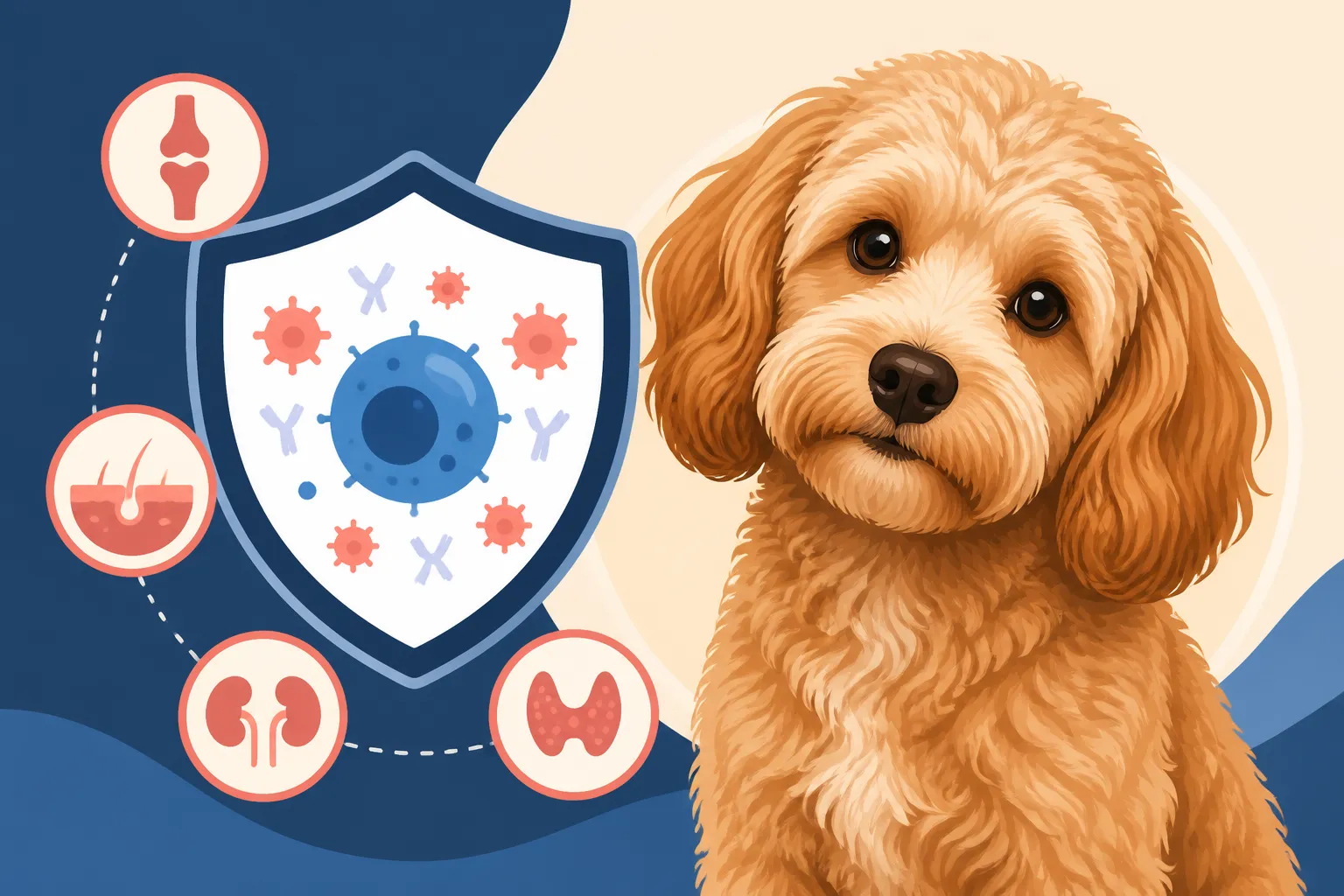
The Autoimmune Diseases a Cockapoo Can Inherit
The joy a Cockapoo brings into our lives is immeasurable, but nothing weighs on a dog parent's heart more than the thought of them getting sick. Understanding the inherited health challenges, especially something as complex as autoimmune diseases, can feel overwhelming. This guide is here to shed light on the autoimmune conditions that Cockapoos can inherit, offering clear explanations and practical insights to help you navigate these often-tricky waters.
Understanding Autoimmune Disease in Cockapoos: A Primer
When you bring a Cockapoo into your home, you're not just getting a furry friend; you're also inviting a blend of genetics from two wonderful breeds: the Cocker Spaniel and the Poodle. Both parent breeds have their own predispositions, and when combined, these can sometimes create a unique genetic tapestry that includes a susceptibility to certain health issues, particularly those involving the immune system. It’s a bit like a genetic lottery, and while many Cockapoos live long, healthy lives, being informed about the possibilities is truly empowering.
It's a common worry for many Cockapoo owners, especially when they hear about conditions that aren't straightforward to diagnose or treat. The sheer thought of your beloved companion battling an invisible enemy within their own body is enough to keep any of us up at night. But knowing what to look for and understanding the underlying mechanisms is the first step toward proactive care and advocating for your dog's health.
What Exactly is an Autoimmune Disease?
At its core, an autoimmune disease is a bit of a betrayal by the body's own defense system. Normally, your Cockapoo's immune system is a vigilant guardian, constantly scanning for foreign invaders like bacteria, viruses, and parasites. It's designed to protect, to identify what's harmful, and to launch an attack to neutralize it. Think of it as a highly sophisticated security system for their body.
However, in autoimmune conditions, this system gets confused. It mistakenly identifies healthy cells, tissues, or organs as threats and begins to attack them. It's like the security system suddenly deciding that the friendly mail carrier is an intruder and unleashing the guard dogs! This inappropriate attack leads to inflammation, damage, and dysfunction in the affected body parts, manifesting in a wide array of symptoms depending on which system is under siege.
For us, as pet parents, it's frustrating because it's not something you can prevent with a vaccine or a simple clean diet alone. The body is literally fighting itself, and the symptoms can be vague, mimicking other conditions, which often makes diagnosis a real puzzle for veterinarians. The impact can range from mild, manageable discomfort to severe, life-threatening conditions.
Why Cockapoos are Prone to Autoimmune Conditions
The Cockapoo's predisposition to autoimmune diseases stems directly from the genetic pools of its parent breeds, the American Cocker Spaniel and the Poodle (toy, miniature, or standard). Both of these breeds are known to carry genes associated with various autoimmune disorders, and when they're combined, there's a chance these genetic susceptibilities can be passed down and even amplified. It's not a guarantee, but the risk factor is certainly there.
For instance, American Cocker Spaniels have a documented higher incidence of conditions like autoimmune hemolytic anemia and hypothyroidism. Poodles, on the other hand, are known for their susceptibility to Addison's disease, sebaceous adenitis, and immune-mediated polyarthritis. When these two breeds are crossed to create the delightful Cockapoo, the offspring can inherit genes from either side, increasing the likelihood of developing one or more of these complex diseases.
This genetic inheritance means that while your Cockapoo might look perfectly healthy, they could carry genes that make them more vulnerable later in life. Responsible breeders are diligent about health testing their breeding stock to minimize these risks, but even with the best intentions, the intricate dance of genetics can sometimes lead to unexpected outcomes. This is why staying informed and working closely with your vet is so crucial throughout your Cockapoo's life. It's not about blame; it's about understanding the unique health landscape of these beloved dogs.
Immune-Mediated Hemolytic Anemia IMHA and How It Affects Cockapoos
Immune-Mediated Hemolytic Anemia, or IMHA, is one of those scary diagnoses that can strike fear into any dog owner's heart, and unfortunately, it's a condition that Cockapoos, particularly those with a strong Cocker Spaniel lineage, can be predisposed to. In simple terms, IMHA is when your dog's immune system, which is supposed to protect them, mistakenly identifies their own red blood cells as foreign invaders and starts destroying them. Red blood cells are vital because they carry oxygen from the lungs to every part of the body, so when they're rapidly destroyed, it leads to severe anemia.
This condition can be primary (idiopathic), meaning there's no identifiable underlying cause, or secondary, triggered by something else like certain medications, toxins, infections, or even cancer. For Cockapoos, there's a genetic component suspected in many cases, often passed down from the Cocker Spaniel side of their family tree. The rapid destruction of red blood cells means their body can't keep up with production, leading to a critical oxygen deficit that affects all organs and can quickly become life-threatening without prompt veterinary intervention.
It’s truly heartbreaking to witness your once vibrant and energetic Cockapoo suddenly become lethargic and weak. The progression can be startlingly fast, leaving you scrambling to understand what's happening. The good news is that with early detection and aggressive treatment, many dogs can recover, but it often requires intensive care and a significant commitment to ongoing management. This is why knowing the signs is so important, allowing you to act swiftly.
Recognising the Subtle Signs of IMHA
Recognizing the early signs of IMHA can be incredibly challenging because the initial symptoms can be quite subtle and non-specific. Many dog owners might initially dismiss them as just a "bad day" or a temporary bug. Your normally playful Cockapoo might seem a little more tired than usual, perhaps not greeting you with their usual enthusiasm at the door. They might be reluctant to go for walks or seem generally subdued.
As the anemia progresses, these signs become more pronounced. You might notice your Cockapoo's gums looking paler than their healthy pink; in severe cases, they can even appear almost white. Their tongue, too, might lose its vibrant color. Another tell-tale sign can be jaundice, a yellowish tint to their skin, gums, or the whites of their eyes, caused by the breakdown products of the red blood cells accumulating in the body. They might also experience increased respiratory rate or effort, as their body tries harder to get oxygen to their tissues.
Other symptoms can include a reduced appetite, vomiting, dark urine (due to the presence of bilirubin or hemoglobin), and general weakness. If you notice any combination of these signs, especially sudden lethargy and pale gums, it's crucial not to wait. A trip to the emergency vet is warranted. Early diagnosis significantly improves the chances of a positive outcome for your Cockapoo when dealing with IMHA, a condition that unfortunately can be linked to A Cockapoo's Autoimmune Anemia and the Cocker Line.
Diagnosing and Managing IMHA in Your Cockapoo
Diagnosing IMHA typically involves a series of tests to confirm anemia and then determine its cause. Your vet will likely start with a complete blood count (CBC) to check the number of red blood cells. If anemia is present, further tests will be conducted, such as a Coombs test, which detects antibodies on the surface of red blood cells, a key indicator of IMHA. They might also look at a blood smear under a microscope to identify spherocytes, abnormally shaped red blood cells characteristic of the disease.
Once diagnosed, managing IMHA is a multi-faceted approach, often requiring hospitalization for initial stabilization. The primary goal is to suppress the overactive immune system to stop the destruction of red blood cells and to provide supportive care. This usually involves high doses of immunosuppressive medications, most commonly corticosteroids like prednisone, which help calm the immune response. In severe cases, blood transfusions may be necessary to stabilize your Cockapoo while the medications take effect.
Long-term management involves gradually tapering the immunosuppressive drugs over several months, carefully monitoring your Cockapoo's blood counts and overall health. Relapses can occur, so close veterinary supervision and consistent medication administration are critical. It's a journey that requires patience and dedication, but with careful management, many Cockapoos can return to a good quality of life. This is also where having robust pet insurance like Healthy Paws can truly alleviate the financial stress of emergency and ongoing critical care.
Addison's Disease the "Great Impostor" in Cockapoos
Addison's disease, also known as hypoadrenocorticism, is another significant autoimmune condition that Cockapoos can inherit, with a notable predisposition coming from the Poodle side of their lineage. This disease occurs when the adrenal glands, two small glands located near the kidneys, fail to produce sufficient amounts of crucial hormones, primarily cortisol and aldosterone. Cortisol helps the body respond to stress and regulates metabolism, while aldosterone controls electrolyte balance (sodium and potassium), which is vital for heart and kidney function.
Because these hormones play such a wide and varied role in the body, the symptoms of Addison's disease can be incredibly diverse and mimic many other illnesses, earning it the nickname "The Great Impostor." It's often diagnosed in young to middle-aged dogs, but can appear at any age. The insidious nature of its onset makes it particularly frustrating for owners and challenging for veterinarians to pinpoint without specific testing.
It’s common for owners to describe a waxing and waning course of symptoms – one day your Cockapoo seems fine, the next they’re lethargic and unwell, only to bounce back temporarily, giving you false hope. This unpredictability is what makes the disease so deceptive and often leads to delays in diagnosis. Understanding this pattern is key to recognizing that something deeper might be at play with your furry friend.
The Elusive Symptoms of Addison's Disease
The symptoms of Addison's disease in Cockapoos can be incredibly varied and often come and go, making them difficult to connect definitively. Initially, you might just notice your dog seems a bit "off" – perhaps a bit more tired, less interested in food, or having occasional bouts of vomiting or diarrhea. These vague signs can easily be mistaken for a stomach upset or just an off-day.
As the disease progresses and hormone levels drop further, the symptoms typically become more severe and persistent. You might observe increased lethargy, muscle weakness, a noticeable loss of appetite, and significant weight loss. Some Cockapoos might experience increased thirst and urination, or even shivering and trembling. In critical situations, known as an "Addisonian crisis," dogs can collapse, go into shock, and their heart rate can drop dangerously low, requiring immediate emergency veterinary care.
What makes Addison's particularly challenging is that these symptoms can fluctuate. Your Cockapoo might have a bad week, then seem to improve spontaneously, only for the symptoms to return with a vengeance later. This on-again, off-again pattern can delay a correct diagnosis for months or even years, putting your dog's health at increasing risk. If you suspect your Cockapoo might be struggling with this elusive condition, learn more about A Cockapoo's Addison's and the Poodle Line for additional insights.
Lifelong Management for an Addisonian Cockapoo
Diagnosing Addison's disease requires specific blood tests, primarily the ACTH (adrenocorticotropic hormone) stimulation test. This test measures the adrenal glands' response to a synthetic hormone, revealing if they are underperforming. Once confirmed, the good news is that Addison's disease is highly manageable with lifelong medication, allowing most affected Cockapoos to live full, normal lives.
Treatment for Addison's involves replacing the hormones that the adrenal glands are no longer producing. This typically means a daily oral corticosteroid (like prednisone, but at much lower, replacement doses than for IMHA) and, for dogs with insufficient aldosterone, a mineralocorticoid, often given as an injection every 25-30 days (Percorten-V or Zycortal). The exact dosage and combination of medications will be tailored to your individual Cockapoo's needs.
Regular follow-up appointments and blood tests are essential, especially in the initial months, to ensure the medication dosages are correct and your Cockapoo's electrolyte levels are balanced. It's a commitment, but the transformation you see in an Addisonian dog once they are properly regulated is truly remarkable – they regain their energy, appetite, and zest for life. Having a dedicated pet insurance policy like Healthy Paws can be incredibly reassuring when managing a lifelong condition like this, covering the ongoing costs of medication and veterinary visits.
Hypothyroidism: A Common Autoimmune Culprit in Cockapoos
Hypothyroidism, an underactive thyroid gland, is one of the most common endocrine (hormone-related) disorders in dogs, and it’s a condition that Cockapoos, inheriting predispositions from both Cocker Spaniel and Poodle lines, can unfortunately be prone to. In most canine cases, hypothyroidism is immune-mediated, meaning the body's immune system mistakenly attacks and destroys the thyroid gland, which is responsible for producing thyroid hormones. These hormones are critical for regulating metabolism in virtually every cell of the body.
When the thyroid gland doesn't produce enough of these hormones, every bodily function can slow down. It's like the engine of your car suddenly sputtering and losing power, affecting everything from energy levels to skin and coat health. While it can occur at any age, it's most commonly diagnosed in middle-aged dogs, often making owners attribute the initial subtle signs to "just getting older" or a natural slowdown.
The gradual onset of symptoms can be deceptive, and it often takes a keen eye to connect the dots. Owners might feel a sense of frustration, knowing something isn't quite right with their dog but struggling to put a finger on exactly what it is. This is where your veterinarian's expertise and your observations as a pet parent become incredibly important in getting to a diagnosis.
Spotting Thyroid Imbalance in Your Curly Companion
Recognizing the signs of hypothyroidism in your Cockapoo often requires paying close attention to changes that might seem minor at first. One of the most common signs is a noticeable decrease in energy levels. Your once-playful Cockapoo might become unusually lethargic, wanting to sleep more, and showing less enthusiasm for walks or playtime. They might seem generally depressed or mentally dull.
Another hallmark of hypothyroidism relates to changes in their skin and coat. You might notice unexplained weight gain, even if their diet hasn't changed. Their beautiful curly or wavy coat might become dry, brittle, or start thinning, particularly over their trunk and flanks. Some dogs develop "rat tail" where the hair on their tail thins significantly. Their skin can become dry, flaky, or even oily, leading to recurring skin infections. You might also notice darkening of the skin (hyperpigmentation) in certain areas.
Other signs can include intolerance to cold, seeking out warm spots, and a slow heart rate. It's important to remember that these symptoms can develop very slowly over months or even years, making them easy to overlook or misattribute. If your Cockapoo is approaching middle age and you're noticing a general slowdown or changes in their appearance, it's definitely worth discussing with your vet. This kind of persistent fatigue and weight gain could point to Hypothyroidism in a Middle Aged Cockapoo.
Treating Hypothyroidism and Improving Quality of Life
Diagnosing hypothyroidism typically involves a blood test to measure the levels of thyroid hormones (T4, free T4, and TSH). Your vet might recommend a full thyroid panel to get a comprehensive picture. Once diagnosed, the good news is that hypothyroidism is one of the most straightforward autoimmune diseases to treat, and the response to medication is usually dramatic and rewarding.
Treatment involves lifelong daily oral supplementation with synthetic thyroid hormone, typically levothyroxine. Your veterinarian will determine the appropriate starting dose based on your Cockapoo's weight and the severity of their condition. It's not uncommon to see a significant improvement in energy levels within just a few weeks of starting medication, with coat and skin changes taking a bit longer to resolve, often several months.
Regular follow-up blood tests, usually every 6-12 months once your dog is stable, are necessary to ensure the medication dosage remains correct. Adjustments may be needed over time, particularly as your Cockapoo ages. With consistent medication, most Cockapoos with hypothyroidism can lead completely normal, active, and happy lives, free from the debilitating symptoms of the disease. It’s a classic example of how lifelong medication can offer profound quality of life improvements.
Immune-Mediated Polyarthritis IMPA and Joint Health in Cockapoos
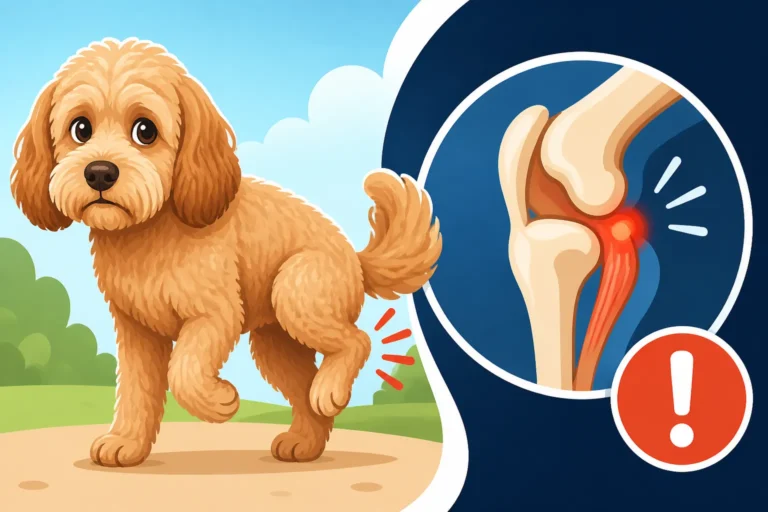
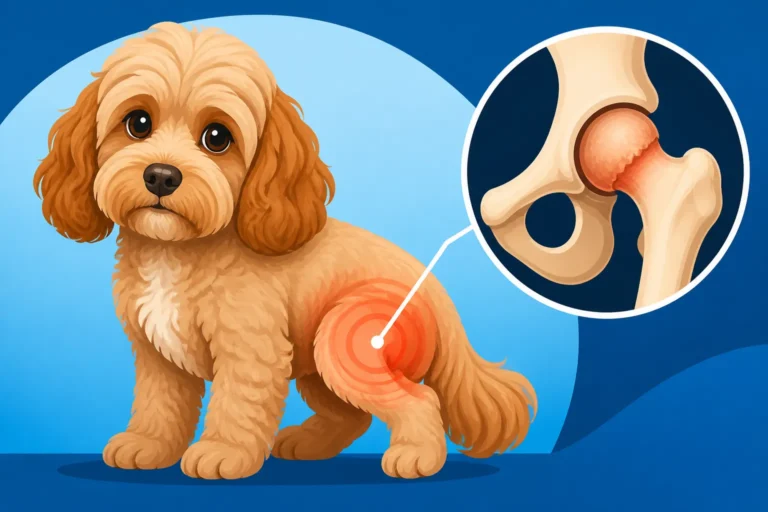
Immune-Mediated Polyarthritis (IMPA) is a condition where your Cockapoo’s immune system mistakenly attacks the lining of their joints. Unlike degenerative arthritis, which is caused by wear and tear on the cartilage, IMPA is an inflammatory condition that can affect multiple joints throughout the body, causing significant pain and lameness. It's less common than some other autoimmune diseases but can be quite debilitating when it strikes. Both Cocker Spaniels and Poodles can have predispositions to various joint issues, and while IMPA isn't exclusive to Cockapoos, their mixed heritage means they can sometimes present with a blend of vulnerabilities.
It's particularly distressing for owners to see their lively, bouncy Cockapoo suddenly struggling to move, wincing with pain, or becoming withdrawn. Because the inflammation can affect any synovial joint (joints that contain fluid), you might see lameness shifting from one leg to another, or your dog might just be generally stiff and unwilling to jump or play. This makes diagnosis tricky, as it can initially be confused with injuries or other orthopedic problems.
The frustration often lies in the non-specific nature of the lameness, making it hard to pinpoint. You might think your dog has sprained something, only for the limp to appear in a different leg a few days later. This "migratory lameness" is a key characteristic that sets IMPA apart and warrants a deeper investigation into autoimmune causes.
When Your Cockapoo's Joints Become the Enemy
The hallmark of IMPA is pain and inflammation in multiple joints, which can range from mild stiffness to severe lameness that prevents your Cockapoo from walking. You might notice swelling in their joints, which can feel warm to the touch, and they will likely be very sensitive when you try to examine them. The pain can make them reluctant to move, jump on furniture, or even get up after lying down for a while.
Beyond the obvious joint pain, Cockapoos with IMPA might also show systemic signs of illness, such as a fever, lethargy, decreased appetite, and general malaise. They might just seem unwell, even if you can't see an obvious injury. The joint pain, in particular, can be quite debilitating, affecting their quality of life significantly if not addressed promptly.
One of the most frustrating aspects for pet parents is that the lameness can be intermittent or migratory. One day, your Cockapoo might be limping on their front left leg, and the next day, they might be favoring their back right. This shifting nature makes it difficult for owners to describe to the vet, and for the vet to pinpoint the exact issue. If your Cockapoo is showing signs of widespread or shifting lameness, it might indicate that A Lame Cockapoo Needs X Rays and other diagnostics beyond simple sprain treatment.
Navigating Diagnosis and Treatment for IMPA
Diagnosing IMPA involves a thorough physical examination, looking for swollen, painful joints, and often includes imaging like X-rays to rule out other causes of joint pain. However, the definitive diagnostic tool is often a joint fluid analysis (arthrocentesis). This involves drawing fluid from several affected joints and examining it under a microscope for signs of inflammation and abnormal cells. Blood tests might also be run to check for systemic inflammation and rule out infectious causes.
Treatment for IMPA focuses on suppressing the immune system to reduce inflammation and pain in the joints. High doses of corticosteroids, like prednisone, are typically the first line of defense. In some cases, other immunosuppressive drugs, such as cyclosporine or azathioprine, might be added or used if steroids are not effective or cause too many side effects. Pain management, including NSAIDs (non-steroidal anti-inflammatory drugs), is also crucial to keep your Cockapoo comfortable.
Just like with other autoimmune conditions, treatment is often long-term, involving a gradual reduction of medications once the inflammation is under control. Close monitoring and regular follow-up appointments are essential to prevent relapses. While IMPA can be challenging, with appropriate management, many Cockapoos can achieve remission and lead a comfortable life, often requiring ongoing medication.
Sebaceous Adenitis: A Skin Autoimmune Challenge for Cockapoos
Sebaceous adenitis is a relatively rare but frustrating autoimmune skin condition that can affect Cockapoos, primarily stemming from the Poodle side of their heritage. In this disease, the immune system targets and destroys the sebaceous glands, which are tiny glands in the skin that produce sebum, a natural oily substance essential for maintaining healthy skin and coat. Without sebum, the skin becomes dry, flaky, and prone to secondary infections, and the coat loses its luster and often thins or falls out.
For Cockapoo owners, whose dogs are often chosen for their beautiful, low-shedding coats, the onset of sebaceous adenitis can be particularly disheartening. The changes in their dog's appearance can be quite dramatic, leading to a dull, brittle, and often patchy coat, accompanied by uncomfortable skin issues. It's a condition that not only affects their physical comfort but can also impact their overall well-being and appearance.
The visible nature of sebaceous adenitis often leads to a lot of frustration and worry for owners. They might try countless shampoos and dietary supplements, desperately trying to restore their dog's once-luxurious coat, only to find the problem persists or worsens. This highlights the importance of an accurate diagnosis, as treating the symptoms without addressing the underlying autoimmune cause will likely be ineffective.
Unmasking Sebaceous Adenitis in Their Beautiful Coat
The signs of sebaceous adenitis can vary depending on the severity and type of coat your Cockapoo has. In short-coated dogs, you might primarily notice scaly skin, hair loss in patches, and a dull coat. However, in Cockapoos with their characteristic longer, curly or wavy coats, the initial signs are often a dull, brittle coat, with broken hairs and patches of symmetrical hair loss.
You'll typically see a significant amount of silvery-white scales, particularly along the topline, head, and ears. The skin underneath might be dry, thickened, and sometimes develop pustules or secondary bacterial infections due to the impaired skin barrier. A distinct, often rancid odor can also develop as a result of the skin issues and bacterial overgrowth. Your dog might also be itchy, leading to scratching and further skin irritation.
It's easy to mistake these symptoms for allergies, dry skin, or a simple grooming issue, leading to delays in diagnosis. However, if you notice your Cockapoo's coat dramatically changing, becoming dull, brittle, and experiencing unusual scaling or hair loss, especially if it seems to be worsening over time, it's essential to consult with your vet. This condition can sometimes be mistaken for other skin issues, so it's good to consider if Whether Adenitis Reaches a Cockapoo From the Poodle.
Managing Skin Health and Comfort for Affected Cockapoos
Diagnosing sebaceous adenitis usually requires a skin biopsy. Your vet will take small samples of skin under local anesthesia, which are then sent to a veterinary pathologist for examination. The pathologist will look for signs of inflammation and destruction of the sebaceous glands, confirming the diagnosis.
Unfortunately, there's no cure for sebaceous adenitis, but the condition can be managed effectively to improve your Cockapoo's comfort and coat quality. Treatment focuses on hydrating the skin, reducing inflammation, and preventing secondary infections. This often involves a multi-pronged approach:
- Topical Therapy: Regular bathing with medicated shampoos (e.g., salicylic acid, benzoyl peroxide, or sulfur-based shampoos) helps to remove scales and improve skin hygiene. Emollient rinses, conditioners, and humectant sprays (like those containing propylene glycol or lactic acid) are vital for rehydrating the skin and restoring the skin barrier. Weekly or bi-weekly bathing might be necessary.
- Oral Medications: In some cases, oral medications like cyclosporine (an immunosuppressant) can be used to help halt the destruction of the sebaceous glands and allow them to regenerate. Omega-3 fatty acid supplements can also help improve skin health from within.
- Antibiotics: If secondary bacterial infections are present, your Cockapoo will likely need antibiotics.
Managing sebaceous adenitis is a lifelong commitment to skin care, but with dedication, many Cockapoos can achieve a good quality of life and significant improvement in their coat. It requires a lot of patience and consistency with baths and treatments, but seeing your dog more comfortable makes it all worthwhile.
Genetic Testing and Proactive Prevention in Cockapoos
One of the most empowering things we can do as Cockapoo owners, and certainly as responsible breeders, is to embrace genetic testing. When it comes to inherited autoimmune diseases, while not every condition has a direct genetic marker available for testing, many of the parent breeds have known predispositions that can be screened for. This allows for more informed breeding decisions and gives prospective puppy buyers a clearer picture of their puppy's potential genetic health.
The journey of dog breeding has come a long way, moving from simply pairing two healthy-looking dogs to utilizing scientific tools to reduce the incidence of preventable diseases. This proactive approach not only benefits individual puppies and their future families but also helps to improve the overall health and longevity of the Cockapoo breed as a whole. It removes some of the guesswork and anxiety from the process, replacing it with data and informed choices.
It’s completely understandable to feel overwhelmed by all the health tests and genetic jargon. But think of it as an investment in your future dog's well-being and your peace of mind. A reputable breeder won't just tell you their dogs are healthy; they'll show you the proof through verifiable test results and certifications. This transparency is a cornerstone of ethical breeding practices.
The Importance of Responsible Breeding Practices
Responsible breeding is the absolute cornerstone of preventing inherited diseases, including autoimmune conditions, in Cockapoos. It goes far beyond simply pairing two dogs together. Ethical breeders invest significant time, effort, and resources into understanding the genetic backgrounds of their breeding stock, meticulously researching pedigrees, and performing a battery of health tests.
For Cockapoos, this means screening both the Cocker Spaniel and Poodle parents for conditions known to affect their respective breeds, many of which are autoimmune in nature or have an autoimmune component. This can include DNA tests for diseases like Progressive Retinal Atrophy (PRA), Phosphofructokinase (PFK) Deficiency, and von Willebrand's Disease (vWD), as well as evaluations for hip and elbow dysplasia, patellar luxation, and eye certifications. While specific DNA tests for all autoimmune conditions aren't available, screening for known predispositions significantly reduces risk. If you're looking for a puppy, always ask for The Five Certificates a Cockapoo Breeder Should Show.
A truly responsible breeder will be transparent about the health testing they conduct, readily share results, and educate prospective puppy buyers about the potential health concerns of the breed. They won't breed dogs that carry genes for serious inherited conditions, or they will ensure that if a carrier is bred, it is only with a "clear" mate to avoid producing affected offspring. This diligence is crucial for giving Cockapoos the best possible start in life and minimizing the heartbreaking experience of an inherited illness. Furthermore, it's vital to ensure Whether a Breeder Must Test Both Cockapoo Parents to get the clearest picture of a litter's genetic potential.
Empowering Owners with Knowledge and Early Detection
As a Cockapoo owner, being empowered with knowledge is your best defense against complex health issues. Understanding the autoimmune diseases your dog might be prone to, knowing the subtle signs to look for, and being proactive with their veterinary care can make a world of difference in early detection and successful management. You are your Cockapoo's primary advocate, and your observations are invaluable.
Regular veterinary check-ups are non-negotiable, even if your Cockapoo seems perfectly healthy. These routine visits allow your vet to establish a baseline of your dog's health, perform physical examinations, and sometimes recommend screening bloodwork that can catch issues before they become full-blown crises. Don't underestimate the power of these annual visits; they're not just for vaccinations.
Beyond the vet, educate yourself! Read reliable sources, join supportive Cockapoo owner communities (but always verify information with your vet), and pay close attention to your dog's behavior, appetite, energy levels, and appearance. If something feels "off" to you, trust your gut and consult your veterinarian. You know your dog best, and your instincts are often the first alert system. Early intervention can drastically improve the prognosis for many autoimmune conditions and contribute to The Fourteen to Eighteen Years a Cockapoo Lives.
Living with an Autoimmune Cockapoo: Support and Care
Discovering your beloved Cockapoo has an autoimmune disease can feel like a punch to the gut. It's perfectly normal to feel a range of emotions – fear, sadness, frustration, and even guilt. But I want you to know, you are not alone, and this isn't a death sentence. Many Cockapoos with autoimmune conditions live long, happy, and fulfilling lives with proper management and dedicated care. It truly becomes a journey of partnership with your veterinarian, and a testament to your unwavering love for your furry family member.
The key is to embrace the new normal, focusing on consistent care, open communication with your veterinary team, and surrounding yourself with a strong support network. It might involve changes to your routine, careful medication administration, and a heightened awareness of your dog's well-being, but the rewards of seeing them thrive despite their condition are immense. It's about adapting, learning, and loving them through it all.
Building a Strong Support System
Living with a dog that has a chronic autoimmune condition requires a robust support system, both professionally and personally. Your primary veterinary team will be your frontline defense, providing diagnostics, treatment plans, and ongoing monitoring. Don't hesitate to ask questions, voice your concerns, and seek clarification on anything you don't understand. A good vet will welcome your engagement.
In some cases, your vet might recommend consulting with specialists, such as a veterinary internal medicine specialist or a dermatologist (for skin conditions). These specialists have advanced training and expertise in managing complex autoimmune diseases and can offer cutting-edge treatments or different perspectives. Embrace these referrals; they are an extension of your care team.
Beyond the professionals, lean on your personal support network. Talk to trusted friends, family members, or even join online communities of Cockapoo owners or owners of dogs with similar conditions. Sharing experiences, asking for advice, and simply venting your frustrations can be incredibly cathartic. Knowing others are walking a similar path can provide comfort and practical tips that only those who've been there can offer.
Adapting Your Home and Lifestyle for Their Needs
Once your Cockapoo receives an autoimmune diagnosis, you might find yourself needing to make certain adaptations to your home and daily lifestyle to ensure their comfort and well-being. This isn't about overhauling everything, but rather making thoughtful adjustments that support their specific needs.
For example, dogs on immunosuppressive medications might be more susceptible to infections. This means being extra diligent about hygiene, avoiding dog parks during peak illness seasons, and ensuring their environment is clean and stress-free. If your Cockapoo has joint pain from IMPA, you might consider ramps for accessing furniture or cars, or softer bedding for their resting spots. Monitoring What Changes in a Cockapoo After Ten and adapting accordingly becomes even more critical with an autoimmune diagnosis.
Dietary considerations might also come into play. While no specific diet cures autoimmune disease, some vets might recommend novel protein diets or those rich in omega-3 fatty acids to help manage inflammation and support skin health. Stress reduction is also paramount, as stress can sometimes trigger or exacerbate autoimmune flare-ups. Maintaining a consistent routine, providing mental stimulation through puzzle toys, and ensuring adequate, but not excessive, exercise can all contribute to a calmer, happier Cockapoo. It’s about creating an environment where they can thrive, regardless of their medical challenges.
| Autoimmune Disease | Primary Affected System(s) | Common Symptoms | General Treatment Approach |
|---|---|---|---|
| IMHA | Blood (Red Blood Cells) | Lethargy, pale gums, weakness, jaundice, dark urine, increased respiratory rate, loss of appetite. | Immunosuppressants (e.g., corticosteroids), blood transfusions, supportive care. |
| Addison's Disease | Adrenal Glands (Hormones) | Lethargy, vomiting, diarrhea, weight loss, muscle weakness, increased thirst/urination, shivering, collapse (crisis). | Lifelong hormone replacement (corticosteroids, mineralocorticoids). |
| Hypothyroidism | Thyroid Gland (Metabolism) | Lethargy, weight gain, dull/thinning coat, dry/flaky skin, cold intolerance, recurrent skin infections. | Lifelong thyroid hormone supplementation. |
| IMPA | Joints | Lameness (often shifting), joint swelling, pain, fever, lethargy, decreased appetite. | Immunosuppressants (corticosteroids), pain management. |
| Sebaceous Adenitis | Skin (Sebaceous Glands) | Dull/brittle coat, symmetrical hair loss, silvery scales, dry/thickened skin, odor, secondary infections. | Topical therapy (medicated baths/rinses), oral immunosuppressants, antibiotics. |
Disclaimer
The information provided in this article is intended for educational and informational purposes only, and does not constitute veterinary medical advice. Always consult with a qualified veterinarian for any health concerns or before making any decisions related to your Cockapoo's care and treatment. Individual health conditions can vary significantly.