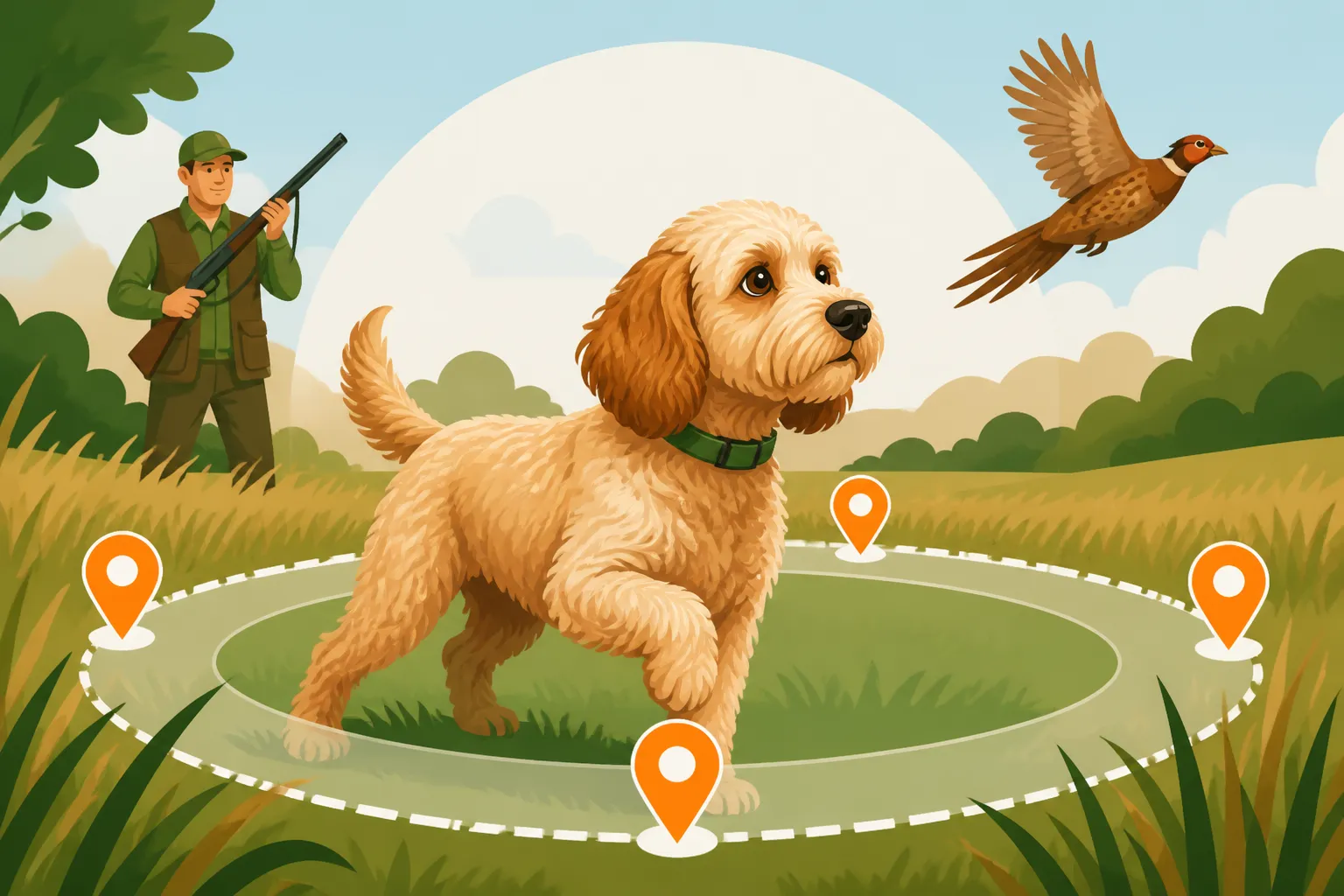
Teaching a Cockapoo to Hunt Within Range
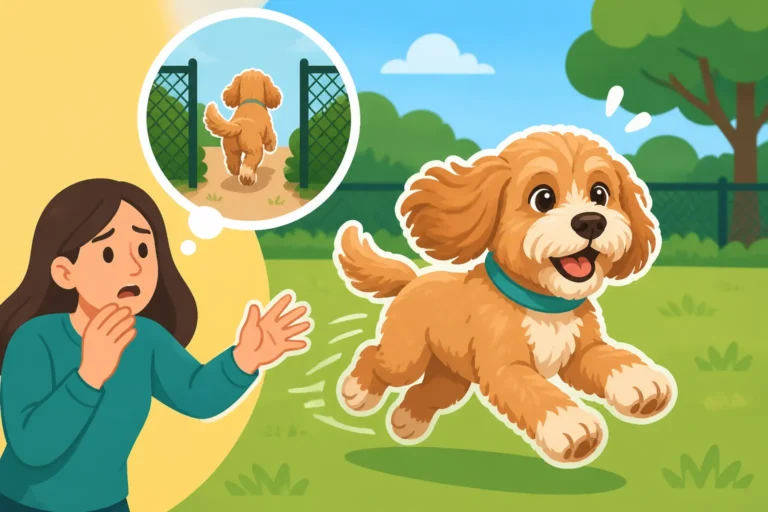
It's incredibly frustrating, isn't it? You love watching your Cockapoo explore, nose to the ground, tail wagging like a happy pendulum, but that joy can quickly turn to anxiety when they suddenly bolt, captivated by a scent or a scurrying critter, disappearing over the hill or into a thicket of trees. Many Cockapoo owners grapple with this challenge – how to allow their intelligent, energetic companion the freedom to indulge their natural instincts without the constant fear of them hunting out of range. This guide is all about understanding that innate drive and equipping you with the practical, empathetic strategies needed to teach your Cockapoo to stay close, engaged, and safe, even when the world is calling them to adventure.
Understanding Your Cockapoo's Instinct to Hunt
Before we can even begin to teach our Cockapoos not to wander, we need to truly appreciate why they do it. It's not about being disobedient or spiteful; it's deeply ingrained, a primal urge that has been honed over centuries. Your Cockapoo is a brilliant mix of two intelligent, driven breeds, and their hunting instincts are a significant part of that genetic inheritance.
The Cocker Spaniel's Legacy
On one side of your Cockapoo's family tree, you have the Cocker Spaniel – a breed specifically developed to flush game birds from dense cover. This means they are bred to be attentive to scent, to quarter (run back and forth in a pattern to cover ground thoroughly), and to dive into bushes with gusto. They are close-working dogs, historically expected to stay within gunshot range, but their enthusiasm for the hunt is immense.
This flushing drive often translates into a keen desire to explore every interesting smell, every rustle in the leaves. A Cocker-dominant Cockapoo might zig-zag across a field, nose plastered to the ground, completely absorbed in the olfactory world around them. For them, every walk is a potential treasure hunt, and the reward of discovering a new, exciting scent is far greater than any treat in your pocket. This can be wonderful to witness, but it also means they can quickly become oblivious to your calls when truly engrossed.
The Poodle's Intelligence and Drive
Then we have the Poodle, often overlooked for their working origins. Poodles, especially Standard Poodles, were originally water retrievers, trained to fetch downed waterfowl. This required immense intelligence, focus, and a strong desire to work with their handler. They are highly biddable dogs, eager to please, and incredibly smart – often capable of complex tasks.
The Poodle side of your Cockapoo's brain brings that intense focus and trainability. They want to engage with you, they love to learn, and they thrive on mental stimulation. However, their intelligence can also mean they are quick to figure out loopholes or to prioritize their own motivations if yours aren't strong enough. If the thrill of the chase or the joy of a new scent outweighs the perceived reward of staying close to you, their Poodle smarts will kick in to help them pursue that more exciting option. This combination of spaniel scent-drive and poodle intelligence creates a wonderfully capable dog, but one that needs clear, consistent guidance to channel their energies appropriately.
Why "Hunting Out of Range" is a Problem
While it's beautiful to see your Cockapoo embracing their natural heritage, allowing them to hunt out of range carries significant risks. The most immediate concern is simply getting lost. A Cockapoo, nose to the ground, can easily lose track of their surroundings and find themselves far from you, disoriented and unable to find their way back. This is particularly frightening in unfamiliar areas or dense woods.
Beyond getting lost, there are safety hazards everywhere. Busy roads, aggressive wildlife, or even other dogs can pose serious threats to a Cockapoo who isn't staying close. They could stumble into dangerous terrain, ingest something toxic, or cause a conflict with another animal or person. For owners, the constant worry turns what should be a relaxing walk into a stressful ordeal, often leading to keeping their Cockapoo leashed even in seemingly safe areas. We want our dogs to be free and happy, but not at the expense of their safety or our peace of mind.
Essential Foundations for Range Training
Teaching your Cockapoo to stay within range isn't about crushing their spirit or denying their instincts; it's about channeling those instincts in a safe, controlled way. It all starts with building a strong foundation of trust and communication.
Building a Rock-Solid Recall
This cannot be overstated: a reliable recall is the absolute bedrock of off-leash safety and range training. Without it, you are simply rolling the dice every time you let your Cockapoo off the leash. Your goal is to make coming back to you the most exciting, rewarding, and consistent thing your dog can do.
Start recall training in a completely distraction-free environment, like your living room or a securely fenced yard. Use a unique recall cue – something short, sharp, and always positive, like "Come!" or "Here!" When you call, make it a party! Squat down, clap your hands, use an excited voice. The moment your Cockapoo takes a step towards you, praise them lavishly, and when they reach you, reward them with a jackpot of high-value treats – not just a single biscuit, but several delicious morsels. Over time, gradually introduce minor distractions, then move to slightly busier environments. Remember, your Cockapoo's recall is only as good as the last time you practiced it successfully. For more in-depth guidance, check out Building a Recall a Cockapoo Answers.
The Role of a Long Line
A long line is an indispensable tool for teaching range and recall, especially for a Cockapoo with a strong hunting drive. It offers a crucial safety net while allowing your dog to experience a taste of freedom. Imagine a leash, but instead of six feet, it's 15, 30, or even 50 feet long. This gives your Cockapoo room to roam, sniff, and investigate, but you still have a physical connection to them.
Always attach a long line to a well-fitting harness, not a collar, to prevent neck injuries if they hit the end of the line suddenly. Begin by simply letting them drag the long line in a safe, open area. As they explore, occasionally step on the line to subtly check their movement, then release. This teaches them that the line is there. Once comfortable, start holding the line, allowing it to trail. When they start to wander too far, gently reel them back in while giving your recall cue, then reward generously. You can find durable long lines of various lengths and sturdy harnesses on Amazon, which are essential for safe and effective training. This method allows you to practice staying within range without the risk of your dog truly disappearing. Learning to use this tool properly can be a game-changer for your walks. Working a Cockapoo on a Long Line provides even more detail.
Teaching "Check-In" and Engagement
For a Cockapoo, the world is full of fascinating distractions. Your job is to make you the most fascinating thing in that world. Teaching a "check-in" means that your dog voluntarily looks at you, even briefly, while off-leash. This builds engagement and ensures they are aware of your presence and direction.
Start by rewarding every spontaneous glance your Cockapoo gives you during a walk. If they look at you, even for a split second, mark it with a verbal cue like "Yes!" and toss a treat. Gradually, you can start asking for these check-ins. Say their name, and when they look, reward. Incorporate sudden changes of direction; when you pivot, your Cockapoo will naturally look to you to see where you're going – reward that! Play hide-and-seek in a safe, enclosed area: hide behind a tree or bush, call their name once, and when they find you, throw a huge party. The more you make yourself a source of fun, treats, and connection, the less likely they are to get completely absorbed by external stimuli.
Practical Steps for Range Training Your Cockapoo
Once you have a solid recall and are comfortable with a long line, you can start to actively teach your Cockapoo what "within range" truly means. This is a gradual process that respects their instincts while setting clear boundaries.
Starting in Controlled Environments
The key to successful range training is setting your Cockapoo up for success, not failure. Begin your range training in environments where distractions are minimal. Your backyard, a quiet community park during off-peak hours, or a friend's securely fenced field are ideal starting points. The less stimulation there is, the easier it will be for your Cockapoo to focus on you and understand what you're asking.
In these controlled settings, practice your recall and check-ins repeatedly. Let your Cockapoo explore for a short period, then call them back, reward, and release them again. This teaches them that coming back doesn't mean the fun is over; it simply means a brief check-in for a reward before more fun. Gradually, and only when your Cockapoo is consistently responding well, introduce slightly more distracting environments. This might mean moving to a slightly busier park, or walking at a time when there are a few other dogs or people around, but not overwhelming numbers. Always remember to end on a positive note.
Introducing the "Within Range" Concept
Think of an invisible bubble around you – that's the range you want your Cockapoo to stay within. Initially, this bubble might be quite small, perhaps an arm's length, and you'll expand it as they become more reliable. You can use a specific verbal cue for staying close, like "Close!" or "Stay here!"
As you walk, if your Cockapoo starts to drift beyond your imagined bubble, give your cue. If they turn back towards you or shorten their distance, immediately reward them. If they continue to drift, gently apply tension on the long line (if using) to guide them back into range, then reward. The goal is for them to learn that maintaining proximity to you results in positive outcomes – tasty treats, praise, or even a fun game of tug. You can also incorporate changes in pace and direction: a sudden sprint, a sharp turn, or even briefly hiding behind a tree (in a safe area). These actions encourage your Cockapoo to pay attention to your movements and check in with you regularly. Teaching a Cockapoo to Check In on a Walk is another helpful read on this topic.
Managing Scent-Driven Distractions
This is often the biggest hurdle for Cockapoo owners, as their spaniel heritage means they are incredibly driven by their noses. Expecting them to ignore a fascinating scent completely is unrealistic and unfair. Instead, we need to teach them how to manage their response to scent, and how to redirect their attention.
A strong "leave it" command is invaluable here. Practice "leave it" with low-value items indoors, gradually increasing the difficulty until you can ask them to leave a tempting treat on the floor. Then, generalize this to outdoor smells. When you see your Cockapoo lock onto a particularly interesting scent trail, give your "leave it" command, and immediately offer an even higher-value treat right by your side, or engage them in a quick game of "find it" with a hidden treat in the grass near you. This teaches them that disengaging from the exciting outdoor scent leads to an even better reward from you. For Cockapoos with intense scent drives, you might also consider structured scent work classes or at-home games, which can fulfill their innate need to hunt with their nose in a controlled environment. Companies like BAXTER & Bella often offer excellent online resources and courses for engaging dogs in fun, constructive scent work, which can be a great way to satisfy this instinct without uncontrolled wandering.
Progressive Off-Leash Work
The ultimate goal for many is reliable off-leash freedom. However, this should only be attempted when your Cockapoo's recall is truly bulletproof in various environments, and they consistently demonstrate the ability to stay within your defined range. Start in very large, securely fenced areas, or designated off-leash dog parks where you can monitor them closely.
Begin with short bursts of off-leash time. Let them explore for a minute or two, then call them back, reward, and put the long line back on. Gradually increase the duration of off-leash time as their reliability improves. Always be vigilant for potential high-value distractions like squirrels, rabbits, or other fast-moving animals. If you know a particular area is rife with these, it might be best to keep the long line on, or choose a different location. Remember, every successful off-leash excursion reinforces good habits, but one failed attempt where they ignore you and chase something can set you back significantly. Not every area is suitable for off-leash activities, so choose wisely and prioritize your Cockapoo's safety above all. Sometimes, it's simply safer and less stressful to use a long line in open fields where their chase drive might be overwhelming. If you want to dive deeper, consider Whether a Cockapoo Recall Holds in a Field.
Common Challenges and Troubleshooting
Even with the best intentions and consistent training, you'll encounter bumps in the road. Cockapoos are smart, driven dogs, and their instincts are powerful.
The "Deaf Ear" Phenomenon
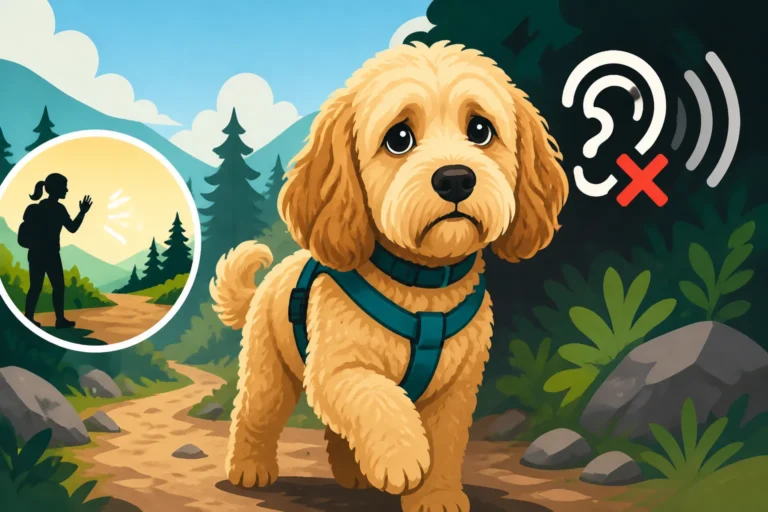
Ah, the dreaded "deaf ear"! Every Cockapoo owner has experienced it: you call, and your dog, usually so responsive, acts as if you don't exist, utterly fixated on a scent or a distant squirrel. This isn't defiance; it's often an overwhelmed brain prioritizing a primal drive over your verbal cue.
When this happens, it's a sign that you've either pushed too far too fast in terms of distractions, or your rewards aren't compelling enough. Go back to basics in a less stimulating environment. Increase the value of your rewards – switch from kibble to cooked chicken or cheese. Make your recall cue even more exciting. Use the long line to physically interrupt their focus before they get too far gone. A gentle, consistent reel-in with the long line, paired with your recall cue and an immediate reward once they're back, teaches them that even when distracted, coming back to you is the best option. Patience and consistency are key here. For further insight, A Cockapoo That Goes Deaf on a Trail delves into this specific issue.
Over-Excitement and Over-Stimulation
Some Cockapoos, especially younger or more energetic ones, can become so over-excited by the environment that they lose their ability to focus. They might zoom around frantically, bark excessively, or simply be unable to settle and listen to commands.
If your Cockapoo frequently gets over-stimulated, try to manage their energy before your walks. A vigorous play session in the yard or a shorter, structured training session can help burn off some of that initial excess energy. During walks, keep training sessions short and positive, ending before they reach peak over-excitement. Practice impulse control exercises at home, such as waiting for food, waiting at the door, or "stay" commands, to build their ability to manage their excitement. If you notice them starting to get too wound up, take a brief break, ask for a sit or a down, and reward calm behavior before continuing.
Consistency is Key
Perhaps the most common reason for training plateaus or regressions is inconsistency. It’s easy to get complacent when your Cockapoo is doing well, but then a few missed training opportunities or letting them "get away with" ignoring a cue can quickly erode progress.
Range training, like all dog training, is an ongoing process. Every member of the household needs to be on the same page with commands, rewards, and expectations. Make short training sessions a part of your daily routine, even if it's just practicing a few recalls in the backyard. The more consistently you reinforce the desired behavior – staying within range, checking in, and coming when called – the more ingrained it will become. Think of it as building a strong habit, not just teaching a trick. Your Cockapoo relies on clear, consistent signals from you to understand their role and what is expected of them in the big, exciting world.
Here's a quick look at how you might progress:
| Stage | Environment | Tools Used | Primary Focus | Goal |
|---|---|---|---|---|
| Foundation | Home, fenced yard | High-value treats, toys, clicker | Rock-solid recall, "leave it", engagement | Instant, enthusiastic response to recall in low-distraction |
| Controlled Range | Quiet park, open field (secure) | Long line, harness, treats | Introducing "within range" cue, check-ins | Cockapoo stays within 15-20 feet, checks in frequently, responds to recall |
| Moderate Distraction | Slightly busier park, walking trails | Long line (optional), harness, treats | Managing scent, ignoring visual distractions | Maintains range and recall despite some external stimuli |
| Advanced Off-Leash | Designated off-leash areas, open fields (safe) | Recall only (no line), treats | Consistent range, reliable recall, self-control | Enjoying freedom while remaining attentive to handler |
This article is for general informational purposes only and does not constitute professional advice. Laws, prices and regulations vary by location and change over time. Consult a qualified professional for guidance on your specific situation.