Whether Grooming Stress Makes a Cockapoo Snap
It’s a heartbreaking and often frustrating situation when your beloved Cockapoo, usually so sweet and affectionate, suddenly snarls, nips, or even bites during a grooming session. You might be left wondering what happened to your gentle companion and if grooming stress truly makes a Cockapoo snap. This guide will delve into the underlying causes of grooming-related aggression, how stress manifests, and most importantly, practical strategies to prevent and manage these challenging behaviors so that grooming can become a more positive experience for both of you.
Understanding the Roots of Grooming Stress in Cockapoos
Cockapoos are renowned for their charming personalities, often blending the Poodle's intelligence with the Cocker Spaniel's joyful demeanor. However, beneath that curly, often low-shedding coat lies a complex mix of inherited traits that can significantly influence their perception of grooming. It’s not simply about being "naughty"; often, it's a deep-seated fear or discomfort that drives their reactions.
The Cocker Spaniel's Sensitivity and Poodle's Fastidiousness
Let's unpack the genetic blend your Cockapoo carries. From their Cocker Spaniel heritage, many Cockapoos inherit a certain sensitivity to touch and handling. Cocker Spaniels, especially those from show lines, can be notoriously "soft" dogs, meaning they can be easily startled or overwhelmed by rough handling or sudden movements. This isn't a flaw; it's just how they're wired. Imagine trying to give a sensitive person a haircut while they’re feeling anxious – it's going to be a stressful experience, and they might react sharply if they feel cornered.
Then there's the Poodle influence. Poodles are incredibly intelligent and often have a keen sense of their personal space. While their coats are beautiful, they also require significant maintenance. If a Poodle isn't accustomed to regular, gentle handling from a young age, they can become quite particular, even resistant, to grooming. Their intelligence means they learn quickly – both good habits and bad ones. If a grooming session is consistently uncomfortable or painful, they'll learn to anticipate that discomfort and try to avoid it. The combination of these traits can mean a Cockapoo feels a heightened sense of vulnerability and alarm when being handled for grooming, leading to a defensive response. It's a classic case where their innate disposition meets a necessary but potentially challenging routine.
Early Experiences and Lack of Acclimation
The importance of early, positive experiences cannot be overstated when it comes to grooming your Cockapoo. Puppies are like sponges, absorbing every interaction and forming foundational associations. If a Cockapoo puppy isn't properly introduced to grooming tools, sounds, and sensations in a calm, rewarding way, it's practically guaranteed they will develop apprehension. Think about it: a loud clipper near their sensitive ears, a brush pulling on a tiny mat, or being held still against their will can be genuinely terrifying for a young dog.
Many owners, perhaps understandably, wait until their puppy is older or until mats become an issue before serious grooming begins. By then, the critical window for positive exposure has often passed. What might have been a minor discomfort as a tiny puppy can become a full-blown phobia in an adult dog. A single bad experience, whether at home with an inexperienced owner or a less-than-patient groomer, can create lasting trauma. A dog’s memory for negative experiences is often strong, and they learn quickly that grooming means distress. If your Cockapoo came from a breeder who didn't prioritize early handling or a rescue with an unknown history, you might be starting from a deficit, and that's okay, but it does mean you have more ground to make up. For more on early training, you might find What a Cockapoo Puppy Should Learn First helpful.
Pain, Discomfort, and Underlying Health Issues
Sometimes, what looks like "snapping" from stress is actually a reaction to pain or physical discomfort. Your Cockapoo can't tell you in words that their ear aches, their joint is sore, or that brush is pulling on a deeply embedded mat. They communicate through their behavior. A tightly matted coat, especially in sensitive areas like armpits, behind the ears, or on the belly, can pull on the skin with every movement, causing constant irritation and pain. Imagine having your hair tugged relentlessly – you'd eventually get pretty annoyed too!
Beyond matting, there are many other physical issues that can turn a grooming session into an ordeal. Ear infections, common in floppy-eared breeds like Cockapoos, can make even gentle ear cleaning excruciating. Dental disease, with sore gums or loose teeth, can make handling around the face unbearable. Dental Disease in a Small Cockapoo's Mouth highlights just how prevalent these issues can be. Arthritis or hip/elbow dysplasia can make standing for extended periods or having certain joints manipulated extremely painful. Skin conditions, whether allergies leading to itchiness or hot spots from dampness, can make brushing or drying an agony for your dog. If your Cockapoo suddenly develops grooming aggression, a vet check-up to rule out any underlying health problems should always be your first step. It's not uncommon for a dog's demeanor to shift dramatically when they're in pain.
How Grooming Stress Manifests and Leads to a "Snap"
It's rare for a Cockapoo to go from completely calm to a full-blown bite without showing any signs of distress. Often, we, as owners, simply miss the subtle cues our dogs are giving us. Learning to read these signals is crucial for preventing a "snap" and building a better grooming experience.
Subtle Signs of Discomfort Escalating
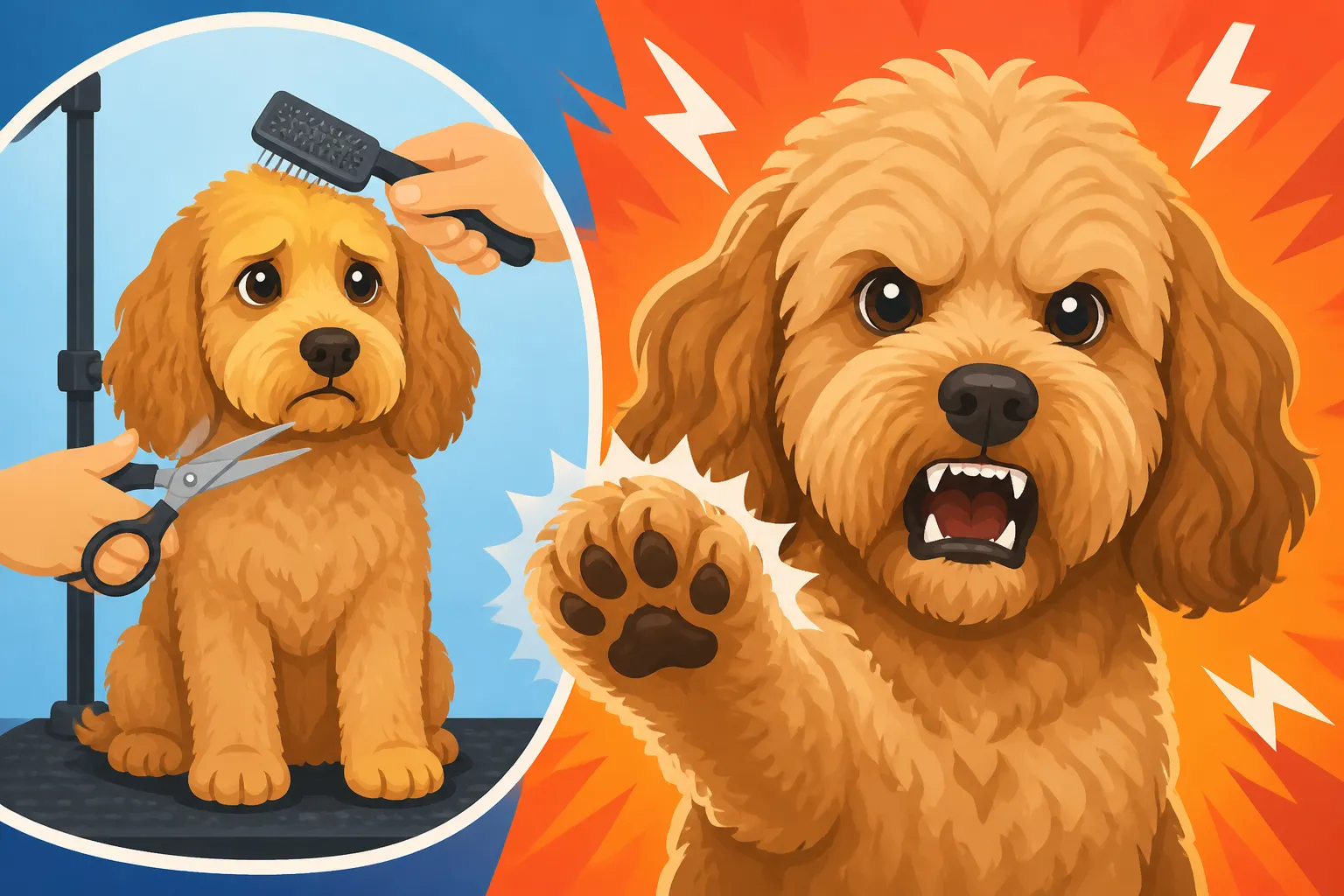
Dogs communicate constantly, but their language is nuanced. Before a snap, your Cockapoo will likely be giving you a whole range of "calming signals" or signs of stress. These might include:
- Lip licking: A quick flick of the tongue over their nose, often when there's no food around.
- Yawning: Again, often when they aren't tired.
- Turning their head or body away: Trying to disengage from the situation.
- "Whale eye": When you can see the whites of their eyes, indicating they're feeling stressed or uncomfortable.
- Stiff body language: Their muscles might be tense, their tail tucked, or their ears flattened.
- Panting: In a cool environment, indicating stress rather than heat.
- Excessive shedding: You might notice more hair coming off during stressful moments, even beyond normal shedding.
If these subtle signals are ignored, your Cockapoo might escalate to more obvious signs of discomfort:
- Freezing: Becoming completely still, hoping the perceived threat will pass.
- Growling: A clear warning. It's a good thing, as it's their way of saying "stop!" before resorting to a bite.
- Nipping or air snapping: A warning bite that doesn't make contact or barely makes contact, often accompanied by a quick retreat.
- Attempting to escape: Pulling away, trying to jump off the table, or wriggling frantically.
When these earlier warnings are consistently overlooked or punished, a dog learns that their polite requests to stop are ineffective. They might then feel that their only remaining option to end the distressing situation is a more definitive action – the "snap." This isn't malice; it's often a desperate plea from a dog who feels trapped and unheard. Understanding these signals is key to knowing When a Cockapoo Puppy's Needle Teeth Go, as early nipping can be a precursor to more serious issues if not addressed with training and positive redirection.
The "Learned Helplessness" to Defensive Aggression Cycle
Imagine being forced into a situation you hate, where you feel completely powerless, and every attempt to escape or communicate your discomfort is ignored or met with more pressure. Eventually, you might give up, entering a state known as "learned helplessness." In dogs, this can look like a Cockapoo who just stands there, seemingly compliant during grooming, but with a vacant stare, tail tucked, and body tense. They're not happy; they've simply shut down because they've learned resistance is futile.
However, learned helplessness can quickly morph into defensive aggression if pushed too far. If a dog in this state is suddenly startled, experiences a spike in pain, or feels cornered with no perceived escape route, that "snap" can occur without much immediate warning. They might have been quietly tolerating the situation, but internally, they're at their breaking point. This isn't a deliberate act of defiance; it's a primal, fight-or-flight response. The dog believes they are in danger and must defend themselves. A dog that has reached this point will often need a complete reset, focusing on rebuilding trust and positive associations with grooming from the ground up. Addressing A Cockapoo That Will Not Sit Still to Be Combed early on can prevent this cycle from beginning.
Specific Grooming Triggers
Certain grooming tasks or tools are notoriously stress-inducing for many dogs, and Cockapoos are no exception. Knowing these common triggers can help you anticipate and mitigate potential issues:
- Nail Trims: Many dogs despise having their paws handled and nails clipped. The quick, which contains blood vessels and nerves, is easy to nick, causing pain and creating a strong negative association. Even the sound of the clippers can be scary. For sensitive paws, even Teaching a Cockapoo to Give a Foot for Nails requires patience and positive reinforcement.
- Ear Cleaning/Plucking: Cockapoos, with their lovely floppy ears and sometimes abundant ear hair, are prone to ear issues. Cleaning or plucking can be uncomfortable or painful, especially if there's an underlying infection or sensitivity. The sensation of solutions in their ears can also be startling. This is especially true for the Poodle side, where ear plucking used to be common, despite mixed veterinary opinions on its necessity. You might want to refer to Whether a Cockapoo's Ears Should Be Tied Back to Swim as part of a good ear care routine.
- Brushing Mats and Tangled Hair: The Cockapoo's coat is gorgeous but high-maintenance. Mats are painful to brush out, pulling on the skin and causing significant discomfort. A groomer trying to work through extensive matting can inadvertently cause pain, leading to a strong defensive reaction. The Comb That Finds Mats a Slicker Misses is a crucial tool, but even then, a matted coat is a painful process.
- Clippers and Scissors: The sound and vibration of electric clippers can be frightening, especially around sensitive areas like the face, ears, and paws. Scissors, too, can be intimidating, particularly if a dog has had a past nick or feels worried about the sharp blades near their eyes or skin.
- Forced Standing or Restraint: Being held still on a slippery table, especially for long periods, can be very unsettling. Dogs prefer to have control over their movements, and feeling restrained can trigger panic and a fight-or-flight response.
- High-Velocity Dryers: The loud noise and powerful blast of air from professional dryers can be overwhelming and terrifying for many dogs, resembling a predator's roar.
Recognizing these triggers allows you to approach each grooming step with extra caution, patience, and a heavy dose of positive reinforcement.
Strategies to Prevent and Manage Grooming-Related Aggression
The good news is that grooming aggression, even if it has escalated to snapping, is often manageable and can be improved with consistent, patient, and positive intervention. It requires a shift in perspective, seeing grooming not as something done to your dog, but as a cooperative effort.
Positive Reinforcement and Desensitization from Puppyhood
This is hands down the most effective strategy. Start early, start small, and make it fun! From the moment you bring your Cockapoo puppy home, introduce them to gentle handling and grooming tools. Don't wait until their first professional groom at 4-5 months; begin immediately.
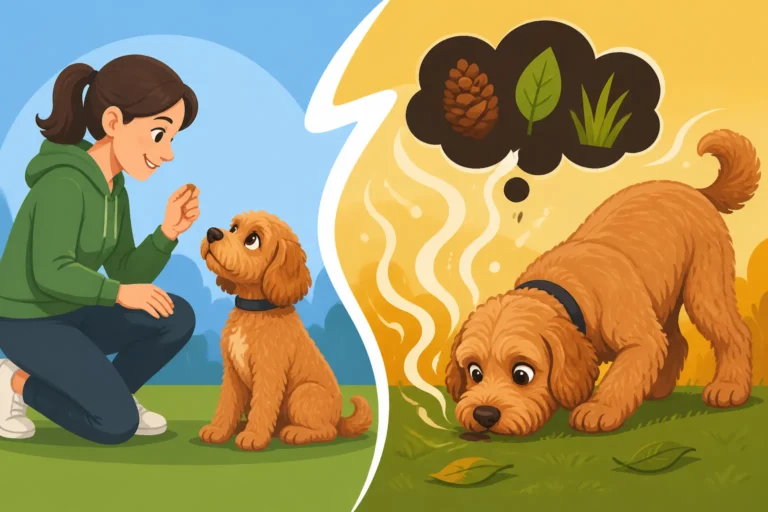
- Touch Sessions: Regularly touch your puppy's paws, ears, tail, and mouth. Make these touches brief and immediately follow with a super high-value treat (like tiny pieces of cooked chicken or cheese) and enthusiastic praise. The goal is to build a positive association: "Paw touch = yummy treat!"
- Introduce Tools Gradually: Let your puppy sniff and investigate the brush, clippers (turned off at first), and even the dryer (from a distance, turned on low). Pair each exposure with treats. Don't force interaction.
- Short, Frequent Sessions: Instead of one long, arduous session, do many short, five-minute positive grooming sessions throughout the week. This prevents them from becoming overwhelmed.
- Play Dress-Up: Make a game out of it. Gently brush for a few seconds, treat, then play. Repeat.
- "Happy Visits" to the Groomer: Before their first actual groom, many groomers offer "happy visits" where your puppy can simply go in, get some treats, hear the sounds, and leave without any actual grooming. This helps normalize the environment.
The training concepts taught by organizations like BAXTER & Bella can be incredibly helpful for new puppy owners, guiding them through these crucial early desensitization steps. Remember, consistency is key. Even if you plan on using a professional groomer, regular positive handling at home is vital. This early foundation is explored further in How Early a Cockapoo Should Meet a Groomer.
Creating a Calm and Safe Grooming Environment
The environment itself plays a huge role in your Cockapoo's comfort level. Whether you're grooming at home or preparing them for a professional appointment, focus on creating a sense of calm and safety.
- Quiet Space at Home: Choose a quiet room away from distractions. Put on some calming music. Use a non-slip mat on your table or lap to give your dog secure footing. Many simple, affordable non-slip mats can be found on Amazon.
- Gentle Handling: Always use a gentle, confident touch. Avoid scolding or harsh corrections. If your Cockapoo starts to show signs of stress, pause, reassure them, and try to identify the trigger.
- High-Value Rewards: Have plenty of your dog's favorite treats on hand. If they tolerate a few minutes of brushing, reward them handsomely. Lick mats with peanut butter or wet dog food can also be a fantastic distraction and positive reinforcer during grooming.
- Quality Tools: Invest in good quality, quiet clippers if you're grooming at home. Dull blades pull hair, causing pain. Use brushes appropriate for your Cockapoo's specific coat type (e.g., a slicker brush and a metal comb are usually essential). The Comb That Finds Mats a Slicker Misses provides more insight into effective tools.
- Break It Down: Don't try to do everything at once. Focus on one area, like paws, then take a break. Build up duration gradually.
By actively managing the environment and your approach, you turn grooming from a scary procedure into a predictable, even pleasant, routine.
Professional Help and Building Trust
Sometimes, despite your best efforts, grooming aggression persists or is too severe to manage safely at home. This is when professional help becomes invaluable.
- Finding a Fear-Free Groomer: Seek out groomers who specialize in positive reinforcement and "fear-free" techniques. These professionals understand dog body language, use gentle handling, and prioritize comfort over speed. They might use calming pheromones, allow for breaks, or use specialized equipment to reduce stress. They'll also be transparent about when a dog is genuinely struggling and needs a break, or even a different approach.
- Veterinary Consultation: If pain is suspected, or if the aggression is severe, a visit to your veterinarian is crucial. They can rule out medical causes for the behavior shift. In some cases, for dogs with extreme anxiety, a vet might recommend short-term anti-anxiety medication to help break the fear cycle, especially for intense sessions like dematting or a full shave.
- Certified Professional Dog Trainer or Behaviorist: For deeply ingrained fear or aggression, a certified professional dog trainer or veterinary behaviorist can provide a tailored behavior modification plan. They will work with you to systematically desensitize your Cockapoo to grooming stimuli and counter-condition their negative associations with positive ones. This often involves very gradual steps, working far below your dog's stress threshold. They might also help you address issues like Whether a Cockapoo Is Head Shy, which can complicate grooming.
- Communication is Key: When working with a professional groomer, be honest about your dog's history and challenges. Discuss their triggers and what helps them relax. A good groomer will listen and collaborate with you to find the best approach for your Cockapoo. Don't feel pressured to leave your dog if you have a bad feeling; your instinct matters.
Understanding Your Cockapoo's Limits and Advocating for Them
Finally, it's about being your Cockapoo's advocate. Your dog relies on you to understand their needs and protect them.
- Know When to Stop: If your Cockapoo is showing escalating signs of stress, it’s okay to stop. Pushing them past their limit will only reinforce negative associations and could lead to a bite. Sometimes, less is more.
- Prioritize Comfort Over Aesthetics: While we all love a beautifully groomed Cockapoo, their comfort and mental well-being are far more important. If a full, fancy clip is too much, opt for a shorter, simpler "puppy cut" that is easier to maintain and less stressful for them. For more on clips, see What a Puppy Cut Looks Like on a Cockapoo.
- Prevent Matting: The single biggest contributor to grooming pain is matting. Daily quick brushes, thorough weekly line brushing, and regular professional grooming appointments (every 4-8 weeks, depending on coat type and length) are essential to prevent mats from forming. This is less stressful for everyone involved.
- Consider Shaving: If your Cockapoo's coat is severely matted, or if they have extreme grooming phobia, a short shave might be the kindest option. It's a fresh start, removing the painful tangles and allowing you to begin again with positive reinforcement as the coat grows back. Don't worry about Whether Shaving Ruins a Cockapoo's Coat – your dog's comfort comes first.
- Educate Yourself: The more you learn about dog body language, positive reinforcement, and Cockapoo grooming needs, the better equipped you'll be to prevent and manage stress. Organizations and online resources (like BAXTER & Bella) provide a wealth of information.
By approaching grooming with empathy, patience, and a commitment to positive experiences, you can help your Cockapoo overcome their fears and turn grooming into a manageable, even enjoyable, part of their life. It might take time and dedication, but the bond you build by respecting their boundaries and helping them feel safe is invaluable.
Here's a quick overview of common grooming stressors and solutions:
| Grooming Stressor | Cockapoo's Likely Reaction | Solutions and Strategies |
|---|---|---|
| Nail Trims | Pulling paw away, lip licking, nipping, freezing | Gradual desensitization, Dremel instead of clippers, high-value treats, short sessions. Practice handling paws daily. |
| Ear Cleaning/Plucking | Head shaking, pulling away, growling, yelping | Gentle handling, regular checks, use vet-recommended cleaner, positive associations with ear handling. Rule out infection. |
| Brushing Mats | Growling, biting, thrashing, trying to escape | Prevent mats with daily brushing, use detangling spray, gentle tools (slicker, comb), shave matted areas rather than pulling. |
| Clippers/Dryer Noise | Trembling, panting, trying to hide, barking | Introduce sounds gradually, high-value treats, quiet clippers (Amazon offers good options), happy visits to groomer, calm environment. |
| Restraint/Forced Standing | Freezing, struggling, defensive snapping | Non-slip surfaces, short sessions, breaks, reward calm standing, use tethers gently as a safety, not restraint. |
| Overall Grooming Length | Restlessness, yawning, increased anxiety | Break up sessions, focus on one area at a time, positive "happy visits" to the groomer, gradual increase in duration. |
Disclaimer
This article is for general informational purposes only and does not constitute professional advice. Laws, prices and regulations vary by location and change over time. Consult a qualified professional for guidance on your specific situation.