Whether a Cockapoo Should Be Allowed to Quarter Freely
Many Cockapoo owners find themselves in a bit of a pickle when they take their adorable, energetic companions out for a walk. You see that distinctive zigzag pattern, head down, tail wagging furiously, sniffing every blade of grass, and covering an impressive amount of ground. This is your Cockapoo "quartering," following its ancient hunting instincts. The question then becomes, should you allow your beloved Cockapoo to quarter freely, or is it a behavior that needs to be reined in? This guide will delve into the instincts behind this behavior, the potential risks, and how you can manage or even encourage it safely and constructively for both of you.
Understanding Your Cockapoo's Natural Quartering Instinct
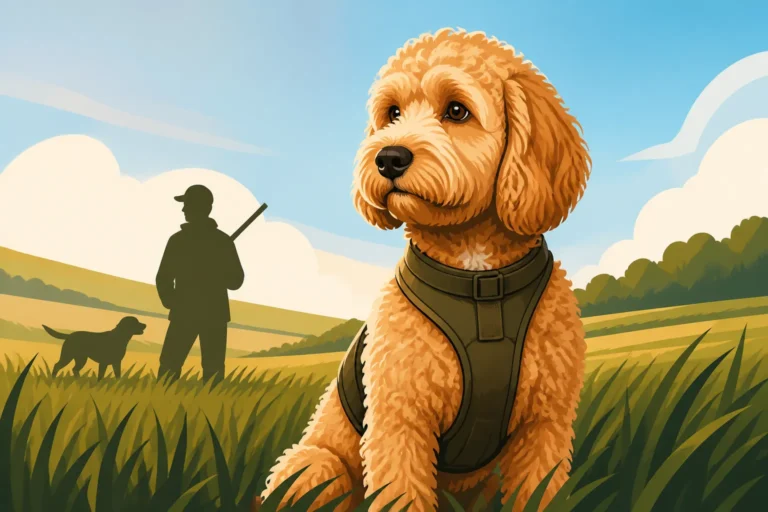
It’s easy to look at our fluffy Cockapoos, often seen as pampered lapdogs, and forget that they carry generations of working dog instincts in their DNA. The Cocker Spaniel half of your Cockapoo is a highly skilled hunting dog, specifically bred for flushing game. This means they were developed to systematically search an area in a methodical, zigzag pattern to find and flush birds or small game for a hunter.
What is Quartering and Why Do Cockapoos Do It?
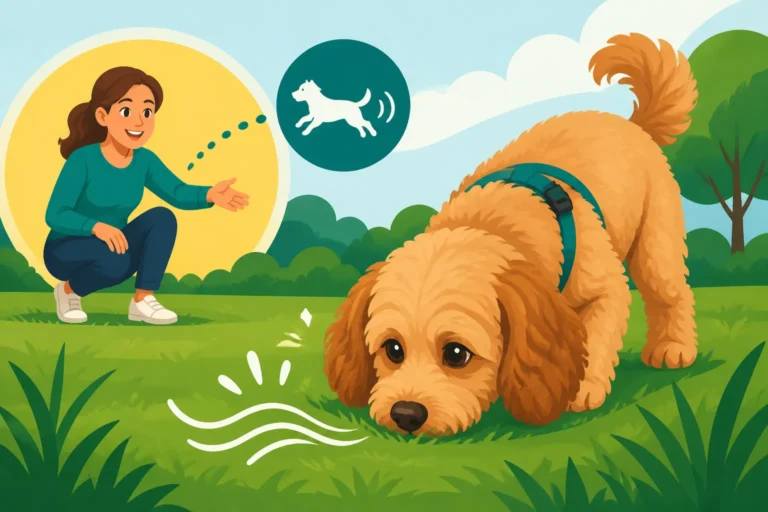
Quartering is essentially a systematic search pattern where a dog works an area back and forth, covering the ground thoroughly in front of the handler. Imagine a field being divided into invisible quarters, and the dog meticulously "cleans" each quarter before moving to the next. For a Cocker Spaniel, this ensures no game is missed. Your Cockapoo does this because its ancestors, particularly the Cocker Spaniel, were bred for it. It's an ingrained behavior, a natural way for them to explore and interact with their environment through their incredibly powerful sense of smell. They aren't just sniffing; they are gathering information, reading the "newspaper" of the world around them.
The drive to quarter isn't about being disobedient; it's about fulfilling a deep-seated biological need. When your Cockapoo is quartering, they are in their element, using their nose and brains just as their ancestors did. It's a joyful expression of their genetic heritage, and for many Cockapoos, it's a huge source of mental stimulation. Understanding The Flushing Drive Still Alive in a Cockapoo helps us appreciate this inherent behavior rather than just seeing it as a distraction.
The Allure of Scent: Why It's So Strong for a Cockapoo
Both parent breeds, the Cocker Spaniel and the Poodle, contribute to your Cockapoo's incredible sense of smell and intelligence. Cocker Spaniels are renowned for their keen noses and their dedication to following a scent trail. Poodles, while often associated with fancy haircuts, were originally water retrievers, which also requires excellent scenting ability to locate fallen game. When these two come together in a Cockapoo, you get a dog with an exceptionally powerful nose and a sharp mind eager to use it.
The world is a tapestry of scents for your Cockapoo. A fresh rabbit trail, the lingering smell of another dog, or even just the subtle shift in vegetation can be an irresistible siren call. When a Cockapoo picks up a particularly intriguing scent, it can become almost deaf to everything else. Their focus narrows intensely on that sensory input, and your voice might as well be background noise. This is why you might feel like Whether a Cockapoo Ignores You Once It Scents Something when they're deeply engrossed in a trail. It's not personal; it's instinct taking over.
The Risks of Unchecked Quartering
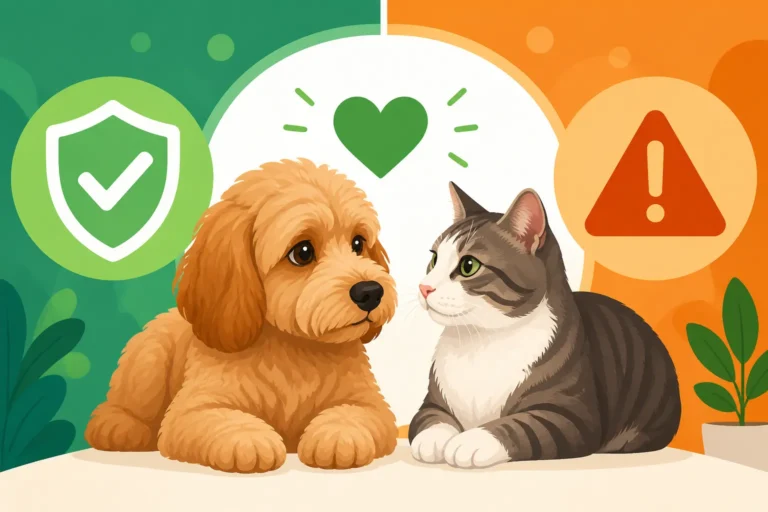
While fascinating to observe, allowing a Cockapoo to quarter freely without any boundaries or training can lead to significant problems. The primary concern is safety. A Cockapoo focused on a scent trail might dart into a road, chase after wildlife (potentially putting themselves or the wildlife in danger), or simply get lost. Their enthusiasm can quickly override their awareness of their surroundings and your commands.
Another risk is losing connection with you. If they are constantly ranging far ahead, out of sight or earshot, the bond and communication you've worked to build can suffer. It can also be incredibly frustrating for you, constantly calling and waiting, feeling like you're losing control. This is especially true if you are in an unfamiliar area. Furthermore, in places with leash laws or protected wildlife, an off-leash, freely quartering Cockapoo can attract unwanted attention or even legal penalties. We want our dogs to be happy and fulfilled, but not at the expense of their safety or public responsibility.
Training Strategies for Controlled Quartering
The good news is that you don't have to suppress your Cockapoo's natural instincts entirely. Instead, you can channel them into productive, safe behaviors through consistent training. The goal isn't to stop them from quartering, but to teach them to do it with you and within limits.
Building a Rock-Solid Recall
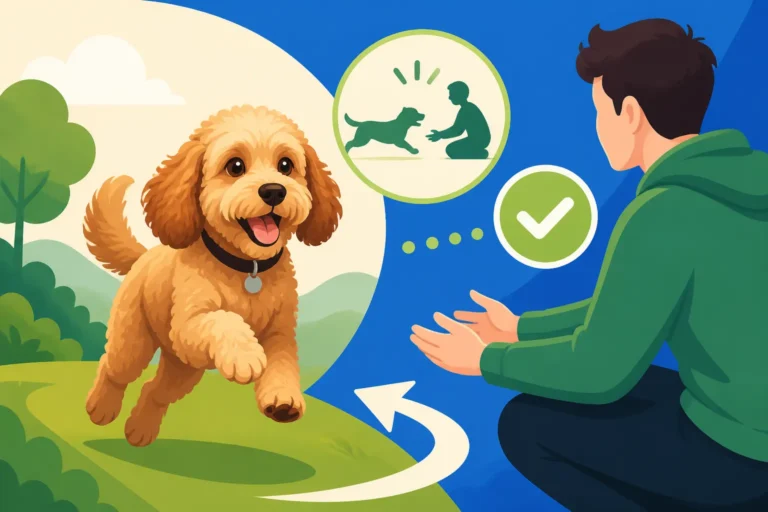
A reliable recall is the absolute cornerstone of allowing any off-leash freedom, especially for a dog with a strong scent drive like a Cockapoo. Without it, allowing them to quarter freely is simply too risky. Your recall needs to be more exciting and rewarding than any squirrel or rabbit trail. Start recall training in a low-distraction environment, like your backyard, and gradually increase the challenge.
Use high-value treats and enthusiastic praise every single time they come when called. Make coming to you the most wonderful thing that could possibly happen. Many owners find success using a whistle for recall, as it cuts through environmental noise and doesn't carry the emotional baggage that a voice command might if you've had to scold them previously. Consistent practice, even when you don't need them to come, builds that muscle memory. Explore resources like Recall on a Cockapoo That Has Found a Scent to refine your techniques. A company like BAXTER & Bella offers comprehensive online puppy training programs that cover recall extensively, which can be a huge help for busy owners.
Teaching "Here" or "Check In"
Beyond just coming when called, teaching your Cockapoo to "check in" or stay "here" within a certain radius is incredibly valuable. This teaches them to stay connected to you, even when exploring. It's about establishing a working distance. Start by rewarding them for simply staying close while on a long line. As they move away, gently guide them back, and reward them for being near.
You can incorporate a specific verbal cue or even a hand signal for "check in." Every few minutes during a walk in a safe, open area, call their name, and when they look at you, reward them. This reinforces that paying attention to you is valuable, even when they're enjoying their quartering. This helps prevent them from becoming completely absorbed in their own world and forgetting you exist. Consistency is key here; make it a habit, and they'll start doing it naturally.
Using a Long Line as a Training Tool
A long line is an indispensable tool for training a Cockapoo to quarter within limits. It allows them to experience the joy of exploring scents and covering ground, while still providing you with a safety net and control. Choose a long line that is appropriate for your Cockapoo's size and strength – 15 to 30 feet is a good starting point. You can find excellent options on Amazon.
Start by letting your Cockapoo explore on the long line in a secure area. Allow them to move and sniff, but if they start to range too far or ignore your calls, gently reel them back in. This isn't a punishment; it's a boundary. Practice your recall while they're on the long line, giving them a gentle tug as you call their name to remind them. Over time, they'll learn that they can explore, but that your control is always present. The goal is for them to feel the freedom of movement, while you retain the safety of control. For more detailed guidance, read Working a Cockapoo on a Long Line.
When and Where to Allow Controlled Free Quartering
The decision to allow your Cockapoo to quarter freely isn't a blanket "yes" or "no" answer. It depends entirely on the environment, your dog's training level, and your comfort. It's about making informed choices to ensure everyone's safety and enjoyment.
Assessing the Environment for Safety
Before you even think about letting your Cockapoo off-leash to quarter, you must assess the environment. Is it truly safe? Look for fenced-in dog parks or private, securely fenced yards. These are ideal places to practice off-leash skills. If you're in an open field or wooded area, consider the following:
- Traffic: Are there roads nearby? How easily could your dog run into traffic?
- Wildlife: Is there abundant wildlife that could entice your dog to chase? Deer, rabbits, or even stray cats can be powerful distractions.
- Other Dogs/People: How will your dog interact with other dogs or people? Is the area generally quiet, or are there many distractions?
- Terrain: Are there any hidden dangers like sharp objects, dense thorny bushes, or steep drops?
- Visibility: Can you see your dog clearly at all times?
If you can't confidently answer these questions with a high degree of safety, then a long line or a secure, fenced area is always the better choice. Remember, Whether a Cockapoo Is Safe Off Leash on Open Ground is a serious consideration.
Gradually Increasing Freedom and Trust
Once you've established a solid recall and your Cockapoo understands the "check in" command, you can slowly begin to increase their freedom. Start in the most secure, low-distraction environments you can find. Let them quarter, but keep your eyes glued on them. Call them back frequently, even if they aren't ranging far, and reward them enthusiastically.
As they prove reliable in these controlled settings, you can gradually introduce more challenging environments, always with caution. Think of it as building trust incrementally. Each successful recall, each voluntary check-in, adds another brick to that wall of trust. If they fail, go back a step. It’s not a race; it’s about building a strong, reliable foundation. Don't push them (or yourself) too quickly. Some days they might be more distracted than others – recognize that and adjust your expectations.
The Role of Consistent Supervision
Even with the best training, consistent supervision is absolutely non-negotiable when allowing your Cockapoo to quarter. You are their guide and their protector. This isn't the time to be scrolling on your phone or daydreaming. You need to be actively engaged, watching their body language, anticipating potential distractions, and ready to intervene if necessary.
This means reading their cues: is their nose to the ground intently? Is their tail twitching with excitement? Are they starting to fixate on something in the distance? Being proactive and calling them before they bolt after a scent is far more effective than trying to call them back once they're already gone. Remember that The Age a Cockapoo's Recall Falls Apart if not maintained, so continuous supervision and reinforcement are vital throughout their lives. Consider investing in a high-quality GPS collar, available on sites like Amazon, if you plan to give them significant off-leash time, as an extra layer of peace of mind.
Activities That Satisfy the Quartering Drive Safely
Instead of fighting your Cockapoo's natural inclination to quarter, why not embrace and direct it in a way that is safe and mentally stimulating? There are many wonderful activities that tap into their innate drives and provide immense satisfaction.
Scent Work and Nose Games
Scent work is a fantastic way to satisfy your Cockapoo's quartering and sniffing drive in a controlled environment. These activities engage their powerful nose and sharp mind, providing incredible mental enrichment. You can start simply at home by hiding treats around a room or in different boxes and encouraging your dog to find them. As they get better, you can make it more challenging by increasing the hiding spots or using more subtle scents.
Many dog training clubs offer scent work classes, where dogs learn to find specific odors, much like detection dogs. This structured activity allows them to quarter in a defined search area, under guidance, and experience the thrill of the "find." It’s incredibly rewarding for both dog and owner. Scent Work That Satisfies a Cockapoo deeply fulfills their natural desires without the risks of uncontrolled outdoor wandering.
Structured "Seek" or "Find It" Games
Beyond formal scent work, simple "seek" or "find it" games can be played daily. Hide your Cockapoo's favorite toy or a handful of kibble in the house or a securely fenced yard, and then release them with the "find it!" command. This encourages them to use their nose in a quartering-like pattern within a safe space.
You can also incorporate this into your walks in appropriate areas. If you're in a dog park or a large open field, scatter some treats in the grass and let your Cockapoo "hunt" for them. This allows them to engage their nose and body in a natural search pattern, staying close to you, and associating you with positive, fulfilling activities. This can also be a fun way to practice Teaching a Cockapoo to Hunt Within Range.
Exploring New, Safe Environments
Variety is the spice of life, even for our dogs. While routine walks are important, occasionally exploring new, safe environments can be wonderfully enriching for a Cockapoo with a strong quartering drive. A new trail, a different dog park, or even a friend's securely fenced yard offers a whole new world of scents to explore.
New environments mean fresh smells, different ground textures, and novel visual stimuli, all of which provide a rich sensory experience. Just remember to always prioritize safety: check for potential hazards, ensure your recall is solid, and consider using a long line in unfamiliar areas until you understand the lay of the land and your dog's reactions. These excursions can be a fantastic way to bond and provide mental stimulation that goes beyond physical exercise.
Comparing Uncontrolled vs. Controlled Quartering
Let's take a moment to weigh the considerations of allowing your Cockapoo to quarter. It's not about stifling their natural instincts, but about channeling them wisely.
| Aspect | Uncontrolled Free Quartering | Controlled Quartering |
|---|---|---|
| Safety Risks | High (running into traffic, getting lost, chasing wildlife) | Low (within safe boundaries, under supervision) |
| Mental Stimulation | High (but can lead to overstimulation/disobedience) | High (focused, productive, rewarding for the dog) |
| Physical Exercise | High (but often erratic and hard to track) | Moderate to High (directed, can be part of structured exercise) |
| Owner Frustration | High (constant calling, worry, feeling ignored) | Low (peace of mind, clear communication with dog) |
| Bonding | Can be strained if dog ignores commands | Strengthened through cooperative activity |
| Public Perception | Can be negative (dog seen as "out of control") | Positive (responsible dog ownership) |
| Training Needs | Minimal owner training, high risk for dog | Requires significant owner training and consistency |
As you can see, the benefits of allowing your Cockapoo to quarter are greatly enhanced when it's done with proper training and within safe boundaries. It transforms a potentially risky behavior into a valuable bonding and enrichment opportunity.
Ultimately, whether a Cockapoo should be allowed to quarter freely comes down to responsible ownership and understanding your dog's unique blend of instincts. They are intelligent, energetic dogs with a strong desire to explore the world through their nose. By investing in a rock-solid recall, teaching them to check in, and utilizing tools like long lines, you can grant them the joy of controlled freedom. Engage their minds with scent games and explore safe, varied environments. When you do, you're not just letting them quarter; you're allowing them to fulfill their inherent nature in a way that deepens your bond and keeps them safe, happy, and well-adjusted.
Disclaimer
This article is for general informational purposes only and does not constitute professional advice. Laws, prices and regulations vary by location and change over time. Consult a qualified professional for guidance on your specific situation.