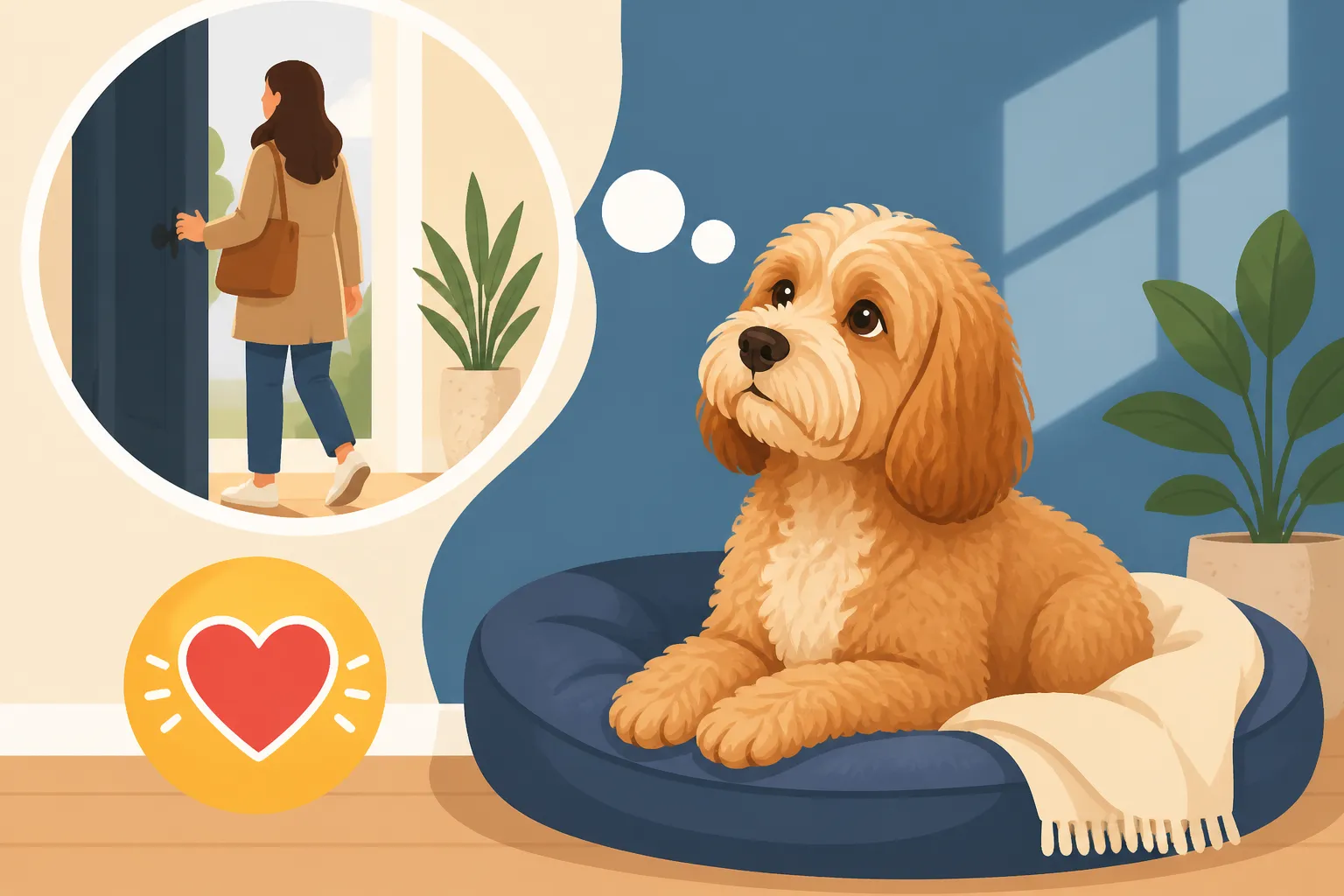
Building a Cockapoo’s Tolerance for Being Alone
It's a common and genuinely heartbreaking situation for many Cockapoo owners: you adore your furry friend, but the moment you pick up your keys, their demeanor changes. The sweet, happy-go-lucky companion transforms into a worried, whining shadow, or worse, a destructive force the moment you walk out the door. This guide is dedicated to helping you understand why your Cockapoo struggles with being left alone and, more importantly, providing actionable, empathetic strategies to build their confidence and tolerance for solo time, ensuring peace for both of you.
Understanding Why Being Alone is a Challenge for Cockapoos
Cockapoos are renowned for their affectionate nature and their deep bond with their human families. This isn't just a charming trait; it's a deeply ingrained part of their genetic makeup, inherited from both the Cocker Spaniel and Poodle sides of their lineage. Understanding these inherent tendencies is the first step in helping your Cockapoo feel more secure when you're not around.
The Cocker Spaniel's Need for Company
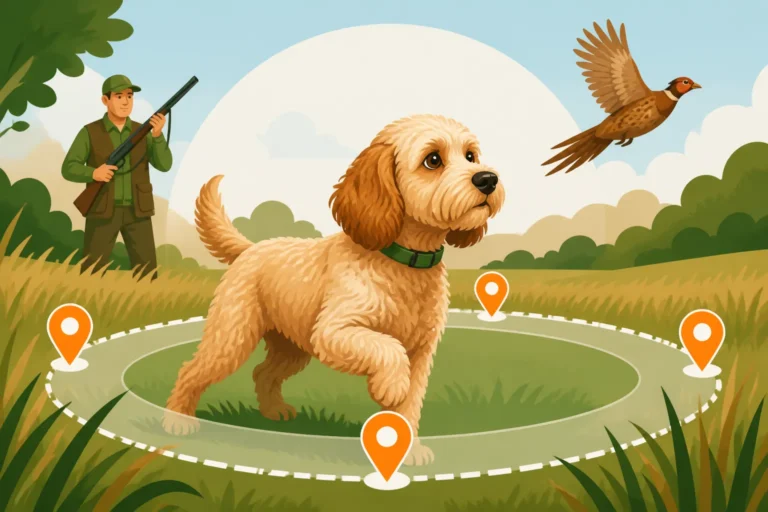
Think about the traditional role of a Cocker Spaniel. They were bred to work closely with humans, flushing game and retrieving it directly to their handler. This requires an intense focus on their person, a desire to please, and a need for constant interaction and direction. They thrive on companionship and have a strong innate desire to be part of the "pack." When you bring a Cockapoo into your home, you're not just getting a cute, fluffy face; you're welcoming a dog with generations of breeding designed to be near people.
This historical role translates directly into your Cockapoo's personality. They often form incredibly strong attachments to their primary caregivers. For many Cockapoo owners, this manifests as a dog that follows them from room to room, even becoming a "bathroom buddy." They genuinely prefer to be wherever you are, soaking up your presence. This isn't a flaw; it's simply how they're wired. When this constant companionship is suddenly removed, even for short periods, it can be deeply unsettling for them. It feels unnatural, going against their core instinct to be with their human. This deep-seated need for connection can easily morph into distress or even panic when left alone, as their primary source of security and interaction is suddenly gone. They might not understand that you're coming back; they just feel the absence.
The Poodle's Intelligence and Sensitivity
Now, let's consider the Poodle influence. Poodles are highly intelligent, sensitive, and observant dogs. They pick up on routines and human emotions with remarkable speed. This intelligence is a double-edged sword when it comes to being left alone. On one hand, it makes them highly trainable; on the other, it means they can easily become bored or overly sensitive to changes in their environment or your behavior. A bored Poodle brain in a Cockapoo body can lead to a dog finding its own "entertainment," which often translates into chewing inappropriate items, excessive barking, or even trying to escape.
Furthermore, their sensitivity means they can pick up on subtle cues that you might not even realize you're giving. The jingle of keys, the putting on of shoes, the grabbing of a specific bag – these actions become predictors of your departure. Your intelligent Cockapoo quickly learns this pattern, and their anxiety can begin to build long before you even step out the door. They're not just reacting to your absence; they're reacting to the anticipation of it. This makes developing Building a Cockapoo's Tolerance for Being Alone a nuanced process that requires careful attention to both their needs and your routines. If your Cockapoo is showing signs of escalating anxiety before you even leave, it's a clear signal that their intelligent mind is working overtime, anticipating your departure and struggling with the concept of solo time.
Recognizing the Signs of Separation Distress (Not Just Boredom!)
It's crucial to differentiate between a Cockapoo who is simply bored and one who is genuinely experiencing separation distress or anxiety. While both can lead to unwanted behaviors, the underlying motivation and the approach to resolving them are quite different. Understanding the nuances will guide your training efforts more effectively.
Subtle Cues and Escalating Behaviors
When a Cockapoo starts to feel anxious about being left alone, the initial signs can be quite subtle. You might notice them pacing restlessly, their tail tucked slightly, or perhaps they'll start whining softly while watching you get ready to leave. Some dogs might become overly clingy, practically velcroed to your leg, trying to prevent your departure. They might follow you even more intently than usual, perhaps circling your feet as you move around the house. These are often early indicators that your dog is feeling uneasy about the impending separation.
If these feelings of unease are not addressed, they can quickly escalate into more obvious and distressing behaviors once you're gone. This is where the damage often occurs, both to your home and to your peace of mind. Excessive barking or howling is a common complaint, bothering neighbors and indicating genuine distress. Destructive chewing, particularly around entry points like doors or windows, or on items that smell strongly of you (like your shoes or a favorite blanket), is another tell-tale sign of anxiety. A bored dog might chew a specific toy, but an anxious dog often targets things associated with their separation or tries to chew their way out. Imagine coming home to find a chewed-up door frame – that's often a desperate attempt to reunite with you, not just a casual chew. This distinction is vital; Signs a Cockapoo Is Anxious Rather Than Bored can help you discern what your dog is truly feeling.
Physical and Physiological Indicators
Beyond the behavioral cues, separation distress can also manifest in physical and physiological ways, some of which might surprise you. One of the most frustrating and often misunderstood signs is house-soiling. If your Cockapoo is otherwise perfectly house-trained but urinates or defecates indoors only when left alone, it's highly likely a sign of anxiety, not a lapse in training or spite. They are not doing it to "get back at you"; they are unable to control their bodily functions due to extreme stress.
Other physical indicators include excessive panting, drooling, or even drooling to the point of leaving puddles, especially if it's not a particularly warm day. Your Cockapoo might also refuse to eat treats or interact with puzzle toys that they'd normally adore when you're present. This aversion to food or play while alone is a strong indicator of stress. A dog experiencing significant anxiety might even lose weight over time if they are consistently too stressed to eat when you're not home. Observing these patterns, perhaps with the help of a pet camera, can give you invaluable insight into your Cockapoo's emotional state during your absence.
Here's a quick comparison to help you tell the difference:
| Behavior Aspect | Signs of Boredom | Signs of Separation Distress |
|---|---|---|
| Vocalization | Intermittent barking at outside stimuli (squirrels, mailman), playful yips. | Persistent, frantic barking, howling, whining; often starting right after you leave. |
| Destruction | Chews on designated toys, household items not associated with you (e.g., furniture leg). | Chews on door frames, window sills, items smelling of you (shoes, clothes); attempts to escape. |
| House Soiling | Accidents due to lack of timely potty breaks, inconsistent training. | Urination/defecation occurs only when left alone, despite being otherwise house-trained. |
| Activity Level | May sleep, play with toys, wander, look out windows. | Pacing, frantic searching, trembling, hyper-vigilance near exit points. |
| Eating Habits | Might ignore a puzzle toy out of disinterest, but will eat later. | Refuses high-value treats or food immediately after you leave, even if hungry. |
| Pre-Departure | Remains calm or slightly interested in your activity. | Becomes clingy, restless, whines, attempts to block your exit. |
Laying the Foundation: Early Training and Routine
Building a Cockapoo's confidence when left alone isn't about quick fixes; it's about establishing a strong foundation of security, predictability, and positive associations. This starts with intentional training and a well-structured routine from an early age, or as soon as you bring your Cockapoo home.
Crate Training as a Safe Haven
For many Cockapoos, a crate can become a true safe haven – a den where they feel secure and can relax. The key is to introduce it positively, never using it for punishment. Start by making the crate an inviting space. Line it with a soft, comfortable bed, perhaps a blanket that smells of you, and throw in some high-value treats and favorite toys. Leave the door open initially, allowing your Cockapoo to explore it at their own pace. You can feed meals inside the crate to build a positive association.
Once they're comfortable entering and staying in the crate for short periods with the door open, begin closing it for mere seconds while you're still in the room. Gradually increase the duration, always returning before they show signs of distress. The goal is for them to see the crate as a cozy, safe spot, not a prison. When you eventually leave them in the crate for short departures, always give them a special, long-lasting chew or puzzle toy, something they only get when in their crate. This reinforces the positive association. Crate Time Settles a Cockapoo because it provides a predictable, secure space, limiting their ability to wander and become overwhelmed or destructive. This consistency helps them understand that this is their safe spot when you're busy or away.
Establishing a Consistent Schedule
Dogs, and Cockapoos especially, thrive on predictability. A consistent daily schedule helps reduce anxiety because they learn what to expect. They know when they'll eat, when they'll go out, and when they'll get exercise and attention. When a Cockapoo understands the rhythm of their day, the periods of your absence become less of a shock and more of a predictable part of the routine. Make sure feeding times, potty breaks, and exercise sessions are as consistent as possible. This also applies to quiet time and periods when you might be less available, even if you're home.
A critical part of this is developing a calm pre-departure routine. Instead of a frantic scramble to get out the door, create a consistent, low-key sequence of actions. For example, give them a potty break, then offer a special chew toy in their designated safe space (crate or bed), then grab your keys and leave. Avoid long, emotional goodbyes or excited greetings when you return. The less fuss you make around coming and going, the less weight your Cockapoo will attach to these events, which helps in How Many Hours a Cockapoo Can Be Left. This consistency signals that your departure is normal and you will return, rather than being a dramatic event. If you start this early with your puppy, it sets a solid foundation for What a Cockapoo Puppy Should Learn First.
Gradual Desensitization: Building Solo Time Slowly
The core of helping a Cockapoo overcome separation distress lies in gradual desensitization. This means exposing them to your absence in tiny, manageable increments, slowly increasing the duration as they build confidence. It’s a process that requires patience and consistency, but the rewards are immense.
Short Departures and Calm Returns
Think of this as baby steps – truly tiny ones. Start by leaving your Cockapoo for literally a few seconds. Go to the door, open it, step out, close it, and immediately step back in. The key is to return before your dog has a chance to become anxious or vocal. Don't make a big deal out of leaving or returning. No emotional goodbyes, no excited greetings – just a calm "I'll be back" and an equally calm return. This teaches them that your departure is not a cause for panic and that you always come back.
Gradually increase the time you're gone. Maybe five seconds, then ten, then thirty. Practice leaving for minutes at a time, eventually stretching it to half an hour. During these practice runs, provide your Cockapoo with a high-value, long-lasting treat or puzzle toy right before you walk out. The idea is for them to associate your departure with something positive and distracting. A great tool here is a pet camera. You can observe your Cockapoo’s behavior while you’re gone and know precisely when they start to show signs of stress. This allows you to time your returns perfectly, always coming back before they get too upset, reinforcing the idea that they are safe and you will return. A Cockapoo That Follows You Room to Room might find this especially challenging, so patience is key.
Enrichment and Distraction During Alone Time
Providing appropriate mental and physical stimulation is absolutely vital when your Cockapoo is alone. A tired and mentally stimulated dog is less likely to become anxious or destructive. Puzzle toys are fantastic for this; they engage your dog's brain and can keep them occupied for extended periods. Think about stuffing a KONG with wet dog food, peanut butter, or even plain yogurt and freezing it. A frozen KONG can last quite a while and provides a great distraction as you head out the door. You can find a wide variety of these enrichment toys on platforms like Amazon, offering different challenges and durability levels.
Another excellent option is a "snuffle mat" where you hide treats, encouraging their natural foraging instincts. Long-lasting chews, provided they are safe and appropriate for your dog's chewing style, can also be very effective. The trick is to give these items before you leave, creating a positive association with your departure. Some owners also find success with dog-specific TV channels or calming music playlists, which can provide background noise and a sense of company. If you're working on How Many Hours a Cockapoo Can Be Left, these tools become indispensable. Without adequate mental and physical outlets, you might find out What a Bored Cockapoo Chews Through very quickly!
Advanced Strategies for Persistent Separation Anxiety
Even with a solid foundation, some Cockapoos struggle significantly with being alone. When basic desensitization isn't enough, it might be time to explore more advanced strategies, including professional guidance and specialized tools.
Utilizing Training Programs and Professional Help
For those persistent cases where your Cockapoo's anxiety feels overwhelming, structured training programs can be a game-changer. Online puppy schools, like the one offered by BAXTER & Bella, often include modules or resources on separation training, providing step-by-step guidance and support. These programs can help you implement a consistent training plan and address specific behavioral issues that might be contributing to the anxiety. They often provide frameworks for how to slowly increase alone time and manage different scenarios.
However, if your Cockapoo's distress is severe – constant barking, self-harm attempts, severe destruction, or house-soiling – it's crucial to seek professional help. A certified professional dog trainer specializing in separation anxiety can offer personalized strategies, observe your dog's specific triggers, and guide you through more intensive desensitization protocols. For extreme cases, a veterinary behaviorist might be necessary. These specialists are veterinarians with advanced training in animal behavior and can assess whether medication, alongside behavior modification, could help reduce your Cockapoo's anxiety to a manageable level. They can prescribe appropriate medications that help calm your dog, allowing the behavioral training to be more effective.
Management Tools and Environmental Adjustments
Beyond direct training, certain tools and environmental adjustments can significantly aid in managing your Cockapoo's separation anxiety. Pheromone diffusers, such as those that release dog-appeasing pheromones (DAP), can create a more calming atmosphere in the home. While not a cure, they can sometimes help take the edge off a dog's anxiety, making them more receptive to training. Always consult your veterinarian before trying any calming supplements or medications, even over-the-counter options, to ensure they are safe and appropriate for your individual dog.
If your Cockapoo absolutely despises their crate, despite your best efforts, consider creating a "safe room" for them instead. This could be a small, dog-proofed room (like a laundry room or a spare bedroom) where they have their bed, water, and appropriate toys, but aren't confined to a crate. The smaller space can still offer a sense of security, much like a den, without the perceived restriction of a crate. Just make sure the room is completely safe – no tempting wires, dangerous chemicals, or breakable items. Understanding The Hours a Cockapoo Tolerates Alone and adjusting their environment accordingly is paramount to success. Whether a Second Dog Settles a Cockapoo is also a common question, and while it can help some dogs, it can also create two anxious dogs or shift the anxiety, so it's not a guaranteed solution and should be considered carefully.
Common Pitfalls to Avoid When Training for Alone Time
When you're trying to help your Cockapoo become more comfortable with being alone, it's easy to fall into certain traps that can inadvertently worsen the problem. Being aware of these common mistakes can save you a lot of frustration and your Cockapoo a lot of undue stress.
Punishing Anxiety and Forced Isolation
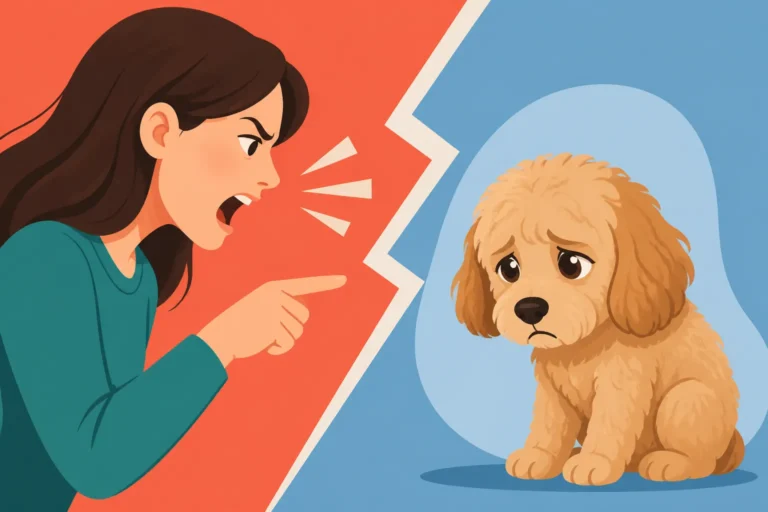
One of the biggest mistakes an owner can make is punishing a Cockapoo for behaviors stemming from separation anxiety. If your dog barks incessantly, chews furniture, or has an accident when left alone, it's not done out of spite or disobedience. These are expressions of intense fear and distress. Scolding, yelling, or otherwise punishing your dog upon your return will only increase their anxiety. They won't connect the punishment to the act they did hours ago; they'll only connect it to your return. This can make them even more fearful of your departures and returns, leading to a vicious cycle where their anxiety escalates.
Similarly, forcing a Cockapoo into isolation without proper preparation or a safe, positive association can be counterproductive. Simply leaving them in a room or a crate for extended periods when they're not ready will not teach them to be calm; it will teach them that being alone is terrifying and that their calls for help go unanswered. This can lead to learned helplessness or, conversely, to more desperate attempts to escape or vocalize. Remember, the goal is to build positive associations and confidence, not to suppress symptoms through fear. Punishment only makes the underlying anxiety worse, potentially leading to more profound behavioral issues down the line. Keep in mind that Whether a Sharp Word Shuts a Cockapoo Down is often true – they are sensitive souls.
Inconsistent Training and Rushing the Process
Patience is not just a virtue in separation anxiety training; it's an absolute necessity. A common pitfall is inconsistency. You might do well for a few days, then get busy and skip sessions, or perhaps you stretch the alone time too quickly after a small success. This inconsistent approach confuses your Cockapoo and prevents them from solidifying the new, positive associations with alone time. Dogs thrive on routine and predictability, and an inconsistent training schedule undermines that stability.
Another major mistake is rushing the process. It's tempting to jump from five minutes to an hour after a couple of successful short departures. However, if you push your Cockapoo beyond their current tolerance level, you risk having a "setback." A setback means they experienced significant anxiety during that longer absence, and you might have to go back several steps in your training. This can be disheartening for owners and detrimental to the dog's progress. Think of it like building a house: you can't rush the foundation without risking the whole structure. Every successful, calm moment of alone time is a brick in their confidence. It's far better to have many short, successful solo periods than a few long, anxious ones. This is especially true if you are aiming for a Cockapoo that can cope with Whether a Cockapoo Suits a Home That Works Full Time. The process of learning What a Cockapoo Picks Up in Seven Days also shows that consistency is vital from the start.
Disclaimer
This article is for general informational purposes only and does not constitute professional advice. Laws, prices and regulations vary by location and change over time. Consult a qualified professional for guidance on your specific situation.