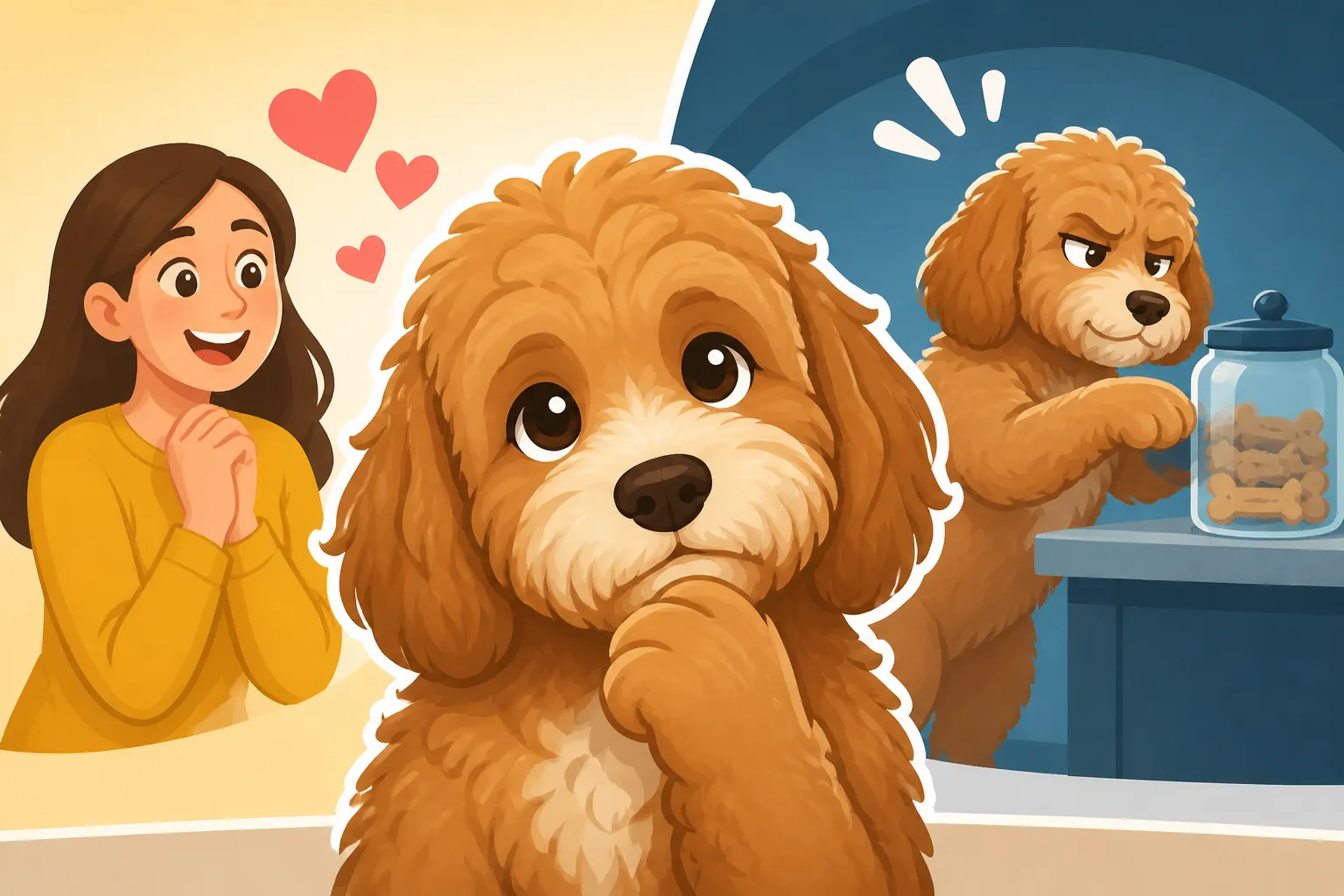
Whether a Cockapoo Works Out How to Get Its Way
It’s a scenario many Cockapoo owners know all too well: you’re trying to work, read, or simply enjoy a moment of peace, and suddenly your beloved furry companion seems to orchestrate a series of events designed to get exactly what they want. Whether it’s an insistent paw tap, a perfectly timed whine, or even a strategic "accident" near the door, it can certainly feel like your clever Cockapoo is actively working out how to get their way. This guide will delve into these behaviors, exploring the intelligence behind them and offering practical strategies to ensure your Cockapoo's smarts are channeled into positive interactions, not perceived manipulation.
The Brilliant Brain of Your Cockapoo: Instinct vs. Intent
When it feels like your Cockapoo is outsmarting you, it's easy to project human intentions onto their actions. We imagine them sitting there, plotting their next move like a tiny, fluffy supervillain. The truth, however, is a beautiful blend of instinct, intelligence, and a deep understanding of what gets results from you. Your Cockapoo isn't being malicious; they're simply being incredibly smart, learning from your responses, and applying their cleverness to achieve their goals – be it a treat, a walk, or simply your undivided attention.
This breed inherits remarkable intelligence from both sides of its lineage. From the Poodle, they gain a sharp, problem-solving mind, often ranking among the most intelligent dog breeds. This contributes to their ability to quickly learn commands, but also to figure out how to open cabinets or unlatch gates. Then there’s the Cocker Spaniel side, which brings a delightful combination of charm, persistence, and an innate desire to be close to their people. This blend creates a dog that is not only smart but also highly attuned to human emotions and reactions, making them excellent communicators – sometimes, a little too good at communicating their desires! They are masters of observation, quickly picking up on patterns in your daily routine and understanding which actions on their part lead to desirable outcomes. It’s less about conscious manipulation and more about efficient, learned behavior.
For instance, if whining at the door consistently leads to you opening it for a potty break, your Cockapoo quickly establishes that connection. If a soft nudge of your hand while you’re on the phone gets a quick head scratch, that behavior is reinforced. Over time, these small, successful "experiments" build up a repertoire of tactics that feel, to us, like intentional conniving. Understanding this distinction is the first step in addressing these behaviors effectively. It means we need to focus on shaping their learned responses rather than trying to outwit a tiny mastermind.
Common Cockapoo "Manipulation" Tactics and What They Really Mean
It's truly fascinating how our Cockapoos can develop specific routines and behaviors that seem solely designed to get their needs met, or perhaps just to get a rise out of us! Let's break down some of those classic Cockapoo moves that can make us feel like we're being played.
The Art of Selective Hearing
You’ve called their name five times, gently at first, then with increasing exasperation, trying to get them to come in from the yard. They might pause, glance over their shoulder, perhaps even wag their tail half-heartedly, and then trot off in the opposite direction, nose to the ground, utterly "deaf" to your pleas. Yet, the moment you crinkle a treat bag in the kitchen or utter the word "walkies," they materialize as if by magic, eyes wide and expectant. Sound familiar?
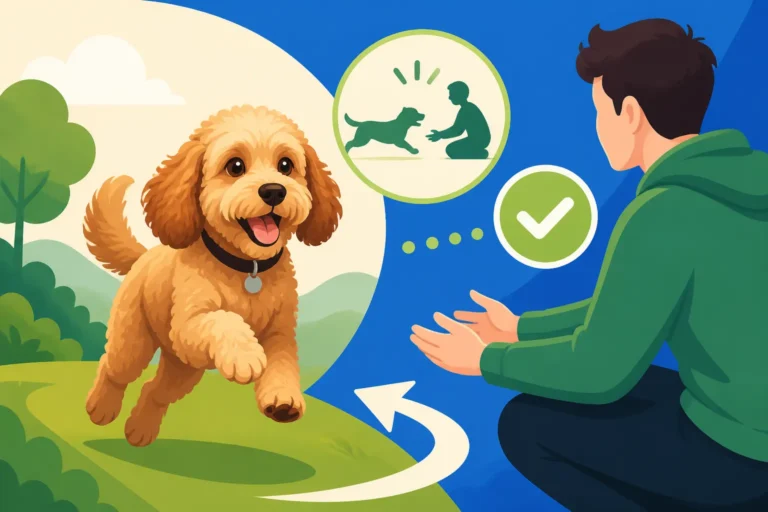
This isn't about disrespect; it's about motivation and reinforcement. Your Cockapoo has learned that some commands, while they might eventually lead to something good, aren't as immediately rewarding as others. The treat bag is a direct, undeniable signal of imminent deliciousness. The "come" command, especially when they're engrossed in an interesting smell, might not always lead to a fantastic reward, or worse, it might lead to the end of their fun. They're making a cost-benefit analysis in their brilliant little brains. To them, the scent of that interesting patch of grass currently outweighs the uncertain reward of coming when called. This highlights why a strong, consistent recall, paired with high-value rewards, is absolutely vital. You might find some excellent insights into this in articles like Recall on a Cockapoo That Has Found a Scent.
The Puppy-Dog Eyes Tactic
Ah, the eyes. Those soulful, round, glistening pools of innocence that can melt the hardest heart. Your Cockapoo has just done something they know they shouldn't have – perhaps snatched a forbidden sock or left a little puddle on the rug. You approach, ready to deliver a firm but fair reprimand, and they slowly lower their head, gaze up at you with those enormous, heartbreaking eyes, and suddenly, all your resolve crumbles. How can you be angry at such an adorable, sorrowful creature?
They're not necessarily expressing guilt in the human sense. What they're doing is responding to your body language and tone. They've learned that a submissive posture and that particular "look" often de-escalates your anger and results in forgiveness (and maybe even a comforting pat). It's a learned coping mechanism rather than a confession of wrongdoing. They associate your angry posture with an unpleasant outcome for them, and the puppy-dog eyes are their attempt to diffuse the situation. It’s incredibly effective, and frankly, who can resist?
The "I'm So Hungry" Act
Dinner was an hour ago, and they ate every single morsel. Yet, here they are, standing by their bowl, staring intently at you, then at the bowl, then back at you, with a low, mournful whine. Perhaps they even give a little sigh, as if the pain of starvation is almost too much to bear. You know logically they're not hungry, but that performance makes you question everything. Are you a terrible pet parent? Are they secretly wasting away?
This behavior is usually a plea for attention, a craving for a treat, or a deeply ingrained association with mealtime. If you've ever given in and offered a small snack or topped up their bowl just to quiet them, you've inadvertently taught them that this dramatic display works. They've discovered that performing this "starvation act" yields results. It's a classic example of operant conditioning: behavior that is rewarded will be repeated. It's a tough habit to break once established, but it's important for their health and your sanity to stick to a consistent feeding schedule.
The Strategic Barking
Your Cockapoo is normally a quiet companion, but at 7:00 PM sharp, they begin to bark. It's not an alarm bark, nor a playful bark. It's a specific, insistent bark, aimed directly at you, often accompanied by a pointed look at the leash hanging by the door. Or perhaps it's a bark that starts the moment you sit down to relax, clearly demanding a game of fetch.
This "strategic barking" is their way of communicating a strong desire. They've learned that barking gets your attention and often leads to the fulfillment of that desire – be it a walk, playtime, or even just some extra cuddles. It's a highly effective, if sometimes annoying, communication tool. If you consistently respond to the barking by giving them what they want, they will continue to use it. It’s essential to teach them alternative, more polite ways to ask for things, or to simply ignore the demand barking and reward quiet behavior. Exploring articles on how Whether a Cockapoo Barks Enough to Annoy Neighbors or Teaching a Cockapoo to Stop Barking can offer further strategies.
These behaviors, while seeming cunning, are really just your clever Cockapoo observing, learning, and applying what works best in their world. They're not trying to be naughty; they're simply trying to get their needs met in the most efficient way possible, and if that means pulling on your heartstrings or being "selectively" deaf, well, they've learned it works!
Setting Boundaries and Fostering Good Behavior
It's truly a dance, isn't it? That delicate balance between indulging our sweet Cockapoos and ensuring they understand the rules of the house. The good news is, you absolutely can channel their incredible intelligence into positive behaviors and prevent them from developing habits that feel like they're running the show. It just takes a little consistent effort and a whole lot of love.
Consistency is Key: Everyone on the Same Page
This is probably the single most important piece of advice when it comes to training any dog, but especially a smart and sensitive Cockapoo. If one person in the household allows begging at the dinner table while another strictly enforces "no food from the table," your Cockapoo will quickly figure out who the soft touch is and exploit that inconsistency. They're not being manipulative in a malicious way; they're simply responding to the clearest signals they receive.
Imagine your Cockapoo, Fido, wants a treat. If your partner gives in to his whine every time, but you ignore it, Fido learns that whining works sometimes. So, he'll keep trying. If, however, everyone in the house (kids, grandparents, visitors included) has the same response – for example, only rewarding Fido when he sits quietly – then Fido learns that whining is ineffective, and sitting calmly is the way to earn a treat. Before Fido even comes home, it's wise to discuss and agree upon house rules and training methods. Create a "family handbook" for your Cockapoo, outlining expectations for feeding, walking, playtime, and desired behaviors. This consistency helps your Cockapoo understand what's expected of them, reducing confusion and the perceived need to "try everything" to get their way. For general foundational training, think about What a Cockapoo Puppy Should Learn First and implement it uniformly.
Positive Reinforcement Over Giving In
We all love to spoil our pups, and it's hard to resist those big, soulful eyes. But giving in to every demand, especially when they're being a bit pushy, reinforces the very behaviors we want to avoid. Instead, focus on rewarding the behaviors you do want to see.
Let's revisit the strategic barking scenario. If your Cockapoo barks at you, demanding a walk, and you immediately grab the leash, you've just taught them that barking is an effective way to initiate a walk. Instead, wait for a pause in the barking. The second they are quiet, even for a breath, praise them calmly and then get the leash. This teaches them that quiet, calm behavior gets results. Similarly, if they jump on you for attention, turn your back. When all four paws are on the floor, turn back and give them gentle attention. This technique is often referred to as "ignoring the bad, rewarding the good." Your Cockapoo wants to please you, and they also want rewards, so make sure those rewards are contingent on polite, desired actions.
Managing Resources: Food, Toys, and Attention
Part of feeling like your Cockapoo is getting their way is often related to how freely they access things they value. By managing resources, you teach them that good things come from you, and on your terms, not theirs.
- Food: Stick to a consistent feeding schedule and don't free-feed. If they try to "guilt" you into more food, gently redirect them or ignore the behavior. Use mealtime as an opportunity for training; ask for a "sit" or "stay" before putting the bowl down. This teaches impulse control. The Daily Ration for a Toy Cockapoo or What a Miniature Cockapoo Should Be Fed might give you ideas on quantities.
- Toys: Rotate toys to keep them interesting. If your Cockapoo constantly brings you a toy, demanding play, you don't always have to comply immediately. Acknowledge their request, then perhaps ask them to "sit" or "down" before engaging in play. This establishes that you initiate the game, not them.
- Attention: Our Cockapoos thrive on attention, and they'll do almost anything to get it. This is where demand barking, pawing, or nudging often comes from. Make sure they get plenty of quality attention and playtime throughout the day, but also teach them to settle independently. When they demand attention, try ignoring it for a few moments. When they're quiet and calm, then offer praise and a gentle pet. This teaches them that calm behavior earns affection. If you notice your Cockapoo struggles with being left alone, consider Building a Cockapoo's Tolerance for Being Alone.
Engaging Their Minds Positively
A bored Cockapoo is a creative Cockapoo, and their creativity often manifests in behaviors we might label as "getting their way." They'll find ways to entertain themselves, which might include counter-surfing, chewing forbidden items, or persistently bugging you. Providing ample mental and physical stimulation is crucial.
Consider incorporating puzzle toys into their routine. These are fantastic for making them "work" for their food or treats, engaging their Poodle brain. You can find a huge variety of puzzle toys on Amazon, from simple treat-dispensing balls to more complex sniff mats. Games like "find it" using their kibble or favorite treats are also wonderful mental exercises. Hide treats around the house and let their excellent noses do the work. This kind of Scent Work That Satisfies a Cockapoo is incredibly fulfilling and tiring for them, often more so than physical exercise alone. Regular training sessions, even short ones, keep their minds active and reinforce good habits. Teaching new tricks, practicing obedience commands, or even enrolling in a dog sport like agility or canine freestyle can provide an outlet for their intelligence.
By being consistent, using positive reinforcement, managing resources, and providing engaging mental stimulation, you can guide your Cockapoo's cleverness toward being a well-behaved, happy companion rather than a perceived puppet master.
When "Getting Their Way" Becomes a Problem: Seeking Professional Help
Sometimes, what starts as a clever trick can evolve into a more ingrained or even problematic behavior that impacts your household's harmony. It's important to recognize when your Cockapoo's "getting their way" tactics might be signaling something more than just smarts, and when it’s time to call in the cavalry.
Identifying True Behavioral Issues Versus Just Cleverness
There's a fine line between a smart dog figuring out how to get a treat and a dog exhibiting behaviors that stem from anxiety, frustration, or lack of proper training. If your Cockapoo's attempts to "get their way" escalate to excessive barking that you can't interrupt, destructive chewing when left alone, nipping or growling when their demands aren't met, or house-soiling out of protest rather than a genuine need, these might be indicators of deeper behavioral concerns.
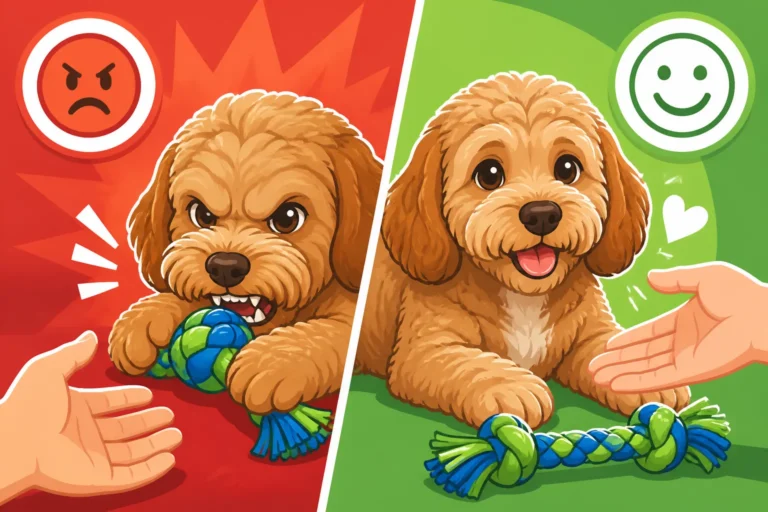
For example, if the "I'm so hungry" act turns into persistent resource guarding around their food bowl or toys, where they become aggressive when approached, that's a red flag. If selective hearing morphs into a complete disregard for commands even when offered high-value rewards, it could indicate a breakdown in communication or an underlying issue. It's crucial to observe the context and intensity of these behaviors. A one-off instance of a sneaky sock theft is one thing; consistent, defiant, or aggressive behavior is another.
Here's a quick comparison to help differentiate:
| Behavior Characteristic | Just Cleverness (Manageable) | Potential Behavioral Issue (Needs Intervention) |
|---|---|---|
| Motivation | Desire for reward, attention, comfort, play | Anxiety, fear, frustration, pain, lack of confidence |
| Response to Correction | May temporarily stop, but might try again later; adaptable | May escalate, become aggressive, or shut down |
| Consistency | Situational; often tied to specific triggers/people | More pervasive; occurs across various situations/people |
| Impact on Household | Annoying, frustrating, but not dangerous | Stressful, potentially dangerous, disruptive to daily life |
| Underlying Emotion | Curious, playful, persistent | Fearful, anxious, stressed, aggressive, unhappy |
If you're noticing an increase in intensity, a lack of responsiveness to your established training methods, or any signs of aggression, it’s definitely time to reassess. Remember, your Cockapoo doesn't want to be "bad"; they're often trying to communicate a need or emotion in the only way they know how.
The Role of a Professional Trainer or Behaviorist
When you feel like you've tried everything, and your Cockapoo's "getting their way" antics are escalating or becoming genuinely problematic, a professional trainer or certified veterinary behaviorist can be an invaluable resource. They have the expertise to assess the root cause of the behavior, whether it's simply a training gap, a medical issue, or a deeper behavioral problem like separation anxiety or fear aggression.
A good trainer will observe your Cockapoo's interactions within your home environment, analyze their body language, and help you understand the nuances of their communication. They can then develop a tailored plan that addresses the specific issues, using humane, science-based training methods. They can help you implement strategies for things like polite greetings instead of jumping, teaching a reliable recall even around distractions, or building confidence in anxious dogs. For instance, if you're battling persistent demand barking or issues around not being left alone, a professional can offer targeted exercises and a structured approach.
There are many fantastic resources available, including online programs that offer structured guidance from professionals. For example, BAXTER & Bella offers a comprehensive online puppy school and training program that provides lifelong support. These kinds of resources can be particularly helpful for new owners or those who need a flexible learning environment. They offer step-by-step instruction on everything from basic obedience to addressing more complex behavioral challenges, giving you the tools to better understand and communicate with your clever Cockapoo. Don't feel ashamed to seek help; it's a sign of a responsible and loving pet owner who wants the best for their dog.
Long-Term Management and Enrichment
Even after addressing specific behavioral issues, the journey with your Cockapoo is one of ongoing learning and adaptation. Because they are so intelligent, they thrive on mental and physical enrichment throughout their lives. This isn't just about preventing boredom; it's about fostering a confident, well-adjusted dog who feels understood and engaged.
Continue to integrate mental games into their daily routine. Rotate toys, introduce new puzzle feeders, or sign up for occasional workshops in dog sports like K9 Nose Work or rally obedience. These activities tap into their natural instincts, whether it's the Poodle's drive to learn or The Flushing Drive Still Alive in a Cockapoo. Regular, varied exercise is also paramount, ensuring they burn off energy constructively. Remember, a tired Cockapoo is usually a well-behaved Cockapoo. As they age, their needs might change. What Changes in a Cockapoo After Ten might be a good read to anticipate how to adjust their routine and care.
Ultimately, your Cockapoo isn't trying to outsmart you for personal gain in a human sense. They are intelligent, observant creatures who learn what works to get their needs met. By understanding their motivations, establishing clear and consistent boundaries, providing appropriate outlets for their cleverness, and seeking professional help when needed, you can ensure your brilliant Cockapoo is a cherished, well-mannered member of the family, not a tiny, fluffy dictator!
Disclaimer
This article is for general informational purposes only and does not constitute professional advice. Laws, prices and regulations vary by location and change over time. Consult a qualified professional for guidance on your specific situation.