Whether a Rescue Knows a Cockapoo’s Breeding
It's a common dream: bringing home a loving Cockapoo. But when you look to rescue, a big question often pops up: what exactly do they know about this dog's background? You want to do right by a rescue, offering a deserving dog a second chance, but the unknowns about its breeding can feel daunting, making you wonder what health issues or behaviors might emerge without a clear lineage. This guide is here to shed light on what rescue organizations can realistically tell you about a Cockapoo's origins and how to navigate the beautiful journey of adopting one, even with a mysterious past.
The Reality of Unknown Backgrounds in Rescue Dogs
When you’re considering bringing a rescue Cockapoo into your home, it’s only natural to have a hundred questions swirling in your mind. We often picture getting a detailed dossier, complete with parentage, health clearances, and a full behavioral report, much like you might expect from a reputable breeder. However, the harsh reality of the rescue world is that most dogs arrive with very little, if any, verifiable history. It’s not because the rescue organizations aren't thorough; it’s simply because the information doesn't exist or isn't passed along.
Imagine a little Cockapoo, maybe found wandering the streets, or perhaps surrendered by an owner who could no longer care for them. In the case of a stray, there’s absolutely no way to know its parents, its exact age (beyond a vet’s educated guess), or any genetic predispositions. The dog is a blank slate in terms of documented history. When an owner surrenders a dog, they might offer some details – "He's a Cockapoo, about three years old," – but rarely do they come with official paperwork, breeder contacts, or health certificates for the parents. They might not even know for certain if their dog is truly a first-generation Cockapoo or a multi-generational mix; they just know what they were told or what they perceive. This lack of concrete information can feel frustrating, especially when you're trying to make the best decision for your family and the dog. You want to be prepared, but how do you prepare for the unknown?
Then there are the heartbreaking situations of large-scale puppy mill seizures. Rescues step in heroically, taking in dozens, sometimes hundreds, of dogs from horrific conditions. These dogs are often products of irresponsible breeding, with parents who were never health-tested and whose lineage is deliberately obscured. While the rescue might know the type of dog they are, like a Cockapoo, tracing specific breeding lines is almost impossible. The focus shifts quickly from pedigree to immediate medical needs, rehabilitation, and finding these dogs loving homes. The goal becomes healing and nurturing, not genealogy. If you’re interested in understanding more about the long-term impact of such origins, you might find What a Mill Bred Cockapoo Costs You Later to be a really eye-opening read.
How Rescues Gather Information on a Cockapoo's Past
Even without a formal pedigree or detailed breeder notes, rescue organizations work tirelessly to piece together as much information as they can about each dog. Their goal is to make the best possible match between dog and adopter, ensuring a successful, lifelong placement. This process relies heavily on observation, veterinary assessment, and the invaluable insights of foster parents.
Firstly, every rescue dog undergoes a thorough veterinary examination. The vet will assess the dog's general health, estimate its age, check for any obvious medical conditions, and administer necessary vaccinations and deworming. For a suspected Cockapoo, the vet might make an educated guess about its likely parentage based on physical characteristics, but this is rarely definitive. They can’t, for example, tell you if the dog’s Poodle parent was health-tested for Progressive Retinal Atrophy in a Cockapoo or if its Cocker Spaniel lineage is prone to Familial Nephropathy and the Kidneys a Cockapoo Can Inherit. What they can tell you is the dog's current health status: whether it has a heart murmur that needs monitoring, signs of joint issues, or any immediate concerns. This baseline health check is crucial, regardless of known breeding. Many adopters wisely choose pet insurance from providers like Healthy Paws shortly after adoption to help cover unexpected future veterinary costs, which is a smart move when a dog’s history is a mystery.
Beyond the medical, behavioral assessments are paramount. When a Cockapoo enters a foster home, the foster family observes everything: how the dog interacts with people, children, other dogs, and even cats. They note its energy levels, house-training status, leash manners, and any signs of anxiety, fear, or aggression. Does it bark excessively? Does it chase squirrels with an intense flushing drive? How does it react to being left alone? These observations are far more practical and immediate than knowing its lineage, as they directly inform what kind of home environment the dog will thrive in. For instance, a dog exhibiting separation anxiety might not be suitable for a family where everyone works full-time, even if its "breed" typically tolerates being alone. These real-world insights, though not about breeding, are gold for potential adopters. You might also want to explore The Flushing Drive Still Alive in a Cockapoo to understand some of these inherent tendencies.
Sometimes, a rescue might also have access to previous owner information, if the dog was surrendered. This can offer glimpses into past living situations, reasons for surrender, and perhaps a general idea of the dog's personality or habits. However, it's important to remember that these accounts can be subjective or incomplete. A previous owner might simply state, "He chases everything," without understanding the underlying breed-specific drive. Rescues do their best to corroborate information and focus on what they can observe directly, providing you with a transparent, albeit sometimes incomplete, picture of the dog in their care.
Preparing for Unknowns: Health and Temperament Without Lineage
Adopting a rescue Cockapoo means embracing a degree of uncertainty, particularly when it comes to predicting long-term health and temperament with a precise genetic blueprint. It’s easy to get caught up in the "doodle mystique" and assume all Cockapoos are automatically hypoallergenic, perfectly healthy, and universally laid-back. However, the truth is a bit more nuanced, and without known breeding, you need to prepare for a wider spectrum of possibilities.
Here's a look at what you might face and how to approach it:
The Spectrum of Cockapoo Traits
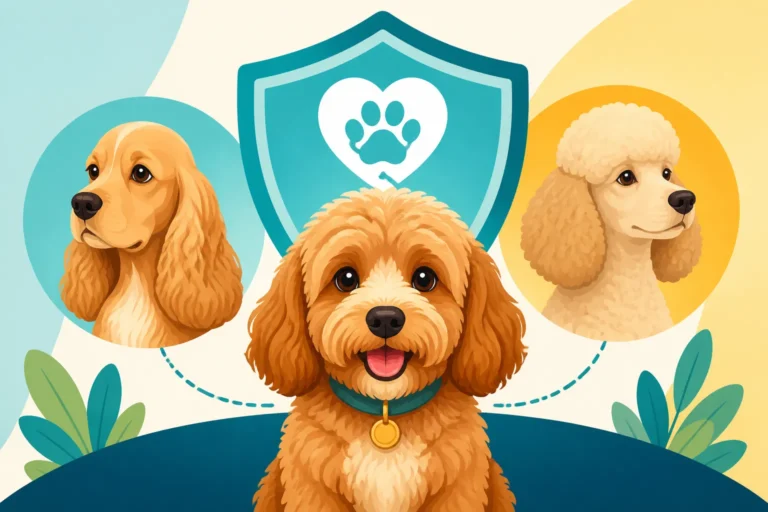
A Cockapoo is a cross between a Cocker Spaniel and a Poodle. This means any given Cockapoo could inherit more traits from one side than the other, or a blend of both.
| Trait Category | Purebred Cocker Spaniel Tendencies | Purebred Poodle Tendencies | What an Unknown Cockapoo Might Exhibit |
|---|---|---|---|
| Coat Type | Shedding, prone to mats, oily skin | Non-shedding, curly, dry skin | Anything from flat and shedding to tight curls that mat easily |
| Temperament | Affectionate, sensitive, eager to please, sometimes prone to shyness | Intelligent, active, loyal, sometimes reserved with strangers | A mix of sensitivity, intelligence, playfulness, and potential shyness or exuberance |
| Energy Level | Moderate, enjoys walks, can be busy | High, needs mental and physical stimulation | Moderate to high, can vary greatly |
| Health | Eye issues (glaucoma, PRA), hip dysplasia, ear infections, autoimmune diseases | Hip dysplasia, eye issues (PRA), Addison's, sebaceous adenitis, bloating | A wider range of potential issues from both sides, requiring vigilant vet care |
| Size | Varies by type (American vs. English), typically 20-30 lbs | Toy, Miniature, Standard (wide range) | Can be anything from a small toy to a maxi size, regardless of rescue's guess |
Without knowing the specific Poodle size used or the exact lineage of the Cocker Spaniel, it's a bit of a genetic lottery. For example, some Cockapoos are incredibly busy and need lots of mental and physical exercise, stemming from the working lines of both parent breeds. Others might be more content with moderate activity. You can read more about some of these potential issues in articles like Glaucoma From the Cocker Side of a Cockapoo or The Autoimmune Diseases a Cockapoo Can Inherit.
Proactive Care is Your Best Friend
Since you can't rely on known health clearances from the parents, proactive veterinary care becomes even more critical. This means scheduling regular check-ups, being vigilant about any changes in your dog's behavior or physical condition, and discussing any concerns with your vet immediately.
- Diet: A good quality diet is paramount. With an unknown background, you might not know if your Cockapoo has any sensitivities or specific nutritional needs. Brands like Ollie offer fresh, customized meal plans that can be tailored to your dog's specific needs, which can be particularly beneficial for dogs with vague histories. They allow you to select ingredients carefully and avoid common allergens if needed. Chewy is also an excellent resource for exploring a wide range of premium dog foods and treats, allowing you to experiment and find what best suits your new family member.
- Grooming: Regardless of their exact coat type – be it wavy, curly, or even an improper coat – Cockapoos require diligent grooming. Without understanding the exact genetics of their coat, you might find yourself navigating significant matting. You should certainly plan for regular brushing and professional grooming appointments, as detailed in The Coat Change That Ambushes a Cockapoo Owner at Ten Months.
- Training and Socialization: Temperament is influenced by genetics, but also heavily by early experiences and ongoing training. A rescue Cockapoo, especially one from an unknown or potentially difficult past, may need extra patience and positive reinforcement training. Addressing any behavioral quirks early can prevent them from becoming entrenched issues. Even if you don't know their specific lineage, understanding general Cockapoo traits, such as their intelligence and eagerness to please, can guide your training approach.
It's natural to want to know everything about your future companion, but the beauty of a rescue Cockapoo often lies in the journey of discovering who they are, quirks and all. Your commitment to proactive care and patient observation will be the strongest assets in ensuring they live a healthy, happy life, regardless of how much or how little you know about their breeding.
Empowering Your Rescue Cockapoo Journey Despite the Unknowns
Adopting a rescue Cockapoo, where the full details of their breeding are often a mystery, doesn't mean you're signing up for a lifetime of unmanageable surprises. Far from it! It means you're stepping into an incredible journey of discovery and unconditional love. While you might not have a breeder's certificate or genetic health panel in hand, you do have the power to create a stable, loving environment that fosters well-being.
Focusing on the Present and Future
Instead of dwelling on the unanswerable questions about your Cockapoo's past, shift your focus to the present and what you can control for their future.
- Observe and Adapt: Your rescue Cockapoo will tell you a lot about themselves through their behavior and physical cues. Does their coat seem prone to matting even after just a few days? Then you know daily brushing is non-negotiable, and regular grooming appointments are crucial. Do they seem anxious when left alone, even for short periods? This is a signal to gently work on building their confidence and tolerance for solitude, perhaps with the help of a professional trainer. A Cockapoo That Cannot Be Left can offer insights into managing separation anxiety. Is their digestion sensitive? This might guide your choice of food from reputable online retailers like Chewy, where you can find a variety of limited-ingredient or sensitive-stomach formulas.
- Build a Strong Veterinary Relationship: Your veterinarian becomes an even more critical partner when you have a rescue with an unknown history. They can help you establish a preventative health plan based on common Cockapoo predispositions, like monitoring for Whether a Cockapoo Gets Heart Disease or being proactive about dental care for a small dog with crowded teeth. Regular check-ups and open communication with your vet will be key to catching any issues early. As mentioned earlier, considering pet insurance like Healthy Paws can provide immense peace of mind, especially with unknown genetic predispositions.
- Embrace Professional Guidance: Don't hesitate to seek advice from professional dog trainers or behaviorists. They are experts in working with dogs from diverse backgrounds and can help you understand and address any behavioral challenges that arise, whether they stem from genetics, past experiences, or simply a lack of previous training. They can guide you through positive reinforcement techniques and help your Cockapoo settle into their new routine. Raising a Cockapoo Puppy offers great advice that can often be adapted for an older rescue dog as well.
What Rescues Can Tell You – And What You Should Ask
While rescues might not have precise breeding records, they often have a wealth of practical information gleaned from foster homes. When you're considering a rescue Cockapoo, be sure to ask:
- Temperament in Foster: How did the dog behave with the foster family? Were there other dogs, cats, or children? What were their energy levels like? Did they show signs of resource guarding or shyness?
- Known Medical Issues: What health problems were identified during their initial vet check? Are they on any medications? Is there any history of past injuries or chronic conditions?
- House-Training Status: Are they reliably house-trained? How long can they hold it?
- Leash Manners and Basic Cues: Do they walk well on a leash? Do they know basic commands like "sit" or "stay"?
- Reactions to Stimuli: How do they react to loud noises, strangers, car rides, or being handled for grooming? This is particularly important for Cockapoos, as Teaching a Cockapoo to Accept the Groomer is vital from the start.
By asking these detailed questions, you gain a much clearer picture of the individual dog you're considering, even if you don't know the exact pedigree of its ancestors. The love and care you provide a rescue Cockapoo will shape their future, far more than the unknowns of their past. Choosing to adopt a rescue means opening your heart to a dog that truly needs you, and in return, you'll receive boundless affection and a truly unique companion.
Disclaimer
This article is for general informational purposes only and does not constitute professional advice. Laws, prices and regulations vary by location and change over time. Consult a qualified professional for guidance on your specific situation.