Whether a Blind Cockapoo Manages at Home
The thought of your lively, curious Cockapoo losing their sight is absolutely heartbreaking and often terrifying for owners. You worry endlessly about their safety, their happiness, and whether they can ever truly navigate the world as they once did. This guide is here to walk you through the realities of caring for a blind Cockapoo and offer practical, compassionate strategies to ensure they continue to live a full, joyful life right in your home. It’s a challenge, yes, but one you absolutely can meet with patience and understanding.
Understanding the Journey of Blindness in Your Cockapoo
When your beloved Cockapoo starts losing their vision, it's natural to feel a wave of panic and sadness. Many owners immediately envision a drastic decline in their dog's quality of life, fearing they'll become withdrawn or constantly injure themselves. But the truth is, dogs are incredibly resilient creatures, and while blindness presents new hurdles, it doesn't have to mean the end of their happy, active days. Their other senses are powerful, and with your help, they can adapt beautifully.
How Vision Loss Progresses and What to Expect
Blindness in Cockapoos can manifest in several ways, and understanding the progression is key to helping them adjust. Sometimes, it’s a gradual decline, which actually gives both you and your dog more time to adapt. This slow onset is often seen with conditions like Progressive Retinal Atrophy (PRA), which can slowly diminish sight, often starting with night blindness before affecting daylight vision. You might notice your Cockapoo becoming more hesitant in dimly lit rooms or bumping into things in the evening before daytime navigation becomes an issue. To learn more about this, you might be interested in knowing about The Age prcd-PRA Takes a Cockapoo's Sight. This gradual process means your dog is often learning to cope even before you fully realize the extent of their vision loss, strengthening their reliance on their other senses.
However, vision loss isn't always a slow creep. Some conditions, like acute glaucoma, can cause sudden and painful blindness. If you notice your Cockapoo's eye appears red, cloudy, or swollen, and they seem to be in discomfort, it’s an urgent situation. This is definitely a "call the vet right now" moment, as addressed in topics like The Red Eye That Means a Cockapoo Needs a Vet Tonight and Whether Glaucoma in a Cockapoo Is an Emergency. In these cases, the adjustment period can feel more abrupt and challenging for both of you, as there's less time for a natural transition. Cataracts can also lead to blindness, though often they progress more slowly, giving time for consideration of surgical options, if appropriate, as discussed in Whether a Cockapoo's Cataracts Are Worth Operating On. Regardless of the cause, early recognition and veterinary intervention are crucial to managing pain and making informed decisions about care.
Recognizing the Signs and Your Dog's Instincts
Before you even realize your Cockapoo is losing their sight, they might already be compensating. They might start relying more heavily on their nose, sniffing the ground more intently on walks, or using their whiskers to feel their way around familiar spaces. You might initially dismiss these behaviors as quirky habits, but they're often subtle indicators of a changing world for your dog. They might also become more clingy or startle more easily if approached from an unexpected direction, which is their way of seeking security and understanding their surroundings.
It's natural to feel utterly overwhelmed when you first confirm your Cockapoo is blind. You might see them hesitate at the top of the stairs, bump into a doorframe they've navigated a thousand times, or seem disoriented in a previously familiar park. This is where your empathy comes in. Instead of feeling sorry for them, which can project anxiety, focus on providing consistent, calm reassurance. Dogs don't lament their lost vision in the same way humans do; they adapt. Their world becomes richer in scents, sounds, and textures. Their amazing ability to adapt means that with a little help from you, they can still enjoy walks, play, and all the things that make them happy. It’s about leveraging their incredible senses of smell and hearing, which are already far superior to ours.
Making Your Home a Safe and Navigable Haven
One of the biggest worries for owners of blind Cockapoos is how they'll manage in the home. The good news is that with some thoughtful adjustments and a commitment to consistency, your home can remain a perfectly safe and comfortable environment. It’s less about radical overhauls and more about creating a predictable, sensory-rich space that supports their newfound way of "seeing" the world.
Strategic Home Modifications
The golden rule for a blind Cockapoo's environment is consistency. Once your dog has lost their vision, or even if it's declining, avoid rearranging furniture. Your dog creates a mental map of your home based on memory, scent, and touch, and moving things around can be incredibly disorienting and cause unnecessary stress or injury. If you absolutely must move something, do it slowly and then physically guide your dog around the new layout several times, letting them sniff and feel their way.
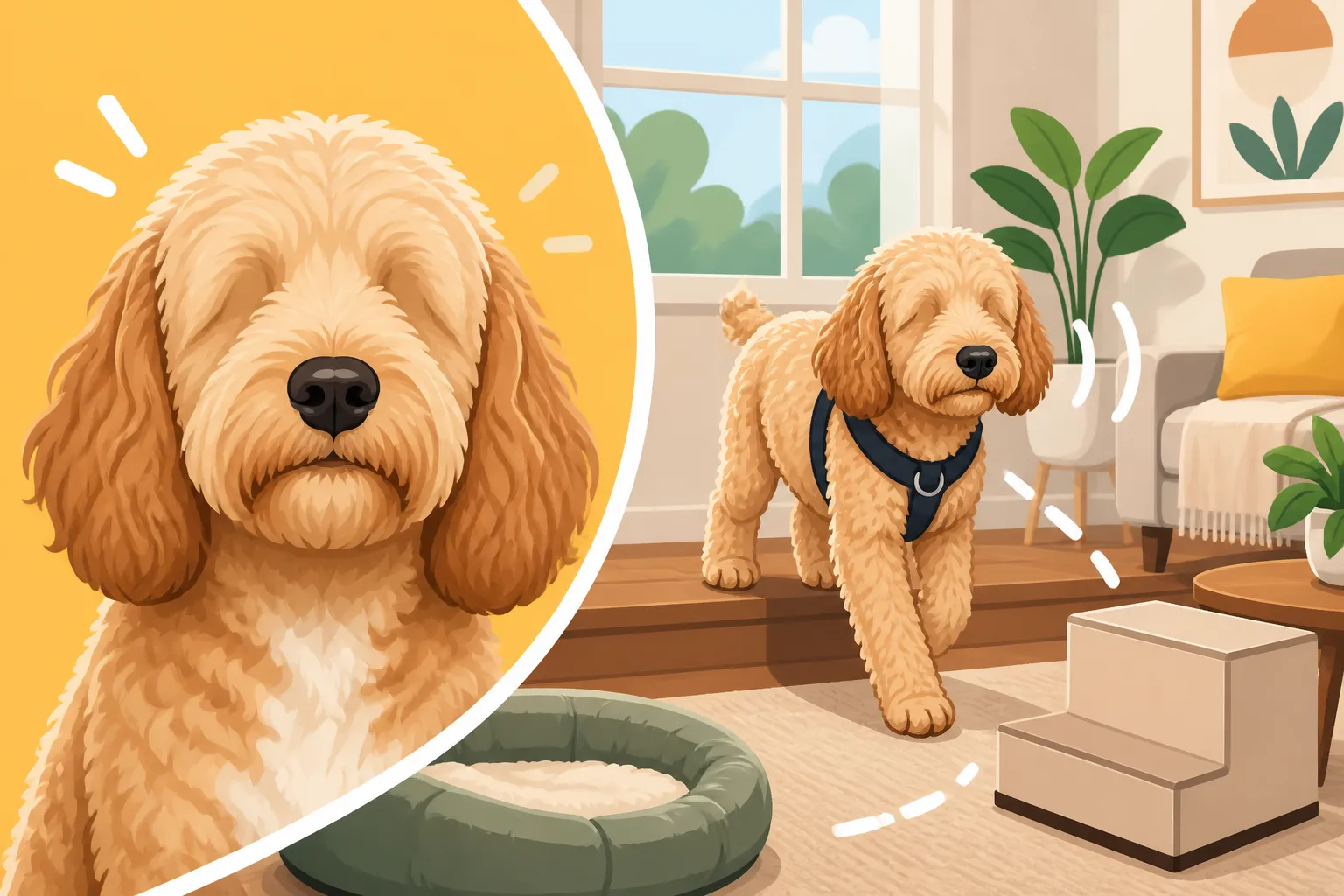
Safety is paramount. Stairs can become a significant hazard. Install sturdy baby gates at the top and bottom of any staircases to prevent falls. Consider placing soft, distinctive mats or rugs at the top and bottom to create a tactile warning signal. Sharp corners on coffee tables or fireplace hearths can also be dangerous. You can child-proof these areas with furniture bumpers or even pool noodles cut and taped around edges. For an added layer of protection, especially when they’re still getting used to things, some owners opt for a "halo" harness, which provides a physical buffer around their dog's head.
Outdoors, ensure your yard is completely secure with no gaps in fencing. If you have steps or changes in elevation, consider placing different textures of mats or pavers to alert your Cockapoo before they reach the drop-off. A small sandbox or designated potty area with a unique texture can help them confidently find their spot.
Here’s a quick checklist for making your home blind-dog-friendly:
| Area/Item | Action | Benefit |
|---|---|---|
| Furniture | Keep layout consistent; avoid moving pieces. | Maintains mental map, reduces disorientation. |
| Stairs | Install baby gates; use textured mats at top/bottom. | Prevents falls, provides tactile warnings. |
| Sharp Edges | Pad corners of tables, hearths with bumpers or pool noodles. | Prevents injury from bumping. |
| Walkways | Use runners or different textured rugs to define clear paths. | Guides movement, provides sensory cues. |
| Food/Water | Keep bowls in the same spot; use non-slip mats underneath. | Predictable access, prevents spills. |
| Crates/Beds | Keep in consistent, easily accessible locations. | Provides safe, familiar resting spots. |
| Outdoor Yard | Secure fencing; use textured paths near steps/boundaries. | Prevents escape, provides warnings for changes in terrain. |
| Clutter | Keep floors clear of tripping hazards (shoes, bags, toys). | Reduces risk of bumps and falls. |
Establishing Predictable Routines and Communication
Beyond physical modifications, establishing a highly predictable routine is one of the kindest things you can do for a blind Cockapoo. Consistent feeding times, potty breaks, and walk schedules provide a framework of predictability that helps reduce anxiety and builds confidence. Your dog will learn to anticipate events, making their days feel more secure.
Verbal cues become incredibly powerful. Start using clear, consistent verbal commands for navigation: "step up" for a curb, "watch out" for an obstacle, "this way" to guide them, or "wait" before an unknown area. Always use a calm, encouraging tone. When approaching your blind Cockapoo, speak to them softly first so you don't startle them. A gentle touch before picking them up or moving them is also very important.
Scent markers can also be a game-changer. You can use a very small, diluted dab of essential oil (like vanilla or lavender, ensuring it's dog-safe and in an extremely diluted form that won't irritate them) on a specific spot near their water bowl or bed, or place a unique-smelling mat in those areas. This gives them an olfactory landmark to guide them. Some owners find that different textures of floor mats in front of important areas, like the back door or their favorite sleeping spot, also help. Remember, your Cockapoo's nose is their new eyes, and they will quickly learn to associate these sensory cues with specific places. Maintaining their vet care is also important, and having a reliable pet insurance provider like Healthy Paws can truly help ease the financial stress of routine check-ups and any unexpected medical needs that arise.
Nurturing Your Blind Cockapoo's Well-being and Joy
It's easy to assume that a blind dog will lose their zest for life, but Cockapoos, with their inherent joy and intelligence, often prove us wrong. They can still find immense happiness in activities that engage their other senses. Your role shifts from facilitating their sight to enriching their world through sound, smell, and touch.
Maintaining Mental and Physical Stimulation
Mental stimulation is paramount for a blind Cockapoo. Their powerful sense of smell can be a fantastic tool for engagement. Invest in snuffle mats and puzzle toys where you can hide treats, encouraging them to use their nose to "hunt." Scent games, where you hide treats around the house or yard and encourage them to find them, are incredibly rewarding. This taps into their natural instinct, much like what you'd see in Scent Work That Satisfies a Cockapoo. You can even get creative with different textures in a designated digging box filled with safe, sand-like materials and buried toys.
Auditory toys that squeak, crinkle, or jingle can keep them entertained. Rolling a noisy ball and encouraging them to follow the sound is a great way to play. Structured walks on a leash are still vital for physical exercise and mental engagement. Stick to familiar routes initially, allowing them to confidently sniff all the familiar lampposts and patches of grass. Gradually, introduce new, safe, quiet areas to explore new scents, always keeping them on a leash for safety. Many Cockapoos, even with vision loss, continue to enjoy their walks and the mental stimulation of new smells, maintaining their energetic spirit, which is a testament to The Fourteen to Eighteen Years a Cockapoo Lives they can experience.
Emotional Support and Building Confidence
Your emotional state plays a huge role in how well your blind Cockapoo adjusts. If you are constantly anxious or sad around them, they will pick up on that energy. Stay calm, speak in reassuring tones, and celebrate every small victory. Shower them with praise for navigating a new path or finding a toy. Your confidence in their ability to cope will instill confidence in them. Remember, they are still the same loving, playful dog, just experiencing the world differently.
Lots of gentle physical touch, cuddles, and grooming sessions can strengthen your bond and provide comfort. When guiding them, use your voice and gentle leash pressure or a hand on their flank rather than pushing or pulling, which can be alarming. A doggy "halo" harness is a fantastic tool to build confidence when navigating new or slightly altered environments, allowing them to bump into objects with the halo rather than their head. Regular veterinary check-ups are also crucial, not just for their eyes but for their overall health. A condition like Whether a Cockapoo Gets Dry Eye can still occur and cause discomfort, and routine checks can catch these issues early. Many owners find that having pet insurance, such as a plan from Healthy Paws, provides invaluable peace of mind when managing these ongoing health needs.
Long-Term Care and When to Seek Veterinary Advice
Living with a blind Cockapoo is a long-term commitment, and while their resilience is truly inspiring, it's important to remain proactive about their health and well-being. This isn't a one-time adjustment but an ongoing journey of support and adaptation.
Ongoing Health Monitoring
Regular veterinary check-ups become even more crucial for a blind Cockapoo. Your vet can monitor any underlying conditions that led to the blindness, such as glaucoma or cataracts, and address any pain or discomfort your dog might be experiencing. Beyond eye health, it’s important to monitor for other age-related changes or breed-specific concerns that could impact their overall quality of life. For instance, being aware of conditions like Familial Nephropathy and the Kidneys a Cockapoo Can Inherit or issues related to Glaucoma From the Cocker Side of a Cockapoo is always important for Cockapoo owners. Your vet can advise on suitable exercise routines, diet adjustments, and any supplements that might support their joints or cognitive function as they age.
Pay close attention to changes in their behavior, appetite, or energy levels. A blind dog can't tell you if they're in pain or feeling unwell, so you become their primary interpreter. Increased lethargy, unusual aggression, or a sudden disinterest in food could indicate a health problem that needs immediate veterinary attention. These regular check-ups, which include general health assessments, are vital for ensuring your blind Cockapoo continues to thrive and lives out The Fourteen to Eighteen Years a Cockapoo Lives to the fullest. Early detection of any new health issue is always the best course of action.
Resources and Support for Owners
You don't have to navigate this journey alone. There are numerous resources available to support owners of blind dogs. Online communities and forums offer a wealth of shared experiences, tips, and emotional support from people who truly understand what you're going through. Many organizations dedicated to assisting blind dogs provide valuable guides and even specialized training resources. Consider reaching out to a certified professional dog trainer who has experience working with visually impaired dogs; they can offer personalized strategies for your home and lifestyle.
Financially, managing a dog with special needs can sometimes incur additional costs, from specialized toys to more frequent vet visits. This is where pet insurance can be a significant help. A comprehensive plan, like those offered by Healthy Paws, can cover a substantial portion of veterinary bills for accidents and illnesses, making it easier to provide the best possible care without constant financial worry. It's an investment in your peace of mind and your Cockapoo's continued health. Being proactive about their care and seeking out support makes all the difference in ensuring your blind Cockapoo enjoys a wonderful, fulfilling life in your loving home.
Disclaimer
This article is for general informational purposes only and does not constitute professional advice. Laws, prices and regulations vary by location and change over time. Consult a qualified professional for guidance on your specific situation.