Whether Glucosamine Helps a Cockapoo
It’s a heart-wrenching moment when you notice your beloved Cockapoo struggling a bit more than usual. Maybe they’re a little stiff getting up after a nap, or perhaps they hesitate before jumping onto the sofa, a spot they once conquered with effortless grace. As they get older, or even if they’ve had a busy life, joint discomfort can become a real concern, and it’s natural to wonder what you can do to keep them comfortable and active. This comprehensive guide will delve into whether glucosamine can genuinely help your Cockapoo maintain healthy joints and what to consider when exploring this popular supplement.
Understanding Joint Health Challenges in Cockapoos
Our sweet Cockapoos are a wonderful blend of two fantastic breeds: the Cocker Spaniel and the Poodle. While this mix often brings out the best in both, it also means they can inherit some of the predispositions to joint issues that are common in their parent breeds. It’s not about finding fault; it’s about being informed so we can give them the best possible care.
The Genetic Predisposition from Parent Breeds
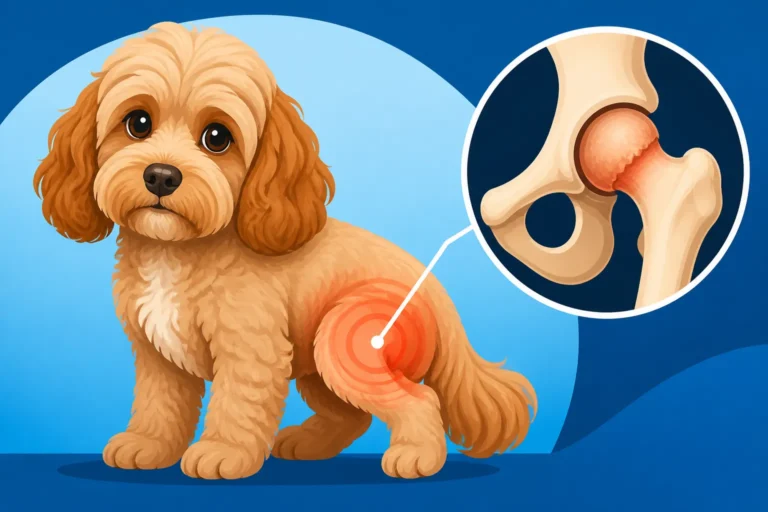
When we talk about joint health, it's crucial to understand the genetic lottery our Cockapoos play. From the Cocker Spaniel side, there can be a predisposition to conditions like hip dysplasia and elbow dysplasia. These are developmental issues where the joints don't form correctly, leading to instability and eventual arthritis. While Cockers are generally smaller than many breeds prone to severe hip dysplasia, it's still a concern. Then, from the Poodle side, especially the Miniature and Toy Poodles often used in Cockapoo breeding, we see conditions like patellar luxation – more commonly known as "slipping kneecaps." This is where the kneecap dislocates from its normal position, causing pain and a tell-tale skip in their step. In smaller Cockapoos, you might also hear about Legg Calve Perthes in a Small Cockapoo, a condition affecting the hip joint's ball. It's a lot to consider, and responsible breeders will screen their parent dogs, but even with the best intentions, genetics can be complex.
Signs of Joint Discomfort You Might Be Seeing
So, how do you know if your Cockapoo is experiencing joint discomfort? They can’t tell us directly, so we have to become expert observers. The signs can be incredibly subtle at first and often mimic other aging behaviors. You might notice a slight stiffness, especially first thing in the morning or after a long rest. Perhaps they're reluctant to jump into the car or climb stairs, behaviors they once performed without a second thought. A change in their gait, like a new limp or an unevenness in their stride that just wasn't there before, is a big red flag – this is often what gives away The Gait That Gives Away a Cockapoo's Bad Hips. They might seem less interested in playtime or walks, or even become a bit grumpier or irritable when touched, particularly around their hindquarters or legs. Some dogs will constantly lick a specific joint area, which can be a sign of pain or inflammation. Don’t ignore these hints, however small they seem; they’re often your Cockapoo’s way of saying something isn’t quite right.
The Impact of Age and Activity on Cockapoo Joints
Even if your Cockapoo doesn't have a strong genetic predisposition, life itself takes a toll on their joints. As they age, just like us, the cartilage cushioning their joints naturally begins to wear down. This is part of the normal aging process, and it can lead to conditions like osteoarthritis, often seen in Cockapoos around the age of eleven, as explored in articles like Arthritis in a Cockapoo at Eleven. Beyond age, a Cockapoo's naturally active and playful nature can also contribute to wear and tear. They love to run, jump, and fetch! A busy, athletic Cockapoo might put more stress on their joints over the years, leading to earlier onset of discomfort. Conversely, an overweight Cockapoo places excessive strain on their joints, exacerbating any underlying issues. Whether they're a tiny Toy Cockapoo or a sturdy Maxi, the miles they put on their bodies throughout The Fourteen to Eighteen Years a Cockapoo Lives really add up.
What Exactly Is Glucosamine and How Does It Supposedly Work?
Glucosamine is one of those supplements that almost every dog owner has heard of, especially when discussing joint health. It's often touted as a natural remedy for joint pain and stiffness, but what exactly is it, and what's the scientific basis behind its popularity?
The Science Behind Glucosamine and Chondroitin
At its core, glucosamine is an amino sugar that occurs naturally in your dog’s body. It plays a crucial role in maintaining healthy cartilage – that flexible, connective tissue that acts as a cushion between the bones in their joints. Think of cartilage as the shock absorber for their skeletal system. When cartilage starts to break down, the bones can rub together, causing pain, inflammation, and reduced mobility. Glucosamine is believed to help stimulate the production of new cartilage and also possesses anti-inflammatory properties.
Often, you’ll find glucosamine paired with chondroitin sulfate. Chondroitin is another naturally occurring substance found in cartilage. Its role is thought to be about inhibiting the enzymes that destroy cartilage, improving the elasticity of cartilage, and helping it retain water, which is vital for its cushioning effect. Together, glucosamine and chondroitin are often seen as a dynamic duo, aiming to both rebuild and protect cartilage, slowing down the progression of joint degeneration. It sounds promising, right?
Common Sources and Forms of Glucosamine
Glucosamine supplements for dogs typically come in a few common forms. You'll most often see glucosamine sulfate or glucosamine hydrochloride (HCL). While both are widely used, some studies suggest that glucosamine sulfate might be more bioavailable, meaning the body can absorb and utilize it more effectively. However, the difference is often marginal in practice, and consistency is key.
Where does it come from? The most common natural source for glucosamine is the shells of shellfish, like crabs, shrimp, and oysters. This is why if your dog has a shellfish allergy, you'll need to be very careful and consult your vet before starting any glucosamine supplement. Some supplements might use synthetic forms or other sources like fungal fermentation. Chondroitin is usually derived from animal cartilage, such as bovine (cow) or porcine (pig) trachea, or even shark cartilage. Many reputable brands offer these ingredients in various formats – tasty chewable tablets, soft chews, powders that you sprinkle over food, or even liquids. When you’re choosing, convenience for you and palatability for your Cockapoo will be major factors.
What the Research (and Anecdotes) Suggests for Dogs
Now for the million-dollar question: does it actually work? This is where things get a bit nuanced. Scientifically, the evidence for glucosamine and chondroitin in dogs is somewhat mixed. Some studies have shown significant improvements in pain and mobility in dogs with osteoarthritis, while others have found little to no measurable effect compared to a placebo. It's challenging to conduct perfect studies with animals, and individual responses can vary greatly.
However, despite the mixed scientific literature, many veterinarians continue to recommend glucosamine/chondroitin supplements, and countless dog owners swear by their effectiveness. The general consensus among many veterinary professionals is that while it might not be a magic bullet or a cure for severe joint disease, it can be a valuable part of a multi-modal approach to managing mild to moderate osteoarthritis or as a preventative measure. It’s generally considered very safe with minimal side effects, which makes it an appealing option to try, especially for long-term support. Think of it less as a drug and more as a nutritional aid. Many Cockapoo owners find that it truly helps their furry friends with What Changes in a Cockapoo After Ten as they transition into their senior years.
When and How to Consider Glucosamine for Your Cockapoo
Deciding if and when to start your Cockapoo on glucosamine can feel like a big decision. It’s not just about picking up a bottle; it’s about understanding if it’s the right step for your individual dog and how to use it most effectively.
Ideal Candidates for Glucosamine Supplementation
Glucosamine isn't for every dog, nor is it a cure for all ailments. However, there are several scenarios where it might be particularly beneficial for your Cockapoo.
- Older Dogs with Mild to Moderate Osteoarthritis: This is perhaps the most common reason owners turn to glucosamine. As Cockapoos age, the natural wear and tear on their joints can lead to arthritis. If your vet has diagnosed your senior Cockapoo with mild to moderate osteoarthritis, glucosamine can be a supportive measure to help manage discomfort and potentially slow further cartilage degradation.
- Dogs with Diagnosed Joint Conditions: If your Cockapoo has been diagnosed with a condition like hip or elbow dysplasia, or patellar luxation – even if they're not yet symptomatic – your vet might recommend glucosamine as a proactive measure. For instance, a small Cockapoo with a history of Slipping Kneecaps in a Toy Cockapoo might benefit from early support.
- Active or Sporting Dogs: Cockapoos are often quite active! If your dog participates in dog sports, enjoys long hikes, or is generally very bouncy and energetic, their joints experience more stress. Glucosamine could be considered as a preventative or supportive supplement to maintain joint resilience over a lifetime of activity.
- Breeds Predisposed to Joint Issues: Since Cockapoos combine breeds with known joint predispositions, some owners choose to start supplementation preventatively, even in younger dogs, especially if they are a larger variety like a Maxi Cockapoo that might be more prone to issues like Whether a Maxi Cockapoo Grows Into Bad Hips. This is always best done under veterinary guidance.
Remember, it’s not a substitute for veterinary care. If your Cockapoo is showing significant pain or lameness, a trip to the vet is always the first step to get a proper diagnosis and treatment plan.
Dosage, Administration, and What to Look For in a Supplement
Once you and your vet decide to try glucosamine, the next step is choosing a quality supplement and administering it correctly.
- Dosage: Dosages are typically based on your dog's weight. Most reputable brands will provide clear guidelines on their packaging. It's often recommended to start with a "loading dose," which is a higher initial dose for the first 4-6 weeks to build up levels in the body, followed by a lower maintenance dose. Always follow the manufacturer’s instructions or, even better, your veterinarian’s specific recommendations.
- Administration: Consistency is absolutely key. Glucosamine works best when given daily. If you miss a day, don't double up; just continue with the next scheduled dose. Chews and soft treats are often the easiest way to give supplements, as most Cockapoos will think they're getting a delicious treat! Powders can be mixed into their food, which is great for picky eaters.
- What to Look For:
- Quality Ingredients: Look for human-grade ingredients if possible. The source of glucosamine (shellfish or synthetic) and chondroitin (bovine/porcine cartilage) should be listed.
- Combination Products: Many effective supplements combine glucosamine and chondroitin with other beneficial ingredients like MSM (Methylsulfonylmethane, an anti-inflammatory), hyaluronic acid (for joint fluid lubrication), or Omega-3 fatty acids (also anti-inflammatory). Brands like Cosequin and Dasuquin are widely recommended by veterinarians and often contain these synergistic ingredients.
- Third-Party Testing: Seek out brands that have their products independently tested for purity and potency. This ensures you're actually getting what's listed on the label.
- Veterinary Recommended: While not a guarantee, supplements frequently recommended by vets or found in veterinary clinics often have a higher standard of quality and research behind them.
Setting Realistic Expectations and Monitoring Progress
It’s easy to hope for a miracle cure when our furry friends are in pain, but it's important to have realistic expectations when starting glucosamine.
- Not an Instant Fix: Glucosamine is not like a painkiller that provides immediate relief. It works by supporting cartilage health over time, which can take weeks or even months to show noticeable effects. Don't expect to see a huge difference overnight. Many owners report seeing initial improvements around the 4-6 week mark, often coinciding with the end of a loading dose.
- Individual Variation: Every Cockapoo is different. What works wonders for one might have a subtle effect on another. Factors like the severity of their joint disease, their age, and overall health can influence how they respond.
- Monitoring Progress: To truly assess if glucosamine is helping, keep a journal or a simple log. Note down your Cockapoo’s mobility, energy levels, any stiffness, their willingness to play, and how they react to being touched. Check in weekly or bi-weekly. Are they moving a little more freely? Are they less stiff after their morning nap? Even small, incremental improvements can indicate the supplement is having a positive effect. Share these observations with your vet during regular check-ups, which are a part of What a Cockapoo's Yearly Shots and Exam Cost. If you don't see any improvement after 2-3 months on a consistent, appropriate dose, it might be time to discuss other options with your vet.
A Holistic Approach to Supporting Your Cockapoo's Joint Health
While glucosamine can be a valuable tool in your Cockapoo's wellness arsenal, it's just one piece of a much larger puzzle. True joint health comes from a holistic approach that considers diet, exercise, and consistent veterinary care.
Weight Management and Balanced Nutrition
This is perhaps the single most critical factor in managing and preventing joint issues. Extra weight puts immense strain on your Cockapoo’s joints, exacerbating conditions like arthritis and patellar luxation. Even a few extra pounds can make a significant difference in their comfort level and the progression of joint disease. If your Cockapoo is carrying too much weight, a conversation with your vet about a safe and effective weight loss plan is paramount.
Beyond weight, a balanced, high-quality diet provides the building blocks for overall health, including strong bones and healthy tissues. Some diets are specifically formulated for joint support, containing ingredients like Omega-3 fatty acids (DHA and EPA) which are powerful natural anti-inflammatories. These fatty acids can help reduce inflammation in the joints, working synergistically with supplements like glucosamine. While you might consider Whether Fresh Food Is Affordable at Cockapoo Portions, the most important thing is a vet-approved diet that keeps them lean and nourished.
Appropriate Exercise and Physical Therapy
It might seem counterintuitive to talk about exercise for painful joints, but appropriate, controlled exercise is vital. The goal isn't to overexert them but to keep the muscles surrounding the joints strong, which helps provide support and stability. Weak muscles mean more reliance on the joints themselves, leading to more wear and tear.
- Low-Impact Activities: Instead of high-impact activities like intense fetching or jumping, opt for regular, moderate walks on soft surfaces. Swimming is an excellent non-weight-bearing exercise that builds muscle without stressing joints.
- Short, Frequent Sessions: Instead of one long walk, consider several shorter, gentle strolls throughout the day.
- Controlled Movements: Avoid activities that involve sudden stops, starts, or twists. If you have a Whether a Heavy Cockapoo Tears a Knee Ligament concern, modifying exercise is key.
- Physical Therapy: For Cockapoos with diagnosed joint conditions or those recovering from injury, professional canine physical therapy or rehabilitation can be transformative. A certified canine rehab specialist can create a tailored exercise program, including hydrotherapy, therapeutic exercises, and even modalities like laser therapy, to strengthen muscles, improve range of motion, and reduce pain.
The Importance of Veterinary Consultation
Ultimately, any decisions regarding your Cockapoo's health, especially concerning supplements and medical treatments, should always be made in close consultation with your veterinarian. They can accurately diagnose the cause of your dog’s discomfort, rule out other serious conditions (like neurological problems, infections, or even Heart Murmurs in an Aging Cockapoo that might mimic stiffness), and recommend the most appropriate course of action.
Your vet can:
- Accurately Diagnose: They can perform physical exams, X-rays (What Hip X Rays Cost for a Cockapoo), or other diagnostics to pinpoint the exact issue.
- Recommend Specific Products: Vets often have access to professional-grade supplements that have undergone stricter quality control and efficacy testing than those available over the counter. They can guide you through choosing the best product for your Cockapoo’s specific needs.
- Monitor Progress: They can help you track your Cockapoo's response to treatment and make adjustments as needed.
- Integrate Treatments: Glucosamine might be part of a larger plan that includes pain medication, anti-inflammatory drugs, or other therapies. Your vet will help coordinate these to ensure safety and maximum benefit. Don't go it alone! For instance, if you're concerned about budgeting for your Cockapoo's long-term health, exploring options from providers like Healthy Paws can give you peace of mind that you'll have support for significant vet bills.
By working with your veterinarian, you can create a comprehensive plan that gives your Cockapoo the best chance at a long, comfortable, and happy life.
| Aspect of Care | Description | Primary Benefit | When to Consider |
|---|---|---|---|
| Diet | High-quality, balanced food; weight management. | Reduces joint strain, provides nutrients for tissue repair, manages inflammation. | Always, especially if overweight or diagnosed with joint issues. |
| Exercise | Low-impact, consistent activity (walks, swimming); controlled play. | Strengthens supporting muscles, improves joint flexibility, maintains overall fitness. | Daily, adjusted for age, condition, and energy levels. |
| Glucosamine | Supplement, often with chondroitin, MSM, Omega-3s. | Supports cartilage health, reduces inflammation, improves joint lubrication. | Mild-moderate arthritis, preventative for predisposed breeds, senior dogs, after vet consultation. |
| Vet Care | Regular check-ups, diagnostic tests, prescribed medications (NSAIDs, etc.), physical therapy. | Accurate diagnosis, pain management, tailored treatment plans, monitoring progress. | Immediately for acute pain/lameness, ongoing for chronic conditions, annual wellness. |
| Comfort | Orthopedic beds, ramps, warm sleeping areas, non-slip flooring. | Reduces daily impact, provides supportive rest, aids mobility around the home. | As needed, particularly for senior dogs or those with advanced arthritis. |
Disclaimer
The information provided in this guide is intended for educational purposes only and should not be taken as professional veterinary advice. Always consult with a qualified veterinarian regarding any health concerns or before starting any new treatment or supplement regimen for your Cockapoo.