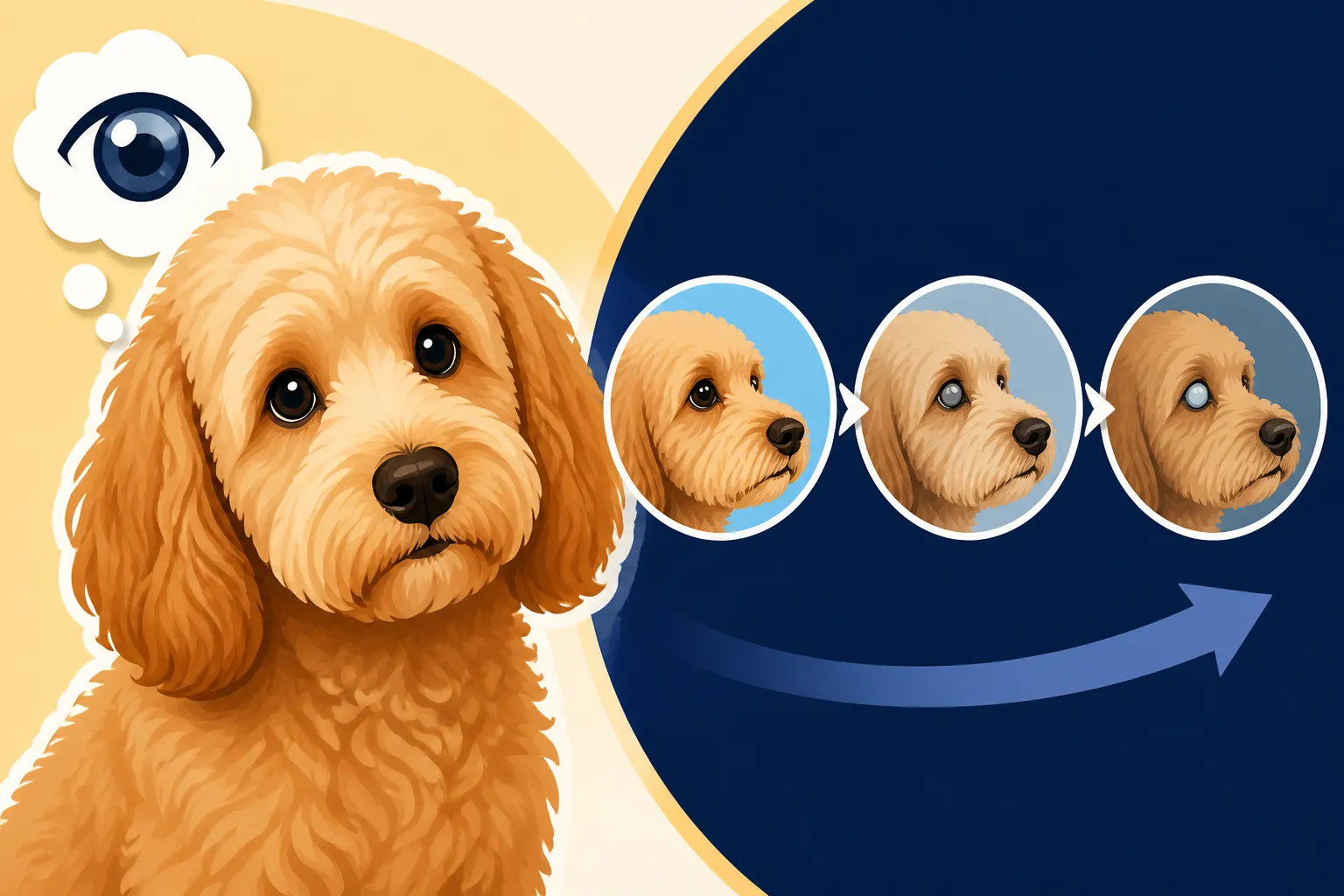
Whether a Cockapoo Goes Blind Slowly
It’s truly heartbreaking to notice subtle changes in your beloved Cockapoo, especially when it comes to something as fundamental as their eyesight. You might start seeing them hesitate on stairs they once bounded down, or perhaps they're bumping into furniture in a dimly lit room, leaving you to wonder if their world is slowly fading. This guide aims to thoroughly explore whether Cockapoos experience gradual vision loss, what causes it, and how you can best support your furry family member through such a challenging journey.
Understanding Vision Loss in Cockapoos: Not Always a Sudden Event
When we think of blindness, we often imagine a sudden, dramatic loss of sight. However, for many Cockapoos, vision impairment is a much more insidious process, creeping in slowly over months or even years. This gradual decline can be particularly challenging for owners to identify because dogs are incredibly adaptable and often mask their symptoms until the condition is quite advanced. They learn to rely more on their other senses – their incredible sense of smell and hearing – to navigate their world, making it easy for us to miss the early warning signs. This slow progression is usually due to specific genetic predispositions inherited from their Cocker Spaniel and Poodle lineage, making certain eye conditions more prevalent in the breed.
Common Conditions Leading to Slow Blindness
Several eye conditions are known to affect Cockapoos, and many of these manifest with a slow, progressive loss of vision. It's not usually a sudden "lights out" scenario, but rather a dimmer switch being turned down slowly over time. Understanding these common culprits can help you be more vigilant and proactive.
Progressive Retinal Atrophy PRA
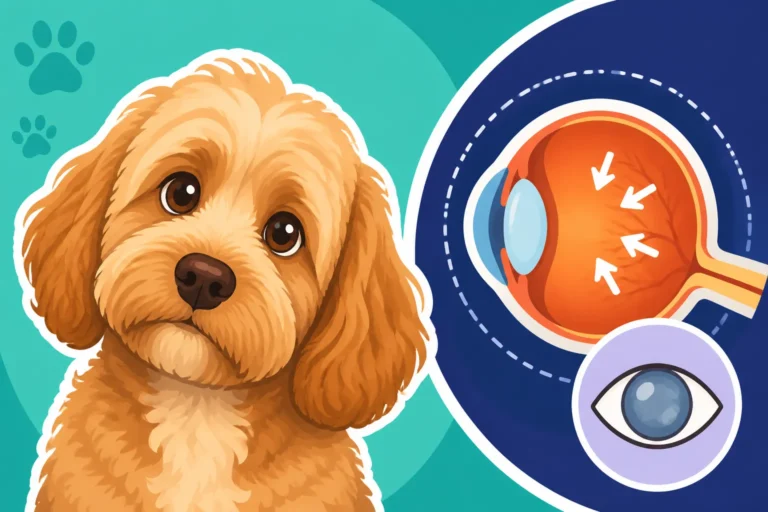
One of the most significant concerns for Cockapoo owners is Progressive Retinal Atrophy, often referred to simply as PRA. This is a group of genetic diseases that affect the retina, the light-sensitive tissue at the back of the eye. In simpler terms, the photoreceptor cells in the retina (rods and cones) begin to degenerate. Rods, which are responsible for vision in low light, typically go first, meaning one of the first signs of PRA is often difficulty seeing in dim light or at night. This can make your Cockapoo hesitant to go out in the evening or navigate dark hallways. As the disease progresses, the cones, responsible for daylight and color vision, also degenerate, leading to complete blindness.
The most common form seen in Poodles and Cocker Spaniels, and subsequently in Cockapoos, is called prcd-PRA, which stands for progressive rod-cone degeneration. It’s an inherited condition, meaning it's passed down from parents to offspring. Unfortunately, there is no cure for PRA, but understanding its slow progression allows owners to adapt and help their dogs cope. You might find it helpful to learn more about Progressive Retinal Atrophy in a Cockapoo and understand the typical timeline by looking into The Age prcd-PRA Takes a Cockapoo's Sight. It's important to remember that even if a Cockapoo is a carrier of the prcd gene, they generally do not develop the disease themselves, as outlined in Whether a prcd Carrier Cockapoo Ever Goes Blind.
Cataracts and Their Progression
Cataracts are another common cause of gradual vision loss in Cockapoos. A cataract occurs when the lens of the eye becomes cloudy or opaque, preventing light from reaching the retina effectively. Imagine looking through a frosted window – that’s somewhat how a world viewed through cataracts might appear. Cataracts can develop due to various factors, including genetics, injury, diabetes, or simply old age. In Cockapoos, however, hereditary cataracts are a significant concern, often appearing earlier in life than age-related ones.
The progression of cataracts varies. Some may remain small and only minimally affect vision, while others grow to cover the entire lens, leading to complete blindness. You might notice a bluish-grey haze in your dog's pupils, which gradually thickens and whitens over time. It’s crucial to differentiate cataracts from nuclear sclerosis, a common age-related change where the lens hardens and appears cloudy but doesn't usually impair vision significantly. For a clearer understanding, you can research Telling Nuclear Sclerosis From Cataracts in a Cockapoo. While surgical removal is an option for certain types of cataracts, it's a decision to make with your vet, considering factors like the dog's overall health and the prognosis, as discussed in Whether a Cockapoo's Cataracts Are Worth Operating On.
Glaucoma: A More Acute Threat with Chronic Precursors
While often presenting as an acute, painful emergency where vision can be lost rapidly, glaucoma can also have chronic, slowly progressing forms that contribute to gradual vision decline. Glaucoma is characterized by increased pressure within the eye, which damages the optic nerve and retina. The Cocker Spaniel side of your Cockapoo brings a genetic predisposition to certain types of glaucoma, making it a condition owners should be aware of.
In its chronic form, the intraocular pressure (IOP) may rise intermittently or moderately over time, causing subtle damage before a full-blown crisis. You might notice your dog squinting, showing redness in the eye, or the eye appearing slightly enlarged. The pain might be mild at first, leading to a dog simply being a bit quieter or rubbing their eye more often. This slow, cumulative damage can lead to a gradual reduction in peripheral vision, eventually narrowing their field of view. Learning about The Glaucoma a Cockapoo Inherits From the Cocker can help you understand the risks. Even if a sudden, severe attack isn't the primary presentation, the underlying chronic condition can certainly lead to a slow loss of sight.
Recognizing the Subtle Signs of Gradual Vision Decline
Spotting that your Cockapoo is slowly losing their sight isn't always obvious. Their remarkable ability to adapt often means they hide their struggles until the vision loss is substantial. But as a vigilant owner, there are subtle clues you can look for that might indicate their world is becoming dimmer. Early recognition is key to providing timely support and making necessary adjustments to their environment.
Behavioral Changes to Watch For
The most telling signs of gradual vision loss often manifest in changes in your Cockapoo's behavior, especially in specific situations. These aren't always dramatic, but rather small deviations from their usual routines or confidence levels.
One of the first things you might notice is hesitation. Your confident Cockapoo might suddenly pause before stepping off a curb, or slow down dramatically when approaching a doorway. They might seem less eager to navigate stairs, or even outright refuse to use them. This hesitation often becomes more pronounced in unfamiliar environments or in poor lighting. If your dog, who once darted around the yard, now moves cautiously, sniffing the ground intently, it could be a sign.
Another common indicator is bumping into things. This isn't just about crashing into walls; it could be more subtle. Perhaps they misjudge a jump onto the sofa, or gently brush against the legs of chairs they usually avoid. They might start to miss toys tossed directly to them or have trouble locating their food bowl if it's moved slightly. This is particularly noticeable when they are excited or moving quickly, as their coping mechanisms might momentarily fail.
Reluctance to go out at night or in dimly lit areas is a classic sign, especially if the condition affects their night vision first, like in early PRA. Your Cockapoo might become more clingy, stay closer to your side during evening walks, or even resist going outside after sunset. They might also become more vocal, barking at things they can hear but no longer clearly see, reacting with surprise when someone approaches them from an unexpected direction. If you notice these shifts, especially in a dog known for being adventurous, it's worth investigating.
Physical Changes in the Eye Itself
Beyond behavioral cues, direct observation of your Cockapoo's eyes can provide crucial evidence of vision decline. It’s important to examine their eyes regularly, perhaps during a cuddle session or a grooming routine.
The most common physical sign of progressive vision loss is cloudiness in the lens or cornea. As mentioned with cataracts, you might see a whitish or bluish haze develop behind the pupil. This opacity can start small and gradually spread, eventually obscuring the entire lens. With glaucoma, the eye might appear red, teary, or slightly swollen. Sometimes, the pupil itself may seem to dilate wider than usual, even in normal light, as the eye attempts to let in more light to compensate for reduced vision.
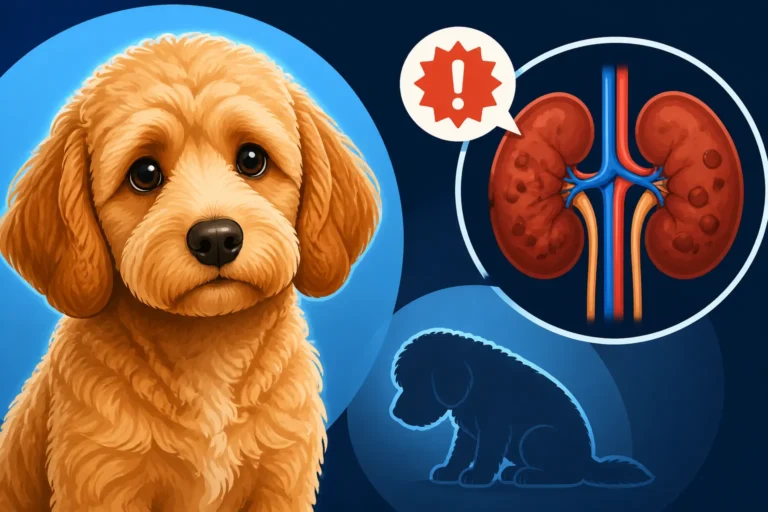
You might also observe subtle changes in the color or texture of the eye. For instance, some conditions can cause blood vessels to appear more prominent on the white of the eye, or the cornea might take on a duller, less reflective appearance. However, these changes can be very nuanced and are best evaluated by a veterinary professional. Remember, not all eye changes mean blindness, but any persistent change warrants a vet visit. Regular check-ups, including eye examinations, are paramount, as part of The Kidney and Eye Checks a Cockapoo Needs Yearly.
Navigating Familiar Environments
Dogs with gradual vision loss often develop amazing strategies to cope within their familiar home environment. They map out the furniture, memorize the scent trails, and use auditory cues to get around. However, even in familiar surroundings, slight disruptions can reveal their struggle.
If you move furniture, even slightly, your Cockapoo might suddenly bump into it or appear disoriented. They might move more slowly and deliberately, taking a wider path around obstacles they once confidently navigated. They may also rely more heavily on scent, sniffing the ground as they walk to confirm their path, especially when transitioning between different textures or surfaces in the home.
Similarly, if you introduce new objects – even something as simple as a laundry basket left in an unusual spot – they might trip over it. They might also show increased anxiety or become startled more easily by sudden movements or noises from other family members, as they can no longer visually confirm who or what is approaching. Their reliance on scent and sound becomes paramount.
It's a testament to their resilience that they adapt so well, but as an owner, being attuned to these subtle shifts can help you understand what they're experiencing. Having a pet insurance plan like Healthy Paws can really ease the financial burden of diagnostics and potential treatments, allowing you to focus on their care without added stress.
Managing and Supporting a Cockapoo with Slow Vision Loss
Discovering your Cockapoo is slowly losing their sight is a tough pill to swallow. It brings a mix of sadness, concern, and a burning desire to help them. The good news is that there’s a lot you can do to manage their condition, support their adaptation, and ensure they continue to live a happy, fulfilling life. It’s all about creating a safe, predictable, and enriching environment.
Veterinary Diagnosis and Treatment Options
The very first step, once you suspect vision problems, is a visit to your veterinarian. They can conduct a thorough eye exam and often refer you to a veterinary ophthalmologist, a specialist in animal eye health. This expert can accurately diagnose the specific condition causing the vision loss.
Diagnosis typically involves a series of tests, including a full ophthalmic examination using specialized equipment, pupil light reflex tests, and sometimes electroretinography (ERG) to assess retinal function, especially for conditions like PRA. Blood tests might also be performed to rule out underlying systemic diseases like diabetes that can cause cataracts. Don't be shy about asking your Cockapoo breeder for Asking for a Cockapoo's Eye Certificates to provide your vet with a full history.
Once a diagnosis is made, the ophthalmologist will discuss treatment options. For progressive retinal atrophy, unfortunately, there is currently no cure, and treatment focuses on managing secondary issues and supporting the dog. However, for conditions like cataracts, surgical removal and lens replacement can often restore significant vision. For glaucoma, treatment might involve eye drops to reduce pressure, or in severe cases, surgery, or even removal of the affected eye if it becomes too painful and vision is lost. Discussing the pros and cons of these interventions, and understanding the potential costs involved, is crucial. Pet insurance, such as Healthy Paws, can be incredibly beneficial here, covering a significant portion of these specialist consultations, diagnostics, and treatments, which can often run into thousands of dollars.
Adapting the Home Environment for Safety and Comfort
Once vision loss is confirmed, adapting your home becomes paramount for your Cockapoo's safety and confidence. Dogs thrive on routine and predictability, and this becomes even more important for a visually impaired pet.
- Maintain Consistency: Try not to rearrange furniture, especially in areas your Cockapoo frequents. If you must move something, guide them around the new layout several times. Their "mental map" of the house is their lifeline.
- Create Safe Pathways: Keep floors clear of clutter. Tripping hazards like shoes, bags, or children's toys can cause confusion and injury. Use baby gates or pet gates to block off dangerous areas like stairs or rooms with sharp edges, particularly if your Cockapoo struggles with stairs.
- Sensory Cues: Incorporate different textures on the floor to signal transitions, like a rug before a doorway or a textured mat at the bottom of stairs. You can also use distinct scents – perhaps a drop of essential oil (safe for pets, of course!) on a cotton ball near their water bowl or a specific bedroom.
- Lighting: While they may be losing sight, good lighting can still help. Ensure pathways are well-lit, especially at night. Nightlights can be incredibly useful in hallways and around their sleeping area.
- Boundaries: Consider using scent markers (like vanilla extract or a specific air freshener on furniture legs) or even physical markers (like small rugs) to help them understand boundaries and navigate. Some owners also use "halo" devices that attach to harnesses, providing a bumper to prevent bumping into objects.
Remember, a visually impaired dog still loves to explore and play. The goal isn't to restrict them entirely, but to make their environment predictable and safe. A little effort goes a long way in maintaining their confidence and preventing accidents.
Maintaining Quality of Life and Enrichment
A Cockapoo with vision loss can still lead a wonderfully full and happy life. It’s up to us, their human companions, to provide the right kind of stimulation and affection.
- Emphasize Other Senses: Engage their powerful sense of smell. Scent games, like hiding treats around the house for them to find, can be incredibly enriching. Interactive puzzle toys that dispense treats when manipulated are also excellent.
- Verbal Cues and Touch: Rely heavily on your voice. Use clear, consistent verbal cues for directions ("step up," "watch out," "this way"). Talk to your Cockapoo frequently so they know where you are. Use gentle touch to guide them; a hand on their side can direct them, or a tap on the floor can indicate where their food bowl is.
- Consistent Routine: A predictable daily schedule for feeding, walks, and playtime helps reduce anxiety and build confidence. They learn when to expect things, which minimizes surprises.
- Safe Outdoor Exploration: Continue walks, but on a leash, in familiar, safe areas. Allow them time to sniff and explore. New sounds and smells can provide immense mental stimulation. A long line can offer a sense of freedom in a secure, fenced yard while still maintaining control.
- Social Interaction: Continue to introduce them to friendly, calm dogs and people in controlled environments. Just be sure to always announce approaches to avoid startling them.
A blind Cockapoo can still enjoy many of the things they always have. They love to cuddle, play, and be a part of the family. Focus on what they can do, rather than what they can’t. Their spirit and joy are infectious, and with your help, their world remains vibrant.
Prevention and Early Detection: What Every Cockapoo Owner Can Do
The thought of your Cockapoo slowly losing their sight is daunting, but being proactive can make a world of difference. While not all vision loss can be prevented, especially with age-related conditions, many hereditary issues can be avoided or managed with early detection. This means being a responsible owner, starting even before you bring your Cockapoo home.
Breeder Transparency and Health Testing
This is, without a doubt, the most critical step in preventing hereditary eye diseases in Cockapoos. A reputable Cockapoo breeder will be transparent about the health history of their breeding stock and will conduct extensive health testing.
For Cockapoos, given their Cocker Spaniel and Poodle heritage, specific eye tests are non-negotiable. Breeders should have their breeding dogs screened for Progressive Retinal Atrophy (prcd-PRA). This is a DNA test, meaning it only needs to be done once in a dog's lifetime. A responsible breeder will be able to show you results proving that both parent dogs are "clear" or at least that one parent is clear and the other is only a "carrier," ensuring no affected puppies will be produced. Never be afraid to ask for these certificates directly.
Beyond DNA testing, breeding dogs should undergo regular eye examinations by a board-certified veterinary ophthalmologist. These examinations, often referred to as CAER (Companion Animal Eye Registry) exams in the U.S. or BVA/KC Eye Scheme examinations in the UK, screen for a range of eye conditions, including cataracts, glaucoma, retinal dysplasia, and other abnormalities. These exams should be performed yearly for breeding dogs. To ensure you're getting a healthy puppy, it's vital to research The Five Certificates a Cockapoo Breeder Should Show and understand why Whether a Cockapoo Needs a Yearly CAER Exam is so important for breeding parents. If a breeder cannot provide proof of these tests for both parents, walk away. It might save you from heartache and significant veterinary bills down the line, especially for long-term conditions.
Regular Veterinary Eye Exams and Preventative Care
Even if you've brought home a puppy from the most reputable breeder, regular veterinary care throughout your Cockapoo's life is essential for early detection. Your general practice veterinarian will perform a basic eye exam during annual check-ups. They'll look for signs of redness, discharge, cloudiness, or any other abnormalities.
However, for a breed prone to eye conditions, you might consider consulting a veterinary ophthalmologist for specialized screenings, especially as your Cockapoo ages. An ophthalmologist has the specialized equipment and expertise to detect subtle changes that a general vet might miss in the early stages. This proactive approach can catch conditions like early cataracts or glaucoma before they become advanced and cause significant vision loss or pain. Many recommend a comprehensive eye check-up every 1-2 years, especially once your Cockapoo reaches middle age, which is around 7-8 years old. You should consider getting The Kidney and Eye Checks a Cockapoo Needs Yearly for your adult Cockapoo.
Preventative care also involves protecting your Cockapoo's eyes from injury. This means being mindful of sharp branches during walks, supervising playtime with other dogs, and using a visor or doggy goggles if they enjoy sticking their head out the car window. Proper grooming, particularly around the eyes, is also crucial to prevent hair from irritating the cornea, which can lead to other issues.
Nutritional Support and Lifestyle Factors
While diet can't prevent genetic eye conditions, good nutrition plays a vital role in overall eye health and can potentially slow the progression of some age-related issues. A high-quality diet rich in antioxidants, omega-3 fatty acids, and specific vitamins can support ocular health.
- Antioxidants: Foods rich in antioxidants like vitamins C and E, lutein, and zeaxanthin can help protect cells from damage, including those in the eyes. Many premium dog foods include these, or you can discuss supplements with your vet.
- Omega-3 Fatty Acids: Found in fish oil, omega-3s are known for their anti-inflammatory properties and can support retinal health.
- Regular Exercise: Keeping your Cockapoo at a healthy weight prevents obesity, which can exacerbate many health issues, including those indirectly affecting the eyes (e.g., diabetes leading to cataracts).
- Hydration: Ensuring your dog is well-hydrated is always important for overall health, including the lubrication of the eyes.
- Environmental Factors: Minimize exposure to irritants like smoke or harsh chemicals. If your Cockapoo has chronic dry eye (Keratoconjunctivitis Sicca or KCS), diligent daily treatment with prescribed eye drops is crucial to prevent corneal damage and vision impairment.
By being informed, choosing a reputable breeder, maintaining regular veterinary care, and providing a supportive environment, you can significantly improve your Cockapoo's chances of maintaining good vision for as long as possible and provide them with the best quality of life, even if their sight slowly diminishes. It’s a journey, but one you don't have to navigate alone. Your vet and resources like Healthy Paws for financial support can be invaluable partners.
Disclaimer
This article is intended for informational purposes only and does not constitute veterinary advice. Always consult with a qualified veterinarian or veterinary ophthalmologist for any health concerns regarding your Cockapoo's eyes or overall health. Individual cases may vary, and only a professional can provide an accurate diagnosis and treatment plan.