Whether a Cockapoo’s Cataracts Are Worth Operating On
Seeing your beloved Cockapoo start bumping into furniture, hesitating on stairs, or simply seeming less confident on walks because their vision is failing due to cataracts can be truly heartbreaking. It's a tough situation, filled with worry and big questions about what's best for your furry family member. This guide aims to walk you through everything you need to know about Cockapoo cataracts and whether surgery is a viable, worthwhile option for restoring their sight and improving their quality of life.
Understanding What Cataracts Mean for Your Cockapoo's Vision
Cataracts are one of those things that, as dog owners, we often hear about but don't fully grasp until they affect our own pup. It's a significant cause for concern when you notice that once-bright sparkle in your Cockapoo's eyes becoming cloudy or opaque.
How Cataracts Develop and Progress
At its simplest, a cataract is a clouding of the eye's natural lens, which sits right behind the iris and pupil. Think of your dog's lens like a tiny, clear window that focuses light onto the retina, allowing them to see clearly. When a cataract forms, that window becomes frosted or opaque, preventing light from reaching the retina effectively. This is very different from nuclear sclerosis, a common age-related change where the lens hardens and appears bluish-gray but usually doesn't significantly impair vision. If you're wondering about the difference, check out our guide on Telling Nuclear Sclerosis From Cataracts in a Cockapoo.
In Cockapoos, cataracts can develop for several reasons. Genetics play a huge role; unfortunately, some lines are predisposed. They can also be a secondary complication of other health issues like diabetes mellitus, where high blood sugar levels can damage the lens. Trauma to the eye, certain nutritional deficiencies, or inflammation can also contribute, though these are less common. Sometimes, they just appear with age, much like in humans.
The progression of cataracts isn't always linear. They can start as tiny, almost unnoticeable specks and slowly grow over months or even years. Or, in cases like diabetic cataracts, they can progress incredibly rapidly, sometimes clouding a dog's vision almost entirely within days or weeks. As they expand, they block more and more light, turning your Cockapoo's world from vibrant and clear to dim and blurry, and eventually, to just light and shadow, or even total blindness.
The Impact of Cataracts on Your Cockapoo's Quality of Life
The most immediate and obvious impact of cataracts is on your Cockapoo's ability to see and navigate their environment. You might start noticing them:
- Bumping into furniture: This is a classic sign. They might misjudge distances, especially in dim lighting or unfamiliar places.
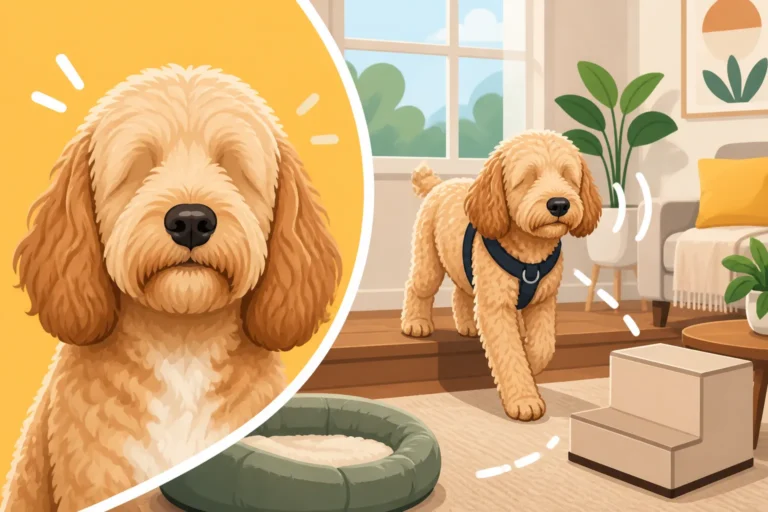
- Hesitating on stairs or jumping: Steps become daunting. They might pause, appear unsure, or refuse to go up or down without assistance.
- Difficulty finding toys or food: What was once an easy task now requires more sniffing and fumbling.
- Startling easily: Without their full sight, sudden movements or noises can catch them off guard, making them jumpy or anxious.
- Changes in play behavior: They might become less enthusiastic about games that require visual tracking, like fetch.
- Increased clinginess or anxiety: Some dogs become more reliant on their owners, shadowing them around the house, as their world feels less secure.
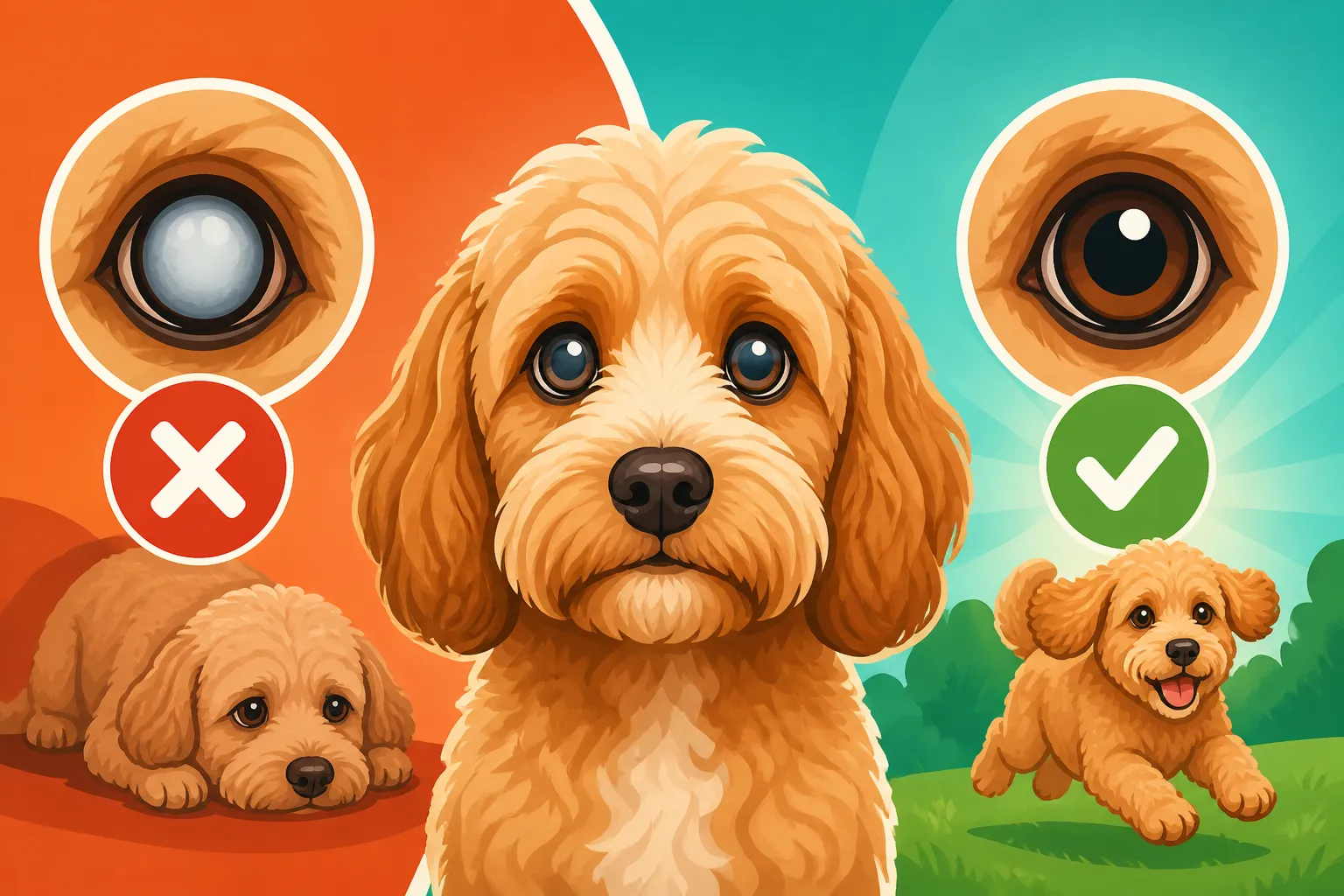
- Changes in eye appearance: Beyond the cloudiness, you might notice dilated pupils as their eyes try to gather more light, or even a visible white or bluish-gray film over the lens.
It's crucial to observe these subtle behavioral shifts. Your Cockapoo relies heavily on their senses, and when one as vital as sight is compromised, it can profoundly affect their confidence, independence, and overall happiness. Imagine suddenly having your world turn foggy – it's disorienting and often frightening for them.
Weighing the Benefits of Cataract Surgery for Your Cockapoo
When your vet first mentions cataract surgery, it's natural to feel overwhelmed. But for many Cockapoos, it can be a truly life-changing procedure, offering a return to a more vibrant existence.
Restoring Sight and Improving Mobility
The primary and most profound benefit of cataract surgery is the potential for your Cockapoo to regain functional vision. We're not talking about perfect 20/20 eyesight, but rather enough clear vision to navigate their surroundings confidently, play, and interact with the world again. For a dog that has been living in a blurry or dark world, this can be revolutionary.
Imagine your Cockapoo, who used to love chasing squirrels in the park, suddenly able to track them again, or confidently trotting down the garden path without hesitation. Owners often report dramatic improvements in their dog's mobility and confidence post-surgery. They might start playing with toys they'd ignored for months, navigate stairs with ease, and explore new environments with renewed curiosity. This isn't just about seeing again; it's about giving them back their independence and the joy of experiencing the world around them. Even older Cockapoos can see significant benefits, enjoying their golden years with better clarity.
Enhancing Overall Well-being and Mental Health
Beyond the physical act of seeing, restoring vision has a huge positive impact on a Cockapoo's mental and emotional well-being. Living with impaired vision can be stressful and anxiety-inducing for dogs. They might become more withdrawn, less playful, and even exhibit increased anxiety or fearfulness because they can't fully perceive threats or their environment.
When sight is restored, many owners witness a remarkable transformation. Their Cockapoo often becomes:
- Less anxious and fearful: The ability to see what's happening around them reduces surprise and fear.
- More confident and outgoing: They're more willing to explore, approach new people or dogs, and engage in activities they once loved.
- More playful and engaged: Renewed vision can spark their inner puppy, leading to more active play and interaction.
- Happier and more 'present': The cloud that had descended over their personality often lifts, revealing the joyful, curious Cockapoo you remember.
The bond between you and your Cockapoo can also deepen as they regain their confidence and engage more fully. It’s a profound experience to witness your dog’s world light up again.
The Realities and Risks of Cockapoo Cataract Surgery
While the benefits of cataract surgery can be immense, it's also important to approach the decision with a clear understanding of the procedure itself, potential complications, and the financial commitment involved. This isn't a simple fix, and it requires dedication from both you and your veterinary team.
Understanding the Surgical Procedure
Cataract surgery for dogs is remarkably similar to the procedure performed on humans. It's typically done by a board-certified veterinary ophthalmologist. The most common technique is called phacoemulsification, which involves using a tiny ultrasonic probe to break up the clouded lens into small fragments, which are then suctioned out. Once the natural lens material is removed, an artificial intraocular lens (IOL) is usually implanted in its place to help focus light. In some cases, if implanting an IOL isn't feasible, your dog will still have significantly improved vision, though they will be far-sighted.
Before surgery, your Cockapoo will undergo a thorough pre-operative evaluation. This typically includes:
- Complete physical exam and blood work: To ensure they are healthy enough for anesthesia.
- Electroretinography (ERG): This test measures the electrical activity of the retina to confirm it's healthy and capable of responding to light once the cataract is removed. Without a functional retina, surgery wouldn't restore sight.
- Ocular ultrasound: To check for any abnormalities behind the lens, such as retinal detachment, which could also affect the surgical outcome.
These evaluations are crucial to determine if your Cockapoo is a good candidate for surgery and to give you the most realistic prognosis.
Potential Complications and Post-Operative Care
No surgery is without risk, and cataract surgery is no exception. While advancements in veterinary ophthalmology have made it quite safe, potential complications can include:
- Glaucoma: An increase in intraocular pressure, which can lead to pain and permanent blindness. This is one of the more serious potential complications. To learn more about this, you can read our guide on What Glaucoma Costs a Cockapoo Owner.
- Retinal detachment: The retina separating from the back of the eye, leading to blindness.
- Uveitis: Inflammation inside the eye, which is expected to some degree but can become excessive.
- Infection: Though rare, any surgery carries a risk of infection.
- Corneal ulcers: Sores on the surface of the eye.
- Lens capsule rupture: Damage to the delicate membrane that held the original lens.
Perhaps the most critical aspect for owners to understand is the intensive post-operative care. This is not a "drop them off and pick them up good as new" situation. For several weeks to months after surgery, your Cockapoo will require:
- Frequent eye drops: Often multiple types, administered several times a day (sometimes hourly in the initial days), which can be a challenge for even the most cooperative dog.
- An Elizabethan collar (cone): To prevent them from rubbing or scratching their eyes, which is absolutely essential. This cone will become their constant companion for weeks.
- Restricted activity: No running, jumping, rough play, or stairs for a significant period to prevent injury and allow healing. This can be tough for an energetic Cockapoo!
- Regular follow-up appointments: With the ophthalmologist to monitor healing and adjust medications.
Failure to adhere strictly to the post-operative care instructions significantly increases the risk of complications and can jeopardize the success of the surgery. It truly is a partnership between you, your dog, and the veterinary team.
The Cost Factor and Financial Considerations
Let's be realistic: cataract surgery is a specialized procedure performed by a specialist, and it comes with a significant price tag. The cost can vary widely depending on your geographic location, the specific veterinary ophthalmologist, the complexity of the case, and whether one or both eyes are operated on. Generally, you can expect costs to range from several thousand dollars per eye. For a more detailed breakdown, our article What Cataract Surgery Costs on a Cockapoo might be helpful.
This cost typically includes:
- Pre-operative examinations and tests: ERG, ultrasound, blood work.
- Anesthesia and surgical fees.
- The intraocular lens (IOL).
- Post-operative medications: A hefty supply of eye drops and oral medications.
- Follow-up visits: Usually several included in the initial package, but ongoing visits for monitoring might incur additional fees.
For many families, this is a substantial financial investment. This is where comprehensive pet insurance can be a lifesaver. Providers like Healthy Paws often offer coverage for specialized surgeries, though it's crucial to check your specific policy for hereditary conditions, waiting periods, and deductibles before your Cockapoo shows signs of cataracts. Understanding What Insuring a Cockapoo Runs Monthly can help you plan for these potential health expenses. Always discuss payment plans or financing options with your veterinary clinic if needed.
When is Surgery the Right Choice? Factors to Consider
Deciding whether to proceed with cataract surgery for your Cockapoo is a deeply personal and complex decision. There's no one-size-fits-all answer, and it requires careful consideration of several factors beyond just the presence of cataracts.
Age, General Health, and Prognosis
Your Cockapoo's overall health and age play a significant role in determining their suitability for surgery. While age isn't necessarily a barrier in itself—healthy senior dogs can recover remarkably well—any underlying health conditions could increase the risks associated with anesthesia and recovery.
For instance:
- Diabetes: If the cataracts are due to diabetes, the dog's diabetes must be well-controlled before surgery. Uncontrolled diabetes can increase the risk of complications and slow healing.
- Heart conditions: A thorough cardiac evaluation is essential for older dogs or those with suspected heart issues (e.g., Heart Murmurs in an Aging Cockapoo) to ensure they can safely undergo anesthesia.
- Other chronic illnesses: Any ongoing health problems need to be stable.
Your veterinary ophthalmologist will perform a comprehensive assessment to determine the best prognosis. They will look at the health of the retina (via ERG), the overall structure of the eye (via ultrasound), and your dog's general physical condition. A healthy, otherwise robust Cockapoo, even an older one, often has a much better chance of a successful outcome than a younger dog with multiple health complications.
The Degree of Vision Loss and Impact on Lifestyle
Not all cataracts require surgical intervention. If your Cockapoo has small, non-progressive cataracts that only minimally affect their vision, surgery might not be immediately necessary. However, if the cataracts are mature (meaning they cause significant or total blindness) and rapidly progressing, then surgery becomes a more urgent consideration if you want to restore their sight.
Think about how much the vision loss truly impacts your Cockapoo's daily life:
- Are they bumping into things constantly?
- Are they afraid to move around?
- Have they stopped playing or interacting as much?
- Are they showing signs of anxiety or depression?
If their quality of life is severely diminished by their inability to see, and they are otherwise a good candidate, surgery becomes a much more compelling option. However, some dogs adapt incredibly well to blindness. Some Cockapoos, particularly those with a strong bond with their owners and a stable home environment, can manage surprisingly well without sight, relying on their other senses. Our article Whether a Blind Cockapoo Manages at Home offers valuable insights into adapting to life with a visually impaired dog.
Your Cockapoo's Temperament and Your Commitment
This is perhaps one of the most overlooked, yet critical, factors. The success of cataract surgery depends heavily on your Cockapoo's temperament and your ability to commit to the demanding post-operative care.
Consider these questions honestly:
- Will your Cockapoo tolerate multiple eye drops every day for weeks or months? Some dogs are incredibly sensitive about their eyes, making medication application a battle.
- Can your dog comfortably wear an Elizabethan collar for an extended period? While most dogs eventually adapt, some find it extremely distressing.
- Are you able to strictly limit their activity for weeks? For a naturally energetic breed like a Cockapoo, keeping them calm and preventing jumping can be a full-time job. You might need to gate off stairs, prevent access to furniture, and keep them on a leash even in the yard.
- Do you have the time and resources for frequent follow-up visits to the ophthalmologist? These appointments are vital for monitoring healing and catching potential complications early.
If your Cockapoo is overly anxious, prone to aggression when handled, or if your lifestyle simply doesn't allow for the intense care requirements, the stress and potential for a poor outcome might outweigh the benefits. Be honest with yourself and your veterinary ophthalmologist about your capabilities and your dog's personality.
Living with Cataracts Without Surgery: Alternative Management
For some Cockapoos, surgery might not be an option due to health reasons, advanced age, or simply because the owner decides against it. But a diagnosis of cataracts doesn't mean a diminished life; it simply means adjusting to a "new normal" for your furry friend. Many dogs adapt remarkably well to living with reduced or no vision, especially with a supportive and understanding owner.
Adapting Your Home Environment
The key to helping a visually impaired Cockapoo thrive is to create a safe, consistent, and predictable environment. Their world shrinks, and consistency becomes their guide.
Here are some actionable steps:
- Maintain furniture placement: Once your dog has memorized the layout of your home, avoid moving furniture. Even small changes can cause confusion and collisions.
- Block off hazards: Use baby gates to prevent access to stairs (if they can't navigate them), swimming pools, or areas with sharp objects.
- Create clear pathways: Keep floors clear of clutter. Shoes, toys, or bags left in unexpected places can become tripping hazards for your dog.
- Use different textures: Place rugs or mats with distinct textures (e.g., a sisal rug near the food bowl, a fluffy mat near their bed) to act as tactile landmarks.
- Scent markers: You can strategically place a few drops of a unique, dog-safe essential oil (like lavender or vanilla) on furniture legs or doorframes to help them orient themselves. Refresh these scents periodically.
- Consider nightlights: If they have some residual vision, soft nightlights can help them navigate in dim conditions.
A safe home environment reduces stress and allows your Cockapoo to move with greater confidence.
Enriching Life for a Visually Impaired Cockapoo
Even without their sight, your Cockapoo can still lead a fulfilling and joyful life. You'll need to shift your focus to engaging their other heightened senses.
- Embrace scent work: Dogs rely heavily on their sense of smell. Scent games are fantastic for mental enrichment. Hide treats around the house and encourage them to "find it!" You can also explore specialized scent work training, which is incredibly rewarding for dogs. Our guide Scent Games a Cockapoo Never Tires Of has some excellent ideas to get you started.
- Auditory toys and cues: Invest in toys that squeak, rattle, or crinkle. Verbal cues become even more important; use clear, consistent commands for "step up," "watch out," "stop," or "come."
- Consistent routines: Dogs thrive on routine, but it's even more crucial for a visually impaired dog. Consistent feeding times, potty breaks, and walk schedules help them predict what's happening next and reduce anxiety.
- Leash walks in familiar areas: Continue to take them on walks, but stick to routes you both know well. A long leash can give them a sense of freedom while keeping them safe. Allow them to sniff and explore with their nose.
- Safety harnesses: A well-fitting harness can provide better control than a collar and make walks more comfortable for them.
- Socialization: Don't let blindness isolate your dog. Supervised playdates with calm, understanding dogs can still provide valuable social interaction.
- Plenty of cuddles and verbal reassurance: Your voice and touch become their anchors in the world. Talk to them often, praising them and letting them know you're there.
Adapting to life with a visually impaired Cockapoo takes patience, creativity, and a whole lot of love. But seeing them thrive and continue to enjoy life's simple pleasures is incredibly rewarding.
Cataract Surgery for Your Cockapoo: Weighing the Options
| Feature | Cataract Surgery (Pros) | Cataract Surgery (Cons) | Living with Cataracts (Pros) | Living with Cataracts (Cons) |
|---|---|---|---|---|
| Vision | Potential for significant restoration of functional sight | Not guaranteed 20/20 vision; some risks of no improvement | No invasive procedure or recovery | Progressive vision loss, potentially leading to total blindness |
| Quality of Life | Improved confidence, mobility, engagement, and reduced anxiety | Intensive post-op care can be stressful for dog and owner | Dog may adapt well, especially if vision loss is gradual | Can lead to decreased confidence, mobility, play, and increased anxiety |
| Health Risks | Risks of anesthesia, glaucoma, retinal detachment, infection | Demanding post-operative medication and activity restrictions | No surgical risks or complications | Potential for underlying causes (e.g., diabetes) to worsen |
| Cost | Significant financial investment (several thousands per eye) | Pet insurance may not cover if pre-existing; ongoing medication costs | Minimal direct medical costs for cataracts themselves | Potential for higher costs if adaptation fails or anxiety escalates |
| Commitment | High commitment required for post-operative care and follow-ups | Commitment to environmental modifications and alternative enrichment | Requires vigilance to ensure safety and well-being | |
| Suitability | Best for otherwise healthy dogs with good temperament | Not suitable for all dogs (e.g., poor health, difficult temperament) | Suitable for dogs who adapt well or when surgery isn't an option | May not be suitable for dogs who struggle greatly with vision loss |
Ultimately, the decision of whether a Cockapoo's cataracts are worth operating on rests entirely with you, in consultation with your trusted veterinary ophthalmologist. It's a journey that requires careful thought, honest assessment, and a deep understanding of what's involved, both for your Cockapoo and for your family.
Disclaimer
This article is for general informational purposes only and does not constitute professional advice. Laws, prices and regulations vary by location and change over time. Consult a qualified professional for guidance on your specific situation.