Whether Night Blindness Comes First in a Cockapoo
It's incredibly heartbreaking to imagine our beloved Cockapoos struggling with something as fundamental as their eyesight, especially when the world darkens around them. Many of us worry about those moments when our playful, confident pups suddenly seem hesitant, bumping into furniture in dim light or showing reluctance to venture out after sunset. This guide is here to shed light on whether night blindness is indeed the first sign of vision loss in Cockapoos, particularly concerning conditions like Progressive Retinal Atrophy, and what you, as a loving owner, need to know and do.
Understanding Progressive Retinal Atrophy in Cockapoos
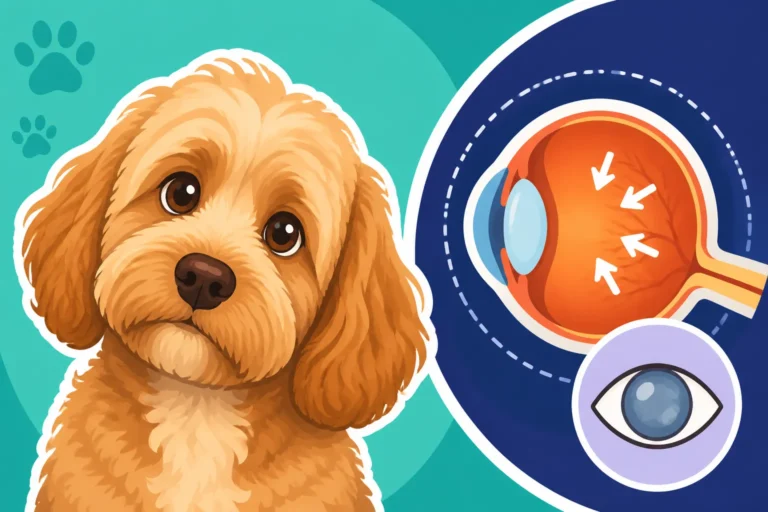
When we talk about vision loss in Cockapoos, one of the most significant inherited conditions that comes to mind is Progressive Retinal Atrophy, often abbreviated as PRA. It's a group of genetic diseases that cause the degeneration of the retina, the light-sensitive tissue at the back of the eye. For Cockapoo owners, understanding this condition is crucial because it can dramatically impact your dog's quality of life.
What is prcd-PRA?
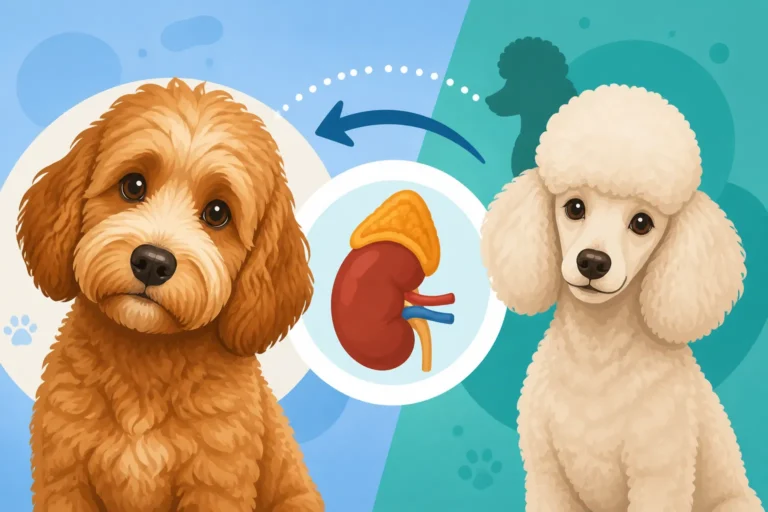
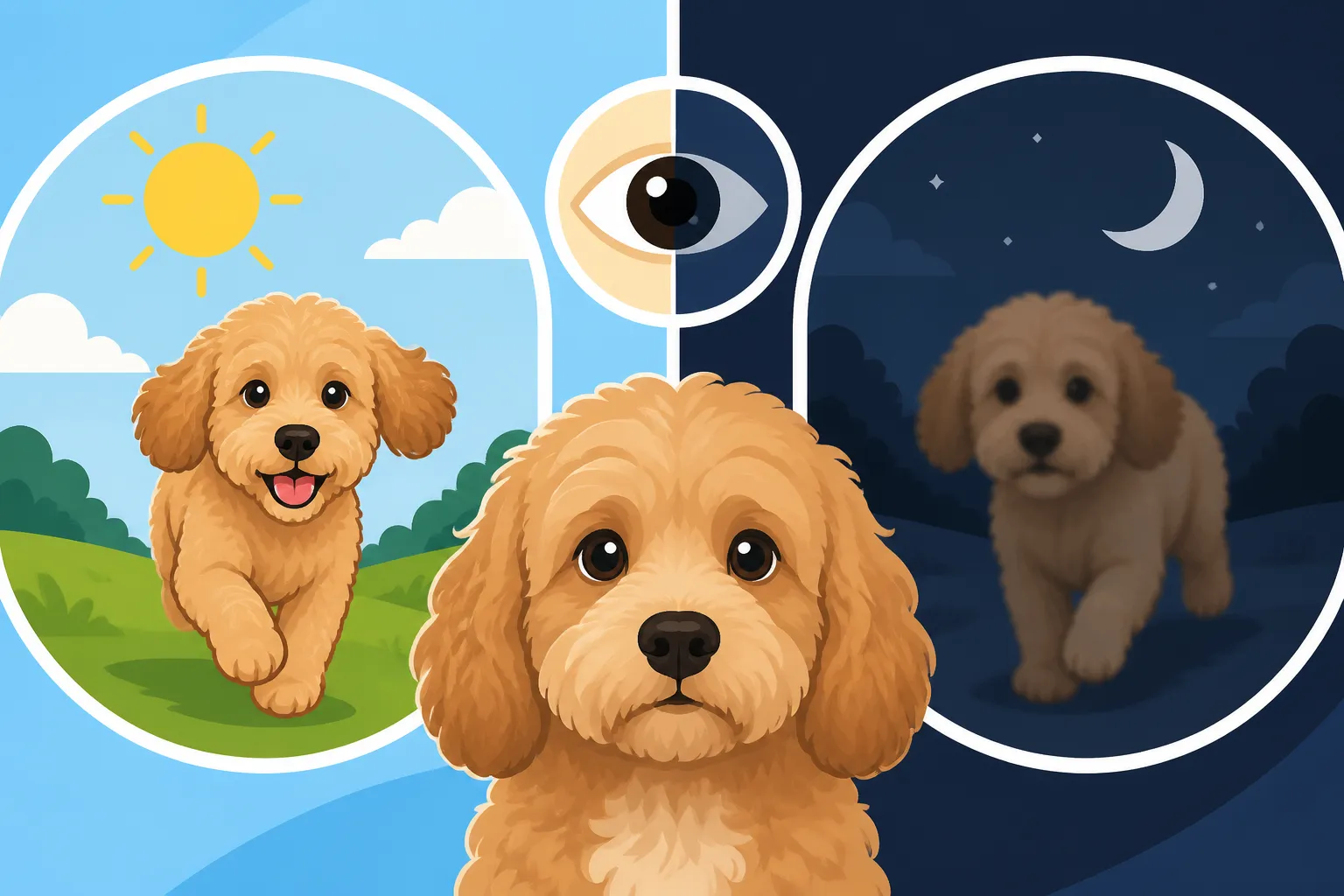
Specifically, the type of PRA most commonly found in Poodles and Cocker Spaniels (the parent breeds of our Cockapoos) is called progressive rod-cone degeneration (prcd-PRA). This isn't just a generic "bad eyesight" problem; it's a specific, inherited disorder where the photoreceptor cells in the retina – the rods and cones – gradually deteriorate. Rods are responsible for vision in low light (think night vision), while cones handle bright light and color perception. In prcd-PRA, the rod cells are usually affected first, leading to the early signs we often associate with "night blindness." This is a genetic condition, meaning a Cockapoo must inherit the affected gene from both parents to develop the disease, which highlights why genetic testing of breeding dogs is so vital. You might be interested in reading about Whether prcd-PRA Comes From Both Cockapoo Parents to understand the inheritance pattern.
The Initial Onset: Night Blindness
For most Cockapoos affected by prcd-PRA, the very first symptom you'll likely notice is a subtle, then increasingly pronounced, difficulty seeing in dim light or at night. This isn't just them being a bit cautious; it's a genuine struggle. Imagine walking into a dimly lit room and feeling your eyes strain to adjust – now imagine that feeling, but worse, and permanent. Your Cockapoo might start to:
- Hesitate before going down stairs or through doorways in the evening.
- Bump into familiar objects when the lights are low.
- Become more clingy or anxious after dark.
- Be reluctant to go outside for their last potty break once the sun has set.
- Be startled more easily by sudden movements or noises in low light because they can't see them coming.
These behaviors signal that their rod cells are losing their function. It’s usually a gradual process, often starting between the ages of 3 and 5 years, though it can vary. While it might seem like a minor inconvenience at first, this "night blindness" is typically the inaugural stage of a progressive condition. If you ever find yourself asking The Age prcd-PRA Takes a Cockapoo's Sight, remember that this initial stage can begin relatively early in their adult lives.
How Vision Degrades Over Time
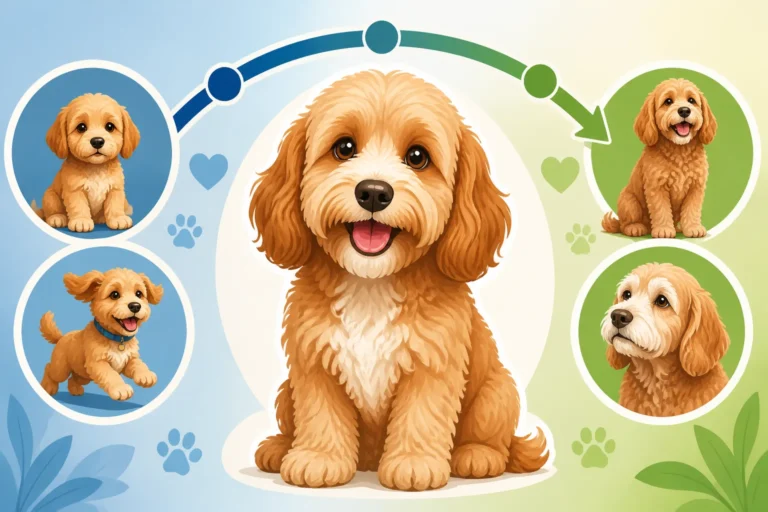
Unfortunately, prcd-PRA doesn't stop at night blindness. As the disease progresses, the cone cells also begin to degenerate, eventually leading to complete blindness, even in bright light. This transition from night blindness to total blindness can take months to several years, giving both you and your Cockapoo time to adapt. While it's devastating to witness, most dogs are incredibly resilient. They start relying more heavily on their other senses – their incredible sense of smell and hearing – to navigate their world.
During this period, you might notice your Cockapoo's eyes taking on a reflective or "glowy" appearance, especially in photos, due to the tapetum lucidum (a reflective layer behind the retina) becoming more visible as the retina thins. Their pupils might also appear dilated more often, as their eyes try to gather as much light as possible. This is a clear indicator of Progressive Retinal Atrophy in a Cockapoo advancing. Even though it's a progressive disease, it's worth noting that a carrier Cockapoo, one with only one copy of the gene, will not develop the condition. You can learn more about Whether a prcd Carrier Cockapoo Ever Goes Blind. The key takeaway here is that while the journey to complete blindness is gradual, starting with night vision, it is generally an inevitable progression once the disease manifests.
Recognizing the Early Signs of Vision Loss
Catching vision problems early can make a huge difference in how you support your Cockapoo through the changes. It allows you to implement strategies and adjust your home environment before they become overly stressed or injure themselves.
Behavioral Changes to Watch For
Our Cockapoos are masters of adaptation, and they can be incredibly good at hiding their struggles, especially in familiar environments. This means we, as their keen observers, need to be extra vigilant. Beyond the obvious bumping into things in the dark, look for these more subtle cues:
- Increased Clinginess or Anxiety: If your usually independent Cockapoo suddenly sticks to your heels in the evening, or shows signs of anxiety (like panting, pacing, or trembling) in dimly lit areas where they were once comfortable, it could be a sign they're feeling insecure due to poor vision.
- Hesitation on Walks: Are they less eager to explore new paths in the evening? Do they stumble on uneven terrain they used to handle with ease? This often points to them struggling to process the visual information needed for confident movement.
- Changes in Play: They might have difficulty locating toys that have rolled under furniture or seem less interested in fetch when the light fades. Their once precise leaps to catch a treat might become less accurate.
- Dilated Pupils: As mentioned before, their pupils might stay wider than normal, even in moderate light, as their eyes try to absorb as much light as possible to compensate.
- Changes in Eye Appearance: Beyond dilation, a subtle change in the reflectivity of their eyes (making them seem to "shine" more) can be a visual clue, particularly if noticed in photographs taken with a flash.
These changes, even if slight, are your cue to consult your veterinarian. Remember, the progression can be slow, so recognizing these early indicators is crucial for proactive care. You might also want to understand if Whether a Cockapoo Goes Blind Slowly, which is typical for PRA, or if other conditions could cause a more rapid decline.
Navigating the World with Diminished Sight
Once you suspect or confirm vision loss, your role shifts to becoming your Cockapoo's eyes and guide. This can be challenging and requires patience, but your dog will thank you for it.
- Maintain Routine: Dogs thrive on routine, and this becomes even more critical for a vision-impaired dog. Consistent feeding times, potty breaks, and walk schedules provide a sense of predictability and security.
- Verbal Cues: Start using more verbal cues for directions – "step up," "watch out," "left," "right." This helps them anticipate obstacles or changes in their environment. Many owners find incorporating a whistle recall extremely beneficial, as it cuts through environmental noise and provides a clear auditory signal. This can be particularly helpful when they're still learning to adapt.
- Scent Marking: You can use subtle scent markers (like a drop of essential oil – ensure it's dog-safe and diluted, like lavender or cedarwood – on a piece of fabric) near important areas like their water bowl, bed, or the back door. This helps them navigate by smell, a sense that remains incredibly strong.
- Don't Rearrange Furniture: Once your Cockapoo has mapped out their home in their mind, avoid moving furniture. This creates a stable, predictable environment that reduces anxiety and the risk of bumps and falls.
- Clear Pathways: Keep floors clear of clutter, especially toys or shoes, which can become trip hazards in their invisible path.
These adjustments help your Cockapoo retain their independence and confidence, even as their world becomes less visual.
Differentiating from Other Eye Conditions
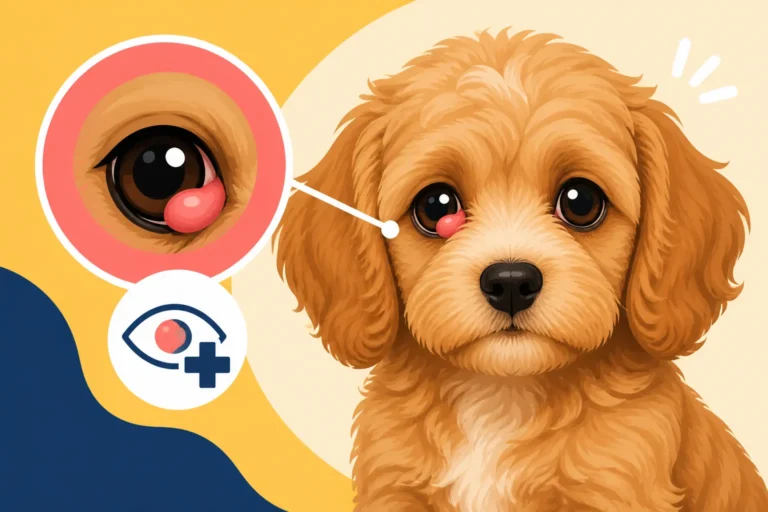
While night blindness is a hallmark of prcd-PRA, it's important to remember that other eye conditions can affect Cockapoos and present with different symptoms. It's easy to jump to conclusions, but a proper veterinary diagnosis is key. For example, cataracts, which cause clouding of the eye's lens, typically lead to general blurriness and difficulty seeing in bright light or glare first, and they often become visible to the naked eye. Glaucoma, on the other hand, is usually characterized by redness, pain, and a sudden increase in eye pressure, which can lead to rapid vision loss. These are distinct from the gradual onset of night blindness seen in PRA.
It's crucial to distinguish between these conditions because the treatments and prognoses are vastly different. If you observe any changes in your Cockapoo's eyes or behavior, an immediate vet visit is always the best course of action. This is why The Kidney and Eye Checks a Cockapoo Needs Yearly are so important, as routine examinations can catch issues early.
Diagnostic and Management Approaches
When you suspect your Cockapoo is experiencing vision loss, the next step is a trip to your veterinarian. They can conduct initial checks and, if necessary, refer you to a veterinary ophthalmologist for specialized testing.
Veterinary Eye Examinations
A thorough eye exam by a veterinary ophthalmologist is the definitive way to diagnose PRA. They will perform a series of tests to assess your Cockapoo's vision and the health of their eyes. These might include:
- Ophthalmoscopy: Using a special instrument to look at the structures inside the eye, especially the retina, to detect characteristic changes of PRA.
- Electroretinography (ERG): This is a specialized test that measures the electrical responses of the retina's photoreceptor cells to light. It can detect retinal degeneration even before clinical signs are obvious and is considered the gold standard for diagnosing PRA. It helps determine the extent of rod and cone function.
- Genetic Testing: While not a visual exam, genetic testing is critical for diagnosis and breeding decisions.
If your vet recommends advanced diagnostics, don't hesitate. Early diagnosis, even without a cure, allows you to prepare and adapt your home for your Cockapoo's changing needs, ensuring their safety and comfort. This is also why requesting Asking for a Cockapoo's Eye Certificates from a breeder is so important.
The Importance of Genetic Testing
For Cockapoos, genetic testing is absolutely paramount, not just for diagnosis but for prevention. Since prcd-PRA is an inherited condition, breeders have a responsibility to test their breeding dogs to ensure they are not carriers or affected. A simple DNA test can determine if a dog is "clear" (no copies of the gene), a "carrier" (one copy of the gene), or "affected" (two copies of the gene).
- Clear x Clear: All puppies will be clear.
- Clear x Carrier: About half the puppies will be clear, half will be carriers. No puppies will be affected.
- Carrier x Carrier: This pairing is risky. On average, 25% of puppies will be clear, 50% will be carriers, and 25% will be affected by prcd-PRA.
- Affected x Any: This is highly irresponsible and should be avoided.
Responsible breeders will readily provide documentation of their breeding dogs' prcd-PRA status. If you're looking for a puppy, always ask for these certificates. This ensures you're not unknowingly bringing home a puppy predisposed to this heartbreaking condition. This directly ties into the recommendation for Whether Both Cockapoo Parents Must Be prcd-PRA Clear to prevent affected offspring.
Supporting Your Vision-Impaired Cockapoo
While there's no cure for PRA, managing the condition is all about maximizing your Cockapoo's quality of life. This means focusing on their comfort, safety, and continued mental and physical stimulation.
- Safety First: As their vision declines, safety becomes paramount. Install baby gates at the top and bottom of stairs, pad sharp furniture corners, and keep hazardous items out of reach. A securely fenced yard is essential, and always use a leash when walking outside the fence line.
- Enrichment: Don't let vision loss lead to boredom! Engage their other senses. Scent games (hide-and-seek with treats), puzzle toys, and sound-making toys are excellent. Continue with regular walks, allowing them to sniff and explore the world through their nose.
- Nutrition: A balanced, high-quality diet is always important. While diet won't cure PRA, good nutrition supports overall health, including eye health as much as possible. Discuss any specific dietary needs or supplements with your vet.
- Regular Vet Check-ups: Continue with routine veterinary check-ups to monitor their overall health and address any secondary issues that might arise. These can include infections, dental issues, or other age-related conditions. Pet insurance, such as through providers like Healthy Paws, can be an absolute lifesaver when dealing with ongoing diagnostic costs, specialist visits, or even potential emergency care related to their vision or other health concerns. Knowing you have that financial buffer can ease some of the stress of managing a chronic condition. Healthy Paws offers comprehensive plans that can cover accidents, illnesses, and even genetic conditions, which can be invaluable for a breed like the Cockapoo, known for certain predispositions.
- Communication: Maintain open and clear communication with your Cockapoo using verbal cues and consistent touch. They rely on your voice and reassuring presence more than ever.
Living with a Blind Cockapoo
Embracing life with a blind Cockapoo means adapting, learning, and strengthening your bond in new and profound ways. It's a journey, but a rewarding one.
Adapting Your Home Environment
Making your home a safe and navigable haven is the first and most crucial step for a blind Cockapoo.
- Consistent Layout: The golden rule is: once it's set, don't move it. Your dog will create a mental map of your home, and moving furniture disrupts this map, causing confusion and potential injury.
- Safety Gates: Block off stairs, dangerous rooms, or areas that could pose a fall risk.
- Texture and Scent Markers: Consider using different textured rugs or doormats at entryways, near food bowls, or leading to their bed. These tactile cues help them understand where they are. As mentioned earlier, dog-safe scent markers can also be incredibly helpful at key navigation points.
- Corner Protectors: Cover sharp edges of furniture with child-proof corner protectors to prevent bumps and scrapes.
- Water Bowls: Have multiple water bowls in consistent, easy-to-find locations. Some owners use audible water fountains.
These modifications allow your Cockapoo to move around their familiar territory with confidence and less anxiety. For more in-depth advice, you might find guidance in articles like Whether a Blind Cockapoo Manages at Home.
Maintaining Quality of Life
Vision loss doesn't mean the end of a joyful life for your Cockapoo. It just means finding new ways to experience it.
- Enrichment is Key: Their noses are incredible tools! Engage them with scent work games. Hide treats around the house and encourage them to sniff them out. Many communities offer "nose work" classes designed to harness a dog's natural scenting abilities, which can be fantastic mental stimulation for a blind dog.
- Auditory Cues: Use verbal commands and consistent sound signals. A jingling bell on your shoe can help them follow you, or a specific tone can indicate mealtime.
- Tactile Play: Choose toys with different textures, or those that make noise when played with. Soft, squeaky toys or those that crinkle are great for engaging them.
- Routine and Predictability: Maintain consistent schedules for feeding, walks, and playtime. This consistency builds confidence and reduces stress.
- Social Interaction: Continue to involve them in family activities. Petting, cuddling, and gentle play are more important than ever. Speak to them often so they know you're nearby.
- Leashed Walks: While they may no longer be able to safely enjoy off-leash adventures in open spaces, leashed walks in familiar, safe areas (like your yard or a quiet neighborhood path) are still important for exercise and mental stimulation. Your voice and the leash become their guide.
Remember, a Cockapoo's lifespan can be quite long, with many living The Fourteen to Eighteen Years a Cockapoo Lives. Even if they face vision loss, there's a lot of life to live and enjoy.
The Emotional Journey for Owners
Let's be real: watching your dog lose their sight is incredibly tough. It's normal to feel a mix of sadness, frustration, and worry. You might grieve the loss of the way things used to be, and that's perfectly okay. It's important to allow yourself to feel these emotions.
However, try not to let your sadness project onto your Cockapoo. They pick up on our emotions. Your calm, confident, and loving demeanor will be their anchor. Seek support from other pet owners who have managed similar situations. Online forums, local pet groups, or even your vet clinic might be able to connect you with resources or other owners who understand. Remember that your Cockapoo still feels your love, enjoys your company, and needs you more than ever. They adapt remarkably well, often surprising us with their resilience and joy for life. While it's a significant change, it's also an opportunity to deepen your bond and appreciate their incredible spirit.
Navigating the Costs of Eye Care
Dealing with inherited eye conditions like PRA can come with significant veterinary expenses, from initial diagnostic tests to ongoing management. Understanding these costs and how to plan for them is a critical part of responsible pet ownership.
Understanding the Financial Impact
Veterinary ophthalmologist consultations, specialized tests like ERG, and follow-up visits can add up. While there's no cure for PRA, there are often costs associated with managing secondary conditions, ensuring comfort, and sometimes even for behavioral therapy if anxiety becomes an issue.
For instance, an initial comprehensive eye exam by a specialist can range from $150 to $300. An ERG test, which is crucial for definitive diagnosis of PRA, can cost anywhere from $500 to $1,000, as it often requires sedation. Then, if your Cockapoo develops other age-related eye issues later in life, such as cataracts (which can sometimes coexist, though distinct from PRA), or if they require treatment for glaucoma (a separate, acute condition that requires immediate attention), those costs will be additional.
How Pet Insurance Can Help
This is where pet insurance, like a comprehensive plan from Healthy Paws, can really make a difference. Many pet insurance policies are designed to cover a percentage of eligible veterinary expenses, including those for specialists, diagnostics, treatments, and even prescription medications.
For a condition like PRA, which is typically diagnosed in adulthood and doesn't usually have an immediate "cure," having insurance coverage can help with:
- Diagnostic Testing: The cost of ERG and other specialized tests.
- Specialist Visits: The fees for consultations with veterinary ophthalmologists.
- Associated Care: Coverage for any medications or therapies prescribed to manage symptoms or secondary issues.
When considering pet insurance, it's vital to research what inherited conditions are covered and what the waiting periods are. For example, if your Cockapoo is already showing signs of PRA before you get insurance, it might be considered a pre-existing condition and therefore not covered. However, if you enroll them when they are young and healthy, a quality plan can provide peace of mind for future unexpected health challenges. Healthy Paws is known for its comprehensive coverage for accidents and illnesses, and many owners find their plans to be a solid choice for managing chronic conditions that may arise, allowing them to focus on their pet's care rather than the bill.
The cost of owning a Cockapoo, especially as they get older, can be significant. Thinking ahead about pet insurance can prevent tough financial decisions down the line and ensure your furry family member receives the best possible care throughout their life.
| Symptom Category | Early Stage (Night Blindness) | Mid-Stage (Partial Day Blindness) | Late Stage (Total Blindness) |
|---|---|---|---|
| Environmental | Hesitation in low light, bumping into objects at dusk | Increased caution in all lighting, bumping more frequently | Complete reliance on non-visual cues, no spatial awareness |
| Behavioral | Increased anxiety after dark, reluctant to go out at night | More clingy, easily startled, reduced play interest | disorientation in new environments, heightened auditory response |
| Physical (Eyes) | Subtle pupil dilation in dim light, slight eye shine | More pronounced pupil dilation, increased eye shine | Large, fixed pupils, significant eye shine, possible cataracts |
| Navigation | Stumbles on uneven surfaces in low light | Difficulty navigating familiar areas, hesitant movement | Bumps into objects even in clear paths, requires constant guidance |
| Social Interaction | May be less engaged in evening play | Might miss visual cues from people/other dogs | Relies on voice and touch for interaction |
Disclaimer
This article is intended for informational purposes only and does not constitute veterinary advice. Always consult with a qualified veterinarian or veterinary ophthalmologist for any health concerns or before making any decisions about your Cockapoo's care. Genetic testing and regular veterinary check-ups are crucial for maintaining your pet's health.