Whether a Cockapoo’s Ear Feathering Traps Damp
Oh, the Cockapoo ears! They are just one of the many delightful features of this beloved breed, aren't they? Those soft, floppy, often feathery ears frame their sweet faces so perfectly. But, as any Cockapoo parent quickly learns, those beautiful ears come with their own set of unique challenges, and one of the biggest worries is how easily they can trap dampness, leading to all sorts of discomfort and potential health issues for our furry friends. This guide is here to walk you through exactly why those lovely ears can become a dampness trap and, more importantly, what you can do about it to keep your Cockapoo's ears healthy and happy.
Understanding the Cockapoo's Unique Ear Anatomy and Coat
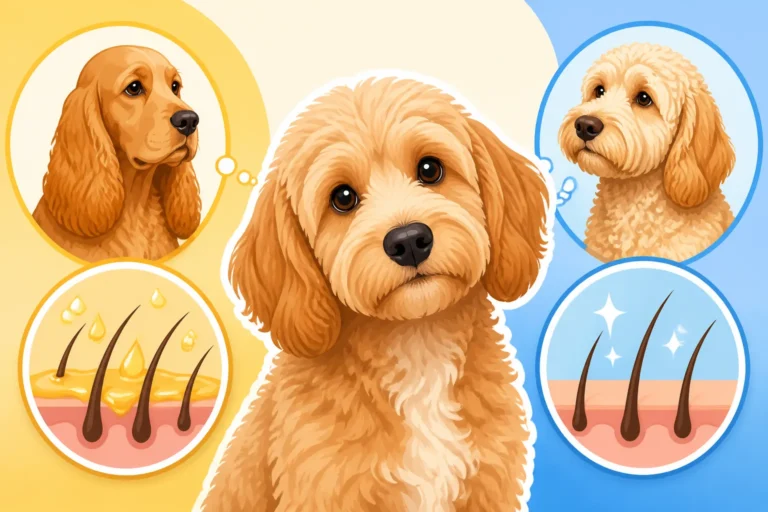
Let's start by appreciating what makes a Cockapoo's ears so special, and sometimes, a bit problematic. Your Cockapoo is a wonderful mix of Cocker Spaniel and Poodle, and their ears often inherit traits from both sides, creating a perfect storm for potential moisture woes.
The Influence of the Cocker Spaniel's Drop Ears
From their Cocker Spaniel heritage, Cockapoos get those adorable, long, pendulous (or "drop") ears. Unlike dogs with upright ears, these ears hang down, covering the ear canal. While this can look incredibly charming, it also means there's less airflow getting into the ear canal itself. It's like having a little curtain over the entrance, which is great for keeping out some debris, but not so great for ventilation. When airflow is limited, any moisture that gets trapped inside has a harder time evaporating, creating a warm, damp, and dark environment that is simply ideal for opportunistic bacteria and yeast to thrive. It’s a classic case of what makes them cute also making them susceptible.
The Poodle's Contribution: Hair in the Ear Canal
Now, let's look at the Poodle side. Poodles are known for their dense, often curly coats, and this includes hair growing inside their ear canals. Many Cockapoos inherit this trait, meaning their ear canals aren't just covered by a floppy ear flap; they also have hair growing down into the canal itself. This internal hair acts like tiny sponges, soaking up any moisture, earwax, or debris that finds its way in. This combination of a floppy ear flap and internal ear hair drastically reduces airflow and increases the chances of moisture getting trapped and staying trapped. It's a double whammy for keeping things dry and airy down there. This is a big reason why Whether Ear Hair Should Come Out of a Cockapoo is such a common and important question for owners.
How Coat Type Affects Ear Health
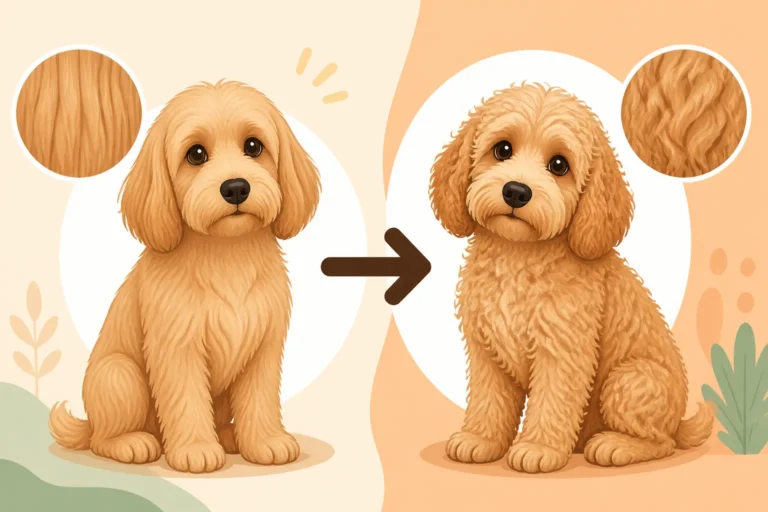
Beyond just the ear structure, the type of coat your individual Cockapoo has will play a significant role in how prone they are to dampness issues. As we know, Cockapoos can have a range of coat types, from more wavy to tightly curled, depending on their genetic makeup, which is often influenced by factors like The Curl Gene and Where a Cockapoo's Coat Lands and The Furnishings Gene That Decides a Cockapoo's Face.
- Wavy Coats: A Cockapoo with a wavier coat might have slightly less dense feathering around the ears, which could allow for a little more air circulation compared to a very curly coat. However, the basic structure of the drop ear still limits airflow.
- Curly Coats: A tightly curled Cockapoo is often considered "hypoallergenic" due to less shedding, but this dense, curly hair can also be more prone to matting. Around the ears, this means the feathering can become a thick, insulated barrier, holding moisture even more effectively and preventing air from reaching the skin. If your Cockapoo has a really dense, curly coat, you know How Many Minutes a Curly Cockapoo Takes for grooming, and ear care adds to that.
- "Improper" or Flat Coats: Some Cockapoos might inherit a flatter, more Spaniel-like coat that sheds more. While the feathering might not be as dense, these ears are still floppy and can trap dampness, though perhaps with less internal hair than their curlier counterparts.
Regardless of the exact coat type, the general rule is: the denser the hair around and inside the ear, and the floppier the ear itself, the greater the challenge of keeping it dry.
The Problem with Trapped Dampness in Cockapoo Ears
Now that we understand why moisture gets trapped, let's explore what that trapped dampness actually leads to. It's not just a minor inconvenience; it can quickly escalate into painful and recurring ear infections, making your sweet Cockapoo miserable.
A Breeding Ground for Trouble: Yeast and Bacteria
Think of the inside of a Cockapoo's ear when it's damp, warm, and dark. It's essentially a mini-greenhouse, an ideal environment for microorganisms to flourish. The two main culprits are yeast (specifically Malassezia pachydermatis) and bacteria (often Staphylococcus or Pseudomonas species).
Normally, these microorganisms are present in small numbers on a dog's skin and in their ears without causing any issues. But when conditions become favorable—like when moisture is consistently present—they can multiply rapidly, leading to an overgrowth. This overgrowth is what triggers inflammation and infection. It's a common frustration for Cockapoo owners, and can feel like a never-ending battle. Many owners worry about things like Whether a Cockapoo Smells Between Baths, and often, a persistent ear issue can be the underlying cause.
The Cycle of Irritation and Infection
When yeast and bacteria start to multiply, they cause a cascade of problems:
- Irritation: The first sign is often irritation. The skin lining the ear canal becomes itchy and red. Your Cockapoo might start scratching at their ears more frequently, rubbing their head against furniture, or shaking their head vigorously. It's hard to watch them be so uncomfortable.
- Inflammation: As the irritation progresses, the ear canal becomes inflamed and swollen. This swelling further narrows the ear canal, trapping even more moisture and making it even harder for air to circulate. This exacerbates the problem, creating a vicious cycle.
- Infection: Without intervention, the inflammation and microbial overgrowth turn into a full-blown ear infection (otitis externa). The ear will become painful, produce excessive discharge (which can be waxy, dark brown, yellow, or even bloody), and develop a distinct, often yeasty or pungent odor. You might notice your dog tilting their head or showing pain when you touch their ears. This can feel like such a setback, especially if you've been diligently trying to keep their ears clean. These signs are often the first alert that Whether Ear Infections Mean a Cockapoo Has Allergies might also be a question to explore.
Beyond the Ear Canal: Skin Issues
The dampness isn't just a problem for the inside of the ear. The skin under those floppy ear flaps, where the feathering is thickest, can also suffer. Prolonged dampness can lead to skin irritation, hot spots, or even secondary bacterial infections on the outer ear flap itself. This is particularly true if your Cockapoo enjoys swimming or playing in wet environments. The dense feathering, while beautiful, holds onto water, creating a warm, moist poultice against the skin, making conditions ripe for surface skin issues. What a Cockapoo's Skin Smell Means can sometimes point to issues not just within the canal, but also on the skin of the ear flap.
Preventative Measures and Routine Care for Cockapoo Ears
Okay, so we know the challenges. The good news is that with consistent, proactive care, you can significantly reduce the risk of your Cockapoo developing ear problems. It takes a bit of dedication, but it’s absolutely worth it for their comfort and health.
The Importance of Regular Grooming and Trimming
Grooming isn't just about keeping your Cockapoo looking fabulous; it's a vital part of their ear health.
- Trimming Ear Feathering: While you don't want to completely strip your Cockapoo's lovely ear feathering, strategically trimming the hair around the opening of the ear canal can make a world of difference. Your groomer can gently trim the hair inside the ear canal with blunt-nosed scissors or thin out the feathering underneath the ear flap to increase airflow. Discuss this with your professional groomer, who understands how to balance aesthetics with health.
- Plucking or Not Plucking: The debate around plucking hair from the ear canal is ongoing. Some vets and groomers recommend it to further improve airflow, while others caution that it can irritate the sensitive skin, potentially leading to inflammation and infection. It truly depends on your individual dog, their coat, and their propensity for ear issues. This is definitely a conversation to have with your veterinarian. They can assess your dog's ears and advise on the best course of action. This ties directly into Whether Ear Hair Should Come Out of a Cockapoo.
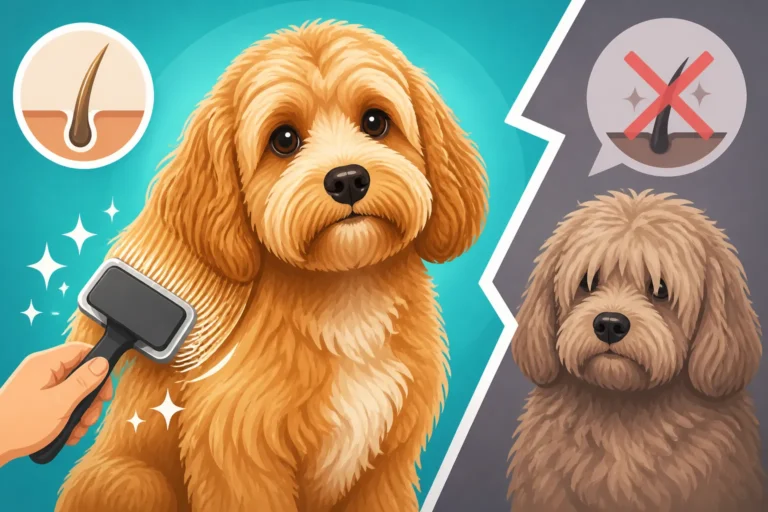
- Regular Brushing: Don't forget to brush the external ear feathering regularly to prevent mats. Mats trap even more moisture and create pressure points that can irritate the skin. A good slicker brush and a metal comb (like those readily found on Amazon) are your best friends here. The Comb That Finds Mats a Slicker Misses is essential for finding hidden mats behind the ears.
Drying Ears Thoroughly After Baths or Swimming
This might seem obvious, but it's often where problems begin. After any exposure to water – be it a bath, a swim in the lake, or even just a rainy walk – your Cockapoo's ears need thorough drying.
- Gentle Towel Drying: Use a soft, absorbent towel to gently blot and wipe the visible parts of the ear flap and the outer opening of the ear canal. Don't rub vigorously, as this can cause irritation.
- Cotton Balls/Pads: For the inner part of the ear flap and just inside the canal opening, a dry cotton ball or pad can be very effective at absorbing residual moisture. Never insert anything deep into the ear canal, as you could cause damage or push debris further in.
- Low-Heat Dryer (Optional): If your dog tolerates it, a hairdryer set on a cool or very low-heat setting, held at a safe distance, can help dry the ear feathering and the outer ear flap. Make sure the air isn't too hot and move the dryer constantly to avoid burning the skin.
- Ear Drying Solutions: Many owners find a vet-approved ear drying solution helpful, especially for dogs who love to swim. These solutions often contain alcohol or witch hazel to help evaporate moisture and slightly acidify the ear canal, making it less hospitable for yeast and bacteria. You can often find these on sites like Chewy.
Routine Ear Cleaning
Beyond drying, regular cleaning is essential. How often depends on your individual Cockapoo – some need it weekly, others every few weeks.
- Ask Your Vet for Recommendations: Always consult your vet for advice on the best ear cleaning solution for your dog and how frequently to clean. They can also show you the correct technique.
- Application: Apply the cleaning solution liberally to the ear canal, according to product instructions. Gently massage the base of the ear for 20-30 seconds. You'll hear a squishing sound, which means the cleaner is working.
- Let Them Shake: Stand back! Your Cockapoo will likely shake their head, dislodging debris and excess solution.
- Wipe Clean: Use fresh cotton balls or soft gauze to wipe away any visible debris or discharge from the inner ear flap and the entrance to the ear canal. Again, never insert anything deep.
- Consistency is Key: Making ear cleaning a regular part of your routine, perhaps weekly or bi-weekly, can prevent minor issues from becoming major infections.
Recognizing and Treating Ear Infections
Even with the best preventative care, some Cockapoos are just prone to ear issues. Knowing the signs of an ear infection and when to seek veterinary help is critical. Early intervention can prevent a lot of pain and more complicated treatments.
Telltale Signs of an Ear Infection
Your Cockapoo can't tell you their ear hurts, so it's up to you to be observant. Look out for any of these signs:
- Head Shaking: More frequent or vigorous head shaking than usual.
- Scratching: Persistent scratching or pawing at the ears.
- Rubbing: Rubbing their head against furniture, the floor, or your leg.
- Odor: A noticeable foul, yeasty, or sweet smell coming from the ear. This is often one of the first signs an owner picks up.
- Redness and Swelling: The inside of the ear flap and the visible part of the ear canal may appear red and inflamed.
- Discharge: Any abnormal discharge, such as dark brown, yellow, green, or bloody material.
- Pain: Your dog may yelp, flinch, or pull away when you try to touch their ear. They might also hold their head to one side.
- Changes in Behavior: Lethargy, loss of appetite, or general irritability can also accompany a painful ear infection.
If you notice any of these signs, don't delay – it's time to call your veterinarian. It might be nothing, but it could be the red flag that The Red Eye That Means a Cockapoo Needs a Vet Tonight indicates an urgent issue, even if it's the ear.
The Importance of Veterinary Diagnosis and Treatment
Resist the urge to self-diagnose or treat an ear infection with over-the-counter remedies without a vet's guidance. What looks like a yeast infection could actually be bacterial, or even mites, and the wrong treatment can make things worse.
Your vet will perform a thorough examination, including:
- Visual Inspection: Looking at the outer ear and using an otoscope to look deep into the ear canal and at the eardrum.
- Swab and Microscopy: Taking a swab of the ear discharge and examining it under a microscope to identify yeast, bacteria, or mites. This guides the choice of medication. Sometimes they may also recommend Whether a Cockapoo Needs Its Ears Cultured if it's a persistent or severe infection to identify the exact bacteria.
- Culture and Sensitivity (if needed): For chronic or stubborn infections, your vet might send a sample to a lab to culture the microorganisms and determine which antibiotics or antifungals will be most effective.
Based on the diagnosis, your vet will prescribe the appropriate medication, which could include:
- Topical Ear Drops: These usually contain antibiotics, antifungals, and/or steroids to reduce inflammation.
- Oral Medications: In more severe cases, or if the infection has spread, oral antibiotics or antifungals may be prescribed.
- Pain Relief: If the ear is particularly painful, your vet might also prescribe pain medication.
It is absolutely crucial to follow your vet's instructions precisely and complete the entire course of medication, even if your dog's ears appear to be improving. Stopping early can lead to a relapse and more resistant infections.
Comparative Look at Healthy vs. Infected Ears
Here’s a quick glance at the differences to help you identify when something might be amiss:
| Feature | Healthy Ear | Infected Ear (Potential Signs) |
|---|---|---|
| Appearance | Clean, pale pink, minimal discharge, no redness | Red, inflamed, swollen, dirty appearance |
| Odor | No distinct smell | Foul, yeasty, or pungent odor |
| Discharge | Minimal, light brown/clear wax | Excessive, dark brown, yellow, green, or bloody |
| Behavior | No scratching, shaking, or pain upon touch | Head shaking, scratching, rubbing, yelping when touched |
| Temperature | Normal to touch | May feel warm or hot to touch |
While a Cockapoo's beautiful, feathery drop ears certainly add to their charm, they do require a dedicated approach to hygiene to prevent uncomfortable and painful ear infections. Establishing a routine of regular grooming, meticulous drying after water exposure, and consistent, vet-approved cleaning can save you and your Cockapoo a lot of grief. Remember, if you suspect an ear infection, your vet is your best resource for proper diagnosis and effective treatment. Investing the time in proactive ear care is truly an act of love for your furry family member, ensuring they remain happy, healthy, and itch-free.
Disclaimer
This article is for general informational purposes only and does not constitute professional advice. Laws, prices and regulations vary by location and change over time. Consult a qualified professional for guidance on your specific situation.