Whether a Cockapoo Smells Between Baths
It’s a frustration so many of us Cockapoo parents know all too well: you’ve just given your fluffy companion a glorious bath, they’re soft and smelling of lavender or coconut, and then, seemingly overnight, that familiar "doggy" smell creeps back in. You find yourself wondering if it's just your dog, or if all Cockapoos inherently carry a lingering scent. This guide is here to shed light on why your Cockapoo might smell between baths, explore the common culprits, and offer practical, empathetic solutions to help keep them smelling fresh for longer, without resorting to endless scrubbing.
The Unique Factors That Influence Your Cockapoo's Scent
Cockapoos are a wonderful blend of two distinct breeds, the Cocker Spaniel and the Poodle, and each parent breed contributes specific traits that can influence how your furry friend smells. Understanding these genetic predispositions is the first step to managing any unwanted odors. It's not just about bathing; it's about addressing the root causes inherent in their unique makeup.
The Cocker Spaniel's Oily Skin Contribution
One of the less glamorous inheritances from the Cocker Spaniel side of your Cockapoo's family tree is a predisposition to oilier skin. Cocker Spaniels, especially American Cockers, are known for their beautiful, flowing coats, but beneath all that glamour often lies skin that produces more sebaceous oils than some other breeds. These natural oils are designed to protect the skin and coat, but they can also act like a magnet for dirt, dust, and environmental allergens. When these oils accumulate, they can become a breeding ground for bacteria, leading to that distinct "doggy" smell.
Imagine your Cockapoo running through the park, sniffing every interesting patch of grass, rolling in something vaguely intriguing (to them, anyway!). Those oils on their skin and coat are picking up tiny particles, pollen, and microscopic debris. Over time, these particles mix with the natural oils, and the result is an odor that can develop fairly quickly after a bath. It’s not a sign of poor hygiene on your part, but rather a characteristic many Cockapoo owners have to contend with. Understanding Whether a Cockapoo Inherits the Cocker's Oily Skin is crucial for effective long-term odor management.
The Poodle's Dense, Curly Coat and Moisture Trapping
On the other side of the family, the Poodle contributes its famously dense, curly, and often non-shedding coat. While this is fantastic for allergy sufferers and means less vacuuming, it comes with its own set of grooming challenges that can impact smell. This type of coat is a master at trapping things – not just shed hair, but also moisture, dirt, dead skin cells, and even tiny food particles or environmental debris.
When moisture gets trapped deep within the curls and doesn't dry properly, it creates a warm, damp environment that is absolutely ideal for yeast and bacteria to flourish. Think about a damp towel left in a hamper – it quickly develops a musty smell. The same principle applies to your Cockapoo's dense coat, especially in areas like the armpits, groin, under their ears, or around their paws. This can lead to a pervasive, sometimes sweet or yeasty, odor that seems to come from deep within their fur, making you question what The Curl Gene and Where a Cockapoo's Coat Lands truly means for grooming.
"Furnishings" and Their Role in Odor
The charming "furnishings" – that distinctive beard, mustache, and eyebrows that give many Cockapoos their adorable, teddy bear-like expression – are another gift from the Poodle genetics. These longer hairs around their face might be irresistibly cute, but they are also prime real estate for collecting food, drool, and moisture. Anyone who has seen a Cockapoo after they've enthusiastically slurped their water or finished a messy meal knows exactly what I'm talking about.
These facial furnishings can quickly become damp and laden with food particles, leading to a sour or stale smell right under their nose. It’s not uncommon for owners to notice this specific odor even when the rest of the dog is relatively clean. The constant dampness can also irritate the skin underneath, potentially leading to skin infections if not kept meticulously clean. Understanding What Furnishings Look Like on a Cockapoo also means understanding their potential to collect smells.
Common Culprits Behind a "Smelly" Cockapoo
Beyond the genetic predispositions, several common issues can contribute to your Cockapoo developing an unpleasant odor between baths. Sometimes, a strong or persistent smell isn't just "doggy," but a subtle signal that something else might be going on, something that a simple bath won't fully resolve.
Skin Issues and Allergies
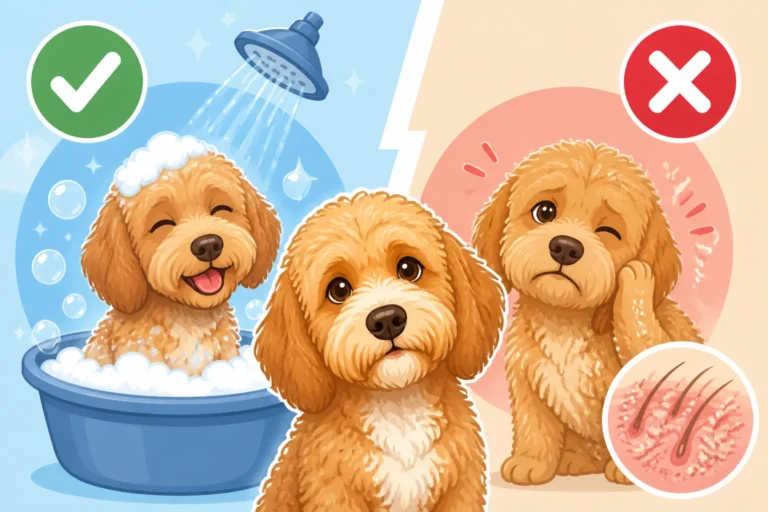
One of the most frequent culprits behind a truly smelly Cockapoo is underlying skin issues or allergies. Just like us, dogs can suffer from environmental allergies (pollen, dust mites), food allergies (certain proteins), or contact allergies (to cleaning products, fabrics). When a Cockapoo has allergies, their skin can become inflamed, itchy, and irritated. This irritation often leads to excessive licking, scratching, and chewing, which further damages the skin barrier.
Damaged skin is more susceptible to secondary infections, both bacterial and yeast-based. A bacterial skin infection, often called pyoderma, can produce a pungent, sometimes sour or sickly sweet, odor. Yeast infections, particularly common in damp, warm areas like paw pads or skin folds, often manifest as a distinct, musty, or corn-chip-like smell. If your Cockapoo is constantly scratching or licking, or if their skin looks red or greasy, especially if you've been wondering Whether a Cockapoo Itches From the Cocker Side, it's time to investigate allergies as a potential source of the odor.
Ear Infections and Dental Woes
Don't underestimate the power of seemingly localized issues to contribute to an overall "smelly dog" problem. Your Cockapoo's beautiful, floppy ears, inherited from the Cocker Spaniel, are unfortunately also perfectly designed incubators for ear infections. The long ear flaps trap moisture, limit air circulation, and create a warm, dark environment where yeast and bacteria thrive. An ear infection will often produce a strong, yeasty, or foul odor that can be surprisingly potent and spread throughout their fur. Many owners mistakenly think their dog just needs a bath, when in reality, the source is an easily treatable ear infection. If you've been trying to figure out Whether Ear Infections Mean a Cockapoo Has Allergies, often the answer is yes, or at least a related predisposition.
Similarly, poor dental hygiene can be a significant source of bad smells. Plaque and tartar buildup lead to gum disease (gingivitis and periodontitis), which causes a truly awful breath that can permeate their entire head area. Imagine having bad breath all the time – it would certainly contribute to how you smell overall. Small breeds, like many Cockapoos, are particularly prone to Dental Crowding in a Small Cockapoo, which makes them even more susceptible to plaque accumulation and the resulting foul breath. Regular dental care isn't just about their teeth; it's about their overall health and how pleasant they are to snuggle.
Rolling in Unsavory Things and Environmental Odors
Sometimes, the answer is far simpler and much grosser: your Cockapoo rolled in something unspeakable. Dogs, with their keen sense of smell, are often drawn to decomposing matter, animal droppings, or other offensive odors that we humans find repugnant. To them, it might be a fascinating scent to investigate or a way to mask their own smell from prey (a throwback to their wild ancestors!).
Even if they haven't explicitly rolled in something disgusting, your Cockapoo's coat can absorb ambient smells from their environment. If you live in an area with a lot of dampness, or if your home itself has lingering smells (from cooking, smoking, or even other pets), these odors can cling to their dense fur. Regular exposure to moist conditions – like after swimming, walking in the rain, or playing in damp grass – without thorough drying, can also lead to a persistent musty smell. It’s a classic dog thing, and sometimes the simplest explanation is the right one!
Practical Strategies to Keep Your Cockapoo Smelling Fresh
Now that we’ve delved into the why behind your Cockapoo's lingering scent, let's talk about the how – practical, actionable steps you can take to keep them smelling as sweet as they look, without a constant battle against the stink. It's often a multi-faceted approach, combining good grooming, appropriate products, and regular health checks.
Grooming Routine Beyond the Bath
While baths are important, a comprehensive grooming routine between washes is absolutely paramount for a Cockapoo. Their unique coat types – be it straight, wavy, or curly – all require diligent attention to prevent mats and minimize odors. A well-groomed coat is a less smelly coat.
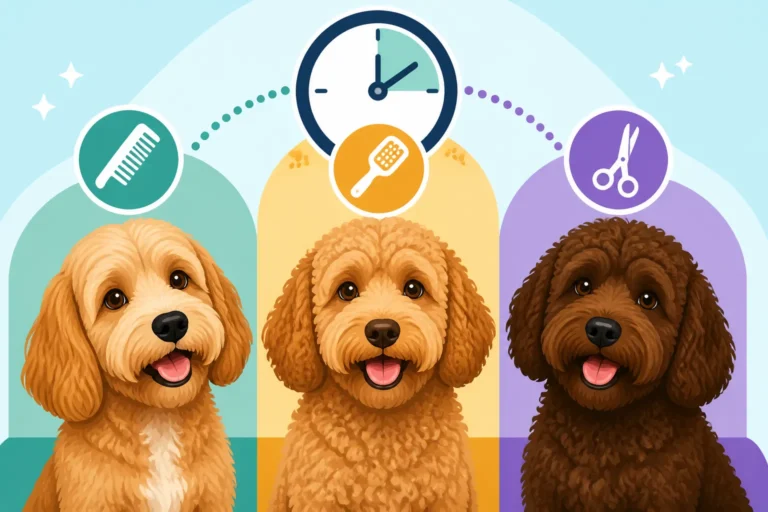
First and foremost, regular brushing is your best friend. For Cockapoos, line brushing is key to getting down to the skin and preventing mats, especially with their dense undercoat. A good slicker brush followed by a metal comb will help remove loose hair, dirt, and debris that can trap odors and moisture. Focus on areas prone to matting: behind the ears, armpits, tail, and legs. Remember, mats aren't just unsightly; they prevent air circulation, trap moisture, and can pull at the skin, leading to irritation and odor. Depending on The Three Cockapoo Coat Types and Their Upkeep, you might need to brush daily or several times a week. It really comes down to whether your Cockapoo has a tight Poodle curl, a flowing Cocker wave, or something in between. The amount of time you commit directly impacts The Weekly Hours Each Cockapoo Coat Type Takes.
Ear cleaning is another non-negotiable. Those adorable floppy ears can easily become a haven for yeast and bacteria. Using a veterinarian-recommended ear cleaner, gently wipe the visible parts of their ear canal and flap once or twice a week. If you notice excessive head shaking, scratching at the ears, or a foul odor coming directly from their ears, it's time for a vet visit to check for an infection.
Finally, don't forget dental hygiene. Regular tooth brushing with dog-specific toothpaste, alongside dental chews or water additives, can make a huge difference in their breath. If your Cockapoo tolerates it, aim for daily brushing. If not, even a few times a week is better than nothing.
Strategic Bathing and Product Choices
Bathing a Cockapoo is a delicate balance. Too frequent, and you risk stripping their natural oils, leading to dry, irritated skin that can paradoxically increase oil production or make them more susceptible to skin issues. Not frequent enough, and those oils and trapped debris will definitely lead to odor. Generally, a bath every 3-4 weeks is a good starting point for most Cockapoos, adjusting based on their lifestyle and coat type.
Choosing the right shampoo is critical. Avoid harsh, heavily fragranced human shampoos. Look for dog-specific shampoos that are pH-balanced, gentle, and designed for their skin and coat type. If your Cockapoo has particularly oily skin, a degreasing shampoo might be helpful, but use it sparingly to avoid over-drying. For sensitive skin or allergies, a hypoallergenic, oatmeal-based, or medicated shampoo (recommended by your vet) can be a lifesaver. You can find excellent options online at retailers like Chewy or Amazon, often with reviews from other doodle owners.
The most important part of bathing, however, is thorough rinsing and drying. Any shampoo residue left in the coat can irritate the skin and attract dirt faster. And never let your Cockapoo air dry if they have a dense or curly coat. This traps moisture deep within the fur, creating that perfect environment for yeast and bacteria we talked about earlier. Use absorbent towels and a cool-setting dog-specific blow dryer to ensure they are completely dry down to the skin, paying extra attention to the chest, armpits, and groin.
Diet and Health Check-ups
What goes into your Cockapoo's body can significantly impact what comes out – including their scent! A high-quality, balanced diet plays a huge role in skin and coat health. Foods rich in omega-3 and omega-6 fatty acids can promote a healthy skin barrier, reducing dryness, irritation, and excessive oil production. Some Cockapoos might even benefit from a novel protein diet if food allergies are suspected. Brands like Ollie offer fresh, human-grade food that many owners swear by for improving coat condition, while major pet retailers like Chewy carry a wide range of premium kibbles and wet foods designed for sensitive skin. Whether Diet Changes a Cockapoo's Coat Condition is a question many owners ponder, and the answer is a resounding yes!
Finally, don't underestimate the importance of regular veterinary check-ups. Many of the underlying issues that cause persistent odor – allergies, ear infections, skin infections, and dental disease – are treatable. Your vet can accurately diagnose the problem and prescribe the appropriate medications or recommend specific therapeutic shampoos. They can also perform routine checks like The Kidney and Eye Checks a Cockapoo Needs Yearly, ensuring your furry friend isn't just smelling better, but is truly healthy from the inside out. If you find your Cockapoo still smells despite your best efforts, always consult your veterinarian.
Debunking Common Myths About Cockapoo Odor
When it comes to dog smells, there are a lot of misconceptions floating around. Let’s clear up a few common myths that might be keeping you from a fresher-smelling Cockapoo.
"All Dogs Just Smell Like Dog"
This is perhaps the most pervasive myth, and while it contains a grain of truth, it’s often used to dismiss a solvable problem. Yes, dogs have a natural scent. It's part of being a living creature. However, a strong, unpleasant, or persistent "doggy" smell that permeates your home and attaches itself to your furniture is often a sign that something is amiss. It’s not just "part of the package" when you own a Cockapoo.
A healthy dog, with good hygiene and no underlying health issues, should have a mild, almost imperceptible scent. If your Cockapoo has a strong odor, it's usually an indicator of excess oil production, trapped moisture, bacterial or yeast overgrowth, or other health concerns like those we discussed. Don't simply accept a strong smell as normal; view it as a signal to investigate further. Your nose, and your Cockapoo, will thank you.
"Bathing Too Often Makes Them Smell Worse"
This myth stems from a half-truth. It's true that improper bathing, especially with harsh shampoos or without thorough drying, can disrupt the skin's natural balance. Stripping the skin of its protective oils can lead to dryness and irritation, prompting the sebaceous glands to go into overdrive, producing even more oil to compensate. This excessive oiliness can indeed exacerbate odor.
However, this doesn't mean you should avoid bathing your Cockapoo. It means you need to bath them correctly with appropriate products and techniques. Using a gentle, moisturizing dog shampoo, rinsing thoroughly, and drying completely will cleanse their coat without stripping essential oils. For Cockapoos prone to oiliness or specific skin conditions, a vet might even recommend medicated baths more frequently than average. The key is balance and using the right tools for the job.
"It's Just Their Breed"
While it's true that Cockapoos have genetic predispositions that can make them more prone to certain odors (like the oily skin from the Cocker side or moisture-trapping fur from the Poodle), it doesn't mean a perpetual stink is an unavoidable destiny. Saying "it's just their breed" can be a way to overlook treatable issues.
For example, if your Cockapoo has inherited Whether a Cockapoo's Skin Is Greasy Like a Cocker's, you'll need to be more diligent with grooming and potentially use specific shampoos, but this isn't a license for them to smell perpetually. It simply means you'll need a proactive management strategy. Many Cockapoos can live their lives smelling perfectly lovely with the right care routine tailored to their individual needs. Rather than accepting the smell, embrace the challenge of understanding and addressing the unique aspects of your Cockapoo's breed mix.
Disclaimer
This article is for general informational purposes only and does not constitute professional advice. Laws, prices and regulations vary by location and change over time. Consult a qualified professional for guidance on your specific situation.