Why Sixty Years Without a Standard Widened Cockapoo Prices
It's incredibly frustrating, isn't it, when you start looking for a Cockapoo puppy and see prices that swing wildly from a few hundred dollars to several thousand? This huge discrepancy often leaves prospective owners feeling confused, suspicious, and downright overwhelmed. This guide will meticulously unravel why the Cockapoo, a beloved crossbreed for over six decades, still lacks a formal breed standard, and how this absence has led directly to such a vast and often perplexing range in their price tags, preparing you to make an informed choice.
The Historical Impact of a Missing Breed Standard on Cockapoo Pricing
When we talk about a "breed standard," we're discussing a detailed description of what a particular dog breed should look and act like. It covers everything from temperament and gait to coat texture and ear set. For established breeds like a Golden Retriever or a Poodle, this standard is set by kennel clubs and acts as a blueprint for ethical breeders, helping them strive for consistency and health. For the Cockapoo, a dog that has been around since the 1950s, this kind of unified, universally accepted standard simply doesn't exist. This foundational absence has profound implications for pricing, creating an unregulated market where value is subjective and often dictated by perceived desirability rather than consistent quality or breeding practices.
The Early Days: Accidental Cross to "Designer" Dog
The Cockapoo didn't start with a grand plan or a specific breed standard in mind. Back in the 1950s, these delightful dogs likely came about as happy accidents, a cross between a Cocker Spaniel and a Poodle. People quickly fell in love with their charming personalities, intelligence, and often low-shedding coats. They were seen as wonderful companions, a blend of two popular breeds.
However, as their popularity grew, especially in the "designer dog" boom of the late 20th and early 21st centuries, the lack of a formal governing body meant there was no single authority dictating how they should be bred. Purebred associations typically demand adherence to strict health testing protocols, lineage tracking, and physical characteristics. Without this framework, anyone with a Cocker Spaniel and a Poodle could, and often did, decide to breed Cockapoos. This unregulated origin meant that there was no initial benchmark for quality, health, or even appearance, leaving a wide open door for varying breeding practices and, consequently, varying prices. The concept of "purebred" value, where specific traits and documented health clearances command higher prices, was never established for the Cockapoo in a widespread, consistent manner.
The Rise of Popularity Without Regulation
As the Cockapoo’s star continued to rise, its popularity soared due to its reputation for being friendly, intelligent, and often hypoallergenic – a significant draw for families with allergies. This increased demand, unchecked by any overarching breed club or registry with strict breeding rules, created a fertile ground for both conscientious breeders and those simply looking to capitalize on a trend.
In a regulated breed, growing demand usually prompts breeders to invest more in health testing, showing their dogs, and maintaining high standards, which naturally drives up prices across the board. For Cockapoos, however, the absence of regulation meant that breeders could set prices based on their own perceived value, local market demand, and crucially, the amount they chose (or chose not) to invest in their breeding program. Some might invest heavily in health testing their parent dogs for conditions like progressive retinal atrophy or familial nephropathy, ensuring robust offspring. Others might skip these expensive tests entirely, focusing solely on producing puppies quickly to meet demand. Both types of breeders would then be selling "Cockapoos," but the inherent value and future health prospects of their puppies would be dramatically different, yet without a standard, it's difficult for buyers to discern this difference from the outset. This is a key reason why you see such a wide range in Cockapoo prices, from what seems like a steal to an astronomical sum.
The Vacuum of Definition: What a Standard Provides
Imagine trying to build a house without blueprints or a consistent set of building codes. You'd end up with a huge variety of structures, some sturdy and beautiful, others… not so much. That's essentially what happens in a breed without a standard. A breed standard provides a consistent vision, a shared goal for all breeders. It defines:
- Physical Characteristics: What does a Cockapoo look like? What's the ideal coat type, ear length, muzzle shape? Without this, you get everything from flat-coated, long-nosed dogs to tightly curled, short-muzzled ones, all marketed as Cockapoos.
- Temperament: Is a Cockapoo supposed to be perpetually bouncy or capable of quiet evenings on the couch? A standard would outline desired personality traits, guiding breeders away from shy or aggressive temperaments.
- Health Priorities: While not a "health standard" in itself, a breed standard often highlights genetic predispositions and encourages screening. For instance, if a standard existed, it might explicitly state that parents should be screened for conditions like Familial Nephropathy and the Kidneys a Cockapoo Can Inherit or specify that Whether Both Cockapoo Parents Must Be prcd-PRA Clear is a non-negotiable requirement. Without such guidance, health testing becomes optional, leaving it up to individual breeder ethics and potentially leaving buyers vulnerable to costly health issues down the line.
This vacuum of definition means there's no objective yardstick to measure a Cockapoo's quality against. Buyers are left to navigate a market where "Cockapoo" can mean vastly different things, and breeders can justify their prices based on subjective criteria or simply what the market will bear. This lack of uniformity is a primary driver behind the significant disparities in what people pay for their Cockapoo.
Understanding the Wild West of Cockapoo Breeding
Because the Cockapoo isn't recognized by major kennel clubs, there are no mandatory guidelines for breeders. This unregulated environment is often referred to as the "Wild West" of breeding, where the quality of breeding practices can vary dramatically, and with it, the price. It's not uncommon to find yourself staring at an ad for a Cockapoo puppy that's only a few hundred dollars, right next to another for one that costs upwards of $3,000. These aren't just arbitrary numbers; they often reflect vastly different approaches to breeding, with direct consequences for the puppy's health and your wallet in the long run.
The Spectrum of Breeders: From Backyard to Reputable
The sheer diversity in Cockapoo pricing is largely a mirror of the types of breeders out there. On one end of the spectrum, you have the truly dedicated, ethical breeders. These individuals view breeding as a responsibility, investing significant time, effort, and money into producing healthy, well-socialized puppies. They typically:
- Health Test: They perform extensive health screenings on both parent dogs for genetic conditions common in Cocker Spaniels and Poodles, such as hip dysplasia, eye conditions like PRA, and kidney issues like FN. These tests can be costly but are vital.
- Provide Excellent Care: Their puppies are raised in clean, stimulating home environments, receiving proper nutrition, early socialization, and veterinary check-ups.
- Offer Support: They provide ongoing support to puppy buyers, often have take-back clauses in their contracts, and are transparent about their practices.
- Limit Litters: They breed their females responsibly, ensuring adequate recovery time between litters.
On the other end, you find backyard breeders and puppy mills. Backyard breeders often breed their pets without much knowledge of genetics, health, or proper socialization. Puppy mills, unfortunately, are commercial operations focused purely on profit, often at the expense of animal welfare. They tend to:
- Skip Health Testing: They bypass genetic health tests, significantly cutting costs but putting puppies at high risk for inherited diseases.
- Substandard Conditions: Puppies might be raised in overcrowded, unsanitary conditions with minimal human interaction, leading to health and behavioral problems.
- No Support: There's usually little to no follow-up support, and contracts are often non-existent or favor the breeder.
- Over-Breeding: Females are often bred back-to-back, exhausting them and reducing the quality of their offspring.
The vast difference in these operational costs, from veterinary care to genetic testing, directly translates into The Two Hundred to Three Thousand Spread on a Cockapoo you see advertised. A higher price can indicate a responsible breeder, though it's never a guarantee on its own.
The Role of Parental Health Testing (Or Lack Thereof)
This is perhaps the single biggest differentiator in Cockapoo pricing and, more importantly, in the long-term health and happiness of your puppy. Responsible breeders understand the genetic predispositions of both Cocker Spaniels and Poodles and commit to extensive health testing for their breeding dogs. These tests aren't cheap, but they are absolutely essential for minimizing the risk of passing on debilitating conditions to the next generation.
Consider conditions like:
- Patellar Luxation: Slipping kneecaps, common in smaller breeds, can require expensive surgery.
- Hip Dysplasia: More prevalent in larger Poodles and some Cocker lines, leading to arthritis and lameness.
- Eye Diseases: Such as Progressive Retinal Atrophy (PRA), which can lead to blindness, or inherited forms of glaucoma. Breeders should be able to show you certificates proving that Whether Both Cockapoo Parents Must Be prcd-PRA Clear.
- Kidney Disease: Familial Nephropathy (FN) is a devastating kidney disease found in some Cocker Spaniel lines. A responsible breeder will conduct The FN DNA Test a Cockapoo Breeder Runs.
A breeder who invests in these tests – and can show you actual certifications from organizations like OFA (Orthopedic Foundation for Animals) or CERF (Canine Eye Registration Foundation) for eyes, or DNA test results from labs like Paw Print Genetics – will naturally charge more for their puppies. This cost covers their due diligence and offers you a much better chance of bringing home a healthy companion. Conversely, breeders who skip these tests save hundreds, if not thousands, of dollars per breeding dog, allowing them to offer puppies at significantly lower prices. However, these savings often come at the buyer's expense later, in the form of substantial veterinary bills and heartbreaking health struggles. This is where you really see The Kidney and Eye Tests a Cockapoo Price Should Cover factoring into the initial cost.
Varying Breeding Goals and Their Price Implications
Without a universal breed standard, different breeders can have wildly different goals for their Cockapoo litters, and these goals undeniably impact the final price.
Some breeders might prioritize:
- Temperament and Companionship: Their goal is to produce well-adjusted, friendly family pets. They might focus on early socialization, enrichment, and ensuring their parent dogs have calm, stable dispositions.
- Specific Appearance/Coat Type: Many buyers are drawn to the Cockapoo for its "designer" look or its low-shedding qualities. Breeders might specifically aim for certain coat types (wavy, curly) or colors (red, merle), which can command a premium, especially if they can consistently produce them. For example, a breeder might use DNA testing to guarantee Whether a Cockapoo Needs Furnishings to Be Low Shedding if they are aiming for a certain coat type.
- Size Variation: From Teacup to Maxi, Cockapoos come in a range of sizes. Breeding for very small or very large sizes might involve more specialized care or genetic lines, influencing the price.
- Health and Longevity: As discussed, breeders focused on health and longevity will conduct extensive health testing and be transparent about their dogs' pedigrees, justifying a higher price.
On the other hand, breeders whose primary goal is simply to "make puppies" or to sell quickly will have lower overheads. They might not be aiming for specific traits beyond "cute" and "fluffy." They might not invest in expensive parent stock, genetic testing, or high-quality nutrition for the pregnant dam and puppies. This streamlined, less-invested approach allows them to price their puppies at the lower end of the spectrum. It’s important to remember that a Cockapoo can inherit a wide array of traits from its parent breeds, and without a specific breeding goal or standard, the outcome can be much more of a genetic lottery, influencing both initial cost and future satisfaction.
The Influence of Generation and Genetics on Price Tags
Beyond the general quality of breeding practices, the specific genetic makeup and "generation" of a Cockapoo puppy also play a significant role in its price. Because there's no fixed standard, breeders often use terms like F1, F1b, and Multigen to describe the cross, which helps buyers understand the likely genetic contribution from each parent breed. These distinctions directly correlate with predictability in traits like coat type and size, and consequently, influence the price a breeder can command.
F1, F1b, F2, Multigen: What Do They Mean for Your Wallet?
Understanding the generation designations is crucial when looking at Cockapoo prices. Each generation comes with different probabilities for inherited traits, and this predictability (or lack thereof) affects cost:
- F1 Cockapoo (First Generation): This is a direct cross between a purebred Cocker Spaniel and a purebred Poodle. These were the original Cockapoos. Prices for F1s can vary. While they're often a good mix of both parents, their coat type can be unpredictable – some might shed more like a Cocker, while others get the Poodle's curl. A breeder can't guarantee a non-shedding coat in an F1, which can make them slightly less expensive than more predictable generations, but ethical F1 breeders will still command a good price due to health testing.
- F1b Cockapoo (First Generation Backcross): This is an F1 Cockapoo bred back to a purebred Poodle. The "b" stands for backcross. This generation is often highly sought after because it typically has more Poodle genetics (around 75% Poodle, 25% Cocker), making them more likely to have the desired curly, low-shedding coat. This increased predictability, particularly for allergy sufferers, often translates to a higher price point.
- F2 Cockapoo (Second Generation): This is the result of breeding two F1 Cockapoos together. Genetically, F2s can be a bit of a wildcard. While they are still 50/50 Cocker/Poodle on average, the gene expression can be much more varied. You might get a litter with puppies that look entirely Poodle, some entirely Cocker, and some with the classic Cockapoo look. This unpredictability in coat and appearance can sometimes make F2s slightly less expensive if a breeder isn't specifically breeding for a certain look or coat type.
- Multigenerational (Multigen) Cockapoo: These are Cockapoos bred from F2 or later generation Cockapoos. The idea behind multigen breeding is to stabilize desired traits like coat type, temperament, and size over several generations. A reputable multigen breeder might be working towards a more consistent "Cockapoo look" and temperament. Because of the extensive selective breeding and tracking required to achieve this consistency, multigen Cockapoos can often be among the most expensive, as they offer the highest predictability of desired traits.
The more a breeder can "guarantee" traits like low-shedding or a particular size through specific generational breeding, the more they can usually charge, reflecting their investment in understanding and manipulating genetics.
Coat Type and Hypoallergenic Claims: The "Designer" Premium
One of the main reasons people fall in love with Cockapoos is the promise of a low-shedding, potentially hypoallergenic coat. This particular trait is heavily influenced by the Poodle parent and the presence of what's known as "furnishings" – the genes that give dogs facial hair like beards and eyebrows.
- Curly Coat: Inherited largely from the Poodle, a tight curl is often associated with minimal shedding and is highly sought after by allergy sufferers. Puppies with this coat type, especially from F1b or multigen pairings designed to maximize curl, tend to be more expensive.
- Wavy Coat: A blend of the Poodle's curl and the Cocker's straighter coat, this is often considered the "classic" Cockapoo look. It's usually low to moderate shedding and also commands a good price.
- Straight/Flat Coat: Closer to the Cocker Spaniel's coat, these Cockapoos are more likely to shed and might not be suitable for allergy sufferers. While still adorable, they often come at a lower price point because they don't fulfill the "hypoallergenic" desire that drives much of the doodle market.
The market has placed a significant "designer" premium on the low-shedding coat. Breeders who can reliably produce these coats, often confirmed through genetic testing for the furnishings gene (RSPO2) and curl gene (KRT71), can justify higher prices. They're selling a desirable, predictable outcome, whereas puppies that might have What an Improper Coated Cockapoo Looks Like are often priced lower due to their shedding tendencies. Buyers often pay more for the perceived certainty of less fur in their homes.
Predicting Size and Appearance: More Guarantees, Higher Cost
Just like coat type, the ability to predict a Cockapoo's adult size and overall appearance plays a role in pricing. The Cockapoo comes in various sizes – Teacup, Toy, Miniature, and Maxi – derived from the size of the Poodle parent.
- Size Predictability: While no breeder can guarantee an exact adult weight, experienced and reputable breeders who carefully select their parent dogs can give a much better estimate. Breeding for specific sizes, especially the highly sought-after Toy or Miniature sizes, requires careful selection of appropriate Poodle and Cocker lines. This often means more specialized breeding stock and attention, which drives up costs. Puppies from parents whose sizes are well-established and consistent in their pedigrees tend to be more expensive because there's less guesswork for the buyer.
- Color and Markings: Certain rare or "designer" colors like merle, phantom, or sable can also fetch higher prices. While color doesn't affect health or temperament, market demand for unique aesthetics influences pricing. For example, a parti-colored Cockapoo with distinct markings might be priced differently than a solid black or apricot one.
- Overall "Look": Some breeders strive to produce puppies that consistently achieve a certain desired aesthetic – the "teddy bear" face, a specific ear set, or a balanced body structure. Achieving this consistency over generations involves careful selective breeding and a deep understanding of canine genetics, which again, is an investment that's reflected in the price.
Essentially, the more assurances a breeder can provide about what your puppy will grow up to be – in terms of size, coat, and general appearance – the more likely they are to charge a premium. This predictability reduces the "gamble" for the buyer, which many are willing to pay extra for.
Geographical and Market Forces Shaping Cockapoo Costs
Beyond breeding practices and genetic predictability, the cost of a Cockapoo can also be heavily influenced by external factors like where you live, the current popularity of the breed, and how puppies are marketed and sold. Just like real estate, pet prices can fluctuate based on location and broader market trends. Understanding these forces can help explain why prices might be different even for seemingly similar puppies and prepare you for the true cost of bringing a Cockapoo home.
Regional Price Disparities Across the Country
You wouldn't expect a house in a rural town to cost the same as one in a major metropolitan area, and the same often applies to puppies. The cost of living and local market demand can significantly impact Cockapoo prices across different regions:
- High Cost of Living Areas: In places like California, New York, or major coastal cities, where everything from veterinary care to breeder overheads (like facility rent or employee wages) is higher, you can expect Cockapoo puppies to be priced at the higher end of the national average. Breeders in these areas need to cover their increased expenses.
- Rural vs. Urban: Breeders located in more rural areas might have lower overheads, and the local market might not support extremely high prices, so their puppies could be slightly more affordable. However, this isn't a hard and fast rule, as highly reputable breeders often have waiting lists and buyers willing to travel from anywhere.
- Supply and Demand: If there are fewer reputable Cockapoo breeders in a specific state or region, and demand is high, prices will naturally be driven upwards. Conversely, areas with an abundance of breeders might see more competitive pricing, though this can also unfortunately lead to more "puppy mill" type operations trying to undercut prices.
It's common for prospective owners to look beyond their immediate area, sometimes even across state lines, to find a puppy that meets their budget and quality expectations. Be prepared for prices to vary, and remember that a lower price in a remote area doesn't automatically mean lower quality, just as a high price in a city doesn't always guarantee the best breeding practices.
Supply and Demand Dynamics in the Doodle Market
The popularity of "designer dogs" like the Cockapoo has seen its ups and downs over the decades, and these market forces directly affect pricing. The Cockapoo, being one of the original doodles, has had consistent appeal, but spikes in demand can still dramatically influence what breeders charge.
- Pandemic Pet Boom: For instance, during the recent pandemic, there was an unprecedented surge in demand for puppies across almost all breeds, especially companion dogs. This led to a significant increase in prices for Cockapoos as supply struggled to keep up with the overwhelming interest. Breeders found themselves with incredibly long waiting lists, allowing them to command higher prices.
- Economic Conditions: Economic downturns can lead to a decrease in demand for luxury items, which a well-bred puppy can be considered. During such times, prices might stabilize or even slightly decrease. Conversely, during periods of economic prosperity, people are more willing to invest in a new family member, supporting higher prices.
- Trending Breeds: While the Cockapoo has enduring appeal, newer doodle crosses (like Bernedoodles or Goldendoodles) can sometimes draw attention, affecting the overall supply/demand balance for Cockapoos. If a breed becomes particularly "trendy," prices can temporarily inflate.
In an unregulated market like the Cockapoo's, breeders have more flexibility to adjust prices based on these real-time supply and demand dynamics, rather than being constrained by a kennel club's fixed value proposition for a purebred dog.
The Impact of Online Sales and Puppy Brokers
The internet has revolutionized how people find puppies, but it has also contributed to the vast price disparities and opened doors for less scrupulous practices.
- Online Marketplaces: Websites like Petfinder, Good Dog, or even social media groups connect buyers with breeders from all over. While this expands options, it also makes it harder for buyers to vet breeders in person. The sheer volume of listings and varying quality levels can be confusing.
- Puppy Brokers/Resellers: These individuals or companies act as intermediaries, often sourcing puppies from large-scale commercial breeding operations (which might include puppy mills) and reselling them to the public. They often use slick marketing and professional websites to hide the puppies' origins. Because their primary goal is profit, they might offer puppies at prices that seem attractive, but the true cost comes later in potential health and behavioral issues. This is a common pathway for Why Cockapoos Fill Puppy Mills, and understanding this business model is crucial for discerning buyers.
- Lack of Transparency: Online sales can obscure vital information that a breed standard would typically guarantee. Without meeting the parents, seeing the breeding environment, or verifying health certificates in person, buyers are often relying solely on the seller's word and attractive photos. This lack of transparency allows breeders with lower standards to compete on price without being held accountable for quality.
The ease of online transactions means breeders can reach a national or even international market, further diversifying price points. It also means buyers need to be more vigilant than ever, looking beyond the initial price tag to fully investigate the source of their potential puppy.
Hidden Costs and What a "Cheap" Cockapoo Really Means
When you see a Cockapoo advertised for a significantly lower price than others, it's natural to feel like you've found a bargain. However, a "cheap" upfront cost often masks a multitude of hidden expenses and potential heartache down the line. In the absence of a breed standard regulating breeding practices, a low initial price is often a red flag, indicating corners were cut in ways that will inevitably impact your wallet and your dog's well-being. This is where the true cost of ownership can skyrocket, far surpassing any initial savings.
The Long-Term Veterinary Bills for Untested Dogs
This is arguably the most significant hidden cost of a cheaply acquired Cockapoo. When breeders forgo essential health testing for parent dogs, they save money upfront, but they significantly increase the risk of their puppies inheriting serious genetic conditions. These conditions often manifest as the puppy grows, leading to devastating and expensive veterinary treatments.
Imagine adopting a seemingly healthy puppy for a low price, only to discover later it has:
- Severe Hip or Elbow Dysplasia: This can require multiple surgeries, physical therapy, and lifelong pain management, easily costing thousands of dollars over the dog's lifetime.
- Progressive Retinal Atrophy (PRA): Leading to gradual blindness, PRA diagnosis and management can involve specialist veterinary visits and adaptations for a blind dog, though treatment options are limited. Early testing for The Age prcd-PRA Takes a Cockapoo's Sight could have prevented this.
- Familial Nephropathy (FN): A fatal kidney disease that typically manifests early in life. Treating kidney failure involves specialized diets, medications, and frequent vet visits. The phrase What a Mill Bred Cockapoo Costs You Later often refers to these types of catastrophic health expenses.
- Patellar Luxation: While some mild cases can be managed, severe luxation requires corrective surgery for one or both knees, a costly procedure.
These are not minor ailments; they are life-altering conditions that can drain your savings and cause immense emotional distress. Pet insurance, from providers like Healthy Paws, can certainly help mitigate these costs, but many policies have waiting periods or may not cover pre-existing conditions if the puppy shows signs of illness soon after purchase. Investing in a puppy from health-tested parents is often the cheapest option in the long run.
Grooming Demands: An Ongoing Financial Commitment
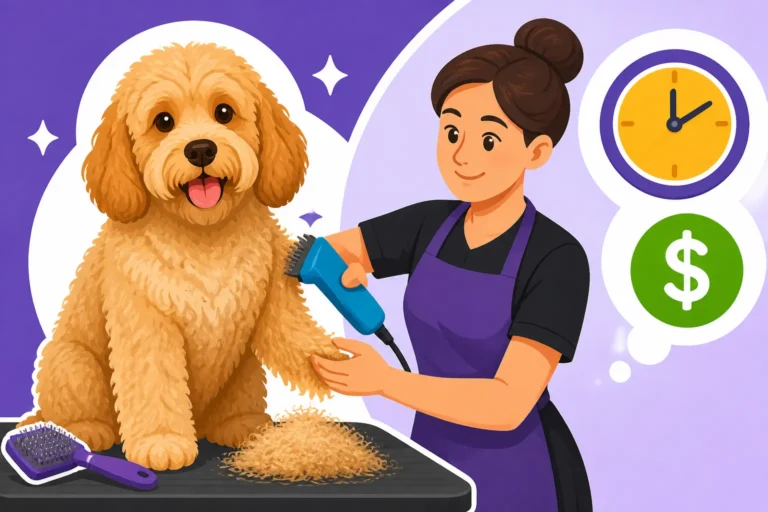
The Cockapoo's beautiful, often low-shedding coat is a huge draw, but it comes with a significant and often underestimated cost: professional grooming. Unlike many breeds that can get by with minimal coat care, the Cockapoo's Poodle-influenced fur is prone to matting and requires regular attention.
- Matting Nightmares: The soft, curly or wavy coat easily collects debris and forms mats, especially behind the ears, in the armpits, and on the legs. If not brushed regularly (often daily for curlier coats), these mats can become so tight they pull on the skin, causing pain, infections, and requiring a full shave-down at the groomer.
- Professional Grooming: Most Cockapoos need professional grooming every 6-8 weeks to keep their coat healthy and manageable. Depending on your location, the size of your dog, and the groomer's rates, this can cost anywhere from $70-$120 or more per session. Annually, this adds up to hundreds of dollars. The specific coat type directly influences What Each Cockapoo Coat Type Costs at the Groomer.
- DIY Grooming: While you can learn to groom your Cockapoo at home to save money, it requires an investment in quality tools (clippers, scissors, brushes, combs, dryer) and a significant time commitment, plus the learning curve. Many owners find it challenging to achieve a professional look and prevent matting effectively.
A "cheap" puppy might not seem to factor in these costs, but they are absolutely non-negotiable for a Cockapoo. Neglecting grooming not only leads to discomfort for your dog but also hefty bills when a professional has to untangle or shave down a severely matted coat.
Training and Behavioral Challenges from Poor Breeding
The initial price of a Cockapoo rarely accounts for the potential costs associated with training and behavior modification, especially if the puppy comes from a less-than-ideal breeding situation.
- Lack of Early Socialization: Puppies from puppy mills or backyard breeders often lack crucial early socialization experiences. They might be raised in isolation, without exposure to different sights, sounds, people, or other dogs. This can lead to fear, anxiety, aggression, or reactivity issues that require extensive and costly professional training.
- Temperamental Issues: Reputable breeders select parent dogs not just for health, but also for good temperaments. An unregulated breeder might unintentionally (or knowingly) breed dogs with shy, nervous, or even aggressive tendencies, passing these traits on to their puppies. Addressing these deep-seated behavioral problems can involve private trainers, veterinary behaviorists, and specialized classes, costing thousands over time.
- Potty Training and Crate Issues: Puppies raised in unsanitary conditions (common in puppy mills) often struggle with house training because they've learned to eliminate in their living space, breaking down their natural instinct for cleanliness. Correcting these deeply ingrained habits can be a long, frustrating, and expensive process.
When you invest in a Cockapoo from a responsible breeder, you're not just buying a puppy; you're buying a better chance at a well-adjusted, confident companion, reducing the likelihood of expensive behavioral interventions. The mental and emotional well-being of a puppy often hinges on its earliest experiences and genetic predisposition, factors often overlooked in low-cost breeding operations.
What a Responsible Cockapoo Price Should Reflect
So, if those bargain Cockapoos come with so many potential pitfalls, what exactly should a fair and responsible price include? For a crossbreed like the Cockapoo, where there's no governing body enforcing standards, the price set by an ethical breeder is a direct reflection of their significant investment in the health, welfare, and responsible perpetuation of the animals they produce. It's not just about the puppy itself, but the entire ecosystem of care and planning that goes into its first eight weeks of life, and the support offered afterward.
The Investment in Health Screening and Ethical Practices
A significant portion of a responsible Cockapoo's price directly covers the extensive health screening of the parent dogs. This isn't a one-time fee; it's an ongoing commitment to genetic health.
- Comprehensive Genetic Testing: Ethical breeders will invest in DNA tests for common genetic diseases in both Cocker Spaniels and Poodles. This includes panels for conditions like Progressive Retinal Atrophy (prcd-PRA), Familial Nephropathy (FN), Phosphofructokinase (PFK) Deficiency, and others. Each test, per dog, can cost hundreds of dollars. For example, breeders will share certificates for The FN DNA Test a Cockapoo Breeder Runs to show due diligence.
- OFA/CERF Clearances: Beyond DNA, physical screenings are crucial. This includes Hip and Elbow Dysplasia evaluations by the Orthopedic Foundation for Animals (OFA), which often requires sedation and X-rays, as well as regular eye exams by a board-certified veterinary ophthalmologist (CAER/CERF) to check for conditions like cataracts or glaucoma. These specialists and procedures are expensive.
- Optimal Nutrition and Care for Parent Dogs: Healthy puppies come from healthy parents. This means high-quality food, regular veterinary check-ups, appropriate vaccinations, and a safe, stimulating environment for the breeding dogs – all year round, not just when they're actively breeding.
- Responsible Breeding Practices: This includes waiting until dogs are mature enough to breed, not over-breeding females, and providing a clean, spacious, and enriching environment for puppies during their critical early development. This dedication to welfare means fewer litters, but higher quality offspring.
- Veterinary Care for the Litter: This covers the mother's prenatal care, deworming, initial vaccinations for the puppies, and their first veterinary check-ups before they go to their new homes.
When a breeder charges a higher price, they're essentially passing on a portion of these substantial costs to you, the buyer. But in return, you're receiving a puppy with a much lower risk of developing expensive and heartbreaking inherited diseases, giving you greater peace of mind and potentially saving you thousands in future vet bills. A good breeder will readily provide The Five Certificates a Cockapoo Breeder Should Show.
Supporting a Breeder Who Prioritizes Welfare Over Profit
Choosing a Cockapoo from a breeder who charges a fair price means you are directly supporting ethical animal welfare. This is about more than just avoiding health issues; it's about fostering a positive start to life for your new family member.
- Early Socialization and Enrichment: Responsible breeders devote immense time to socializing their puppies. This includes exposing them to various sights, sounds, textures, people, and other friendly animals (when appropriate). They handle puppies gently from birth, introducing them to crate training concepts and basic potty training, laying the foundation for a well-adjusted adult dog. This crucial early input is often what makes a Cockapoo truly shine as a family pet.
- Lifetime Support: A reputable breeder views themselves as a lifetime resource. They are usually available to answer questions, offer advice, and provide guidance throughout your dog's life. Many will also have a clause in their contract stating that if, for any reason, you cannot keep your Cockapoo, they will take the dog back or help rehome it. This commitment prevents their dogs from ending up in shelters.
- Transparency and Education: Ethical breeders are transparent about their breeding practices, openly sharing health clearances, allowing visits to their facility (or virtual tours), and patiently answering all your questions. They also educate prospective owners about the Cockapoo's needs, temperament, and potential challenges, such as the significant grooming commitment.
- Breed Preservation (Even for Crossbreeds): While Cockapoos aren't purebred, dedicated breeders are still working to produce consistent, healthy lines. They are essentially striving for their own "standard" of excellence, selecting breeding pairs to optimize desired traits and minimize health risks, contributing positively to the overall reputation and future of the Cockapoo.
When you pay a responsible price, you're contributing to a system that prioritizes the welfare of the dogs above quick profit. You're getting a puppy that has been given the best possible start in life, both physically and psychologically. This is the difference between a mass-produced "product" and a carefully nurtured living being.
Understanding What "Value" Means in a Cockapoo Puppy
Ultimately, "value" in a Cockapoo puppy isn't just about the initial purchase price; it's about the comprehensive package you receive and the long-term implications for your dog's life and your peace of mind.
- Reduced Risk of Future Expenses: As discussed, the investment in a higher-priced puppy from a health-tested lineage can significantly reduce the risk of exorbitant veterinary bills for inherited diseases. This upfront cost can often save you thousands of dollars in medical treatments over the dog's lifespan.
- Greater Predictability: A responsible breeder's efforts in selective breeding lead to greater predictability in temperament, size, and coat type. This means you have a better idea of what your Cockapoo will be like as an adult, reducing surprises and improving the chances of a perfect match for your family and lifestyle.
- A Well-Adjusted Companion: The early socialization and proper care provided by a dedicated breeder contribute to a more confident, friendly, and easier-to-train puppy. This foundational work translates into a happier, less stressful companionship for years to come. For instance, a well-socialized puppy will be more adaptable to things like grooming, which can save you headaches and expense when What a Cockapoo Groom Costs by Coat Type.
- Ethical Peace of Mind: Knowing your puppy came from a breeder who genuinely cares for their animals, adheres to high standards, and contributes positively to the breed's future offers invaluable peace of mind. You're not inadvertently supporting harmful practices like puppy mills.
Consider the cost of a Cockapoo as an investment in a family member's health and happiness. While the initial sticker price for a responsibly bred Cockapoo might seem high, when weighed against the potential hidden costs of a "bargain" puppy – the vet bills, behavioral training, and emotional toll – the true value becomes abundantly clear. It's about choosing quality, health, and ethical care from the very beginning.
Navigating the Purchase: Questions to Ask and Red Flags to Watch For
Given the vast differences in Cockapoo prices and breeding practices, becoming an informed buyer is your most powerful tool. Without a standard to rely on, your due diligence is paramount. This section will equip you with the essential questions to ask and the crucial red flags to recognize, helping you distinguish between a responsible breeder and someone simply looking to make a quick profit, regardless of the price they're asking.
Essential Questions for Any Cockapoo Breeder
When you're talking to a potential breeder, think of yourself as an investigative journalist. You're not just looking for a puppy; you're looking for a responsible partner in your dog's future. Don't be shy about asking detailed questions – a good breeder will welcome them.
- "Can I see the health clearances for both parent dogs?" This is non-negotiable. Ask for OFA (hips, elbows, patellas), CERF/CAER (eyes), and DNA test results for conditions like prcd-PRA, Familial Nephropathy, and PFK Deficiency. Don't just take their word for it; ask to see the actual certificates. A breeder should proudly share them and explain what each clearance means. For instance, they should be able to show you documentation regarding Whether Both Cockapoo Parents Must Be prcd-PRA Clear.
- "What generation are these puppies (F1, F1b, F2, Multigen), and what are your goals for this pairing?" This helps you understand the genetic makeup and predictability of the litter. A thoughtful breeder will explain their reasoning behind the pairing, perhaps aiming for specific coat types, temperaments, or health outcomes.
- "Can I meet the mother of the puppies, and ideally, see where the puppies are raised?" Observing the mother's temperament (is she friendly, confident?) and the cleanliness and setup of the puppy area is vital. This tells you a lot about the care the puppies are receiving and the environment they're being socialized in. Be wary if a breeder makes excuses why you can't see the mother or the whelping area.
- "What is included in the price of the puppy?" This question helps clarify initial vaccinations, deworming schedule, microchipping, a puppy starter pack (food, toys, blanket), and any health guarantee or contract terms. Ensure the contract's coverage of kidney disease or other genetic conditions is clearly outlined.
- "What kind of socialization do the puppies receive?" Look for breeders who expose puppies to various sounds, textures, people, and gentle handling from a young age. This early exposure is critical for developing a well-adjusted dog.
- "What is your philosophy on placing puppies?" A responsible breeder will ask you many questions about your lifestyle, home environment, and experience with dogs. They want to ensure their puppies go to suitable homes. They might even ask for references.
- "Do you have a take-back policy?" A reputable breeder will always want their dogs back if, for any reason, you can no longer care for them, rather than having them end up in a shelter.
- "What is the expected adult size and coat type of these puppies?" While not an exact science, a good breeder will give you realistic expectations based on the parents and previous litters. They should also be transparent about the grooming commitment that comes with the expected coat type.
And crucially, ask for references from previous puppy buyers. Their experiences can be incredibly insightful. Consider checking out brands like Chewy for all the supplies you'll eventually need, from high-quality food to grooming tools, once you secure your new pup.
Recognizing Warning Signs of Irresponsible Breeding
Equally important as asking the right questions is being able to spot the red flags that indicate a breeder might not have the puppies' best interests at heart, regardless of the price they quote.
- No Health Clearances or Excuses: If a breeder claims their dogs are "vet checked" but can't provide specific, verifiable health certifications for genetic tests and OFA/CERF, walk away immediately. "Vet checked" is not the same as health tested. This is a massive red flag that can lead to What a Mill Bred Cockapoo Costs You Later.
- Multiple Litters Available or "Always Available" Puppies: Reputable breeders typically have waiting lists and only breed a few carefully planned litters per year. A breeder with multiple breeds or many litters available year-round is often a commercial operation, or worse, a puppy mill. This is one of the clearest signs of Why Cockapoos Fill Puppy Mills.
- Inability to Meet the Mother or See the Environment: If the breeder insists on meeting you in a neutral location (like a park or highway rest stop), or only allows you to see the puppies without their mother or their living area, it's a huge red flag. They might be hiding unsanitary conditions, poor parental temperament, or the true origin of the puppies.
- Pusher Sales Tactics and No Questions Asked: A breeder who tries to pressure you into buying a puppy quickly, doesn't ask about your living situation, or doesn't seem to care where the puppy goes is focused on sales, not welfare.
- Unrealistic Guarantees or Claims: Be wary of breeders who promise a "100% hypoallergenic" puppy or guarantee perfect health without providing proof. While Cockapoos can be low-shedding, no dog is truly 100% hypoallergenic, and genetic health is about reducing risk, not guaranteeing immunity.
- Focus Solely on Color or "Rare" Traits: While colors are lovely, a breeder whose primary selling point is a "rare" color (especially merle, which can be associated with health issues if not bred carefully) over health and temperament is a concern.
- Disorganized or Unprofessional Behavior: While not all breeders are professional marketers, extreme disorganization, vague answers, or a lack of proper documentation can be warning signs.
Trust your gut feeling. If something feels off, it probably is. It's always better to wait for a responsibly bred puppy than to jump into a situation that could lead to heartbreak and financial strain.
The Power of Patience and Due Diligence
Finding the right Cockapoo puppy isn't a quick process. It requires patience, research, and a willingness to ask tough questions. But the reward for your due diligence is immeasurable: a healthy, well-adjusted companion who brings joy for years to come.
- Start Your Research Early: Begin looking for breeders long before you plan to bring a puppy home. This allows you to get on waiting lists for reputable breeders, who often have litters planned months or even a year in advance.
- Network with Other Owners: Talk to other Cockapoo owners in your area. They can often recommend breeders or share their experiences, both good and bad.
- Visit in Person (or Virtually): If possible, visit potential breeders in person to see their facilities and interact with the dogs. If a visit isn't feasible due to distance, ask for video calls and detailed photos of the facility, parents, and puppies.
- Read the Contract Carefully: A robust contract should outline health guarantees, return policies, and what happens if issues arise. Make sure you understand all the terms before committing.
- Consider Pet Insurance: Even with a responsibly bred puppy, unexpected health issues can arise. Research pet insurance options from companies like Healthy Paws early on. Knowing you have a safety net can provide immense peace of mind. And don't forget to stock up on quality puppy food from brands like Ollie to ensure your new family member gets the best start.
Remember, the goal is to find a healthy, happy Cockapoo that will be a cherished member of your family for many years. Don't let the initial price be the sole determining factor. The investment in a responsibly bred puppy is an investment in a lifetime of love and companionship, far outweighing any perceived savings from a questionable source.
Disclaimer
This guide is for informational purposes only and does not constitute veterinary advice. Always consult with a qualified veterinarian for any health concerns regarding your Cockapoo. Breeding practices and prices can vary, and thorough due diligence is always recommended when selecting a puppy.