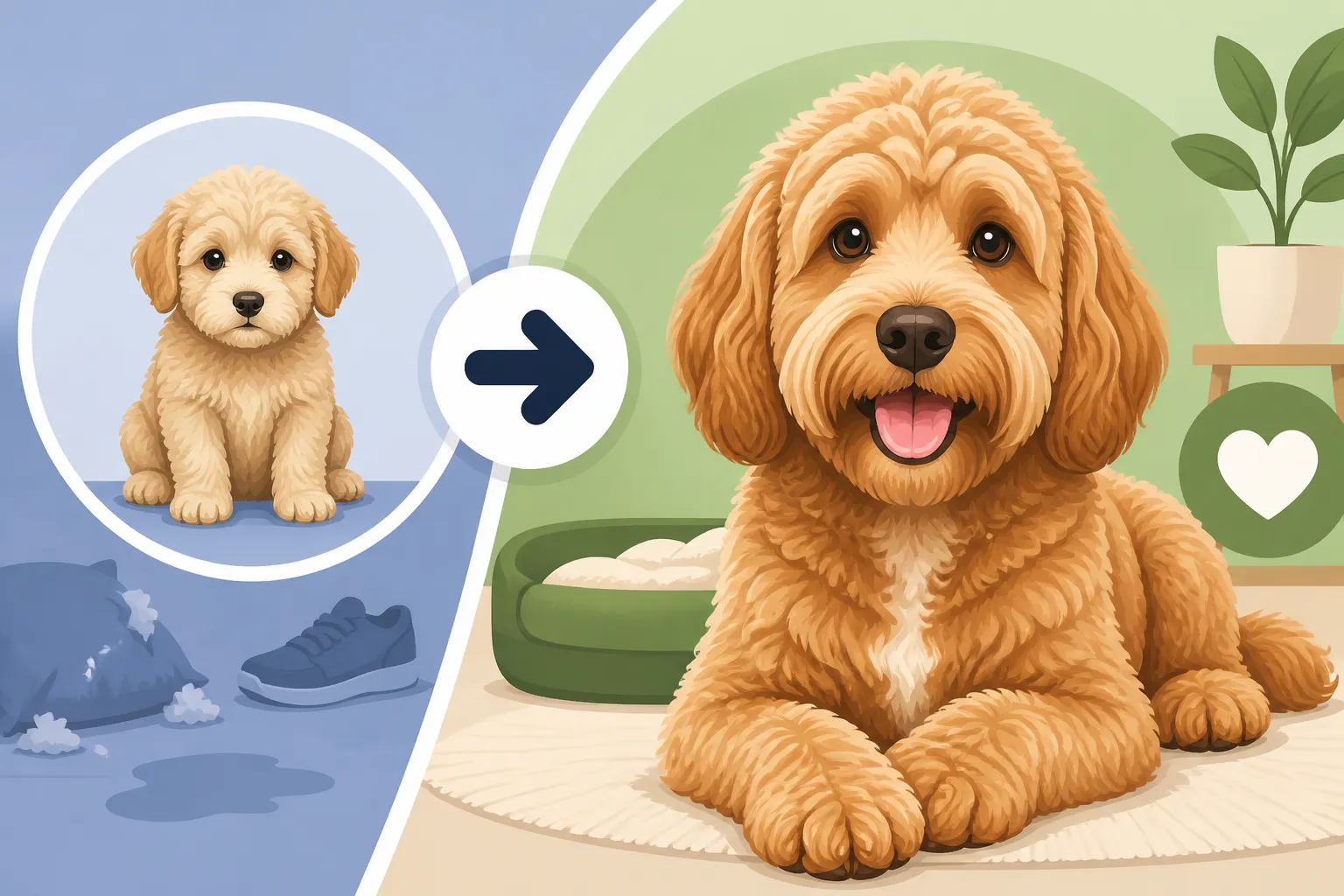
Buying an Adult Cockapoo Instead of a Puppy
Bringing a new dog into your life is an incredibly exciting prospect, but the idea of navigating the puppy stage – with its sleepless nights, endless potty breaks, and constant supervision – can feel utterly daunting. For many prospective Cockapoo owners, the thought of skipping directly to a more settled companion who already understands the basics is incredibly appealing. This comprehensive guide will walk you through everything you need to know about buying or adopting an adult Cockapoo, exploring the unique benefits and considerations that come with welcoming a mature dog into your heart and home.
Why an Adult Cockapoo Might Be Your Perfect Match
The allure of a tiny, fluffy puppy is undeniable, but the reality of raising one can be a whirlwind. Many people find themselves overwhelmed by the sheer demands of puppyhood, from the relentless training to the unpredictable behavior. Opting for an adult Cockapoo can circumvent many of these initial challenges, offering a smoother, more predictable transition into dog ownership.
Skipping the Puppy Chaos
One of the biggest draws of an adult Cockapoo is the delightful absence of typical puppy chaos. Imagine bringing home a dog that's already largely house-trained, understanding that the living room rug isn't a giant pee pad. The days of constant vigilance, mopping up accidents, and rushing outside every twenty minutes can largely be behind you. This alone can be a huge relief for busy individuals or families who simply don't have the bandwidth for intensive potty training.
Beyond house-training, adult Cockapoos have usually moved past the infamous teething phase. Those needle-sharp puppy teeth that nibble on everything from your fingers to your furniture are a distant memory. Instead of redirecting constant mouthing or dealing with destroyed shoes, you're more likely to encounter a dog with a gentler mouth and a clearer understanding of what is and isn't a chew toy. This significantly reduces the initial stress and potential damage that often comes with a young pup.
Furthermore, the nocturnal serenades of a new puppy crying in their crate are generally not an issue with an adult dog. Most adult Cockapoos are capable of sleeping through the night, providing much-needed peace for their human companions. Their energy levels are also often more established and predictable; while still active and playful, they've outgrown the boundless, often chaotic energy bursts that characterize puppyhood, allowing for a more settled and harmonious household dynamic from day one.
Understanding Their Personality from Day One
With a puppy, you're always making an educated guess about their adult size, coat type, and most importantly, their personality. Will they be super curly? Will they be more Poodle-like or Cocker-like in temperament? It's a bit of a genetic lottery. When you choose an adult Cockapoo, a huge part of that guesswork is eliminated. You can see their full-grown physique, their actual coat texture, and observe their current behavior and disposition.
This transparency is invaluable. You can meet an adult Cockapoo and immediately get a sense of whether they're shy or outgoing, laid-back or energetic, cuddly or independent. Their personality is already formed, allowing you to choose a dog whose character genuinely aligns with what you're looking for in a companion. This means less anxiety and a greater chance of a truly compatible match right from the start.
Moreover, if you have access to their history, you can gain insights into any known health issues or predispositions. While no dog is guaranteed to be free of future problems, knowing their past medical records or having a rescue organization provide a thorough health check can offer immense peace of mind. This can be particularly reassuring when considering potential hereditary conditions that can affect the breed, such as those related to eyes or kidneys. Getting a clear picture of their physical health from the outset allows you to make informed decisions and better prepare for their future care.
Adapting to Your Lifestyle
Adult Cockapoos often come with a built-in advantage when it comes to fitting into diverse lifestyles. Their routine is often more established, and they've typically learned some basic manners, making them far more adaptable than a rambunctious puppy. If you have a busy household with set schedules, an adult dog can often integrate more smoothly without requiring a complete overhaul of your daily life.
They can be an excellent choice for individuals or couples who work outside the home, as many adult Cockapoos are more comfortable being left alone for reasonable periods after a proper adjustment period. Unlike puppies who need almost constant supervision and frequent potty breaks, an adult dog may be perfectly content with a good walk in the morning and evening, coupled with some enriching activities during the day. This flexibility is a huge boon for modern living, providing companionship without demanding the intensive care required by a young pup.
Furthermore, if you're not keen on the high-energy demands of puppy play and prefer a more sedate pace, an adult Cockapoo might be ideal. While they still love to play and enjoy walks, their bursts of energy are usually more manageable, making them wonderful companions for those who appreciate a relaxed evening snuggle on the couch as much as an invigorating outdoor adventure. This balance often means they can seamlessly blend into existing family dynamics and routines, offering companionship without the demanding developmental phases.
Where to Find Your Adult Cockapoo and What to Ask
Finding an adult Cockapoo requires a slightly different approach than seeking out a puppy. You won't typically find litters of adult dogs, but there are several reputable avenues to explore, each with its own set of considerations. Being prepared with the right questions is crucial, no matter where you find your potential new family member.
Reputable Rescues and Shelters
It's a heartbreaking reality that many wonderful dogs, including Cockapoos, find themselves in shelters and rescues through no fault of their own. Life circumstances change, people move, or sometimes owners simply underestimate the commitment involved in dog ownership. This means there are often fantastic adult Cockapoos waiting for their forever homes. Rescues, in particular, often go above and beyond to ensure a good match. They invest time in understanding a dog's temperament and needs through foster care, which can provide invaluable insights into how the dog behaves in a home environment. If you're wondering Why So Many Cockapoos End Up in Rescue, it's often more about human circumstances than the dog's character.
When working with a rescue, look for organizations that conduct thorough screening processes for both the dogs and potential adopters. They should be transparent about the dog's known history, provide all available medical records, and usually ensure the dog is spayed/neutered, vaccinated, and microchipped before adoption. These groups also typically place dogs in foster homes, which allows them to accurately assess the dog's personality, house-training status, and interactions with other pets or children. This information is gold for a prospective owner.
Don't hesitate to ask a barrage of questions. Inquire about the dog's previous home environment, any known behavioral quirks, its current house-training habits, and how it reacts to strangers, children, or other animals. Ask about its energy level and what kind of daily exercise it enjoys. A good rescue will also want to know What a Rescue Wants to Know Before Placing a Cockapoo with you, as their goal is a permanent, successful adoption. Transparency and open communication are hallmarks of a reputable rescue, ensuring you have all the information needed to make an informed decision.
Connecting with Ethical Breeders
While most breeders focus on puppies, some ethical breeders occasionally have adult Cockapoos available for rehoming. These are typically retired breeding dogs who have contributed to the breeder's lines and are now ready to enjoy a life of leisure in a loving pet home. Sometimes, a breeder might also rehome an adult dog that didn't quite fit their breeding program, or perhaps a puppy they kept for evaluation that didn't develop as expected for showing or breeding.
When considering a retired breeding dog, understand that their experiences might be different from a typical pet. While many breeders socialize their dogs well, some retired dogs might need a little extra patience and adjustment to fully embrace pet life. However, they often come with impeccable health clearances and a known genetic background, which can be a significant advantage. You might wonder Whether a Retired Breeding Cockapoo Is Cheap, but often these dogs come with an adoption fee that reflects the care they've received and sometimes even includes a spay/neuter surgery.
When contacting a breeder about an adult dog, ask detailed questions about their health history, including all health clearances for both parents and the dog itself. Inquire about their temperament, how they've been socialized, and what their daily routine has been like. Understand why they are being rehomed and what kind of home environment the breeder believes would be best for them. A responsible breeder will be eager to find the perfect forever home for their retired dogs and will be transparent about their history and needs.
Private Rehoming Situations
It's also possible to find adult Cockapoos through private rehoming situations, often advertised online via platforms like social media groups or dedicated pet rehoming websites. While this can sometimes lead to a wonderful match, it's crucial to approach these situations with a healthy dose of caution and skepticism. The lack of an intermediary like a rescue or breeder means you need to do extra due diligence to ensure the dog's welfare and the honesty of the seller.
Be on the lookout for red flags. These might include sellers who are pushy, evasive about medical history, refuse to let you visit their home to meet the dog, or only want to meet in a neutral, public location. Avoid anyone who pressures you for a quick sale or seems more interested in the money than in finding a good home for the dog. Without proper documentation and transparency, you could inadvertently adopt a dog with undisclosed health issues or behavioral problems.
Conversely, green flags include sellers who are transparent about their reasons for rehoming, provide comprehensive medical records, invite you to their home to meet the dog in its current environment, and are genuinely interested in your lifestyle and experience. They should be willing to provide references, answer all your questions thoroughly, and ideally allow you multiple visits. Always insist on seeing veterinary records and performing a check with their vet, and consider having your own veterinarian examine the dog soon after adoption. This vigilance can help you avoid scams and ensure you're making a responsible choice for both you and the dog.
The Reality of Adopting an Adult Dog: Challenges and Rewards
Bringing an adult dog into your home, whether from a rescue, a breeder, or a private rehoming, comes with its own unique set of challenges and incredibly fulfilling rewards. It's not always a completely smooth sail, but with patience, understanding, and the right approach, the bond you form can be exceptionally strong.
Addressing Potential Baggage and Behavior
One of the most significant considerations when adopting an adult Cockapoo is the potential for them to come with "baggage" from their past experiences. Unlike a puppy whose slate is relatively clean, an adult dog may have developed habits, fears, or anxieties based on their previous home environment, or lack thereof. They might be nervous around new people, hesitant in certain situations, or display signs of separation anxiety if they were previously left alone for long periods. You might find that How Long a Rescue Cockapoo Takes to Settle can vary widely depending on their individual history and resilience. For instance, a dog that has come from a difficult background, perhaps even a mill seizure, might need extra time and understanding to Settling a Cockapoo That Came From a Mill.
Patience and understanding are truly paramount during the initial adjustment period. It’s essential to create a safe, predictable environment and allow your new Cockapoo time to decompress and learn to trust you. Positive reinforcement training methods are your best friend here, helping to build confidence and establish new routines without adding to any existing stress. Consistency in your approach will make a world of difference.
If you observe significant behavioral issues, don't hesitate to seek professional help. A certified professional dog trainer or a veterinary behaviorist can provide invaluable guidance and develop a tailored plan to address specific challenges, such as reactivity, fear-based behaviors, or separation anxiety. Resources like Chewy offer a wide range of training aids and books that can support your efforts, and some even connect you with online training resources. Remember, investing in their emotional well-being will pave the way for a happier, more harmonious life together.
Health Considerations and Medical History
A major advantage of adopting an adult Cockapoo is the potential for a known medical history. Reputable rescues and breeders will provide all available veterinary records, giving you insight into past vaccinations, surgeries, or any chronic conditions they might have. This transparency allows you to be proactive about their health care and budget for any ongoing needs. For example, if a dog has had recurring ear infections, you'll know to pay extra attention to ear cleaning and moisture management.
However, adult dogs can also come with existing health conditions that require ongoing management. These might be age-related issues, such as developing arthritis, or genetic predispositions that become apparent later in life. It's crucial to review all medical records thoroughly and have your own veterinarian perform a comprehensive health check-up soon after adoption. This initial vet visit can establish a baseline for their health and catch any emergent issues.
Regarding costs, pet insurance can be a smart investment for an adult dog, particularly if they are already past the puppy stage and potential pre-existing conditions are disclosed. Companies like Healthy Paws offer policies that can help manage unexpected veterinary bills. While hereditary conditions might be excluded if they manifest before coverage begins, understanding Whether Kidney Disease Is Covered on a Cockapoo Policy or other chronic issues is important when selecting a plan. Regular preventative care, including yearly check-ups and screenings like The Kidney and Eye Checks a Cockapoo Needs Yearly, becomes even more vital as your Cockapoo matures, helping to ensure they live their healthiest, happiest life.
Integrating into Your Home and Family
Bringing an adult Cockapoo into your home requires careful planning, especially if you have other pets or children. Slow and supervised introductions are key to ensuring a smooth transition for everyone. For existing dogs, a neutral territory introduction followed by controlled interactions can help them gradually acclimate to each other. You might want to review tips on Introducing a Cockapoo to the Dog You Have to make this process as stress-free as possible.
Creating a safe, quiet space for your new Cockapoo is also essential. This might be a crate, a dog bed in a low-traffic area, or a dedicated room where they can retreat when feeling overwhelmed. Provide plenty of toys, fresh water, and a comfortable sleeping spot. Establishing a predictable routine for feeding, walks, and playtime can help them feel secure and understand their new environment. Consistency and patience will help them learn the household rules and bond with their new family.
If you have children, teaching them how to properly interact with a dog is crucial. Adult Cockapoos, while generally good with kids, may have different experiences or comfort levels depending on their past. Gentle handling, respecting the dog's space, and supervising all interactions are vital. Resources on A Cockapoo With Children can provide further guidance on fostering a positive relationship between your dog and the younger members of your family. Remember, every dog is an individual, and taking the time to understand their cues and preferences will set everyone up for success.
Financial Aspects and Ongoing Care for an Adult Cockapoo
While the initial cost of acquiring an adult Cockapoo can sometimes be lower than that of a puppy, it's essential to consider the full financial picture. The ongoing costs of care, regardless of age, remain a significant commitment. Budgeting wisely for everything from adoption fees to daily nutrition and potential vet bills will ensure you can provide the best possible life for your new companion.
Upfront Costs and Adoption Fees
The initial expense for an adult Cockapoo can vary widely depending on where you acquire them. Adoption fees from rescues and shelters are typically lower than the purchase price of a puppy from a reputable breeder. These fees usually range, but they are generally structured to cover a portion of the extensive care the organization has already invested in the dog. This often includes spaying or neutering, up-to-date vaccinations, microchipping, deworming, and sometimes even a starter bag of food and toys. This upfront package can save you a considerable amount of money compared to getting these services done independently for a puppy.
When considering a retired breeding dog from a breeder, the cost can also vary. Some breeders might charge a nominal rehoming fee, while others may ask for a price that reflects the quality of the dog and the health testing invested. This fee is often still less than a young puppy, but it’s important to clarify what is included, such as spay/neuter surgery if not already done, and any recent vet checks. Private rehoming situations can be anywhere from free to a few hundred dollars, but as discussed, these carry greater risks in terms of unknown health and behavioral issues.
Here's a general comparison of initial costs to help you visualize the difference:
| Category | Puppy from Breeder | Adult from Rescue/Rehomed Breeder |
|---|---|---|
| Acquisition Fee | Higher | Lower to moderate |
| Spay/Neuter | Additional cost | Often included |
| Initial Vaccinations | Sometimes included, often more needed | Often up-to-date |
| Microchip | Additional cost | Often included |
| Deworming/Parasite Control | Additional cost | Often included |
| Basic Training | Starts from scratch | May have some, or need remedial |
| Initial Supplies | Essential | Essential |
Budgeting for Ongoing Needs
Beyond the initial acquisition, the daily and monthly costs of caring for an adult Cockapoo are where the bulk of your financial commitment lies. Food is a fundamental expense, and choosing a high-quality diet appropriate for your Cockapoo's size and activity level is vital for their health. Brands like Ollie offer fresh, human-grade food delivery services that can be an excellent option for some owners, providing tailored nutrition directly to your door. For those who prefer kibble or need a wider range of supplies, Chewy provides an extensive selection of food, treats, and accessories.
Grooming is another significant ongoing cost for a Cockapoo, regardless of their age or coat type. Their Poodle heritage means they generally have a non-shedding, continually growing coat that requires regular professional grooming to prevent matting. You'll need to budget for professional clips every 6-8 weeks, depending on the desired coat length and type. If you're curious about What a Cockapoo Groom Costs by Coat Type, remember that curlier, longer coats typically demand more time and therefore a higher price. Even if you plan to do some grooming at home, you'll still need to invest in quality brushes, combs, and clippers.
Finally, regular veterinary care, while sometimes overlooked, is crucial for maintaining your adult Cockapoo's health. This includes annual check-ups, vaccinations, parasite prevention (flea, tick, heartworm), and dental care. As dogs age, they may require more frequent vet visits or specific treatments for age-related conditions. This is where pet insurance, such as policies from Healthy Paws, can really make a difference, helping to mitigate the financial impact of unexpected illnesses or accidents. Understanding What Insuring a Cockapoo Runs Monthly is an important part of your overall budget, providing a safety net for your furry friend's well-being.
Training and Enrichment for Older Dogs
One common misconception is that you can't teach an old dog new tricks. This couldn't be further from the truth! Adult Cockapoos are often incredibly receptive to training and mental enrichment, making them rewarding students. In fact, their more settled nature and longer attention spans can sometimes make them easier to train than a distractible puppy. Consistency is key, along with positive reinforcement methods that build trust and make learning enjoyable.
Engaging your adult Cockapoo in training not only helps with manners and obedience but also provides crucial mental stimulation. Whether it's enrolling in an intermediate obedience class to work towards something like Whether a Cockapoo Passes an Obedience Title or trying out fun activities like nose work, adult dogs thrive on having a job to do. Scent work, in particular, can be incredibly satisfying for Cockapoos, tapping into their natural hunting instincts inherited from the Cocker Spaniel side. Exploring Scent Work That Satisfies a Cockapoo can provide endless opportunities for mental exercise right in your home or backyard.
Beyond formal training, provide a variety of enrichment activities. Puzzle toys, interactive feeders, and chew toys can keep them engaged and prevent boredom, especially when you're not able to actively play with them. Regular walks and opportunities to explore new environments also contribute significantly to their mental and physical well-being. An adult Cockapoo, just like a puppy, benefits immensely from a stimulating environment that caters to their intelligence and natural drives, fostering a happy, well-adjusted companion for years to come.
Disclaimer
This article is for general informational purposes only and does not constitute professional advice. Laws, prices and regulations vary by location and change over time. Consult a qualified professional for guidance on your specific situation.