Whether a Cockapoo Is Head Shy
It’s a common worry for many dog owners: that moment when you reach out to stroke your beloved companion, and they flinch, pull away, or even snap. For Cockapoo parents, who often choose this breed for its affectionate nature and charm, discovering your dog is "head shy" can be incredibly disheartening and even frustrating, especially given their grooming needs. This comprehensive guide will delve into what head shyness means, why your Cockapoo might exhibit it, and most importantly, how to gently and effectively address this sensitive issue to build trust and make daily interactions, like grooming or vet visits, a positive experience for both of you.
Understanding "Head Shy" Behavior in Dogs
When we talk about a dog being "head shy," it's more than just a little aversion to having their ears rubbed. It encompasses a range of reactions, from subtle discomfort to outright fear, when someone reaches for or touches their head. This behavior can be incredibly challenging for owners, impacting everything from routine cuddles to essential veterinary care and grooming appointments.
What Being Head Shy Actually Means
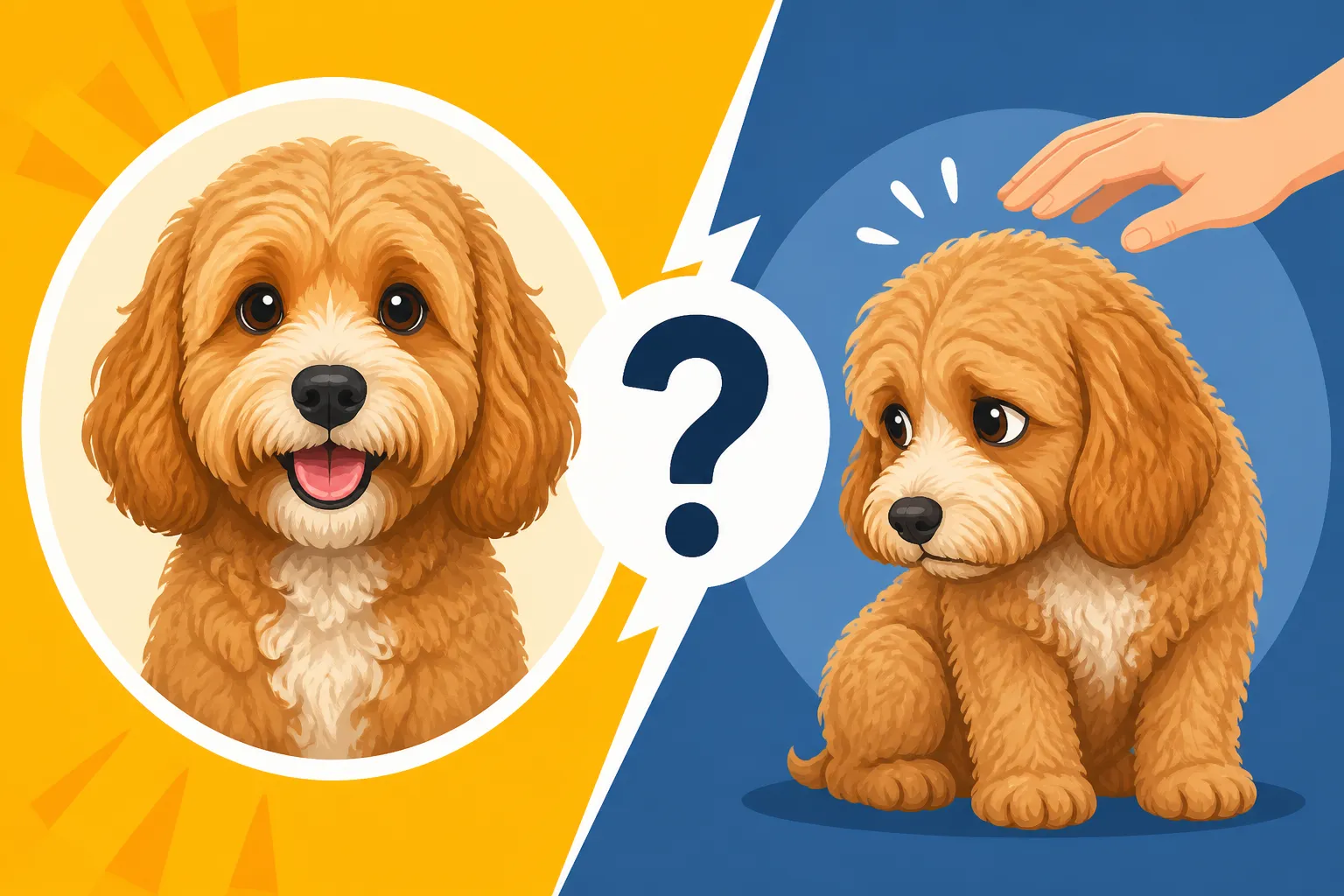
At its core, being head shy means a dog is uncomfortable or fearful of having their head touched or approached. This can manifest in various ways, from a slight ducking motion when a hand comes near, to pulling their head away sharply, flattening their ears, or showing signs of stress like lip-licking or yawning. In more severe cases, a head-shy dog might growl, snap, or even bite if they feel cornered or overwhelmed by a perceived threat to their head. Imagine trying to put on a collar, clean their eyes, or even just give them a loving pat on the head, only for your dog to recoil as if in pain or fear. It can be heartbreaking and can erode the bond you share.
The impact on daily life is significant. Routine tasks like applying flea and tick medication, cleaning those adorable Cockapoo ears, or wiping away eye boogers become a battle. Vet visits, which often require examinations of the eyes, ears, and mouth, can become incredibly stressful, necessitating muzzles or even sedation in some instances. Grooming, a non-negotiable part of owning a Cockapoo with their often curly, high-maintenance coats, can turn into a nightmare, potentially leading to matting if their face and ears aren't regularly brushed and trimmed.
Common Causes of Head Shyness
Head shyness isn't usually something a dog is born with; it's almost always a learned response or a reaction to discomfort. One of the most common causes is a negative past experience. This could range from being handled roughly by a well-meaning but clumsy child, accidentally getting poked in the eye, or suffering abuse or neglect from previous owners. A dog that has experienced pain or fear associated with head handling will naturally try to avoid it in the future.
Another significant factor is a lack of early, positive socialization to head touches. During their critical socialization period as puppies, dogs need to be gently and repeatedly exposed to various types of handling all over their bodies, including their heads, ears, and mouths. If a puppy misses this crucial window, or if their interactions are limited or negative, they may grow up to be wary. It’s not just about getting used to human hands; it's about associating those touches with comfort and safety.
Sometimes, physical pain or discomfort can be the root cause. An undiagnosed ear infection, dental pain, an eye injury, or even chronic headaches could make a dog extremely sensitive to touches around their head. Imagine how you would react if someone tried to touch a throbbing tooth or a sore ear – your dog feels the same. Always rule out a medical cause with your veterinarian if head shyness suddenly appears or worsens. It's truly eye-opening how a simple ear infection can transform a previously tolerant dog into one that avoids all head contact.
Finally, while less common as a sole cause, genetics can play a minor role. Some dogs may be predisposed to a more sensitive or cautious temperament, making them more susceptible to developing head shyness if their early experiences aren't overwhelmingly positive. This isn't to say it's an inherited trait directly, but rather a predisposition that influences how they react to stimuli. If a puppy's parents were unusually shy or reactive, it's worth noting, as a puppy might pick up on their parents' nervousness or simply be more genetically inclined towards wariness.
The Cockapoo's Predisposition to Head Shyness
The Cockapoo, being a hybrid of the Cocker Spaniel and the Poodle, inherits a fascinating blend of traits from both parent breeds. This means they can be prone to specific sensitivities that might contribute to head shyness, making early, thoughtful handling crucial for these charming dogs.
The Cocker Spaniel Influence
Cocker Spaniels are known for their sweet, affectionate nature, but they can also be quite sensitive dogs. Their physical characteristics, particularly their long, pendulous ears, make them prone to ear infections and necessitate regular cleaning and inspection. This frequent handling of a potentially sensitive area can, if not introduced carefully and positively, lead to aversion. Imagine how much your Cockapoo's ears get touched for cleaning, drying after a swim, or simply during petting. If any of these experiences are uncomfortable or rushed, it can build up a negative association.
Beyond their ears, Cocker Spaniels can sometimes display a predisposition to fear-based reactions if not properly socialized and handled with consistent, gentle training. While some may connect this to discussions around Whether Sudden Aggression Passes From Cocker to Cockapoo, it's more often about underlying anxiety or feeling threatened, which can certainly manifest as defensive behavior, including recoiling or snapping when their head is approached. They are a "soft" breed in many ways, meaning harsh corrections or rough handling can easily damage their trust and lead to wariness.
The Poodle Influence
Poodles, the other half of the Cockapoo equation, are highly intelligent, elegant, and often very sensitive dogs. They form deep bonds with their families and can be quite attuned to human emotions. While generally confident, some Poodles can be wary of strangers or quick, unexpected movements, which can translate into a natural cautiousness around head touches from new people or even their owners if not approached gently.
Their need for extensive and regular grooming further emphasizes the importance of early positive association with head handling. Poodles require meticulous care of their faces, ears, and topknots. Clipping around the eyes and ears, brushing out tight curls, and blow-drying these areas are all necessary tasks. If a Cockapoo inherits a coat that is more Poodle-like in its curl and density, these grooming needs become paramount. Without careful desensitization to these procedures, particularly around the head, a Cockapoo can quickly learn to dislike or even fear the grooming process. Getting a Cockapoo Used to Ear Handling is a prime example of an essential task that, if mishandled, can create or exacerbate head shyness.
The Cockapoo's Unique Combination
When you combine the sensitive nature and potential ear issues of the Cocker Spaniel with the intelligent, potentially wary temperament and high grooming needs of the Poodle, you get a Cockapoo who might be particularly predisposed to head shyness if their early experiences aren't carefully managed. Their adorable, often fluffy faces are irresistible to touch, but this frequent interaction must always be gentle and positive.
Consider their beautiful, flowing ears or the soft curls around their eyes. These areas require regular attention to prevent mats and maintain hygiene. If your Cockapoo has a coat that needs frequent trims, like a What a Teddy Bear Clip Looks Like on a Cockapoo, they will experience hands, combs, and clippers around their face often. If this isn't introduced with kindness and patience from puppyhood, it's easy for them to become uncomfortable. Their dense coats, particularly around the ears, can also trap moisture and lead to infections, further highlighting why they need to tolerate ear examinations without fear. The combination of these inherited traits makes it especially vital for Cockapoo owners to prioritize gentle head handling and desensitization from a young age.
Identifying and Addressing Head Shyness in Your Cockapoo
Recognizing the subtle cues your Cockapoo gives you is the first step in addressing head shyness. Dogs communicate primarily through body language, and understanding these signals can prevent escalation and help you build trust. Once you understand what they're telling you, you can implement strategies to make head handling a positive experience.
Recognizing the Subtle Signs
Dogs rarely bite without warning, and head shyness is no exception. Before a growl or snap, your Cockapoo will likely exhibit a range of calming signals and stress behaviors. These are often subtle and can be easily missed if you're not looking for them. Initial signs of discomfort might include:
- Lip licking: A quick flick of the tongue over the nose or lips, often out of context (i.e., not after eating).
- Yawning: Again, out of context from being tired.
- Head turning or looking away: A clear sign they want to disengage.
- Body freezing or stiffening: They might become very still, indicating tension.
- Low tail carriage or tucking: While not always indicative of fear, it can be a sign of unease when combined with other signals.
- Excessive blinking or wide eyes: "Whale eye" where the whites of their eyes are visible.
- Ears flattened back: A classic sign of apprehension.
If these subtle signals are ignored, the behavior can escalate. Your Cockapoo might start to:
- Growl softly.
- Snarl or show teeth.
- Snap in the air.
- Lunge or bite.
It’s crucial to understand that these are not acts of defiance or aggression for no reason; they are your dog's way of communicating that they are deeply uncomfortable and need space. Pushing past these signals can damage your relationship and make the problem significantly worse. Observe your Cockapoo carefully, not just when you touch their head, but also how they react to other stimuli around their head, such as loud noises or sudden movements.
Here’s a quick guide to understanding the spectrum of reactions:
| Behavior | Indication of Discomfort | Indication of Fear/Potential Aggression |
|---|---|---|
| Head Movement | Slight duck, turning away, pulling back gently | Quick, sharp recoil, pulling entire body away, frantic attempts to escape |
| Facial Expression | Lip lick, yawn, blinking, soft eyes, furrowed brow | Tense mouth, visible teeth, wide eyes ("whale eye"), flattened ears |
| Body Posture | Mild stiffness, slightly crouched, low tail wag | Freezing, cowering, tail tucked tightly, trembling, hackles raised |
| Vocalizations | Silent or soft whimper | Growl, snarl, bark (fear-based), whine (distress) |
| Response to Contact | Tolerates briefly but attempts to move away | Snaps, bites, lunges, struggles violently |
Creating Positive Associations
The key to overcoming head shyness is to change your Cockapoo's emotional response from fear or discomfort to positive anticipation. This process is called counter-conditioning and desensitization. It requires patience, consistency, and a generous supply of high-value treats.
Start by identifying your Cockapoo's "safe zone" – an area of their body they are comfortable being touched, usually the chest or shoulder. Begin by gently touching this area for a brief second, immediately followed by a delicious treat. Repeat this several times. The goal is for your Cockapoo to associate your touch with something wonderful. As they become comfortable, gradually move your hand closer to their head, perhaps to the side of their neck, then behind their ears, always pairing the touch with a treat. If your Cockapoo shows any signs of discomfort, back off to the last comfortable spot. Never force it.
Using a marker word like "yes!" or a clicker can be incredibly effective here. As soon as your fingers make contact, say "yes!" or click, and then immediately give the treat. This precise timing helps your Cockapoo understand exactly what action earned them the reward. Whether a Marker Word Beats a Clicker on a Cockapoo is an interesting discussion, but the principle of marking desired behavior remains the same. Keep sessions short – just a few minutes, several times a day – and always end on a positive note. The goal is to build up to being able to gently stroke their head, clean their ears, and check their teeth without any adverse reaction.
Practical Strategies for Handling and Grooming
Cockapoos, with their delightful but often demanding coats, absolutely require regular grooming. If they're head shy, this becomes a major hurdle. Desensitization isn't just for hands; it's for all the tools that come near their head too. Start by simply having grooming tools like brushes, combs, and even the electric clippers (turned off) present in their environment, giving treats as they appear. Then, turn the clippers on at a distance, gradually moving them closer while feeding treats. The sound can be just as scary as the touch. Many excellent online training programs, like those offered by BAXTER & Bella, include modules specifically on cooperative care and desensitizing dogs to grooming tools and handling, which can be a lifeline for owners.
When it comes to actual grooming, make the experience as calm and positive as possible. Consider using a non-slip mat on a table, which can make both you and your dog feel more secure than trying to groom on the floor. For face trims, practice holding their muzzle gently, praising and treating, before bringing scissors or clippers near. For ear care, gently massage the base of the ear first, then slowly lift the flap, always pairing with positive reinforcement. Whether Ear Hair Should Come Out of a Cockapoo is a common question, and regardless of your approach, the process of checking and cleaning those ears must be made positive.
If you plan to use a professional groomer, discuss your Cockapoo's head shyness with them beforehand. A good groomer understands the importance of positive reinforcement and gentle handling. They might suggest a "happy visit" where your dog just gets treats and positive interactions without any actual grooming, to build trust. Remember, Teaching a Cockapoo to Accept the Groomer is a long-term project that starts at home. You can also find a variety of grooming tools, from quiet clippers to soft brushes, on platforms like Amazon that might make the process less intimidating for your sensitive Cockapoo.
When to Seek Professional Help
There are times when head shyness is simply too severe or challenging for owners to tackle on their own. If your Cockapoo's reactions are escalating, you feel unsafe, or you're just not making progress despite your best efforts, it's definitely time to bring in the pros.
Your first stop should always be your veterinarian. As mentioned, pain or discomfort can be a huge underlying factor. Your vet can perform a thorough examination, including checking their ears (perhaps for Whether a Cockapoo Needs Its Ears Cultured), eyes (looking for issues like The Red Eye That Means a Cockapoo Needs a Vet Tonight), and mouth (to rule out Dental Disease in a Small Cockapoo's Mouth). Addressing any medical issues might resolve or significantly improve the head shyness. They might even recommend mild sedatives to help with handling during the early stages of training, making it easier for your dog to relax and accept the process.
If no medical cause is found, or if the behavior persists after medical issues are addressed, seeking help from a certified professional dog trainer (CPDT) or a veterinary behaviorist is the next crucial step. These professionals have the expertise to assess your Cockapoo's specific situation, identify triggers, and develop a tailored behavior modification plan. They can teach you advanced techniques for counter-conditioning and desensitization, provide hands-on guidance, and ensure you're using the methods safely and effectively. A veterinary behaviorist, in particular, can also prescribe anti-anxiety medication if needed, to help your dog manage their fear while you work on behavior modification. Don't hesitate to ask for help; professional intervention can make a world of difference for both you and your Cockapoo.
Preventing Head Shyness in Cockapoo Puppies
The best approach to head shyness is prevention, especially with a Cockapoo puppy. Their early experiences shape their entire perception of the world, and by being proactive and intentional during their formative months, you can significantly reduce the likelihood of this issue ever developing.
Early Socialization and Handling
The period between 3 and 16 weeks of age is a critical socialization window for puppies. During this time, they are most open to new experiences, sights, sounds, and touches. This is when you should be gently and frequently handling your Cockapoo puppy all over their body, including their head, ears, mouth, and paws. Make it a fun, positive interaction every single time. Stroke their head, gently lift their ears to peek inside, briefly open their mouth to check their tiny teeth, and touch their whiskers. Each touch should be followed by praise and a tasty treat.
The goal is to create a strong positive association: "When human hands touch my head, good things (like yummy treats and happy words) happen!" Introduce different people to your puppy, always ensuring they understand the importance of gentle handling. Puppy classes are fantastic for this, as they provide controlled exposure to new people and other dogs, often incorporating handling exercises into their curriculum. Think of it as laying down a robust foundation of trust and comfort that will serve them well throughout their lives, making future grooming sessions and vet visits a breeze. What a Cockapoo Puppy Should Learn First almost always includes early handling and socialization.
Choosing a Reputable Breeder
The foundation for a well-adjusted Cockapoo begins even before they come home with you, and it largely depends on the breeder you choose. A responsible, reputable breeder plays a crucial role in preventing head shyness. They will understand the importance of early socialization and handling for their puppies.
When researching breeders, don't be afraid to ask detailed questions about their practices:
- How do they socialize their puppies? A good breeder will handle their puppies daily from birth, gently touching all body parts, getting them used to human contact.
- What is the temperament of the parent dogs? If one or both parents are overly shy or reactive, their puppies might inherit a predisposition towards wariness. A breeder should be transparent about their dogs' personalities.
- Do they perform health testing? While not directly related to temperament, a breeder who prioritizes health testing (like Asking a Cockapoo Breeder for the FN Certificate or Asking for a Cockapoo's Eye Certificates) often also prioritizes overall responsible breeding practices, which includes temperament.
A reputable breeder will ensure their puppies are exposed to a variety of safe, positive experiences before they even go to their new homes. This early, consistent, and gentle handling makes a world of difference in producing a confident, friendly Cockapoo who is much less likely to develop issues like head shyness. Avoid breeders who don't allow you to meet the puppy's parents or see where the puppies are raised, as these are often red flags for inadequate early socialization and care.
Disclaimer
This article is for general informational purposes only and does not constitute professional advice. Laws, prices and regulations vary by location and change over time. Consult a qualified professional for guidance on your specific situation.