Whether a Cockapoo Chases Joggers or Bikes
It’s a scenario many Cockapoo owners know all too well: you’re enjoying a lovely walk, feeling great, when suddenly a jogger strides past or a bicycle whizzes by, and your sweet Cockapoo transforms into a miniature rocket, lunging and barking, pulling you off balance. This guide is here to help you understand why your Cockapoo might chase moving objects and, more importantly, equip you with practical strategies and training advice to manage and prevent this often-frustrating behavior.
Why Cockapoos Might Chase Moving Objects
It's easy to feel embarrassed or even a little angry when your Cockapoo chases after a bike or a runner, but understanding the root causes behind this behavior can really shift your perspective. It's rarely about being "naughty"; it's usually deeply ingrained instinct or a cry for more engagement.
The Spaniel's Instinctive Drive
Let’s not forget that a Cockapoo is half Cocker Spaniel, and these dogs were bred for centuries to be active hunting companions. English Cocker Spaniels and American Cocker Spaniels alike have a strong "flushing" drive – that means they’re wired to burst through cover, find birds, and send them flying into the air. This instinct translates into a keen interest in anything that moves quickly or erratically. A jogger’s swinging arms, a bicycle wheel spinning, or a skateboard rolling past can all mimic the sudden movement of prey. Your Cockapoo isn't being disobedient; they're responding to a hard-wired urge to pursue. They might also exhibit behaviors like The Flushing Drive Still Alive in a Cockapoo when encountering other stimuli in the environment.
This deep-seated instinct means that what looks like a playful chase to us is actually a sophisticated hunting sequence playing out in miniature. The initial sighting, the stalk, the chase – it’s all part of that innate programming. When they see something moving fast, it triggers that ancient part of their brain, almost like a reflex. It takes a lot of training and consistency to override something so fundamental, especially when the reward of the chase (even if they don't "catch" anything) can be incredibly self-reinforcing and exciting for them.
The Poodle's High Energy and Alertness
On the other side of the family tree, you have the Poodle, a breed known for its intelligence, athleticism, and surprising working dog history as a water retriever. Poodles are incredibly alert and quick to notice changes in their environment. This means your Cockapoo inherited a sharp mind and an energetic spirit from this side too. When combined with the Spaniel's drive, it creates a dog that is not only inclined to chase but also highly observant and quick to react to stimuli.
Poodles also have a significant amount of energy, and if that energy isn't channeled productively, it can manifest in undesirable ways, like reactivity to moving objects. They're often highly intelligent and need mental stimulation as much as physical. A bored or under-exercised Cockapoo is a prime candidate for developing chasing behaviors, as these activities provide a quick, intense burst of excitement. If your Cockapoo is left alone for How Many Hours a Cockapoo Can Be Left without adequate mental or physical enrichment, they might become more prone to chasing out of sheer pent-up energy.
Lack of Mental and Physical Exercise
A well-exercised and mentally stimulated Cockapoo is generally a happier, calmer dog. Many owners underestimate the significant exercise needs of their Cockapoo, especially considering the active heritage of both parent breeds. While they love to cuddle on the couch, they also need regular, engaging physical activity to burn off steam and mental challenges to keep their smart brains busy.
Without enough appropriate outlets for their energy, chasing becomes a thrilling, self-rewarding game. Imagine being full of energy with nothing to do; the sight of a fast-moving object can feel like an irresistible invitation to play. This isn't just about walks around the block; it's about active play, training sessions, and opportunities to sniff and explore. If your Cockapoo is prone to destructive behaviors like What a Bored Cockapoo Chews Through, it's often a clear sign that their needs for mental and physical engagement aren't being met, and chasing could be another symptom of this underlying issue. They truly need their "miles" every day, as discussed in The Miles a Cockapoo Wants Every Day.
Understanding the Behavior's Nuances
It's easy to lump all chasing behaviors into one category, but often, there are subtle differences in why a Cockapoo might chase, and understanding these can help tailor your training approach. Is it pure prey drive, or something else entirely?
Prey Drive Versus Herding Instinct
While both Spaniels and Poodles have elements of hunting in their background, the type of drive can differ. Prey drive is about chasing, catching, and potentially dispatching, often associated with smaller, faster movements. This is often what kicks in when a squirrel darts across the path or a small child runs shrieking by. Your Cockapoo's eyes lock on, their body tenses, and they must pursue. This can be a very powerful, almost uncontrollable urge.
Herding instinct, on the other hand, is about gathering and controlling movement, often seen in breeds like Border Collies. While Cockapoos typically don't possess a strong herding drive, some individuals might exhibit milder versions, trying to "collect" or redirect moving objects, sometimes accompanied by nipping at heels. This is less about killing and more about control. Distinguishing between the two can sometimes be tricky, but often, the intensity and intent are different. A Cockapoo with a strong prey drive might seem utterly deaf to commands once focused on a chase, a phenomenon explored further in A Cockapoo That Goes Deaf on a Trail.
Excitement and Overstimulation
Sometimes, chasing isn't solely about prey drive or herding; it's simply an overflow of excitement and energy, especially in a dog prone to being easily overstimulated. Imagine your Cockapoo at a busy park, with kids playing, other dogs barking, and people jogging. All this sensory input can quickly push them past their threshold. A passing bike might just be the final straw, triggering an excited, uncontrolled burst of energy rather than a calculated predatory chase.
This kind of chasing can be less intense and more about letting off steam. The dog might bark and run a few steps, then look back at you, almost inviting you to join in the "fun." However, it's still dangerous and needs to be addressed. It highlights the importance of managing their exposure to highly stimulating environments, especially when they are still learning self-control. It also emphasizes the need for consistent training to teach them how to cope with excitement in a calm manner, and to understand that not every moving object is an invitation to play.
Learned Behavior and Reinforcement
Dogs are masters of association. If chasing a jogger or a bike has ever led to something rewarding for your Cockapoo, even unintentionally, they're likely to repeat the behavior. What could be rewarding?
- The thrill of the chase itself: The sheer joy and adrenaline rush of running at top speed, even for a few seconds.
- Getting attention: Even if it's negative attention (you yelling at them, pulling the leash), some dogs prefer any attention over none.
- A "successful" outcome: If the jogger speeds up or the cyclist swerves, your Cockapoo might perceive this as having "won" the chase, reinforcing the behavior.
- Reaching the object (rare but possible): If they actually get to sniff the jogger's leg or bark at the bike up close, it's a huge reward.
This means that every time your Cockapoo chases and experiences any of these "rewards," the behavior becomes stronger. This is why early intervention and consistent training are so crucial. Allowing them to practice the undesirable behavior even occasionally will set back your progress significantly. Understanding this reinforces the need to prevent them from "rehearsing" the chasing.
Training Strategies to Prevent Chasing
The good news is that chasing behaviors, while instinctual, can be managed and even overcome with consistent, positive reinforcement training. It's about teaching your Cockapoo alternative, more appropriate responses to moving stimuli.
Foundation: Leash Manners and Loose-Leash Walking
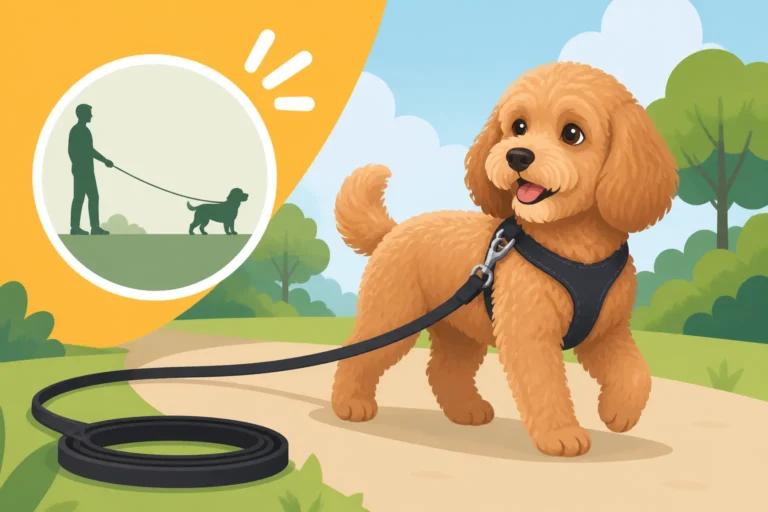
Before you can even begin to tackle chasing, your Cockapoo needs to be a pro at walking politely on a leash. A dog that pulls constantly is already operating in a heightened state of excitement and is much more likely to react to distractions. Invest time in teaching loose-leash walking, where the leash remains slack and your dog walks calmly by your side. Use high-value treats and praise to reward them for staying close and not pulling.
Practice in low-distraction environments first, like your quiet neighborhood street, and gradually increase the challenge. Tools like a front-clip harness can be incredibly helpful for managing pulling, giving you more control without causing discomfort. Brands like Amazon offer a wide variety of effective no-pull harnesses and leashes that can make walks much more manageable. The goal here is to establish a calm baseline behavior before exposing them to triggers.
Bulletproof Recall in Distraction
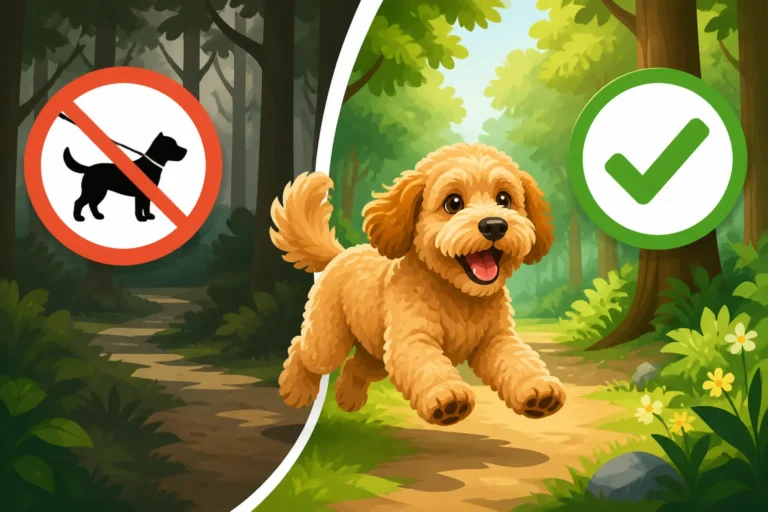
A strong, reliable recall is your absolute best defense against chasing, especially if your Cockapoo is prone to darting after things when off-leash. This means they should come back to you immediately, no matter the distraction. Start recall training in a secure, enclosed area with no distractions, using a long line (like a 30-foot leash) if needed to ensure safety, as discussed in Working a Cockapoo on a Long Line. Use a unique recall word or whistle and make coming to you the most amazing, rewarding thing ever with high-value treats and enthusiastic praise.
Once they're reliable in quiet settings, gradually introduce distractions. Practice in parks with people, but perhaps when joggers aren't active. As they improve, expose them to joggers and bikes from a distance, rewarding them for checking in with you instead of fixating. Remember, a Cockapoo with Recall on a Cockapoo That Has Found a Scent is a true challenge, so this step requires immense patience and consistency. Never let them off-leash in an uncontrolled environment if their recall isn't 100% reliable around their triggers. This ensures their safety and prevents them from practicing the unwanted chasing behavior.
Impulse Control and "Leave It" Command
Teaching your Cockapoo impulse control is vital. This means they learn to resist the urge to go after something desirable (like a passing bike) and instead look to you for guidance. The "Leave It" command is a cornerstone of this training. Start with low-value items (a piece of kibble on the floor) and progress to more tempting things, eventually applying it to moving objects from a distance.
When you see a jogger or bike approaching, say "Leave It" and immediately reward your Cockapoo for looking at you or calmly observing without reacting. You want to interrupt their focus on the trigger and redirect it to you. This takes many repetitions in various scenarios. Online training platforms like BAXTER & Bella offer excellent resources and step-by-step guides for teaching "Leave It" and other impulse control exercises, which can be invaluable for consistent practice at home.
Management Techniques for Safety and Success
While training is ongoing, management strategies are your immediate tools for keeping your Cockapoo safe and preventing the chasing behavior from getting reinforced.
Choosing the Right Gear
The right equipment can make a huge difference in managing a Cockapoo with a chasing tendency.
- Front-clip harness: As mentioned, this is often superior to a collar or back-clip harness for controlling pulling. When your dog pulls, the leash redirects them to the side, making it harder for them to lunge forward with force.
- Head halter: For very strong pullers or highly reactive dogs, a head halter can offer even greater control, guiding their head and thus their body. Many dogs need time to adjust to a head halter, so introduce it gradually with positive associations.
- Long line: Essential for practicing recall and allowing safe exploration in open, secure areas. It gives your dog the feeling of freedom while you maintain control.
- High-quality leash: A sturdy leash that’s comfortable for you to hold is important. Consider one with a good grip that won’t slip when your Cockapoo lunges. Amazon has a vast selection of these types of training equipment.
It's tempting to think about shock collars or punitive tools, but these often suppress the behavior rather than changing the underlying emotion, and can damage your bond with your Cockapoo. Positive reinforcement with appropriate management tools is always the more effective and humane approach.
Controlling the Environment
Until your Cockapoo's training is solid, it's your responsibility to set them up for success by controlling their environment.
- Avoid trigger-rich areas: If you know a particular park trail is popular with joggers and cyclists, avoid it during peak hours. Choose quieter paths, fields, or even your backyard for exercise.
- Increase distance: When you do encounter a trigger, create as much distance as possible. Cross the street, step behind a car, or duck into a doorway. The further away your Cockapoo is from the trigger, the less likely they are to react strongly.
- Observe and anticipate: Become a hawk-eyed observer of your surroundings. Spot joggers or cyclists far off in the distance so you have time to prepare, engage your dog, and reward calm behavior before they even think about chasing.
- Secure your yard: If your Cockapoo has access to a yard, ensure the fencing is secure. A Cockapoo with a strong prey drive might easily find a weak spot in the fence if a rabbit or squirrel, or even a child on a bike, passes by. Whether a Cockapoo Needs a GPS Collar could be a good consideration for dogs prone to bolting.
Enrichment and Distraction
Remember that bored and under-stimulated dogs are more likely to chase. Ensure your Cockapoo is getting plenty of mental and physical enrichment throughout the day.
- Interactive toys: Puzzle toys, sniffle mats, and KONGs filled with frozen treats can keep their minds busy and provide an outlet for their innate desire to work for food.
- Scent games: Cockapoos, with their Spaniel nose, excel at scent work. Hide treats around the house or yard and let them sniff them out. This engages their natural instincts in a constructive way. Scent Games a Cockapoo Never Tires Of is a great article to explore for ideas.
- Structured play: Tug-of-war, fetch, or flirt pole games can provide high-intensity physical exercise and satisfy their chase drive in a controlled environment.
- Consistent training: Even short, daily training sessions (5-10 minutes) keep their brains active and reinforce good habits. This makes them feel like a valued member of the family and provides a "job" for them.
- Appropriate dog sports: Consider introducing a dog sport like agility, flyball, or nose work. These can provide a fantastic outlet for their energy and intelligence, as explored in Whether a Cockapoo Needs a Sport to Be Manageable.
A Cockapoo whose physical and mental needs are met is far less likely to seek out inappropriate outlets for their energy, such as chasing.
Addressing Specific Scenarios
While the underlying principles of training and management remain consistent, there are subtle differences in how you might approach various moving triggers.
Joggers and Runners
Joggers often move at a steady, rhythmic pace, but their swinging arms and changing stride can still trigger a Cockapoo's chase instinct. The key here is consistent counter-conditioning and desensitization.
- Early detection is crucial: As soon as you spot a jogger, get your Cockapoo's attention before they notice the jogger. A high-value treat right at their nose, or a quick "watch me" command.
- Reward calm observation: As the jogger approaches and passes, continuously reward your Cockapoo for not reacting. If they simply watch calmly, praise and treat them generously. You want them to associate joggers with good things (treats), not with a thrilling chase.
- Distance is your friend: If your Cockapoo starts to fixate or show signs of tension (stiff body, ears forward, low growl), you're too close. Increase the distance immediately by stepping off the path or turning around. Better to avoid a reaction than to try to manage one when they're already over the threshold.
- Practice "U-turns": If a jogger appears suddenly and you can't create enough distance, practice a quick U-turn and walk swiftly in the opposite direction, getting your dog's attention with treats. This teaches them that seeing a jogger means a change of direction, not a chase.
Bicycles and Scooters
Bicycles and scooters present a unique challenge due to their speed, sometimes silent approach, and distinct wheel-spinning motion. This can often ignite the prey drive even more intensely, as discussed in Whether a Cockapoo Bolts After Birds.
- Sound association: Many bikes make a distinct whirring sound. Use this to your advantage. When you hear a bike, immediately alert your Cockapoo with a "look at me" command and reward. Over time, the sound of a bike will become a cue for them to look at you for a treat, rather than to chase.
- "Car/Bike Game": This involves sitting by a quiet road or path where bikes occasionally pass, but at a distance where your Cockapoo can see them without reacting strongly. Every time a bike passes, give your Cockapoo a treat. The bike appears, treat appears. The bike disappears, treats stop. This builds a positive association.
- Controlled exposure: If possible, arrange for a friend to slowly ride a bike past you and your Cockapoo at a distance. Gradually decrease the distance and increase the speed as your dog remains calm. This allows for safe, controlled practice.
- Never allow chasing: Even if the bike is far away, do not let your Cockapoo lunge or bark. Every instance of chasing reinforces the behavior, even if they don't get close. Keep that leash short and redirect their focus.
Skateboards and Rollerblades
These can be particularly challenging due to their often erratic movement and unusual sounds. The novelty and unpredictability can be highly stimulating for a Cockapoo.
- Unusual sounds: Skateboards often produce a scraping or rattling noise. Rollerblades can glide silently then suddenly brake. These unexpected sounds can startle some dogs and trigger a chase response. Again, consistent positive association with these sounds (treats when you hear them) is key.
- Erratic motion: Unlike a steady jogger or cyclist, skateboarders and rollerbladers might weave, stop abruptly, or perform tricks. This unpredictable movement is highly stimulating to a dog's chase instinct.
- Consistent "Leave It" practice: This is where your solid "Leave It" command really shines. The moment you see or hear a skateboarder, issue the command and reward heavily for compliance.
- Desensitization to sound: If the sound of a skateboard is particularly triggering, you can try playing recordings of skateboard sounds at a very low volume at home, pairing it with treats and calm activities. Gradually increase the volume over many sessions.
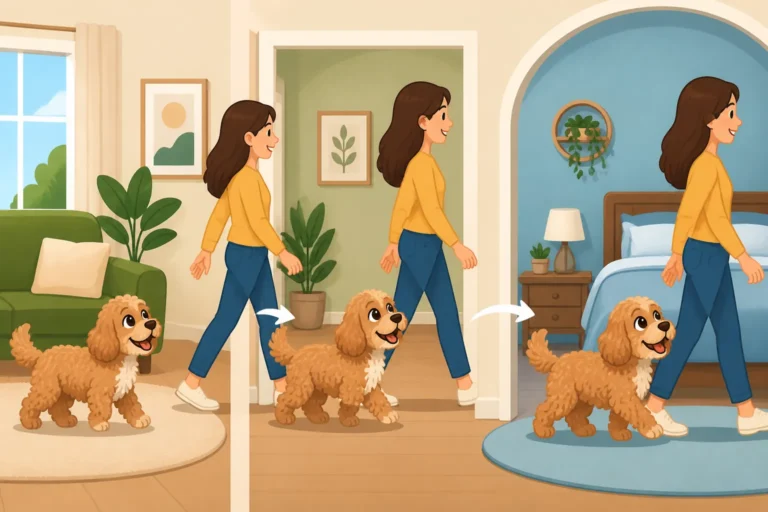
- Focus on the handler: Teach your Cockapoo that the most interesting thing in any environment is you. Play quick games, practice commands, and reward them frequently for checking in with you, rather than scanning the environment for potential "prey."
When to Seek Professional Help
Sometimes, despite your best efforts, the chasing behavior persists or even escalates. This isn't a sign of failure on your part, but rather an indication that a professional can offer invaluable tailored guidance.
Persistent or Escalating Behavior
If you've been consistently applying these training and management techniques for several weeks or months, and you're not seeing significant improvement, or if the chasing behavior is actually getting worse (e.g., your Cockapoo is more intense, more difficult to redirect, or reacting to triggers from further distances), it's time to call in the cavalry. Persistent challenges often indicate that there might be underlying anxiety, fear, or a drive that requires more specialized handling than can be learned from general advice.
An escalating behavior can also indicate that your Cockapoo is becoming more confident in their chasing, and it's becoming a deeply ingrained habit. The longer the behavior goes unaddressed, the harder it can be to modify. Don't wait until it becomes a dangerous situation before seeking help. Proactive intervention is always better for your peace of mind and your dog's safety.
Aggression or Fear-Based Chasing
While most chasing is rooted in prey drive or excitement, sometimes it can have an element of fear or aggression, especially if your Cockapoo barks intensely, growls, snaps, or tries to bite. This is a more serious issue and absolutely warrants professional intervention. Fear-based chasing might manifest as your Cockapoo trying to "make the scary thing go away" by rushing at it, while aggression could stem from resource guarding (of you or the territory) or an intolerance for movement near them.
Identifying the underlying emotion is critical because the training approach for fear or aggression is different from that for pure prey drive. A qualified professional can help distinguish these nuances through observation and assessment. They can develop a safety plan to prevent bites or injuries while working on modifying the core emotional response.
Benefits of a Certified Trainer or Behaviorist
A certified professional dog trainer or veterinary behaviorist brings a wealth of knowledge and experience that can make all the difference.
- Personalized assessment: They can observe your Cockapoo in their environment, assess their body language, and identify specific triggers and the intensity of their reactions. This allows them to create a customized training plan.
- Tailored techniques: They can teach you specific techniques, drills, and management strategies that are unique to your dog's personality and the severity of their behavior. They might introduce advanced impulse control exercises or specific desensitization protocols.
- Addressing underlying issues: A professional can help identify if there are any medical issues, anxieties, or other behavioral problems contributing to the chasing, and guide you on how to address them holistically.
- Support and accountability: Working with a trainer provides you with ongoing support, feedback, and accountability, which can be invaluable when dealing with challenging behaviors.
- Safety first: They prioritize safety for both your dog and the public, helping you implement management strategies that prevent dangerous incidents while you work on long-term solutions.
Remember, seeking professional help isn't a sign of failure; it's a sign of a responsible and loving owner committed to their Cockapoo's well-being and safety. Organizations like the Certification Council for Professional Dog Trainers (CCPDT) or the International Association of Animal Behavior Consultants (IAABC) can help you find qualified professionals in your area.
| Behavior Trait | Primary Cause | Training Focus | Management Strategy |
|---|---|---|---|
| Prey Drive | Instinct to chase/catch prey | "Leave It", strong recall, redirect focus | Front-clip harness, long line, avoid triggers |
| Excitement/Overstimulation | Excess energy, lack of coping mechanisms | Impulse control, calm observation, relaxation | Environmental control, enrichment, appropriate exercise |
| Learned Behavior | Accidental reinforcement of chasing | Prevent practice, positive associations, consistency | Strict leash control, remove rewards for chasing |
| Fear/Aggression | Anxiety, defensive reaction | Counter-conditioning, confidence building, behavior modification | Create distance, muzzle training (if advised), professional help |
Disclaimer
This article is for general informational purposes only and does not constitute professional advice. Laws, prices and regulations vary by location and change over time. Consult a qualified professional for guidance on your specific situation.