Placing a Cockapoo Yourself Instead of Through Rescue
The decision to rehome a cherished pet like your Cockapoo is truly one of the most agonizing experiences an owner can face. It’s a moment filled with guilt, sadness, and often, an overwhelming sense of failure. But sometimes, despite your best intentions, life throws you a curveball – a new job, a significant health challenge, or an unexpected living situation – that makes providing the best life for your furry companion impossible. While many incredible rescue organizations exist to help, you might feel a deep need to personally ensure your Cockapoo finds the perfect next chapter. This comprehensive guide is here to support you through the compassionate and responsible steps of placing your Cockapoo yourself, ensuring they transition into a loving, well-suited home with dignity and care.
Understanding the Decision to Rehome Your Cockapoo
Let's be honest, contemplating rehoming your Cockapoo is an emotional Everest. It's not a decision made lightly, and the emotional toll can be immense. You probably feel like you're letting your best friend down, and that feeling can be incredibly isolating. It’s crucial to understand that you are not alone in this, and often, the decision comes from a place of profound love and a desire to provide a better life for your dog, even if it means heartbreak for you.
The Emotional Toll and Common Reasons for Rehoming
That knot in your stomach, the teary eyes, the constant loop of "what if I had done things differently?" – these are all perfectly normal reactions when you're considering rehoming your Cockapoo. Many owners carry this heavy burden, believing they've somehow failed their pet. But the reality is, life is unpredictable, and circumstances often shift beyond our control. Perhaps a new baby has arrived, and it's become clear that a family member has developed severe allergies to pet dander, making shared living unsustainable. Or maybe your once-active Cockapoo isn't coping well with a sudden, drastic change in your living environment, such as moving from a spacious home with a yard to a small city apartment.
Sometimes, the reasons are deeply personal and difficult to share, like a sudden illness in your family that demands all your time and energy, leaving little for the daily care and attention your Cockapoo deserves. Financial strains can also play a cruel hand; the rising costs of living, vet care, and quality food can simply become unmanageable for some families. It could even stem from an initial mismatch, where you envisioned a calm, cuddly companion, but your Cockapoo, with their lively Cocker Spaniel and intelligent Poodle heritage, turned out to be a high-energy, mentally demanding friend who thrives on more activity and training than you can realistically provide. Acknowledging these complex realities isn't about making excuses; it's about validating the genuine, often painful, reasons that lead to this difficult crossroad.
When Self-Placement Might Be the Right Path
While dedicated rescue organizations provide an invaluable safety net for countless animals, you might feel a compelling desire to be intimately involved in finding your Cockapoo's next family. This hands-on approach offers a unique level of control and personalized vetting that often resonates with owners who want to ensure a truly bespoke match for their beloved pet. Perhaps your Cockapoo has very specific needs – they absolutely adore children and other dogs, or they thrive in a quiet, adult-only home. You might have a clear vision of the ideal environment, like a sprawling property where they can fully embrace The Flushing Drive Still Alive in a Cockapoo, rather than being confined to city parks.
Choosing self-placement allows you to thoroughly interview potential adopters, conduct multiple meet-and-greets, and feel profoundly confident in the compatibility of the new home. It grants you the opportunity to share every nuanced detail about your Cockapoo's personality, habits, and history, fostering a transparent transition. For instance, if you know your Cockapoo needs specific grooming for The Three Cockapoo Coat Types and Their Upkeep, you can discuss this directly with the prospective owner. This method is often chosen by owners who have the luxury of time and resources to dedicate to a comprehensive search, prioritizing an individualized fit over the expediency that a busy rescue might offer. It's about empowering yourself to ensure the very best possible outcome for your furry family member.
Preparing Your Cockapoo for a New Home
Think of this stage as preparing your Cockapoo's "resume" and getting them ready for their next big adventure. A well-prepared dog, with all their ducks in a row, is much more appealing and provides invaluable peace of mind to their future family. It demonstrates your commitment to their well-being, even in this challenging time.
Gathering Essential Records and Information
The first crucial step is to compile a comprehensive portfolio of your Cockapoo's life. This should begin with all their veterinary records – vaccination history, deworming dates, spay/neuter certificates, and a detailed account of any past illnesses, injuries, or treatments. If their parents underwent any DNA health screenings for conditions common in Cockapoos, such as testing for Familial Nephropathy and the Kidneys a Cockapoo Can Inherit or to determine Whether Both Cockapoo Parents Must Be prcd-PRA Clear, these documents are golden. Providing this kind of in-depth health history upfront is an enormous selling point for responsible potential owners, showing them you've invested in your dog's well-being.
Beyond medical documentation, gather all known details about your Cockapoo’s daily life. This includes their current feeding schedule, the specific brand and type of food they eat (perhaps noting if they thrive on a fresh food diet like Ollie, or if you regularly source their favorite kibble from Chewy), and any known allergies or dietary sensitivities. Make a list of their favorite toys, comfort items, and details about their routine – when they typically go out for potty breaks, their preferred walking routes, and what kind of exercise they enjoy most. Document any professional training classes they've attended, outlining the commands they know and their current level of obedience. This exhaustive compilation paints a complete picture for a new family, helping them seamlessly integrate your Cockapoo into their lives. You could even include copies of The Five Certificates a Cockapoo Breeder Should Show if you still have them, to highlight their healthy start in life.
Health Checks and Behavioral Assessments
Before you even begin the search for a new family, it's absolutely vital to schedule a comprehensive veterinary check-up for your Cockapoo. A recent clean bill of health or, conversely, a transparent understanding of any ongoing medical conditions, is paramount. This proactive step not only demonstrates your unwavering responsibility as an owner but also prevents any unwelcome surprises for the new family down the line. If your Cockapoo has a history of issues like Dental Crowding in a Small Cockapoo that require extra care, or if they've been prone to skin irritations that might suggest Whether a Cockapoo Itches From the Cocker Side, addressing these or clearly communicating them is essential. Transparency builds trust and ensures the new owners are fully prepared for their commitment.
In addition to physical health, seriously consider a professional behavioral assessment if your Cockapoo exhibits any specific quirks or challenges. This isn't about finding fault; it's about gaining clarity. For instance, do they experience separation anxiety when left alone for The Hours a Cockapoo Tolerates Alone? Are they particularly shy around strangers, or perhaps a bit reactive on leash when seeing other dogs? Understanding these behavioral nuances allows you to be completely honest in their profile and, crucially, to seek out a home that is specifically equipped to handle and embrace them. For example, if your Cockapoo has a pronounced prey drive, you'd want to find a family who understands that they might bolt after a squirrel and would prioritize secure fencing and diligent leash handling, rather than one expecting a dog safe for free-roaming around small critters. Being forthright about both the charming and challenging aspects of their personality is the cornerstone of a successful and lasting placement.
Finding the Right New Family: Screening and Selection
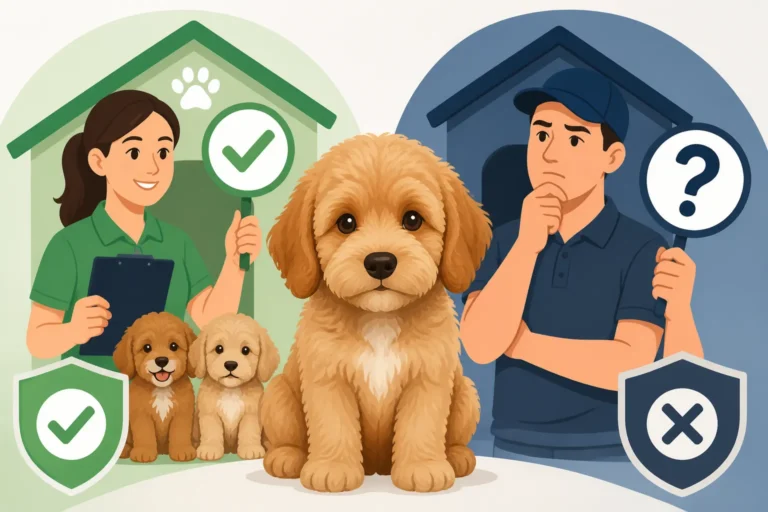
This stage is arguably the most important, as it involves finding the perfect human companions for your beloved Cockapoo. It requires patience, discernment, and a commitment to thorough vetting to ensure a harmonious match.
Crafting an Honest and Appealing Profile
Your Cockapoo's "adoption profile" is their chance to shine and attract the right kind of attention. While it’s tempting to sugarcoat things, honesty is truly the best policy here. Begin by highlighting all the delightful Cockapoo traits: their famous intelligence, their playful spirit, and their deeply affectionate nature. Are they a notorious lap dog who thrives on cuddles, or are they a more independent explorer? Do they absolutely live for long hikes and dog park adventures (perhaps linking to The Miles a Cockapoo Wants Every Day to show their exercise needs), or do they prefer shorter, more frequent strolls followed by ample couch time? If they are good with children, specify their comfort level and interaction style, perhaps referencing A Cockapoo With Children as a guide.
Crucially, include several high-quality, recent photographs that truly capture your Cockapoo's personality from various angles. Show them at play, at rest, and interacting with people. Don't just pick photos that show off their gorgeous coat; choose ones that tell a story. While you should highlight their best qualities, don't shy away from gently mentioning any known quirks or challenges. For example, if they have a habit of "booping" people with their nose for attention, or if they can be a bit vocal when excited, mentioning it prepares potential adopters. Transparency builds trust and ensures that the new family knows exactly what to expect, fostering a more realistic and ultimately more successful integration. You can share this detailed profile on reputable pet rehoming websites, through your trusted personal network, or within community groups, always exercising caution and discretion.
Interviewing Prospective Adopters
This is where your personal insight and intuition truly come into play. Developing a comprehensive list of questions is crucial to delve beyond surface-level interest. Beyond the basics like "Do you have a securely fenced yard?" you'll want to explore their lifestyle in depth. How many hours are they typically away from home on a daily basis? What is their previous experience with dogs, especially breeds with the intelligence of a Poodle or the energy of a Cocker Spaniel? Ask about their approach to training and socialization – are they committed to positive reinforcement? Do they understand the importance of ongoing mental stimulation for a clever Cockapoo?
Listen intently not just to their answers, but also to the questions they ask. Thoughtful, specific inquiries about your Cockapoo's routine, health history, or personality indicate genuine interest and a responsible approach. Conversely, vague questions or an unwillingness to provide details about their living situation can be red flags. You are searching for someone whose lifestyle, expectations, and values align perfectly with your Cockapoo's unique needs. This isn't just about finding any home; it's about finding the right home, where your dog will truly thrive.
Here's a sample of key questions to help guide your interviews:
| Category | Questions to Ask Prospective Adopters |
|---|---|
| Experience | Have you owned dogs before? What breeds? What was your favorite part of having a dog, and what was the most challenging? How do you handle common behavioral issues like barking, chewing, or house training accidents? |
| Lifestyle | Describe a typical day in your household. How many hours per day would the dog be left alone? (Consider linking to Building a Cockapoo's Tolerance for Being Alone). What are your plans for exercise and mental stimulation? Do you have a fenced yard, and if so, how high and secure is it? How often do you travel, and what are your plans for pet care during those times? |
| Family | Who lives in your household? Are there children, and if so, what are their ages? (Discussing A Cockapoo With Children is important). Are there other pets? If so, what are their temperaments and how have they interacted with new dogs in the past? |
| Commitment | What do you anticipate are the biggest challenges of owning a Cockapoo? Are you prepared for the grooming commitment (especially for curly or wavy coats, perhaps referencing Where a Curly Cockapoo Mats First)? Are you prepared for potential veterinary costs, including unexpected emergencies or lifelong care? What do you believe are What a Cockapoo Asks of a First Time Owner? |
| Health Plans | Which veterinarian do you plan to use? Are you familiar with common Cockapoo health concerns? Would you be open to providing pet insurance for your dog? |
| Why This Dog | Why are you interested in a Cockapoo specifically? What about Your Cockapoo's Name's profile stood out to you? What kind of relationship are you hoping to build with your new dog? |
The Importance of Home Visits and Meet-and-Greets
Never, ever skip these crucial steps in the placement process. A home visit offers you an invaluable opportunity to observe the environment where your Cockapoo would potentially live, providing a tangible sense of their future. Is the home safe and secure, free of obvious hazards? Is there adequate space for a playful Cockapoo, both indoors and out? Does the general atmosphere feel calm, loving, and conducive to a dog's well-being? This isn't about judging their taste in decor, but rather objectively assessing the practical suitability of the home for your specific dog.
During these visits and subsequent meet-and-greets, pay close attention to how the prospective adopters interact with your Cockapoo. Do they approach them gently and respectfully? Does your Cockapoo seem comfortable, curious, or perhaps a bit wary? Observe their body language carefully. If the family has other pets or children, facilitate carefully supervised interactions to assess compatibility. A truly successful meet-and-greet often involves multiple sessions, allowing everyone – humans and canines alike – ample time to get comfortable and for true personalities to emerge. This is also your chance to walk them through your Cockapoo's established routine, demonstrating how you handle their daily grooming, their specific feeding rituals, or their preferred games. It’s an opportunity for you to see firsthand if the chemistry is right and if everyone seems genuinely excited and ready for this new chapter together, reinforcing the importance of Meeting a Cockapoo in Person First.
The Adoption Process and Post-Placement Support
Once you’ve found that ideal family, the journey isn't quite over. Ensuring a smooth transition and providing ongoing support can make all the difference in your Cockapoo’s successful integration into their new life.
Formalizing the Adoption with a Contract
Even in a private rehoming situation, a formal adoption contract is not just recommended, it's absolutely essential. This legally binding document serves to protect both you and, most importantly, your Cockapoo, by clearly outlining the responsibilities, expectations, and agreed-upon conditions of the adoption. It typically includes clauses detailing what happens if the placement, for any unforeseen reason, doesn't work out. Often, this means the dog must be returned to you, rather than ending up in a shelter or being rehomed again through unknown channels. This clause is a critical safeguard, preventing your Cockapoo from becoming part of the heartbreaking statistics of pets that eventually end up in rescue, which sadly happens to many, as evidenced by Why So Many Cockapoos End Up in Rescue.
The contract can also stipulate agreements regarding future veterinary care, ensuring your Cockapoo receives regular check-ups, vaccinations, and prompt treatment for any health issues. If your Cockapoo isn't already spayed or neutered, the contract can include a requirement for this procedure. Crucially, it will contain contact information for both parties, establishing a clear line of communication. While it might feel overly formal for what you hope will be a warm, personal arrangement, this document isn't about distrust; it's about establishing clear boundaries and providing a solid framework that safeguards your Cockapoo's long-term well-being and security. Many sample pet adoption contracts are readily available online and can be customized to suit your specific needs and the unique circumstances of your Cockapoo's placement.
Transitioning Your Cockapoo to Their New Home
The first few days and weeks in a new home are a critical adjustment period for any dog, and your Cockapoo will benefit immensely from a thoughtful transition plan. To ease this change, provide the new owners with a "starter kit" of familiar items. This should definitely include their current bed, their favorite toys, a blanket or towel with your scent on it (to provide comfort and familiarity), and at least a few days' worth of their current food. This continuity in diet is especially important if they're on a specific brand like Ollie or a particular kibble from Chewy, as sudden dietary changes can cause upset stomachs.
Share your Cockapoo's daily routine in painstaking detail: their precise feeding times, when they typically need potty breaks, their preferred type and duration of exercise, and any special cues or habits they have. Suggest that the new owners initially establish a quiet, designated "safe space" for your Cockapoo within their home, perhaps a comfy crate or a cozy corner, where they can retreat and feel secure. Encourage the new family to maintain as consistent a routine as possible in those initial days to provide a sense of predictability and security. This focused effort during the transition will help your Cockapoo settle in more quickly, bond with their new family, and reduce stress for everyone involved.
Maintaining Communication and Support
Many owners who undertake the emotional journey of self-placing their pets find immense comfort in maintaining some level of contact with the new family, at least for an initial period. Before the adoption is finalized, agree on a communication plan that works for both parties. This could involve weekly updates with photos for the first month, followed by monthly check-ins, or simply an agreement for occasional updates as desired. This arrangement offers you invaluable peace of mind, allowing you to see your beloved Cockapoo thriving in their new environment. It also provides an open channel for the new owners to ask questions as they get to know your dog, leveraging your unique insights into their personality and quirks.
You might also recommend that the new family look into pet insurance with a reputable provider like Healthy Paws. This proactive step can provide financial protection against unexpected veterinary bills, which can arise even with a healthy dog, and ensures they can always access the best care for your Cockapoo throughout their life. Remember, by carefully guiding your Cockapoo to a new home yourself, you've performed an incredibly loving and selfless act, ensuring they receive the attention and environment they need to flourish. Seeing them happy and settled will be your greatest reward.
Disclaimer
This article is for general informational purposes only and does not constitute professional advice. Laws, prices and regulations vary by location and change over time. Consult a qualified professional for guidance on your specific situation.