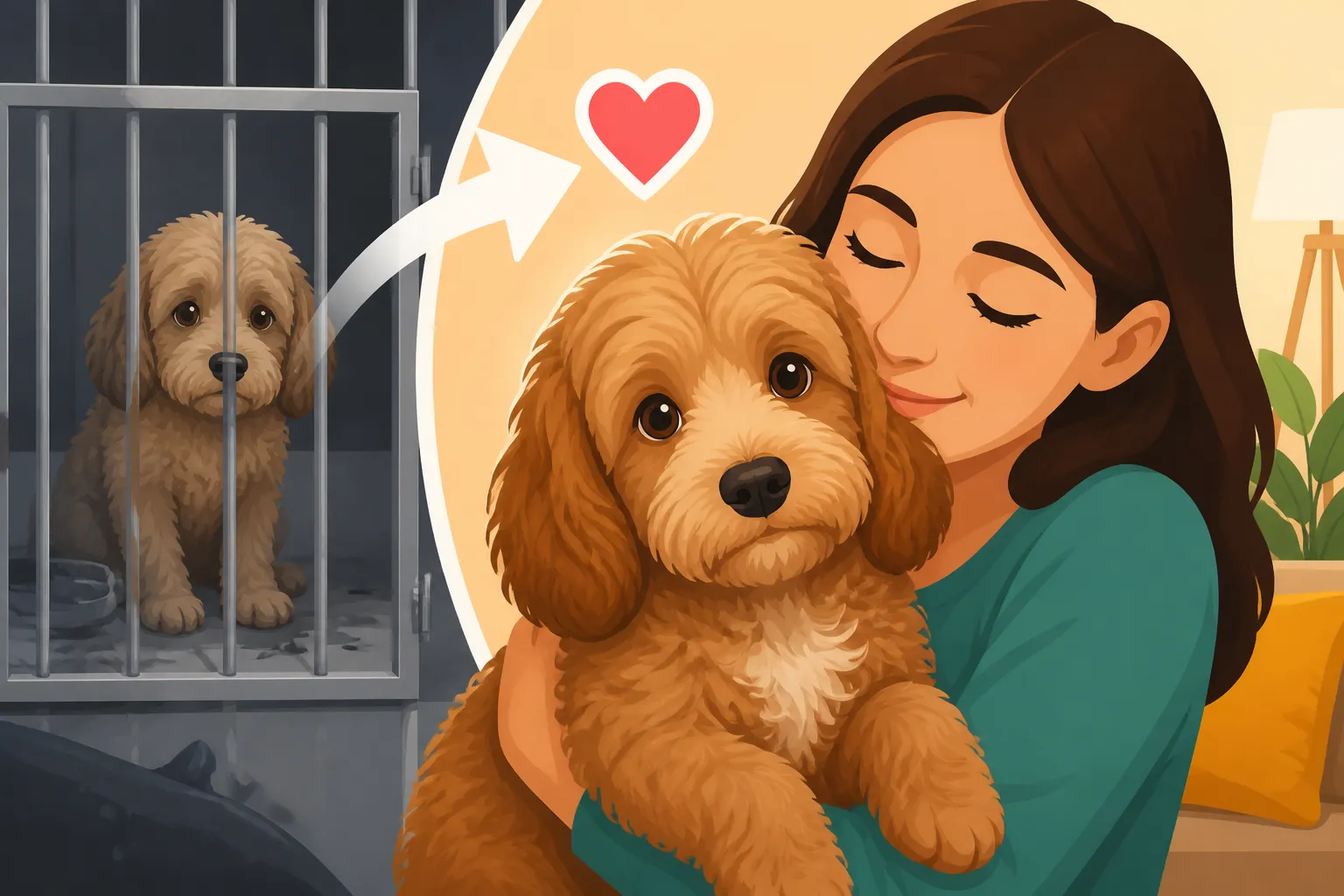
Fostering a Cockapoo Out of a Mill Seizure
It’s truly heartbreaking to imagine any dog living in fear and neglect, but the reality for many Cockapoos rescued from large-scale breeding operations, often called puppy mills, is unfortunately just that. When these sweet, sensitive dogs are finally freed, they often arrive with a unique set of physical and emotional challenges that can be overwhelming for a new foster parent. This guide is here to walk you through what to expect when you open your home to a Cockapoo recovering from a mill seizure, offering practical advice and a big dose of empathy for the journey ahead.
Understanding the Plight of a Mill-Seized Cockapoo
Bringing home a Cockapoo from a mill seizure isn't like adopting from a typical shelter or breeder. These dogs have often endured unimaginable conditions, and their recovery journey is a testament to their resilience and your patience.
What "Mill Seizure" Actually Means for a Dog
When we talk about a "mill seizure," we're referring to the rescue of dogs from large, commercial breeding facilities where profit is prioritized over animal welfare. These places are characterized by overcrowding, unsanitary conditions, and a severe lack of veterinary care and human socialization. For a Cockapoo, this means living in a small cage, often on wire flooring that can damage their paws, without proper bedding, toys, or even natural light. They might have spent their entire lives as breeding machines, producing litter after litter without ever experiencing a loving touch, a walk on grass, or the simple joy of playing with a toy.
Imagine a life where every interaction is frightening, every sound is loud and jarring, and the only contact with humans is often rough or indifferent. This kind of existence leads to profound psychological trauma, manifested as extreme fear, anxiety, and a complete lack of understanding of the world outside their cage. Physically, they often suffer from untreated dental disease, ear infections, skin conditions from constant dampness or parasites, and internal parasites. Their muscles may be underdeveloped from lack of exercise, and their bones brittle from poor nutrition. It's a truly harrowing situation, and the dogs who emerge from it are survivors who need gentle, understanding care.
The Specific Challenges a Cockapoo Faces from a Mill Background
Cockapoos are generally known for their joyful, intelligent, and affectionate nature. They inherit a lively spirit from the Cocker Spaniel and the keen intellect and often sensitive disposition of the Poodle. In a mill environment, these inherent traits are brutally suppressed or warped. A naturally curious and social Cockapoo puppy, denied any positive human interaction, playtime, or exploration, often becomes withdrawn, terrified, or hyper-vigilant. Their intelligence, instead of being channeled into learning tricks or games, might be used to anticipate threats or cope with constant stress.
For instance, their instinctual need for social connection, often so strong in a Cockapoo, becomes a source of deep anxiety. They might shy away from hands that have only ever caused pain or fear, making even gentle petting a monumental step. House training can be a huge hurdle because they've likely lived in their own waste and have no concept of appropriate potty areas. Grooming, which is essential for a Cockapoo's coat, can be terrifying if their previous experiences involved painful mat removal or rough handling without desensitization. These dogs often have deeply matted coats, which can be incredibly painful and restrict movement, adding to their overall discomfort. You might find that some of these rescued Cockapoos also carry genetic predispositions to certain health issues, common in poorly bred lines, like Phosphofructokinase Deficiency in a Cockapoo or Familial Nephropathy and the Kidneys a Cockapoo Can Inherit, making a health check-up a crucial first step. Their early life trauma can manifest in a myriad of behavioral issues that require immense patience and a specialized approach.
Preparing Your Home and Heart for a Foster Cockapoo
Taking on a mill-seized Cockapoo is a profound act of compassion, but it requires careful preparation, both in your physical home and your emotional readiness.
Essential Supplies and a Safe Environment
Creating a safe haven for a mill-seized Cockapoo means more than just setting out food and water. These dogs have known only the bare minimum, so every new comfort you provide is a step towards healing. Start by preparing a quiet, secure space for them, perhaps a spare room or a section of a larger room, equipped with a comfortable dog bed or soft blankets. A large, open crate can also serve as a den, offering a sense of security and a personal retreat. Place water bowls and food bowls in this area. Given their background, some dogs might eat ravenously, while others may be too scared to approach food initially.
High-quality nutrition is incredibly important for their physical recovery. Look for a reputable brand of dog food, perhaps one that offers fresh, human-grade ingredients like Ollie, or a well-regarded kibble that you can find easily through online retailers like Chewy. Introduce food gradually, offering small, frequent meals if they're underweight or have sensitive stomachs. Avoid overwhelming them with too many choices or sudden changes. Soft toys, like plush animals, can be comforting, but be mindful that they may not know what a toy is or how to play. A comfortable harness and leash are also critical, as they've likely never walked on a leash before and a collar can easily slip off a fearful dog. Consider soft lighting and a calming environment, perhaps with a dog-appealing pheromone diffuser to help them settle. Remember, their world has just been turned upside down, and every little comfort you can provide helps them feel safe.
Emotional Readiness and Realistic Expectations
Fostering a mill-seized Cockapoo demands an extraordinary amount of patience, empathy, and a realistic understanding of the journey ahead. This is not a quick fix; these dogs often come with deep emotional scars that require time, consistency, and a very gentle approach to heal. You might expect a shy dog, but you could also encounter one that is completely shut down, or conversely, one that is reactive due to extreme fear. It's crucial to understand that every small step forward is a victory, and setbacks are a normal part of the process.
Be prepared for behaviors like extreme fear of humans, hiding, house training accidents, pacing, barking, or even resource guarding around food or perceived safe spots. These aren't signs of a "bad" dog; they are symptoms of past trauma. Your role is to provide a consistent, predictable, and calm environment where the dog feels safe enough to slowly emerge from their shell. Avoid pushing them too quickly, forcing interactions, or making sudden loud noises. Celebrate tiny victories, like them taking a treat from your hand, making eye contact, or wagging their tail for the first time. It's an emotionally demanding role, and it's okay to feel overwhelmed at times. Leaning on the rescue organization for support and guidance is incredibly important; they've likely dealt with many such cases and can offer invaluable advice. Understanding that you are a bridge to a forever home, and not necessarily that home yourself, is key to managing the bittersweet nature of fostering.
The First Days and Weeks: Building Trust and Routine
The initial period with a mill-seized Cockapoo is critical for establishing trust and a sense of normalcy. This is where your patience truly shines.
Establishing a Gentle Routine
Predictability is a powerful healer for dogs who have lived in chaos. From day one, establish a gentle, consistent routine for your foster Cockapoo. This includes set times for feeding, potty breaks, and short, quiet interactions. Dogs thrive on routine, and for a mill dog, it creates a framework of safety they've never known. Keep feeding times consistent; perhaps twice a day, offering small, palatable meals. Remember, they may be unfamiliar with eating out of a bowl or even dry kibble, so patience is key. Providing food in a quiet, undisturbed area can help.
Potty breaks should be frequent, especially in the beginning. Take them out every couple of hours, and immediately after waking up, eating, and playing (if they play!). Carry them outside to a designated potty spot if they're too fearful to walk, and calmly praise them for any success, even if it's just peeing on the grass. Avoid punishing accidents inside, as this will only increase their fear. Their understanding of house training will be severely underdeveloped, so approach this with maximum understanding. Gentle interactions are crucial: speak in soft, calm tones, move slowly, and avoid direct eye contact initially, as it can be perceived as threatening. Let them approach you on their terms. Simply sitting quietly in the same room, reading a book, or watching TV, can help them get used to your presence without pressure. This slow, steady approach lays the foundation for building trust.
Addressing Common Behavioral Challenges
Mill-seized Cockapoos present a spectrum of behavioral challenges, all stemming from their traumatic past. Fear is almost always at the root of these issues. You might notice extreme shyness, where the dog will freeze, cower, or try to escape any human contact. Some might exhibit "flight or fight" responses, becoming reactive or even nippy if cornered. House training can be a marathon, not a sprint, as they've never learned to differentiate between inside and outside. Resource guarding, where a dog becomes protective of food, toys, or even a particular spot, is also common due to past scarcity.
Positive reinforcement is your most powerful tool. Always reward desired behaviors with high-value treats and soft praise, no matter how small the behavior. If they make eye contact, offer a treat. If they take a step towards you, another treat. For house training, reward heavily for successful potty breaks outside, and clean up indoor accidents without scolding. For fear, create a safe, quiet den where they can retreat. Never force them out. If they are fearful of handling, try to make all contact positive, perhaps offering a treat every time you gently touch their back or side. For issues like matted fur (common in rescued Cockapoos), professional grooming might be necessary, but look for a groomer experienced with fearful dogs, or ask your vet for advice on how to best approach it. Regular veterinary check-ups are also crucial, as their previous health care was likely nonexistent. Consider pet insurance like Healthy Paws early on, as these dogs often have a host of underlying health issues that emerge once they're safe. The First Signs of Kidney Failure in a Cockapoo or Whether a Cockapoo's Ears Count as Preexisting are important considerations for their long-term well-being and insurance coverage.
Supporting Their Journey to a Forever Home
Your role as a foster parent extends beyond immediate care; you're also a vital part of preparing your Cockapoo for their ultimate forever home. This involves gradual socialization and continued behavioral support.
Socialization, Training, and Enrichment
Once your foster Cockapoo has started to settle and show signs of increased confidence, you can begin to introduce them to new experiences and very gentle training. Remember, everything is new to them – the sound of a vacuum cleaner, a car ride, other dogs, even the feel of grass under their paws. Begin with very gradual, positive exposures. For example, if they are fearful of other dogs, introduce them to a very calm, well-socialized dog on neutral territory, at a distance, rewarding your foster for calm behavior. If they have shown signs of the strong scent drive inherent in Cockapoos, activities like Scent Work That Satisfies a Cockapoo can be a fantastic way to build confidence and mental stimulation in a low-pressure environment.
Basic obedience training should be approached with extreme patience and positive reinforcement. Focus on simple commands like "sit," "stay," and a reliable "come," which not only provide mental exercise but also build confidence and a stronger bond between you and the dog. Keep training sessions short, fun, and always end on a positive note. Leash training will be a journey; many mill dogs have never worn a leash. Start by simply letting them wear a comfortable harness for short periods, then attach the leash and let them drag it around in a safe, enclosed space, always supervised. Gradually, introduce short walks in quiet areas, rewarding every step they take confidently. Enrichment activities, such as puzzle toys or snuffle mats for their meals, can also help stimulate their minds and build problem-solving skills, reducing anxiety and boredom.
The Bittersweet Goodbye: Transitioning to Adoption
The ultimate goal of fostering is to help your Cockapoo heal and find their perfect forever family. This part of the journey can be incredibly rewarding, but also emotionally challenging for the foster parent. It's a bittersweet moment when you realize your foster dog, whom you've poured so much love and effort into, is ready to move on. Preparing them for adoption involves documenting their progress, sharing insights into their personality, and helping the rescue match them with the right family.
As the dog gets closer to adoption, continue reinforcing positive behaviors and routines. If possible, facilitate "meet and greets" with potential adopters in a calm, controlled environment. Provide the new family with all the information you've gathered about the dog's preferences, fears, training progress, and any ongoing needs. Being honest about their challenges and triumphs helps ensure a successful placement. It’s also important to mentally prepare yourself for their departure. While it’s hard to say goodbye, remember that you have given that Cockapoo a second chance at life, a chance they would never have had without you. You've taught them what it means to be loved and safe, and that is an invaluable gift. Many rescue organizations will support you through this transition, and connecting with other foster parents can provide a wonderful network of understanding and shared experience. Knowing Why So Many Cockapoos End Up in Rescue can help put your efforts into perspective, understanding the broader impact you're making.
Here's a quick overview of common challenges and approaches when fostering a mill-seized Cockapoo:
| Challenge Area | Common Manifestations | Foster Approach |
|---|---|---|
| Fear/Anxiety | Hiding, trembling, cowering, destructive chewing when alone, barking | Create a safe den, avoid sudden movements/loud noises, positive reinforcement, routine, consider anxiety aids (pheromone diffusers). Building a Cockapoo's Tolerance for Being Alone. |
| House Training | Frequent accidents indoors, no concept of outdoor potty | Frequent potty breaks, calm praise for outdoor success, never scold for accidents, clean thoroughly. |
| Socialization | Fear of people, other dogs, novel objects/sounds | Gradual, positive exposure to new experiences, reward calm behavior, slow introductions, respect their boundaries. |
| Grooming/Handling | Extreme fear of touch, matting, ear infections, dental issues. Dental Crowding in a Small Cockapoo. | Gentle desensitization, positive association with touch (treats), professional groomer experienced with fearful dogs, regular vet checks. |
| Resource Guarding | Aggression/freezing over food, toys, beds | Feed separately, manage high-value items, work with a professional trainer using positive methods, avoid confrontational approaches. |
| Leash Walking | Pulling, freezing, fear of harness/leash | Introduce harness slowly, allow dragging leash in secure area, short walks in quiet places, reward loose leash. |
| Health Issues | Parasites, dental disease, skin infections, genetic conditions (e.g., The FN DNA Test a Cockapoo Breeder Runs) | Comprehensive vet exam upon arrival, consistent medication/treatment, good nutrition (like Chewy or Ollie brand foods), consider pet insurance like Healthy Paws. |
Disclaimer
This article is for general informational purposes only and does not constitute professional advice. Laws, prices and regulations vary by location and change over time. Consult a qualified professional for guidance on your specific situation.